
 By
By  August 26, 2025

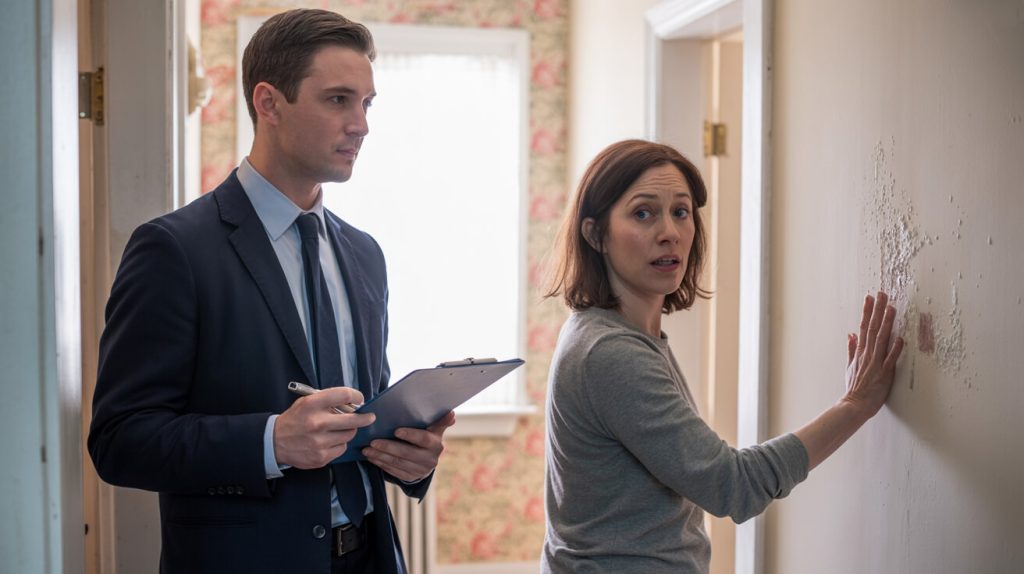
Why “Audit-Proof” Damp and Mould Compliance Redefines Portfolio Success in 2024–2025
In property today, compliance is more than ticking regulatory boxes—your future asset value, your reputation with lenders and regulators, and even your direct legal risk now hinges on documented, audit-proof control of damp and mould cases. Ad hoc paper trails and sketchy logs are liabilities; forgettable fixes or verbal assurances won’t cut it under Awaab’s Law, the Regulator of Social Housing (RSH) 2024 Consumer Standards, and the coming Decent Homes Standard 2025. Every one of these frameworks puts the onus on your organisation to prove—not simply claim—rigorous, timely responses to every report and risk.
Each unlogged repair or missing communication is now a line of personal accountability. Auditors treat absence of evidence as evidence of absence.
When regulators, insurers, or the ombudsman ask for proof, “our team did its best” isn’t sufficient. Your asset’s ability to withstand financial scrutiny, legal challenge, and tenant litigation depends on rock-solid, end-to-end evidence chains. The distinction between a thriving, trusted landlord and one losing value or facing penalties will be your compliance DNA. Those who establish these systems early position themselves not only to avoid crisis, but to win lender preference, tenant trust, and portfolio stability.
How Are Awaab’s Law, RSH 2024, and Decent Homes 2025 Raising the Stakes for Damp and Mould Compliance?

Most landlords remember when a quick reply to the tenant or a local contractor invoice was enough. That era is over. Awaab’s Law compresses response times: you must inspect within 14 days of any damp or mould complaint and then resolve hazards inside another fixed window, often just 5–21 days (gov.uk). No matter the property, “We couldn’t get hold of the tenant” or “we made a note in the diary” no longer provides cover.
The RSH 2024 Consumer Standards up the ante. It’s no longer enough to close cases with a brief note. Regulators want to see diagnosis, action, and outcome records—all in auditable, coherent format. Did your team investigate the true cause? Did you report, photograph, and follow up within the right timeframe? Could you produce evidence instantly in a legal or regulatory context?
Meanwhile, the Decent Homes Standard 2025 bans hazardous damp and mould outright—demanding not reactive patch-ups, but active risk elimination with logged, time-stamped proof (propertymark.co.uk). “Hopefully sorted” is obsolete—regulators expect to see ongoing aftercare reports, asset status reviews, and proof that your portfolio remains risk-free long after initial treatment.
In 2024–2025, real-time evidence of proactive action is the new currency of trust for asset owners and managers.
These combined standards mean your system must be more than procedure—it must be a seamless, integrated, legally robust record that can hold up to the harshest daylight. Ombudsman, lender, or local authority investigations require not just any record, but ones built for instant extraction, disclosure, and scrutiny.
What Are the Building Blocks of a Legally Defensible Damp & Mould KPI System?

For your audit trail to hold up—to meet legal, insurance, and regulatory scrutiny—your compliance structure must be engineered for proof, continuity, and resilience. Here’s what separates bulletproof from brittle:
Tamper-Proof, Time-Stamped Case Logs
Every complaint, investigation, and fix must be traceable and locked against manipulation. The standard now: digital systems with time-stamps, linked photographs and documents, and user accountability. Old-school spreadsheets or ad hoc manager notes fail the “chain of custody” test.
- Each complaint starts a formal clock—don’t risk missing the true “day one.”
- Photo/log uploads must be instant and clearly attributed.
- All actions by any team member are logged, persistent, and exportable.
Regulator-Grade Diagnostics and Narrative
Diagnosis language matters. “Damp patch treated” is rejected; “hygroscopic damp at DPC height—chemical DPC applied, plaster replaced, root cause verified (see photos)” is trusted. For contentious or heritage cases, externally signed surveyor reports (BS 6576/BS 8102, PCA) act as a legal firewall.
- Clear symptom/cause distinction (condensation vs. rising damp vs. ingress).
- Root-cause record (why was this determination reached?).
- Third-party or independent survey evidence mapped to every high-risk case.
End-to-End, Chain-of-Evidence Aftercare
Audit closure demands more than a “job done” entry. Guarantee PDFs, humidity sensor logs, aftercare visits, and annual monitoring scans need to be joined up and instantly recallable. Insurers and lenders are increasingly rejecting claims without aftercare evidence.
- Document every site revisit, repair verification, tenant communication.
- Integrate guarantee, sensor, and follow-up logs to each property’s record.
Centralised, Secure Recordkeeping and Communication
Text messages, private photos, and local computer files break the chain. Your system must contain all communication and site data in one secure, searchable platform.
- Photos, diary entries, survey scans—all uploaded from mobile or desktop and never solely in personal inboxes.
- Asset managers must be able to prove every attempted contact, even if tenants ignore or refuse access.
Why Are Compliance Clock-Stops and Statutory Timeframes Now Make-or-Break?
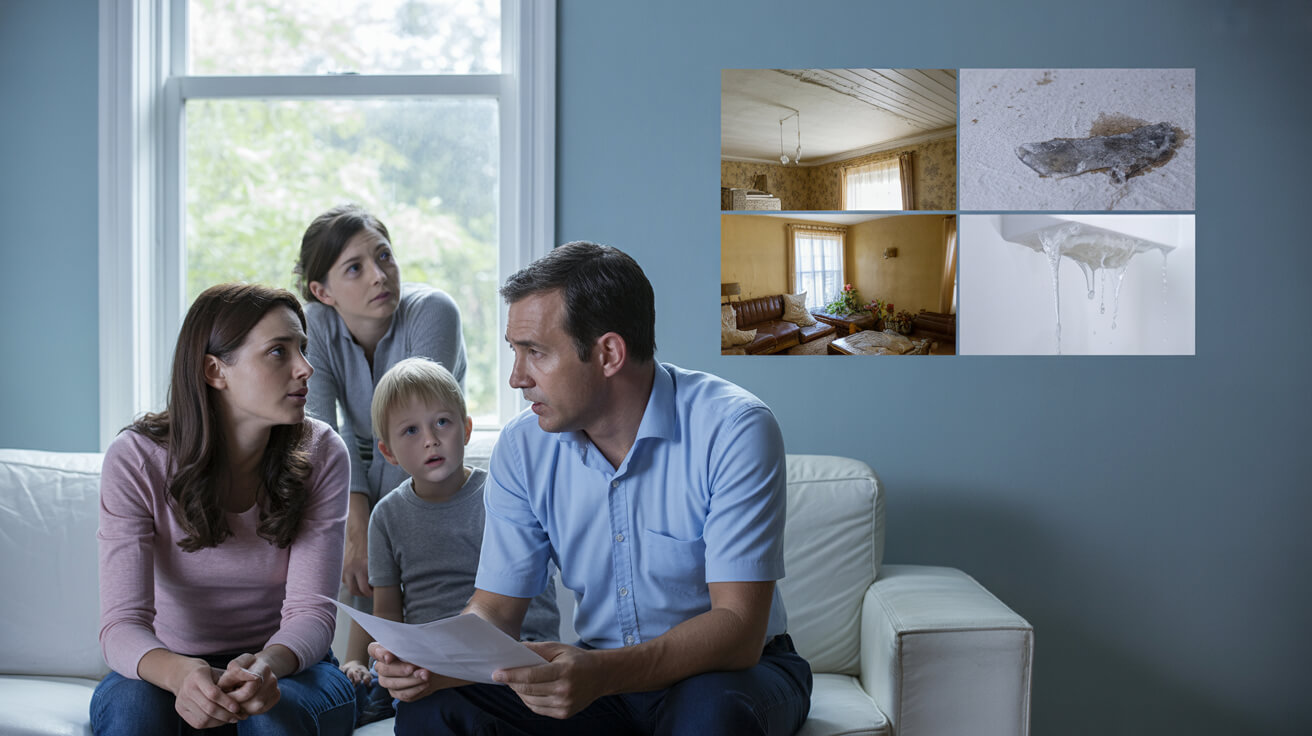
Statutory timeframes—action clocks—now govern every aspect of risk. Once a tenant, agent, or contractor submits a damp or mould report (via any recognised channel), the compliance timer starts—regardless of who logs it. You are judged on how quickly, and how credibly, you respond.
- Miss the legal window: , and escalating regulatory and legal sanctions can follow, regardless of later good intent.
- Delays and excuses—misfiled notes, unclear case logs, “lost” tenant emails—are now treated as process failures.
- “Hard-to-reach” tenants or delayed parts only provide cover with clear evidence of contact attempts and obstacles logged in the chain.
Regulators may treat any missing step as a silent admission of fault. The only defence is an unbroken, time-verified record.
Centralised, digital logging—auto-triggered reminders, instant mobile uploads, clock-stopping event updates—are your only line of defence. Spreadsheets, WhatsApp, and siloed local PCs are now business risks, not business-as-usual.
What Evidence Truly Shields You When Challenged by a Regulator, Ombudsman or Auditor?
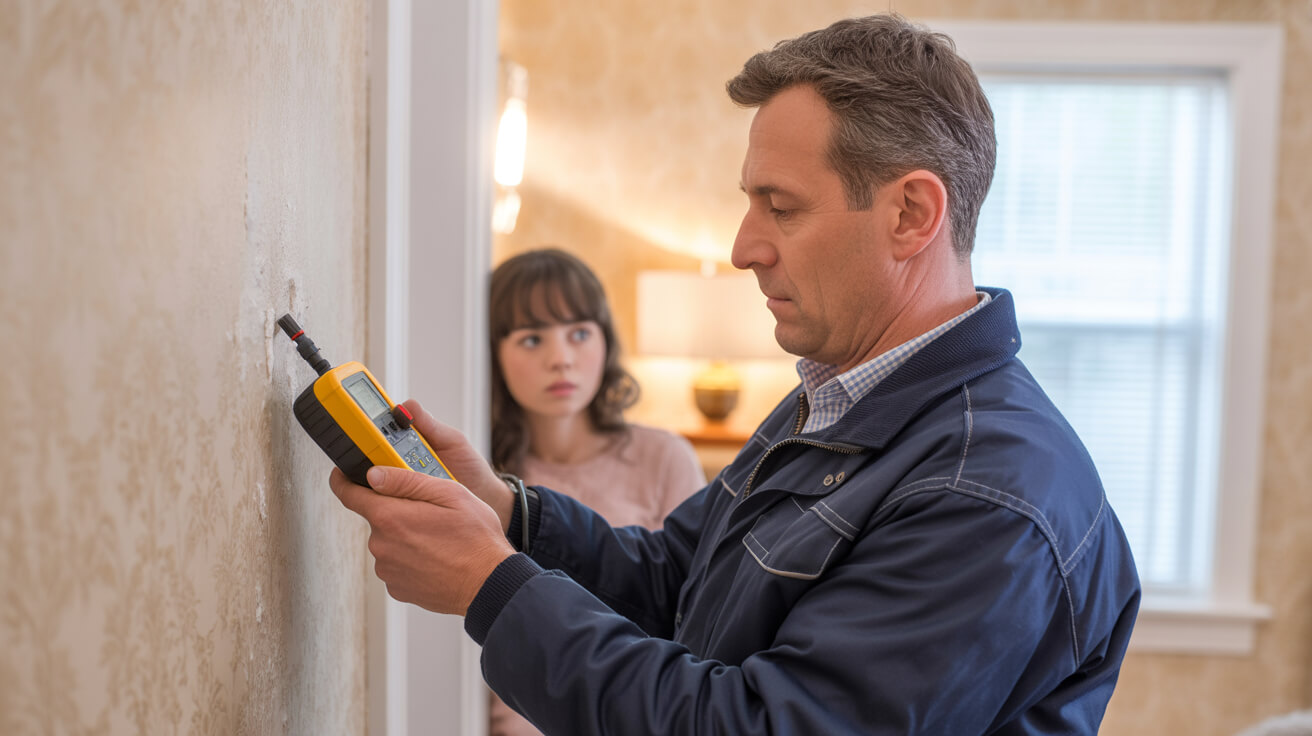
Auditors and regulators don’t just want activity—they want clear, objective proof that risk is not just “managed,” but eliminated.
- Every intervention, from “first call made” to “final cure confirmed,” must be pinned to a digital file with time and origin.
- Photographs before, during, and after treatment, dated and attributed, map remedies to specific assets—not just generic case numbers.
- External surveyor or specialist sign-off (especially for heritage, complex, or disputed cases) offers legal resilience and higher trust.
- Proof of aftercare—sensor logs, humidity trends, warranty docs—bolsters “job done” claims.
Insurers and lenders have made aftercare and ongoing risk monitoring a core expectation—it’s now a hurdle for claim acceptance and lending assessment.
- Data integrity and chain-of-custody: can you prove no single document or record was altered post-facto?
- Cross-linked digital trails that show every comment, alert, and attempted fix—even failed or delayed ones—are valued evidence.
If you can’t recall, retrieve, and demonstrate action instantly, auditors will assume it never happened.
Why Forensic Surveying and Technical Standards Are Essential, Not Optional
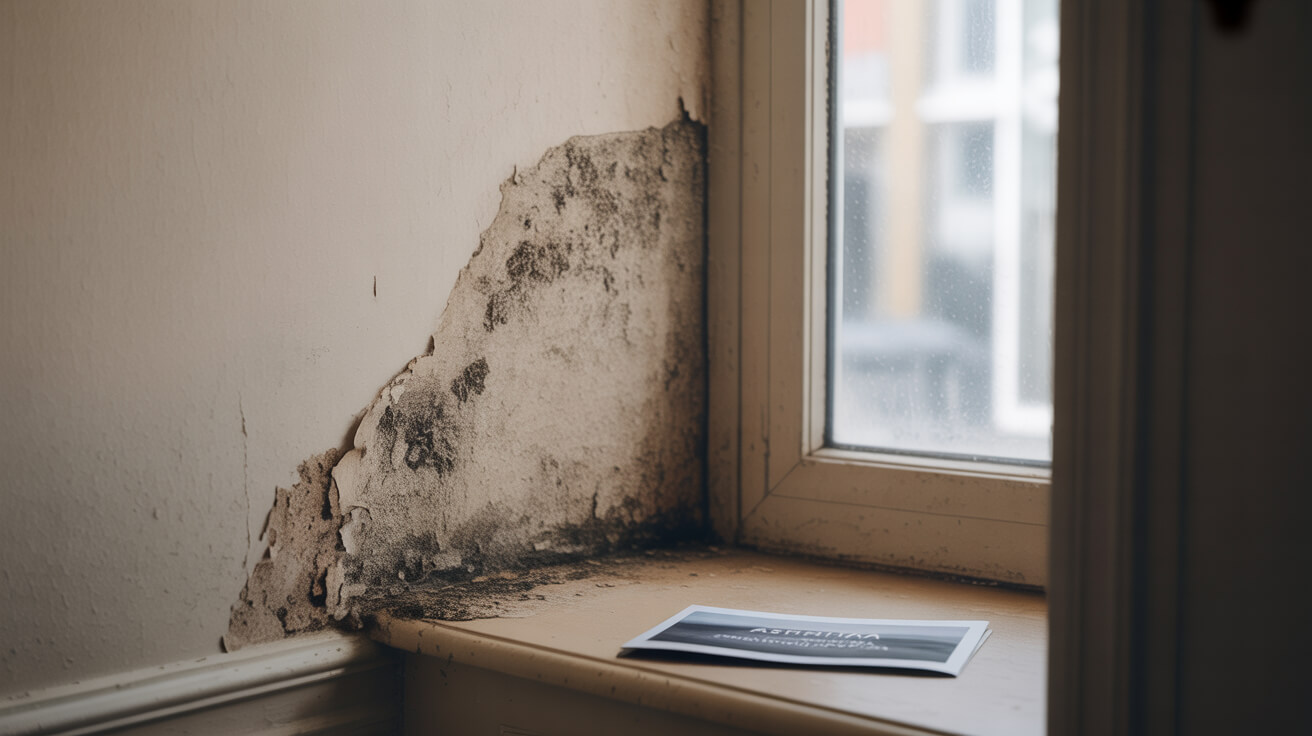
Forensic evidence is your portfolio’s strongest insurance policy. Standards like BS 6576, BS 8102, and external PCA-accredited surveying now form the backbone for compliance, asset valuation, and dispute defence.
- Every remediation must reference not just symptom treatment but root-cause diagnosis—with methods, materials, and scientific rationale logged to standard (BS 6576, PCA) ([rics.org](https://www.rics.org/uk/news-insight/latest-news/standards-and-guidance/surveying-historic-buildings-for-moisture/)).
- High-value, heritage, or repeat-problem assets need external, signed reports—a surveyor’s stamp carries weight with insurers and the courts.
- Ongoing aftercare: humidity sensors, scheduled checks, and cross-referenced engineer comments become part of asset “fitness” for mortgage, insurance, and regulatory purposes.
Hope is never a substitute for evidence. Every fix has to be audit-ready—with the documentation to match.
What Does Future-Proofed Asset Management for Damp and Mould Actually Look Like?
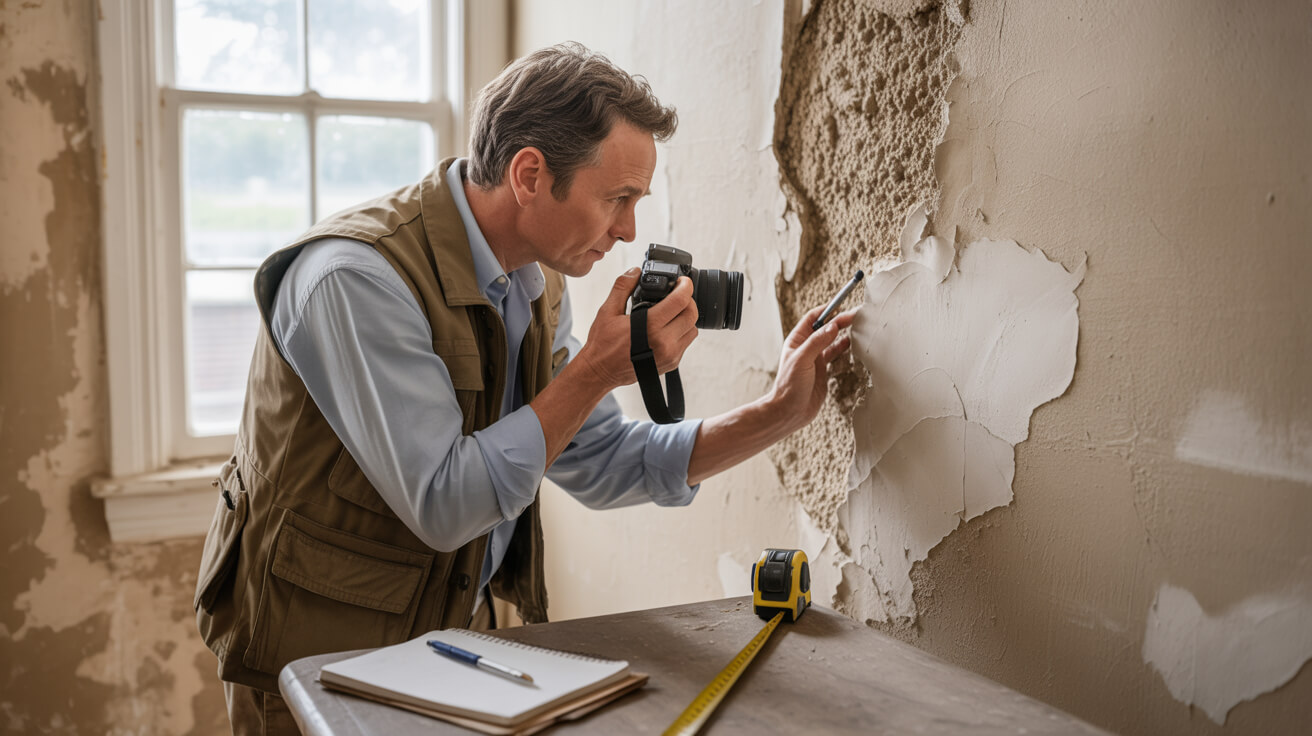
The organisations positioned to win in the new compliance era aren’t just rule-followers—they’re systemic risk managers. They treat documentation and monitoring as assets, not admin chores.
- Proactive risk registers: —not just flagging problems, but forecasting which assets are likely to show risk based on surveys, environment, and tenant feedback.
- Live compliance dashboards: —they instantly show which assets are overdue for aftercare, have open cases, or are vulnerable in an audit or valuation scenario.
- Automated aftercare and review cycles: —scheduled site visits and automated reminders for annual inspections, sensor reports, and guarantee renewals.
- Cross-sector resilience: —the same documentation that impresses regulators also lowers insurance premiums and secures lender confidence.
The portfolios attracting the lowest rates and quickest deals are those whose compliance files are as “fit” and auditable as the buildings themselves.
Why Sussex Damp Experts Stand at the Top of the Audit-Proof Pyramid
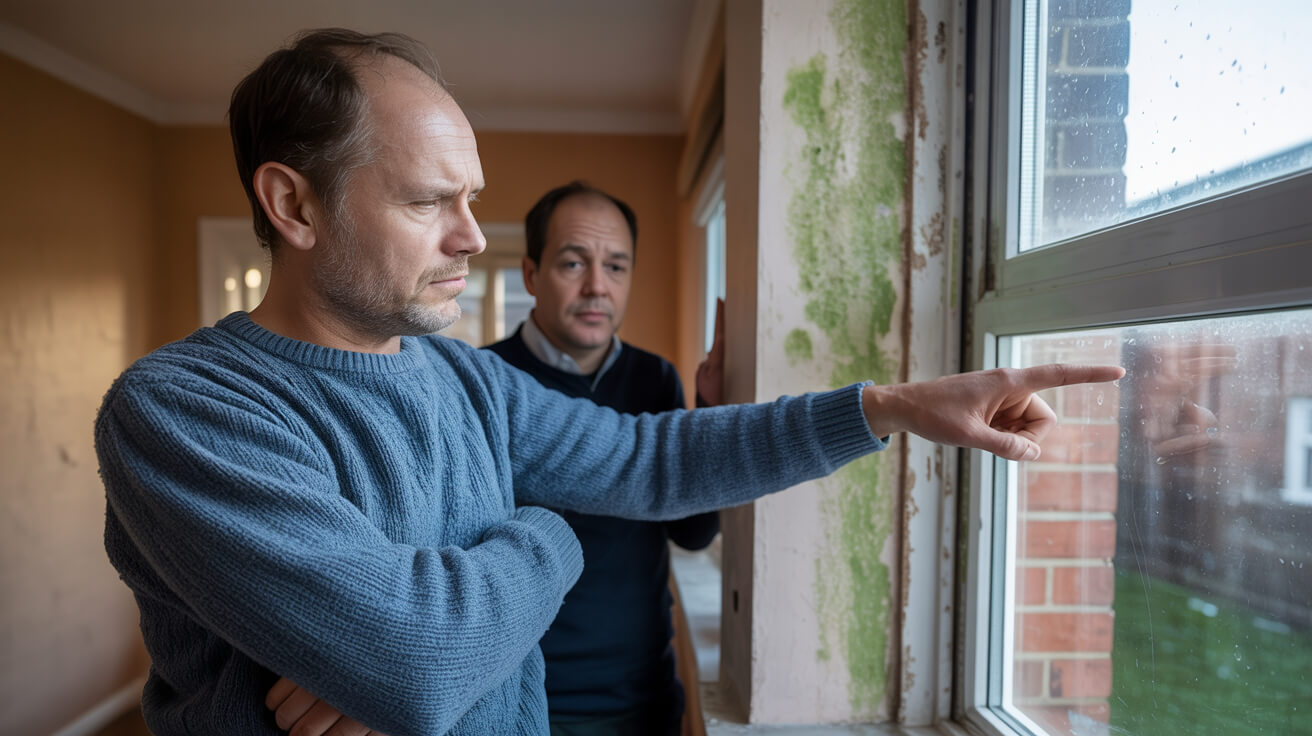
Sussex Damp Experts have engineered their process for the 2024–2025 compliance landscape—going far beyond technical quick-fixes and legacy certification.
- Every case is documented using the latest protocols: photographic proof, surveyor and engineer reports, and robust rationale for every diagnosis.
- The team’s credentials—PCA, TrustMark, and BS 6576/BS 8102 standards—meet and exceed what regulators, insurers, and lenders search for in disputes or audits.
- Aftercare is included by default: annual check-ins, environmental monitoring, and guarantee management mean you’re never left guessing about future risk.
- Trusted by top landlords, housing providers, and asset managers for turnkey, regulator-proof systems that protect portfolio value and cut audit anxiety.
- Audit readiness isn’t a promise—it’s an operational fact, embedded in every step.
In 2025’s risk culture, trust, but verify isn’t paranoid—it’s smart asset management. Sussex Damp Experts operate at the level regulators and lenders demand.
Secure Audit-Grade Damp & Mould Compliance with Sussex Damp Experts Today
Your next inspection or audit shouldn’t be a roll of the dice. Sussex Damp Experts bring you engineered compliance, not just “best effort”: legal-grade surveying, digital documentation, ironclad aftercare, and asset-by-asset proof built to stand up to ombudsman, insurance, and lender challenge.
Give your portfolio—the value and the people behind it—the security of evidence-backed, regulator-validated, future-ready damp and mould control. This isn’t the future of compliance; it’s the new minimum.
Request a forensic survey, compliance review, or portfolio risk consultation. Upgrade to audit-proof asset management today.
Frequently Asked Questions
What core compliance duties now exist for landlords and managers facing damp and mould risk?
Legal frameworks like Awaab’s Law, the Decent Homes Standard, and the RSH 2024 standards now treat unresolved damp or mould as failures of management, not just building defects.
Landlords and asset managers are directly responsible for investigating reported damp within 14 days—any delay invites regulatory investigation, insurance complications, and possible tribunal action. It’s now critical your response covers more than quick fixes or surface-level treatments. The law expects a root-cause diagnosis, methodical evidence chains, and warranties that won’t dissolve under scrutiny. Owners must prove active, ongoing management—retrospective justifications or post-facto paperwork simply don’t hold up.
What real-world obligations follow from these changes?
- Inspection within two weeks of complaint, by a qualified surveyor who can evidence root causes.
- Every action logged—appointments, photos, communication—creating an audit-ready digital trail.
- Correct classification of damp (rising, penetrating, condensation, or bridging): guessing or vague reporting triggers challenges.
- Remediation sign-off and aftercare commitments tied directly to national standards (e.g., BS 6576/8102, PAS 2035).
“What the regulator checks isn’t whether you fixed a wall, but whether you can prove you broke the cycle at its root—for good.”
Sussex Damp Experts use this legal baseline to protect your property and shield you from unnecessary financial loss or regulatory heat.
Which evidence and process steps genuinely satisfy inspectors, lenders, and insurers in 2024 and beyond?
It’s not the patch or product that wins the argument—it’s the strength, clarity, and order of your compliance folder.
Inspectors, mortgage lenders, and insurers now review the audit trail as robustly as the property itself. You’re expected to maintain chronological image sets, calibrated data from moisture readings, timestamped communications, and explicit root-cause reports. Lenders may refuse loans if “condensation” is over-diagnosed or the chain of events looks unclear, while insurers increasingly reject claims that lack professional surveyor input and post-remediation proof.
Which elements set apart a winning file?
- Photo diaries: Before, during, and after, directly mapped to the room and repair stage.
- Moisture logs: Regular readings, showing progression to “dry” proof over weeks, not just the repair day.
- Forensic surveyor signature: Credibility only counts if the author is accredited and traceable.
- Communication timeline: No gaps—calls, visits, escalation, and tenant responses all indexed.
- Treatment and aftercare milestones: From the first fix to post-repair checks, mapped against national standards.
Sussex Damp Experts bundle every repair with this level of granularity—making your portfolio sellable, financeable, and defendable if challenged.
How do updated digital tools and dashboards make or break legal and warranty protection?
A manual folder on a shelf won’t protect you if a tenant, regulator, or insurer asks tough questions six months later.
Modern compliance rests on digital case management—software that captures not just remedy, but the process and comms around every fix. Timers track key windows (like Awaab’s 14-day rule), photo uploads are tagged and embedded, and all messages are permanently logged to prevent disputes over “who knew what, when.” Warranty enforcement also pivots on these digital logs: lenders and underwriters increasingly specify systematised documentation at each stage.
What features give digital dashboards real muscle?
- Deadline triggers: Alert you to overdue responses, escalating before fines arrive.
- Tamper-proof photo upload: Every image or reading linked to date, time, and property location.
- Threaded comms: All messages—tenant, trades, surveyor—automatically logged and linked to the asset.
- Integrated aftercare reminders: Sensors or calendar blocks trigger follow-ups, not just fixes.
- Secure cloud retrieval: Documents can be produced for audit, survey, resale, or claim—anytime, instantly.
“Evidence isn’t just what you record; it’s what your dashboard can unearth on demand, long after the dust’s settled.”
Sussex Damp Experts deploy asset-grade digital systems, translating field visits into a bulletproof, regulator-friendly record.
Which mistakes most often lead to audit failure—even when damp is fixed “on the day”?
Many compliance failures are hidden in the gaps: missing or fake evidence, poor cause coding, or incomplete communication trails.
Regulators and insurers have become adept at forensically examining property files. Trouble starts when photos, logs, or reports are “backfilled” after the fact, or when the root cause is miscategorized by someone who hasn’t examined the substrate, structure, and history. Aftercare, too, gets missed: Without proof that a problem hasn’t recurred, files are left open to challenge even months later. Finally, fragmented communications (side emails, phone calls never logged) can render the strongest repair work invisible to outside eyes.
Key pitfalls (and how Sussex Damp Experts avert them):
- Late or staged documentation: All images and data logged live, with timestamp traces.
- Weak cause analysis: Professional diagnostics clarify whether a damp patch is rising, bridging, or a design issue—labels matter.
- Aftercare negligence: Follow-up reminders, sensor logs, and warranty triggers automate the “proof of dry.”
- Missing compliance signatures: Every file locked with accredited surveyor and client sign-off, ready for regulator questioning.
- Disjointed records: Digital dashboards fuse survey data, comms, and inspection logs into a single view, not a paper chase.
Sussex Damp Experts help you not just “pass audit”—but demonstrate resilience when compliance is most rigorously tested.
How does high-quality aftercare prevent recurrence (and future legal or insurance disputes)?
Aftercare is now considered a core compliance step, not a bolt-on.
The days of “fix and forget” are gone. Warranties now tie remediation quality directly to ongoing site checks and sensor logs. If aftercare is neglected—meaning no monitoring or no documented follow-up—recurrence goes undetected. Insurers may void cover, regulators may reopen complaints, and tenants gain new grounds for formal challenge. Real aftercare covers environmental health, substrate dryness, and mechanical system checks (ventilation, penetrations, bridging risks).
What does effective aftercare look like?
- Scheduled site visits: Verification isn’t just visual—it involves calibrated readings and physical checks.
- Sensor-based monitoring: Real-time or logged, with alerts if moisture rises.
- Warranty milestones: Clear documentation from first dry-down to completion, signed and filed.
- Tenant communication: Routine updates reassure and reduce escalation risks.
- Maintenance handover: Easy, readable plans so even a new landlord/manager stays in control.
“Recurrence isn’t a one-off fix gone wrong—it’s a system failing to keep vigilance.”
Sussex Damp Experts layer aftercare into every solution, blending technology and tradesmanship to eliminate long-tail risks.
Why does choosing surveyor-accredited, evidence-driven partners like Sussex Damp Experts set you apart legally and financially?
Modern compliance isn’t just about following rules—it’s about outpacing regulation and lender demands.
Surveyor-accredited diagnostics don’t just tick boxes; they unlock faster home sales, insurance wins, and favourable lending terms. With legal standards shifting, organisations seen as “resilient” by lenders, LPCB, or ombudsmen typically command higher property values, lower insurance risk, and fewer legal disputes. When all your documentation, comms, warranties, and aftercare are mapped to national codes, you project professional stewardship—appealing to tenants, funders, and regulators alike.
What sets Sussex Damp Experts apart?
- Diagnosis and repairs signed by PCA/TrustMark/BS-accredited experts.
- Digital records engineered for retrieval by auditors, buyers, and compliance officers.
- Unified dashboards integrating photos, readings, comms, warranty, and aftercare into a single compliance bundle.
- Evidence built for longevity: documentation remains valid and accessible over the asset’s lifespan.
- Legal, financial, and reputational gains: You’re seen as a resilient leader in property management, not a risk to avoid.
If you want every stakeholder—lender, tenant, buyer, or regulator—to see your properties as truly future-proof, Sussex Damp Experts offer the bulletproof evidence chain, technical acumen, and responsive aftercare no patchwork process can touch.

