
 By
 November 27, 2025



Why That “One Damp Patch” in a Sussex Home Matters More Than You Think
One damp patch after rain is usually early evidence that water is getting through your building, not just sitting on the surface. It looks small, but it is often the visible tip of a moisture route running through bricks, mortar and plaster. Over time, that hidden route quietly changes how your home performs, how it feels to live in, and how surveyors and buyers will judge it.
Small marks are often your building’s way of whispering that something deeper has changed.
From small stain to moisture route
Penetrating damp is not just “a bit of moisture on the surface”; in Penetrating Damp vs other forms of damp, it means rainwater or leaked water has found a way through your external envelope and is only showing itself when it finally reaches an internal surface. The original weakness might be a slipped tile, cracked gutter, failed seal or hairline crack several metres away from the mark you see.
That is why patches often seem to come and go with the weather. After a spell of driving rain, you may see a darkening on an external wall, a line above a window head, or a dull patch spreading out from a corner. As the wall dries, the mark fades, but the fabric behind it can still be holding moisture and slowly changing.
Repeated wetting and drying cycles gradually alter the wall. Mortar softens, tiny fissures open, salts and fine particles move around, and finishes like paint or plaster lose their bond. What began as an occasional mark can turn into blown plaster, flaking paint or even crumbling masonry if the underlying route is left untouched.
Why surveyors and buyers care about “minor” damp
From a lender or surveyor’s point of view, a visible damp patch is not just an eyesore; it is a clue that part of the structure is no longer performing as designed and may need penetrating damp repair. On a homebuyer or valuation report, that one mark can become a comment about “evidence of dampness” and a recommendation for a specialist damp survey, which in turn can trigger mortgage conditions, price negotiations or delays. Home-buying guidance routinely lists visible damp and staining among the structural red flags that surveyors are expected to record, because they can influence how cautious lenders and buyers feel about a property’s condition and future repair costs, a pattern reflected in homeowner advice from sources such as independent structural issue guides.
Damp also affects day‑to‑day comfort. Rooms with wet walls feel colder because wet materials conduct heat away much faster than dry ones. Building‑physics guidance on heat and moisture in buildings explains that as wall materials become wetter, their thermal conductivity rises, so more of your heating energy migrates through the wall instead of staying in the room, which is why a damp space can seem chilly even at the same thermostat setting as a dry one. Over a series of winters, that small efficiency loss adds up in your energy bills.
If you live on a typical Sussex street of Victorian, Edwardian or inter‑war houses, your neighbours’ experience is another useful indicator. It is very common to find that once one owner has a penetrating damp issue investigated properly, others along the terrace realise they have similar patterns in the same locations. In Penetrating Damp vs other forms of moisture problems, that often points to shared roof details, parapets, balconies or exposed gable walls that are all behaving in the same way.
Seeing that “one damp patch” as early evidence, rather than a cosmetic annoyance, is what justifies taking a structured look now, rather than waiting until the next survey or the next storm forces the issue.
Penetrating Damp vs Rising Damp vs Condensation – Spotting the Difference

You can usually tell penetrating damp from rising damp and condensation by the height, shape and timing of the marks it leaves. All three problems can exist in the same property at once, but they leave different fingerprints on your walls and ceilings, and those patterns are what a good surveyor uses to decide where to look and what to test.
Pattern, height and timing clues
You can often separate penetrating damp from rising damp just by looking at the pattern on the wall and when it appears. Penetrating damp tends to form irregular, patchy blotches at almost any level on an external‑facing wall. You might see a spreading mark in the middle of a wall, streaks down from a window head, or a patch high up on a stairwell where a roof junction or balcony is leaking.
Rising damp behaves differently. It is driven by ground moisture wicking upwards through porous walls, so it tends to concentrate in the lowest metre or so above floor level. The classic picture is a more or less horizontal “tide mark” with blistered paint and crystals or fluffy deposits just above the skirting, where salts have been carried up and left behind as water evaporates.
Timing also matters. Penetrating damp tends to worsen during or immediately after rainfall and then slowly recede as the wall dries, whereas rising damp is usually more constant because ground moisture levels change slowly, not hour by hour.
To fix these pictures in your mind, it helps to contrast the three side by side:
- Penetrating damp –: random, irregular patches at almost any height, most obvious after wind‑driven rain.
- Rising damp –: a low, horizontal “tide mark” in the bottom metre, with salts just above skirting boards.
- Condensation –: speckled mould in cold corners and on cold surfaces after normal daily activities.
These quick comparisons give you a starting map before anyone brings out diagnostic tools.
Lifestyle moisture vs fabric failure
Condensation adds another layer. It is caused when warm, moisture‑laden indoor air meets cold surfaces, so its pattern is tied to how you live rather than where the external defects are. Condensation‑related damp and mould will often appear in cold corners, behind big pieces of furniture pushed against outside walls, in poorly ventilated bathrooms, or on and around window reveals.
Black spot mould in a fine speckled pattern, beads of water on glass, and a general film of moisture on surfaces after cooking or showers are more typical of condensation than penetrating damp. These issues often improve significantly with better ventilation, more consistent heating and modest changes in how you dry clothes.
By contrast, penetrating damp may barely respond to lifestyle changes. You can open windows, run fans and keep the heating steady, yet still see the same patch return in the same spot every time there is heavy rain from a certain direction. That stubbornness is a strong sign that water is coming through the structure, not just condensing on its surface.
In blocks of flats and HMOs, comparing one unit with another helps. If three vertically stacked flats all have a similar damp mark in the same corner on the same elevation, it is very unlikely that three sets of occupants happen to be causing identical condensation in exactly the same place. That usually points to a shared defect in the fabric.
Learning to read these basic clues – shape, height, timing and spread – puts you in a much stronger position when you decide whether to try further lifestyle tweaks or to commission a penetrating damp survey.
Why Sussex Homes Are Especially Exposed to Penetrating Damp

Penetrating damp is a familiar issue in Sussex homes because of the local climate, wind exposure, traditional materials and the way older buildings have often been repaired. Many properties here are more vulnerable to water ingress than similar‑looking homes further inland, so a pattern that might be only occasional elsewhere can be relatively common along the Sussex coast and Downs.
Coastal climate and wind‑driven rain
Much of Sussex runs along the English Channel, from Brighton & Hove through Worthing, Eastbourne and Hastings. These areas are regularly hit by strong south‑westerly and southerly winds that drive rain horizontally onto façades, not just down onto roofs. That horizontal force is what pushes water into small weaknesses in pointing, render, sealant or flashing that would otherwise cope with gentler showers.
A west‑ or south‑facing wall on an exposed street can be bombarded by rain many times a year. Over time, even small cracks or slightly porous bricks can start to allow water through under that repeated pressure. Upper stories and gable ends are particularly vulnerable because they are more exposed to the wind and often harder to maintain safely.
On long seafront terraces in places like Brighton and Hove, you often see the same patterns repeating from one building to the next: staining and flaking render on the top stories, damp around balcony upstands, and patches below parapets where years of wind‑driven rain have found a way in. Inland villages on the Downs may look more sheltered, but exposed slopes still channel wind and rain straight onto certain elevations.
Inland towns and villages across East and West Sussex still experience these conditions, especially on the South Downs and other exposed slopes. Properties in valleys or sheltered by other buildings usually fare better, but even there, local wind patterns can make one elevation significantly wetter than another.
Specialist damp surveyors working across Sussex, including Sussex Damp Experts with many years of inspecting local homes, repeatedly see the same weak external details fail sooner on exposed coastal and hilltop sites than on sheltered streets. Regional survey practices and building‑defect case studies reinforce the picture that this combination of climate and detailing makes Sussex stock particularly exposed to wind‑driven rain problems.
Traditional materials, bungaroosh and past repairs
Historic Sussex buildings bring their own quirks. Many older homes use flint, soft red brick and lime mortar. These materials were designed to absorb and then release moisture, relying on the wall as a “breathing” element. When they are repaired with dense cement mortars or coated in hard renders, that ability is compromised. Moisture then has fewer safe ways to escape.
Instead of allowing moisture vapour to move in and out, a cement skin can trap rainwater inside the wall. That leads to chronic dampness behind the render, salt build‑up, and eventually blistering, cracking and pieces of render or brick face falling away. At that point, even ordinary rainfall can pass through the damaged area into internal finishes.
Brighton and some surrounding areas also have walls built or patched in “bungaroosh” – a historic mix of lime, chalk, stone and rubble. It can be surprisingly fragile and does not tolerate being saturated. Case studies from specialist stonemasons working on mixed historic walling in coastal Sussex show how these composite panels can perform poorly when repeatedly soaked, particularly where later, harder repairs trap moisture instead of letting it evaporate, which fits with what surveyors see when bungaroosh is exposed to years of driving rain.
Elsewhere in Sussex, you might see more brick‑and‑flint cottages or converted farm buildings. Here the risks often show up around altered openings, new extensions and changes in ground level, where modern work has disturbed older moisture paths without fully respecting how the original fabric coped with rain.
If your property is listed or in a conservation area, you also have to work within planning and heritage constraints. That can limit your options on cladding, replacement windows and external insulation. In that context, getting the diagnosis right the first time is especially important, because each small intervention has to pass more scrutiny and may take longer to approve.
For landlords, housing associations and local authorities, these regional details explain why blocks that look sound from the street can nonetheless have repeating patterns of damp after storms, and why apparently similar estates in different parts of the county show such different levels of rain‑related damage.
Recognising these Sussex‑specific factors helps you see penetrating damp as something the building is particularly prone to, rather than as a random stroke of bad luck.
What Penetrating Damp Looks Like Inside – Walls, Ceilings and External Faces

Penetrating damp has a recognisable look and behaviour on both internal and external surfaces once you know what to watch for. Spotting these patterns early gives you more time and more options, whether you are a homeowner, landlord or managing agent trying to allocate budgets.
Walls, ceilings and corners
On internal walls, penetrating damp usually shows as irregular, soft‑edged patches rather than neat, straight lines. You might see a clouded area in the middle of a wall that slowly spreads outwards, or a mark radiating from the corner of a window opening or the head of a door. The patches are often on or near external walls but are not limited to the lowest zone above the skirting.
Ceilings tell their own story. Brownish, tea‑coloured rings, diffuse stains around light fittings, or a patch that starts near a chimney breast, parapet or flat‑roof junction are all common signs that water is travelling through the building fabric. These marks often become more obvious after heavy or prolonged rain and may slowly darken over each successive wet spell.
Corners below parapets, balcony upstands or valley gutters are classic locations. Water that gets past a failed flashing or cracked joint can run along a hidden path until it reaches a change in direction or a joint, then soak into the nearest plasterboard or lath and plaster. To you, it just looks like “that corner that always seems damp” and never quite matches the rest of the room.
As explained earlier when comparing condensation with structural damp, genuine penetrating damp tends to persist in the same spot despite good ventilation and sensible heating, especially after repeated storms.
You will often see a cluster of common internal symptoms together:
- Irregular, soft‑edged stains on external‑facing walls at mid or high level.
- Brown rings or diffuse patches on ceilings, especially around fittings.
- Blown plaster that sounds hollow and flakes when pressed lightly.
- Skirtings and architraves that swell, distort or start to crumble.
If you recognise two or more of these in the same area, it is worth treating the pattern as a single moisture route rather than unrelated cosmetic defects.
Outside clues that match what you see indoors
Looking at the outside of the building during or after rain can be just as revealing. Dark vertical streaks below a leaking gutter, a downpipe joint that always seems to drip, or a band of discoloured render on one elevation all point to where water is hitting and soaking the wall most severely.
Algae and lichens often favour permanently damp areas. If one section of a wall is green or blackened while the rest is clean and dry‑looking, that is a strong sign that water is regularly present there. On brickwork, you may see areas where the faces are flaking or breaking away, or where mortar joints are deeply eroded and no longer keeping wind‑driven rain out.
When you line up these external signs with what you see inside, the picture becomes much clearer. A tall internal damp patch sitting directly behind an outside downpipe, or a ceiling stain directly under a cracked section of parapet, is unlikely to be a coincidence. It is the visible end of a water pathway that has formed through the structure.
Taking photos when the issue is at its worst, along with notes about which weather conditions trigger it, is extremely helpful. That simple record is exactly the kind of information a penetrating damp surveyor will use to decide which materials to test, where to open up, and how urgent the situation really is.
The Hidden Risks and Long‑Term Costs of Leaving Penetrating Damp Untreated
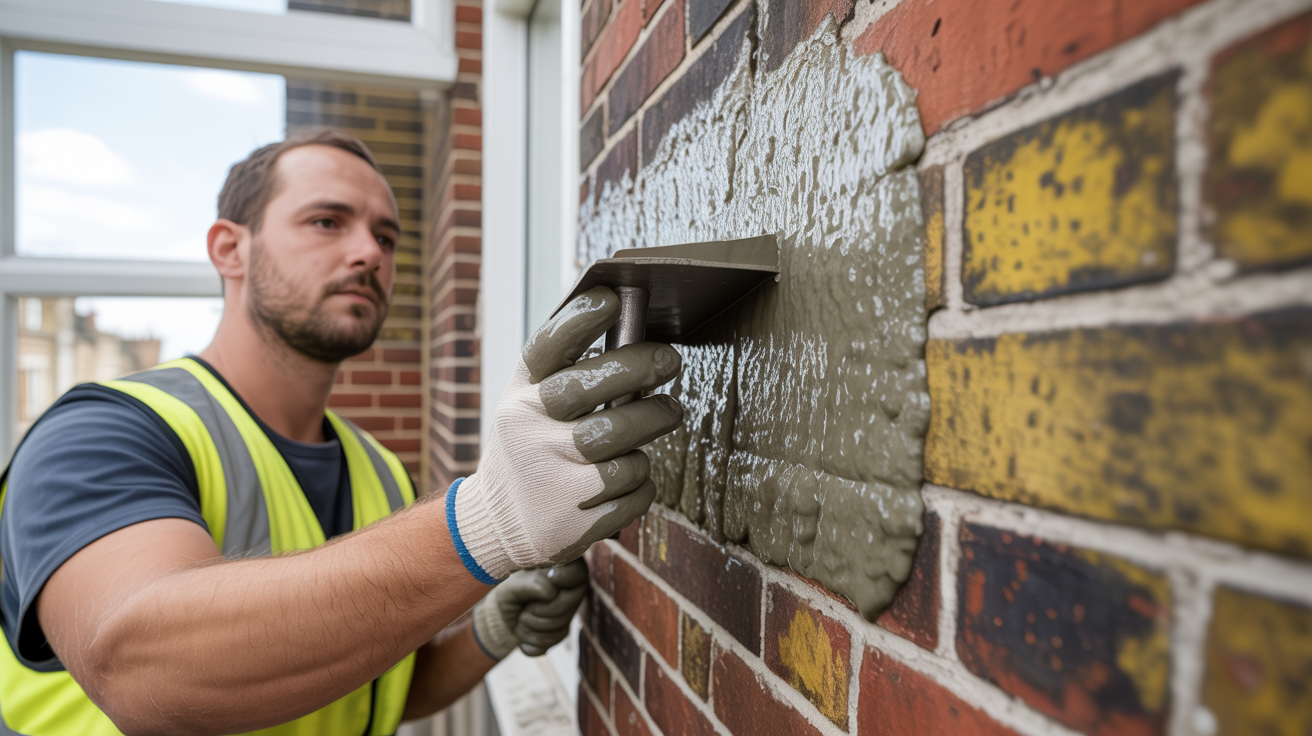
Left alone, penetrating damp rarely stays at the “minor mark” stage; the damage multiplies quietly and touches structure, comfort, legal duties and long‑term costs. As the problem develops it can affect how safe your building feels, how healthy it is to live in, how surveyors report on it and how much remedial work you eventually have to fund.
It helps to group the main risks into four areas:
- Structural and fabric damage: – weakened masonry, timber decay, failed finishes.
- Health and comfort: – cold rooms, mould growth and potential respiratory irritation.
- Legal and compliance exposure: – housing standards, enforcement and complaints.
- Valuation and finance: – survey comments, price chips and insurance difficulties.
These categories overlap in practice, but they give you a clear way to think about what is at stake.
Structural and fabric damage over time
For homeowners, landlords and managing agents, visible damage to walls, ceilings and timbers is often the first sign that the problem is no longer minor. Masonry and timber are both vulnerable to long‑term wetting. Mortar joints that are frequently saturated start to weaken and crumble. Soft brick faces can spall, exposing a more porous core to the weather. Repeated freeze‑thaw cycles in winter expand and contract trapped moisture, widening cracks and loosening more material year by year.
Within the wall, joist ends, lintels and other built‑in timbers may be sitting in wet pockets. Constantly high moisture content makes them more susceptible to fungal decay. That can mean bouncy floors, sagging ceilings or, in the worst cases, structural repairs that require major opening‑up and replacement work, often at awkward heights or within finished rooms.
Internally, plaster loses strength when it is repeatedly wetted and dried, leading to blown patches that sound hollow and crumble easily. Skirtings, architraves and window boards can swell, distort and rot. Once finishes have failed, you are facing not just the cost of fixing the source of damp but also the cost of stripping back and reinstating interiors to a standard that surveyors and tenants are happy with.
If you are planning insulation or energy upgrades, unresolved penetrating damp is a serious warning sign. Adding internal insulation to a wall that is already wet can trap moisture and make it harder to dry, increasing the risk of mould in the new build‑up. External insulation over cracked render or failing brickwork can hide and worsen moisture problems unless underlying defects are corrected first.
Health, legal and financial consequences
For landlords, housing providers and local authorities, the biggest worry is often the impact on occupants, compliance and budgets rather than the stain itself. Damp surfaces are ideal habitats for moulds. Health guidance widely recognises that living in damp and mouldy homes is linked with more respiratory symptoms, especially for children, older people and anyone with asthma or existing chest problems. Public‑health advice, including NHS home guidance on damp and mould, highlights these links and recommends tackling moisture problems promptly, particularly where more vulnerable people are living in the property, as explained in NHS damp and mould guidance.
Current housing health standards also treat damp and mould as significant hazards, and that position is widely recognised by councils and regulators. The Housing Health and Safety Rating System (HHSRS), which underpins how many local authorities in England assess homes, explicitly categorises damp and mould as key hazards when they inspect and score dwellings, as set out in official operating guidance. Environmental health officers can assess homes, and where they judge that serious risks are not being addressed, they can require improvements. In more severe cases, formal enforcement action and reputational damage follow, which can be particularly uncomfortable where complaints have been ongoing.
On the financial side, visible penetrating damp is a common issue raised on homebuyer and building surveys. Buyer‑facing property guides consistently warn that signs of damp are among the first things surveyors note and buyers question, which is why damp is such a regular trigger for requests for further investigation or renegotiation, a trend reflected in homeowner advice from major property portals such as surveys and damp guides. A buyer’s surveyor may advise that further investigations are needed, or that works be carried out, before a purchase proceeds. Lenders may impose conditions, or buyers may push for price reductions to cover perceived risk and disruption.
Insurance adds another layer. Many policies expect owners to maintain gutters, roofs, pointing and basic weathering details. If a claim arises and there is evidence that known defects were ignored for a long period, insurers may argue that at least some of the damage was avoidable and limit or refuse cover. Consumer insurance guides frequently cite poorly maintained roofs, leaking gutters and ignored damp issues as examples of where home‑insurance claims are reduced or rejected, especially if policyholders were aware of the problem but did not act, a theme that runs through independent advice on rejected claims.
Even if you are not planning to move or claim, the day‑to‑day costs mount up. Repainting over damp every year, running dehumidifiers, putting up with cold rooms and musty smells, and dealing with repeated tenant complaints all eat into time, energy and money. For managing agents already facing complaint fatigue, a steady stream of damp queries can become a real drain. Compared with that slow, steady leakage of resources, early diagnosis and targeted repairs can look far more attractive.
If you are unsure whether what you are seeing justifies a formal survey, a short conversation with a specialist Sussex damp surveyor can help you decide without committing to work and turn vague worry into a simple plan.
Inside a Professional Penetrating Damp Survey in Sussex

A proper penetrating damp survey in Sussex is an independent diagnostic exercise designed to give you clear, proportionate answers you can act on. The same report can help you negotiate on price, satisfy a lender, brief contractors or reassure tenants that the issue is being taken seriously.
A good damp survey replaces anxious guesswork with calm, building‑specific facts.
Before and during the visit
The process usually starts with a conversation. A good surveyor will ask you when you first noticed the problem, how it behaves in different seasons, what changes you may already have tried, and whether there have been any leaks or alterations near the area in question. For landlords and managing agents, they may also ask for existing reports, photos from tenants or notes from previous contractors so they can see how the problem has developed. If you are buying or selling, they will be thinking about what a future surveyor and lender will want to see resolved or properly understood.
On site, the survey moves through the building systematically. Internally, the surveyor will inspect all affected rooms and often adjacent spaces too, even if they look dry. They will note the position, size and appearance of damp patches, any blistering, salt deposits, mould growth or timber decay, and how these relate to skirtings, ceilings and corners.
Moisture metres are usually used to profile moisture levels through the surface and, where appropriate, deeper into the wall. In some cases, small samples of plaster or masonry may be taken for salt analysis to help distinguish penetrating or rising damp from purely condensation‑related issues. Thermal imaging cameras may be used to pick up cold bridges, saturated zones or hidden leaks that are not obvious to the naked eye.
Externally, the surveyor will walk each elevation, looking at brickwork, stone, flint, bungaroosh panels, pointing, renders, cladding, sills, window and door seals, balconies, parapets, copings, flashings, roofs and rainwater goods. They will pay particular attention to the areas that align with internal symptoms and to elevations that take the brunt of wind‑driven rain.
In outline, a structured penetrating damp survey in Sussex will often follow a simple sequence:
Step 1 – Gather history and concerns
You explain how long the issue has been present, how it behaves and what has already been tried.
Step 2 – Inspect and test inside
The surveyor records symptoms, checks moisture patterns and, where needed, takes small samples or thermal images.
Step 3 – Inspect and test outside
They walk each elevation, roof and detail, lining visible defects up with the internal picture.
Step 4 – Analyse, prioritise and report
Findings are pulled together into a written report that sets out causes and proportionate repair options.
These stages give both you and any contractors the same clear starting point, rather than a collection of disconnected observations.
What you get in the report
After the visit, you should receive a written report rather than just a brief verbal summary. At a minimum, that report will describe the symptoms, set out the likely moisture sources and pathways, and recommend specific actions. In better reports, those actions are prioritised into urgent, soon and desirable stages, so you can plan expenditure instead of reacting in a panic later.
For one‑off homeowners, the report provides reassurance that someone has looked at the whole picture rather than just the most obvious patch. It also gives you something concrete to show builders when you ask for quotes, leading to more consistent pricing because everyone is working to the same understanding of the problem.
For landlords, agents and block managers, the benefits multiply. A well‑structured survey can be used to support board decisions, justify service‑charge expenditure, brief contractors, and demonstrate to regulators or insurers that you are managing damp risks responsibly. Where multiple flats or houses are involved, the surveyor can often recommend a sampling strategy that balances thoroughness with cost.
An important point is independence. A fee‑based penetrating damp survey whose only job is to diagnose and explain is far more likely to give you nuanced, building‑specific recommendations, including situations where the most sensible option is simple maintenance rather than major works.
Sussex Damp Experts and other specialist firms focus on this diagnostic role, so that any later work – whether done by your own contractor or a preferred supplier – is guided by clear, written reasoning rather than guesswork.
If your property is complex or historically significant, the damp survey may also act as a gateway to other expertise, such as structural engineering, roofing specialists or conservation officers. In those cases, the damp report is a key part of the information set that informs a joined-up repair strategy for both moisture and wider building performance, including any penetrating damp repair. Booking a focused penetrating damp survey in Sussex is often the simplest way to replace months of guesswork with a joined-up plan you can explain to everyone involved.
From “Damp Patch” to Building Envelope: A New Way to Plan Repairs
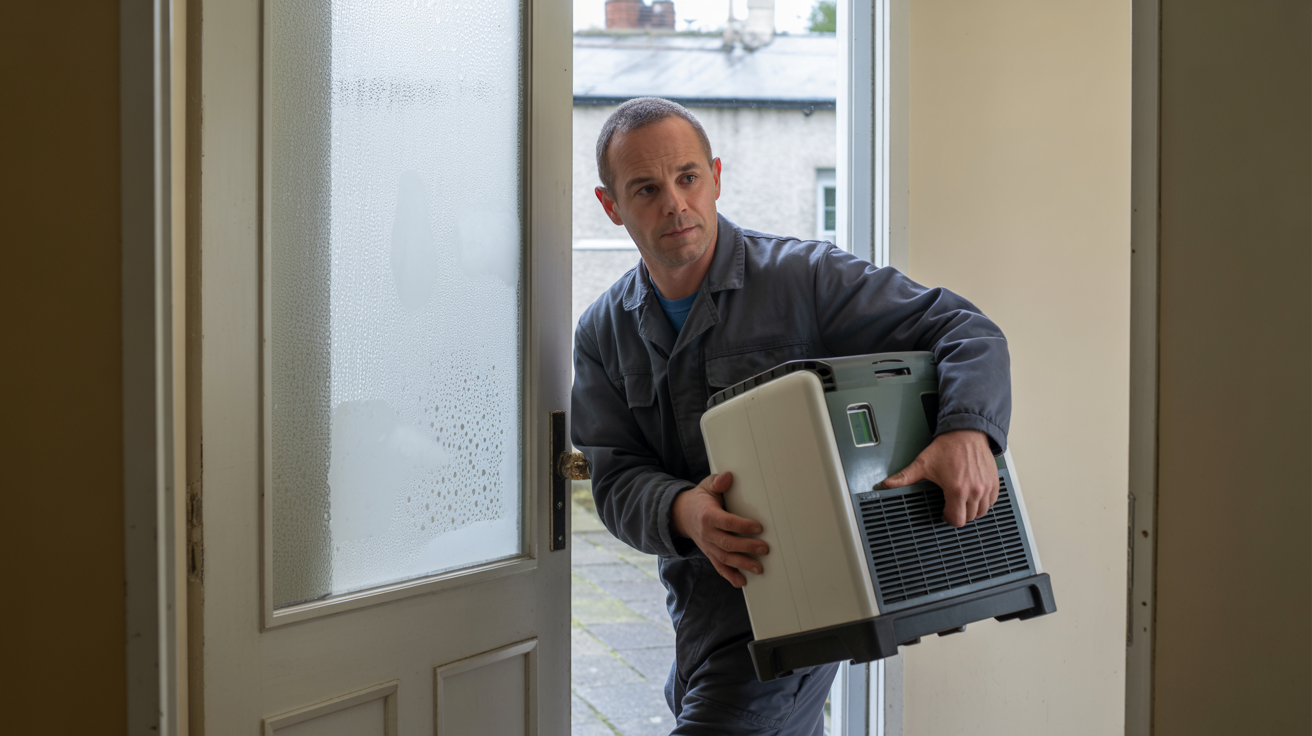
Once you have a clear diagnosis, the real task becomes planning and sequencing repairs across the whole building envelope, not just hiding a single mark. That shift from spot‑fixes to system thinking is where penetrating damp surveys really earn their keep, especially when money and access are limited.
Using the survey to prioritise and coordinate works
A good report does more than list defects; it helps you rank them. Some issues, such as active leaks near electrics, severe timber decay or widespread saturated masonry, need attention quickly. Others, such as minor pointing repairs or localised decorative damage, can be programmed over a longer period or combined with planned maintenance to make the most of scaffolding and trades already on site.
Step 1 – Deal with live leaks and safety risks
Start by using the survey findings to identify anything that is actively leaking, soaking electrics or significantly weakening structure. Those are the items that deserve early budget and, where necessary, immediate temporary protection, because they carry the highest safety and damage risks.
Step 2 – Group works to make access efficient
Next, look for opportunities to combine jobs. For individual homeowners, that might mean tackling a leaking gutter and a small area of failed flashing on the same elevation, rather than calling scaffolders twice. For landlords or managing agents, it might mean grouping works by elevation or block so that one scaffold serves several repairs at once and disruption for tenants is reduced.
Step 3 – Align damp repairs with planned maintenance
Finally, use the report to line up moisture‑related works with other maintenance. If you know windows need replacement in the next few years, you can plan to address surrounding pointing, sills and seals at the same time. If external redecoration is due, you can build in render repairs and joint sealing that address damp pathways as well as appearance.
Thinking in terms of the whole envelope also encourages better conversations with contractors and surveyors. Instead of reacting to each new patch, you are commissioning a planned programme that deals with root causes in a logical order.
Linking moisture management with comfort and energy upgrades
Once you know where water is getting in, the next question is how that affects comfort, running costs and any future upgrade plans. Penetrating damp and energy performance are closely linked. Wet walls are cold walls, and cold walls are harder to heat and more likely to attract condensation and mould on their surfaces. Moisture‑in‑buildings guidance from research bodies explains that as fabric becomes saturated, its heat loss increases and surface temperatures drop, which in turn raises the chance of condensation and mould on those cooler, damp areas rather than on sound, dry walls, as set out in technical digests on moisture in buildings such as specialist guidance from building research organisations.
If you add internal insulation over them without resolving moisture ingress, you risk trapping water where it is harder to see and harder to dry.
Using survey findings as a foundation, you can sequence improvements more safely. First, ensure that roofs, walls, openings and ground junctions are doing a reasonable job of keeping rain where it belongs – outside. Then, once moisture pathways are under control, you can move on to insulation, airtightness and ventilation improvements with more confidence that they will achieve the comfort and efficiency gains you expect.
For designers and contractors, surveys provide valuable feedback. If particular balcony details, window head flashings or parapet designs repeatedly show up in damp reports, that is a strong signal that those details need rethinking in future projects or refurbishments. Over time, learning from those patterns can make the local housing stock more resilient to the specific weather and construction challenges of Sussex.
Seeing your home or block as a system, rather than a collection of isolated problems, turns a worrying damp patch into the starting point for a more robust, better‑performing building.
Book Your Consultation With Sussex Damp Experts Today

Sussex Damp Experts helps you move from guessing about damp to having clear, evidence‑based answers and a practical plan of action for your property. A focused penetrating damp survey gives you the information you need to protect your building, manage costs and make decisions with confidence rather than under pressure.
What Sussex Damp Experts offers
When you book a survey, you are commissioning a structured investigation by a team whose priority is clear diagnosis rather than selling a particular treatment. You can expect a thorough internal and external inspection, sensible use of diagnostic tools, and a written report that explains in plain language where water is getting in, what it is affecting, and which actions are most important.
For homeowners, that may be as simple as confirming a single, well‑defined defect and setting out cost‑effective options to fix it before it spreads. For landlords and managing agents, it may involve sampling several flats, looking at whole elevations, and providing board‑ready summaries that support budgeting, compliance and communication with residents, even when those conversations are difficult.
The cost of a professional penetrating damp survey in Sussex is typically modest compared with the bills that arise when damp is ignored until plaster fails, timbers are damaged, or buyers and lenders start to hesitate. Independent cost guidance for damp surveys shows that inspection fees are usually in the low hundreds, whereas full remedial works, repeat scaffolding and multiple rounds of redecoration can run to several times that amount if problems are left to escalate, which is why many owners use a survey to treat defects early rather than rely on reactive repairs. Treating the survey as an early, controlled spend to avoid unmanaged, reactive repairs later can make the decision far easier when you are weighing up priorities.
How to prepare and what happens next
Before your visit, a little preparation will help you get the most from the survey:
- Make a simple list of all the areas that concern you most.
- Note when patches appear, how they change and what weather seems to trigger them.
- Gather any old photos, contractor notes or survey reports you already have.
- Clear access to affected walls, loft hatches, downpipes and key external points.
Taking these small steps makes the inspection smoother and helps the surveyor focus quickly on the highest‑risk areas.
During the survey, you will have the opportunity to walk through findings on the day and to ask questions about what the surveyor is seeing. Afterwards, you will receive a report that you can file for your own records, share with contractors, or use in discussions with buyers, lenders, insurers or regulators.
If you are responsible for several properties, you can discuss block‑level or portfolio‑wide surveying options. Taking a structured view across your stock can reveal common defects, help you prioritise budgets, and demonstrate a fair, consistent approach to damp and mould concerns for tenants and leaseholders.
When you are ready, booking a consultation with Sussex Damp Experts turns a worrying damp patch into a clear, practical plan to protect your property, your transactions and the people living in your buildings.
Frequently Asked Questions

How can you quickly tell if a damp patch is penetrating damp rather than rising damp or condensation?
If a patch gets noticeably worse after rain and sits mid‑wall or on a ceiling, you are probably dealing with penetrating damp rather than rising damp or everyday condensation. Penetrating damp usually shows as irregular, soft‑edged patches at almost any height on an external wall, or brownish “clouds” and rings on ceilings below parapets, balconies, chimneys or flat roofs, and it tends to look at its worst during or just after wet, windy weather. Rising damp tends to live in the lowest metre above the floor, with a more horizontal “tide mark” and sometimes powdery white salts just above the skirting boards, while condensation is the usual culprit behind speckled black mould in cold corners, behind wardrobes and around window reveals, often easing when you improve heating and ventilation. If the same mark keeps returning after spells of driving rain, feels cold and slightly clammy, and lines up outside with a cracked sill, open joint, failed flashing or tired section of render, those clues together point strongly to why water gets in through the structure rather than simply sitting on the surface. When you can tick off two or three of those signs, it is normally safer to treat the patch as a building fault and get a Sussex‑based surveyor to confirm what is going on, rather than spending another season on dehumidifiers and repainting.
Simple checks you can do yourself
- Watch how the patch behaves in different weather: worse after rain suggests penetration; changing with showers, cooking and drying clothes suggests condensation.
- Note the height and pattern: low, level bands favour rising damp; random mid‑wall or ceiling patches favour water coming through from outside.
- Step outside and line the mark up with gutters, downpipes, balconies, parapets, window heads or flat roofs to see whether any obvious defect sits in the same position.
A mental picture that helps
Picture three simple photos side by side: a random mid‑wall patch that flares up after storms, a low, even band just above the skirting, and a black mouldy corner hidden behind furniture. Matching your own walls to one of those patterns is often enough to decide whether you can keep tweaking how you use the room, or whether it is time to ask Sussex Damp Experts to trace how wind‑driven rain is actually getting into the fabric before it begins to damage plaster, joinery and surveys.
What actually happens during a professional penetrating damp survey in a Sussex property?
A penetrating damp survey should feel like a structured investigation into how water is getting into your building and what it is doing, not just a few quick metre readings followed by a quote. On a typical Sussex project, the survey starts with a short conversation about when you first spotted the marks, how they change with weather, what repairs or redecorating you have already tried, and whether there have been leaks, alterations or earlier attempts to treat defects early. Inside, the surveyor then goes room by room, noting the exact shape, position and condition of stains, blistering paint, hollow plaster and any signs of timber movement or decay, and uses moisture metres and, where appropriate, thermal imaging or small samples to map how far moisture has spread. Outside, they walk each elevation, roofline and rainwater route in turn, checking brick, flint or bungaroosh walls, pointing, render, sills, balconies, parapets, flashings, copings and gutters for defects that line up with the internal pattern so they can link cause and effect instead of guessing. The aim is to leave with a clear story: water enters at this weakness, follows this path, and is affecting these finishes or timbers, with a sensible order of repairs. When the visit is finished, you should receive a written report that explains in plain language where water is getting in, how it is moving, which elements are at risk and which actions they suggest first, with photos you can share with your own roofer, builder or managing agent. Sussex Damp Experts structure their penetrating damp surveys in exactly that way so you can put a single, independent diagnosis in front of contractors, surveyors, lenders or housing officers and keep everyone working from the same, Sussex-specific set of facts.
What you can expect on survey day
- A focused pre‑survey chat to confirm history, access, photos and any time pressure such as an upcoming sale, remortgage or inspection.
- A systematic internal and external inspection, not just a quick look at the worst patch.
- Clear use of metres and, where they add value, thermal imaging, with readings explained in normal language instead of unexplained numbers.
- A written report with photos and prioritised recommendations that you can reuse with your own repair team, agent, landlord or insurer.
How a survey puts you back in control
Think of the whole exercise as turning a vague worry into a clear, staged plan: the patch on the wall becomes a map of where moisture is present, which in turn is matched to specific weaknesses outside, which then feed into a repair list you can price, phase and defend. Instead of calling in different trades one after another and hoping one of them happens to fix it, a Sussex Damp Experts survey gives you a single reference document you can build decisions around for years.
What are the practical risks of leaving penetrating damp untreated in a Sussex building?
Choosing to “watch and wait” with penetrating damp usually means allowing slow, avoidable damage to build up in the background, while also increasing the chance of difficult conversations with surveyors, lenders, tenants and insurers. From a fabric point of view, repeated wetting and drying cycles weaken mortar, cause brick faces to flake or spall, and keep built‑in timbers such as joist ends, lintels and wall plates in a moisture range where decay organisms are much more likely to take hold. Indoors, plaster often blows and crumbles, skirtings and window boards can swell or rot, decorative finishes fail more quickly, and any money you spend later on insulation, airtightness or new joinery delivers less benefit because the underlying structure is still intermittently wet. Persistently damp surfaces also create a friendlier environment for mould, and official guidance in the UK links damp, mouldy homes with more respiratory symptoms for some occupants, particularly children, older people and those already managing asthma or chest problems. For landlords and managing agents, that combination now sits squarely within housing health and fitness standards, so unresolved damp and mould can lead to enforcement notices, compensation claims, works in default and long‑term reputational damage. Financially, visible damp is one of the quickest ways for a homebuyer’s survey or valuation to become cautious: buyers push for reductions, lenders demand further reports, and insurers may ask why obvious defects such as leaking gutters or failed pointing were allowed to run for years. Set against that, the cost of an early, focused penetrating damp survey and a round of targeted repairs from a specialist like Sussex Damp Experts is usually a modest, one‑off decision that helps you avoid years of reactive spend and awkward negotiation.
How risk typically builds over time
- First months: recurring stains, bubbling paint, a musty smell and rooms that feel harder to heat or keep fresh.
- Over several years: blown plaster, spalled brickwork and decayed timber ends that require more intrusive, expensive remedial work.
- At transaction or inspection time: tougher survey wording, tighter mortgage conditions, price chips, formal complaints and potential enforcement if health standards are seen as breached.
Why an early intervention is usually the safer bet
If you sketch a simple timeline, the difference is stark: at one end a small, localised stain and some minor decoration; a few years along, damaged brickwork, joinery and plaster; further still, survey flags, legal pressure and major works. Taking the decision now to get a clear diagnosis and a short, prioritised repair list keeps the problem within the “planned maintenance” bracket and shows buyers, tenants, lenders and regulators that you have taken proportionate, professional steps to look after the building.
How do the costs of a penetrating damp survey and early repairs compare with waiting?
In most Sussex properties, a dedicated penetrating damp survey sits firmly in the same category as a boiler service or roof inspection: a sensible, planned maintenance cost that often saves far more than it spends. Fees scale with size and complexity – a compact flat is not the same as a tall Victorian terrace, converted basement or mixed‑use block – but you are usually looking at a clearly quoted, fixed figure that you can plan into your budget rather than an open‑ended commitment, especially once you understand what a survey reveals. When problems are caught early, common external repairs such as local repointing, patching blown render, reseating slipped tiles, renewing a short run of defective guttering or downpipe, and reinstating limited areas of internal plaster normally fall in the hundreds or low thousands, particularly where access is straightforward. If you delay until damp has spread across whole elevations or ceilings, the picture changes: scaffolding, more extensive brick and render repairs, larger areas of plaster and timber replacement, and redecoration across several rooms can all converge at once, often at precisely the moment you are trying to sell, re‑let or coordinate energy‑efficiency upgrades. Alongside those direct costs, there are hidden ones: repeated decorating that never seems to last, higher heating bills because walls never fully dry, buyers or tenants quietly choosing another property, and longer, more stressful mortgage or insurance negotiations. Sussex Damp Experts are always frank about whether a full penetrating damp survey is justified for what they can see, but in many real‑world cases, putting a modest sum into diagnosis and targeted repair now is simply a more comfortable and economical path than absorbing years of piecemeal fixes and disruption.
A straightforward way to think about cost bands
- Early stage: one survey plus a handful of targeted repairs = contained, schedulable spend you can document, phase and align with other works.
- Late stage: scaffolding, widespread fabric repair and transaction friction = higher, reactive spend that tends to land at the least convenient time.
Turning a necessary spend into something that works for you
Handled well, the money you put into a survey and first round of repairs becomes more than just a bill: it creates clear, Sussex‑specific paperwork you can hand to valuers, buyers, tenants, boards or housing officers to demonstrate that the cause has been identified and dealt with correctly. A well‑argued report and photo set from Sussex Damp Experts usually makes conversations about price, access, timings and responsibility easier, because you are starting from a shared understanding of the building rather than from vague, conflicting opinions.
When is it sensible to stop DIY damp experiments and bring in a Sussex specialist?
It makes sense to move beyond DIY once you have done the straightforward lifestyle and ventilation improvements, yet the same damp patch on an external‑facing wall or ceiling still comes back after wet weather, or when the issue starts to touch health, safety or planned transactions. Extra ventilation and better heating patterns are worth testing for everyday condensation, but if a specific area gets visibly worse after storms, that repeat behaviour is a strong sign that water is moving through the structure itself rather than just sitting on interior surfaces. Other clear tipping points include plaster that sounds hollow or crumbles when you tap it, brown or yellow rings on ceilings below parapets, balconies or flat roofs, timber skirtings and window boards that feel soft, swollen or distorted, and staining that lines up outside with a cracked sill, open joint, missing flashing or patchy render. For landlords and managing agents, repeated complaints about the same location, several flats on one elevation showing similar symptoms, or a combination of damp and mould in rooms children sleep or spend long periods in are all strong reasons to stop cycling through different trades and commission a specialist survey instead. If you know a pre‑purchase survey, remortgage valuation or visit from a housing or environmental health officer is coming, obtaining an independent report from a Sussex firm such as Sussex Damp Experts in advance puts you in a far stronger position than waiting to react to someone else’s assessment.
Clear signs it is time to involve a specialist
- The same patch reappears or worsens after rainy spells, even after you have improved heating, ventilation and day‑to‑day habits.
- You notice blown plaster, distorted skirtings or brown ceiling stains that align with gutters, parapets, balconies, chimney stacks or flat roofs outside.
- There is an upcoming survey, lender review, tenancy renewal or council inspection, and you need a calm, evidence‑based explanation of what is happening and how it will be resolved.
How a specialist survey simplifies your next decisions
Once an experienced local surveyor has traced how water is getting in, mapped its spread and set out repairs in order of priority, you can plan in a much more measured way: grouping work with other projects, fitting it around lettings or a sale and choosing between like‑for‑like maintenance and more substantial upgrades. Many Sussex owners and agents find that commissioning Sussex Damp Experts at this stage draws a clear line under guesswork and stops the cycle of short‑term fixes, repeat complaints and defensive emails.
Why choose a Sussex‑based penetrating damp specialist instead of a quick free “damp check”?
Choosing a Sussex‑based penetrating damp specialist gives you local building knowledge, independent diagnosis and a clear written report, whereas a quick free “damp check” is often designed primarily to sell a particular treatment. Someone who spends their working week on the same types of properties you own or manage – flint cottages, Victorian and Edwardian terraces, bungaroosh townhouses, seafront blocks and post‑war estates – understands how coastal exposure, driving rain, salts, historic repairs and planning constraints interact in those specific structures. A fixed‑fee, independent survey is paid to find causes and explain options, not to steer you automatically towards a single injection system or tanking product, so you can share the findings with your existing roofer, bricklayer or general builder without feeling tied to one contractor. You also gain a structured document, with photos and readings, that you can hand to buyers, lenders, insurers, boards, tenants or local authorities to show that you have taken the problem seriously and are following proportionate recommendations for that particular Sussex building. Sussex Damp Experts design their reports so that non‑specialists can follow the reasoning, which makes it easier to agree budgets, negotiate access and keep expectations aligned from the first email to the final snagging check. A free visit may be enough for a very small, obvious defect on a modern wall, but when damp is persistent, spread over a wider area or affecting older or more complex fabric, commissioning a local penetrating damp specialist is usually the more robust and economical way to protect both your building and your position.
How a local independent specialist strengthens your decisions
- Brings detailed knowledge of Sussex construction quirks and common weaknesses street by street and town by town.
- Produces an independent, reusable diagnosis and repair plan you can show to any contractor, surveyor, lender or regulator without it being tied to one product.
- Helps you distinguish between simple maintenance, targeted remedial work and larger projects, with each recommendation clearly linked to what they have seen on your walls, roofs and junctions.
A practical next move if you want to stay ahead of the problem
If you want to be seen as the kind of owner, landlord, agent or manager who looks after their stock properly and avoids last‑minute crises, commissioning a fixed‑fee penetrating damp survey from Sussex Damp Experts is a straightforward way to move from worry to a clear plan. It turns a vague, recurring patch into a documented, Sussex‑specific set of causes and remedies, and gives you a professional, shareable basis for every conversation that follows, from instructing trades to satisfying buyers, tenants and regulators that you have done the right thing.

