
 By
By  August 26, 2025


Are Hidden Mould and Damp Problems Endangering Your Property—and Your Rights?
The grim reality is that mould and damp are rarely just cosmetic frustrations—each patch or whiff is a physical symptom and legal warning light. Whether you’re a homeowner, a managing agent, or a landlord, missed or minimised damp can devastate a property’s value, undermine your legal standing, and directly affect health. Today, regulators, mortgage lenders, and the courts view concealed moisture not as an inconvenience, but as a red flag demanding swift and proper action.
The damp you don’t notice is the one that eats away at your walls, your wallet, and your well-being.
Properties across Sussex, especially the centuries-old stock lining the coast and high streets, face an ongoing assault: ground moisture rising via capillarity, leaks cropping up behind walls, ventilation overlooked or sacrificed to quick-fix energy upgrades. On one side, you risk expensive repairs and structural decay; on the other, persistent damp means breaching tenant rights, incurring fines, and losing insurance cover.
National figures show that children exposed to damp in homes are twice as likely to suffer asthma or respiratory infections (asthmaandlung.org.uk/statistics), and yet, the connection often escapes first-time buyers or seasoned property managers alike. What escapes most is this: every ignored patch lays the groundwork for devaluation, legal enforcement, and—especially for rental properties—threats to long-term tenancy and landlord reputation. In 2023, tightened amendments under “Awaab’s Law” and the Secure Tenants of Local Housing Authorities (Right to Repair) (Amendment) Regulations 1994 explicitly connect unresolved damp to enforceable rights and swift penalties.
Owning, managing, or living in a property susceptible to damp and mould is not just about reacting to visible symptoms. It’s now about proactive, documented prevention and airtight compliance—because the legal landscape will no longer ignore those who try to patch damp over or wave away ‘just a bit of black mould.’
What’s the Legal Process for Reporting Damp or Mould—and How Does It Protect You?
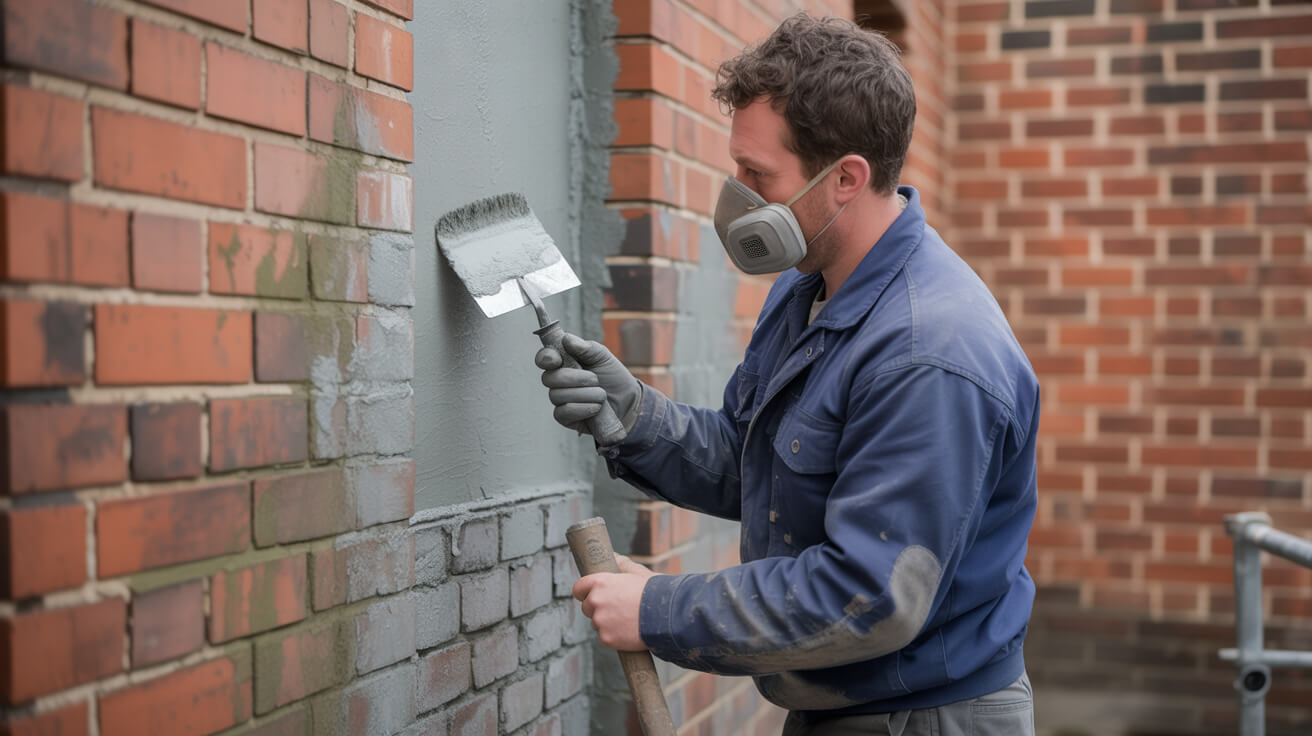
When the first sign appears—whether that’s darkened skirting, a cold patch on a wall, or the earliest whiff of musty air—you must act with method, not impulse. The law does not require you to be an expert, but it does demand a clear, evidence-based approach. In the hands of a tenant, managing agent, or freeholder, a good photographic logbook is a loaded weapon—making every contact with landlords, councils, or contractors a legally relevant event.
Every record builds your legal shield—one missed email and your case is weaker.
The first step: make a dated, written complaint with accompanying images (digital photos or videos, properly time-stamped). Skip the phone call trap—verbal-only requests can be outright denied or misremembered. Insist on replies in writing, and keep a copy of every message: landlords and councils are now required to treat these as statutory repair requests, not just maintenance moans (brighton-hove.gov.uk/housing/repair).
Maintain a diary: note every attempted contact, survey visit, failed repair, or missed appointment. For agents or landlords, the same rule applies—create and maintain clear logs, job sheets, and correspondence documents. This dossier is legally meaningful: under the Housing Health and Safety Rating System (HHSRS) and new amendments, documentation is your siege wall; it will outlast any denial, delay tactic, or hazy memory.
If repairs aren’t acknowledged or started in proper timeframes, this well-kept file becomes your battering ram for escalation: council Environmental Health departments, Housing Ombudsmen, and, if needed, the courts. For tenants in particular, your rights are conditional on your records—an empty inbox or muddled timeline rarely ends in your favour.
When Does the Law Say Your Landlord Must Act—and What Are the Timelines?

Twenty years ago, landlords and social housing providers could stall repairs with vague promises or cosmetic clean-ups—those days are done. The regulatory crosshairs have moved: persistent damp or mould is now a legal fault carrying a ticking clock, and inaction is grounds for significant penalty and, in most cases, compensation.
Delays shift the risk and liability from you onto the landlord—backed by enforceable deadlines.
The Secure Tenants of Local Housing Authorities (Right to Repair) (Amendment) Regulations 1994 and the landmark Awaab’s Law amendments make the path plain: once a written report is made (supported by your records and photographs), the council or landlord must launch an investigation and, where appropriate, begin repairs. Social landlords are now bound by explicit timeframes: inspection within 14 days, remedial works within 21 days of complaint—or else risk formal enforcement and fines. This is not a ‘guideline’; it’s a direct legal obligation under the Social Housing (Regulation) Act 2023, reinforced by case law and regulatory guidance.
If you’re a landlord or agent, understand: from the moment of proper complaint—digital images and a written request—the clock is running. If things stall, tenants have a trail to escalate; landlords have liability. Excuses about ‘weather’ or ‘surveyor backlog’ will not hold up. For tenants, the risk is now off your shoulders—keep your file in order, and the legal system puts enforcement and compensation on your side.
What Is ‘Awaab’s Law’ and How Has It Changed Housing Rights?
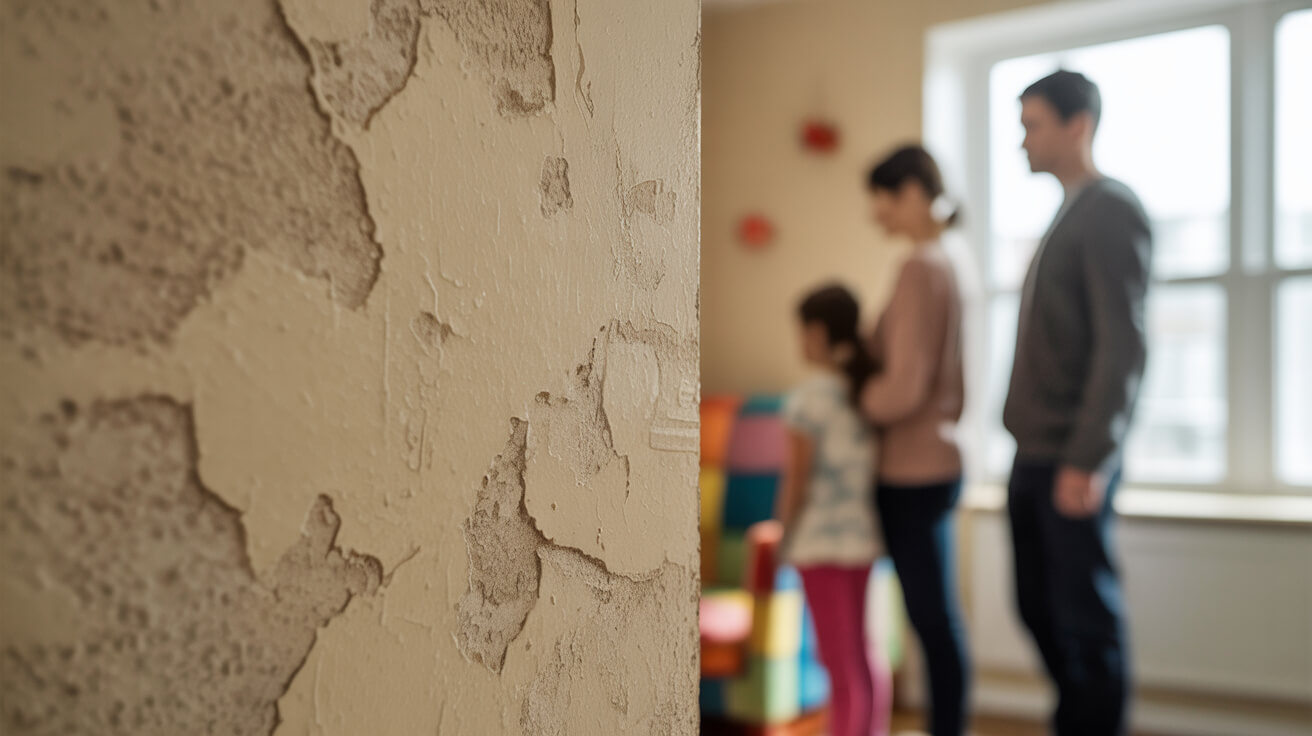
The tragic death of Awaab Ishak in 2020 was more than a news cycle event—it reshaped how the UK treats rental housing standards. ‘Awaab’s Law’, enacted inside the 2023 Social Housing (Regulation) Act, is a direct answer to years of complaints languishing in bureaucracy. Where old rules simply encouraged prompt repairs, Awaab’s Law mandates hard timelines: investigations within 14 days, full rectification within 21 days—or else councils and landlords face statutory fines and, increasingly, public scrutiny (Social Housing (Regulation) Act 2023).
The law finally puts a stopwatch on repairs—no more endless waiting.
This is no longer about ‘best effort’: where health evidence exists (children with asthma, medically at-risk tenants), the obligation to act becomes urgent. GP letters, Environmental Health records, or council notifications turbocharge your claim. For landlords, failing to deliver on this schedule is not only a regulatory hazard—it also increases litigation risk, puts insurance and lending at risk, and draws local media attention.
And if you’re faced with repeated neglect or superficial fixes? The Fitness for Human Habitation Act now empowers tenants, buyers, or agents to force the council or the courts to intervene—judges routinely order not just repairs but also compensation, referencing your documentation and any formal medical findings (commonslibrary.parliament.uk/housing-fitness).
How Can You Assemble Proof That Leads to Repairs—or Compensation?
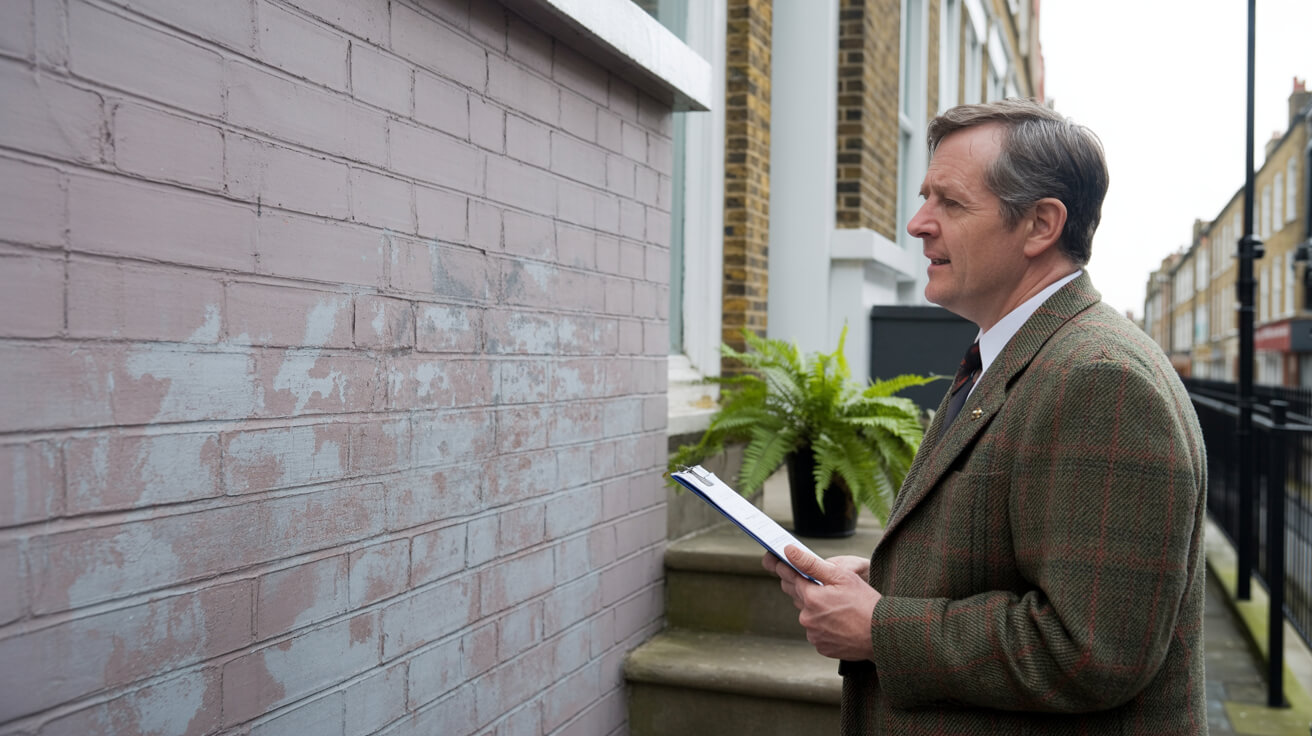
No matter your role—occupier, owner, agent, or landlord—your strongest weapon against indifference is the weight of evidence. Documentation isn’t just backup; it’s the currency of repair and redress.
A persistent evidence trail is your best friend when a landlord tries to dodge, delay, or deny.
Start with high-resolution, date-tagged images: capture each area of mould, every watermark, the new or worsening spread. Keep separate logs for each event (repairs attempted, appointments missed, responses received), and attach copies of every written communication. For health concerns, keep symptom records, hospital letters, and GP notes. If a landlord recommends a “quick clean”, request written details and push for a formal treatment plan referencing BS6576 for damp or BS8102 for waterproofing—these are the technical standards lenders, surveyors, and councils mark against.
When delays stretch or work falls short, use your evidence to escalate: send a ‘Final Notice’ email, cc’ing the Environmental Health team and referencing the relevant legislation. From here, take the file to the Housing Ombudsman, and as a last resort, prepare a formal legal claim. The best outcomes follow those who show relentless documentation and process discipline—landlords, councils, and even insurers move fastest when confronted with rock-solid proof.
Surveyors and legal advisors routinely advise: “If you didn’t record it, it didn’t happen.” This advice holds whether you’re a tenant confronting a private landlord, or an agent facing council repair delays—records are what gets leaks fixed and compensation paid.
What Are Your Next Steps If Repairs Stall or Are ‘Bodged’?
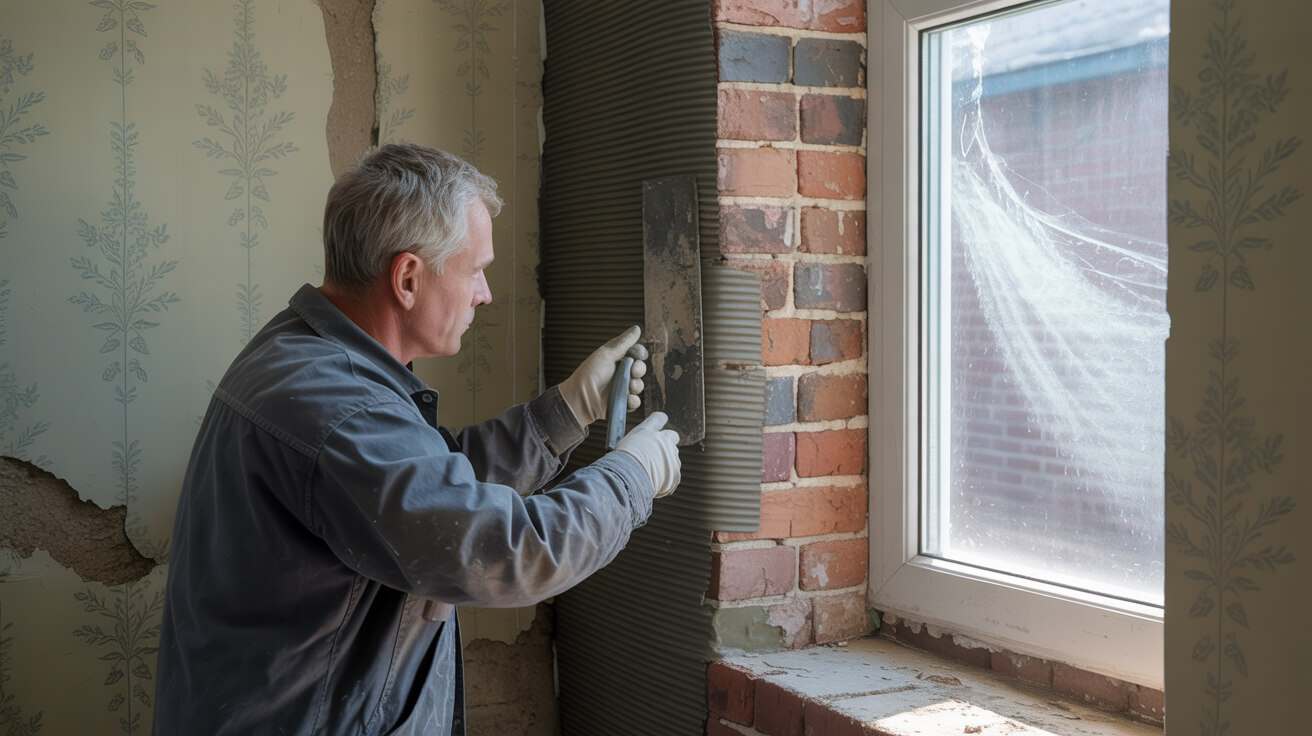
If your issue has been acknowledged but fobbed off with a half-measure (wipe-down, patch-plaster, ignored rising damp), the law doesn’t expect you to wait indefinitely. You have escalation options—protected from retaliation by law.
- Contact Environmental Health: Councils have mandatory duties—investigating, enforcing, and even prosecuting for non-compliance.
- Raise a Housing Ombudsman complaint: Especially effective for social tenancies, the Ombudsman can order repairs, compensation, and report non-compliance to regulators.
- Know your anti-retaliation rights: “Revenge eviction” for reporting mould is now illegal; councils can intervene, block evictions, and fine landlords.
- Prepare for legal escalation: If a landlord, council, or agent misses deadlines or delivers unfit work, you are entitled to judicial remedy—enforced repairs and, where eligible, compensation.
Enforcement isn’t just a threat—it’s a tool to restore your rights and protect your health.
Landlords and councils now face relentless scrutiny—newspapers, ombudsmen, and internal audits track every incident and delay. Properties hit by ombudsman rulings or court findings of “bodged” repairs experience greater devaluation and insurance challenges. For landlords and managing agents, the cost of inaction now far outstrips the cost of a correct repair.
How Do You Recognise a ‘Real’ Repair—Not a Superficial Fix?
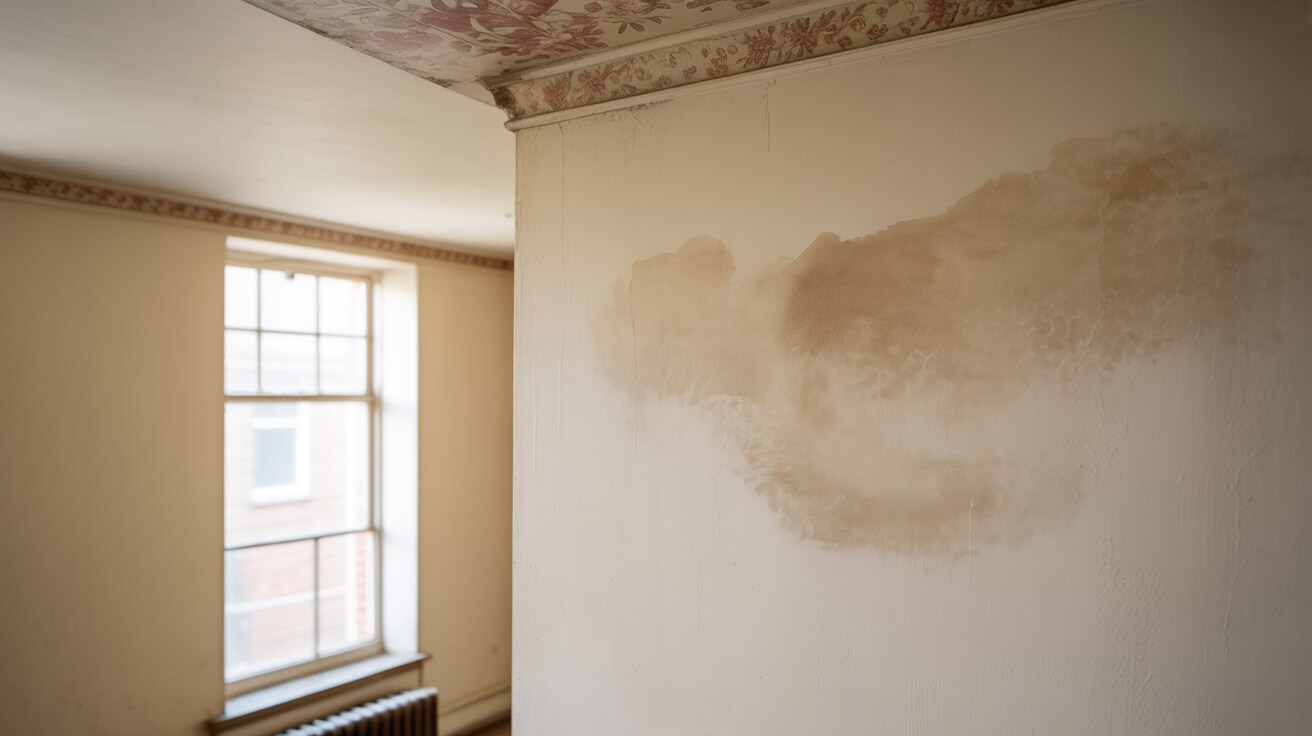
Not all “repairs” are equal. In the eyes of lenders, surveyors, and the courts, a surface-level fix counts for nothing—and may actually invite further trouble, legal and financial. Knowing the difference is your first defence against future dispute.
A genuine, recognised repair must meet four critical tests:
- Root causes are diagnosed by a qualified surveyor, not guessed from the surface.
- The point of moisture ingress is physically addressed: correct DPC injected (chemical or physical), breached membranes repaired or tanked, and ventilation brought up to standard.
- All methods and materials are documented—ideally with specification to BS6576 (rising damp), BS8102 (basement waterproofing), and the now–industry-standard PCA codes.
- Full before–during–after photographic packs and warranty documents are issued—a piece of paper that’s accepted by mortgage lenders, building societies, and major insurers.
A patch-up over black mould is a short-term mask, not a fix—the work must pass professional scrutiny.
Superficial repairs (“we’ve wiped the area,” “we’ve painted over it”) are a flag for surveyors and mortgage lenders—the property may be marked “subject to further investigation,” leading to valuation drops and conditional lending. Future buyers, tenants, and agents can all request compliance records; if you can’t produce a specification, warranty, and evidence pack, prepare for escalated scrutiny and loss of sale value.
Sussex Damp Experts are highly regarded for this compliance-grade approach—work is fully specified, documented, and supported by insurer and lender-recognised guarantees, preserving property value and reducing ownership risk.
Protect Your Rights and Property—Why Sussex Damp Experts Provide More Than Surface Solutions
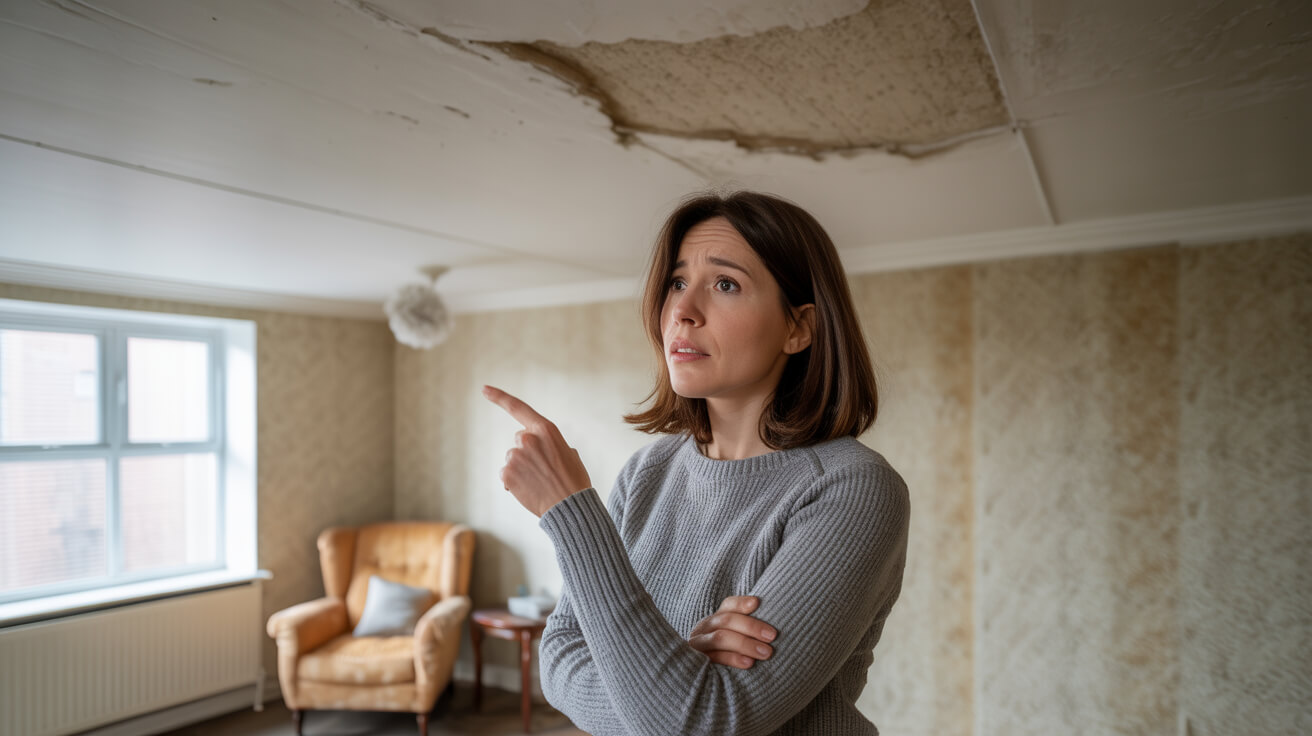
In a market policed by new law, market scrutiny, and health protections, the cheapest or fastest route usually backfires. Sussex Damp Experts are synonymous with compliant, regulator-ready damp proofing. Their crews know that mere “treatment” is only half the job: each project is engineered, specified, and escorted across by PCA-accredited professionals—ensuring solutions are survey-grade, lender-proof, and court-defensible.
Properties serviced by Sussex Damp Experts benefit from:
- Evidence-led reporting: Each job commences with a forensic survey, moisture mapping, and a photo–video documentation trail that will satisfy even the harshest lender or insurer.
- Standards-driven planning: All works designed to BS6576 or BS8102, cross-checked to UK Building Regs, PAS2035 for heritage jobs, and supported by TrustMark oversight if needed.
- Compliant aftercare: Ongoing monitoring, ventilation upgrades, and annual chem-checks to ensure lasting protection and full warranty coverage.
- Regulatory advocacy: Their reports and schedules routinely pass surveyor and ombudsman review, giving you a shield against future disputes with tenants, buyers, or freeholders.
Choosing lasting, transparent repairs means you’re never left explaining or excusing to anyone—lender, buyer, or authority.
Homeowners, landlords, agents, and councils across Sussex now treat proactive, compliant damp proofing as asset insurance. A single cut-corner job can scorch value, trigger insurance wrangles, and drag you through the local papers. Delay is the real cost—evidence-driven, durable repair is the investment.
Secure Sussex Damp Experts Today
Your right to a dry, healthy, and compliant property stands on three pillars: sharp evidence, prompt escalation, and ironclad repair. Whether you’re a homeowner safeguarding your family’s health, a buyer navigating mortgage demands, a landlord under regulatory glare, or an agent steering sales—all roads run smoother and faster with compliant diagnosis, repair, and aftercare from Sussex Damp Experts.
Don’t gamble on cosmetic cover-ups or hope for undetected leaks to stay quiet—regulations, buyers, and insurers are more vigilant than ever. Sussex Damp Experts offer a single-contact solution:
- Accredited diagnosis: Using top-shelf diagnostics and PCA experience
- Engineered repair: Methods that pass lender, insurer, and council scrutiny
- Documented assurance: Compliance packs, aftercare, and transferable guarantees
- Long-term protection: Property value secured, legal rights enforced
A single call sets in motion repairs that withstand the harshest weather, the strictest regulation, and the toughest surveyor.
Safeguard your investment, your health, and your peace of mind—secure your inspection and treatment from Sussex Damp Experts today.
Frequently Asked Questions
What triggers the council’s legal duty to fix damp or mould, and who actually draws that legal line?
The council must fix damp or mould when it reaches a level where health is at risk or the home is officially unfit—this line is set not by opinion, but by statutory tools like the Housing Health and Safety Rating System (HHSRS), Environmental Protection Act 1990, and current case law. It’s not about a bit of peeling paint, but whether medical symptoms or survey evidence show that living standards have slipped into “Category 1 hazard” territory.
A “Category 1” finding—where your health or that of your family is threatened—obliges the council or landlord to act. This is commonly triggered when an Environmental Health Officer inspects and classifies the problem, but a doctor’s note showing asthma, chest infections, or related symptoms linked to your home can force their hand.
If your child keeps coughing and the council’s only response is a flick of paint—law, not patience, is your next tool.
The key mechanics that shift legal duty:
- Health at risk: A doctor or council surveyor confirms a user’s health is affected by mould or damp.
- Category 1 hazard: Environmental Health flags the issue in their official scoring system.
- Documentation: Dated photographic evidence and written requests move the process from “complaint” to “enforceable action.”
- Tenant rights: Legal statutes like the Landlord and Tenant Act 1985 or the Environmental Protection Act empower tenants, especially after recent high-profile cases.
Once these boxes are ticked, a delay can expose councils to legal orders—sometimes including fines or property enforcement. The homeowner’s responsibility stops where the risk starts to breach statutory standards, and councils must step in without argument.
How does evidence move a damp repair from “maybe” to “must,” and what stands up best in council disputes?
The most effective evidence isn’t just a list of complaints; it’s a tight stack of time-stamped photos, written correspondence showing ignored requests, and medical notes linking symptoms to property conditions. Pure phone calls or informal mentions rarely compel action, but a chain of formal reports, GP letters, and surveyor diagnostics tips cases in the tenant’s favour.
A single survey with mapped moisture, paired with a GP letter and a date-stamped photo, is the council’s legal headache—not yours.
Practical steps that make evidence bulletproof:
- Take photos: Show every spot of mould, water staining or damaged plaster, always with a visible date (phone camera metadata helps).
- Log communication: Use email or recorded letters so there’s a time-stamped trail.
- Get medical backup: Ask GPs or specialists to connect symptoms—like persistent cough or asthma—to the home’s condition.
- Request a formal inspection: A council’s written report carries far more weight than an informal visit.
- Persist: Resend unanswered requests with all history attached; every ignored email or missed appointment increases the council’s exposure.
When all roads point to risk and the council’s paper trail is flooded with facts, inaction becomes harder than stepping up.
Why do superficial fixes fall short of survey standards, and what really counts as a compliant repair?
Painting over damp patches or blasting mould with off-the-shelf sprays may improve looks for a week, but these temporary fixes are a fail in the eyes of every insurance adjuster, lender, or professional surveyor. British Standards like BS6576 (rising damp) and BS8102 (basement waterproofing) spell out that only diagnosis-first, root-cause repairs count—not cosmetic cover-ups or guesswork.
A compliant repair must begin with diagnostic tools: moisture metres, thermal imaging, and often salt analysis. Only once the source—rising, penetrating, condensation, or hygroscopic damp—is formally identified does a repair pass muster. Survey records stay with a property, impacting future sales or mortgage agreements.
Spraying bleach might keep the walls quiet, but the next surveyor’s tools will smell the truth out and flag it for all to see.
Non-compliance risk signals for owners, buyers, and tenants:
- No surveyor-grade diagnosis—just a visual check and a quick coat of sealant
- Lack of photographic evidence, mapped to the repair report
- Absence of transferable warranties or compliance certificates
- Vague invoices that don’t reference British Standards or professional guidance
Legitimate, standards-ready repairs involve thorough documentation and a chain of proof—critical for passing pre-purchase surveys, satisfying mortgage conditions, or clinching insurance claims.
When does escalation force action—and how can tenants or owners create unstoppable momentum?
Escalation is a right, not a privilege, as soon as your issues go ignored or timelines are missed—14 days for acknowledgement, 21 days for health-related action is common. If communication stalls, you’re entitled to serve a “Final Notice,” formally demand a response, and start the process with Environmental Health. This authority can issue statutory notices for repairs, sometimes with financial penalties if missed.
Retaliatory eviction for raising complaints is illegal under newer regulations. Councils must log and formally process each step—ignoring statutory complaints opens them to ombudsman censure, legal orders, and negative publicity. Persistence, clear documentation, and escalating to the right agency puts the system in your corner.
Law isn’t just a stick for bad landlords—it’s a shield for every tenant out of patience.
The proven escalation ladder:
- Timeline every request: Emails, recorded letters, council portal logs
- Mark each missed deadline: Repeat the problem and copy in senior council contacts
- Ask for Environmental Health inspection: Category 1 hazard fast-tracks council duty
- Log all medical impact: GP, paediatrician, or hospital notes
- Seek ombudsman or council regulatory body: Especially after formal complaint rounds fail
A persistent, well-documented case leaves authorities with no easy exit. Disputes rarely survive this much daylight.
Which paperwork unlocks approval from councils, lenders, and insurers for damp or mould repairs?
Regulatory acceptance hinges on a comprehensive portfolio: thorough diagnostic survey; step-by-step repair plan citing BS6576, BS8102 or PAS2035; mapped moisture readings; before-and-after images; and a transferable, standards-referenced warranty. Trade associations like the Property Care Association (PCA) and TrustMark status aren’t just logos—they’re signals that methods and reporting beat the bank manager, insurer, and council’s audits every time.
Repairs missing these anchors are red-flagged in mortgage surveys or insurance underwriting, and may even be rejected by council compliance teams—costing owners far more in forced corrections or denied coverage.
Treat proof as your property’s passport—missing a stamp and you risk borders closing, deals failing, and cover disappearing.
The essential paperwork for all stakeholders:
- Accredited diagnostic report by a surveyor, not just a builder
- Evidence log: metre readings, mapped zones, and root-cause analysis
- Photographic documentation at every repair phase
- Warranty stating compliance with recognised standards
- Trade accreditation (PCA, TrustMark, BS6576, BS8102) and reference numbers
- File ready for lender, council, or insurance review
Sussex Damp Experts deliver this portfolio as standard, turning red tape into a shield—not a hurdle—for owners and tenants.
How do Sussex Damp Experts combine technical repair with legal protection for homeowners and tenants?
Sussex Damp Experts do more than patch over problems—they instal, survey, and document each step with council acceptance, insurance claim defence, and regulatory compliance in mind. Their service wraps sensitive diagnostics (moisture metres, thermal mapping, boroscope checks) and standards-driven repair within a package that hands clients not just dry walls, but evidence that stands up to legal or lender scrutiny.
The process begins with a forensic survey, moves through root-cause treatment by accredited operatives, and ends with a warranty that travels with the property. For listed buildings and heritage sites, the approach flexes—lime plaster, breathable barriers, and minimal intervention protect both asset and record. Their partnership doesn’t end at installation: aftercare, council/insurer query management, and ongoing monitoring protect your interests for years.
- Forensic diagnosis tailored to property type and risk profile
- Fixes specified against the right standard—heritage, listed, or new build
- Full paper trail: from survey to aftercare monitoring
- Direct support in council, legal, or insurance dispute resolution
- Transferable warranties that work for owners, buyers, tenants, and landlords
Choosing the right partner is a silent asset—delivering peace of mind every time housing stress or a legal challenge surfaces. Sussex Damp Experts ensure every fix anchors you with proof and protection that outlasts current ownership.

