
 By
By  August 26, 2025


Is Legal Liability Lurking in Your Walls? Damp, Mould, and What the Law Actually Demands of Landlords
If you own or manage rental property in the UK, the hidden moisture in your walls can quietly threaten your legal standing, profits, and reputation. Damp and mould aren’t merely cosmetic issues anymore—they’re direct triggers for legal scrutiny and expensive problems under the Health and Safety at Work etc Act 1974 and a dense web of modern housing laws. Every tell-tale patch of black mould, flaking paint, or lingering musty odour isn’t just a “maintenance job”—it’s an official warning flag, one that could lead to a knock at your door from the council, a claim from a tenant, or an unwelcome letter from your insurer.
Fresh paint hides nothing from inspectors—temporary covers can backfire faster than you think.
Quick fixes don’t pass muster anymore. In this new regulatory climate, “spray and forget” only buys you brief relief before higher costs, official fines, and the risk of being barred from letting at all. Modern compliance expects proactivity, transparent records, and proof that you’re safeguarding tenant health and the long-term integrity of your property—not just patching yesterday’s headaches. Whether you’re renting out a single flat or running a whole portfolio, the law now holds you to a higher standard: if you can’t demonstrate diligence and effective action, you could be the one under investigation, not just your walls.
Which Housing Laws Could Landlords Breach Over Damp and Mould?

Most landlords know there’s “some law about damp,” but few realise how many layers of legislation and enforcement work together to hold you accountable. At the heart of the matter is the Health and Safety at Work etc Act 1974—a regulation most landlords wrongly believe only applies to workplaces, not homes. In fact, it’s a cornerstone of landlord duty, reinforced by newer, sharper requirements:
- Landlord and Tenant Act 1985: Requires that the structure and exterior (including anything affecting water ingress, like roofs, windows, drains, or internal pipework) are kept in proper repair throughout the tenancy.
- Homes (Fitness for Human Habitation) Act 2018: Mandates that all rented homes remain “fit for human habitation” throughout the tenancy; persistent damp or mould automatically breaches this.
- Housing Health and Safety Rating System (HHSRS): Categorises persistent damp and mould as Category 1 Hazards. Councils have a legal duty to intervene—often with fines, management orders, or criminal prosecution for neglect.
- Local Authority By-laws and Additional Licencing: Many boroughs add even tighter timelines or fix requirements on top of national law; failure means double jeopardy for unprepared landlords.
Enforcement isn’t hypothetical. Penalties exceeding £30,000 are now routine for neglect, regardless of intent. Worse, repeated failures can see landlords struck off council registers and unable to let at all (Landlord and Tenant Act 1985; HHSRS enforcement statistics).
Is ignorance a defence? In today’s environment, it’s not. Every patch of damp not proactively identified, documented, and treated as per the law becomes a legal tripwire.
Table: Common Laws Breached by Landlords Over Damp
Here’s a quick look at how current housing legislation creates high legal exposure for inaction:
| Law / Regulation | Triggered By | Risk / Penalty |
|---|---|---|
| Landlord & Tenant Act 1985 | Failing to keep structure watertight | Rent repayment orders, fines |
| HHSRS (Housing Act 2004) | Damp or mould as Category 1 Hazard | Improvement notice, prosecution |
| Homes Act 2018 | Damp making home unfit | Tenant claims, rent suspension |
| Local Authority By-laws | Late or inadequate repairs | Fines, rental bans |
A single lapse opens the door to claims, council involvement, and swiftly escalating costs for all parties.
Why “Painting and Hoping” Will Fail—and Increase Your Exposure

Many landlords try to buy peace of mind with quick “fixes”—a coat of paint, a bleach wipe-down, a handyperson’s word that “it’s sorted.” These tactics don’t just fail—they create a paper trail of negligence that can hang you when the next survey or inspection inevitably finds the problem returning.
Every shortcut is a loaded gun—councils, insurers, and tenant solicitors are all expert at spotting cover-ups.
Insurance adjusters routinely refuse claims if repairs lack diagnostic evidence or proper remediation logs. Council inspectors know the signs of “brush and pray,” documenting any shortcut as a sign of neglect, not effort. Even “lifestyle blame” is losing ground—unless you have data proving high humidity is caused solely by tenant actions, the default assumption is that the building itself is at fault, and the responsibility squarely yours.
Every unproven quick fix is easier than ever for an inspector to shred. Mould wipes reappear, fresh paint bubbles, and concealed rising damp leaves salts and stains that tell the real story to anyone who looks. With local authorities now employing thermal cameras and moisture metres, evasion is impossible.
What Should Landlords Do First When a Damp or Mould Inspection Notice Arrives?
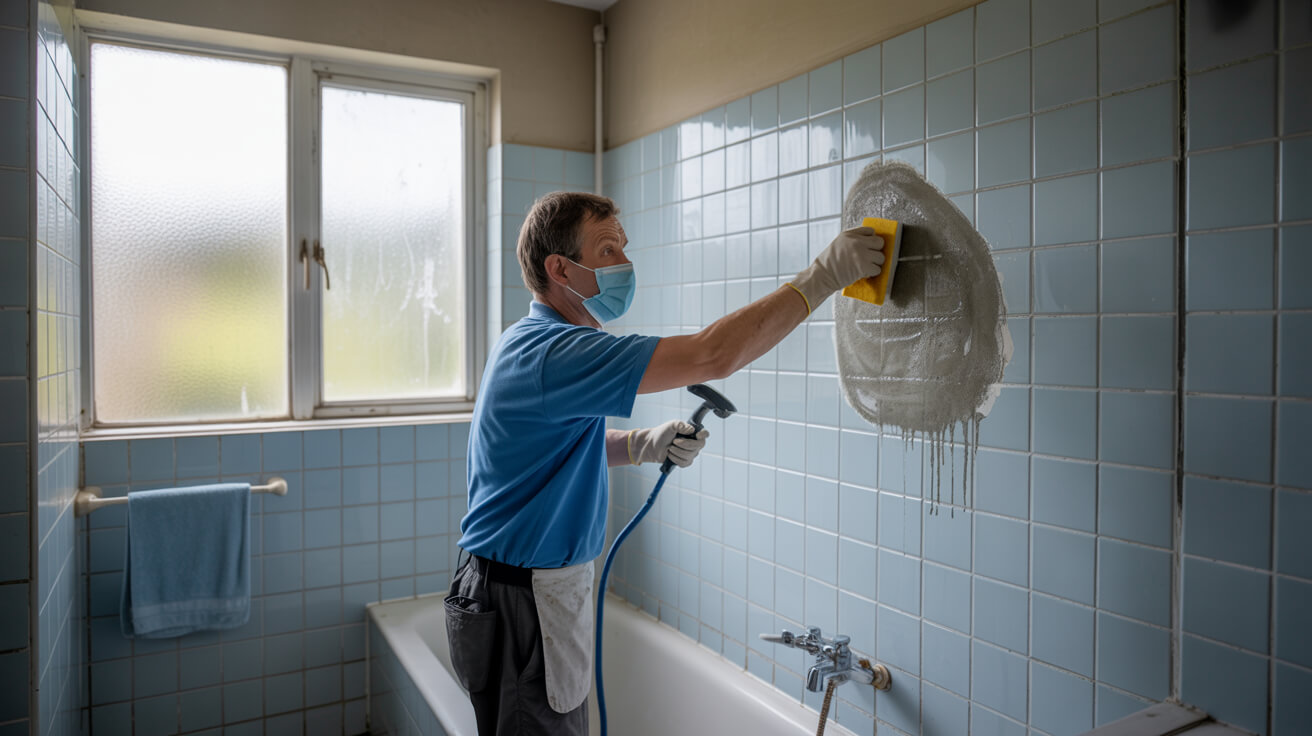
Receiving a council or tenant letter isn’t mere paperwork—it’s a trigger that starts a regulatory timeline and, with it, official documentation and risk. Every missed deadline, misplaced email, or vague phone promise can and will be tallied against you if an investigation or court hearing arises.
Delay isn’t just a bad look—it compounds risk, cost, and penalties every hour it drags on.
What’s the first step? Immediate, written acknowledgment of the issue, ideally via an auditable channel (email, digital ticket, or tenant portal). From that moment, every move is recorded—council officers, tenants, and insurers alike will demand to see timestamped evidence of prompt, professional, and serious response.
Step-by-Step: Legal-Proofing Your Damp/Mould Inspection Process
- Acknowledge the Complaint—In Writing
- Draught an immediate reply confirming receipt, expected investigation time, and next steps. Don’t make promises—commit to assessing.
- Engage Accredited Experts
- Book a survey with a PCA, TrustMark, or BS 6576/8102 credentials (not a general builder).
- Document Every Step
- Log all reports, site photos, communications, and invoices into a secure, searchable file.
- Update Tenants
- Provide written updates on investigation status, planned works, and risks. Silence is an open door for escalation.
- Act Promptly
- Don’t wait for “one more complaint”—the legal window for voluntary correction is getting smaller every year.
When you’re proactive, you replace surprise council notices and panicked calls with calm, documented control.
Does Documentation Really Shield Landlords from Penalties?
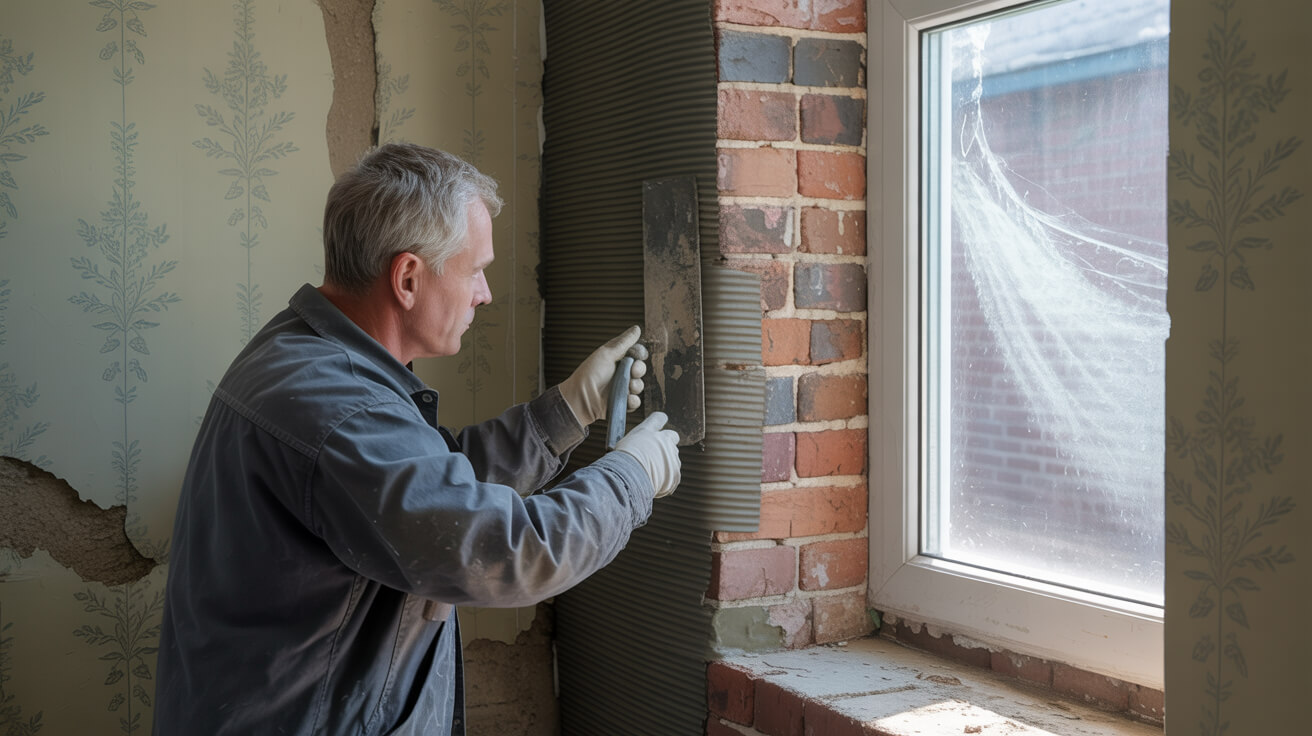
In the eyes of the law, if you can’t show it, it didn’t happen. Good intentions, claims of “being on it,” or even friendly, verbal agreements with tenants mean little when the council or tribunal asks for proof. Ironclad documentation flips the script—from defending against accusations to asserting professionalism.
A paper (or digital) trail is your best insurance—stories fade, evidence stands.
The Documentation Arsenal: What Holds Up Under Scrutiny?
- Maintain Logs: Record every complaint, fix, inspection, and communication. Date and sign every entry, or use systems that do it for you.
- Save Every Piece of Correspondence: Emails, texts, and written notices—even tenant WhatsApps—matter.
- Collect Visual and Diagnostic Evidence: Before-and-after photos, thermal images, moisture readings, and specialist reports confirm you did more than call a handyperson.
- Contractor Credentials and Invoices: Confirm the firms you use are accredited and detail works performed to accepted standards.
- Aftercare Reports: Keep records of follow-up monitoring for at least six months post-treatment.
With this arsenal, you’re no longer at the mercy of opinion—a tribunal or claims adjuster can only judge what you document.
Can Landlords Just Treat the Surface—Or Must They Solve the Underlying Damp Problem?

Surface repairs only buy you time—at best. More often, they turn a manageable maintenance task into a recurring nightmare of claims, repeat works, and legal headaches. Modern landlords must dig deep, not just paint over the cracks.
Modern enforcement expects diagnosis, not decoration—cosmetic repairs invite regulatory heat.
What Counts as a Proper Damp Diagnosis?
- Objective Measurement: Use moisture metres, thermal imaging, and salt tests. They reveal whether damp rises from the ground, seeps from outside, or results from condensation.
- Cause-Effect Reports: Demand your surveyor specify not just “damp exists,” but why—bridged DPC, failed membrane, blocked gutter, condensation from poor ventilation, etc.
- Record the Fix, Not Just the Finding: Attach photographic and written proof of works that address the root problem.
Even a simple job—like repairing cracked render or re-sealing a DPC—should have diagnostic proof that the cause is addressed, not just symptoms.
What Makes a Damp Proofing Repair Legally Safe and Defensible?

Landlords used to get away with “a quick touch up.” That era is gone. Today, it’s not just the fix—it’s whether the process stands up to council, lender, and tenant scrutiny. An effective, legally robust repair has three essentials:
- Root Cause Addressed: Whether it’s failed mortar, broken DPC, leaking pipes, or poor ventilation—repairs must resolve the actual source.
- Certification and Accreditation: Use reputable, properly accredited contractors (PCA, TrustMark, BS 6576/8102). Council hearings discount the “man with a van”.
- Aftercare Monitored and Logged: Every effective repair needs moisture readings weeks or months later. Keep these logs in case of future comeback.
Every professional fix becomes a legal shield—certificate in your files, monitoring logs as backup, and stakeholder trust cemented for the long haul.
How Can Communication with Tenants Reduce Legal Problems for Landlords?

Most disputes don’t start with mould—they start with frustration. Unanswered emails, broken promises, or silence after complaints are the true spark for complaints, council involvement, and reputational damage. The solution? Over-communicate.
Every reply, update, and practical guide helps your reputation grow and legal risk shrink.
Proactive Tenant Comms: The Legal Secret Weapon
- Educate: Provide damp-prevention guides, maintenance checklists, or quick facts about condensation. An informed tenant is less likely to escalate.
- Record All Touchpoints: Save every question, response, and aftercare communication. Even positive messages help prove diligence.
- Reinforce Goodwill: Friendly engagement now makes your defence simpler if things ever go south.
When you treat tenants as partners—showing them you take their health and the property’s integrity seriously—escalation becomes a rarity, not a norm.
Why Landlords Who Hesitate Face Heavier Fines, Collapsing Trust, and Financial Blockades
Speed is the unsung hero of compliance. Each hour of delay turns simple fixes into worsening crises. Councils count waiting time against you, insurers scrutinise slow responses as possible bad faith, and unaddressed complaints fuel negative reviews and tenant churn.
Delay transforms minor issues into major legal and financial pain—timing is everything.
What Happens When You Wait?
- Escalated Enforcement: Ignoring a notice can lead to formal Improvement Orders—or worse, prosecution. Fines commonly exceed £30,000 for unresolved high-risk moisture problems *(HHSRS data)*.
- Insurance and Mortgage Headaches: Slow or poorly documented action means rejected claims, lost policies, or blocked financing.
- Lost Reputation: Online review platforms, negative council records, and rental blacklists can drive up vacancy and drop rental income for years after.
Speed and documentation together are an unbeatable defence: treat every notice as a ticking clock, and every action as a future asset.
Protect Your Asset, Tenancy, and Standing—Sussex Damp Experts Are Your Legal Safety Net
Staying ahead of official scrutiny isn’t luck—it’s process. Sussex Damp Experts, led by technical chief Darius Dampbane, builds compliance into every step, from world-class diagnosis to signed-off repairs and aftercare designed for audit. Our process is ready-made for any regulator or insurance assessment, and our documentation insulates you from surprise.
What Sussex Damp Experts Brings to Your Compliance Game
- Full-spectrum legal and technical compliance: Every survey and fix meets or beats BS 6576/8102, PCA, TrustMark, and lender requirements. Our guarantees integrate seamlessly with your insurer and mortgage provider’s needs.
- Shared digital documentation: Immediate, secure access for all parties—landlord, tenant, authority. Reports, photographs, certificates, and follow-ups, all at your fingertips.
- Tenant engagement: We keep your tenants briefed and supported with practical aftercare and guides—reducing complaint volume and giving you a written trail of care.
- Built to withstand audits: Regular monitoring, logged readings, and compliance checks. If the council or insurer calls, you’re already ready.
Regulatory visits aren’t just threats—they’re your chance to demonstrate professionalism. With Sussex Damp Experts, you can turn obligations into proof of your standard.
When the next damp notice or insurance renewal appears, treat it as an opportunity. A documented, systemised approach makes property management less about firefighting and more about building a defensible, long-term reputation.
Protect Your Property, Tenants, and Standing—Connect with Sussex Damp Experts
Eliminate the risk, remove stress, and let inspections become routine, not a source of panic. Sussex Damp Experts is ready to ensure your property management never falls short—documented, compliant, and recognised both by renters and regulators for doing things properly.
Frequently Asked Questions
What triggers legal responsibility for damp or mould repair, and how does this play out across different property management arrangements?
Legal responsibility for damp or mould falls squarely on whoever possesses control over the property’s fabric and repair decisions—most often, this means landlords or their appointed agents. Crucially, UK law doesn’t dilute this duty even if you hire managing agents or split ownership among freeholder and leaseholders. Under the Landlord & Tenant Act 1985 and newer Homes (Fitness for Human Habitation) Act 2018, the absolute duty is to keep your property fit for use and promptly tackle hazards such as persistent damp or mould. No hand-off to an agent, tenant, or supervisor removes your legal exposure if the council comes calling.
When one side dodges responsibility, councils and courts follow the trail until someone stands up—they rarely accept ‘but it’s not my job.’
How does legal risk shift in multi-managed or tenanted buildings?
- Multiple parties—such as agents, leaseholders, and landlords—may each have repair obligations, but the law expects clear documentary proof from every party about who did what, and when. Council notices and fines often issue jointly when roles are fuzzy.
- If a contractor or agent manages the fixes, you must still demonstrate you selected a competent professional and actively monitored both communication and outcome.
- Inaction or unclear delegation can bring enforcement on all involved until the full repair and documentation cycle is proven.
Which statutes are most likely to be enforced?
- *The Landlord & Tenant Act 1985*—structural repairs and essentials.
- *The Homes (Fitness for Human Habitation) Act 2018*—tenant’s right to safe, damp-free living spaces.
- Local authorities invoke *Environmental Protection Act 1990* and *Housing Health and Safety Rating System (HHSRS)* to ensure risks are removed fast.
Collectively, these rules form an overlapping safety net—if you control the purse strings or building fabric, you cannot contract away ultimate legal responsibility.
What rapid actions do you need to take once notified about damp or mould?
Action starts from the very first report. Written or verbal notification—email, phone call, repair app—starts the legal timer. Document that report straight away; next, organise a BS 6576/8102-compliant damp inspection (ideally with a PCA-accredited surveyor) within 48 hours. Log all communications with tenants, surveyors, and other stakeholders as you go. Any vague “we’ll get to it soon” or delay in site visits may count as neglect—especially if the issue worsens or the occupant is vulnerable.
Prompt action is your silent witness in any audit—slow response is often the only thing councils remember.
What’s a defender’s checklist from first report to first fix?
- Acknowledge receipt—date and time, sender and recipient, no gaps.
- Book a surveyor, do not rely on generic handyman reports or verbal checks.
- Notify the tenant or occupant about inspection timing and interim safety measures, always in writing.
- Use photos and moisture readings for baseline evidence—council officers want objective records.
- Centralise every file: from call logs to emails, receipts to surveyor notes.
Why is urgency so critical?
- Each day’s delay increases exposure to improvement notices, monetary penalties, or tenant-initiated legal claims.
- Mortgage lenders and insurers frequently ask for evidence of professional, timely response before releasing funds or maintaining a policy.
- Transparent, verifiable urgency pre-empts nearly every enforcement action.
What records do inspectors, councils, and courts expect to see for damp or mould compliance?
Documentation isn’t just paperwork—it’s the linchpin of your legal defence and portfolio value. Inspectors expect a logbook (digital or hard copy) demonstrating your response sequence from first complaint to final fix, with timestamps and evidence at every point. The era of memory-based defences is decisively over.
Which records must be watertight and retrievable?
- Action log: Date, time, and person for every inspection, quote, repair action, tenant notification, and post-fix check.
- Full communication history: All emails, texts, and letters you send or receive.
- Surveyor’s reports: Photos, moisture readings, diagnostics, recommendations per BS 6576/8102, plus lab analysis if used.
- Invoices and guarantees: Cost breakdowns, proof of payment, records of DPC batch numbers, contractor accreditations.
- Aftercare and retests: Documents from moisture checks weeks after repair, tenant sign-off/complaints, and any guidance handed to occupants.
The best paper trail is time-stamped, visually clear, and cross-referenced to every repair or inspection step—not stored in a shoebox or left to memory.
What verification do authorities use?
Councils check for tenant notifications, risk reports for vulnerable occupants, and sustained aftercare evidence. Most robust are digital compliance platforms that collate photos, diagnostics, and communications, supplied on instant request—a growing expectation for managing agents and institutional landlords.
Which repair methods, materials, and protocol proofs satisfy councils and auditors if damp or mould returns?
Cosmetic repair is easily stripped back by a wet week or an inspector’s index finger. Root-cause diagnosis, professional documentation, and evidence of robust materials are what win council and legal acceptance.
What stands up under close inspection?
- Forensic diagnosis: Objective identification of the source—not “condensation” unless proven by elimination of ingress.
- Professional installation: Only certified installers and qualified surveyors, never DIY or low-grade contractors.
- Traceable materials: Product name, batch, installation date, and tech sheet, matched to substrate (brick, stone, timber, etc.).
- Detailed moisture mapping before and after repair, ideally with a digital moisture metre audit.
- Post-fix retest: Repeat checks at 4–8 weeks, reports to tenants, and a signed handover/warranty file.
What triggers enforcement or denial of claims?
- Using “quick fix” sprays or standard emulsion over active mould or stains.
- Reliance on unproven or undocumented contractors and materials.
- Incomplete communication to tenants, skipped aftercare, or failure to inform councils of major works.
Peer-reviewed statistics show that over 80% of escalated council or legal actions over damp are due to documentation lapses, not disputed science (HHSRS/UKHSA 2023).
Why does written tenant and authority communication matter as much as the repairs themselves?
Ignoring a tenant report or failing to fully update councils nearly guarantees enforcement. Communication is now seen as both duty of care and core legal defence. Judges and ombudsmen routinely side with the party who provided prompt, documented, and understandable updates—regardless of who “tried hardest” during repairs.
A thoroughly documented conversation with a tenant is the cheapest insurance against a big fine.
How does failure to communicate cost portfolios reputation and money?
- Councils fast-track complaints from poorly notified tenants, especially in the presence of health issues, children, or repeated lapses.
- Ongoing, traceable updates and aftercare can prevent disputes turning into enforcement or compensation claims.
- Proactive education guides for tenants about after-repair ventilation or dehumidification become part of the compliance file, showing you “went further” than minimum legal duty.
What tools give best results?
Modern compliance apps automate everything from repair notification to aftercare reminders and photo uploads, suitable for landlords with multiple units or scale portfolios.
How do Sussex Damp Experts protect your investment, prove compliance, and reduce future legal risk?
Sussex Damp Experts do more than treat damp—they build a bulletproof evidence sequence and client education path, ready for scrutiny by any council, lender, or claims assessor. With every survey, you receive digital logbooks, timestamped photos, root-cause analysis, and materials tracking per BS 6576/8102 and HHSRS guidance. The result is not just a dry wall, but a portfolio of watertight compliance evidence.
- Accredited survey and diagnosis: BS-compliant, PCA-accredited, and designed both for council and mortgage purposes.
- Portfolio-compliant records: Digital, cloud-based audit logs for instant proof at every property inspection, claim, or audit.
- Tenant aftercare and prevention guides, rooted in real property science—not generic leaflets, but actionable advice for each occupant type.
- Trusted by Sussex property professionals: Local authorities, block managers, and letting agents choose systems that integrate with compliance checks and reputational management.
Protect your properties and reputation with a survey, treatment, or compliance audit from Sussex Damp Experts—where every diagnosis and fix is a step toward legal and operational peace of mind.

