
 By
By  August 26, 2025

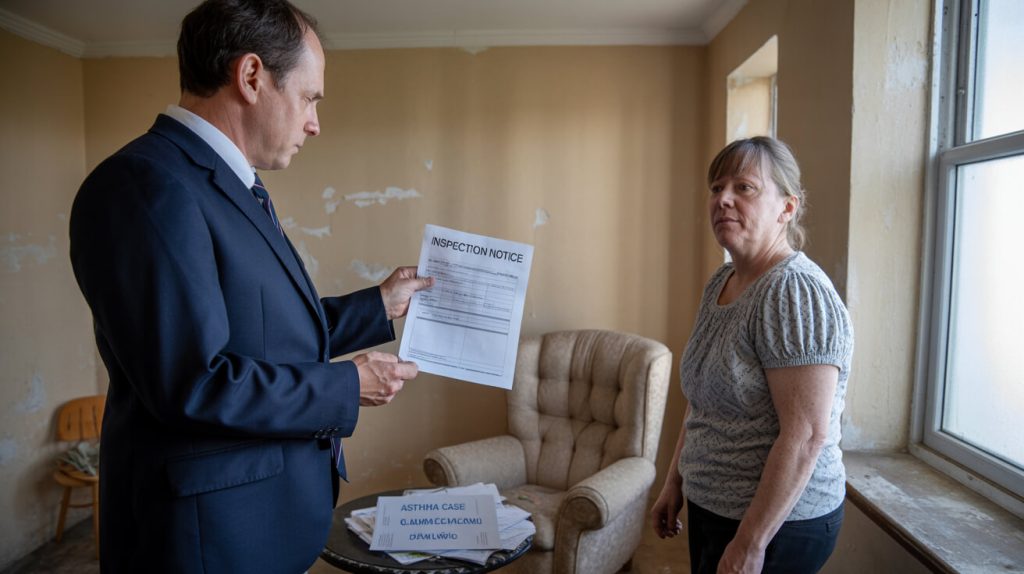
Why Damp and Mould Are a Legal Minefield for Landlords and Tenants
Damp and mould aren’t just aesthetic issues—they’re a legal minefield that can quickly drag landlords and tenants into expensive disputes, regulatory scrutiny, and damaged reputations. What used to be the odd water stain or “bit of black” behind a wardrobe now signals potentially spiralling risks: chronic health impacts, falling property values, and unforgiving legal duties. If you dismiss that musty patch or pin blame on “lifestyle,” you’re rolling the dice with everything from repair costs to your professional standing.
You can’t reason with damp—and the law no longer lets you reason your way out of blame.
Today’s damp problem isn’t only about bricks and mortar. It’s a warning light—somewhere, moisture management has failed, creating a breeding ground for mould, rot, and unintended consequences. With an upsurge in official guidance and new legislation, property managers in Sussex and beyond face sharper accountability, while tenants have stronger, clearer rights. Ignore this and you risk more than a bad smell: you invite claims of statutory breach, insurance headaches, and interventions from local authorities.
The real catch is this: what once lived in the blurred zone between “tenant behaviour” and “building defect” is now front and centre in the law. The old playbook—delaying, deflecting, or blaming condensation on drying laundry—has lost its teeth. Knowing your obligations, and staying ahead of damp’s sneaky encroachment, is now a legal and commercial necessity.
Did the Landlord and Tenant Act 1985 Ever Truly Protect Tenants from Damp?
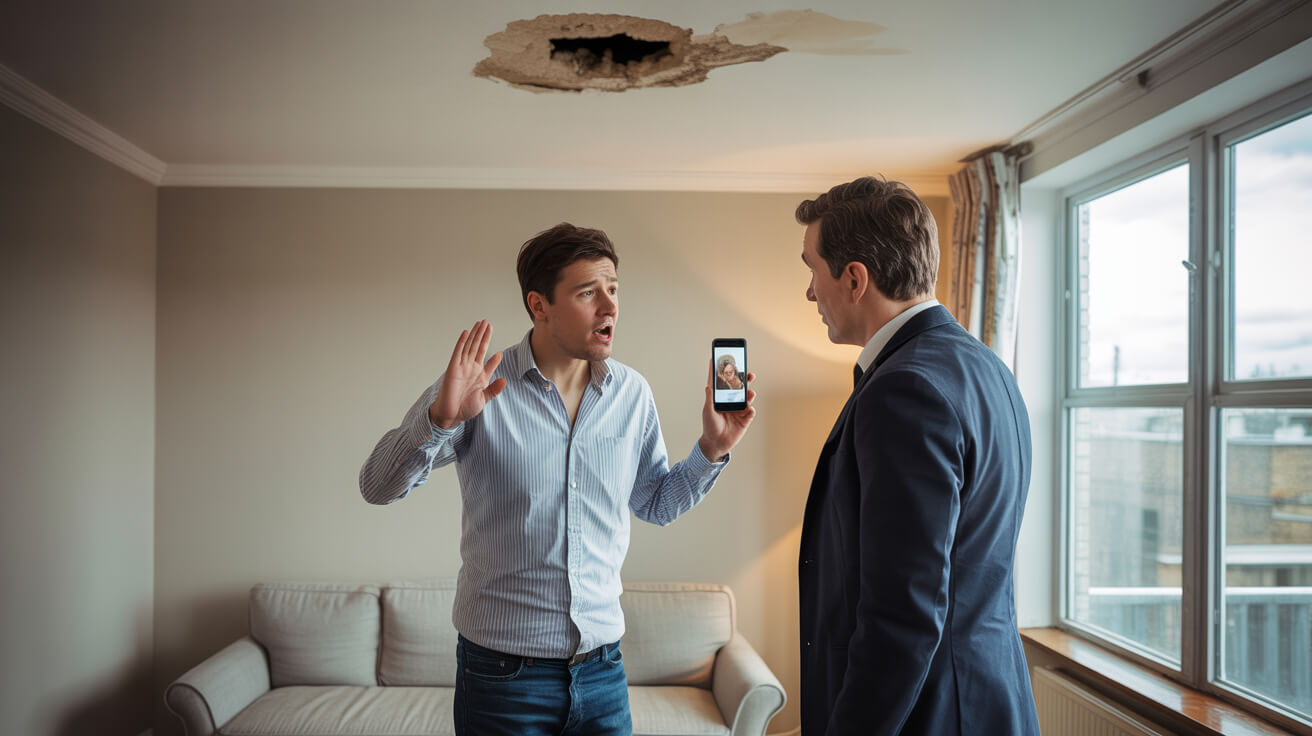
The Landlord and Tenant Act 1985 is still the foundation for landlords’ repair duties across the UK. It requires that the structure and exterior of rented properties—think roofs, walls, windows, drains, and fixed heating—are kept in reasonable repair. But here’s the rub: the Act never explicitly mentions the words “damp” or “mould.”
Instead, landlords only had to fix issues if a “structural disrepair” could be proved. Condensation, musty corners, or blackening patches with no unmistakable leak or broken roofing? Those fell into a grey area. Landlords were often able to duck liability by insisting that if the building wasn’t physically damaged—say, the damp proof course wasn’t bridged, or the render wasn’t cracked—then any damp must be “down to the tenant.”
A landlord must keep in repair… the structure and exterior of the dwelling-house ([Landlord and Tenant Act 1985 – Section 11](https://www.legislation.gov.uk/ukpga/1985/70/section/11?utm_source=openai)).
This ambiguity led to countless deadlocks. Unless someone could tie the issue to missing tiles, broken pipes, or defective gutters, property owners could suggest the tenant’s day-to-day habits or “failure to ventilate” were to blame. The result? Many vulnerable tenants were left in damp, unhealthy homes, unable to force costly repairs. For the industry, this historic loophole has become a reputational sore.
How Did “Lifestyle” Become the Standard Defence Against Damp Liability?

For decades, landlords, letting agents, and property managers seized on “lifestyle” as their shield against damp-related complaints. If condensation or mould popped up, the finger-pointing began:
- Tenants “weren’t ventilating” rooms or kitchen.
- Clothes dried indoors, “caused the problem.”
- Tenancy agreements often contained vague clauses about keeping a property “adequately aired,” nudging responsibility onto the renter.
- Quick fixes (anti-mould sprays, table-top dehumidifiers) temporarily disguised deeper issues.
Because most tenancies lacked explicit standards for moisture control or minimum ventilation, and because most symptoms (peeling wallpaper, salty tide marks, a “mouldy” smell) could come and go, landlords could claim structural soundness. If it wasn’t a failed damp course, why should they pay?
Landlords and agents frequently blame lifestyle rather than investigating whether the root cause is property-related ([england.shelter.org.uk](https://england.shelter.org.uk/professional_resources/legal/housing_conditions/responsibility_for_repairs/damp_and_mould_problems?utm_source=openai)).
In practice, this saw tenants stuck between a damp patch and a hard place: unless they managed to get a specialist survey or caught a clear leak, responsibility—and rent—remained firmly theirs to manage.
How Has the Homes (Fitness for Human Habitation) Act 2018 Changed the Law on Damp?

Everything changed in 2018. The Homes (Fitness for Human Habitation) Act gave teeth to tenants’ rights and forced landlords to look at the property as a “whole environment,” not just a shell. The law now requires every rental home—at the start and throughout a tenancy—to be “fit for human habitation.” And crucially, that fitness test lists damp and mould as explicit grounds for failing.
No longer does a landlord’s duty hinge on visible disrepair. Even without a leaking pipe or cracked render, if persistent damp or black mould makes the home unsafe—impacts breathing, triggers asthma, creates a musty odour, or ruins belongings—the property can be ruled legally “unfit.” In such cases, “lifestyle” won’t cut it: if the tenant is at risk, the onus for action is on the landlord.
Tenants can take unfit homes to court, seeking everything from repairs to compensation, if damp or mould make it hazardous ([gov.uk](https://www.gov.uk/government/publications/homes-fitness-for-human-habitation-act-2018/guide-for-tenants-homes-fitness-for-human-habitation-act-2018?utm_source=openai)).
The result? Landlords can no longer argue away persistent damp by blaming tenants’ habits. Instead, the question is clear-cut: is the property safe to live in, without excessive damp or mould? If not, expect urgent legal orders, expensive remediation, and a potential hit to insurance or lending.
What Legal and Financial Risks Does a Landlord Face Now—And How Do Tenants Navigate Them?
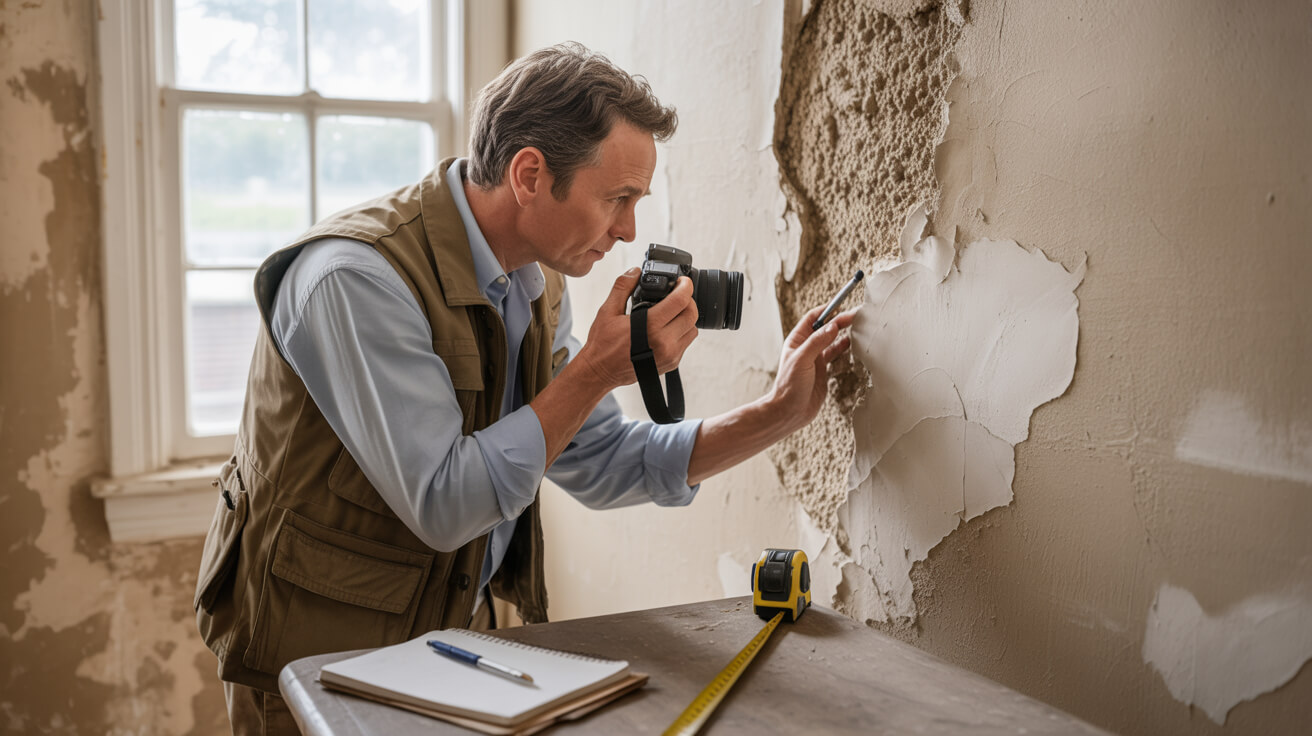
Since the Homes Act came into force, the legal and financial calculus has been upended. Tenants can now bypass slow council processes, bringing claims swiftly to the county court. The judge will expect clear evidence that the landlord acted quickly and thoroughly to cure any risk.
Fail that, and the consequences are sharp:
- Courts can order immediate repairs—sometimes enforced with fines or further action.
- Damages can be awarded for proven harm: covering respiratory illness, ruined possessions, or distress.
- Landlords may be required to pay for alternative accommodation or deep cleaning.
- Persistent failure can lead to lost licences, insurance issues, and in serious cases, banning orders.
The fitness standard covers all tenancies, from council to private, flats and houses ([House of Commons Library](https://commonslibrary.parliament.uk/helping-tenants-with-damp-and-mouldy-housing-england/?utm_source=openai)).
For tenants, the path to restitution is shorter and better signposted. For landlords, the time for swift, documented action has never been more urgent. Delay or denial is now a fast lane to mounting costs and growing legal exposure.
Why Are Precise Survey Reports and Professional Diagnosis Now Essential Evidence?
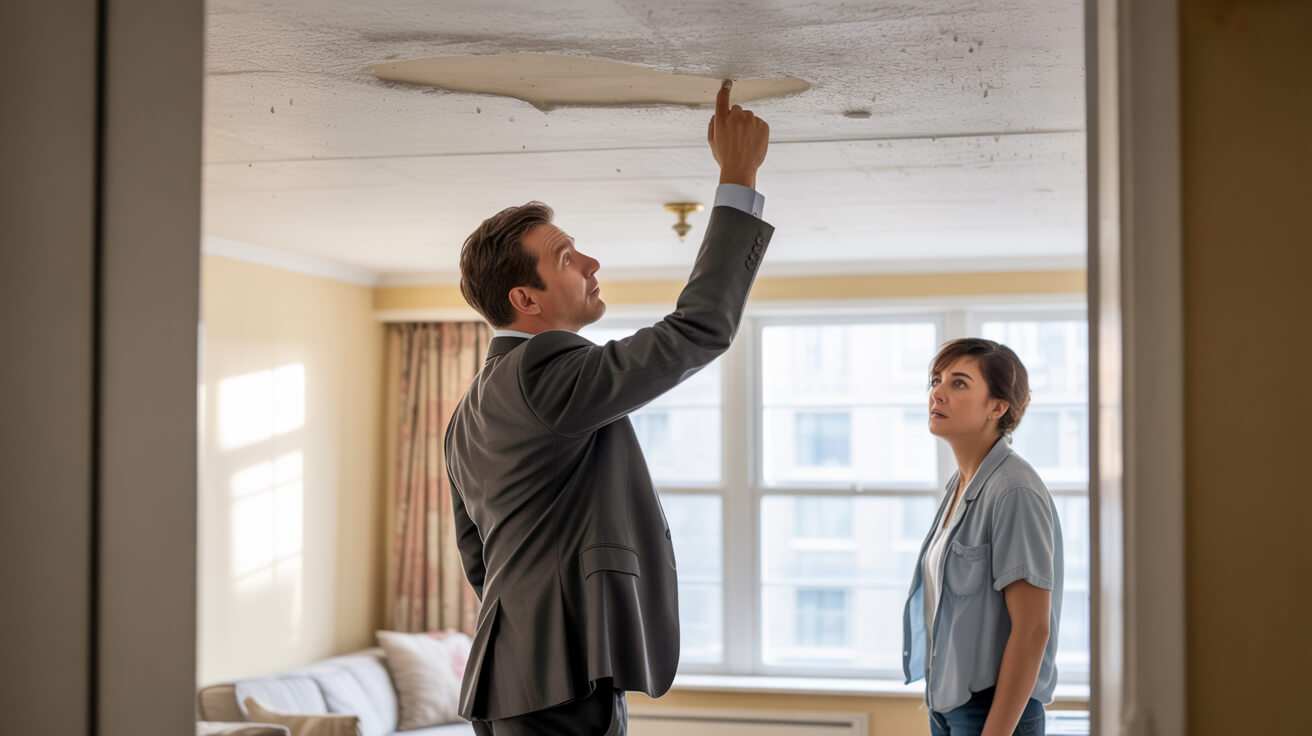
Today, evidence makes or breaks a case—on both sides. Gone are the days when a “quick look” or typed-up note would do. Now the gold standard is a detailed, independent survey, pinned to legal benchmarks and brimming with actionable insight.
A professional-grade damp report maps moisture levels, uses thermal imaging, and marks up images to distinguish salt tracks from pure condensation. It explains which symptoms breach statutory standards and draws a direct line between risk, repair, and the requirements under both the 1985 and 2018 Acts.
Survey-grade evidence reduces blame games and resolves claims with speed and credibility (Shelter, Housing Ombudsman UK).
For landlords, such reports build a clear trail of proactive care—potentially shielding against compensation claims and boosting credibility with lenders or insurers. For tenants, it’s the proof needed to demand remediation or enforce claims, especially when disputes get heated.
Why Do Mortgage Lenders, Insurers and Councils Now Take Damp Far More Seriously?

Damp is no longer a “cosmetic” issue for the big players. Every mortgage and insurance provider now expects solid, survey-backed evidence that a property is free of active damp and persistent mould. If new or recurring patches pop up during valuation, lenders can scale back or withdraw offers, and insurers may bolt on expensive excesses or outright refuse cover.
For property owners, the consequences are clear:
- Damp means lower property value and slower, sometimes failed sales.
- More insurers refuse to cover or significantly raise premiums for damp-affected homes.
- Environmental Health Officers can now intervene directly, using HHSRS powers to impose tight deadlines and—if needed—carry out repairs themselves, billing landlords.
- Councils work off real-time data from advanced moisture metres and survey kits, nullifying any defence based on “tenant lifestyle.”
The HHSRS specifically scores the risk to occupant health from damp and mould, reinforcing statutory compliance duties ([housingmmonline.co.uk](https://housingmmonline.co.uk/news/the-homes-act-2018-a-landlords-guide/?utm_source=openai)).
What was once a hidden corner problem can now ripple through mortgage offers, insurance renewals, and local authority enforcement, cutting into profit and putting compliance under the microscope.
What Practical Steps Protect Landlords and Empower Tenants in This Legal Shift?

Staying ahead now demands active, well-documented management. For tenants and property owners alike, being systematic beats being sorry:
For tenants:
- Keep a log: Record dates, symptoms, communications, and photos.
- Insist on written survey evidence, not just a “handwritten note,” especially if health or possessions are affected.
- Engage independent professionals—surveyors with legal-grade reporting credentials—to build a watertight case.
For landlords/property managers:
- Commission periodic surveys—don’t wait for complaints, especially in notorious Sussex flats or converted properties with a history of condensation.
- Track interventions: Keep records of every visit, fix, or advice given; include readings and before/after photos.
- When action is needed, hire accredited specialists who understand and cite statutory obligations. Make sure fixes are done to standard, not just to “make it go away.”
A stitch in time—the right diagnosis and documented fix—avoids costly legal wrangles down the line (Shelter, Housing Ombudsman UK).
Both sides benefit from meticulous evidence: tenants get faster compliance or redress, while landlords fend off exaggerated claims and cement their reputation as responsible stewards.
Get Immediate Legal-Grade Damp Help from Sussex Damp Experts
“Just slap on some paint” is now a hiding-to-nothing. If you’re serious about compliance—whether protecting your rental returns, safeguarding tenants’ health or securing your next mortgage—evidence comes first. Sussex Damp Experts builds every report around statutory standards: blending the demands of the Landlord and Tenant Act 1985, the Fitness for Human Habitation Act 2018, and the Housing Health and Safety Rating System.
Our surveys nail the risks with clear, annotated images and moisture mapping—and tie every finding to a recommended, regulator-ready fix. Lenders trust us. Insurers accept our diagnosis as a shield against future claims. Tenants and landlords finally see eye-to-eye through transparent, actionable evidence.
The right evidence isn’t just insurance against claims; it’s a tool to avoid them entirely.
Don’t risk your reputation, your asset, or your tenants’ well-being. Book a survey with Sussex Damp Experts today—set the bar for compliance, unlock peace of mind, and stay ahead in a legal system that now holds both sides to account.
Frequently Asked Questions
Which property faults make it legally impossible for a landlord to blame a tenant for damp?
Landlords can’t offload blame onto tenants when evidence points to issues like a failed damp proof course, cracked render, rotten windows, or blocked rainwater drains. Current housing law is stark: if the building’s structure, insulation, or ventilation doesn’t meet modern standards, responsibility for both remedial work and costs remains with the owner. Surveyors, councils, and the courts put building condition—proved by moisture readings and forensic site photos—at the centre of every decision. Only when every damp-resisting system is up to scratch is tenant behaviour (like habitually blocking vents or never heating a home) even considered.
How do professionals apportion legal blame when damp is found?
Survey-grade damp diagnosis means mapping moisture gradients through walls and floors, using calibrated metres and thermal imaging, then cross-referencing these patterns with likely causes. Structural defects, missing insulation, or broken-down ventilation systems show up quickly; tenant-linked causes are only accepted if every physical and regulatory barrier is in place first.
- Landlord always liable when: There’s no legal damp barrier, insulation is missing or degraded, roof leaks, rainwater goods fail, or ventilation is non-compliant.
- Tenant liability only possible if: The property passes every compliance audit, and misuse is isolated and proven.
Landlords who fail at inspection or paperwork rarely win a dispute—evidence speaks, not theory.
Moisture only takes the path you leave open. The law follows the same logic.
What records shut down tenant-blaming by landlords?
- Surveyors’ reports referencing BS 6576 and PAS 2035
- Moisture data maps for every wall or floor in question
- Maintenance logs showing systems, upgrades, and repairs
How does the “fitness for habitation” duty force quicker action on mould and damp?
New legal duties force landlords to tackle the triggers, not just the symptoms of mould. The Fitness for Human Habitation Act 2018 requires property owners to provide—and maintain—adequate heating, insulation, and ventilation from day one. Persistent condensation, musty smells, or a single spot of black mould transform a maintenance niggle into a legal hazard. Tenants are legally entitled to raise concerns early, and landlords no longer get away with waiting for dramatic decay—“good enough” on the day of letting isn’t enough if conditions worsen.
What’s non-negotiable for landlords under this law?
- Continuous, effective airflow for every room—achieved by compliant ventilation, not just open windows
- Heat sources and insulation that meet or beat SAP ratings and Building Regs
- Immediate, expert remediation if any interior shows signs of condensation, damp staining, or recurring mould
What’s the real penalty for ignoring “fitness”?
Local authorities move fast on written complaints, with improvement notices and financial penalties. Courts regularly side with tenants when evidence shows a landlord lags—even compensation or rent repayment can follow.
What legal routes do tenants and councils use to force urgent repairs for damp?
Tenants no longer need to wait out slow-motion fixes; a legal toolbox now backs their right to a healthy home. Under the newest rules, tenants can approach the courts directly to order urgent repairs or damages, and councils can intervene using the HHSRS if damp is a risk to health. In social housing, Awaab’s Law means strict timeframes—councils can inspect, serve notices, carry out works themselves, and recover costs from landlords. Independent, surveyor-led evidence and detailed logs of correspondence are now enough to tip the balance; ongoing disputes rarely outlast a well-documented inspection.
How can you trigger fast legal action?
- Build a timeline—date-stamped photos and surveyor’s letters
- Log all communication and maintenance or repair notes
- Request an accredited damp survey that matches BS and PAS standards—authorities take these seriously
| Intervention Route | Who Can Trigger It | Typical Outcome |
|---|---|---|
| County Court Claim | Private/Social tenants | Mandatory repairs, rent repayments, damages |
| Council Action (HHSRS) | Tenant, Council | Legal notices, enforced repairs, fines |
| Awaab’s Law Enforcement | Social tenant, council | Repairs to strict deadlines, no exceptions |
The council and the courts trust scientific logs over months of argument. Evidence moves faster than blame.
Why do modern compliance standards make “tenant lifestyle” defences almost useless in court?
The age of blaming “windows left shut” or “drying washing indoors” is over. Landlords can only succeed with a lifestyle defence if their property has every system tuned to modern Building Regs and all legal standards (BS 6576, HHSRS, PAS 2035)—and can produce full documentation to prove it. In practice, most homes with recurring condensation or surface mould have infrastructure or thermal faults at play. Judges and inspectors demand logs of humidity, maintenance, insulation upgrades, and a chain of repair requests and responses. The absence of even one compliance step almost always ensures the landlord—never the tenant—carries the loss.
What do law and surveyors now demand as proof?
- Commissioned survey reports mapping not just symptoms but credible causes
- Environmental measurements logged over time, not spot checks
- Complete, dated communications showing repairs, advice, and access attempts
- Certifications for any damp proofs, insulation, or ventilation upgrades
If you’re not ready to place every system under a microscope, blaming the occupier is a strategy that collapses on contact.
Compliance is a chain; a single weak link sends the whole burden back to the landlord.
What documentation and response times win or lose damp disputes under law?
Damp disputes are battles of paper and speed. The sooner a problem is documented—and the stronger the evidence—the stronger your footing whether nuisance or rent repayment claims arise. Councils typically allow 14 to 28 days for improvement after inspection, while courts expect step-by-step repair logs and legally valid, independent surveyor reports mapped to UK standards. Mortgage lenders, insurers, and even some agents now want proof of professional risk surveys after a property is flagged. Delays, missing reports, or patch repairs without science behind them undercut every claim to compliance or defence against compensation.
What paperwork delivers results with authorities?
- External survey reports with photographic, metre-logged data
- Side-by-side logs of maintenance actions and tenant requests
- Chronological evidence of repairs, upgrades, installation, and aftercare
- Fulfilment of all improvement deadlines—every missed day costs credibility
The winning side in a damp dispute is rarely the loudest, but the one whose evidence links cause, solution, and timing in a seamless paper trail.
How do Sussex Damp Experts build evidence that stands up in court and council chambers?
Every Sussex Damp Experts survey is delivered in the language of both law and science—meticulously documented, compliant with BS 6576 and PAS 2035, and executed with photographic, metre-driven evidence. Reports break down causes, responsibility, and action steps in plain English—no vague guesswork, just forensic mapping of what’s happening and who owns the fix. The outcome: recommendations trusted by lenders, councils, and judges, with risk codes and performance benchmarks built in. Whether you’re a landlord facing litigation, a tenant demanding repairs, or an agent reporting to the board, Sussex Damp Experts give you the structure and substance that drives disputes to resolution, not stalemate. Booking a legal-grade survey with our team is more than compliance—it restores confidence, value, and safety in your asset.
Step forward with true peace of mind—secure a professionally documented damp and mould assessment from Sussex Damp Experts today, and let your evidence speak for itself up to the standard that matters in law.

