
 By
By  August 26, 2025


What Triggers Legal Responsibility for Landlords Facing Damp and Mould?
Most property owners are shocked by how little wiggle room the law allows. Damp and mould in rental properties are not ambiguous headaches floating in a no-man’s land of “he said, she said.” Section 11 of the Landlord and Tenant Act 1985 lays down an uncompromising duty—one that takes hold the moment an issue is raised. If your property is let to tenants under an assured, shorthold, or short fixed-term tenancy (seven years or less), the rule is simple: you hold ongoing responsibility for the structure, exterior, and all weatherproofing defences—bricks, mortar, windows, gutters, roofs, doors, and especially that DPC (damp proof course) layer, where bar-damp repairs must be handled as part of keeping the building envelope sound.
When damp shows up, you can’t point to a contract and hope the law turns away.
This legal duty does not dissolve, even if your tenancy agreement tries to say otherwise. No backroom handshake can override the statute. Once your tenant flags a symptom—black mould, wet patches, musty smells, flaking wallpaper—you’re racing the clock to resolve it in a “reasonable time.” Miss the mark and you don’t just risk grumbling; you invite council action and potential court orders.
The Fast Lane to Landlord Accountability: Is It Always the Building’s Fault?

Landlords often hope to sidestep blame by tagging damp and mould as “tenant lifestyle”—damp from drying clothes indoors, blocked vents, windows never opened. Yet the law looks deeper, and it’s ruthless:
- If the cause is the structure, insulation, ventilation, or maintenance of the property, you’re liable, full stop.
- Only if you can prove the building is sound and all systems are adequate (extractor fans, insulation, unblocked airbricks) AND show the tenant’s behaviour is the only culprit, will the scales tip in your favour.
Examples Where Damp and Mould Hit the Landlord’s Ledger
- Rising damp: from failed, missing, or bridged damp-proof courses (DPCs)—especially common in older homes.
- Penetrating damp: through cracked walls, porous brick, compromised render, blocked or broken gutters, defective pointing, leaking roofs, or failed window seals.
- Condensation: worsened by poor insulation, lack of proper mechanical ventilation (no kitchen/bathroom fans), or windows and doors that trap moisture.
Claims that “it’s the tenant’s fault” rarely stick if you’re missing even one regulatory requirement. Councils consistently side with tenants if the building’s design or decay enables the spread of damp or mould.
In the courtroom and council office, the building gets the first blame. You must prove you’re not the source—evidence trumps opinion.
Why Process, Not Promises, Shields Landlords From Damages
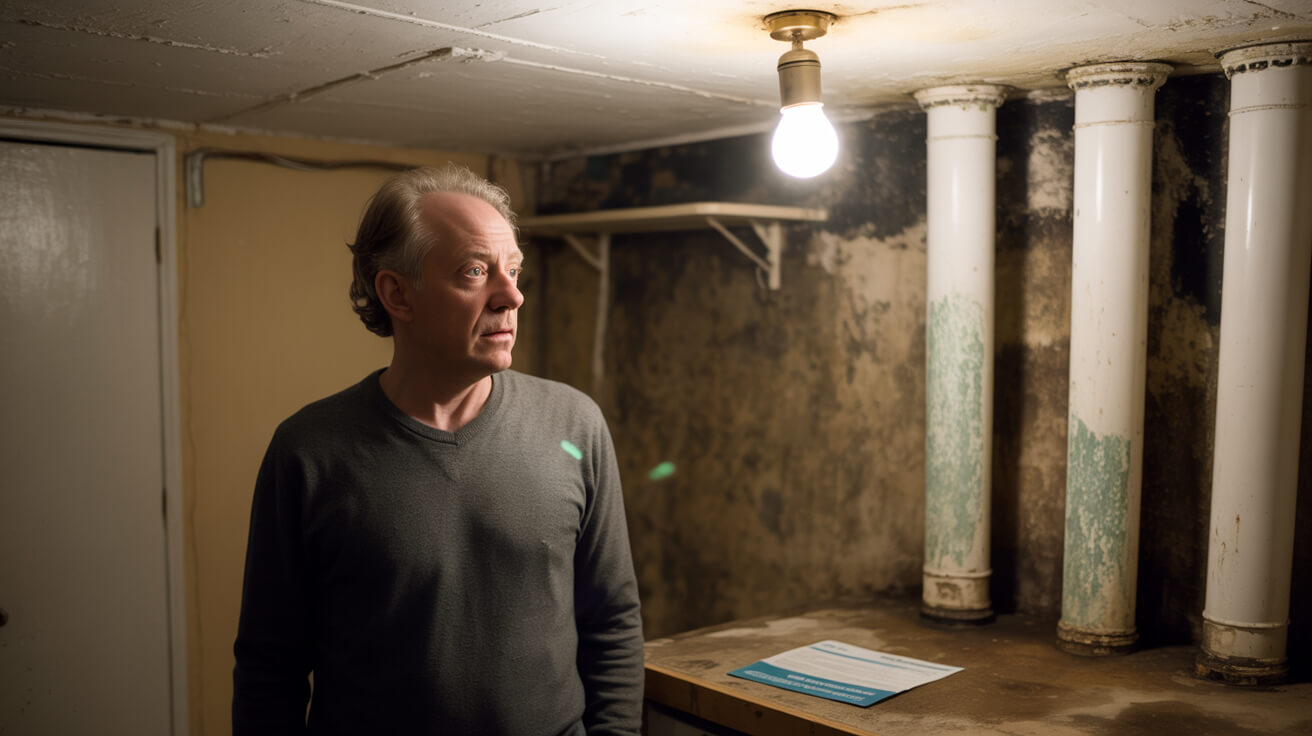
A solid repair process is your best defence. When your tenant reports damp or mould:
- Acknowledge receipt instantly: (email, text, or letter—whatever creates a timestamped record).
- Demand and retain photo evidence: —it narrows disagreement and proves responsiveness.
- Commission an expert survey: —ideally a PCA or RICS-accredited professional, or a reputable damp repair specialist.
- Document every action: inspection dates, findings, work orders, correspondence, completed repairs, follow-up visits.
Swift, transparent action AND an airtight paper trail are your legal firewall—much more than noble intentions or half-hearted repairs.
You want your file to show you did the right thing—while the paint was still peeling, not months later.
Remember, especially where health is at stake (children, the elderly, or the medically vulnerable), both the council and courts expect urgent remediation AND clear evidence of your pace and seriousness.
What Other Laws Double Down on Your Responsibility?
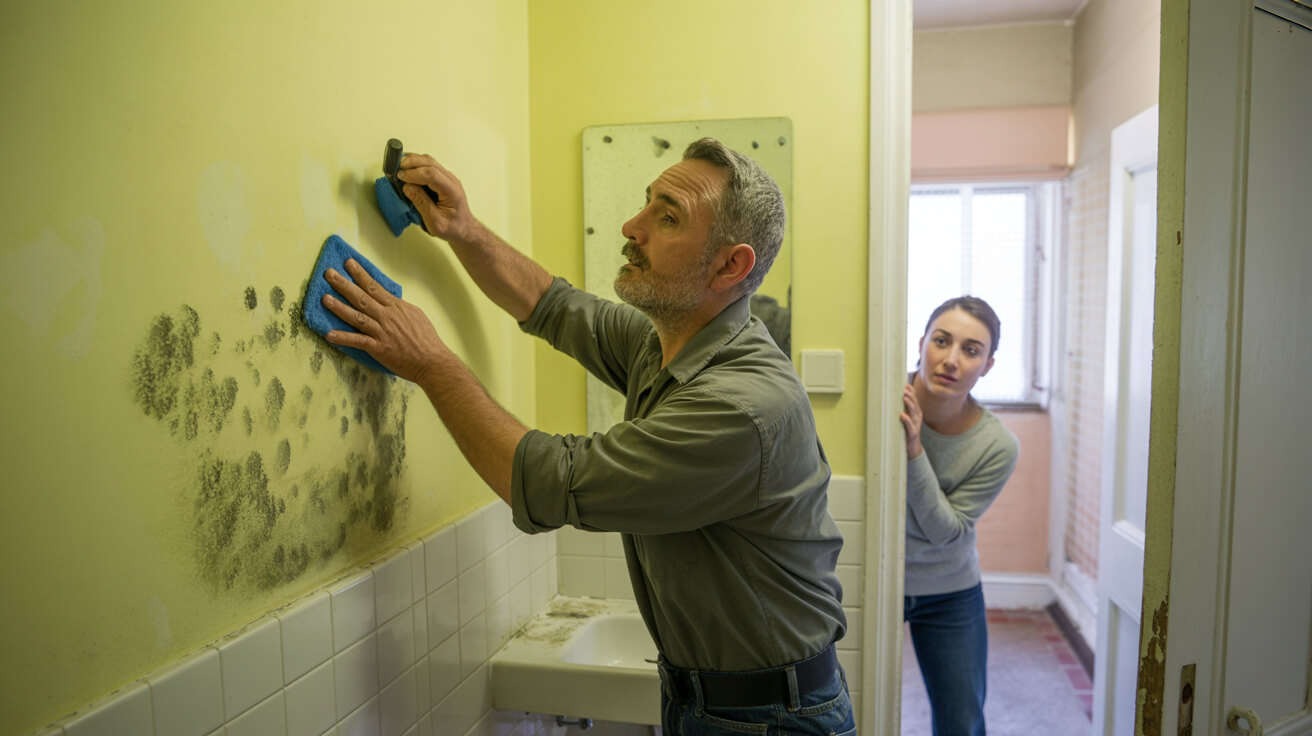
Section 11 is the floor, not the ceiling. The Homes (Fitness for Human Habitation) Act 2018 supercharges your obligation to keep a property “free from serious hazards,” with damp and mould listed squarely as hazards under the Housing Health and Safety Rating System (HHSRS), and makes clear that bar-damp repairs must be handled properly where such risks are present. If your property fails, local authorities can issue hazard notices, step in for emergency repairs, recharge the costs (with admin and interest), and, if needed, prosecute.
Building Regulations and Heritage Building Impacts
Don’t forget Building Regulations Part C—the legal minimum for moisture resistance in walls and floors. Non-compliant repairs can land you with enforcement notices and invalidate damp warranties. If your property is listed or in a conservation area? Now you’re in a regulatory minefield, needing listed building consent, specialist methods (e.g., lime render, breathable plasters), and strict compliance with BS 6576 for rising damp.
Skimp on compliance, and you don’t just risk council ire—you could see lender withdrawals, insurance voids, or fines for damage to heritage fabric.
Banks, insurers, and housing authorities demand audit-grade paperwork: surveyor reports, repair certification, and documented warranty chains.
How Rising Damp Becomes the Landlord’s Ultimate Legal Test
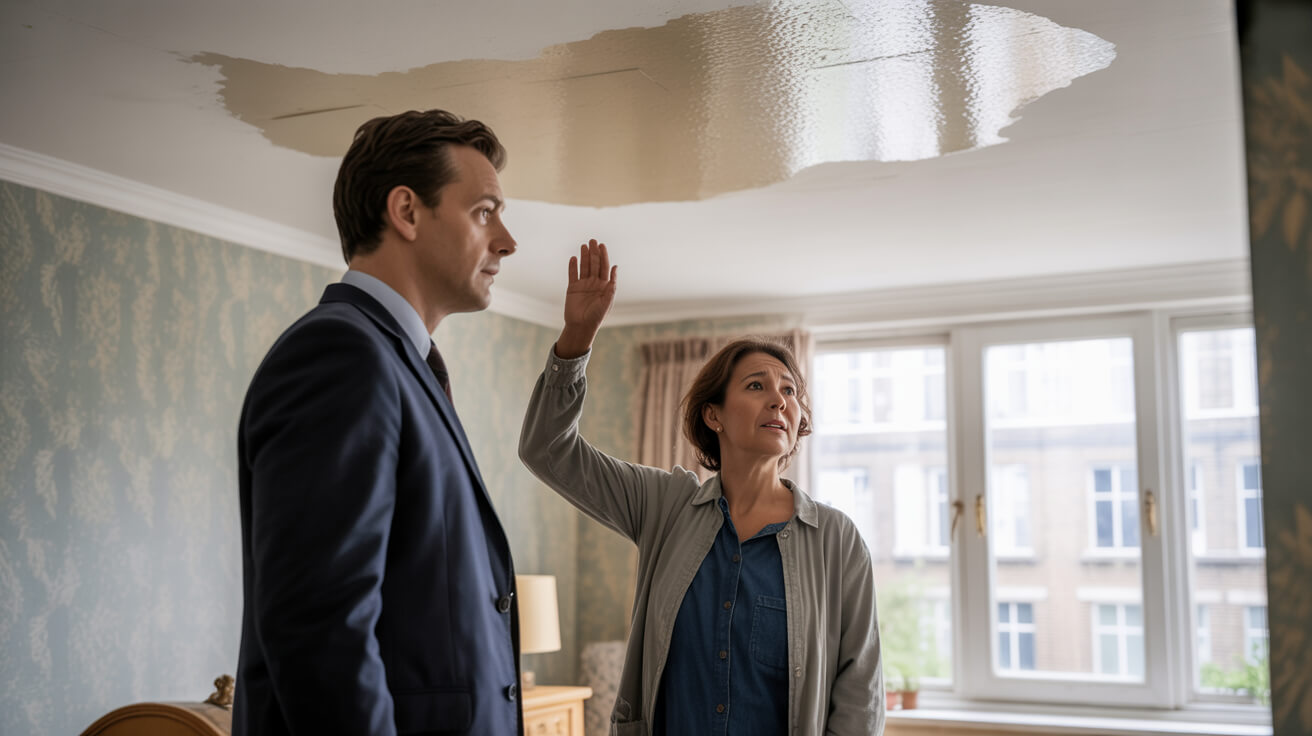
No other defect in the UK’s rental housing stock trips so many alarms as rising damp. Unlike surface condensation or minor leaks, rising damp signifies a systemic failure: the DPC has given way (or was never installed), or the property features an unbroken route for groundwater to climb through masonry. Section 11 makes it your zero-excuse repair—no clever lease clause or “DIY fix” can pass muster.
- If a DPC is missing, bridged, or failed: , landlords must instal a compliant solution, even if this means major work, wall injection, or partial rebuild.
- In pre-1875 properties never fitted with a DPC, proportional action is still required—expert diagnosis, sensitive retrofit, and correct materials.
Don’t forget: in heritage scenarios, “standard” tanking or waterproofing can do harm, so conservation-compliant materials and methods (usually specified by BS or PAS standards) are non-negotiable.
Ignoring rising damp risks council repair bills, instant devaluation, and mortgage refusals. Delay multiplies every cost.
What Happens If Landlords Ignore Damp or Mould?

Delayed repairs don’t just eat at bricks and mortar—they cut straight into your legal, financial, and reputational standing.
- Councils: begin enforcement with hazard notices, often charging fees, adding admin surcharges, and slapping on interest from day one.
- Mortgage lenders: downgrade or withdraw lending for flagged properties. Future buyers disappear when surveyors mark “unresolved damp risk.”
- Insurers: may reduce or void cover if they discover pre-existing or neglected damp or mould.
- Authorities: can recover costs for repairs through the courts, pursuit of personal assets, and registration of charges on the property.
Skip a damp fix, and you might as well be hanging a ‘discount’ sign on your asset’s value.
Social landlords and portfolio investors see cascading impacts—lost rental income, regulatory black marks, and restricted future lending.
What’s in a Landlord’s Gold-Standard Audit Trail?

If you want to be the landlord who avoids arguments, fines, and claim denials, documentation is your strongest asset. Auditors, housing officers, and courts look for:
- Independent surveyor reports: (PCA or RICS-backed are gold standard).
- Photo logs: documenting all damage and repairs.
- Invoices and receipts: for contractor works.
- Moisture monitoring records: from electronic logs or follow-up inspections.
- Certificates of compliance: —especially important for heritage, leasehold, and insurance backing.
- Correspondence with tenants: —records of all reports, responses, and repair progress.
Those who skip these steps invite further inspection, insurance wrangling, and protracted tenant disputes. When in doubt, over-document. In higher-value or heritage properties, this pattern is often decisive for future sale, refinancing, or peace of mind.
What Sets Sussex Damp Experts Apart in the World of Damp Compliance?

Landlords face more than damp; they face a minefield of regulation, insurance requirements, and tenant legal rights. Sussex Damp Experts makes compliance the starting line, not the finish. We operate at full surveyor-standard, providing comprehensive site assessment, moisture mapping, BS 6576 diagnosis, and a tailored action plan—every step documented, audit-ready, and recognised by councils, lenders, and insurers.
Our work isn’t just “guaranteed”—it’s certified to stand up to section 11, HHSRS, and Building Regulations scrutiny. Heritage, listed, and conservation properties are handled by teams with in-depth PAS 2035 and BS 8102 expertise. Throughout, we issue surveyor-backed reports, photo logs, and signed work schedules—enough to satisfy any enforcement body or claims assessor.
Why hope your next “quick fix” won’t catch up with you? Protect your investment, income, and reputation—book a legal, insurance, and standards-compliant damp survey with Sussex Damp Experts today.
Compliance doesn’t cost—it protects everything you’ve earned. Don’t wait for a letter from the council. Get the facts, fix the cause, and rest easy.
Frequently Asked Questions
What resets a landlord’s legal obligation to address damp or mould, and what counts as “prompt” action?
Once a landlord receives notification of damp or mould—from a tenant, agent, or survey—it triggers a clear legal clock. The Landlord and Tenant Act 1985 and health safety regulations both demand that you act within a timescale defined by the severity of risk, not your convenience. “Prompt” action means initiating assessment and necessary repairs as soon as the issue comes to light—days, not weeks, for cases involving vulnerable tenants, significant mould, or health risks. Regulatory bodies expect evidence of a serious attempt to solve the problem with proper records.
As soon as a complaint is logged, your legal risk isn’t theoretical—it’s counting in days, and evidence trumps intention every time.
What qualifies as legal notice?
- Written or email complaints with dates and images
- Surveyor reports highlighting structural damp or mould
- Official warnings from local authority or environmental health
What evidence secures your position?
The strongest safeguards are:
- Retaining every notification, survey, and maintenance record, with clear dates
- Commissioning qualified (PCA or RICS) investigations within days of each report
- Keeping documented plans and schedules for repairs, not just ad hoc patches
A paper trail, regularly updated, is your single best protection if a tenant, council, or insurer later questions your conduct. Relying on “good intentions” or informal fixes exposes you to fines, emergency works bills, or forced remedial actions—especially if the property is occupied by children, elderly, or anyone with documented health vulnerabilities.
When are landlords unambiguously responsible for dealing with damp—and where could liability shift to tenants?
Structural damp—such as rising damp, faulty gutters, leaking roofs, or failed damp-proofing—remains the landlord’s responsibility regardless of lease wording or prior arrangements. Statutory obligations always override private agreements. However, liability can move toward tenants if—and only if—they’ve been supplied with effective heating, ventilation, and instructions, and then act against advice (drying clothes indoors, blocking vents, disabling fans, etc.) despite warnings.
Independent surveyor reports cut through disputes faster than any contract clause or verbal defence. Objective evidence always tips the balance.
Where do landlords often miscalculate?
- Letting extractor fans or vents fall into disrepair
- Ignoring repeated gutter or insulation defects
- Assuming tenancy clauses can transfer legal responsibility
What if a tenant ignores advice?
Documentation is key—without records of instructions, working systems, and past maintenance, legal responsibility almost always lands back in the landlord’s lap.
No tenancy agreement can lower health or safety standards below the legal minimum. Habitability, fitness, and health trump private contract every time.
How do disputes over damp between landlord and tenant usually play out, and what documentation proves prudent management?
Disputes escalate rapidly in the absence of a solid paper trail. The first sign of a complaint—whether mould on windowsills or water stains on paint—should be matched with a clear, dated response plan. Courts, councils, and insurers typically side with whichever party has the clearest “audit trail”: logs of complaints, expert diagnoses, and a timeline of remedial work.
A folder full of reports outshines a year of well-meaning emails. When the situation escalates, processes—not personalities—decide liability.
What’s expected in a documented process?
- Digital or physical logs of each tenant report, with corresponding repair attempts and dates
- Accredited PCA or RICS survey results addressing the problem with specific recommendations
- Copies of invoices, before-and-after photos, and records of every attempt to resolve the issue
- For older or listed properties, compliance with BS 6576/BS 8102/Part C, and council permissions where needed
Why do heritage buildings require extra vigilance?
Heritage or listed buildings often raise the bar—damp repairs must meet specific technical and conservation standards, with method statements logged before any work begins.
Without proper documentation, expect to face delayed insurance claims, council scrutiny, and a far weaker position if legal proceedings start.
What penalties, risks, and financial shocks can landlords face for neglecting damp or mould?
Neglecting a damp or mould problem not only attracts legal notices and fines, but also threatens asset devaluation, sales delays, and blocked financing. Local councils classify unresolved mould as a “category 1 hazard” under the HHSRS, demanding action—not just requests—for enforcement. Delay leads to emergency repairs by the authority, the costs of which are invoiced directly to the landlord. Insurers often refuse claims on pre-existing or neglected damp, and mortgage lenders may refuse funds until issues are solved and certificates provided.
A month’s delay on mould can lose you a sale, a mortgage, or a clean insurance claim. The hidden cost is reputation, not just fines.
What regulatory triggers are most severe?
- Council-issued improvement or hazard notices
- Emergency works carried out by order (with direct invoicing to owner)
- Rent withholding or compensation claims by tenants
- Mortgage or re-mortgage denial pending surveyor sign-off
- Insurance denial for issues classed as “owner neglect”
The bottom line: prompt expert intervention costs far less than fighting fires after regulatory, lender, or tenant action.
How do heritage, conservation, or listed status buildings complicate landlord damp obligations?
Older buildings and listed properties come under extra scrutiny and rarely tolerate “standard” fixes. Modern chemical DPCs, for instance, are typically not allowed in pre-1875 homes or Grade II listed properties unless explicitly approved. Lime mortars, breathable plasters, and tailored tanking systems are now the norm for buildings with conservation status. Attempting “quick” fixes without proper permissions or method statements can lead to stop-work orders, forced removals, or mandated professional do-overs—at the landlord’s expense.
On heritage buildings, every mistake gets magnified—by both the council and the repair budget. Paperwork is as vital as the repair itself.
What safeguards must landlords put in place?
- Appoint surveyors familiar with heritage techniques and building conservation regulations
- Match every repair to BS 6576, BS 8102, and listed building guidance, securing method statements and written consents up front
- Document every phase, from initial diagnosis to post-repair inspection, with a clear, dated trail
Council and conservation teams now expect to be consulted before any invasive works begin. Skipping this can see you forced to revert or repeat at personal cost.
What expert strategies give landlords the upper hand against legal and financial threats from damp or mould?
The only safe position is proactive. Commission a professional, accredited damp survey at the first sign of trouble—not after delays or disputes. Store every relevant record: tenant complaints, survey results, invoices, photographs, and council permissions. Schedule regular damp checkups and don’t let warranties or insurance policies lapse—these are essential if you need to defend against council, lender, or tenant claims.
A methodical, documented response means you’re respected by lenders, trusted by regulators, and envied by other landlords. Evidence is your shield.
Where does decisive action make the difference?
- Commissioning PCA- or RICS-certified survey reports and filing them for future use
- Logging each repair or intervention with clear dates and mapped to original survey advice
- Retaining all correspondence and council consents, especially for heritage, listed, or high-profile properties
- Ensuring warranties and insurance documentation is kept current and easy to retrieve
For lasting peace of mind and a reputation that commands respect in the property world, invest in an expert survey and evidence-led process. Sussex Damp Experts deliver both the technical diagnosis and the full suite of documented proof—ensuring your property, tenants, and position remain fully protected.

