
 By
By  August 26, 2025

How Does Awaab’s Law Change the Stakes for Damp and Mould in Your Properties?
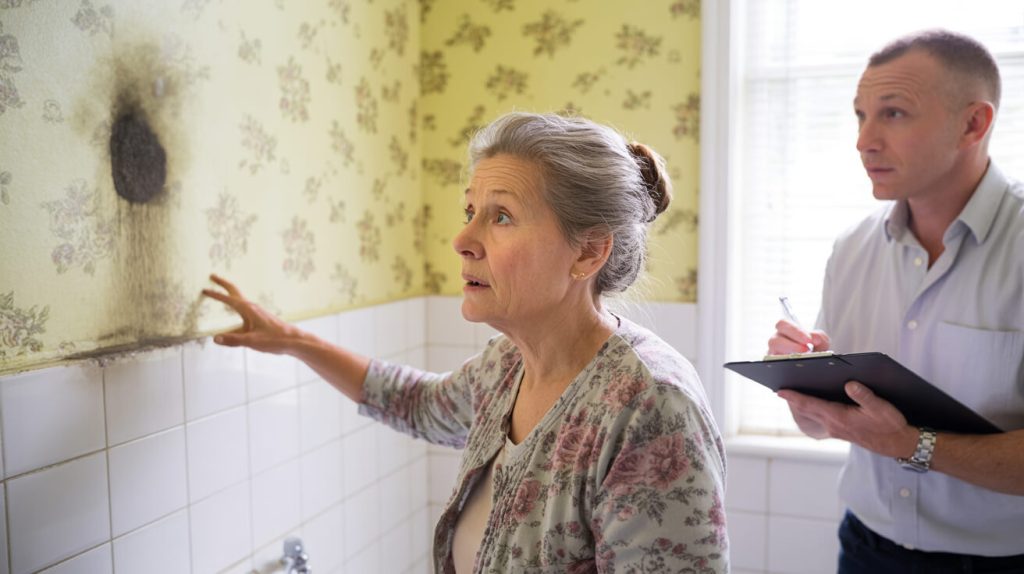
For landlords, agents, and property managers across Sussex, the landscape shifted overnight with Awaab’s Law and the Environmental Protection Act 1990. Ignoring a damp stain, a patch of mould behind a wardrobe, or a musty smell is no longer an exercise in “good intentions”—it’s now a direct invitation for legal, financial, and reputational trouble, with Insurance and Legislation-Intertwined Like never before. One overlooked complaint, one undocumented repair, and you’re not just risking an irritated tenant—you’re staring down a legal deadline, council involvement, and the real possibility of losing both your insurance protection and your standing as a trusted professional.
Delay is no longer about inconvenience—it’s about risk you can measure and trace in the court ledger.
The days when it was acceptable to “deal with it when we get time” are history. Every landlord and manager must now demonstrate, not just claim, rigorous compliance on all fronts: inspection, action, clear tenant communication. Each must be logged, timestamped, and ready to stand up to council or insurer scrutiny.
No More Gentle Grace Periods
With Awaab’s Law, fuzzy recordkeeping and vague promises are now the fastest route to disaster. An unfiled inspection or a misplaced “I’ll sort that” text isn’t an oversight—it’s evidence of neglect in the eyes of the law. Fines are issued faster, tribunals escalate with less warning, and, as the risks become Insurance and Legislation-Intertwined Like never before, every missing proof-point becomes a hole in your insurance cover.
Insurance and Legislation—Intertwined Like Never Before
Historical insurance policies often tolerated a bit of leeway, but those days are gone. Today, miss an inspection window, lose a repair receipt, or provide incomplete evidence, and your insurer is empowered to refuse your claim for “maintenance lapse.” At the same time, councils and tenant advocates treat that lack of evidence as regulatory default. The law and your policy now operate in sync: slip on compliance and both protections can vanish in a stroke.
What Are the New Legal and Documented Compliance Deadlines—And Why Do They Matter?
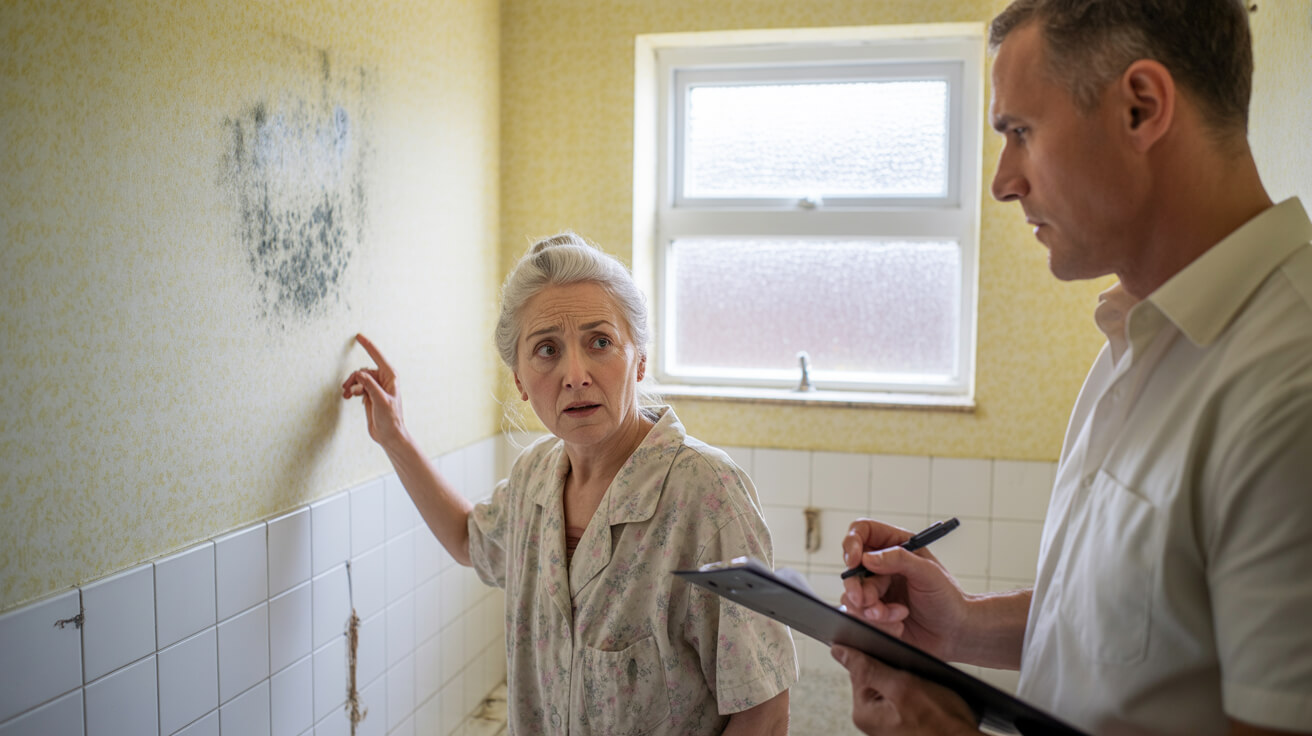
As soon as damp or mould is noticed—whether by tenant, contractor, or surveyor—an immediate compliance fuse is lit. Defence against tribunal action and denied insurance claims now depends entirely on documented, timestamped, and digitally secured proof. Promises or memory mean nothing.
- 14 Days: A surveyor-grade assessment—complete with moisture readings, contaminant logs, and photographic evidence—must be logged within two weeks of a complaint.
- 48 Hours: All findings and any new repair actions must be relayed in writing to every tenant—specifics, not fluff or vague reassurances.
- Tracked Evidence at Every Step: From contractor booking to finished repair and aftercare, every milestone needs time, date, and photographic documentation, ready to surface instantly.
- Specialist Logs Required: Every specialist involved must provide digital, date-stamped evidence—before/after photos, descriptions of scope, and completion logs tied to the claim.
- Digital Storage Mandate: Relying on email threads, memory, or desk piles is now a compliance dead-end. Accessible, backed-up, structured digital storage is the only adequate defence.
A missing log or forgotten tenant message can cost more than any repair bill ever will.
This isn’t box-ticking; it’s your survival strategy when defending against rejected insurance claims, regulatory fines, or lawsuits.
The Real-Time Compliance Demands of Today
Insurance assessors and regulatory officers now expect instant, remote access to your compliance logs. Spot-checks are up, and outdated paper diaries or “handyman handshake” repairs are fast becoming evidence of neglect. One undocumented visit isn’t a minor gap—it’s a chasm that exposes your organisation to penalties or uninsured losses.
Your Audit Trail: Shield or Sieve?
If you cannot produce a crystal-clear, end-to-end digital trail at a moment’s notice, both your insurer and the council will default to assuming neglect. Every missing or ambiguous entry increases your risk—not just of a lost claim, but of public censure, putative damages, or even criminal complaints in extreme cases.
Why Do Most Damp and Mould Insurance Claims Fail Before They Even Start?
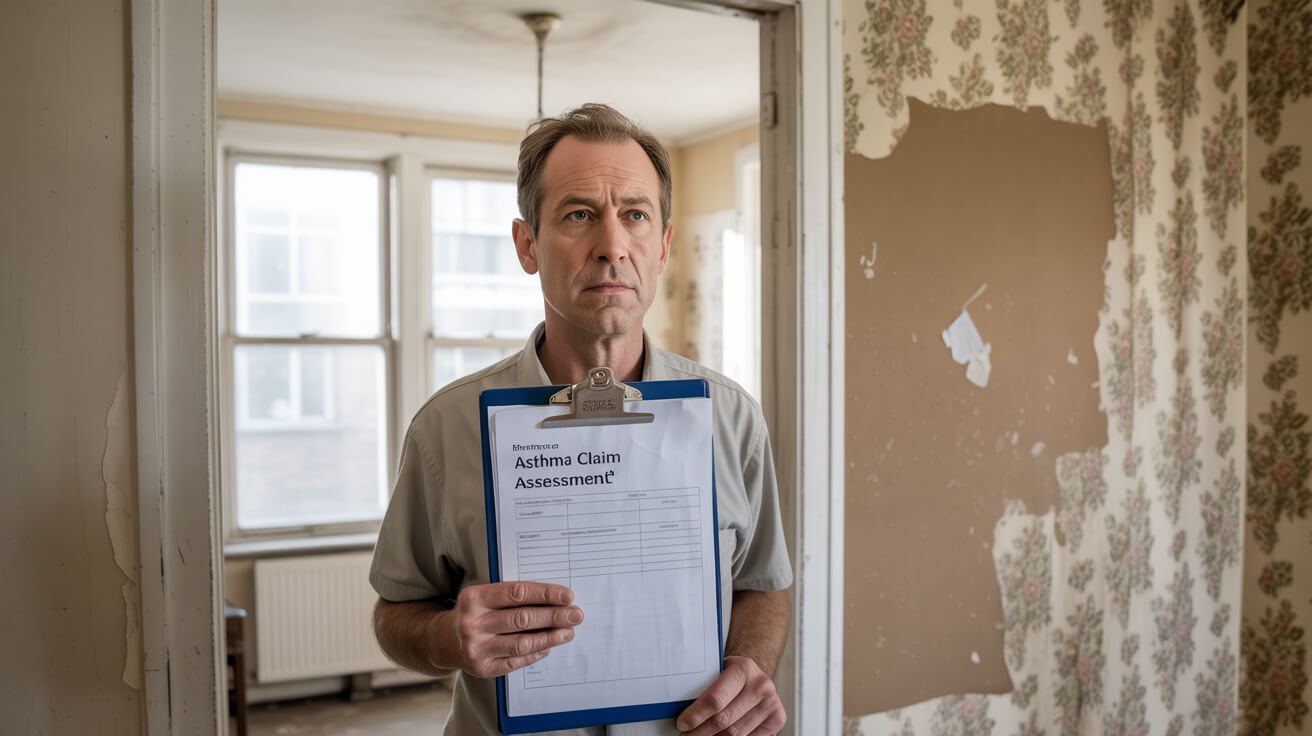
There’s a dangerous myth alive in Sussex: that “having insurance” is a safety net. The truth is harsher—most standard policies are written with narrow definitions and broad exclusions. They are designed to trigger denial at the first sign of incomplete evidence, gradual damage, or maintenance neglect. As a result, refusal rates for damp-related claims are climbing higher each year—especially among portfolios with sporadic logs or non-digital paperwork.
Without ironclad evidence, insurance is little more than an expensive promise.
- Circumstantial Denials: Insurers will cover only damage proven to be sudden (e.g., a burst pipe). Anything seen as “gradual” or “maintenance” is denied automatically unless you *prove* otherwise.
- Documentation Gaps: Time-stamped, surveyor-level inspections, tenant communication logs, and repair photos must link together. Any uncertainty or delay triggers suspicion and then rejection.
- Maintenance Metrics: Ongoing, verifiable maintenance logs—not post-facto attempts at paper assembly—establish your right to claim. If you can’t demonstrate proactive management across each season, expect default exclusion.
Gaps in Proof: The Stealth Assassin
While many owners worry about “uncovered causes,” the real killer is missed proof—gaps in photo logs, timeline mismatches, or missing communication. Insurers are primed to exploit ambiguity, and so are regulatory authorities.
When Law and Policy Fail in Tandem
A failed claim for lack of evidence doesn’t just leave you without a payout—it immediately flags your compliance as “at risk” to local authorities. You’re likely to face double escalation: a financial hit and regulatory heat in the same month.
What Should Modern Damp Insurance Actually Cover—and What Are the Hidden Gaps?
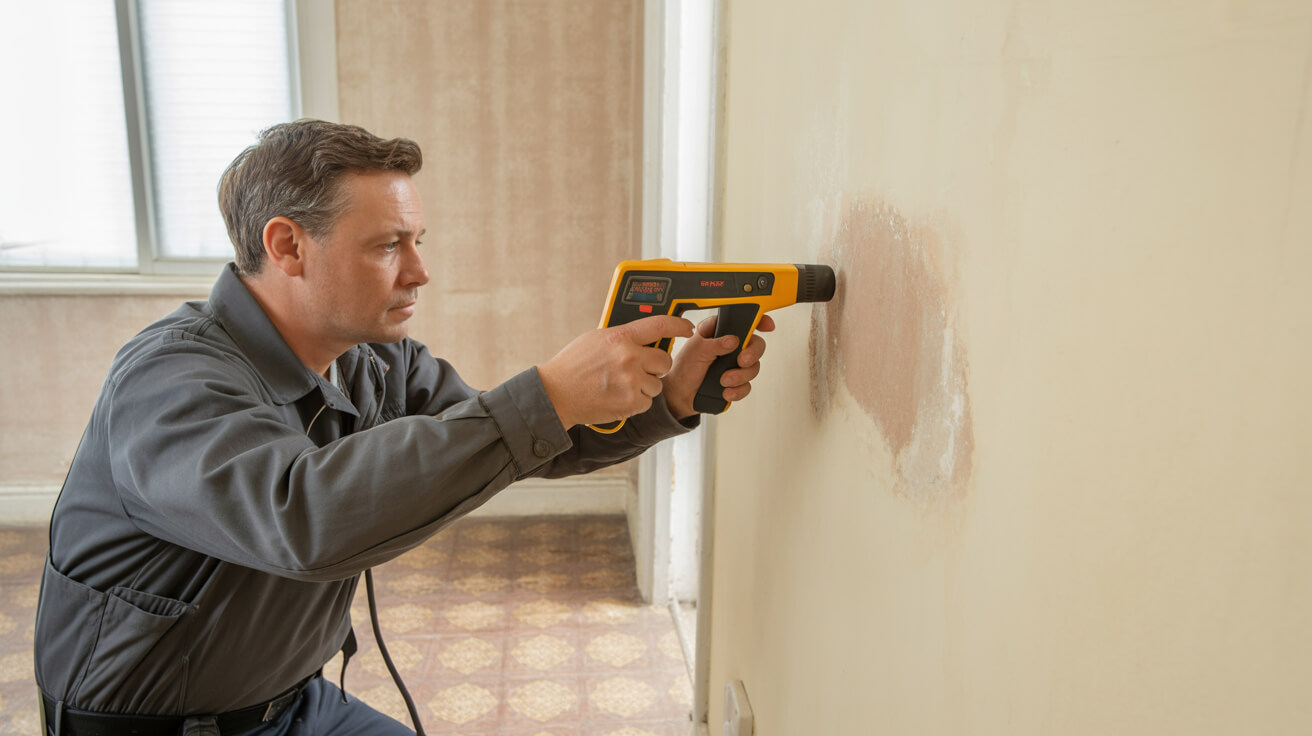
Awaab’s Law and the Environmental Protection Act 1990 raised the bar higher than most insurance policies care to reach. Old, “cheap” policies typically lack trace and access cover, don’t account for the true cost of remediation, and rarely fund professional diagnostics or legal defence.
- Trace and Investigate: The right policy should pay for comprehensive, professional surveys—moisture gradients, salt analysis, even CCTV tracing where needed—not just patch-and-paint work.
- Broad Damage Scope: Look for cover that specifically includes accidental access, rising damp, and all types of ingress. Policies that restrict or vaguely define “maintenance” are designed to fail you.
- Digital-First Requirements: More insurers require all support evidence—logs, photos, professional reports—in immediate digital form. Some now make claim acceptance conditional on this standard.
Any insurance without bulletproof documentation is a false sense of security.
Weak Policies: What Hidden Gaps Cost
Most insurance “breaks” not on obscure fine print but on “failure to prove.” The reality: if you can’t show clear logs from problem discovery through resolution and aftercare—and tie each proof-point to a claim—the financial risk lands squarely on your shoulders.
Insurance in a Regulatory Minefield
Today, insurance is useless unless paired with compliance practice—evidence capture, regular surveying, and proactive aftercare. The lack of a robust process is the fastest way to fail both insurer and regulator.
Why Is Surveyor-Grade Evidence and Aftercare Now Standard for Staying Protected?
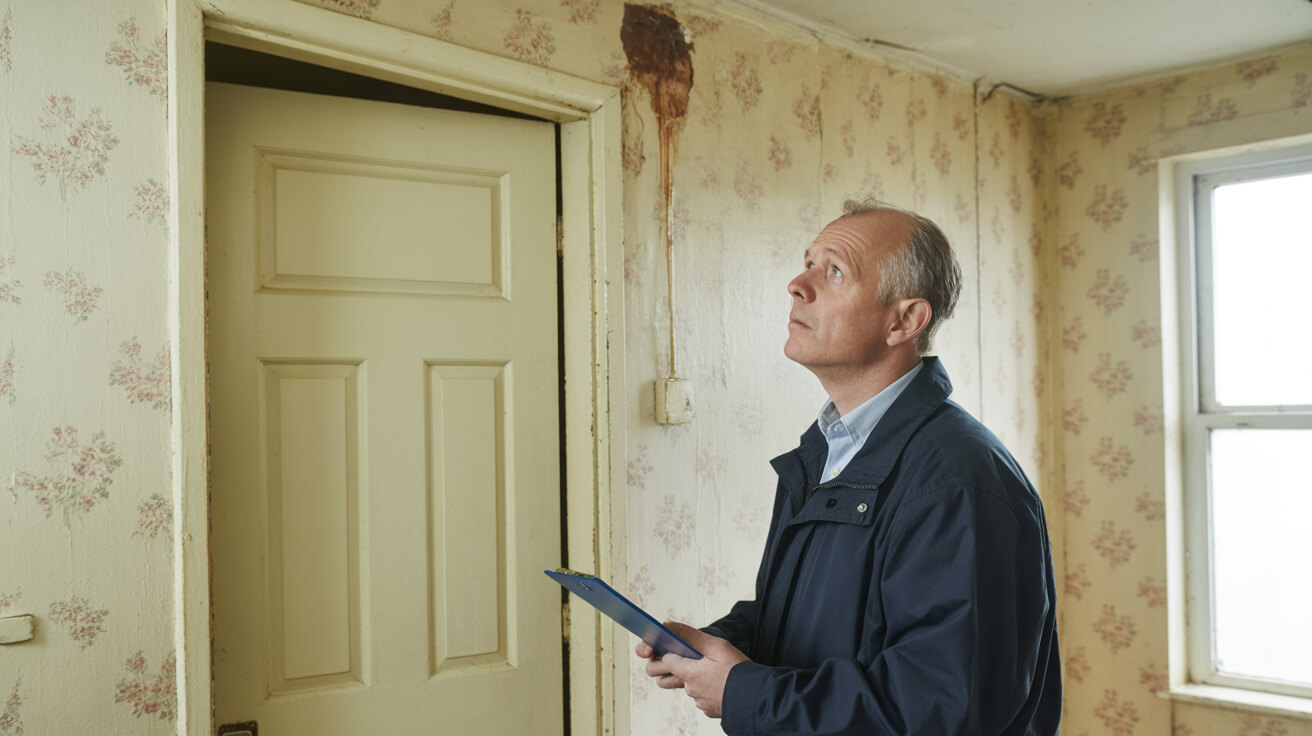
Since Awaab’s Law, the line between DIY documentation and professional reporting has vanished. To pass insurer and council audits, your damp management needs to look like a surveyor’s file—regardless of portfolio size or property type.
- Annual Surveyor-Grade Reports: Yearly inspections with full moisture readings and audit-trail reports are now the minimum benchmark to hold up under legal or insurance review.
- End-to-End Record Chain: Evidence must begin at first complaint, track all communications, log every repair or follow-up, and document scheduled aftercare—each with independent and date-stamped proof.
- Embedded Aftercare Protocols: Regular ventilation checks, moisture monitoring, and follow-up reports are no longer extras—they’re your first line of defence against recurring damp, denied claims, and regulatory dispute.
- Third-Party Validation: Repairs or checks conducted “in good faith” by internal maintenance don’t count unless an outside specialist verifies, logs, and submits photo evidence.
A landlord’s real safety is measured by the clarity and speed of their audit trail.
Council and Insurer Standards—Not Optional
Authorities and insurers increasingly use the same evidence checklists and templates—professional formatting, digital submission, photo logs. Failure to adapt means constant challenge from both sides.
Ongoing Care: The Most Effective Risk Reduction
Robust aftercare, timed to humidity cycles and winter risk windows, statistically halves denied claims and slashes the odds of council notice. Properties with aftercare see consistently higher insurance acceptance and lower legal costs.
Where Does Your Risk Really Multiply? Policy Gaps and Missed Documentation
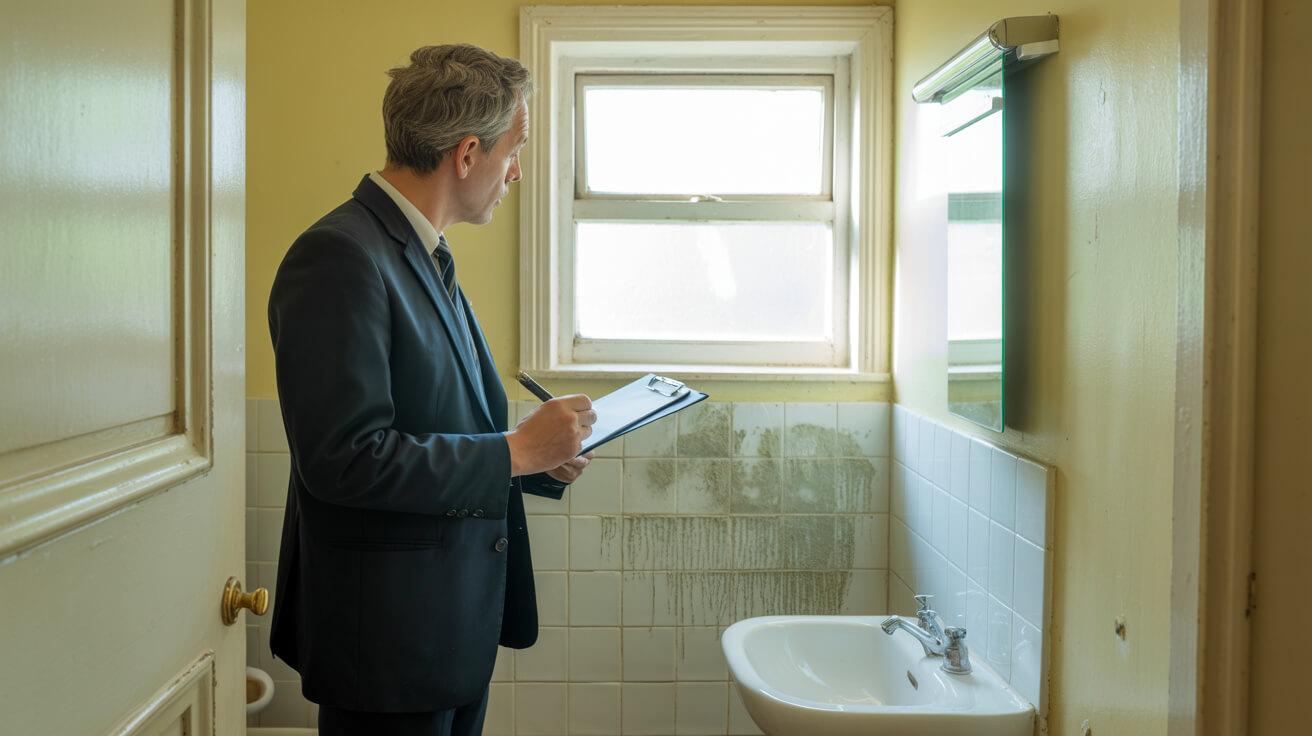
A single missed email, a lost photo, or a poorly filed contractor report is all it takes to set off a cascade of trouble. Repairs done in good faith are meaningless if you can’t prove every stage, for every property, at a moment’s notice.
- Section 11 of the Landlord & Tenant Act: Full evidence of repairs and damp-free living isn’t a request—it’s a standing obligation. Being well-intentioned isn’t a legal defence.
- Chain-Reaction Failures: One missed entry leads inevitably to loss: insurance claim denied, council alert triggered, compliance score downgraded for all your properties, not just one.
- Reputation on the Line: Insurers, councils, and some lending databases now share “poor compliance” flags. Repeat gaps put you at the back of the queue for new tenants, loan opportunities, or insurance options.
- Complete Digitalization: Anything less than a digital-first, redundantly backed-up, always-accessible system is simply not enough for today’s regulatory and insurance environment.
If you can’t bring up the full record instantly, you’re not protected—no matter how good your intentions.
“Doing Your Best” Isn’t Enough
Effort is invisible—only evidence matters. Without a seamless, defendable audit trail, authorities and insurers will side against you by default every time.
Councils Move Faster Than Ever
Spot inspections have never been more common. Regulatory bodies now rely on data analytics and digital reporting to flag vulnerable portfolios, moving from complaint to enforcement in days, not weeks. Fast, accurate, and accessible documentation is now as important as the repair itself.
How Does Sussex Damp Experts Keep Properties and Claims Compliant—Every Single Time?

Our process sets a new bar for evidence, compliance, and claim resilience in Sussex. We’ve engineered our service model so that landlords, agents, and property managers never need to worry about a gap or slip-up putting them on the back foot:
- Surveyor-Ready, Insurance-Ready Reports: Every evaluation is completed and formatted to the standards used by PCA professionals, council officers, and insurance adjusters—full logs, clear images, date stamps, and chain-of-custody documentation as default.
- End-to-End Documentation: Complaints, observations, contractor notes, and aftercare are time-stamped, backed up, and attached to the property file for years. Loss, confusion, or paper-chase headaches are a thing of the past.
- Tribunal-Proof Data Practices: Our paper trail doesn’t fray under legal pressure, council audit, or insurance scrutiny. Every step is prepped for challenge, with supporting evidence from independent specialists.
- Recurring Aftercare for Risk Reduction: From the moment a fix is logged, recurring inspections and maintenance cycles are scheduled. Compliance doesn’t end after the work—it’s built in as long as you own or manage the property.
- Universal Portfolio Adaptation: Our approach flexes to fit historic homes, modern builds, offices, and multi-unit blocks. Regulatory, lender, and local authority hurdles are anticipated and cleared as par for the course.
- Outcomes, Not Excuses: Data shows that our clients achieve faster claim resolution, near-zero denials, and minimal council interventions. These aren’t promises—they’re our standard.
When proof is demanded—by a tribunal or an adjuster—our logs pass, every time.
Built to Withstand Scrutiny
We design every report for digital substance: PCA-aligned, TrustMark-backed, and ready for upload or audit at a moment’s notice. Owner memory or “DIY logs” can’t match our standard.
Tailored to Any Property, Any Manager
From first-time landlords to portfolio professionals, and from townhouses to heritage conversions, our model adapts and strengthens your resilience, reputation, and profit.
Who Certifies and Endorses Sussex Damp Experts’ Approach?
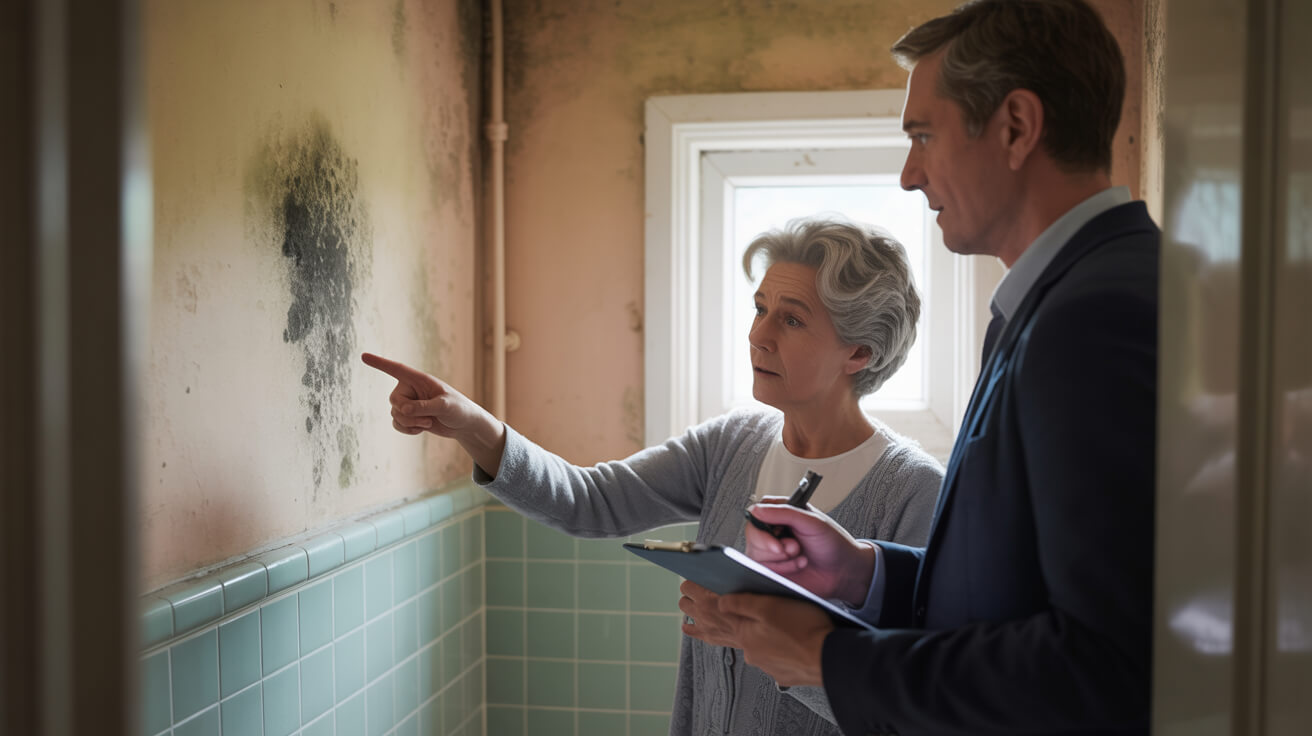
Our bulletproof model works because we position ourselves at the intersection of legal, regulatory, and technical best practices—never by accident, always by engineering.
- Awaab’s Law Alignment: Every stage of our reporting and aftercare is mapped to statutory law, ensuring built-in legal resilience.
- PCA Certification: All staff are individually certified; our report templates match those trusted by councils, mortgage lenders, and the courts.
- TrustMark National Accreditation: Each project is registered with the UK’s leading government-endorsed quality brand, opening every door with insurance and lender validators.
- Ombudsman Validation: Our reporting chain expedites insurance claims, unlocks smooth ombudsman process, and is designed for rapid assembly in regulatory disputes.
- Professional Network Recognition: Surveyors, letting agents, solicitors, and local authorities routinely recommend us, because our data and results stand up to challenge, not just in theory but in results.
Your digital and independent evidence forms the new standard for insurance, council compliance, and property market safety.
Proof Over Promises, Always
Within property management and investment, only robust, independent evidence secures your position. Sussex Damp Experts doesn’t just promise compliance—we build it into every aspect of property care.
Take the Resilient Path—Work With Sussex Damp Experts Today
Council audits, tenant complaints, and denied insurance claims don’t wait for convenient timing. If you want every property, claim, and compliance deadline locked down—without stress, error, or post-hoc fire drills—Sussex Damp Experts is ready to make your proof bulletproof.
Don’t let “just-in-time” records or patch-and-hope compliance tank your reputation or cashflow. Our system—survey-grade inspections, time-stamped chains, seamless digital logs, and scheduled aftercare—places your entire damp management approach on the side of certainty, not risk.
Lock down your compliance, guarantee your insurance, and restore peace of mind. With Sussex Damp Experts, you become council-proof, insurer-ready, and future-safe—on your terms, not theirs.
Frequently Asked Questions
How can you make sure your damp or mould records will keep your insurance valid under Awaab’s Law?
Awaab’s Law has turned property records into your first line of defence: only airtight documentation and traceable evidence now persuade insurers that you acted “by the book.” It’s not just about fixing damp or mould—it’s about showing regulators and policy assessors that every event, complaint, and response met strict legal timelines, leaving no grey areas for claims teams to contest. You’ll need more than basic surveyor logs: expect to produce digital records of 48-hour acknowledgements, signed PCA or TrustMark reports, humidity readings, and sequential photos for each event. Council auditors can request these at a moment’s notice, and insurance inspections often run in parallel, using the same file trail to flag missed statutory windows or incomplete reports. If the evidence chain is broken—even slightly—cover evaporates and tenants may force legal action or demand remediation at your expense.
Which compliance records do insurers and councils jointly recognise?
- Surveyor or PCA reports digitally timestamped and linked to each service event
- Communication logs (complaints, acknowledgements, resolutions) demonstrating legal deadlines were met to the hour
- Before-and-after photography, moisture metre logs, and humidity readings for each repair
- Digital archive systems with all files paper-trail-ready for audit
It’s not whether you fixed the damp; it’s whether you can *prove* it was fixed, fast, and documented from day one.
Sussex Damp Experts engineer compliance from your first contact—their site evidence, digital logs, and procedural habits stand up under the new regime, letting your insurer see that you track each event in real time.
What are the real consequences if you miss the legal repair window or fail to log damp or mould properly?
Missing a 14-day investigation or 48-hour written report sets off an administrative chain reaction. Once a statutory deadline is breached, tenants can escalate directly to environmental health, where the council is required to audit your records against the legal standard. In Sussex, these audits often occur in tandem with insurance checks for “maintenance default,” meaning your paperwork has to satisfy both regulators and insurers at once. Gaps invite more than just repairs; they bring formal improvement notices, fines, and, in most severe cases, insurance denial for “failures of process.” Surveyors and claims handlers routinely share digital logs, and even a single missing timestamp or unreadable file can be used to justify withholding claims or imposing penalties.
How do property owners lose cover or face enforcement for admin lapses?
- Councils require evidence of surveyor-grade action, issued and delivered within 14 and 48-hour statutory windows, or they escalate to formal notices
- Insurers look for discrepancies—an incomplete file or a delayed log is categorised as “maintenance neglect,” voiding cover on technicality
- Multiple parties (councils, insurers, tenants) can cross-reference your record trail and trigger overlapping sanctions
Your policy won’t protect your asset if your paperwork doesn’t back up your actions.
Sussex Damp Experts structure each report and log to make regulatory audits and insurance checks routine, not risky—keeping your compliance in order from inspection through remediation.
How do you tell if a damp issue is covered by insurance—or just seen as neglected upkeep?
Insurers and councils both draw hard lines: policy only pays for sudden, accidental events (such as burst pipes or storm ingress) that you responded to with decisive action and document-tracked every step; chronic, slow-build damp from ignored ventilation, leaks, or condensation is counted as the owner’s problem. Claims teams demand not just proof of cause, but demonstration that your response was immediate—often logged within 48 hours—and tied to a recognised insured event rather than background neglect. Cases where you lack surveyor evidence or where a “pattern of disrepair” emerges on the record are ruled as “maintenance exclusions,” shutting the door on payouts and sometimes triggering further inspection by council officers.
What criteria mark the difference between claim-eligible and excluded damp or mould?
- You can pin the problem to a clear “event” (pipe burst, weather incident), and the timeline is tracked by timestamped records
- Immediate action is evident—survey, repairs, and communication all initiated and logged within the insurer’s set timeframe
- Surveyor or technician identifies and documents the problem as “sudden” rather than “gradual buildup” in their findings
Routine neglect, passive monitoring, or informal communication leaves you unsupported. Sussex Damp Experts help you interpret insurance wording, ensuring each symptom is tracked and reported so your file reads as coverable, not neglected.
Which insurance add-ons are now essential for damp and mould resilience—even before trouble starts?
From 2025, missing two key endorsements—“accidental damage” and “trace & access”—has quickly become the quickest route to uninsured loss. “Accidental damage” has your back for tenant mishaps and off-script accidents; “trace & access” covers the often overlooked (and costly) job of pinpointing leaks before the real damage sets in. These are now critical for properties in Sussex, where both insurers and councils are known for close inspection. Forward-thinking owners check if their policy mentions “digital record submission,” “damp ingress,” and explicit funding for surveyor investigations and repairs. The policies that sail through audits are those with these add-ons and a clear digital evidence file for every service event.
How should you prepare your cover for joint council and insurer scrutiny?
- Secure accidental damage coverage that covers a range of mishaps, from boil-over leaks to tenant incidents
- Add trace & access for leak-location surveys, damp detection, and investigation—even if no single event caused obvious damage
- Audit your own policy for clauses on digital evidence, damp remediation, and immediate response documentation
- Centralise all site data and logs in a single, searchable, and retrievable digital folder
Real protection comes from having the right endorsements and being able to demonstrate every repair.
Sussex Damp Experts ensure every step you take, from detection to repair, is matched with file-ready proof and insurance-grade record-keeping, so you don’t learn about exclusions the hard way at claim time.
What does true audit-proof compliance look like for property managers, agents, and landlords in Sussex?
Surviving audits is about more than ticking off repairs—today’s council and insurer auditors demand a digital trail covering inspection, diagnosis, repair, and aftercare, each step linked and timestamped. Proactive managers schedule quarterly or annual accredited surveys, automate evidence-gathering from every service call, and train staff to attach every photo, survey sheet, and communication to a property-specific archive. Cloud-based systems, not old paper files, are now the expectation for both insurance and council review. Annual moisture monitoring and aftercare checks are built into property routines, not handled “as needed,” creating a compliance rhythm auditors recognise and reward.
Which habits set consistently audit-proof operations apart?
- Every enquiry, maintenance event, or tenant report is digitally logged and categorised, with routine reviews for completeness
- Surveyors’ and technicians’ accreditation (PCA, TrustMark) backs every inspection and repair, making the proof file bulletproof
- Staff and contractors use shared digital platforms, so every file is accessible on demand for any asset in your portfolio
- Property aftercare—moisture checks, ventilation monitoring, and humidity logs—are scheduled in advance, not retrofitted under deadline stress
Portfolios run this way experience fewer fines, keep insurance premiums manageable, and bolster trust with tenants and partners. With Sussex Damp Experts, you’re building a process, not just ticking a box—their reports and digital routines are built for scrutiny.
Why does Sussex’s property profile amplify the urgency for digital and surveyor-based compliance in damp and mould cases?
Sussex combines dense heritage districts, volatile weather rolling off the Channel, and councils with a low patience for documentation gaps. Recent years have seen record surges in denied claims and enforcement orders following evidence audits, especially in older and listed buildings. Local insurance underwriters now cross-reference digital logs with council findings—meaning “wait and see” approaches or scattered documentation routinely expose asset owners to rapid claims refusals and regulatory action. The region’s unique climate and high profile for compliance mean only fully integrated, evidence-driven approaches—backed by surveyor-grade reporting and real-time record capture—hold up to scrutiny.
In Sussex, the only reputation worth having in property is one built on instantly accessible evidence.
How do regional leaders stay protected in this high-stakes environment?
- Schedule property-wide accredited damp surveys as a routine, not just after tenant complaints
- Digitise and centralise all inspection, aftercare, and maintenance logs, synced for both council and insurer on request
- Upgrade insurance to include endorsements for accidental mishap and leak detection surveys (“trace & access”)
- Embed aftercare monitoring in standard property routines to shield against future disputes
Sussex Damp Experts specialise in integrating all these steps so you don’t have to chase paperwork or explanations under pressure—their approach is designed to stand up under both council and insurer scrutiny, protecting your assets before any sign of trouble.
The only proven way to shield your investments and keep your insurance dependable under the prove it or lose it era is to embed next-level compliance before damp becomes news. Secure a compliance-first inspection with Sussex Damp Experts—so your records, claims, and reputation are all ready for whatever audit tomorrow throws at you.

