
 By
By  August 26, 2025


Why Does Damp Still Haunt So Many Rental Properties in the United States?
Dampness and mould have been sabotaging American rental properties for as long as drywall and timber have been with us—striking quietly at the building’s bones and the health of everyone inside. You can’t sidestep it with a new coat of paint, nor can you wish it away with a hopeful Tenant’s Note. Landlords, property managers, and letting agents all find themselves locked in a tug-of-war between tenant complaints, regulatory pressure, and the relentless advance of hidden moisture. Homeowners and buyers are no safer; secondary market valuation and mortgage access are increasingly bound up with what surveyors find behind the skirting board.
Damp rarely crashes through the ceiling with a shout. It seeps in through aged brickwork, climbs up via a compromised damp-proof course, or thrives unseen as condensation in corners neglected by proper ventilation. It doesn’t care about your property’s postcode, your investment strategy, or how “nice” your tenants are. It gnaws away until someone has to pay attention—usually under pressure.
Ignore moisture for a season and you’re not just unravelling plasterboard, but risking tenancy disputes, devaluation, and mounting compliance headaches.
America’s stock of older homes—particularly those in humid, wet, or flood-prone regions—is especially vulnerable. Maintenance deferrals and ageing infrastructure only stack the odds against you. And the human cost? All too real: tenants report chest infections, asthma flare-ups, and chronic respiratory issues (CDC, 2024), often well before mould even pokes through the paint.
The root of the problem isn’t just technical—it’s systemic. Damp remains an afterthought, smothered by short-term fixes rather than ferreted out with proper diagnostic tools and treated with the seriousness it deserves. But like a crack in the foundation, if it’s not confronted, it just grows. The only winning game is to make moisture management a first-class citizen in property care—a lesson too many learn after their investment, reputation, or health takes a blow.
What Signals Early Trouble—And How Can You Avoid Expensive Surprises?

Anyone who’s managed or lived in a rental knows this: by the time damp throws an obvious tantrum—peeling paint, sagging skirting, ugly blooms of mould—the trouble’s been there, quietly digging in, for months or even years. Early detection is the name of the game, and it pays real dividends.
A property whispering of trouble rarely does so with a neon sign. The first signs are almost always subtle:
- Musty, earthy odours: Sometimes weeks before stained plaster appears, your nostrils notice what your eyes miss.
- Tide-marks and salt blooms: White powdery deposits, slight bubbling, or a faint “tide line” at the base of walls means water is migrating from somewhere it shouldn’t.
- Condensation and cold patches: Persistent window fog, water droplets on sills, or that inexplicable “cold spot” behind wardrobes point to missed ventilation, poor insulation, or an insulation bridge.
- Health complaints: Persistent coughs, sinus trouble, or unexplained headaches and fatigue—especially recurring in the same room or season—are early flags. (CDC, 2024)
- Basement or attic issues: Below-ground spaces, converted roof spaces, and homes near water are at even greater risk.
Today’s stain is tomorrow’s lost rent and a running legal dispute. Damp never self-resolves—it escalates.
For landlords, buyers, and managers, the pathway is clear: map and monitor. Annual moisture checks, especially following heavy rains or flooding events, reveal small issues before they blossom into five-figure repair jobs. A handheld moisture metre and a hygrometer are not luxury tools—they’re essentials in your property arsenal.
Document every symptom—photographs, metre readings, tenant notes. This logbook can spell the difference between a fast, fair-lending insurance payout and a denied claim. The only thing more expensive than a missed patch of moisture is the lost trust, time, and value that follows ignoring it.
Who’s Responsible for Fixing Damp and Mould in US Rentals?
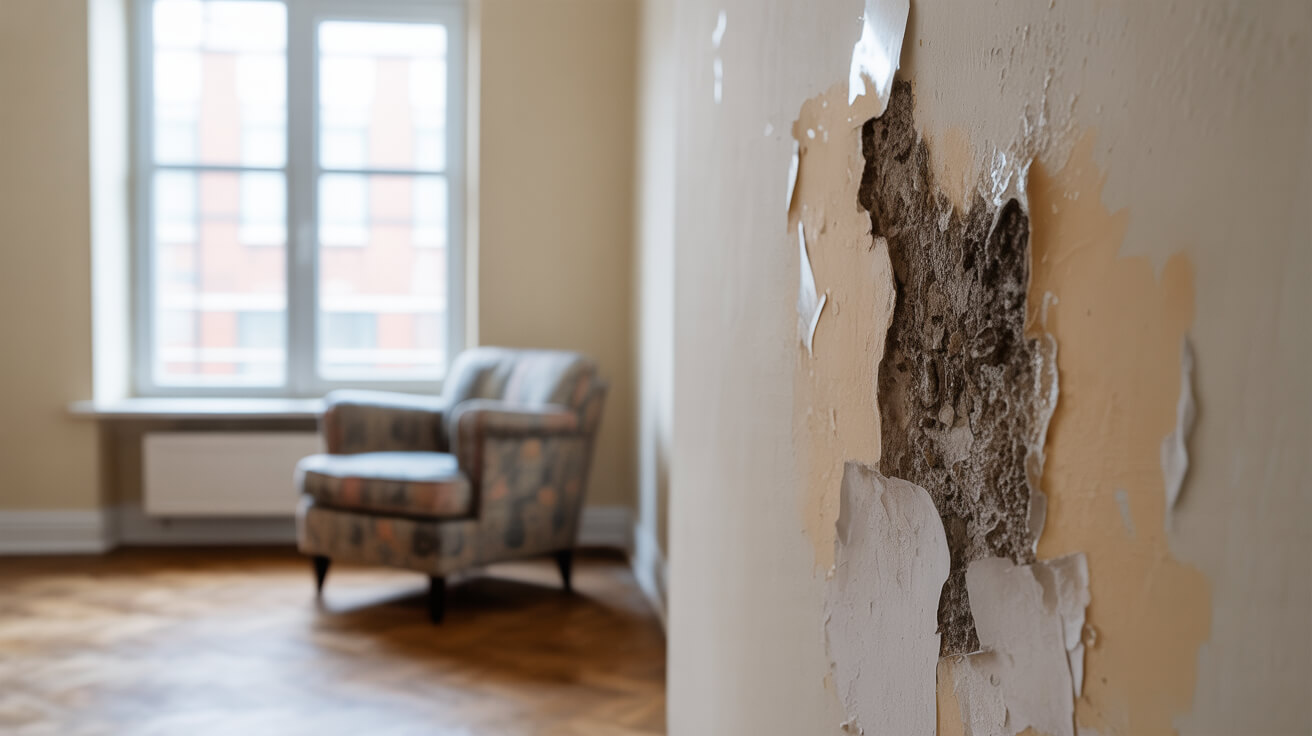
The legal roadmap across the US is more unified than many realise, even if the details change from state to state. Under the “Implied Warranty of Habitability,” every state—whether or not the lease says a word about water—requires landlords to provide premises that are fit for human occupancy. That means no persistent leaks, no recurring mould, and certainly no untreated damp. Landlords take the hit for most building defects, persistent water ingress, and outbreaks linked to failures in construction or maintenance.
This responsibility is well-established in precedent and statutes, even if sometimes local authorities lack the muscle to chase enforcement in every case. In major cities like New York, San Francisco, and Los Angeles, the rules are spelled out with bite; in smaller counties it may all hang on documented communication and local housing codes.
Tenants, for their part, must use the property “reasonably”—they need to ventilate, avoid water-damaging behaviour, and report problems promptly. If a tenant dries laundry indoors with no airflow or ignores a steadily worsening leak, they risk sharing liability.
- Landlords: Accountable for structural leaks, failed DPC, repeated condensation due to poor ventilation, and water coming in via walls, roofs, or floors.
- Tenants: Expected to report issues in writing, operate ventilation, address spills/leaks, and avoid damaging behaviours.
In American rental disputes, what’s proven, not what’s claimed wins the day.
Smart landlords maintain records: inspection logs, maintenance receipts, and before-and-after photos. Wise tenants do the same. When disputes land in court or in front of a housing officer, it’s the party with the cleanest evidence trail that finds relief. The handshake deal is dead; documentation is king.
Which Laws and Standards Guard Against Damp and Mould—And When Do They Trigger?
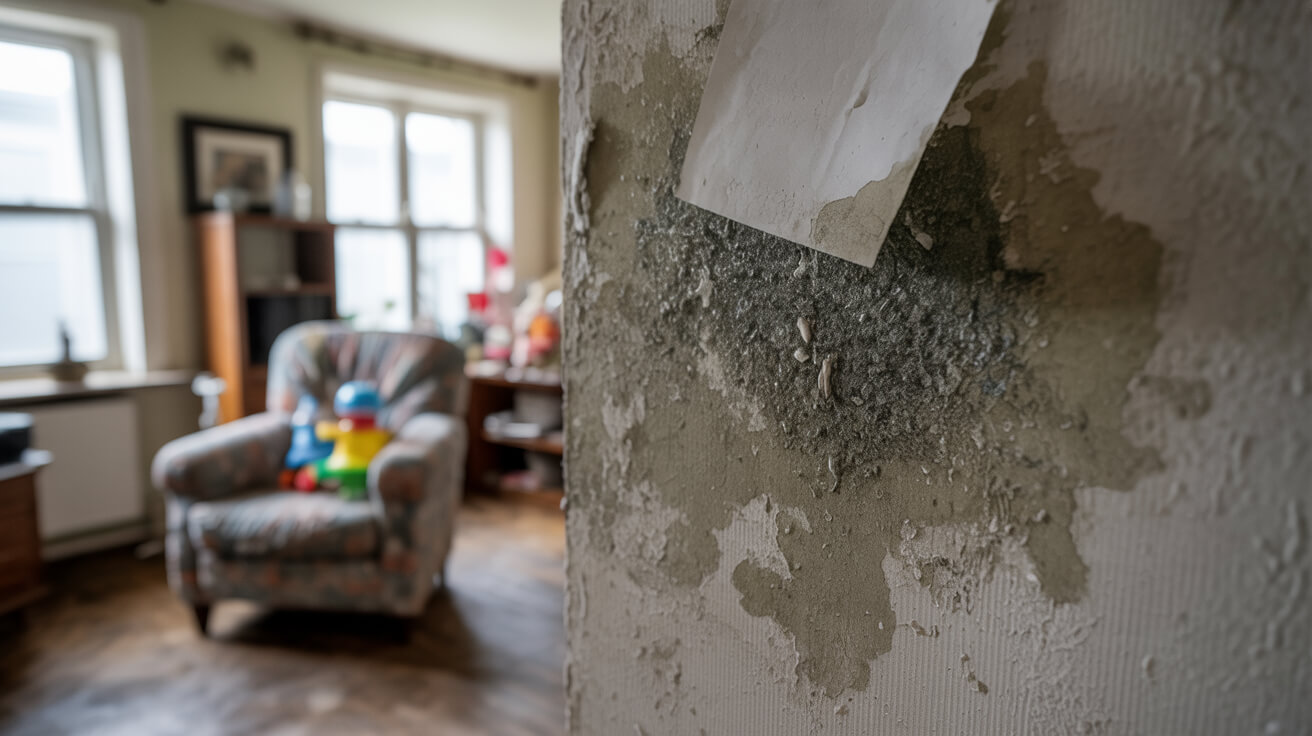
Unlike the UK, the United States runs a patchwork. There’s no single federal statute outlawing mouldy flats. What you will find, instead, are aligned local, city, and state rules that draw on federal health guidance from bodies like the Environmental Protection Agency (EPA) and the Centres for Disease Control and Prevention (CDC).
- California: leads with legally mandated disclosure and rapid response expectations: significant mould levels must be eliminated before re-letting or occupancy. Landlords face pressure to act within 2–5 business days of formal notification.
- Colorado: requires “immediate” rectification for serious damp or mould issues, sometimes as little as 24 hours depending on severity.
- Florida, Texas, New York: and others use “habitability” statutes backed by city inspection codes or explicit lease addenda. Underground moisture, visible leaks, or recurring spots of mould tip the legal balance towards the tenant, prompting rent withholding or even forced repairs.
- Local ordinances: Many cities—Chicago, Boston, Seattle—have even tighter measures, from fixed repair timelines to required use of certified remediation contractors.
For landlords working with foreign buyers, or managing premium assets, international standards like BS 6576 (diagnosis of rising damp) and BS 8102 (basement waterproofing) carry real authority in both technical remediation and surveyor reports. Referencing these protocols in your documentation doesn’t just win points with sellers and insurers—it may save a sale, especially where lenders tighten on property condition.
The lease’s power ends where housing standards and public health begin. Rely on templates at your peril—compliance must adapt to evolving codes and local enforcement.
Landlords are sometimes caught off guard by changes in local codes or the sharp teeth of new environmental nuisance orders. Keep an active eye on regulatory bulletins and, when in doubt, seek written interpretation from a local housing authority.
How Can Tenants and Landlords Prove and Resolve Damp or Mould Issues?

Resolution doesn’t come from shouting over the phone or trading emails—success is decided by who maintains the best evidence chain. That means clear, dated photos, written logs, and formal notices—not frantic texts or verbal requests.
Tenants should:
- Snap date-stamped photos of every symptom—whether it’s a spot on the ceiling or salt stains at ground level.
- Log every physical effect (odour, visible growth, or cold walls), every health complaint, and every instance of communication. The more specific, the stronger the case.
- Reference lease clauses and quote from your city or state housing code. Use email or postal service for formal notification, and store replies securely.
Landlords should:
- Maintain a maintenance/inspection diary, with all invoices, photographs, and contractor notes indexed by date and property.
- Record every tenant notification and your response, showing proactive effort on even “minor” requests.
- Retain all warranties, compliance certificates, and third-party surveys—they will be vital in disputes with insurers, housing boards, or when selling/refinancing.
When push comes to shove, paper beats passion—well-kept documentation wins where noise fails.
Disputes that escalate to court or a housing tribunal favour those who build their evidence file from day one. Third-party surveyors, certified damp specialists, and impartial inspection reports are golden; not only do they settle arguments, but they also unblock withheld insurance or mortgage progress. DIY “fixes” and verbal reassurances carry little weight against a professional surveyor’s log.
What Are Tenants’ and Landlords’ Options When Repairs Stall?

When it feels like you’re shouting into a void, both landlords and tenants have defined avenues—if they move methodically. For tenants, laws in many states allow rent withholding or “repair-and-deduct,” but only if the process is followed by the letter:
- Repair and deduct: In many jurisdictions, tenants can arrange approved work and deduct reasonable costs from rent. But the rules are strict—maximum deduction, notice periods, and eligible repairs vary.
- Rent withholding: Where habitability is breached, tenants may withhold rent until the repair is performed—again, only after full compliance with notification, inspection, and documentation protocols.
- Escalate: Reporting urgently to local health or housing authorities can drive abatement orders, fines, or even temporary re-housing at the landlord’s expense.
- Mediation: Some states and counties offer formal mediation or arbitration where negotiations breakdown, aiming for a rapid, no-penalty outcome.
Landlords who ignore repairs risk fines, loss of insurance, and blacklisting by agencies and credit bureaus. Tenants who take drastic action without process (withholding rent, performing major works without landlord notice) risk eviction and legal exposure.
In disputes, it’s usually not the loudest but the most meticulous with their paperwork who prevail.
Speed and scrupulous “process discipline” make the difference. Both sides should assemble a “dispute dossier”: issue logs, communications, inspection records, photos, and all city notices. Where the cost or stakes rise, having a third-party damp expert or surveyor document the problem creates a paper trail few landlords or tenants can ignore.
How Can Delay in Tackling Damp Backfire—Financially, Medically, and Legally?

Time is property poison. Allowing damp or mould to linger transforms a repairable oversight into a rolling crisis, especially in rental stock.
Health risks: Tenants—especially children and the elderly—face rising respiratory hospitalisations, asthma attacks, and lost school or work days (CDC, 2024), pushing some properties toward emergency orders and public scrutiny.
Structural and economic loss: A recurring leak, untreated for months, rots floor joists, triggers black mould, and annihilates insulation. Even “cosmetic” moisture marks on an appraised property can trigger thousands in devaluation, jeopardise mortgage access, and damage insurability (Kraus Restoration, 2024).
Legal and reputation damage: Some US cities publicly list landlords who ignore habitability repairs, flagging them for insurers, agents, and tenants. Delays transform solvable problems into long-running disputes, litigation, and lost rent from vacant or condemned properties.
Proactive landlords and agents treat timely, certified repairs and fast documentation as investments—not “cost sinks”—protecting their assets, income, and long-term stakeholder relationships. Tenants who notify, escalate carefully, and build their record stand stronger against claims or retaliation.
The slowest path is the costliest—delay means compounding bills, health claims, and reputation you can’t buy back.
What Actually Works? Damp Control That Satisfies Law, Surveyors, and Residents

Quick fixes fail—every time. Lasting damp control is a system, not a product. The Sussex Damp Experts approach fuses advanced British and international practices with practical US adaptation:
- Forensic, thorough diagnosis: —using not just basic metres, but humidity profiling, salt analysis, and mapping of all moisture routes. Basement? Use BS 8102 benchmarking. Failed cavity wall work? Overlay PAS 2035 grading.
- Specification matching the build context: —zone-appropriate membranes, breathable plasters for timber and heritage homes, and robust electro-osmotic treatments for stubborn watercourses.
- Spot-on documentation: —clear, dated reports for agents, managers, or insurers—ensure compliance at each step, speed up dispute resolution, and protect value in sale or refinance.
- Planned aftercare: —annual re-inspection of at-risk areas, fast response to new leaks, and transparent sharing with tenants keep everyone onside and in the know.
What closes disputes and unlocks valuation—every time—is a bulletproof trail of evidence, a technically robust permanent repair, and aftercare that doesn’t stop with the cheque (or deposit) clearing. Landlords, agents, and tenants all win with a damp-proof, asset-secure, and audit-ready property.
There’s no shortcut: only precision, standards, and clear records break the cycle of repeat repair and legal stress.
Protect Your Health, Value, and Reputation—Contact Sussex Damp Experts Today
Damp is nobody’s friend. It remains silent just long enough to ambush even seasoned landlords, seasoned tenants, and seasoned agents—only revealing the full cost when the surveyor, lawyer, and insurance bill land together. Acting early, with the right professionals, is the only move that protects asset value, ensures compliance, and keeps tenants or buyers safe and content.
Sussex Damp Experts offers an approach honed by decades across historic, modern, and high-stakes property fleets. Your property—be it a starter flat, a commercial block, or a rental home—deserves a team that brings forensic diagnosis, British/US compliance, lasting repairs, and clear documentation, all without drama. The outcome isn’t just a dryer wall; it’s health, value, and a property story you control—never one written by endless bills or bitter disputes.
If you’re facing unexplained moisture, a surveyor’s warning, or mounting complaints, take action that endures. Reclaim control over your property, your reputation, and your peace of mind. The Sussex Damp Experts team is on call: let us help you secure every floorboard and future—starting today.
Frequently Asked Questions
What hidden legal traps do U.S. property owners face if damp or mould goes unresolved?
Unresolved damp or mould in a rental does more than invite tenant complaints—it quietly exposes landlords to legal action, insurance denials, mortgage flags, and expensive enforcement from local authorities. The majority of U.S. states bind you to the “implied warranty of habitability.” That means you must fix leaks, water ingress, and mould at the source, not just mask the surface damage. Neglecting official repair windows (from 24 hours for urgent hazards to 30 days in low-risk cases) allows tenants to bring in code inspectors, stop paying rent, or even win rent reductions. California, New York City, and Washington, DC now require written disclosure of known mould, with regulatory teeth to stop re-letting until all moisture problems are proven fixed.
A single wet wall left another week can put your insurance in limbo and invite city enforcement faster than a surveyor with a clipboard.
Where are owners most at risk?
- Cities with zero-tolerance timelines: New York, Boston, San Francisco mandate fast repairs and heavy fines.
- Disclosure zones: Failing to inform tenants about known damp can void leases and insurance.
- Mortgage surveys: Routine survey reports flag unresolved damp, often halting loans or lowering valuations.
- Historic properties: Older homes draw deeper scrutiny—missed damp is a red alert for lenders and buyers.
Proactive, well-documented action keeps your asset off the enforcement list and your reputation in the clear. Pairing remediation with survey-grade evidence is no longer optional for the responsible landlord.
How can tenants force real repairs, not just quick cover-ups, on damp and mould?
When damp or mould lingers, enforcing lasting repair—not a paint-and-run job—means gathering evidence and escalating with precision. Start by building a timeline: photographs (dated and detailed), emails or printed letters reporting every symptom, and repeated requests for action if ignored. Involve your local housing or health authority; official notices force a landlord’s hand, especially in states with strict repair deadlines (often 24–96 hours for health issues).
Three lines in a dated email and a photo beat weeks of arguing—proof wins, not shouting.
How do you make the case undeniable?
- Third-party inspections: Hire or request a report from a qualified surveyor or specialist—authorities act quickly on accredited reports.
- Medical linkage: Any medical note connecting mould to respiratory problems supports your file.
- Joint walk-throughs: Signing off (or refusing to sign off) on completed repairs keeps the process transparent.
Informal texts rarely sway a letting agent or court—documented records and official reports force genuine remediation, not half-measures.
Which U.S. locations enforce the toughest standards for damp and mould?
Tenant protections and compliance demands change dramatically by state, county—and sometimes postal code. Cities like New York, San Francisco, Boston, and Washington, DC enforce ultra-strict standards: written pre-tenancy mould disclosures, bans on re-letting until the source is eliminated, and city-triggered repairs at the owner’s expense if deadlines are missed. California and Colorado set explicit response windows (as little as 24 hours for health threats), and failure to comply can lead to hefty fines or the property being flagged on mortgage registers.
Some cities treat untreated moisture like fire code violations—the fines and blacklists run just as deep.
Regional rule snapshot
| Location | Requirement | Repair Deadline |
|---|---|---|
| NYC | HPD enforces, fine + blacklist risk | Immediate–7 days |
| California | Written disclosure, strict timelines | 1–7 days |
| Colorado | Emergency repairs for health risks | 1–4 days |
| Massachusetts | City/county must step in if ignored | Varies |
| DC | No letting properties with damp/mould | Immediate |
Check municipal codes: after storms or multi-unit issues, city enforcement teams can demand even faster action than state law requires.
What’s the best move for tenants if a landlord ignores or delays moisture repairs?
Escalate in writing, not verbally—documented evidence moves authorities and insurance investigators, not heated phone calls. Bypass informal texts; use email or physical letters referencing the relevant building code or health regulation. Include photos, describe the timeline, and state reasonable deadlines for response (from 24 hours for emergencies to 14–30 days for minor cases). If ignored, request a formal inspection from the city housing authority or public health department; their intervention often triggers rapid compliance.
Documentation and calm escalation—never empty threats—get results when landlords drag their feet.
Steps for real traction:
- Send a certified letter with all evidence attached—read receipts matter to enforcement officers.
- Call in a licenced surveyor for a written report; municipalities and courts trust accredited findings.
- Consult tenant unions or legal aid clinics, especially in regulated states—these groups know if “repair and deduct” or rent withholding is legal in your area.
Your strongest leverage comes from a clear, compliant timeline—ambiguous records or mixed messages give hesitant landlords legal cover for further delays.
How can landlords and tenants avoid getting stuck in repair disputes or insurance deadlocks?
Well-managed relationships and airtight documentation head off the vast majority of future headaches. Landlords should set a schedule for annual or pre-lease moisture surveys (using independent specialists), keep before-and-after photos, and issue written guarantees or certificates after work is completed. Tenants can confirm access and sign off on repairs only when genuinely satisfied. Both should keep a running, signed record of every major repair—photos, invoices, and mutual written acknowledgments.
A full repair log and signed walkthrough trumps any verbal promise after the fact.
Practical agreement steps
- Before letting or moving in: Survey and photograph all moisture-prone areas, agree on existing risks in writing.
- After repairs: Landlord provides the report; tenant signs off if satisfied—or notes any remaining issues.
- Yearly, or after a significant event: Both parties review current condition and update the repair log.
These habits avoid informal disputes and insurance delays—companies rely on robust, dated records to adjudicate claims and liability.
What are the real risks when repairs to damp or mould are delayed?
Postponed repairs often double costs and legal exposure. Each extra day can amplify the damage—hidden rot, rapid black mould growth, and total loss of property insurance for “failure to maintain.” Research shows U.S. properties with on-time damp remediation are 60% less likely to incur rent reductions, blacklisting by insurers, or loss of tenants. Owners who act slow may see survey flags on future sales or mortgage applications, while tenants risk respiratory harm and loss of leverage in claims.
The real cost of delay isn’t just money—it’s reputation, health, and the safety net your building relies upon.
Dangers multiplying over time
- Missed deadlines invoke regulatory fines, rent reductions, or rent withholding.
- Insurers can reject or severely reduce payouts, often requiring forensic proof of delay.
- Sale value drops; flagged buildings face new buyer and lender objections.
Act promptly and back repairs with survey-grade proof. A specialist team, like Sussex Damp Experts, can help you get it right from the outset—protecting your health, your investment, and your peace of mind for the long run.

