
 By
By  August 26, 2025

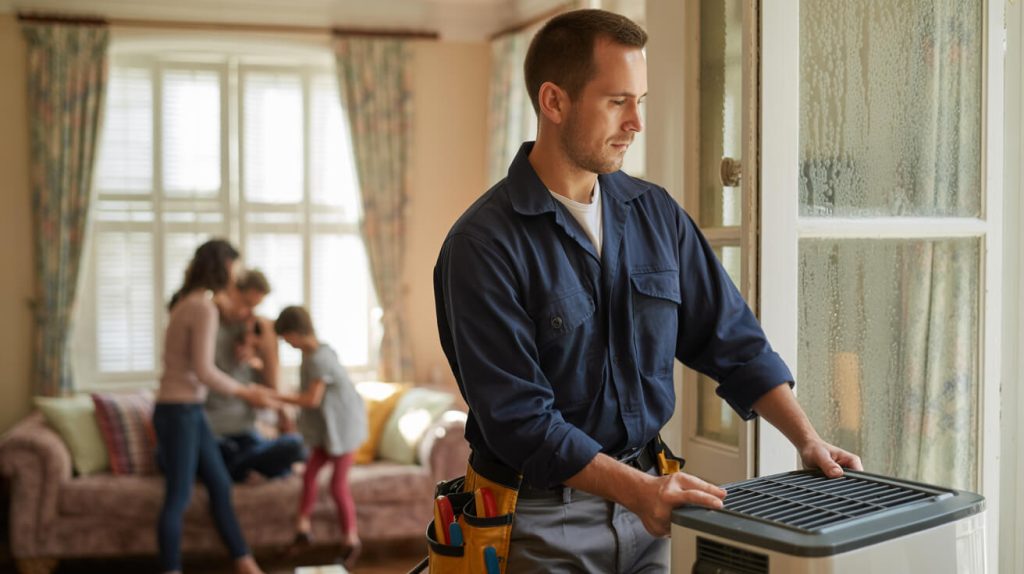
What Does the RSH Safety and Quality Standard 2024 Mean for Tenants Battling Damp and Mould?
Damp and mould aren’t just patchy stains—they’re persistent threats that target your family’s health, gnaw away at the bones of your home, and sap your peace of mind. The pain runs deeper for tenants: too many landlords missed mould creeping for months, hedged with “just condensation”, or gave hollow promises instead of honest repairs. The 2024 Regulator of Social Housing (RSH) Safety and Quality Standard put an end to the old excuses. The law is now blunt: if your home suffers from damp or mould, your landlord’s duty is to act—and excuses won’t cut it. Delays risk their reputation, profits, and, in serious cases, prosecution.
Every day spent ignoring a damp patch is a day your landlord loses ground to the law.
The RSH standard flips the script—no more lopsided power games or back-and-forth. Tenants are protected by clear, practical rules. If you spot early damp, document it, and notify your landlord in writing, the RSH framework turns your voice into enforceable action. It’s not about demanding miracles; it’s about triggering fixed legal timelines for inspection, mitigation, and aftercare backed by health protection laws. You don’t have to fight alone—armed with evidence, you can force change, not just wait for “next week’s” promise.
Whether you’re a tenant, a landlord aiming to avoid costly disputes, or an agent navigating compliance, the new standard gives everyone a defined path: spot issues, document consistently, escalate if nothing happens, and demand professional repairs built to last.
What Early Damp and Mould Signs Signal Trouble—and Why Timing Matters?

Damp doesn’t always shout; sometimes it whispers, quietly stealing value from your home and health. The real risk isn’t the obvious puddle in the basement, but the patterns you see before a full-blown disaster. Under the RSH 2024 mandate, the moment you notice subtle signs—musty odours, unseasonal condensation, persistent cold spots, or a cough that never quite clears—it’s no longer “wait and see”. These are triggers for urgent, documented intervention.
Subtle Damp Signals That Demand an Immediate Eye
- Stale, damp smells: —even after airing the room, any persistent odour is a clue.
- Walls that feel cold or wet: after the heating’s been off for hours—a hidden soak.
- Beading on inner windows: in mild, not just freezing, weather.
- Discoloured paint, bubbling plaster, or slow-spreading patches: —often near grotty skirting boards.
- Dotted black, brown, or green patches: —mould loves corners, window frames, behind heavy furniture.
Listen to your lungs too—if you or your family catch recurring coughs, feel tight-chested, or suffer allergy-type symptoms, air quality might already be under attack. The new standard tells landlords to take these as serious—no health “grey area” allowed.
When you find yourself opening a window in winter just to breathe, that’s no longer ‘normal’—it’s grounds for a formal complaint.
Under the RSH 2024 framework, early warning means quicker fixes. Landlords can’t legally delay or blame the tenant for “lifestyle issues” without proving real cause. Rapid reporting stops issues compounding—a single damp patch now sets the clock ticking on your landlord’s legal duties.
How Do You Officially Report Damp and Mould—and Prove You’ve Triggered Your Rights?

Your story changes once your complaint is on paper. Under RSH 2024 and Awaab’s Law, the days of “but I told them last month” are over—action means traceable, written complaints that start legal clocks. Forget ambiguous phone chats; arm yourself with a documented timeline.
The Official Complaint Playbook: Activate Your Legal Rights
- Report in writing: Email, web portal, or a signed letter—list all affected rooms, visible signs, when issues began, and any home remedies you’ve tried.
- Attach evidence: Photos with date stamps, GP or nurse notes (for health impact), symptom logs, and even receipts for dehumidifiers bought as stopgaps.
- Request a receipt: Ask for written confirmation or a reference number—this stops “we didn’t get it” cold.
- Track every step: Save every message, screenshot, and ticket. Even if you call to chase, send a note recapping the conversation back by email.
- Push the relay: If contacting an agent, state, “Please confirm this has been passed to the property owner and copy me in.”
This “evidence envelope” triggers the statutory response deadline. Written records mean missed or delayed replies become legal proof, not frustration.
A photo with your email can cut weeks off your wait. The timeline begins once your written report lands.
Landlords must now acknowledge and “own” complaints—no more buck-passing. Each written note resets the clock for their legal action window. You can simply copy-and-paste from your diary to support your case.
What Evidence Transforms a Damp or Mould Complaint from Panicked to Powerful?

Panic on a phone call rarely moves a system designed for processes. In 2024, complaints with a bulletproof trail—photos, logs, doctor’s notes—carry immediate leverage. Evidence isn’t a hassle; it’s a shortcut to repairs and, if needed, council or ombudsman intervention.
Damp and Mould Complaint Evidence Checklist
- Clear photos, both overview and close-up: Use the same angle weekly, add a coin or ruler for size.
- Date-stamped symptom log: Weather, heating times, smells, or symptom flares—record it all.
- Medical records: Ask for a simple letter: “Symptoms may relate to housing conditions.”
- Communication archive: Save all emails, tickets, and texts. If you’re forced to chase by phone, recap the call by email afterwards.
- Professional notes: Even a builder’s rough opinion can supplement your file.
A well-documented timeline cuts through excuses. Missed responses or failed appointments become evidence, not frustration.
Documentation isn’t about distrust—it’s your insurance against handwaving. When escalation is needed, your folder wins instant attention with council teams and ombudsmen. The more visual, dated, and linked to symptoms and repairs, the harder your case is to ignore.
What Deadlines Pin Your Landlord—And What Happens If They Miss Them?
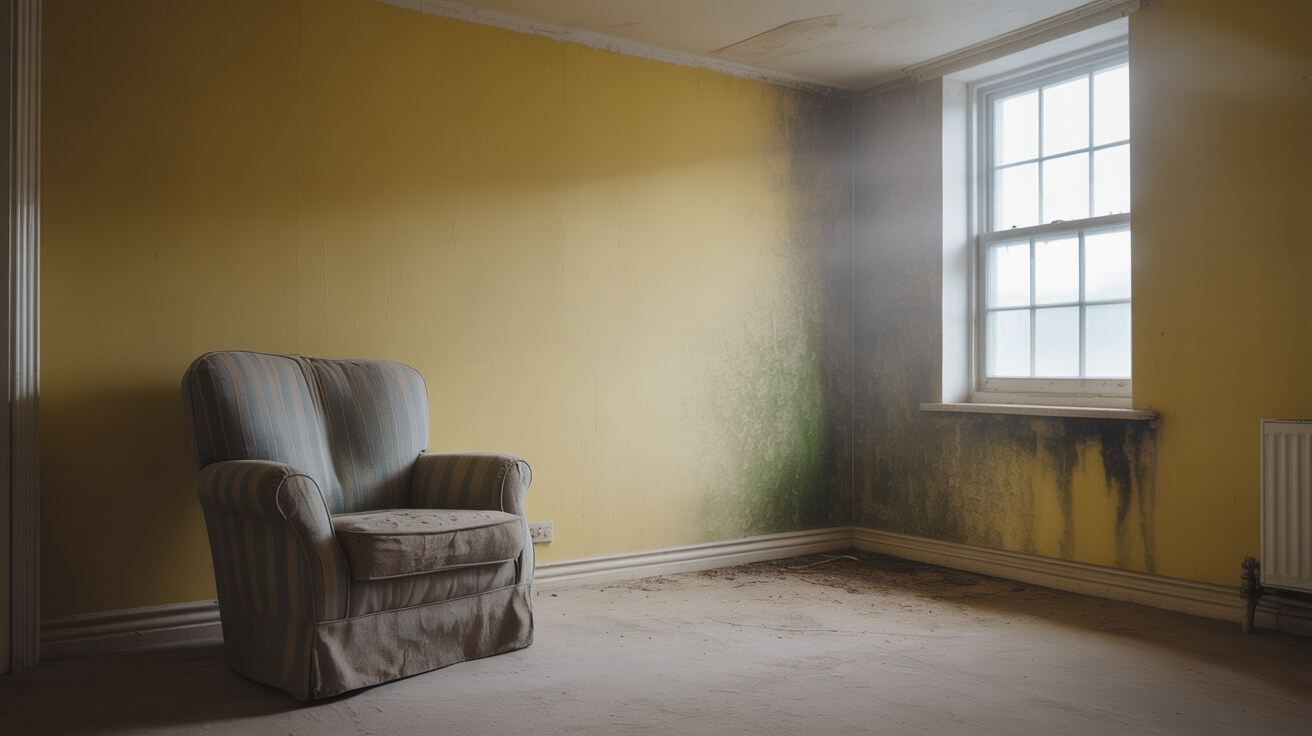
The RSH Safety and Quality Standard, supercharged by Awaab’s Law, loads your rights with legal urgency. You no longer have to accept endless delays or “monitoring period” ambiguity—specific actions are now expected at each step.
Legal Repair Deadlines—Know Your Power Window
- 14-Day Initial Response: Landlords have two weeks to acknowledge, inspect, and explain action steps.
- Fast-Track Action for Health Hazards: If damp or mould is linked to a health risk (HHSRS Category 1), repairs become urgent—a timeline, not mere investigation, must follow.
- Written Plan Required: Every promise should be accompanied by a step-by-step repair or mitigation schedule. No plan? No compliance.
- Repeat Offence Logging: Every missed inspection, failed fix, or vague answer is now further proof—a missing contractor isn’t your burden.
If the deadlines slip, your paper trail becomes grounds for council intervention, formal notice, or even compensation claims. The days of “just wait a bit longer” are gone.
A string of ‘we’re looking into it’ texts runs out of rope—each missed deadline is fuel for formal intervention.
Enforcement now means real teeth for tenants who meticulously log the journey. The more they miss, the more power shifts to you.
How Do You Stay on Top of Your Complaint—And Know When It’s Time to Escalate?
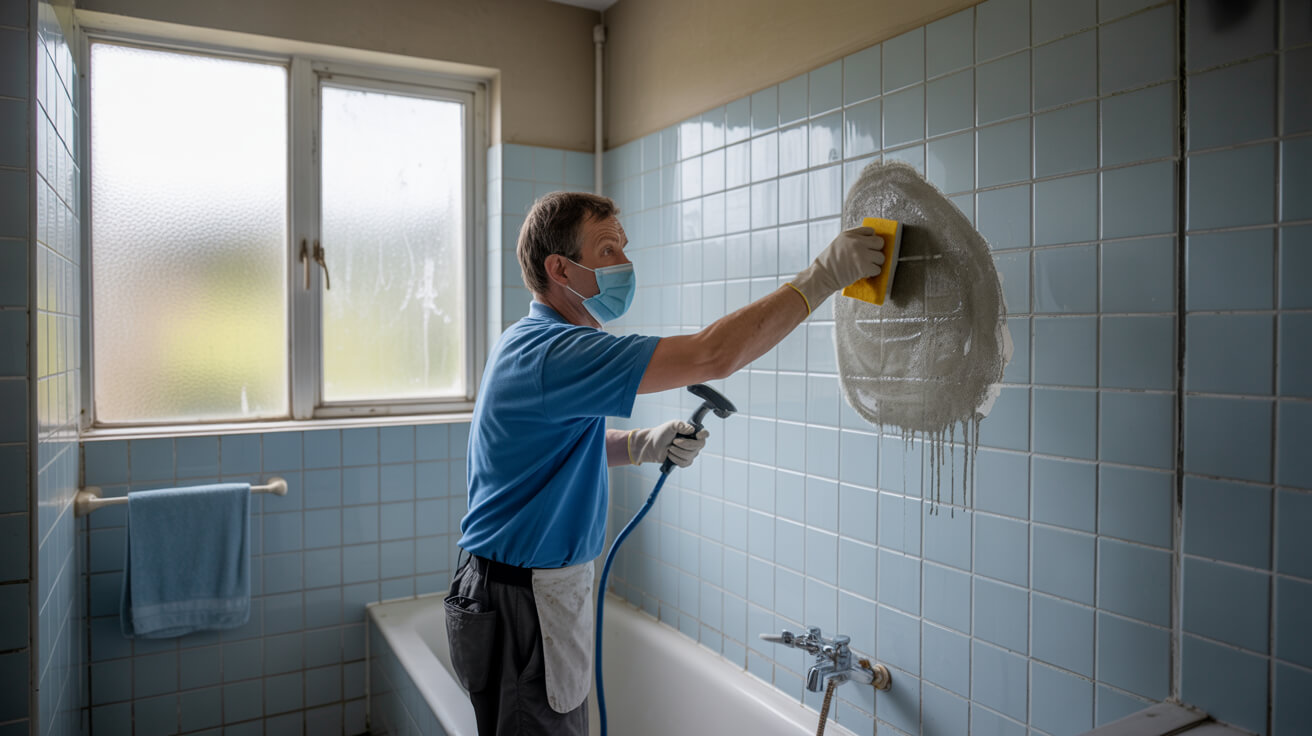
Chaos helps landlords avoid responsibility; structure puts you in control. A chronological diary puts the burden of action—or delay—back on the landlord. Pattern recognition reveals when “delays” become violations.
Staying Organised: Day-by-Day Damp Defence
- Event log: Record who you spoke to, when, what was agreed, and next-Step promises.
- Communication vault: Every chat, text, ticket, and letter—archive it all. Screenshots count.
- Visit workbook: Write down who attended, what was inspected, and what advice or repairs were made.
Escalation Triggers—When to Move Up the Chain
- No inspection or meaningful response after 14 days.
- Serial “we’ll call you soon” excuses with no real scheduling.
- All blame put on “lifestyle” when repair evidence says otherwise.
- Damp or mould returns within weeks after “resolution.”
Once the pattern’s clear, escalate to environmental health, council teams, or tenants’ rights groups. Statutory timelines mean authorities must now back credible, evidence-led complaints.
Patterned avoidance isn’t tenant error—it’s a violation. Deadlines exist so you don’t have to keep proving yourself.
Detailed tracking signals you’re not the “shrinking violet”—you’re an empowered tenant who knows the playbook.
What Can You Do if Repairs are Delayed, Incomplete, or the Problem Returns?

The law’s not just about “something must be done”—it’s about ensuring what’s done actually fixes the problem. If issues resurface or timelines are ignored, strategic escalation flips the pressure onto the landlord.
Law-Backed Escalation That Forces Action
- Local Council Hazard Assessment: Environmental health officers can enforce repairs, fine landlords, or issue improvement notices.
- Tenant Advocacy Help: Shelter, Citizens Advice, and local legal clinics can turn evidence into formal pressure or court-backed orders.
- Formal Complaint or Legal Claim: Missed legal deadlines, ignored repairs, or retaliatory threats unlock legal routes—compensation and court-ordered works are fast-tracked.
Your rights don’t evaporate if the first go fails. In 2024, tenants can’t be penalised or evicted for escalating valid, evidence-based complaints. Deadlines can’t be reset by patch-up jobs or “lifestyle” claims.
Consistent record-keeping and timely escalation tip the balance—landlords face regulatory heat, not just tenant reminders.
From missed appointments to failed fixes, your documentation is the lever for speedy, court-backed repair or recompense.
What Ensures Repairs Are Done Properly—and How Can You Guard Against Repeat Problems?

“Quick paint and a pat on the back” is now off the table. The RSH 2024 standard mandates lasting repairs: diagnosing the moisture source, not just erasing symptoms. Superficial remedies are now a compliance risk for property owners.
Locking In Quality—What Tenants Should Demand
- Written repair confirmation: Ask for receipts with materials used, contractor details, and before–after photos attached to your file.
- Standards cited: Ensure BS 6576 or PAS 2035 standards are quoted on any diagnosis or work completion form—it’s not just technical bragging; it’s compliance-proof for lenders and councils.
- Aftercare documentation: A proper fix comes with advice sheets, humidity management plans, and contact details for follow-ups.
If you’re left with a leak rekindling or old stains re-emerging, note it, photograph it, and ping your landlord immediately. Each failure resets the legal clock and strengthens your future claim.
Inadequate repairs restart the timeline; your health and property value demand thorough solutions, not another cycle of calls.
Clear documentation isn’t just for escalations—it preserves future value and protects you during tenancy changes or future sale.
Why Does an Independent Damp Survey Make the Difference—and How Does Sussex Damp Experts Deliver?
Sometimes, dialogue breaks down. That’s when a third-party survey flips doubt into proof. Landlords, councils, and insurers respect objective reports from accredited damp specialists, not quick opinions from repair contractors.
Sussex Damp Experts: Lifting Cases Out of Limbo
- Authoritative, legally acceptable surveys: BS 6576 & PAS 2035 compliance, with findings accepted by banks, local authorities, mortgage brokers, and courts.
- Bridge-builders: When landlord and tenant are deadlocked, our reports clear ambiguity, diagnose failures, and set an actionable repair route.
- Hard evidence for next steps: Surveys short-circuit landlord claims of “no problem found”, give survey-ready support for buyers, and unlock warranty and insurance cover.
- Fast, responsible aftercare: We don’t vanish. Our guarantee period, advice, and post-survey monitoring ensure that fixes hold—and that you’re equipped for any future challenge.
An independent survey isn’t just paperwork—it’s a lever that moves even the most stubborn landlords and unlocks formal council action.
Booking is straightforward; our evidence-based approach means your landlord or agent faces a professional standard that puts tenant health, compliance, and property value first.
Take the First Step—Sussex Damp Experts Are Here to Help
No household should struggle with lingering mould, spiralling energy bills, or endless “it’ll be done next week” promises. Sussex Damp Experts guide you—diagnosing, documenting, and resolving damp at every step. Our guarantee isn’t just on the repairs, it’s on the standards: every report, survey, and intervention aligns with lender, council, and legal needs.
Don’t let patchwork repairs or overlooked complaints set your back against the wall. Contact Sussex Damp Experts today. We convert hidden hazards into health protection, vague advice into enforceable claims, and anxiety into confidence that your home is as safe as it looks.
The cycle ends when you take control. Get specialist support, not just a promise—Sussex Damp Experts is ready to help.
Frequently Asked Questions
What legal shift makes landlords directly responsible for all damp and mould repairs in 2024?
Your landlord now bears full legal responsibility for rectifying any damp or mould, regardless of “blame” or so-called lifestyle factors. Under the new 2024 Safety and Quality Standard, damp and mould aren’t just a matter of complaint—they trigger a duty that overrides all excuses about how moisture started. Black spots on the wall, a musty odour, or flaking paint now demand prompt, documented inspection and a written plan for repairs—every time. Missed deadlines empower the council to intervene, levy fines, or even order repairs without the landlord’s consent. Whether you’re in private, social, or council housing, the days of passing the buck are over: symptoms alone are enough to activate legal protection.
How does this change the repair game for tenants?
- Landlords must issue a forensically-reliable report and timeline within 14 days after you report damp or mould.
- No more delay tactics—council powers now cut through blame games and fast-track enforcement if statutory timeframes are missed.
- New measures ensure documented evidence, not debate, determines the landlord’s responsibility.
Once you see the signs and report them, the law hands you the lever—getting results is a matter of process, not persuasion.
Which evidence pushes landlords and councils to finally act on damp and mould complaints?
A relentless, date-stamped photo diary paired with written symptom logs and all communications is your ticket to fast action. Evidence from consistent weekly photos (same wall, same angle), records of headaches, coughs, worsened asthma, and copies of every landlord reply build an undeniable case. Supplement your file with receipts for out-of-pocket expenses—like running dehumidifiers or ruined furnishings—and, where possible, GP notes confirming health impacts. As of 2024, enforcement begins with your portfolio: it tilts decisions in your favour for everything from rent rebates to forced repairs. Insurers, councils, and ombudsmen want records, not stories.
How can you build an unstoppable evidence file?
- Photograph all affected rooms weekly—timestamp every image.
- Keep a running log of symptoms, repair attempts, and missed appointments.
- Collect written statements from GP, neighbours, or visiting contractors.
Your file should answer every ‘when, where, and how bad’ before anyone asks—delay loses its footing when the evidence is stacked.
How do new legal timelines and enforcement tools change a landlord’s obligations—practically, day-to-day?
Landlords face strict windows: 14 days to respond to your report, seven for urgent repairs linked to health risks. Gone are the days of waiting “until the weather improves” or asking residents to “open a window.” Every ignored or missed deadline now triggers an automatic option to escalate—council inspectors, housing ombudsman, or environmental health step in without the tenant “proving” blame. Social landlords have non-negotiable deadlines, and the private sector is now judged by risk-centred “reasonableness.” This translates to genuine progress logs, up-to-date photos, and signed completion lists replacing vague promises or patchwork fixes. Landlords who try to “clean and leave” now face penalties, enforced repairs, and the risk of blacklisting.
What do stricter timelines and penalties mean in practice?
- A missed 14-day reply allows you to go straight to council enforcement—no more dead ends.
- High-risk cases (for vulnerable tenants or infants) see repair windows as tight as seven days.
- Paper trails and work logs now serve as proof—not just for you, but for your council, lender, or insurance.
The clock starts the moment you report—the system is designed to leave excuses behind.
Where should tenants turn for real action when ignored, blamed, or bogged down in delays?
When the landlord stalls or refuses responsibility, formal escalation is now rapid and systematic. Start by compiling a watertight grievance in writing, copying in letting agents if you have them. Submit your evidence log—photos, symptoms, written communications—to environmental health or your local council, who are legally obliged to investigate and enforce. Social and council housing tenants have a further route via the Housing Ombudsman, whose powers in 2024 include mandatory remedial works, compensation, and even public blacklisting for non-compliant landlords. Private tenants benefit from council inspections that are now fast-tracked when statutory deadlines lapse or “harmful hazard” thresholds are met. Use templates from Shelter or Citizens Advice for precision, and request written confirmation of every escalation.
What steps force council or ombudsman intervention?
- Submit a complete, timestamped logbook covering each repair, symptom, and missed deadline.
- Attach proof of health impact, failed repairs, and breach of statutory timing.
- Use charity-provided templates to formalise your claim—precision makes action near-automatic.
A detailed timeline does more than just tell your story—it activates powers that were once out of reach.
What stops landlords from evicting tenants who report damp or mould in 2024?
Reporting valid damp or mould—especially via council or ombudsman—now locks out Section 21 (“no fault”) evictions for at least six months post-enforcement. Once a statutory hazard notice, repair order, or ombudsman investigation is underway, any attempt to serve an eviction notice is automatically suspended, provided your initial written complaint predates the notice. The Fitness for Human Habitation Act and 2024 reform standards make “blame and boot” tactics ineffective: courts now scrutinise the chronology, not just the paperwork. Repeated attempts cost landlords their licencing, and tenants can access legal aid, council statements, and ombudsman support before pressure tactics bite. Hold on to council or charity correspondence confirming your protected status.
How can tenants keep themselves safeguarded?
- Add every attempted eviction notice to your complaint timeline—timing is decisive.
- Reach out immediately to housing charities and local authorities.
- Insist on written council or ombudsman acknowledgement of your protected status.
Retaliation hits a legal brick wall; robust documentation turns threats into backbone.
What standards and documentation ensure a landlord’s repair will actually last?
After any repair, require a full summary: dates, scope of works, all materials and methods, plus reference to standards like BS 6576, PAS 2035, and Building Regulations Part C. Trusted trades—such as Sussex Damp Experts—supply before-and-after photos, signed work orders, and warranties covering both labour and materials. Insist on proof of compliance, a plan for six- or 12-month checkups, and direct access to council or third-party re-inspection if needed. Ongoing monitoring—through moisture sensors, paperless logs, or follow-up surveys—not only protects your right to future claims but bolsters your home’s value should you sell or re-let. The right paperwork meets mortgage, insurance, and council demands—with nothing left to chance.
What closes the loop for tenants after works?
- Secure a dated, detailed summary referencing industry standards.
- Hold a written guarantee—start date and terms clearly outlined.
- Schedule an independent or council follow-up—don’t assume the first fix is final.
For airtight protection and a proper reset to “safe and dry,” expect the same thorough documentation professional surveyors would demand. If you’re aiming for peace of mind—and a property future buyers or councils trust—choose moisture specialists who set your standard, not just theirs.

