
 By
By  September 3, 2025

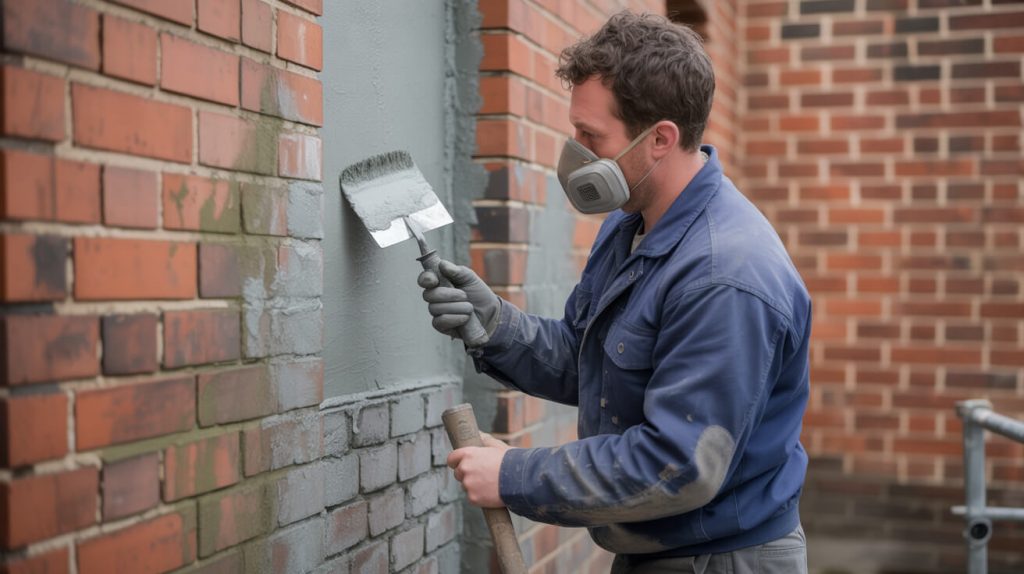
Does Waterproof Render Cost More Than It Seems? The True Price Beneath Sussex Walls
Waterproof render isn’t just about keeping the rain out—it’s the layer standing between your investment and the slow rot that undoes years of care, value, and peace of mind. The headline price you see on a Sussex quote is rarely the real story. Every pound shaved off labour, prep, or compliance usually reappears as a bigger bill, regulatory hazard, or warranty denial before long.
Some costs you dodge today circle back fivefold—usually with more paperwork.
This guide arms you with Sussex-specific data and real site experience so you know exactly what waterproof rendering should cost, what inflates the bill, and how smarter planning can rescue your long-term asset health. Whether you’re a homeowner, landlord, surveyor, builder, or managing agent, the real value is in seeing beyond the line-item price to what truly counts for compliance, insurance, and legacy.
What Really Drives the Cost of Waterproof Rendering in Sussex?
Waterproofing Cost Calculator
Estimated Cost Range
—
| Item | Estimate |
|---|
System Information
How Other Systems Compare
| System | Cost / m² | Warranty | Best For |
|---|
Waterproofing is a specialist job — the right system depends on your specific conditions.
Our surveyors will assess your property and recommend the best solution.
Sussex properties aren’t built to one recipe. Each wall, substrate, and “quirk” means even two houses on the same street never price out the same way. When a provider starts promising flat rates for waterproof render—£30 a metre is all it takes!—that’s your cue to scrutinise (not sign).
Several forces shape what you’ll pay, and more importantly, what you risk if you opt for the “bare minimum”:
- Property type and wall composition.: Victorian solid brick? Prepare for painstaking prep and possibly a multi-layer hybrid system—much pricier and slower than new-build cavity walls.
- History of issues.: If you’ve ever had salt, ongoing condensation, “DIY” tanking, or historic damp, costs jump. Each issue can double the hours required or force material upgrades, especially if older cement renders need careful removal and remediation.
- Access, height, and logistics.: If the work is higher than ground floor (or tight alleyways block scaffold), expect a full scaffold crew—often £1,500–£2,500 just for safe and certifiable access.
- System selection.: Cheapest cement renders are cheap for a reason—they crack, trap moisture, and fail at DPCs in Sussex’s changeable damp. Silicone and hybrid systems cost more to source but remain insurable and compliant with surveyors’ latest standards.
- Legal and compliance chains.: “No-paper” jobs may save you £1,000 today but unravel when you try to sell, mortgage, or renew insurance. Lost documents or council paperwork can easily add unexpected repeat calls and legal wrangles.
All-in, expect basic jobs (simple ground-floor, no history) from £30–£50 per m² for honest, spec-compliant work. Complex sites, heritage contexts, or surveyor-mandated treatments hit £80–£120 per m² by the time scaffolding, upgraded materials, paperwork, and aftercare are factored in (Checkatrade 2024). Every shortcut showing up as “to be decided” on your quote? Budget for those to come back double later.
Hidden costs aren’t just money. Non-compliance and missed steps mean lost sleep, blocked mortgages, or insurer refusal when you need rescue most.
Are All Waterproof Render Systems Created Equal? The Reality of System and Substrate in Sussex

Selecting the right waterproof render system isn’t about “favourite brands.” It’s about fitting system, substrate, and compliance together so the next survey doesn’t trigger forced redo’s, insurance wrangles, or new mould blooms underground. Many in Sussex learn the hard way that standard cement or painter’s “damp-proofing” often fail outright, especially on heritage brick or salt-impregnated walls.
Waterproof Render System Comparison: Where Each Delivers (or Lets Down)
Below is a quick-fire breakdown of Sussex-relevant systems—and how each stacks up depending on your wall’s age, profile, and compliance needs:
| Render System | Price per m² | Strengths & Weaknesses |
|---|---|---|
| Cement Render | £30–£50 | Hard, cracks on old bricks, dislikes salts, cheap up front |
| Acrylic | £55–£65 | Good for flexibility, mid-budget, needs careful DPC finish |
| Silicone | £65–£80+ | Highly breathable, ideal for exposed/weathered sites, favoured by surveyors |
| Monocouche | £80+ | Pre-coloured, tidy look, not usually heritage or compliance friendly |
Source: Sussex Damp Experts 2024 diagnostic data.
A few street-level lessons:
- Cement: Looks affordable, but often causes capillary “bridging” over DPC, accelerates salts and cracks. Many recurring damp failures in Sussex trace back to cement mis-application.
- Acrylic: Offers some flex but only in modern walls with stable damp courses—less forgiving of short prep or mesh errors.
- Silicone: Now default for compliant work; surveyors and lenders favour it, particularly for proven aftercare and breathing.
- Monocouche: Pro finish and time savings, but limited on heritage sites and can be vetoed by some insurers or local planners.
Never select a system without matching it to both your substrate and the documentation requirements of sale, survey, or council. “Aesthetic-only” render is usually a ticking clock to the next compliance headache.
Why The True Cost of Waterproof Render Is Hidden in the Quote Details

When waterproof render jobs go wrong in Sussex, the culprit is almost never the main system—but the elements nobody listed properly in the quote. If you’re reading a cost sheet and struggling to answer “what exactly am I paying for?” you’re looking at risk, not value.
Exposing Every Cost Layer: An Itemised Sussex Render Quote
Here’s what a robust, honest render quote should spell out:
- Materials:
The system’s full component set—base coats, meshes, primers, topcoats, and the correct adhesives should range £25–£40 per m². Cheap substitutions or missing steps mean future failures.
- Labour:
PCA or TrustMark-accredited teams charge from £25–£50/hour, reflecting diagnostic expertise, compliance, and safe cure times. Non-certified “cheap labour” often means re-do’s with zero warranty support.
- Scaffolding and access:
Given Sussex’s housing stock, ground-level exemptions are rare. Safe, inspected scaffold is £1,500–£2,500+—not just a tick-box but a legal requirement (and sometimes “rentable” if multiple jobs are stacked).
- Substrate preparation:
Old salt, bridged DPCs, past patch jobs—removal and sequencing of repair layers can boost the quote by 10–20%, but skipping this kills warranty and aftercare.
- Waste management:
Removal of contaminated render and debris, especially with disruptive/heritage jobs, typically adds £200–£500.
- Paperwork, guarantees, and legal compliance:
If your contractor skips documentation, system passporting, evidence photographs, or aftercare provision, their price isn’t a bargain—it’s a time bomb.
Breakdowns and “what-if” contingencies protect your control and confidence—if those don’t appear, stop and ask for clarification instead of being cornered mid-job.
The cheapest render job? The one that never shows hidden issues or compliance steps in writing—until the invoice for extras lands.
Why Compliance and Paperwork Are the True Leverage Points in Waterproof Rendering

In Sussex, paperwork shapes future value as much as workmanship. Surveyors, lenders, insurers, and councils don’t trust “just finished” render—they demand a compliance chain answering exactly what was done, by whom, using what protocol, and where every hidden detail ends up on paper.
Your Cost and Risk Shift the Moment Compliance Steps Are Skipped
Expect costs (and headaches) to escalate fast if your waterproof render job dodges the basics:
- Building Regulations, Part C:
Every intervention—especially below ground or on heritage fabric—demands documented DPC continuity and substrate management. Miss the paperwork, and you face rework during mortgage, sale, or landlord licencing reviews (Gov.uk).
- PAS 2035 / TrustMark:
All work on landlord/association stock, or anything funded/incentivised by council, must carry system documentation and trade body certificates.
- Heritage and planning consent:
Listed status or conservation area? Expect to budget for additional permissions, full system passports, compatible materials, and council sign-off.
- Surveyor and lender gatekeeping:
Major lenders increasingly check for evidence of correct substrate, DPC tie-in, and system compliance—especially since 2021.
Failing on any of these fronts isn’t just a paperwork mess—it can mean blocked sales, insurance refusals on damp or structural claims, council fines, or repeat works at full price and triple disruption.
In Sussex, paperwork is proof. Compliance guarantees survive every survey—the best-looking render without documents is just a pending problem in disguise.
Real Sussex Case Studies: Where Waterproof Render Costs Break Down (or Break Budget)

Learn from both wins and horror stories. Prices alone tell you little; it’s the choices before, during, and after that shift outcomes from “expensive but lasting” to “cheap, but twice as costly by year three.”
Case 1: Brighton Victorian Semi (Heritage, high-salt zone)
- Full system: Moisture-mapped, salt-isolating, silicone hybrid
- Scaffolding (two stories): £1,900
- Certified substrate and prep: £2,300
- Render and finish: £6,200 for 120m²
- Paperwork: Fully archived for sale/mortgage
- Total: £10,400:
- Surveyor/lender? Approved in one round, no queries or delays.
Case 2: Lewes Basement Flat (Old cement, refusals by insurer)
- Removal of failed layer, salt-resistant hybrid, improved ventilation
- Listed building paperwork and site supervision
- Full refit and aftercare: £8,500 (including diagnostics and scaffold)
- Follow-up diagnostics at 6, 12, 24 months
- Result: Insurance premium drop, council always satisfied
Case 3: Eastbourne Let Property (DIY repairs gone wrong)
- Strip back failed acrylic, treat substrate
- Re-render (certified silicone system, scaffold, aftercare)
- Repairs and foregone rent = £5,400
- Lesson: “Saving” on cheap and uncertified work means paying again, with higher overall cost and more lost rent.
Across these—and countless others—accredited documentation, pre-emptive planning, and aftercare made the biggest impact on final price and future-proof peace of mind.
Should Every Sussex Property Invest in Waterproof Render? Who Benefits—and How Costs Shift

Homeowners and First-Time Buyers
Your primary risk is “silent”—properties that look good until the survey, then end up with flagged reports, lost buyers, or urgent (expensive) repair demands during sales or remortgage. Invest up front, and you avoid the deal-breaking scramble.
Landlords and Letting Agents
Non-compliance isn’t merely a matter of spend—it’s a legal tripwire. Missed or invalid paperwork, failed damp treatments, or substandard aftercare mean council disputes, insurance claims that fail, or tenancies lost with weeks’ notice.
Surveyors and Legal Professionals
Your job is risk management and client guidance—only robust documentation and appropriate system selection delivers credible, dispute-proof recommendations. Shortcuts show up in complaints, and poorly executed waterproof render is an open invitation for legal wrangles.
Commercial and Asset Managers
Asset protection, project timelines, insurer credentialing—all are tied to correct, accredit-backed rendering work. Every shortcut affects property value, maintenance cycles, and compliance with health and safety or building regs.
“Being ‘future ready’ in Sussex means investing in waterproof render that is both properly delivered and fully evidenced. The cost is always lower than the sum of repeat surveys, compliance failures, and reputational damage.”
Five Expensive Mistakes in Waterproof Rendering (And How to Dodge Them With Confidence)

Even professionals fall into these high-loss traps. The fastest way to control costs—and avoid future headaches—is to protect against these avoidable errors at the start:
1. Ignoring Substrate Reality
Rushing the inspection, missing salt tracking, or glossing over heritage suitability nearly always guarantees future failure (and much higher remedial costs).
2. Ducking Scaffold/Compliance
Refusing scaffolding or legal doc spend often leads to last-minute, panic-priced safety additions, missed sign-offs, or insurance refusal when it counts.
3. Skipping Accreditation
Using non-PCA or unregistered teams means your “ten-year guarantee” is just a handshake, not a real document in court, at council, or for sale.
4. Overlooking Paperwork Details
Vague, incomplete, or missing system passports and aftercare leave you vulnerable when evidence is demanded months or years later.
5. Aftercare Amnesia
Ignoring ventilation, dry-down, and annual checks give minor issues space to become major failures—without recourse to warranty action.
Short-term savings are camouflaged bills. Meticulously done, compliance-heavy work is always cheaper in the long run.
Waterproof Render FAQ: Sussex-Specific Truths for Owners, Agents, and Pros
Q: What’s the honest, all-in price per m² for waterproof render in Sussex?
A: With all foreseeable factors—compliant materials, skilled labour, scaffold, paperwork, repair—most jobs land at £30–£80 per m², basic to complex. Upgrades and regulatory extras typically add 30–50% (Checkatrade 2024).
Q: Is an “all-inclusive” quote really all-in?
A: Only if it itemises every stage, includes full accreditations, and has no “to be confirmed” placeholders. Anything missing usually becomes a future “extra.”
Q: Are cement/acrylic systems OK in coastal or heritage?
A: No—moderate to severe salt stress, historic wall builds, and Sussex marine weather almost always demand silicone or hybrid lime systems for insurability and regulatory approval.
Q: Can a lack of compliance or skipped paperwork block property events?
A: Absolutely. Non-compliant or undocumented render jobs are common triggers for mortgage refusals, insurer denials, council fines, or forced rework. Surveyor scrutiny is intensifying.
Q: What’s the most cost-efficient starting point?
A: A detailed PCA/BS6576 survey, explicit system spec approval, and transparent, staged aftercare protocol. Each one prevents hidden risk and controls cost escalation.
The Sussex Damp Experts Edge: Where Diagnostics and Aftercare Rule
What puts Sussex Damp Experts in a different tier? It’s not just skilled hands or site efficiency—it’s the refusal to shortcut diagnostics, the insistence on forensic compliance, and a post-instal care system designed for zero-surprises for decades.
Why our clients refer and regulators recommend us:
- Comprehensive diagnostics: Every render job starts with mapped, multi-point substrate and moisture assessment. No assumptions, no cookie-cutter plans.
- Compliance-first approach: Full chains of paperwork, photographic evidence, and system passports for every action. No hidden steps, no disputes later.
- Open-book, fixed-delta quotes: Detailed line-by-line costing, clear upgrade paths, and clear remediation allowances. Surprises are the #1 preventable property expense.
- Reputation and references: Long record of before-and-after proof, leading surveyor referrals, and proactive aftercare support. Proof always trumps promises.
- Annual and event-driven aftercare: Our responsibility continues after work: scheduled moisture audits, prompt issue handling, and ongoing warranty support.
The finish you see today is only as good as the compliance you can prove tomorrow.
The difference is in the detail, the discipline, and the lived results for every Sussex property owner and stakeholder.
Protect Your Sussex Property with Waterproof Rendering That Lasts
Ready to move beyond “skin deep” protection? Relying on price or appearance alone is a risk you can avoid. Start with a real assessment, compliance-backed spec, and an open-book quote that covers every angle—technical, regulatory, and care for years to come.
Your property deserves resilience, papered proof, and a legacy of value—not hidden repairs, blocked mortgages, or cold calls from council or insurers. Sussex Damp Experts deliver waterproof rendering that closes the gap between what’s visible today and the problems you’ll want to avoid tomorrow.
Invest now in diagnostics and compliance-aware workmanship. Book your waterproof render consultation—a proven step for peace of mind, regulatory safety, and lifetime asset health.
Frequently Asked Questions
How does waterproof render pricing shift based on Sussex property type and survey findings?
Your final render cost is dictated less by a price list and more by what’s living behind your paint. Victorian villa or newbuild, each building hides unique moisture patterns, brick chemistry, and repair legacies. A forensically led survey—moisture mapping brick-by-brick, sniffing out salts, tracing past leaks—lets you skip expensive universal “fixes” that solve nothing. On older walls, hidden hygroscopic salts or patched DPC often demand hybrid renders or isolation layers, instantly pushing the figure 25–40% above standard. Timber frames may warrant external membranes and extra venting, not just render. What you save skipping a real survey, you’ll leak in rework and failed warranty claims.
Most ‘one-size-fits-all’ quotes are really just invitations to a second, pricier round of repairs.
How do surveys redirect costs before work starts?
- A survey exposes salt-rich areas needing treatment, not pointless render alone.
- Diagnostics uncover walls needing flexible or vapour-open systems instead of standard mixes.
- City, village, or coastal ratings mean certain facades face increased insurance or compliance standards.
- Quote transparency ensures lenders or surveyors have nothing to flag later.
The smart money goes into an expert survey from the start. It’s what makes Sussex Damp Experts preferred by clients who value lasting value—and zero comeback after sale.
What factors most often turn a “fixed” waterproof render quote into a financial surprise?
Many property owners mistake a headline render rate for the entire job—then watch the invoice balloon with scaffolding, hidden substrate repairs, salt neutralisation, insulation mandates, and council forms. For multi-storey homes in Brighton or Hove, scaffold starts at £800, with complex jobs requiring £2,500+ in access alone. Stripping failed historic render, managing waste with environmental compliance, or inserting a legal damp guarantee: each moves the needle 10–40% on total outlay. Council-required insulation of solid walls can add £45–£60 per m² before rendering even begins. Fixed-price quotes without full diagnostics or scope risk skipping these—and sticking you with costly “extras” discovered when walls are already open.
The first price is just noise—your real investment starts with what’s under the old render.
What makes invoice add-ons so common?
- Incomplete prep or missed decay on the survey
- Unbudgeted-for insulation upgrades when touching solid walls
- Expensive disposal routes for “hazardous” historic renders
- Mandatory compliance paperwork for mortgage/insurance
- Site access headaches on tricky plots
Demand breakout quotes itemising access, legalities, and aftercare—or risk ambush economics. Sussex Damp Experts’ line-by-line approach cuts out future shocks.
Why do wall age, historic status, and hidden defects tip render costs so sharply in Sussex?
In Sussex, one Victorian terrace can behave like five separate jobs—and the 1930s semi next door requires a whole new playbook. Heritage brick, lime mortar, or even soft stone force use of lime-based or vapour-permeable renders at £15–£35/m² premium; planning consents for listed sites may add £2,500–£7,500 in wait-time, paperwork, and specialist oversight. Salt-laden or previously “patched” walls (especially after failed rising damp remedies) often need chemical isolation barriers—costing up to 40% more than baseline render. Surveyors for Brighton and Lewes regularly demand BS6576 compliance documentation and periodic aftercare—a late-stage scramble for these can delay completion or the sale of the home. The upshot: it’s not just square metres but what’s in and behind the wall, the type of consents required, and the system match that determines your spend.
Which complications push budgets up most?
- Heritage or ‘hard to access’ facades (specialist render, scaffolds, permits)
- Damp, salts, or patchwork repairs needing isolation and vented hybrid systems
- Mortgage survey flags demanding warranty-backed or PCA-approved works
- Site and environmental challenges—city centre, cliffside, or coastal
It’s why seasoned owners and developers in Sussex start with a compliance-grade assessment—the cost up front beats the compounded risk of delays, rework, or mortgage refusals.
Where does waterproof render truly outperform or under-deliver compared to other damp proofing systems?
Waterproof render is king on above-ground, well-prepped brick or stone—delivering a seamless weather skin and major upgrade to ‘tired’ external walls. On lower ground or in basements, tanking or cavity membrane systems outperform for soil or water table pressure, but at £80–£120/m², they’re overkill (and often dangerous) on anything meant to breathe. Damp-proof plasters offer a cosmetic upgrade, sealing out surface moisture after the main job. Frequently, the most costly errors stem from mismatches: using render to mask internal condensation, or tanking to “block” rising damp in a house where salts are still active inside.
Long-term peace of mind comes from matching the right material to the wall’s moisture story, not chasing the trendiest product.
When is each solution right—or a liability?
- Waterproof render is right for solid, above-grade walls where proper diagnosis shows no persistent internal moisture.
- Tanking is only for below-grade or physically pressured sites—wrong above ground, it guarantees hidden rot.
- Damp-proof plaster is a *finisher*, never a first line of defence—misused, it traps issues, not fixes them.
A Sussex Damp Experts diagnosis means you deploy the right technique—one you only need to pay for once.
Which situations make waterproof render a risky move for Sussex properties, and how do you avoid them?
The “just render it” mindset has cost Sussex property owners dearly. Historic and solid wall properties—especially those built before 1930 or with lime/sand mortars—react poorly to generic, modern renders. Vapour trapping leads to hidden decay, bulging, and repeat damp cycles; some jobs have to be stripped, replaced, and certified at triple spend. Any listed status, conservation area, or council order instantly raises the bar for documentation, system match, and installation skill. Insurer or lender rejection can also turn a DIY render job into a deal-breaker for sales, with cash lost in compulsory compliance upgrades.
How can owners spot render risk early?
- Wall is heritage, pre-1930s or finished in lime mortar/stone
- Previous “solutions” have failed or caused interior damp, staining, or spalling
- Council/site paperwork was not completed or missing from the home pack
- System or warranty is not PCA, TrustMark, or BS6576 graded
Diagnose and avoid these risks before the site is touched. Local expertise from Sussex Damp Experts ensures your choices stand up to scrutiny—saving time, value, and future headaches.
What steps lock in compliance and future sale value when choosing a waterproof render in Sussex?
Compliance isn’t a bolt-on—it’s woven end-to-end into a render job built for the long game. Begin with a forensic survey tapping into moisture, salts, and use-specific wall chemistry. A proper quote spells out everything: system, prep, finish, access, skip/disposal, legal paperwork, lender/insurer requirements, and aftercare routes. Only TrustMark/PCA-verified firms can issue real, insurance-backed warranties and compliance paperwork your surveyor and buyer actually care about. Keep a watertight file—diagnostics, before/after photos, sign-off sheets, and a service log—these can be make-or-break for a smooth remortgage or resale.
Every pound in upfront diagnosis and accredited installation saves five pounds (and hours) chasing compliance or patch-up jobs after the fact.
How is the Sussex Damp Experts process different?
- No-guesswork forensics—mapping every wall, flag, and compliance gap before decisions are made.
- Quotes that function as both a build plan and an audit trail for lenders, insurers, and council.
- Transparent, ten-year insurance-backed warranties and full aftercare schedules.
- Ongoing check-ins tailored for Sussex weather, building type, and historic status.
When you’re ready to future-proof your property—and never lose sleep over surveyor queries or mortgage paperwork—make sure the process is built for certainty from the start.

