
 By
By  September 3, 2025

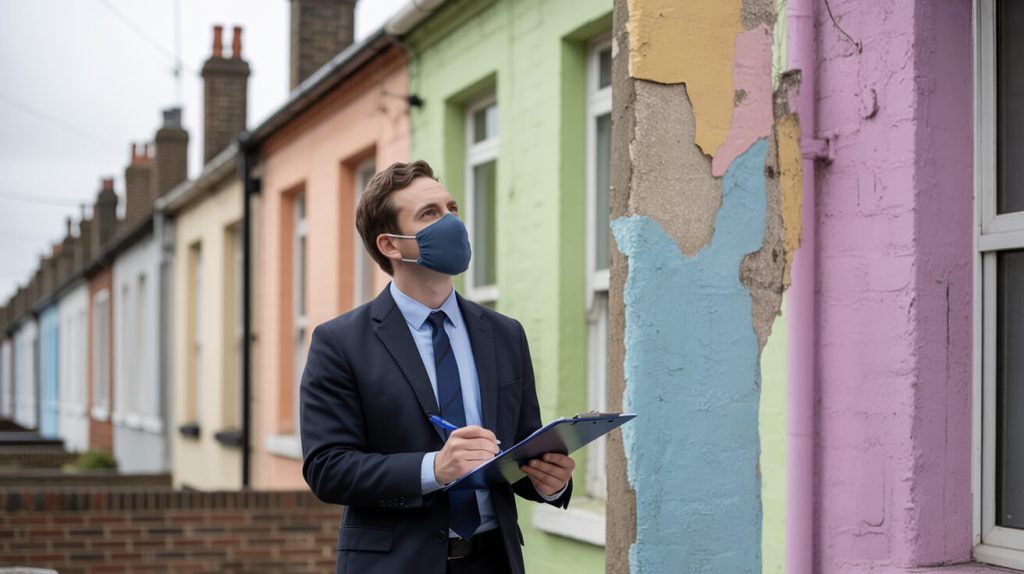
When Should You Consider Underpinning for Damp—and When Is It a Costly Distraction?
Look past the flaking paint and damp patches—most properties with moisture issues aren’t crying out for underpinning. Yet every month, Sussex sees nervous owners, buyers, and agents going straight to the word “subsidence” when the signs point elsewhere. Why? Because musty rooms, bubbling plaster, and creeping mould feel dramatic. But, in truth, ground movement is the rare outlier, not the rule, behind a damp problem.
If you jump to underpinning without proof, you’re more likely to repair your wallet than your walls.
Here’s the honest breakdown: In East Sussex, for every fifty damp-related calls, maybe one turns out to require structural intervention. The rest? They’re almost always solved by tracking water’s journey—whether that’s failed guttering, bridged DPCs, blocked vents, or missed maintenance. You don’t underpin for condensation, just like you wouldn’t dig up your garden to fix a window leak.
True subsidence stands out. Watch for stepped or diagonal cracks running up masonry, jams in doors or windows that never fit right, or sections of floor visibly sloping. That dank patch behind the wardrobe? Ninety-nine times in a hundred, it’s not foundations crumbling—it’s a symptom needing a moisture detective, not an excavation crew.
Rule number one: no specialist can or should recommend underpinning until you’ve had thorough damp and structural diagnostics, joined-up with photographic evidence and mapped readings. Skipping that gets you into legal and financial trouble—insurance won’t play ball without proof.
Surveys are your shield: if your surveyor or builder prescribes underpinning before showing mapped moisture readings or pointing out evidence of structural movement, that’s your cue to pause and seek a second opinion.
Why Is Underpinning So Expensive—and How Can Damp Skyrocket Your Bill?
Structural Damp Repair Cost Calculator
Estimated Cost Range
—
| Item | Estimate |
|---|
Structural repairs require a structural engineer’s report. Our surveyors can identify the issue and refer to accredited engineers.
What to Expect
Building Control
Structural issues need expert diagnosis — damp is often a contributing factor.
Our surveyors will assess the damage and coordinate with structural engineers.
The perceived fix of underpinning comes with costs that vanish in the fog until your bank balance starts to shrink. In Sussex, even entry-level underpinning sits at £1,500 per square metre, with complex jobs hitting £2,500 and up (Checkatrade; PCA surveyor data). For listed buildings, tight sites, or anything involving hand excavation, brace for a figure no builder wants to print at the top of your quote.
- Simple jobs (terraced house, minimal movement): Expect £10,000–£15,000 before unforeseen finds.
- Heritage or multi-room stabilisation: £50,000–£80,000 is standard, and six-figure nightmares pop up for larger or commercial sites.
- Beware “cheap” quotes: —they rarely account for hidden snags, like underground services or party wall legal battles.
Here’s the critical twist: Tackling foundation movement without fixing damp puts you right back at square one—paying again to repair what hidden moisture kept eating away. Think: new concrete that cracks, replastered interiors that flake within a year, timbers rotting under freshly stabilised walls.
Underpinning fixes movement. Damp proofing fixes the cause. Skip the order and you pay twice.
Regulatory pressure adds expense. Site restrictions, conservation consents, or heritage requirements delay timelines and drive up labour costs—especially when waterproofing or material replacement must meet BS 8102 or Listed Building protocols. Every variation, every hiccup? That’s a fresh invoice.
Delays driven by missed diagnosis—a missed leak, unaddressed hygroscopic salts, or a hidden bridged DPC—are the arch nemesis of budgets. Any moisture left behind has a nasty habit of travelling further, undermining even the best-laid foundation plans. In Sussex, smart money starts with the damp survey—not the excavator.
How Do Damp Proofing Costs Compare—and Why Is Sequence Everything?

You can’t stabilise a house without stabilising its moisture pattern first. Far too many jobs balloon because the order of works gets flipped—stabilising ground before drying the building fabric means you’ll end up repeating expensive fixes.
- Damp surveys with Sussex Damp Experts: Start below £400 (PCA-aligned, photo-mapped) and save thousands in investigative guesswork.
- Chemical DPC injection: For most Sussex homes, £2,000–£2,500 covers a two-bed terrace.
- Cavity drain membranes for stubborn, chronic issues: £4,000–£5,000 in basements or older properties is typical.
Stack that against underpinning: the right diagnosis and sequenced repairs often cost ten times less, deliver lender-acceptable paperwork, and actually solve the problem. Lenders and insurers will block payouts or sales if there’s no documented damp control before any structural work is attempted.
Moisture is patient—it’ll wait out your quick fixes. Solve it before you stabilise, or risk invalidating warranties and insurance.
Many property owners, and even contractors, skip the paperwork only to watch deals fall through at the mortgage stage or discover a voided guarantee after a recurrence. Photo evidence, mapped moisture gradients, and surveyor-backed reports aren’t bureaucratic fluff—they’re your proof to sell, rent, or claim later.
What Drives Up Underpinning Bills—and Why Does Damp Multiply the Risk?

Costs spiral because underpinning is a multidisciplinary minefield—more than just concrete and steel. Breakdown:
- Surveyor and engineer oversight: Each property is unique; only certified professionals can determine which sections *genuinely* need work vs. local cosmetic defects.
- Property specifics: Conservation listings, party walls, or proximity to drains or neighbouring basements can all triple timelines and quote figures.
- Moisture left untreated: Even a pinhole leak or feathering of damp through plaster risks rework. Each missed patch means re-doing finishings or even the underpinning itself.
- Hidden services and utilities: Damp can affect hidden services (e.g., rusted or sweating pipes). Disruption multiplies costs and can trigger compliance issues with BS 6576 or Building Regs Part C (trustmark.org.uk).
- Collateral repair costs: Consider redecorating, replastering, or fixing period features as part of the headline quote—not as an afterthought.
The first quote rarely matches the last invoice when damp is missed. Unchecked moisture is the hidden engine of unexpected project costs.
Heritage status, listed building requirements, or conservation area restrictions demand forensic documentation and sometimes limit the methods permissible—each approval layer introduces new variables and possible delays.
Are Insurance, Guarantees, and Legal Protections Built for Reality?

It’s easy to assume home insurance or property warranties will cover catastrophic structural fixes, but routine damp rarely qualifies—insurers treat it as property maintenance. The most they usually consider is where a chartered surveyor links visible movement to proven subsidence, mapped by photographic evidence and professional readings, before most insurers will engage (MoneySupermarket).
- Guarantees on damp works: Only valid when tied to PAS 2035/PCA standards, fully mapped and documented.
- Guarantees for underpinning: Require a mapped sequence—damp diagnosis, evidence-based consent from surveyors and engineers, photographic logs, and sometimes a sign-off from Building Control.
- Landlord and legal risks: The Landlord and Tenant Act 1985 and Environmental Protection Act 1990 put the burden on owners to remediate hazardous damp before a tenant can escalate complaints. Non-compliance leads to fines or forced work (trustees.gov.uk).
Failure to document sequence (damp works before underpinning), secure the right paperwork, or map every regulatory touchpoint can invalidate insurance, undermine sales, stall lettings, or open property owners to legal action from tenants and local councils.
In the property world, the job only counts if the evidence can be mapped and the standards are quoted on the paperwork.
How Can the Right Survey Save You from Disaster—Not Just Expense?

The secret to saving money isn’t a lower quote—it’s making sure every recommendation is rooted in mapped evidence and sequenced to the building’s true needs.
A proper survey is two-fold:
1. PCA-accredited damp diagnosis first—with photo logs, moisture readings, and root cause mapping. Not just a “free survey” with a quote baked in, but true moisture mapping with independent evidence.
2. Only then, if evidence proves movement, an engineer-led structural survey to plot exactly where, why, and how to intervene.
The alternative? Endless cycles of patch-up, warranty disputes, angry lenders, or claim denials costing ten times the price of a survey. Most “emergency” underpinning calls that Sussex Damp Experts attend could’ve been prevented with a mapped diagnosis and a little patience to cure moisture first.
Value isn’t in finishing quickly—it’s in never repeating the same expensive mistake.
Lenders, insurers, buyers, and even councils increasingly ask for mapped, photographic evidence before they accept a damp or structure claim as valid. Savvy owners use these as currency: they negotiate from a position of documented strength, not after-the-fact apologies.
Where Do Owners Commonly Go Wrong—and How Can You Dodge the Costliest Errors?

Reacting from fear rather than facts is one of the costliest habits in property maintenance. The most expensive mistakes usually come from skipping diagnostics, choosing the wrong “specialist,” or treating urgency as more important than evidence:
- Acting on contractor advice without mapped evidence: —no photographic moisture logs, no compliance with PAS 2035 or BS 6576, no regulatory paperwork.
- Letting cosmetic fixes lead sequencing: —masking rather than fixing the source, leading to repeat failures and growing bills.
- Green-lighting foundation work after a single non-specialist’s recommendation: —without corroborating engineering sign-off or mapped diagnosis.
The cautionary tales pile high: landlords stung for tens of thousands when underpinned on contractor “hunch,” only to have claims and mortgages blocked after surveyors invalidate the process. The quick decision, void of evidence, usually guarantees two bills: one for work, and one for repeating it—properly.
Proof isn’t about not trusting teams—it’s about having paperwork to show lenders, buyers, and insurers. Fluff won’t cut it.
Every savvy owner can shield themselves with three habits: always demand mapped evidence, sequence jobs (damp first, then structure if needed), and keep every report, log, and certification within easy reach.
Why Do Clients Choose Sussex Damp Experts Over Quick-Fix Contractors?

When failure’s not an option—on your home, investment property, or project—Sussex Damp Experts are the team that maps, sequences, and substantiates every job.
- Forensic diagnostics: Each assessment is rooted in calibrated moisture and salt mapping, every step referenced to BS 6576 or BS 8102, from initial photos to completion paperwork.
- Code-first solutions: Repair plans come illustrated, sequenced for lender and local authority acceptance, with every technical step spelled out in clear English for both you and your stakeholders.
- Transparent, staged quoting: Costs aren’t hidden, and you see “what if” projections and aftercare needs before you commit—no black-box estimates, no surprise variations.
- Stakeholder clarity: Sussex Damp Experts liaise with planners, lenders, and surveyors to ensure every report, photograph, and technical drawing knocks out snag lists and supports your next deal, re-mortgage, or compliance audit.
Sussex Damp Experts don’t just treat damp—they future-proof the property and your paper trail, from start to aftercare.
Clients rate the process not merely for technical fluency, but for how it turns surveyors’ questions into lender-ready reports, saves time with authorities, and stops problems returning. No pressure, just mapped confidence—delivered with integrity and scientific rigour.
Take Control: Secure Your Property Value, Insurability, and Compliance with Sussex Damp Experts
Your building’s longevity and market value rest on sequencing the right diagnosis—a mapped, standards-driven survey—before a single brick is moved. Damp mishandled, or underpinning done in haste, can spiral costs, tie up your money in unsellable conditions, or spark legal claims that dwarf even the largest quotes.
Sussex Damp Experts deliver:
- True diagnostic clarity: Every case comes with mapped cause, evidence photos, and sequenced plan—the language your lender, insurer, or council demands.
- Honest repair pathway: No hidden costs. See what needs attention, why, and what can wait until evidence emerges.
- Regulatory certainty: Every stage is mapped to British Standards and council requirements, from diagnosis to aftercare.
- End-to-end support: Need heritage compliance, warranty formation, or help defending an insurance claim? Sussex Damp Experts stand by every report and fix.
The best cheap option in property is doing things once, properly, with mapped proof—not chasing the next short-lived workaround.
Protect your asset against future risk: request a mapped damp survey and plan from Sussex Damp Experts. It’s your best move for value, safety, and regulatory peace of mind. Teeth in the detail, boots on the ground, and paperwork built for the toughest questions ahead.
Frequently Asked Questions
What unseen financial risks trap Sussex property owners during damp-related underpinning projects?
Upfront figures for damp underpinning rarely protect you from the bill’s darker underbelly—regulatory, site, and hidden “sequence” costs often spiral well beyond the initial quote. Miss a single planning step, sidestep a specialist survey, or treat damp out of order, and you can face duplicated work, urgent legal or heritage interventions, and valuation downgrades by lenders and surveyors. Owners in East and West Sussex consistently encounter unplanned costs for advanced diagnostics, compliance evidence, party wall agreements, and forced accommodation swings—each layer compounding as the job progresses.
Every shortcut with compliance becomes a detour back to the invoice—what you ignored on paper will find you underground.
Why do initial builder quotes miss critical costs?
Most “good value” quotes cover excavation, concrete, and visible site tasks—yet 70% of legacy expense emerges from regulatory staging not flagged upfront. Specialist compliance reports (£400–£900), party wall legalities, and photographic moisture mapping are rarely listed but always demanded for insurance release and high-stakes sales. Heritage permissions, surveyor conflict, or skipped diagnostic chains can stall projects for months—at full daily rate.
How does skipping steps create stress and double-charging?
Attempt underpinning without mapped moisture or staged paperwork and you’ll trigger extra surveys, planning refiles, compliance fines, or total redo. Lenders and insurers frequently demand staged, BS-compliant documentary proof before recognising any work—uninsurable repairs or forced downgrades become the true financial “trapdoors.”
How does untreated dampness dramatically alter the underpinning journey—risk, timelines, and property value?
Unchecked moisture is the silent saboteur of foundation projects—accelerating failures, elongating project timeframes, and slashing post-repair property values. In Sussex’s mix of old stonework, soft brick, and clay soils, every missed diagnosis or cure sequence bakes in extra repair cycles. Photography-mapped surveys, specialist material selection, and post-treatment humidity monitoring all stack up—add missed dry-downs, and slow evaporation can multiply initial budgets two- or even threefold.
Lock a damp problem below new concrete and it becomes a time-release headache—recalls, legal risk, and year-on-year devaluation.
Does skipping proper diagnosis increase my risk?
Always. Without aggressive moisture mapping and staged engineer sign-offs, owners face likelihoods of rot, persistent cold spots, and repeated repairs. Surveyors and buyers routinely mark down value (5–20%) for uncertainty or hidden water evidence, especially if the sequence of diagnosis, drying, and underpinning is out of regulatory order.
Can Sussex ground specifics make it worse?
Sussex’s clay and uncompacted fill are notorious for long dry times and unpredictable movement—rushing work sets fatal precedent. Moisture above 15% at underpinning not only invalidates most insurance, it forces future buyers to repeat work or accept heavy discounts at sale.
Why is sequencing damp treatment before underpinning non-negotiable for compliance and asset security?
Treating damp first isn’t just wise; it’s non-negotiable according to every major UK lender, insurer, and local authority. Underpinning before certified moisture clearance traps water, triggers professional and legal disputes, and often invalidates structural warranties outright. Every step—diagnosis, treatment, and substantiated dry-down—must be staged, documented, and independently verified before a single underpinning foot is poured.
Sequence is currency—ignore it and your asset’s worth evaporates, with no claim or refund after the fact.
What’s the compliance-locked ideal workflow?
- Commission a PCA-accredited photographic damp and salt map—no diagnosis, no move.
- Apply BS 6576/BS 8102-aligned prescriptive moist control—options include DPC injection, tanking, or external drainage.
- After technical drying, retest and record new moisture figures. Only then draught engineering plans and submit all staged documents to lenders, surveyors, and planning heads for sign-off.
What “failures” haunt out-of-order jobs?
Sealed-in moisture feeds hidden rot, causes paint to bubble, or corrode steel fixings; at every future claim, sale, or mortgage event, missing stepwise evidence slams doors shut—owners pay for do-overs, not just in cash but in delayed equity and destroyed confidence.
How do heritage constraints, distinctive soils, and council rules in Sussex magnify underpinning challenges?
Sussex projects are shaped as much by local regulation as by the soil under your feet—heritage protections, clay movement, and aggressive council planners can override timelines and budgets. Historic listings require reversibility; listed building consent and party wall notices sometimes take months, not weeks. Each district (from Lewes to Worthing) interprets risk, method, and visual impact differently, requiring a specialist’s fluency in local expectations.
In Sussex, your approval chain often runs longer than your repair chain—process governs progress at every turn.
Which elements drive up cost and complexity?
- Conservation oversight and heritage audits force owners to sequence surveys, methods, and materials—swap one step and the council resets your clock.
- Ground types: Brighton’s soft clay demands deeper excavations and slower phased implementation, while east Sussex chalk means high water tables and specific waterproofing tactics.
- Party wall proximity in terraced streets multiplies surveyor roles and injects negotiation into nearly every phase.
Do local trades or agents affect outcome?
Only heritage-specialist or council-compliant contractors are trusted for protected fabric; 2023 saw premiums 20% above average for certified teams. Agents and buyers increasingly verify full compliance trail—work done by generic crews faces extra scrutiny, delays, or outright challenge later.
How do insurance expectations and legal standards shape timeline, cost, and asset value for damp underpinning projects?
The insurance umbrella rarely stretches to cover preventable damp risk or sequence gaps; UK insurers and lenders are united—no mapped, documented evidence, no payout or mortgage unlock. Legal standards (from BS 6576 to the Environmental Protection Act) direct every lender and surveyor’s lens—misaligned or gap-filled paperwork bars sale, claim, or refinance.
What’s not recorded is not valued—your project’s defensibility is built with the right legal receipts, not with cement.
Will my insurer ever pay for underpinning damp?
Typically, no. Unless triggered by a named, sudden event (flood, subsidence), insurers treat damp as an owner’s maintenance liability. Mortgage lenders will not disburse or permit sale until stepwise paperwork is supplied; every missing certificate, unfiled sequence, or ambiguous report prompts insistence on retesting or full redo.
Which standards must my project meet in Sussex?
All work must sequence and document against BS 6576 for damp and BS 8102 for below-ground waterproofing. Local authorities overlay heritage, party wall, and conservation regulations with bespoke reporting and staged sign-offs. Skipped or swapped steps can violate statutory duty of care, void warranties, or lose access to compliant guarantees and aftercare.
What practical steps and professional signals ensure my Sussex property’s damp foundation doesn’t become a financial liability?
Winning owners treat evidence as their starting block, not an afterthought—locally trusted, compliance-aligned contractors and staged photographic reports ensure every challenge is preempted, not remediated. Sussex Damp Experts, led by Darius Dampbane, deploy PCA-grade surveys, BS-aligned remediation, and precise document staging—not just for council tick-boxes, but for concrete buyer, lender, and future-proofing leverage.
Actionable steps for bulletproofing your job
- Book a moisture-mapped diagnosis with a PCA-certified, Sussex-based pro—insist on salt gradient mapping and full photographic trail for lender and planning scrutiny.
- Secure heritage or planning consent before contracts—build proof chains for every phase.
- Demand aftercare and warranty integration from contractors; retain every certificate and communication for future transactions.
- Avoid “all-in” or sequence-skipping crews—no shortcut saves money if post-fix paperwork collapses under resale or refinancing pressure.
In Sussex property, your timeline and future price rise or fall with every compliance step you trace and every expert you put at the wheel.
The Sussex Damp Experts advantage
When you partner with seasoned, locally networked pros like Darius Dampbane and Sussex Damp Experts, your asset is shored against surprise—surveyors, buyers, and planners see robust paper, staged reports, and a legacy-ready foundation. Download the Damp & Underpinning Checklist, then book a forensic survey—your asset and stress levels will thank you for years to come.

