
 By
By  September 3, 2025


How Much Does Treating Old Woodworm Holes Cost—and Why Proof, Not Filler, Decides Your Home’s Value
Right now, some of your home’s most important negotiations could already be happening inside your beams and floorboards—whether you know it or not. You don’t need to see sawdust on the carpet or hear a beetle scratching to feel the effect: every cluster of pinholes shapes your home’s story with surveyors, buyers, insurers, and lenders. In 2024, a quick patch isn’t just a missed detail—it’s a risk. The true gatekeeper for your property’s value is formal proof, not cosmetic filler. Missing that proof builds “quiet” value loss—delaying sales, sparking legal headaches, slashing mortgage potential, and sinking insurance claims at the worst time.
Some holes are harmless scars. Others shine a warning flare for your next survey or sale.
With Sussex Damp Experts, you swap temporary cover-ups for systems that satisfy the most meticulous surveyor, mortgage adviser, or insurance desk—diagnosis, repair, compliance, and digital paperwork, all in one place. Here, you’ll get the full breakdown of what woodworm treatment really costs, see how documentation unlocks value at every step, and discover why proof is the single thing that can turn a rocky transaction into a sure thing.
Are Old Woodworm Holes Ever Just ‘Character’—or Will They Haunt My Sale or Survey?

You spot pinholes in a joist. The seller shrugs—they’re “historic.” An anxious tenant googles “safe or not?” Surveyors don’t care for stories; they care for symptoms and evidence. The difference between “character marks” and code-red risk is about evidence—not just age.
Active woodworm is easy to spot when you know what to look for, and questions around how Much Does Treating active woodworm holes cost usually start with the same signs: crisp, pale sawdust (frass) below new holes; adult beetle activity from spring to early autumn; crumbly, soft or hollow-sounding wood; and sometimes a faint musty odour, especially in humid Sussex spaces. Dormant holes usually have dark, dry, compacted dust—no fresh frass, no beetles, stable timber.
But here’s the catch: to a lender or surveyor, unproven is still unsafe.
- Modern mortgages often demand accredited documentation, not visual reassurance.
- Agents and buyers look for formal proof, not just “it’s been handled.”
- Building societies and insurance underwriters flag any visible damage—unless stamped “treated” by a professional.
Surveyors use digital moisture metres, borescopes, and map patterns of holes and affected areas. Without the right paper trail, even well-meaning “historic” holes can block your progress, lower offers, or force a fresh round of expensive, disruptive “prove it” visits.
Paint hides a story; paperwork writes your happy ending.
Can You Just Fill Old Holes and Move On? Why Filler Fails Every Major Test

It’s the homeowner’s temptation: out of sight, out of mind. A quick fill, a bit of paint, “job done”—especially when budgets are already stretched. But cosmetic fixes alone don’t change what matters to the market.
- Surveyors and buyers immediately spot unproven repairs: , and will often demand an invasive inspection if paperwork is missing.
- Lenders routinely decline applications or withhold funds: on homes with visible, unproven woodworm history ([Fantastic Pest Control, 2024](https://www.fantasticpestcontrol.co.uk/blog/can-pests-decrease-the-value-of-a-home/?utm_source=openai)).
- Letting and managing agents now require compliance and warranty: for high-value or multi-tenant properties.
If you’re hoping a quick patch passes muster, know this: the first thorough survey (or insurance claim, or HHSRS inspection) will wipe away months of “saved hassle,” potentially costing thousands from a dropped sale price—or barring a let/lease until everything’s proven.
Why “Just Filler” is Risky, Even for Inactive Holes
- Mortgage risk: Surveyors flag every unproven timber hole—risking retention, request for new treatment, or outright offer withdrawal.
- Insurance voidance: Many policies require up-to-date, professional damp and pest certificates on claims, especially post-unoccupied periods or tenancy changes.
- Legal exposure: Letting a property sans documentation can fall foul of the Landlord & Tenant Act, HHSRS, and even lead to local authority fines.
- Market drag: Uncertainty in your paperwork is ammunition for agents, buyers, and rival properties up the street.
You can’t negotiate with a surveyor waving a blank certification page.
What Are the Real Costs of Treating Old Woodworm Holes—From Survey to Certified Repair?

Let’s lay out the real numbers. The cost matrix for woodworm risks depends on four big pillars: diagnosis, repair, compliance paperwork, and aftercare.
- Site Survey by an Accredited Specialist (e.g., Sussex Damp Experts, PCA or TrustMark)
- £80–£250: for a full diagnostic, including photographic evidence, digital moisture readings and a plain-English report—a key asset for lenders, buyers, or insurance ([Checkatrade, 2024](https://www.checkatrade.com/blog/cost-guides/woodworm-treatment-cost/?utm_source=openai)).
- Spot Surface Treatment & Localised Fix (for minor, contained outbreaks)
- £75–£250 per room OR main affected zone: , depending on joist/beams vs floorboards, with warranty-backed certification.
- Deep Timber Remediation (Structural, Large Area or Visible-to-Surveyor Damage)
- £30–£90 per m²: for chemical/physical DPC, deep injection, and possibly staged repair—includes compliance paperwork.
- All-in Reports and Warranties (for sale, remortgage, serious lets)
- £350–£950+: for full photographic survey, repair, digital compliance file, 10–30 year warranty, and surveyor/solicitor engagement.
DIY quick-fix (filler, paint, or unproven home treatments): £15–£50.
But remember—unsanctioned “saves” can vanish ten times that in survey-stage haggling, stalled sales, or claim rejections.
A full repair certificate is a multiplier—unlocking offers, release of funds, tenant trust, and years of stress-free ownership.
Why DIY Isn’t a True Saving—The Hidden Costs of Skipping Professional Proof

Let’s face it: the “do it yourself” path feels empowering, fast, and cheap. But DIY, uncatalogued woodworm fixes only work for attics, sheds, or places no lender, insurer, or rental scheme will ever scrutinise.
- Lenders downgrade or reject properties lacking certified, warranty-backed repairs for visible woodworm: (Landlord & Tenant Act, HHSRS).
- Insurance claims for timber pests demand paperwork—not peel-and-stick filler—even years after the job.:
- Tenants gain new rights to challenge property treatment history: (and can force upgrades/fines via council complaint under new UK standards, 2024).
- Letting agents won’t list or relet without paperwork on file—and portfolio landlords now face spot audits.:
Every skipped step or paperless fix is a savings mirage: hidden issues bite right when urgency is highest. Skipped documentation, or low-grade repair, is now grounds for claims refusal, voided contracts, and failed sales.
You’d never sell a car with Excel-invented service history. Your home deserves at least as much truth.
Quick-Scan: Table of Real Woodworm Repair Options, Costs & Market Impact

The next move isn’t “just get it done.” It’s knowing which options stack up for surveyors, lenders, and market value—before you invest.
Here’s a practical look at what your choices buy you—and what you risk by skipping formal proof.
| Solution Type | Range | Core Benefit | Best For | What Skipping This Risks |
|---|---|---|---|---|
| DIY Filler Only | £15–£50 | Hides holes (temporary) | Sheds, non-mortgage zones | Sale/Let fails; unflagged infestations |
| Pro Spot Repair + Cert | £75–£250 | Lender-grade, warranty proof | Homeowners, Landlords | Survey battles, deal collapse |
| Full Timber Renewal | £30–£90/m² | Structural integrity + certs | Exposed or key structural zones | Compliance, claim, or value disasters |
| Survey + All-in Cert. | £350–£950+ | Sale/claim/surveyor assurance | High-value, heritage, commercial | Agent blocks, lender must-fix demand |
A small investment in professional proof at the right time arms your property for years—against buyer doubts, lender inspections, and future legal or insurance wrangles. An unproven “cheap fix” can reverse that payoff fast.
What Role Does Documentation Play—and Why Is Paperwork “The Asset” in Modern Property?
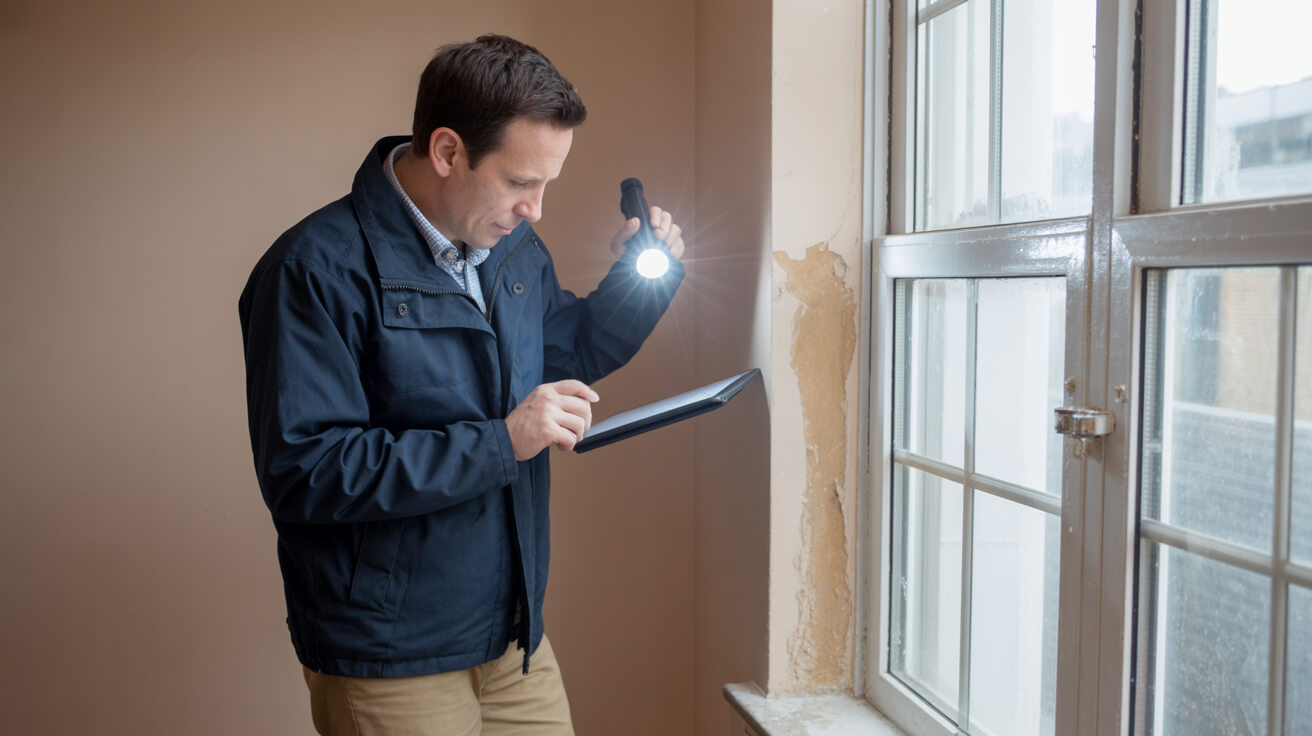
If you can’t prove it, you can’t sell, refinance, or sometimes even insure it—at least not at prime value. Documented, standards-backed evidence isn’t “bureaucracy,” it’s the bedrock of modern home transactions.
- Photo trail and logged repairs: Each stage is captured and filed; agents, buyers, and insurers ask to see these before green-lighting deals.
- Warranties recognised by mortgage providers and insurers: These often transfer with the property, boosting its “sale-ready” status.
- BS6576/BS8102 compliance: Essential for legal protection (especially with campaigner-savvy buyers, social landlords, and local authorities).
- Future-proofing: Each year, digital proof becomes more valuable; many agents and buyers now reject unsigned, paperless repairs outright.
Failing to supply this evidence opens the door to price haggling, standoffs, or even contract collapse at the worst possible moment. For new buyers—especially in mortgage-flagged sales—proof, not hope, is the asset that survives.
The best finish? Not what your eye sees, but the history you can show in writing when it matters most.
Is Ongoing Aftercare and Monitoring Really Worth It—How Does It Help Value (and Sanity)?

After the paperwork and repairs, a good aftercare process is your silent insurance. Annual or biannual check-ins keep your warranty alive, stop minor moisture from morphing into new infestations, and deliver that “proof in advance” buyers crave.
- Moisture and timber monitoring: Quick spot-checks can catch trends before they balloon into post-sale disputes or expensive warranty voidance.
- Humidity and ventilation support: Especially important in old properties, coastal climates, or low-draught basements (classic Sussex headaches).
- Friendly, direct access: Forget phone queues—real providers (like Sussex Damp Experts) keep your report on file and follow up on your terms.
- Warranty continuity: Each check keeps your paperwork bulletproof for any future sale, refinance, or claim.
Professional aftercare turns a “one-and-done” job into years of market-ready confidence, legal compliance, and peace of mind—without the dread of a surprise or last-minute snag when you’re ready to move on.
Smart owners don’t just close a job—they invest in peace of mind that travels with the home.
How Sussex Damp Experts Give You the Upper Hand—From First Visit to Years Down the Line
It’s not about a quick finish—it’s about closed loops and ironclad proof. Sussex Damp Experts take woodworm problems from uncertainty to bank-grade assurance in a single chain:
- Forensic inspection and mapping: Beyond the naked eye—digital tools, endoscopes, building context assessment.
- Clear, accountable paperwork: Every report follows the latest compliance (BS6576/BS8102), accepted by insurers, lenders, and local authorities.
- Integrated repair and documentation: Owners, landlords, and sellers get an asset that passes the most demanding checklist.
- Transferable warranties: The repair stays with the property, not just the invoice.
- Ongoing, human support: No “press 7 to be forgotten.” You have a named contact and a file backing every promise.
Clients report faster completions, actual sale price lifts, and zero-wrangle transitions—because professional proof is now the silent driver of every efficient deal and protected liability.
Dampbane’s Guiding Principle: Why Filling Isn’t Protecting—Paperwork is Your Only Prenup
💧“Sealing a woodworm hole is like putting tape over a warning light—nobody’s fooled. Skip a problem and the problem just waits for the next owner, lender or agent to catch you out. Fill your file, not just the surface. Only when you show the repair, the paperwork, and the aftercare have you actually protected your home, your price, and your future.”💧
Protect Your Property’s Real Value—Bring Sussex Damp Experts In
Every year, the gap between “it looks fine” and “it’s certified” gets bigger—and more expensive. The easy fix is always to stall, avoid scrutiny, or hope agents don’t look too close. But if you want a home with real, defendable value—ready for buyers, insurers, and lenders—put proof first.
With Sussex Damp Experts, you get the whole asset: a history you can hand over, a price that holds, and legal compliance that closes deals instead of breaking them. Don’t let unseen gaps in paperwork cost your family or your investment.
Call Sussex Damp Experts and claim the only protection that matters long-term: visible skill, invisible risk, and bulletproof proof for every stage of value.
Frequently Asked Questions
Why do dormant woodworm holes still raise red flags for surveyors and lenders even years later?
Even when timber looks sound and woodworm holes seem faded or dust-free, most UK surveyors and mortgage lenders treat “old” damage as a question mark, not a green light. That’s because, without a clear, up-to-date diagnosis from a timber specialist, there’s no way to prove what’s really behind those marks—beetle eggs can remain dormant for years, and subtle new frass can signal a low-visibility infestation ticking over just below the surface. Lenders are growing warier, especially since property risk scoring (HHSRS, PAS2035) now treats “evidence of attack” as just as serious as live issues unless the homeowner produces proof of expert inspection and, where needed, lasting repair. Sussex Damp Experts leverage advanced borescopes, moisture metres, and historical humidity tracing to map not just “fresh vs. old” but also evolving risk zones for each timber run. This forensic approach ensures buyers, agents, and insurers all see a future asset—not a transaction-killer.
Why does the age of woodworm holes often mislead property owners?
- Old holes may blend with modern surface finishes, masking deeper historic tunnels.
- Dormant signs—through darkened edges and lack of dust—can resemble both cured infestations and overlooked active ones.
- Environmental changes (like a recent leak or poor ventilation) can “wake up” beetle activity in seemingly safe timbers.
- Surveyors increasingly want full moisture pattern mapping, not guesswork.
Proof isn’t just about what’s stopped—it’s about what might restart when your climate or ownership shifts.
What documents or reports shift surveyor concerns to “asset secured”?
- Digital moisture diagnostics with timestamped images
- PCA- or TrustMark-accredited survey reports
- Full remediation records, including material and treatment logs
- A transferable guarantee tied to the timber’s condition
In what ways do patch repairs or “quick fixes” on old woodworm holes risk devaluing your property in 2024?
Quickly filling and repainting old woodworm marks may look neat, but this shortcut seldom stands up to today’s lending or insurance scrutiny. Modern survey protocols require a clear trace of any timber issue’s causes, past infestations, and repair lineage. Cosmetically patched holes, particularly when done without a formal survey or without photographic evidence, often trigger a second survey, retentions at valuation, or insurance warranty rejections—reducing your negotiating position or lengthening your sale/rental timeline. Current UK lender reports (UK Finance, Q1 2024) highlight that transactions involving “cosmetically hidden” woodworm now see a 26% higher risk of delayed or failed completion than properties with full documentation.
How does rushed repair activity undermine value and handover confidence?
- Lenders demand transferable warranties—not just “fresh paint.”
- Insurers are tightening pre-existing condition clauses; undocumented repairs void many claims.
- Professional buyers/agents may suspect deeper issues, lowering offer price.
- Letting agents and housing associations demand full photo logs to satisfy compliance checks.
What makes certified repair from Sussex Damp Experts different?
Every repair is grounded in root-cause analysis, not just surface cover-ups—delivering a paper trail and stitched-in value across the lifetime of your asset.
Shortcuts in documentation can cost far more than you ever save on materials.
How do current damp and woodworm certification standards put you in control of lending and letting, not at their mercy?
The only way to unlock smooth sales, secure insurance, and future-proof lettings is to be proactive—using standards built for today’s risk climate, not yesterday’s “DIY and hope.” To satisfy the HHSRS, BS6576, and PAS2035 frameworks, you need a direct chain from in-depth survey to treatment plan and aftercare. Sussex Damp Experts’ process maps each timber run against industry benchmarks, documents the original attack, remediates where required, and closes the loop with a survey-ready, transferable warranty. For complex or heritage homes, this also means evidence of substrate-appropriate methods and breathable materials, closing off the risks of improper “one size fits all” fixes. This chain not only settles curious buyers—it blocks insurers or landlords from back-charging you for missed risks months or years after the repair.
Which documentation components do lenders and agencies now demand as standard?
- PCA-accredited surveyor report with image set and diagnosis
- Chronological work log referencing BS6576/BS8102 methods
- Compliance statement for heritage/listed with source materials
- Aftercare and monitoring schedule (even if “no further action”)
Why does the Sussex Damp Experts chain hold across every scenario?
Because we operate as integrated risk managers, not just timber patchers. Lending, insurance, and agent questions get solved before they’re ever asked.
What overlooked aftercare steps turn each repair into an appreciating asset instead of a hidden threat?
Many property owners treat woodworm fixes as a “tick and forget” task—only to find later that, without ongoing monitoring, previously dormant infestations restart, moisture patterns shift, or paperwork lapses invalidate hard-won warranties. True asset growth comes from treating aftercare as a living shield: scheduled moisture tracing, periodic substrate checks, and a warranty that lives with the property, not just the current owner. Sussex Damp Experts specialise in proactive aftercare: digital moisture logs, annual survey reminders, and environmental change tracking (for example, after major energy retrofits or flooding events). This way, no lapse triggers insurance voidance, value loss at remortgage, or late-stage buyer anxiety.
What are the unintuitive consequences if aftercare is skipped?
- Transferable warranties expire upon owner change without property-linked records.
- Subtle damp revival isn’t flagged, leading to compounding repair costs later.
- Recurring infestations go unrecorded—risking policy exclusions on future claims.
- Insurance and mortgaging increasingly require “living” evidence chains, not one-off fixes.
How does regular monitoring change your future transaction odds?
It’s the record, not just the timber, that decides your next buyer’s trust—and your own financial leverage at every future valuation.
Where do landlords, heritage stewards, and buyers lose the most from misunderstandings about old woodworm holes?
Buy-to-let investors, heritage custodians, and private buyers all face the same silent tripwires: assuming a “fixed” hole means a fixed survey outcome, or that compliance needs end with a single job. In rental portfolios, expired or non-transferable timber warranties can trigger repair liabilities—and worse, council enforcement or tenant disputes. For listed buildings, using modern repair materials or patching over without breathable systems can expose owners to conservation fines or forced rework. Buyers who rely on the sellers’ cosmetic fixes rather than commissioning a full PCA-accredited survey often overpay or face renegotiation just before completion. According to the Association of Residential Lettings Agents (ARLA, 2024), over 40% of delayed or failed completion cycles in listed/rental homes trace back to missing compliance proof or incomplete decay root-cause mapping.
What hidden pitfalls exist for specific owner types?
- Landlords: miss out on “fit for habitation” compliance, get fined for unproven prior repairs.
- Heritage stewards: breach authentic material rules, risk both value and legal standing.
- Buyers: pay full price, then absorb multi-thousand-pound remediation post-purchase due to missed aftercare chain.
How can you sidestep these landmines?
Synchronise every survey, repair, and warranty with professional aftercare—so there’s a single, continuous digital record ready for any future query.
What do Sussex Damp Experts do differently to ensure your timber always passes scrutiny—today and tomorrow?
Where most “woodworm repairs” end with a blob of filler and a signed receipt, Sussex Damp Experts deliver a fully digital asset chain: beginning with a PCA-standard survey using live digital imaging and moisture mapping, every step is cross-linked to UK lending and letting protocols. Repairs stitch together substrate-matched materials (from heritage limes to contemporary plasters), every document is plain-English and portable, and our guarantee is stamped to the timber, not just the client. Our aftercare and monitoring aren’t a tacked-on extra—they’re a strategic moat, keeping your asset bulletproof for lenders, agents, buyers, and all future owners. This means no last-minute repair scrambles, no surveyor “red pen,” and no sleepless nights. With Sussex Damp Experts, each fix becomes certified evidence—crystal clear, always ready, and permanently raising your property’s reputation.
What core value do you unlock by partnering with true specialists?
- Fast local site visits, digital-first reporting, always compliance-ready
- Heritage- and eco-friendly by design—not as afterthoughts
- Clarity, portability, and asset-linked guarantees for every repair
- A stress-free handover—where your reputation, value, and peace of mind all increase
Secure your asset, reputation, and transaction power in one move—book with Sussex Damp Experts and put every woodworm concern behind you, for good.

