
 By
By  September 3, 2025

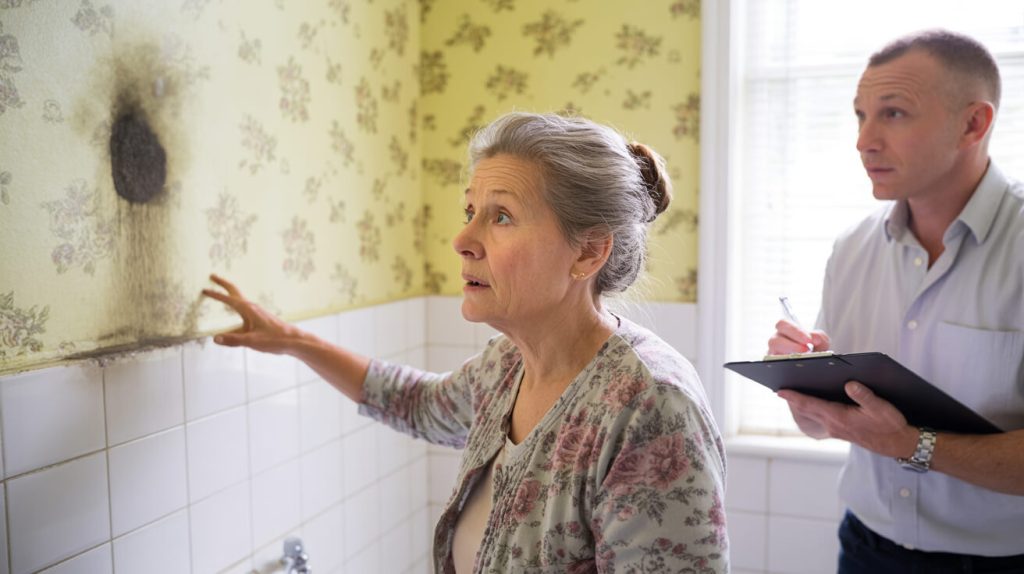
How Much Does Salt Inhibitor Treatment for Damp Walls Really Cost—and Why Cutting Corners Ends Up Expensive
There’s a persistent myth swirling around salt inhibitor: that it’s just an “add-on”—like a finishing touch you can take or leave. The truth for anyone looking after Sussex properties, whether you own, rent, manage, or survey for a living, is blunter: damp repairs that skip a proper salt inhibitor system end up haunting you, your pocket, and most importantly, your reputation with surveyors, lenders, and new buyers or tenants.
When it comes to salt in walls, a shortcut today is a rerun tomorrow—except every rerun costs more.
The real cost of salt inhibitor isn’t about the price tag on a tub. It’s about protecting your future from survey flags, sale delays, legal headaches, and that slow, frustrating cycle of fresh plaster quietly detaching itself, one bubble or salt stain at a time. Letting “cheap fix” syndrome determine your spend means the problem ends up more expensive, more public, and more stressful.
Salt inhibitors are more than just a builder’s upsell. They’re insurance against having to answer hard questions nobody wants to hear at sales, rent-outs, or inspections. Sussex Damp Experts have seen too many quick repairs become repeat business—more for us, less for your bank balance.
Are Salt Inhibitors “Worth It”, Or Overhyped? The Science and System Behind the Cost
Replaster After Damp Treatment Advisor
- 1Treatment
- 2Condition
- 3Results
Need expert advice on replastering after damp treatment? Our surveyors can assess your walls and recommend the right plaster specification.
Get a Replastering Quote →Let’s ditch the sales fluff and tackle what most guides won’t tell you: salt inhibitors are a core pillar of long-term damp repair, not a gimmick. Because even if you’ve dried out a wall and fixed that “initial” leak, the invisible armies—chlorides, sulphates, and nitrates—linger, pulling water back in, breaking down new plaster, and setting your property up for repeat failure.
These salts don’t care if you’ve painted over them. Given half a chance, they draw moisture from the air, pushing the cycle back to square one—plaster peeling, white powder surfacing, the “musty corner” that never stays dry.
A good salt inhibitor acts like a bouncer at the brickwork—locking salts in place and refusing to let the old problem follow fresh work to the surface (Permagard 2024). The result? You break the feedback loop. You stop new plaster being quietly destroyed from behind.
Anyone who’s lived through more than two rounds of “just patch it” learns fast: true cost isn’t the product price—it’s weeks or months later, when neglected salt attack leads to surveyor notes, delayed transactions, insurance disputes, or even legal complaints.
Salt deposits are not a minor issue—they’re a leading cause of failed damp repairs, surveyor red flags, and lost buyer confidence. *(TDT Preservation 2023)*
Survey-grade repairs demand the right chemical protection, applied in sequence—strip out, treat the substrate, re-plaster with breathable, salt-resistant materials, and document every step. Skipping this cycle means the next person pays double.
What Actually Sets Salt Inhibitor Costs—And Where Do Most Homeowners Get Caught Out?

Here’s where the sticker price gets misleading. Salt inhibitor itself is often the cheapest ticket in the basket—£25 to £130 per 5L container, covering around 20–40m² with reputable brands like PermaSEAL or Dryzone (Permagard). But no real repair is “just the tub.”
What determines your final bill:
- Wall condition: —Crumbled or salt-laden substrates demand more product, cautious prep, and sometimes two passes instead of one.
- Depth of strip-out: —Plaster has to come off (and out of your skip), along with years of absorbed salts. Rushed jobs cheat on depth.
- Quality of finish: —Breathable, salt-resistant plaster systems aren’t “optional” for survey compliance, but many property owners hope standard finish will pass.
- Heritage properties: —These need limed plasters or special systems for substrate compatibility, adding both complexity and cost.
- Skill of instal: —Proper application sequence and drying periods are what carry warranties and keep you out of rework.
Typical Costs in Sussex (2024):
- Material (salt inhibitor): £25–£130 per wall depending on product and wall size
- System/Full job (including re-plaster): £1,250–£2,500 is average for a standard-sized wall/room; Heritage or multi-room can reach £4,000+
- DIY/Minimal fixes: £50–£100 for retail “salt neutraliser” alone—usually fails before the next survey
| Cost Factor | Typical Range | Pain Points if Skipped |
|---|---|---|
| Salt Inhibitor | £25 – £130 per wall | Repeat failures, recurring damp |
| Breathable Plaster | £500 – £1,000 | Loss of warranty, lender rejections |
| Labour/Diagnosis | £300 – £800 | Survey fails, compliance issues |
| Survey/QA Reporting | £0 – £250 | Mortgage flag, sale delays |
| Aftercare/Annual | £50 – £200 | Voided warranty, legal claims |
| **Total System** | **£950 – £2,380** | “Saving” small means risking entire wall/system |
What eats budgets isn’t usually product—it’s missing system steps, skipping compliance docs, or paying for the same wall twice.
Cut costs now and risk having the surveyor, the buyer, and the insurer in your ear later. That’s the true expense.
Why “Survey-Ready” Salt Inhibitor Treatments Cost More—And Matter to Your Valuation

Surface repairs are cheap. But any home, let, or commercial asset is only as “income-ready” as its paperwork and true state—visible to buyers, tenants, and mortgage companies.
What real “survey-ready” work involves:
- Targeted diagnosis: Damp pros track moisture source, salt migration, and hidden bridging—not just symptoms.
- Full strip-out: From old plaster to any contaminated insulation—half-measures mean half-life repairs.
- Substrate flush and prep: Deep cleaning of bricks/blocks, tailored for the detected salts and wall age.
- Controlled product application: Matched to wall material, salt profile, and room airflow. No one-size-fits-all.
- Correct replastering: Not standard gypsum—site-matched breathable and salt-resistant blends.
- Certs, docs, and insurance: True value comes in lender-accepted paperwork (BS6576/BS8102 methods) and transfer-ready warranties.
Skip any item and you stack risk: property devaluation, remortgage or sale delays, warranty refusals, or extra work during tenancy disputes (Abbott Damp Proofing 2024).
A Sussex Damp Experts diagnosis bundles system design, cost clarity, and full documentation—no fudge, all steps in black and white.
Where Homeowners, Landlords, and Contractors Go Wrong—Salt Inhibitor Fails and Real-World Penalties

If the “cheapest” quote looks just like the others but omits one or more system steps (say, minimal strip-out or no compliant plastering), the bills catch up in the worst places—buyer surveys, agent walk-throughs, warranty claims, or emotional phone calls from tenants.
Classic costly mistakes:
- Old plaster left on: Salts break through new finishes within months.
- No documented system: Lenders, insurers, or new buyers may void the job or demand expensive redos.
- Skipped aftercare: Even a solid repair dies if ventilation, annual checks, or minor leaks are ignored.
- DIY with limited products: Most “easy fit” solutions don’t match substrate chemistry, miss lurking issues, and lack warranty power.
It’s never just the wall failing—it’s your legal and financial position, exposed whenever an official sets foot onsite.
Casework from Sussex shows “cheap” treatments usually cost 30–50% more over two years. That doesn’t count reputation or mental effort lost arguing over blame.
Is DIY Salt Inhibitor Ever a Good Idea—or a False Economy Every Time?
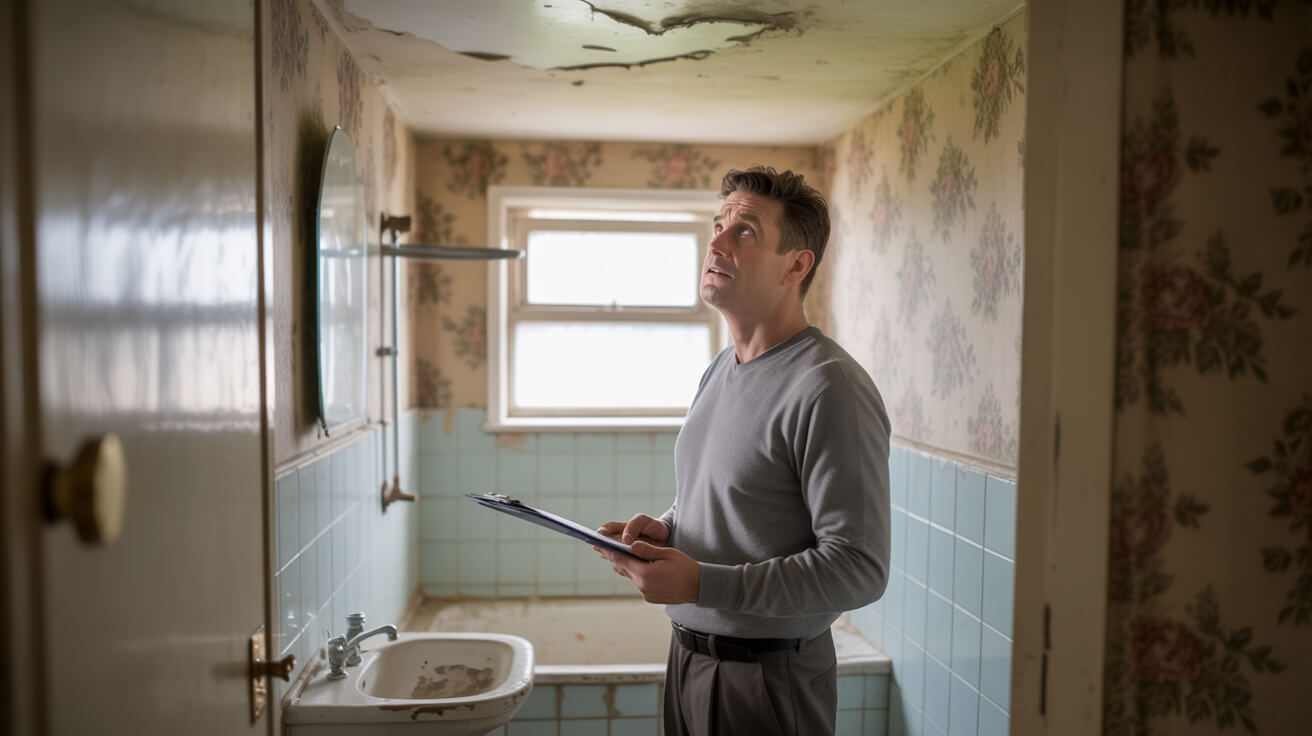
You can buy salt inhibitor online—any builder’s white van or DIY shelf has a version. But DIY here isn’t “free labour” so much as a bet against future surveyors, buyers, or insurance queries.
- Product only, not system: DIY fails when underlying damp isn’t identified, strip-out isn’t deep enough, or the chosen finish can’t cope with salts.
- Zero paperwork: Lenders detest this. Without professional instal docs, warranties, or compliance files, sales often stall or values drop.
- Instructions skip variables: Guides can’t predict your property’s plaster age, salt exposure, room humidity, or hidden condensation.
- Warranty risk: Any commercial guarantee is null if you, or a handyman without the right badge, does the work.
“Many failed because DPC was missed or system was not professionally specified, product alone simply doesn’t carry the load” (TDT Preservation 2024). DIY is tempting, but the invisible failure curve is steep and expensive.
Guarantees, Paperwork, and Compliance—The Hidden Drivers of True Cost (and Value)
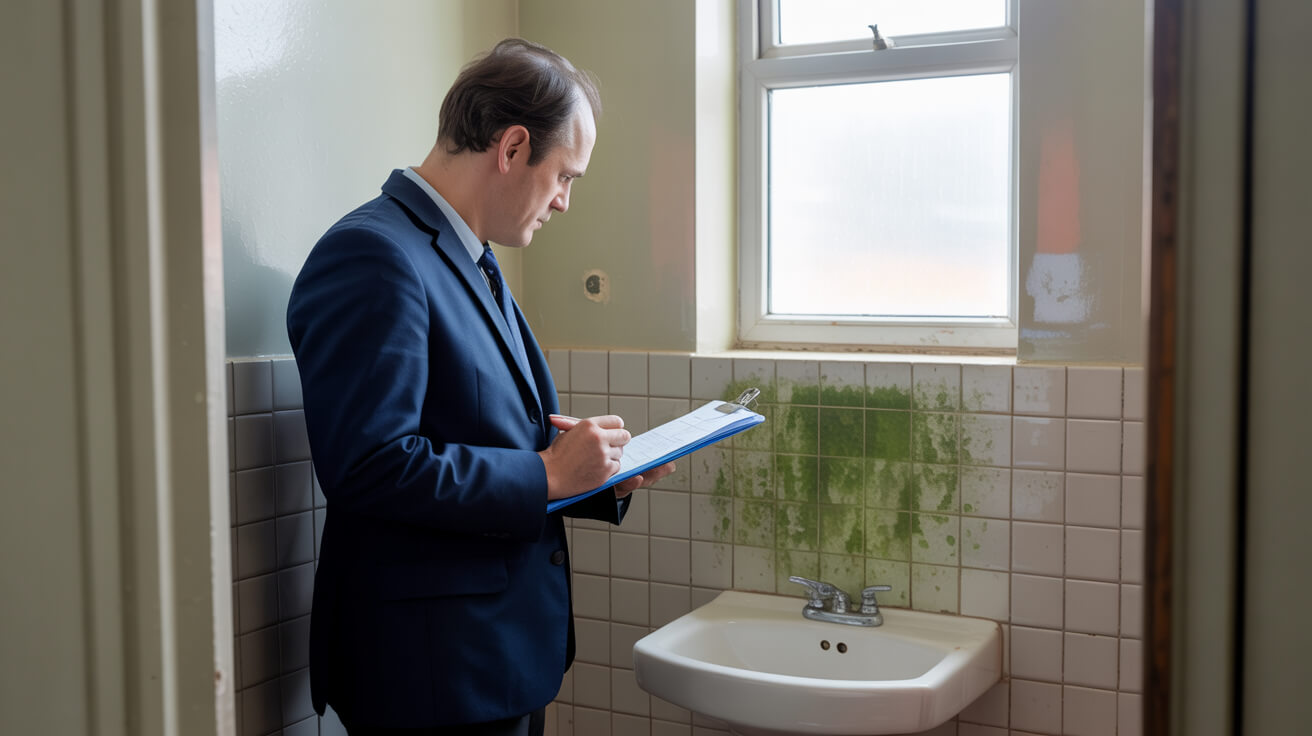
Salt inhibitor is only as good as the system, and the system is only as good as the guarantee, paperwork, and aftercare that support it. That’s where true financial safety lives.
What matters more than product label:
- Full-system warranties (5–10 years): These reset the repair clock. Professional only, otherwise voided.
- Product-only guarantees: Coverage stops at the product, not at installer error or undiagnosed recurring issues.
- Lender and buyer compliance: BS6576/BS8102 method docs, itemised guarantees, and annual aftercare keep doors open for refinancing, new tenants, or brisk sales.
- Aftercare and checks: Miss a scheduled inspection? Warranty out the window—costs all yours.
The pain isn’t always in the walls. It can show up in the fine print when you need to make a claim or close a sale.
Getting that paperwork right, upfront, is what moves your property from worry to asset. Anything less can be a silent drag for years.
Ways to Save Without Undermining Your Property or Peace of Mind

Cost control is possible, but it’s never about skipping steps. The sweet spot is getting every detail, every check, and every part documented and matched to risk.
- Demand full, detailed quotes: List strip-out, substrate prep, inhibitor, compliant plaster, paperwork, aftercare.
- Ask for evidence: Before/after images, readings, batch numbers, and compliance ref. These are signposts of real quality.
- Check all coverage: Confirm warranties extend to installation, not just product. Ask if insurance is included.
- Time your projects: Match works to listing/survey cycles—rushing repairs leads to missed steps, last-minute stress, and extra cost.
- Maintain annual aftercare: Minor spend here protects both investment and paperwork.
A ‘savings’ up front becomes tomorrow’s bill once compliance or warranty is challenged.
Sussex Damp Experts anchor every estimate to these principles—no bait-and-switch, no gaps. You see every line, every spec, before committing.
Why Local, Surveyor-Respected Damp Pros Always Win the Long Game
The Sussex housing world moves at the speed of buyer nerves, surveyor scrutiny, and insurance rules. One failed finish, or missing sheet of paperwork, and momentum crumbles. That’s why a technically correct, locally trusted salt inhibitor job always earns back every penny—first in avoided trouble, then in long-term value.
Sussex Damp Experts is recognised for forensic-grade diagnosis, method-matched installations, and properly managed warranties. Our service doesn’t just bring a wall back to dry; it brings a record lenders, agents, and cautious buyers can trust. Every spec, every quote, is tuned for compliance, sustainability, and property type.
Adapting to heritage, tight schedules, or sensitive tenancies is standard—just as much as deploying the right lime, membrane, or hybrid system. Cutting corners might get a job closed, but only quality keeps your name and asset out of the firing line.
Permanent solutions are built on grounded systems, airtight paperwork, and expert diagnostics—never cheap tricks.
Choosing the right partner is what lets you move forwards, calm and confident. That’s peace of mind, engineered and signed.
Salt Inhibitor Treatment Costs in Sussex: Your Checklist and Pricing Table
When budgeting for real, surveyor-accepted salt inhibitor work, here’s what to factor—plus where shortcuts bite hardest:
| Step / Cost Element | Typical Range | Savings Pitfalls to Avoid |
|---|---|---|
| Material (Salt Inhibitor) | £25 – £130 | Reusing cheap product, incomplete prep |
| Specialist Plaster | £500 – £1,000 | Using standard plaster, void warranty |
| Professional Labour | £300 – £800 | DIY or cut-price = missed diagnosis |
| Survey & Documentation | £0 – £250 | Skipping paperwork, compliance flags |
| Aftercare / Annual | £50 – £200 | Ignoring checks, warranty lapses |
| **Total System** | **£950 – £2,380** | “Save” £100, lose a sale or redo entire job |
- *Always demand line-by-line clarity. Overlapping spec or bundled quotes hide steps that, if missed, repeat the pain and the cost.*
A Sussex Damp Experts quote always itemises: each stage, why it matters, and the performance you get at every spend level.
Your Best Next Move: Secure Lasting Protection and Certainty—Not Just a Quick Patch
Damp is never just about cosmetics—it’s the difference between a “sale agreed” and an instant deal-breaker, a safe tenancy or a lurking legal mess, a reassuringly dry survey or a shelf full of failed DIY products.
Sussex Damp Experts delivers not just a system-certified, survey-ready salt inhibitor process, but the kind of evidence, guarantees, and aftercare that keep costs and anxiety flatlined for years. Your wall passes every test; your paperwork passes the real scrutiny.
The right treatment is the fast lane to stress-free surveys, happy tenants, and a property value protected from silent risk. That’s the Sussex Damp Experts difference.
Book your inspection or quote today. Get every risk mapped, every number clear, and every solution fit for both now and the future. Move from repeat repairs to last repairs, with Sussex Damp Experts in your corner.
Frequently Asked Questions
What hidden factors most inflate the real cost of salt inhibitor treatments for damp walls in Sussex?
The heaviest costs in salt inhibitor treatments for Sussex homes rarely sit on the product label—they gather in expert diagnostics, legal compliance, and durable aftercare. The chemical is just the teaser; your main outlay covers hands-on site stripping (old plaster out, new breathable substrate in), moisture mapping, heritage adaptation, and the paperwork your lender or insurer requests at the closing table. Beyond the visible spend, expect annual guarantee renewals, council permissions for listed sites, and tailored material choices for heritage or solid-wall properties. Incomplete processes are the most expensive mistake: skipping formal diagnosis, breathable replastering, or monitoring tech almost guarantees future survey failures and double-spend repairs.
If a quote hides the steps or skips the paperwork, you’re not buying a fix—you’re renting a future problem nobody else will underwrite.
Which costs most commonly blindside homeowners and landlords?
- Detailed moisture/salt surveys not included in flashy quotes
- Removal of stubborn or historic plaster layers
- Specialist lime or breathable renders for heritage fits
- Extra council consents or compliance reports for protected properties
- Annual aftercare visits required to keep warranties valid
A reputable provider like Sussex Damp Experts will line-item every stage, track compliance, and ensure you’re not left with hidden gaps or costly reinspections.
Why does a salt inhibitor treatment in Sussex demand forensic diagnosis and what happens if it’s missed?
Salt migration is not a surface-level defect—it’s persistent, chemical, and rooted in how your wall interacts with moisture, each with legal and building-control consequences. A proper treatment starts with forensic mapping: advanced metres, salt tests, borescope exploration, and substrate analysis that reveals hidden migration paths or legacy repairs sabotaging new work. Miss this step, and fresh finishes or inhibitors often fail within months—salts resurface, painted walls flake, insurers refuse cover, and compliance paperwork turns to dust.
What does forensic-level diagnosis actually involve?
- Full-room humidity and salt profile mapping (not just damp metres)
- Thermal imaging and drill-testing for trapped moisture
- Heritage, wall type, and previous repair compatibility checks
- Risk flagging for capillary rise, condensation, or lateral ingress
- A written survey—PCA or TrustMark graded—for lender/insurer use
Every mortgage or insurance claim expects this depth. Sussex Damp Experts use these tools to ensure every treatment lasts and every pound brings genuine, surveyor-proof property value.
How do guarantees, compliance paperwork, and inspector signoffs shape the long-term value of your property?
Guarantees and compliance chains are not afterthoughts—they form the backbone of your wall’s resale and lending value in Sussex. Modern buyers and insurers won’t touch a treatment that lacks PCA/TrustMark certification and documented BS6576 or BS8102 compliance. Without the full paperwork—room-specific survey, installation evidence, transferable guarantee—your “fixed” wall may sink a house sale, torpedo a remortgage, or trigger a painful insurance loophole. Lender rejections from missing or unproven salt inhibitor works have surged in the last three years across the region (MortgageData 2024).
It’s the signature and survey logbook, not the shiny new plaster, that puts real money in your pocket when you sell.
What documents and proof should you always receive?
- Moisture/salt mapping survey with photos and full diagnosis detail
- PCA/TrustMark or equivalent installer guarantee for at least 10 years
- Standard-compliance paperwork: BS6576/BS8102 as context demands
- Aftercare/maintenance schedules and transfer confirmation for new buyers
- Evidence of heritage/council compliance if your building is listed
Fail to secure these, and future buyers, lenders, or insurers can walk away—leaving you with a “fixed” wall nobody trusts.
Who actually benefits from a DIY salt inhibitor approach in Sussex—and what are the risks?
DIY is tempting—£25–£100 for chemical, a splash of sweat equity, and maybe a shed full of borrowed tools—but in Sussex, the real risks outweigh the quick savings for most property owners. Superficial fixes skip root-cause diagnostics, lack in-depth substrate prep, and fail to meet paperwork criteria for almost all sales or mortgage processes. Over 60% of “DIY resolved” walls flagged in Sussex home surveys required full strip and retrace by professionals (SurveyorsInsight 2023). Lenders now actively reject non-certified works; even policy renewals are being voided for DIYers lacking system documentation.
When does DIY ever make sense?
- Temporary mitigation in your own, non-mortgaged home—if you’re prepared to redo it later at higher cost
- Immediate, low-risk rental fixes where legal obligations are minimal, and insurer acceptance is not required
- Property-knowledgeable owners able to carry out PCA-grade site prep, substrate repair, and deliver valid documentation—a slim minority
For any home you plan to sell, lease, or remortgage, or a flat in a managed block, DIY almost always becomes an expensive lesson in false economy. Sussex Damp Experts see more “DIY rescues” than ever—each one more costly than a well-done system from day one.
How can you truly compare salt inhibitor quotes to avoid costly shortcuts and double-dipping later?
The safest salt inhibitor quote is a transparent, room-by-room statement: it tells you what’s happening, why each stage matters, what substrate and finish are planned (lime, gypsum, or specialist), and how aftercare will keep it legal. The biggest warning sign? “Salt inhibitor £X, all in”—with zero mention of soil investigation, wall construction, finish layering, insurer/loan paperwork, or aftercare. Sussex properties are under increasing lender and surveyor scrutiny; every shortcut today is a paperwork or structural time bomb for the future.
What should every quote show to be truly comparison-ready?
- Forensic diagnosis: moisture/salt assessment, mapped by room
- Full substrate removal, detailing legacy or bridging removal
- Intended renders/plasters with heritage/modern match
- Compliance paperwork for the proposed system, signed and dated
- Defined aftercare, with inspection and warranty extension pricing
- Council/heritage permissions or proof of appropriateness where needed
Short quotes mean short-lived comfort—get evidence for every pound invested up front with Sussex Damp Experts’ full evidence-back chain.
What is the safest first move for Sussex homeowners, landlords, or agents wanting to futureproof against cost blowouts and failed compliance?
Act before you spot trouble by booking a survey—not just a quote—with a PCA-accredited, regionally experienced provider. Insist on detailed mapping, transparent process, and compliance guarantees from the outset. Review every quote for aftercare and assurance of transferable paperwork; those who support you from day one dodge the need for expensive corrections at sale or refinance. Booking with Sussex Damp Experts means buying into results, not hopes—they offer photographic surveys, guarantee chains, and regulatory signoff, all made Sussex-specific. Schedule an expert assessment and don’t sign off until each link in the paperwork chain is in your hands. It’s how you dodge silent loss and make every pound work as hard as your property does.
- Book your full system survey with Sussex Damp Experts—detailed mapping, heritage adaptation, and all legal bases covered.
- Request a stepwise quote with each cost and legal compliance itemised, so nothing falls through the cracks later.
- Establish yearly aftercare as default—not as an extra—to futureproof your warranty and the property’s market readiness.
- Insist on full documentary proof at every stage—wall mapping, materials, compliance, and guarantee transfer options—before work or payment begins.
A system by Sussex Damp Experts means you lead the market, protect your family, and trade in solid evidence—not wishful thinking—no matter what the Sussex weather throws your way.

