
 By
By  September 3, 2025


Why Does Resin Injection Cost Matter So Much for Structural Cracks?
Pull back the skirting board and spot a hairline crack running through the brickwork—most will shrug it off or reach for filler and a hopeful smile. But in Sussex’s high-stakes property market, cracks are seldom just someone else’s problem. If there’s a fracture in your wall, you’re living with three risks: your safety, the paper value of your property, and your ability to pass the next survey. That nagging question—how much does resin injection cost?—is not really about the money. It’s about control, avoiding sudden legal grief, and holding on to what you’ve built.
“Every crack left untended is quietly negotiating against your property’s future—and your own.”
Resin injection isn’t a vanity project, nor is it just a repair bill on the sheet. This is a shield you build around your sale, your mortgage, your reputation with lenders and agents. The Sussex buyer—or the pragmatic landlord—knows a patch job is a lit fuse. When the next professional surveys your asset, quick-and-dirty fixes get spotted, flagged, and punished in hard numbers. Surveyors, lenders, and buyers are not fooled. The cheapest route out of a problem is often straight back in.
It’s Not Only the Cost—it’s the Insurance Policy
Every pound you put into a compliant, survey-ready resin injection is a pound spent pre-empting disputes, price drops, and rejections—now and years down the line. Get this wrong, and the consequences compound; do it right, and you protect a much larger value. Across East Sussex, it’s the difference between peace of mind and the misery of costly rework or stalled sales. A proper job holds up to scrutiny and travels with your property—backed by paperwork that stands trial when it counts.
What Really Drives the Cost of Resin Injection for Structural Cracks?
Timber Repair Cost Calculator
Estimated Cost Range
—
| Item | Estimate |
|---|
Repair vs Replacement
Estimated Timeline
Timber damage often has underlying causes that need addressing first.
Our surveyors will identify the root cause and recommend the right repair.
Still, the questions pile up: Why do some quotes look too good to be true? What if two companies give you prices hundreds apart for “the same” job? The answer lies in detail—and in the dirty little secrets of the trade. No two jobs are identical, and a headline price hides more than it reveals.
“A cheap repair is just a loan you’ll pay back with interest—usually when it hurts most.”
What you pay is set by a series of site-specific realities. Crack size, building age, access, compliance pressures, and what’s hidden out of sight define the quote in your hand. The bargain bin fixes tend to skip the steps that make a repair last or legal; the safe operators are up front about everything in—and out—of scope. If you don’t know what’s included, you can’t compare costs. Every skipped stage or missing page of documentation is a risk that could bounce back on resale or claim.
Factors That Shape Resin Injection Costs
- Width, Length & Depth of Crack:
The wider or deeper, the more resin, skill, time and compliance—meaning higher cost.
- Resin Quality and Specification:
- *Epoxy resin* remains the gold standard for genuine structural reinforcement *(British Standards BS 6576)*.
- *Polyurethane* resins work for waterproofing but may not fit mortgage or insurance requirements for load-bearing work.
- Property Context:
Heritage or listed buildings, basements and clay soils around Sussex add layers of cost— permissions, damp proofing, or compatible materials.
- Labour & Access Premium:
Smaller sites, awkward city plots, or high-up cracks add 10–30% on average in Sussex (checkatrade.com).
- Compliance & Documentation Burden:
Expect to pay more for properties that need evidence for the Party Wall Act, mortgage, or insurance—every sheet of paperwork adds security and cost.
- Scope of Quotation:
Some quotes appear lower because they sideline VAT, skip finishing work, or dodge meaningful aftercare. These “gaps” often become your hidden extras.
What this means: You’re not shopping for a bag of resin—you’re buying a system that keeps the legal, financial, and technical house in order.
How Much Does Resin Injection for Structural Cracks Actually Cost?

If you’re hoping for a one-size-fits-all number, you’re asking the wrong question—but you’re not alone. Yet without a professional site survey, everything else is estimation, not expertise. National averages offer a bracket, but the only honest answer is that costs firm up when your wall, underpinning, and paperwork needs are laser-mapped in person.
| Service Type | Typical Sussex Range | What It Covers |
|---|---|---|
| Resin Injection (core work) | £400–£700 per m² | Forensic prep, premium resin, surveyor proof, documentation |
| Crack Stitching + Resin | £80–£120 per metre | Steel bar integration, resin, photo log, compliance |
| VAT, Finishing & Reinstatement | +20–30% | Plaster, paint, cleaning, all declared up front |
“When cost is vague, liability is too. A proper quote is a financial firewall—not just a number.”
Local Factors That Influence Your Bottom Line
- Complex Location (old buildings, tight terraces):
Add 10–30% for access logistics, heritage compliance, or conservation permissions.
- Restoration & Guarantees:
Reliable contractors absorb paperwork, guarantees, and aftercare into their pricing, serving up peace of mind with every completed job.
- Reinstatement:
Decorating, cleaning, plastering—budget for a clear breakdown so there are no “gotcha” costs after work is done.
The truest value is found when a contractor’s number reflects honest, all-in pricing, matched to a documented diagnostic. Don’t just demand a number—demand the story, the caveats, and the guarantees.
Why a Professional Site Survey Is Key to Cost and Confidence
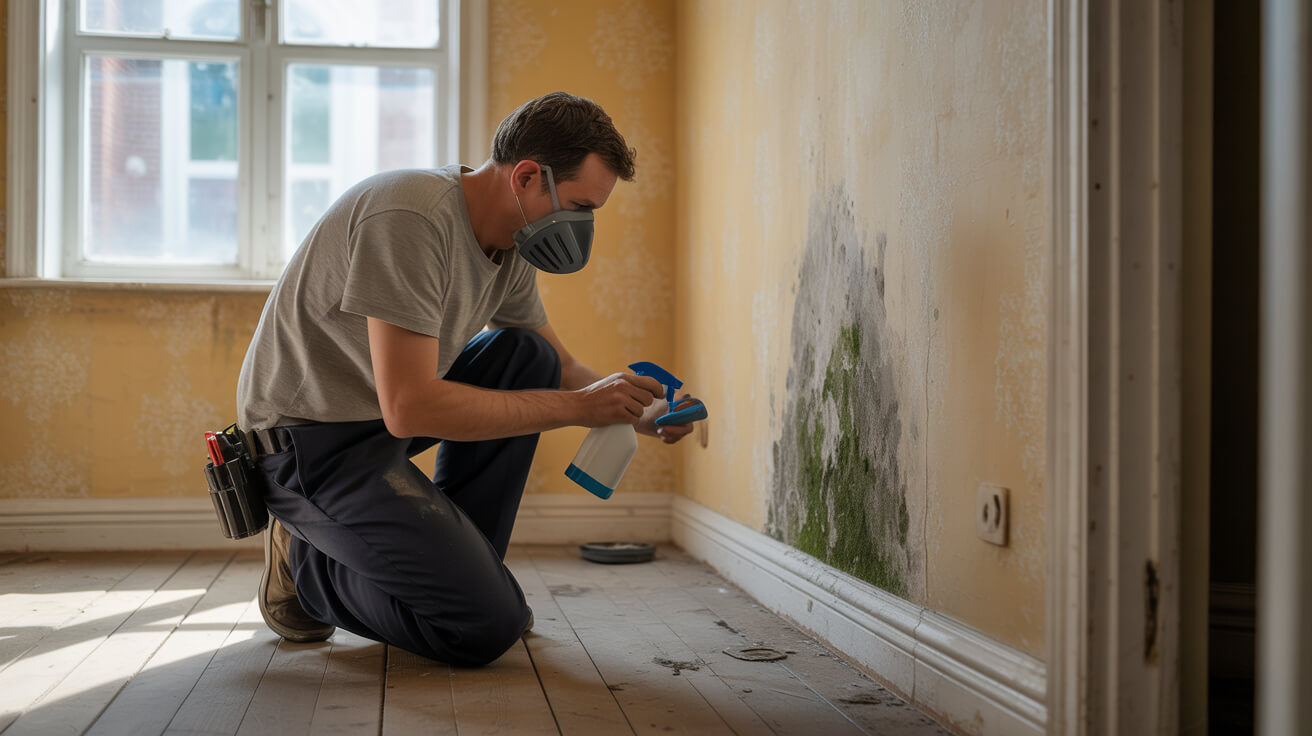
Survey by photo? Dangerous fantasy. Every crack unfolds differently, governed by the building’s bones and the land it’s sat on. A physical, expert-driven survey isn’t just bureaucracy—it’s your best defence against disaster-prone guesswork and underpricing that blows up in your face later. Especially when lenders, insurers, or buyers weigh in, even a “small” oversight can snowball into a declined claim or a deal gone cold.
“What you catch at survey never gets flagged by an email quote or a hopeful snapshot—only an expert in the room can read the warning signs.”
What a Proper Site Inspection Must Deliver
- Root Cause Forensics:
Moisture gradient mapping, thermal imaging, and salt analysis—not guesswork.
- Forensic Documentation:
Written defect reports, cause analyses, and recommended solutions—aligned with lender, insurer, and resale standards.
- Transparent, Defensible Quote:
Every line item rooted in evidence, not generic patchwork or online templates.
- Complete Paper Trail:
Photos, sensor readings, and reports built for handover to buyers, councils, lenders, or HHSRS inspectors.
- Aftercare Roadmap:
Maintenance guides and contacts, because the world doesn’t end at installation.
Making the right investment is less about how “cheap” the initial price is—and more about whether your paperwork will hold up under the next buyer, lender, or surveyor microscope.
What Separates a Proper Quote from a Problem Waiting to Happen?

A stack of paperwork on the fridge is meaningless if it doesn’t protect you when the rain comes back, or the buyer’s solicitor asks hard questions. Too many clients have learned that “a quote isn’t a promise”—unless it’s evidence-based, full-scope, and proactive about the headaches you can’t see yet.
“A list of costs is not a contract for safety—demand the sort of quote that would outlast a legal challenge.”
Inside a Bulletproof Survey-Grade Quote
- Substrate Analysis & Prep:
Materials compatibility, in-depth cleaning, and surface testing far beyond a “quick patch.”
- Resin Selection by the Book:
Results-oriented, branded epoxy resins—no off-label improvisation or “bargain” mixes.
- Structural Reinforcement Options:
Crack stitching, mechanical bars, gearing up for significant movement as needed.
- Restoration & Visual Finish:
Detailed, pre-quoted plaster, paint, and blended brickwork—no afterthoughts.
- Professional Evidence Pack:
High-res photos, logged readings, compliance paperwork for BS 6576 / BS 8102, and ready-to-upload documentation for surveyors and lenders.
- Insurance-Backed Guarantee:
10, sometimes 20 years—spelled out in writing, assignable upon resale.
- Aftercare & Support Portal:
Contact details, check-in dates, and ongoing maintenance instructions.
If any of these elements are “out of scope,” not itemised, or only spoken to on the phone—consider yourself unprotected.
How to Compare Quotes and Avoid Hidden Dangers
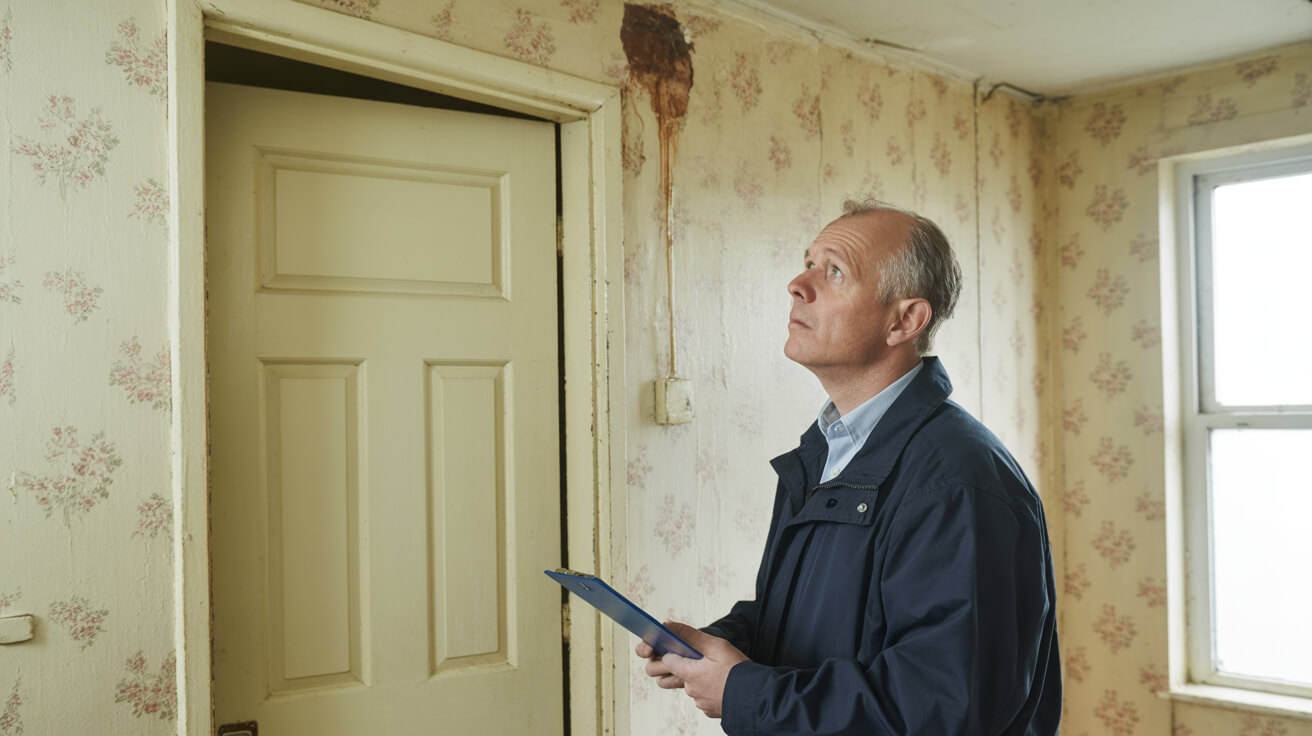
It’s easy to be hypnotised by “per metre” rates and forget what’s missing in the details. The real dangers hide in blank spaces, ambiguous wordings, or “trust us” lines that mean little in a dispute, resale, or after an insurance denial.
“If your quote can’t stand up in a court or a bank, it won’t protect your investment.”
Your Benchmarks for a Reliable Contractor and Quote
- Full Transparency:
Every item—material, labour, paperwork—spelled out and costed. VAT visible.
- Regulatory Proof:
Direct PCA, TrustMark, or insurance references, not empty words or outdated claims.
- Evidence-First Attitude:
Photo documentation, surveyor-style reports, and copies for lender/insurer handover.
- Assignable Guarantees:
Clear expiry, transfer rules, and compliance points—no tongue-in-cheek “lifetime” gestures.
- All-In Pricing:
No “TBC” or “subject to”—if it isn’t priced now, expect to pay more later.
- Paper Trail Built for Auditors:
All terms in black and white. If it can’t prove itself to a lawyer or claims adjuster, it won’t prove itself to a buyer or regulator.
Landlords, agents, and commercial property managers know: a hardened audit trail is the difference between profit and pain, compliance and costly reruns.
Why Compliance and Documentation Create Value Beyond the Cost
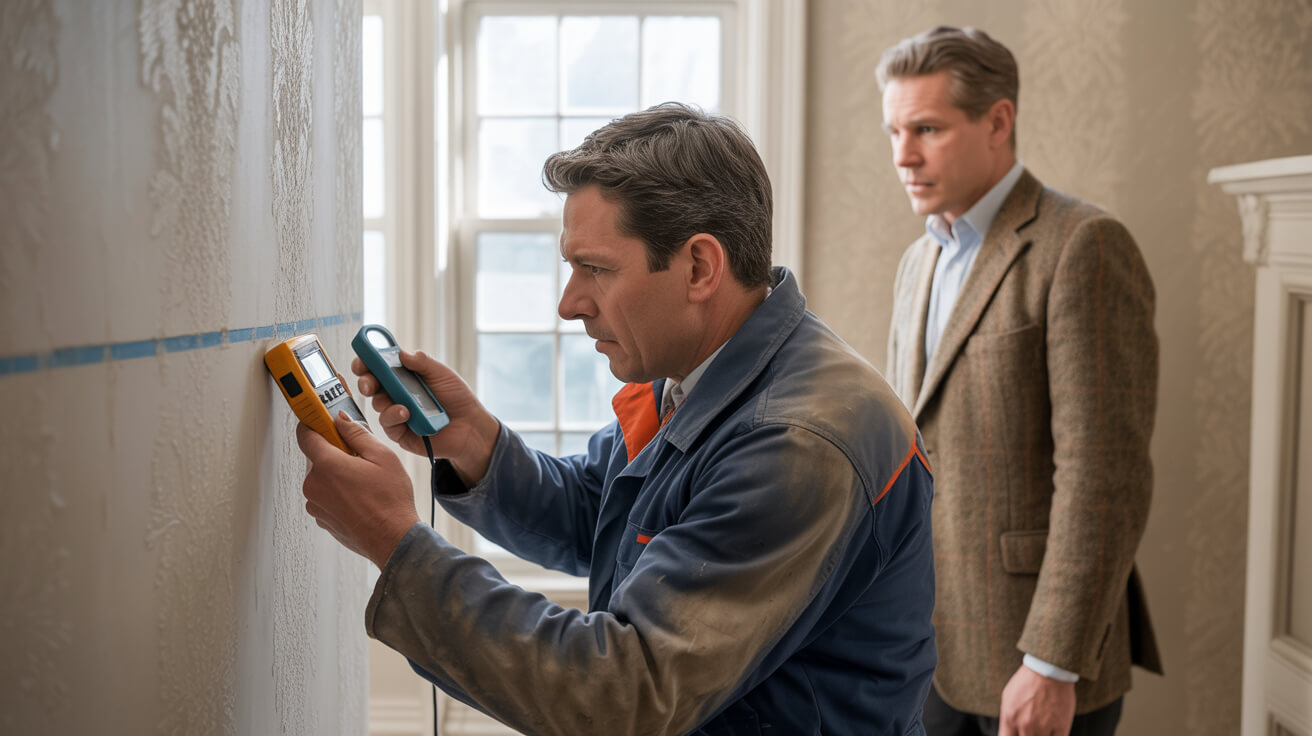
Here’s the ugly truth—nobody cares about your crack repair if it’s not documented. More and more sales, rentals, and insurance claims are tripped up by missing paperwork or bodged, “gentlemen’s agreement” repairs that evaporate under scrutiny. In 2024, every permission, standard, and legal act wants the story told in documents, not aftermath excuses.
“A wall without paperwork is a wall ready to be interrogated—by a buyer, a lender, or the council.”
How Proper Documentation Multiplies Your Repair’s Value
- BS 6576 / 8102 Compliance:
Only these standards protect your investment in official, financial, or legal forums.
- Insurance and Lender Alignment:
Undocumented, unsanctioned repairs count for nothing if your insurer or buyer turns up the pressure.
- Legal and Rental Security:
HHSRS and PRS requirements demand visible, detachable documentation at application stage.
- Listed & Heritage Adaptability:
Only paperwork protects you from mandated do-overs or forced retrofits in protective areas.
- Transferable Proof for Future Owners or Tenants:
Everything that’s not documented is potentially a liability—or a pitfall when the next crisis hits.
Bottom line: in a regulated, high-cost property world, paperwork is not optional—it’s the foundation under your asset.
Why Sussex Damp Experts Are the Local Standard in Resin Injection
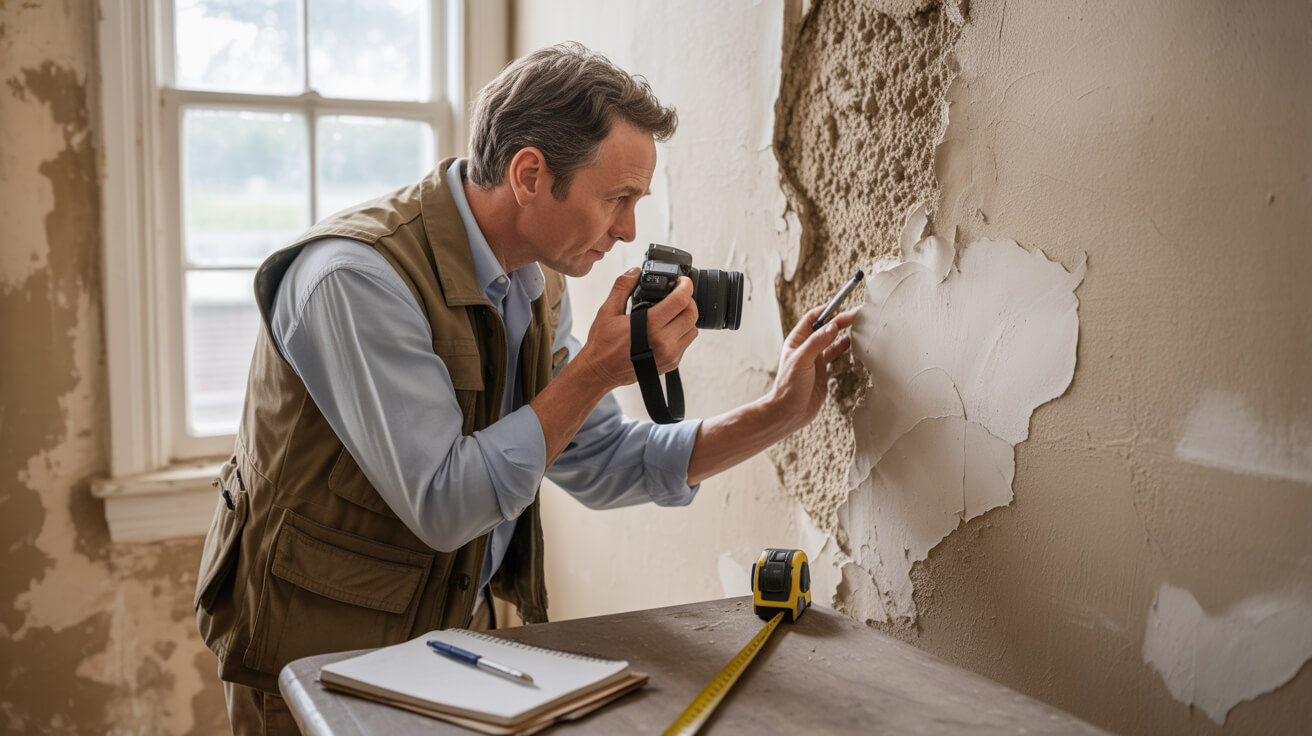
Sussex isn’t Reading or Manchester—you’re dealing with unique clay soils, salt migration, and listed Georgian rows. That’s why Sussex Damp Experts always insist on hands-on, person-in-the-room diagnostics, not hope and guesswork.
“A Sussex home isn’t a textbook case—it’s a living system. Only a local, accredited team can read it right.”
Sussex Damp Experts—What Sets Us Apart
- In-Person Diagnostics:
No remote “guess quotes.” Every project starts with a boots-on-the-ground inspection.
- Transparent, Evidence-Rich Reports:
Photos at every stage, compliance logs, and a ready-to-use evidence pack for insurers, buyers, and agents.
- Candid, Complete Quotations:
All items—preparation, restoration, compliance, aftercare—clear and costed before work begins.
- Full Legal & Regulatory Backing:
BS 6576, BS 8102, PCA, TrustMark standards, and insurance-backed guarantees up to 20 years for qualifying cases.
- Localised Problem Solving:
Deep Sussex soil knowledge, heritage building nuance, and a fluency in local authority quirks—none of which you get from national chains.
- Systems, Not “Temporary Fixes”:
Repairs tackle the root, secure compliance, and assure durability, not just conceal the symptom.
With Sussex Damp Experts, every repair comes with an audit-grade evidence folder, documented compliance, and guidance for whatever requirement lies ahead.
Protect Your Property’s Value—Choose Sussex Damp Experts Today
You don’t just want the crack gone. You want the asset safe, the paperwork ready, and the next chapter in your home’s story untarnished by legacy problems. In Sussex, you’re judged by the standard you set now—by future buyers, agents, lenders, and anyone picking up the next surveyor’s report. Don’t let a hidden issue compromise your peace of mind or your property’s standing.
Contact Sussex Damp Experts now—lock in compliant, evidence-backed repairs that outlast wallpaper, ownership, and trend. Make your next fix your last one.
Frequently Asked Questions
Why do structural cracks in Sussex homes go from nuisance to sale-killer, and how does resin injection change the story?
Unaddressed cracks quickly move from minor headache to deal-breaker as lenders, insurers, and compliance regimes tighten their requirements across Sussex. Resin injection, once a “bonus fix,” now stands between you and real disruption—loss of value, failed sales, and costly legal fallout.
A surface crack can seem cosmetic, but surveyors looking for subsidence, moisture ingress, or structural risk now sound financial alarm bells to both buyers and lenders. If you’re selling or remortgaging, insurers increasingly demand evidence that repairs resolve—not mask—underlying risk, flagging any home with basic “patch and paint” work for deeper scrutiny. This isn’t abstract: several Sussex property sales have collapsed in 2024 because a cosmetic crack “repair” failed compliance during mortgage review or transfer of tenancy. Fast-forward six months, and that inconspicuous line in your lounge wall can turn into a revoked mortgage offer, council enforcement notice, or litigation risk under the HHSRS if you’re a landlord.
The day a crack becomes someone else’s problem is the day you lose control of your asset’s value or compliance.
Where does resin injection become an enforced step, not a nice-to-have?
- Pre-sale surveys flag suspected movement or bridging, delaying or reducing offers.
- Insurers tie policy renewals to structural fixes, demanding assignable, survey-backed warranties.
- Substrate moisture variance rises after flooding—cracks multiply when you least expect.
- Landlords face Decent Homes Standard audits or council-mandated repair schedules.
By embedding resin injection early—aligned to regulation, not just aesthetics—you set up your property for the kind of inspection, audit, and sale process that rewards diligence with stability and buyer trust.
How have resin injection costs evolved, and which Sussex-specific variables push your real budget higher?
Over the last two years, Sussex resin injection projects have seen price inflation on two fronts: the raw cost of materials and the “diagnosis premium” tied to compliance and skilled labour. Managing these costs is about understanding what drives them—and how they can snowball if not addressed early.
Epoxy, polyurethane, and hybrid resin supply lines were hit with 8–15% annual increases from 2022-2024, a trend felt hardest in buyer-heavy corridors from Brighton to Lewes. At the same time, skilled, PCA-accredited teams have become scarce as demand for compliance-grade repairs outpaces available operators—especially with heritage status or basement works. Many quotes look affordable up front until you discover that conservation paperwork, awkward access, or follow-up evidence requests can drive costs up by 10-25% above national averages. Owners and landlords in Brighton & Hove consistently underestimate how much bureaucracy, not just building physics, drives the final bill.
Price shock rarely comes from the resin—it’s compliance, skilled labour scarcity, and Sussex paperwork that widen the budget gap.
What cost factors are overlooked most often?
- Up-specced resin or bar reinforcement needed after surveyor’s site review
- Premiums for working in listed, basement, or terrace properties with access limits
- Season spikes (sales surge in summer and autumn) push specialist rates up
- Heritage permissions, party wall agreements, or building control add hidden phases
Getting an itemised, survey-driven quote early avoids the costs and chaos of surprise upgrades and ensures your repair stands up to every regulatory or lending check later.
Which compliance and documentation errors sabotage even the best resin repairs across Sussex?
Even the most technically skilled resin repair can unravel if it falls out of sync with current compliance rules, documentation standards, or warranty practices. For Sussex homeowners, buyers, and landlords, this gap is now the most common source of late-stage risk.
Hand-applied resin in a revealed crack looks sound, but if the operator hasn’t provided pre- and post-treatment moisture readings, site photos, or a compliance-traceable warranty, lenders and insurers often treat the project as if the crack remains unsolved. PCA and Building Regulations in 2024 don’t just want dry walls; they want process. From Worthing to Rye, local authorities now enforce Decent Homes protocols that mandate landlord evidence logs and transferable warranties, not just onsite “before and after” proof. Miss this step, and the next owner (or their lawyer) could bounce your sale, your letting, or your mortgage plans.
Proof and paperwork—not just the polymer in the wall—decide if your repair passes the test or becomes a future flashpoint.
What are today’s compliance tripwires?
- Lack of a moisture/thermal map to document pre-existing severity
- Repairs executed by unregistered or non-accredited trades, invalidating any homeowner policy
- Warranties limited to current owner, excluding future buyers or tenants
- Missing citations of BS 6576, BS 8102, or PAS 2035, leaving work open to challenge
Each “invisible” failure point is now a known reason for post-repair value loss. Insist on compliance-grade evidence and future-proofed documentation to put an end to the uncertainty.
How do surveyor and lender demands steer every stage of resin injection—from method choice to post-repair certifications?
Surveyors and lenders no longer trust appearances—they demand traceable, standards-cited proof that repairs solve root causes, not just the visible symptoms. This changes the entire repair process, from how you select a contractor to which system you approve on site.
Modern surveyor reports often flag not just the crack but the damp, the substrate behaviour, and potential structural drift. Up to 65% of conveyancing queries in Sussex now relate to proof of compliant repair methods linked to standards like BS 6576 or PAS 2035. Lenders require process: real-time photos, metre logs, accreditation certificates, and insurance-backed warranties that are assignable through sales or tenancy change. Errors in resin choice matter—deep cracks need slow-cure epoxy and (sometimes) bar reinforcement, while surface shrinkage may accept flexible resin. Miss the correct pairing, and your funding, sale, or insurance stands at risk.
Surveyor engagement should be your first line of defence—not a frantic afterthought on the eve of sale.
How to get ahead of the process
- Secure advance approval of proposed resin method and compliance evidence from your surveyor and lender
- Demand pre-repair and staged documentation: digital logs, metre readings, standards references
- Opt for brands, techniques, and warranty formats accepted in TrustMark and PCA directories
- Align aftercare and periodic inspection with your lender or buyer’s expectations
Meeting professional proof standards up front ensures your repair survives the transaction—and maximises future saleable value.
Why is insurance resilience the missing value test for resin injection in Sussex, and how do you bulletproof your cover?
Insurance cover isn’t just about repair quality—it’s about the trace, the assignability, and the audit trail of your documentation. After recent storm surges and a spike in mortgage defaults, underwriters in Sussex have clamped down: missing certifications, ambiguous warranties, or non-PCA-accredited repairs now risk claims refusal, premium hikes, or outright policy bans.
Future buyers and tenants look for a chain of compliance that stretches from diagnosis to aftercare. If your certificate is limited, not insurance-backed, or held only in the site manager’s office, future claims could stall or fail—leaving you with unexpected liability, devaluation, or unwelcome legal attention. Landlords face an additional bar: the Renters Reform and HHSRS standards require digital evidence of all key repairs, plus assignable warranty proof that the next tenant or owner can reference on demand.
Repairs you can’t prove are repairs you can’t insure. Build an audit trail now—before a severe weather event or buyer’s lawyer tests your resolve.
How to lock in insurance resilience
- Choose PCA-accredited or TrustMark-linked contractors whose certificates and evidence logs are recognised by leading underwriters
- Insist on 10–20 year insurance-backed, assignable warranties, not private guarantees
- Digitally archive every inspection, metre log, and certificate—in the cloud and on paper
- Plug aftercare reminders into your calendar—future claims depend on a living, accessible compliance chain
This approach means every pound you spend on resin repair stays protected through storms, audits, and ownership change.
What sets Sussex Damp Experts apart for diagnostics, compliance, and real property value beyond the repair itself?
Sussex Damp Experts doesn’t just plug holes—they engineer confidence, value, and future-proof compliance from day one. Unlike many local contractors whose work stops at a visual repair, Sussex Damp Experts delivers a full forensic arc: moisture mapping, substrate-specific analysis, and site-tailored solutions documented with the evidence, survey citations, and future-ready warranties today’s buyers and lenders demand.
Diagnostic engagement starts before quoting—site visits use thermal imaging, moisture metres, and salt mapping to chart both present and hidden risk, all referenced to BS 6576, BS 8102, and PAS 2035 standards. Treatment is engineered to your building’s age, listed status, and sale/renting ambitions. You get photo-rich, surveyor- and lender-ready reporting plus digital scheduling for aftercare or resale. Every warranty is not only insurance-backed but assignable to future buyers and tenants, keeping your property’s compliance chain intact indefinitely.
- Discovery-led insights map moisture paths and reveal hidden substrate risk
- Transparent, stage-by-stage quoting means no surprise “extras” or budget traps
- Guarantee and evidence package engineered for conveyancing, audit, or claim
- Full aftercare loop with digital reminders—resale, refinance, or letting is seamless
Your repair is only as valuable as the future it unlocks. Sussex Damp Experts secures that future today—so you never look over your shoulder again.
For property value, lender trust, and audit resilience that extend far past today’s fix, Sussex Damp Experts is the benchmark for Sussex’s most meticulous, future-facing property owners.

