
 By
By  September 3, 2025


Why Are Lift Pits Uniquely Prone to Water and Damp Problems in East Sussex Properties?
Most people picture the lift pit as just another part of the building’s skeleton—out of sight, out of mind. Yet in East Sussex, that hidden box is the frontline for every drop of water your property can produce or attract. Perched below ground, the lift pit sits lower than most drains, slab edges, and service corridors. It quietly becomes the final stop for groundwater, rain pushed laterally against brickwork, leaks from above, and condensation as cold concrete meets warmer air.
Water rarely comes through the front door. It finds the one spot built to catch every mistake.
East Sussex’s high water table and clay-dominated soils create a near-perfect engine for persistent damp, especially after a rainy winter or when groundwater rises. Even minor pipe leaks and HVAC spills migrate downwards, and if the pit’s tanking fails just once, repairs become a constant ritual—not a last resort.
A damp lift pit is not just a headache for building managers. It means corrosion of steel supports, chronic damage to electrics, fried control systems, and a hotspot for salt blooming. That white residue isn’t just ugly—it keeps absorbing airborne water long after the pit looks “dry,” triggering accelerated deterioration or false dry readings on surveys.
What trips up most owners is the way lift pit damp becomes a silent compliance trap. Surveyors, lenders, and insurers scrutinise lift pits for evidence of neglect. One unchecked ingress can see a landlord’s insurance denied, a homebuyer’s loan flagged, or a block’s market value quietly dip as reputation spreads. Ignore a damp pit, and you’re not just risking machinery—you’re risking your cash flow and legal standing.
How Quickly Do Small Damp Issues Escalate in Lift Pits?
Linger too long and a minor trickle becomes a series of expensive failures. The water works its way from visible puddles to hidden steelwork, undermining anchor bolts and creating conditions for electrical faults that don’t announce themselves until the lift goes dead. Every delay gives insurers and lenders more data to question the upkeep of your building. Chronic damp doubles as a warning—missed now, paid for later.
Why Does Waterproofing a Lift Pit Cost More Than Other Basement Work?
Waterproofing Cost Calculator
Estimated Cost Range
—
| Item | Estimate |
|---|
System Information
How Other Systems Compare
| System | Cost / m² | Warranty | Best For |
|---|
Waterproofing is a specialist job — the right system depends on your specific conditions.
Our surveyors will assess your property and recommend the best solution.
Ask any property manager: “Why’s the lift pit bill double what you’d expect for a standard basement?” Expect a quiet moment—the short answer is, every pit is high risk with high compliance.
Basements and lift pits might both live underground, but lift pits are uniquely hostile. They lack the continuous dpc (damp-proof course) and drainage details you’d find in a well-built basement. Typically, the lift machinery sits just inches above the pit slab, restricting access and complicating every move for surveyors and contractors. Even planned downtime is expensive; working around cables and equipment under pressure means double or triple safety protocols.
A basement only has to be dry enough for possessions. A lift pit needs dryness you can prove to an insurer, landlord, and local authority—all with paperwork attached.
Materials are another story. Membrane systems, cementitious tanking, and chemical barriers must face not one but several damp risks at once: pressurised lateral ingress, rising damp from below, sharp temperature differentials causing condensation, and possible salt leeching from decades of micro-leaks.
Then there’s the paperwork: lenders and surveyors demand not just a dry pit, but step-by-step proof, valid batch codes, installer accreditations, and warranties that go well beyond the builder’s word. British Standards (BS6576, BS8102) aren’t suggestions here—they’re hurdles for every phase.
All of this means compliant lift pit waterproofing lands above £3,000–£9,000 in East Sussex, with heritage or high-risk pits running past £12,000 when meeting lender or insurer expectations. Simple jobs rarely survive value audits—the price is as much about futureproofing as immediate dryness.
What Factors Make Lift Pit Waterproofing More Expensive (or Give Cost-Saving Options)?

No two lift pits—even in identical blocks—cost the same to waterproof. Why? Hidden details shift the cost in big, unexpected ways. Here’s how your real expenses build:
What Drives Up the Bill?
- Tight or difficult access: If you can’t get the lift out or pit equipment blocks clear entry, labour goes up and downtime eats into the budget.
- Multiple and persistent ingress points: It’s common to find both rising damp and lateral leaks, often with historic salt contamination in East Sussex. Each source demands a different barrier and sequencing.
- Historic or listed building constraints: Older properties or anything listed can force a switch to breathable systems, add conservation oversight, or require low-impact methods—all time-consuming and pricier.
- Heavy salt loading: Old failures or misdiagnosed issues usually mean more tests, extra substrate prep, or partial rebuilds to get compliance-grade results.
- Urgency or scheduling clashes: Unplanned pit shutdowns or emergency repairs always cost extra—especially if they must be done outside normal working hours.
Where Can You Save—Without Sacrificing Quality?
- Bundle works with planned lift maintenance: so the pit isn’t opened up twice.
- Insist on a full survey and root-cause mapping up front: —this minimises “add-on” charges for extra visits or missed ingress.
- Negotiate warranty length: Sometimes 10 years is all you or your lender needs, not 20.
- Use an accredited, experienced team: The sticker price is higher, but redos and compliance headaches are far costlier.
| Factor | Low-Cost Scenario | Expensive Scenario |
|---|---|---|
| Access | Empty pit, lift out | Tight, machinery in place, split visits |
| Damp Sources | Single ingress, no salts | Layered leaks, heavy salts, substrate damage |
| Documentation | Routine, new build | Heritage, sale/refinance, insurer requests |
| Materials | Single barrier, small area | Hybrid/complex membrane, full reline |
A pit that looks simple on paper can become a five-figure headache with one hidden leak or missing photo from the previous works.
What Are the Hidden Risks of Cheap or Non-Compliant Pit Waterproofing?
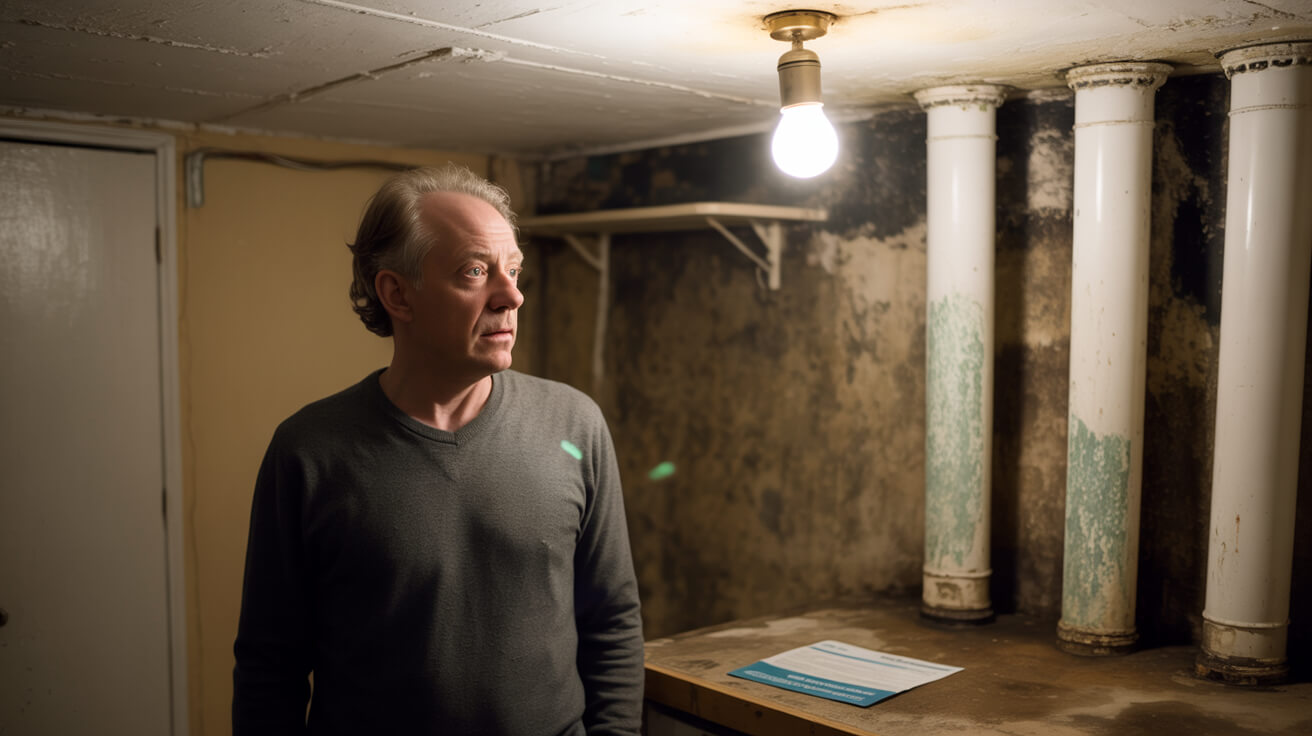
Here’s the blunt reality: quick-fix or budget pit tanking is a shortcut to long-term pain. Saving money upfront by skipping steps—or hiring a jack-of-all-trades without accreditations—creates a string of headaches that surface long after the invoice is paid.
- Incomplete diagnosis: Most failed pits don’t fail because of workmanship—they fail because someone only looked for “obvious” leaks and missed deeper causes, like rising damp or salt-bound substrates.
- Non-compliant instals: Use cheap tanking compounds, skip documentation or cut out photo logs and you’ve set yourself up for insurers and surveyors dismissing the warranty on inspection. What saves a few pounds now costs thousands in denied claims later.
- Wasted upgrades: If you can’t prove installation quality, batch records, or maintenance logs, it’s nearly impossible to pass a lender’s or buyer’s due diligence—even if the pit “looks” dry.
Every missed compliance certificate or skipped photo is a future sale or claim denied—at full market price.
The secondary risk is lockdown failure: a cheap material degrades or peels inside the first few years, sucking in fresh damp and yellowing plaster. Fixing a failed instal means full strip-out, sometimes structural repair, and the cost of a new compliance surveyor—doubling or tripling original outlay.
What Does a Full, Compliant Lift Pit Waterproofing Package Actually Cover?

A “show-your-work” approach is central to every compliant pit job—especially in East Sussex where lenders, insurers, and surveyors cross-check everything. Here’s what a robust Sussex Damp Experts package actually includes—not just in the tin, but in your property file:
- Forensic inspection: Moisture mapping, salt analysis, and thermal imaging to pin down all sources, not just the visible ones.
- Custom reporting: A site-specific breakdown, outlining every risk, with photographic evidence—required for lender, insurer, or future buyer assessments.
- Treatment design: No “standard template”—each pit’s layout, building age, regulatory environment, and occupancy set the spec. All works are designed around BS6576/BS8102 standards.
- Detailed preparation: Substrates cut back or neutralised, salts cleaned, ventilation adjustments made, and all safety plans applied.
- Specialist installation: Accredited team on-site, with work stages logged, batch codes recorded, and photographic logs built for every phase.
- Concrete guarantees: Insurer-backed warranties—usually 10–20 years—with clear transfer rights for buildings that may be sold or refinanced.
- Smart aftercare: Annual checks, digital moisture logs, advice on documentation and survey responses—support that lives beyond installation.
If it’s not backed by reports, photo logs, and insurance-grade paperwork, it’s not a system you can defend at a survey, sale, or after a leak years later.
Quick Self-Audit:
- Are BS6576 or BS8102 compliance explicitly stated?
- Is the specification tailored, not generic?
- Are installer accreditations and warranty terms spelled out?
- Does aftercare and documentation support feature in the offer?
A “yes” on all four means your proposal passes any serious scrutiny.
How Do You Achieve Lasting Value and Minimise Legal or Financial Surprises?

You don’t future-proof a lift pit with tanking paste and good intentions. Lasting value starts with technical depth and ends with a compliance paper trail.
Key Moves
- Demand deep diagnosis: Full mapping catches not just water, but hidden salt—an overlooked threat in older buildings.
- Align work with lift maintenance: Bundling avoids breaking open the pit twice or face lift company surcharges.
- Document every step: Think in terms of the “lender file”: survey, photos, installer IDs, batch proofs, certificates—no step skipped or left undocumented.
- Insist on BS-backed instal: Anything less gives every future surveyor or lender an excuse to devalue or deny you.
Silent pitfalls aren’t just leaks, but lost paperwork, skipped photographic proof, or accreditation gaps that undermine claims, refinancing, or sales. If you can’t produce an instal file, warranty, and maintenance log in minutes, your “investment” tiptoes towards risk with every year.
Waterproof the pit. Future-proof the paper trail. Both are mandatory for calm sleep and clear compliance scores.
Property managers and owners who treat this like asset care (not just maintenance) end up with smoother sales, zero comeback from lenders, and a reputation for diligence that lasts as long as the pit itself.
What Kind of Evidence Do Lenders, Surveyors, and Insurers Expect If You Sell, Refinance, or File a Claim?

When high stakes—the kind decided in boardrooms, not just plant rooms—ride on your pit’s integrity, you’ll be asked to present evidence, not promises. Here’s how you pass every audit:
- Moisture and salt mapping surveys: Independent or qualified in-house, with documentation and signed readings.
- Workstage photographic logs: Each phase, from stripping and prep to final membrane or tanking application, time-stamped and installer-marked.
- Insurance-backed guarantee: Not just a contractor’s word—clear details attached to address and duration, with transfer options.
- Compliance certificates: BS6576, BS8102, PAS 2035/2030, and TrustMark/ISO if required for higher-value or multi-tenure blocks.
- Aftercare support log: Evidence of annual checks, maintenance, or remedial advice—a solid aftercare record reassures buyers, lenders, and surveyors alike.
The true price of protection is a paper trail even the toughest compliance officer can trust.
No one cares about good intentions at claim time—only documented preparation, execution, and aftercare stops questions before they turn into red flags.
Can General Builders Handle Pit Waterproofing, or Is a Specialist Essential?

Tempted to use your regular builder for the lift pit waterproofing? Pause there. The risks—legal, technical, and reputational—are easy to underestimate and hard to fix.
- Wrong diagnosis: Generalists rarely have the deep survey skills or instruments needed for overlapping ingress or salty sub-bases. That leads to washout failures.
- Invalid paperwork: Insurers, surveyors, and lenders demand a specific file: accreditations, guarantees, step-by-step photos—details builders seldom supply.
- No aftercare or guarantee control: If a non-accredited instal falters, most insurers will walk, and so will future buyers or lenders.
One quick fix can cost you three times by the time you re-do the work, repeat the compliance dance, and re-test for every new stakeholder.
A specialist brings forensic diagnosis, tailored spec, staged delivery, and a bulletproof file for lenders, buyers, and insurers. That means less friction at every handover, and more confidence in the property’s value.
Take the Guesswork Out of Lift Pit Waterproofing—Contact Sussex Damp Experts Today
You don’t get a second chance at compliance. With Sussex Damp Experts, you choose forensic diagnosis, robust installation, and a legally defensible, warranty-backed system—all built around local conditions, up-to-date standards, and your future stakeholders’ expectations. Our specialist team covers every base—survey, design, insurance, and documentation—with support for as long as you own or manage the asset.
It’s not just about keeping water away—it’s about shielding your property from every ripple of risk: survey failures, denied claims, or reputation loss. When you’re ready to stop gambling and future-proof your lift pit, connect with Sussex Damp Experts—the concrete, compliant solution for East Sussex.
Frequently Asked Questions
What unseen factors drive lift pit waterproofing costs beyond headline figures?
The biggest cost shocks in UK lift pit waterproofing aren’t in material or headline labour rates—they’re buried in hidden site risks, substrate heritage, and the paper trail required by regulations or insurers. On a typical project (£3,500–£7,000), a blocked sump, legacy salt bloom, or the discovery that the basement only has a limited compliance record can turn the lowest quote into an open wallet. Fail to surface these at survey stage and you often double-spend later on digs, delays, or legal negotiation.
The lift pit rarely drowns your budget—the surprise is the invoice that lands when the inspector turns up unannounced.
How do build context, substrate legacy, and compliance escalate spend?
- Substrate history dictates prep: Modern concrete often means lower labour; old hand-made bricks or hidden salts demand forensic cleaning and specialist techniques.
- Heritage, party wall, and access limits: Listed blocks call for conservation consent, while shared walls or awkward locations mean extra surveyor time and multi-trade management.
- Active lifts or “wet pit” warnings: If the lift’s in daily use or suffering ongoing ground ingress, every stage takes longer and kit cost goes up (sometimes requiring temporary systems).
- Documented compliance as legal risk filter: Surveyor- and lender-approved paperwork prevents both future insurance rejection and statutory enforcement—a missing doc easily triggers a four-figure rescue.
Micro-table: What really bumps up your bill?
| Challenge | Budget Job | Cost Driver |
|---|---|---|
| Untested substrate | Modern, sound | Old, repairs, salts, cracks |
| Legal complexity | Standard block | Listed, communal, heritage |
| Proof required | Visual record only | Full PCA/BS + digital logs |
Where do commercial and residential clients lose money on lift pit waterproofing “surprises”?
Money nearly always leaks out on projects where hidden variables—like historic salts, last-minute permit changes, or misunderstood “aftercare”—are never flagged or written into the quote. Too often, a main contractor’s optimistic lump sum devolves into drawn-out disruption once foundational issues or paperwork gaps surface. Commercial clients suffer extra: operational downtime or out-of-hours needs can rapidly inflate multisite callouts.
It’s not damp that stings worst—it’s the silence that follows a defect found two weeks after handover, when extra visits or claims aren’t covered.
Emerging risk zones that trigger extra cost or delay
- Aftercare omission: Lenders, insurers, and property managers are now demanding digital aftercare logs and recurring annual inspections—not a “one-off” fix.
- Survey short-cuts: Missed substrate or salt checks, and cut-price visual surveys, invite major remedial costs later when new damp patches emerge.
- Permitting time bomb: Urban street access, scaffold needs, or party wall requirements turn “week-one” works into multi-stage projects, sometimes stretching to months.
- Insurance or warranty triggers: Without itemised, transfer-ready aftercare and compliance, future payouts are denied as “pre-existing” or “unverified”.
Checklist: Have you bulletproofed your budget?
- Are salt and legacy repairs tested/documented before quote?
- Does your quote lock in aftercare appointments and reporting?
- Will access and legal hurdles kill your timeline?
How do competent specialists’ quotes ensure value and compliance, not future headaches?
A leading specialist (see Sussex Damp Experts) supplies a granular, evidence-led quote—a full diagnosis, photographic mapping, precise substrate descriptions, and line-item detail right down to ventilation or heritage-specific choices. The competitor’s “lump sum” skips compliance sections, aftercare, and transferable warranty language.
Specialists secure your asset: every phase is written to outlast buyers, lenders, and legal reviews—while budget outfits push costs onto you whenever surprise risks arise.
If your waterproofing quote skips proof, schedule, or compliance reference, you’re not just saving—you’re setting yourself up for future cost.
Table: Transparent versus opaque quoting
| Quote Aspect | Specialist (Sussex Damp Experts) | Budget Contractor |
|---|---|---|
| Site Survey | Detailed, photo-backed | Visual glance |
| Compliance Cited | Names PCA/BS/TrustMark | Absent or generic |
| Aftercare Listed | Digital logs, annual reminders | Not mentioned |
| Documentation | Transferable, lender-ready | Non-transferable, missing |
How to spot a robust quote
- Every repair step and warranty written, never implied
- Aftercare and annual checks scheduled, not optional
- Real credentials and compliance named, not promised in footnotes
- Pricing split by risk area—heritage, access, substrate—not a single ticket
Why do insurers and councils increasingly demand waterproofing evidence, and what happens when it’s missing?
Insurers now tie claim payout to documented compliance and regular aftercare. Local authorities, under HHSRS and landlord law, treat unresolved ingress or unproven treatment as a statutory hazard—with fines and legal demands for ongoing monitoring or repairs.
According to the Experian UK Compliance Report (2023), up to 18% of property transactions with lift pits suffer sale failure or delays owing to absent waterproofing guarantees or paperwork.
When you lack a transferable warranty or proper documentation, the door opens to claim rejections, property devaluation, lost rents, or forced remediation orders. In short: it’s not just a technical chore—it’s the key to your asset’s liquidity and legal protection.
The paperwork is your shield. One missing page, and the whole investment’s up for grabs.
Critical evidence that prevents legal disaster
- Named compliance (BS8102/BS6576/PCA/TrustMark) in quote and handover pack
- Photo and substrate logs stored with your maintenance records
- Guarantee language clearly stating “transferable” and “valid with annual aftercare”
- Aftercare and digital monitoring contractually agreed, not verbal only
What new techniques or tech innovations actually benefit property owners seeking “futureproof” protection?
Modern specialists don’t rely solely on cement tanks or resin—they integrate digital monitoring and forensic mapping as standard. New techniques include live moisture logging, app-based aftercare reminders, sensor upgrades, and tailored heritage/ventilation workarounds where old and new systems meet. This evidence-driven approach boosts lender and insurer confidence while lowering long-term maintenance costs across ownership changes.
Real protection is audit proof—documentation, logs, photos, and compliance lined up before any money changes hands.
Useful innovations for everyday clients:
- App-accessible aftercare logs—instant proof for surveys and sales
- Photo and moisture records mapped to every repair cycle
- Digital reminders for periodic compliance reviews
- Methods written with heritage, ventilation, and legal compatibility in mind
Table: What property owners and managers gain
| Digital Asset | Value Delivered |
|---|---|
| Sensor log | Proof for warranty, claims, buyer |
| Photo maps | Supports audits, lender reviews |
| Aftercare app | Maintenance recall, instant alerts |
| Evidence pack | Resale and legal advantage |
How do you guarantee your lift pit waterproofing project passes every audit and strengthens your property status?
Start with a photographic, salt-map survey before committing to repairs. Demand every fix, method, and warranty be contractually listed—referenced to current British Standards and PCA/TrustMark accreditations. Store every document, log, and aftercare file so they’re ready for any buyer, lender, or insurance check—not lost in a post-job folder.
Synchronise waterproofing with wider lift and property maintenance to save on operational downtime and avoid redundant access/set-up fees. And demand aftercare and digital monitoring up-front; no future claims or sales should hinge on paperwork missing at the final hour.
Owners respected by surveyors, buyers, and insurers always prove their status by the strength of what’s on file, not just what’s been fixed.
Practical steps to make your project futureproof
- Secure a PCA and TrustMark survey at the outset
- Require every contract to deliver method, monitoring, and transferable guarantee in full
- Sync waterproofing with your annual property review, not as an “emergency extra”
- Store all photos, logs, and certificates accessibly for future stakeholders
Sussex Damp Experts delivers substrate-proven, regulation-proof, and reputation-driven lift pit waterproofing across East Sussex and beyond. Book your evidence-ready survey now to guarantee regulatory approval, insurance compliance, and bulletproof asset value. Your property leadership starts with a survey appointment—every advantage begins right here.

