
 By
By  September 3, 2025


Why Is Heritage Retrofit Damp Proofing So Much More Expensive Than Standard Work in the UK?
Restoring a historic or listed property isn’t just a nod to the past—it’s a technical, legal, and financial commitment. In the UK, heritage retrofit damp proofing has jumped into a realm of its own: in 2024, you’re looking at high-grade installations ranging £140 to £250 per linear metre, with full jobs usually totalling £3,500–£7,000 for localised wall issues and climbing to £12,000–£18,000+ for basements, multi-rooms, or complex repeat damp. Standard injection fixes? Closer to £60–£80 per metre and rarely accepted for period buildings.
Heritage damp isn’t a fight against water—it’s a legal duty to history. Every shortcut gambles with decades, not just décor.
Why all the extra zeros? Because every pound spent preserves more than property—it protects what lenders, planners, and insurers call “irreplaceable fabric.” Each line on the quote measures far beyond “wet brick, dry brick.” There’s conservation-grade material, council consents, documentation, and the rare craftsmanship required to work with heritage substrates. In these projects, cost isn’t padding—it’s penalty avoidance, and the price of respecting strict compliance at every turn.
What’s Actually Built Into the Cost of Heritage Damp Proofing?
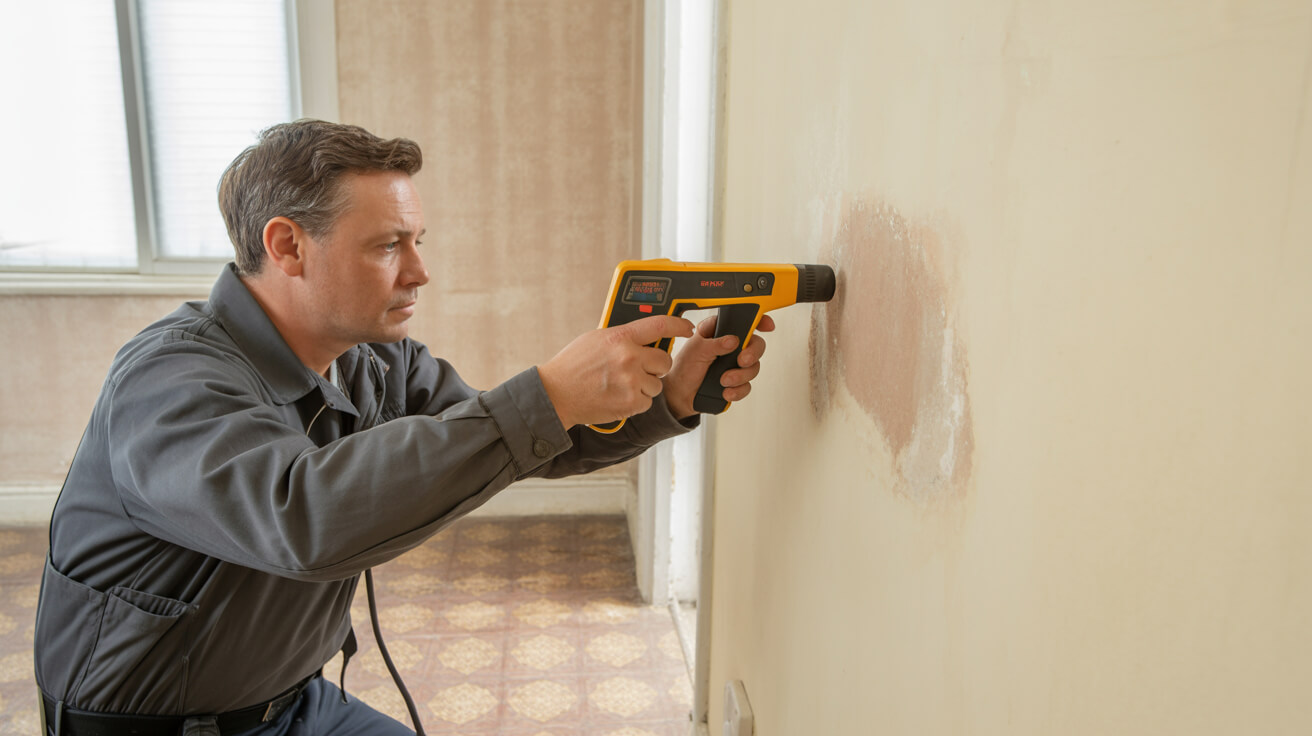
The price for heritage damp retrofit combines three unbendable priorities: protecting historic fabric, achieving airtight regulatory compliance, and safeguarding the health of those inside. Standard fixes skip half the journey—heritage jobs navigate every step, every authority, every regulation, every material suitability.
The Big-Cost Pillars in Heritage Projects
- Statutory Consents: No listed or conservation-area retrofit starts without council approval, detailed planning paperwork, and engagement with heritage officers. Fees for this layer easily reach £350–£1,400 before tools are even unpacked *(Historic England, 2024)*.
- Specialist, Conservation-Grade Materials: Only lime-based mortars, mineral tanking, fibre-lime renders, and other “breathable” systems make the cut. These routinely cost double when compared to modern cement or resin-based equivalents *(SPAB “Retrofit Guidance”, 2023)*.
- Accredited Labour Surge: Expect to pay 30–75% more for PAS 2035- or Historic England-accredited professionals—not just for skill, but for the legal weight their names and paperwork carry.
- Sequenced, Lengthy Project Management: Heritage treatments demand phased-and-documented progress: drying times, material ordering, milestone checks, and progress sign-offs. Timelines run two or three times longer than “standard” works.
- Forensic Diagnostics: More time is spent on moisture mapping, salt contamination, substrate interaction—and site investigation is non-optional. The cost of missing something in an old wall is measured in legal battles, not just fresh paint.
Cost Comparison: Heritage vs. Standard Damp Proofing Across Sussex
A classic example—a Victorian three-bedroom with patch damp needing two walls tanked and entire room replastering—delivers these costs:
| Work Type | Heritage Listed (£/m) | Standard Domestic (£/m) | Notes |
|---|---|---|---|
| Damp Injection | £100–£150 | £60–£80 | Only eco/historic-safe products possible |
| Basement Tanking | £180–£250+ | £100–£160 | Lime or mineral tanking only in heritage |
| Heritage Replastering | £75–£130 | £45–£60 | Gypsum is forbidden—hydraulic lime required |
A modest heritage house can eat up £5,000–£9,000, with every extra wall or sympathetic finish stacking further cost layers for compliance and material upgrade.
Each extra pound in heritage work is a finger keeping loss, risk, and fines from crawling in through the wall.
Why Is the “Heritage Premium” on Damp Proofing So Hard to Dodge?

That “premium” isn’t a fabricator’s jackpot—it’s what stops your building’s story ending at a council dispute, insurance rejection, or mortgage freeze. You’re paying for risk repellent.
What Forces the Cost Up?
- Unique Building Complexity: Historic properties never repeat—porosity variations, voids, and unseen timber always disrupt one-size-fits-all logic *(PAS2035 Sect. 5)*.
- Legal and Regulatory Drag: Listed status brings mandatory council consents, with documentation sometimes outscaling material costs.
- Material Rigour: Only bespoke, conservation-grade products are allowed; even the ordering process is painstaking, with no “off the shelf” short-cuts.
- Elite, Accredited Labour: The talent pool gets tight. High skill plus legal accountability commands a premium.
- Timeline Stretch: Project permissions, material procurement, sequencing with third parties, and registry filings stretch the build, and the bill.
- Risk of Retroactive Nightmare: Cut a corner and you’ll likely pay double—tearing out, reinstating, or facing court.
Regulatory Add-ons Inflate Costs
| Cost Uplift Source | Typical Increase |
|---|---|
| Consent/Admin | +10–25% |
| Conservation Materials | +40–100% |
| Specialist Labour | +30–75% |
| Monitoring/Aftercare | £300–£700+ per year |
Low quotes? They signal corners about to be cut—consent skipped, compliance ignored, or cheap, short-life materials inserted.
Any contractor who skips paperwork is betting you’ll be stuck with the fine when the council checks.
Why Can’t You Use Standard Damp Proofing in Heritage Buildings—And What Really Happens If You Try?
It’s tempting to “save” now—opt for the quickest, cheapest fix, and keep your fingers crossed no council, lender, or buyer digs deep. Reality: heritage property damp is a compliance and aftercare game, not a slap-and-go job.
The Real Risks of Using Standard Damp Proofing
- Consent Breaches: Cement renders, resin tanking, chemical DPCs—any non-approved fix breaks planning law. If it’s not *conservation grade*, it’s a removal order waiting to happen *(Historic England, “Advice on Damp Control”, 2024)*.
- Sealed-in Moisture = Decay: Standard systems block heritage walls’ ability to breathe, causing moisture to stay trapped within, salt to migrate, and decay to accelerate.
- Documentation and Litigation Gaps: No formal consents, method statements, or guarantees? That’s red-flag territory—insurance, mortgage, or buyer can all walk away, often years after works are done.
- Restoration and Feature Loss: Replacing lost heritage trims, ruined plaster, or timber detailing is your bill—not the installer’s.
Head-to-Head: Heritage Retrofit vs. Commodity Damp Treatment
| Aspect | Heritage Retrofit Approach | Standard Damp Fixes |
|---|---|---|
| Consents | Documented, council-approved | Typically avoided |
| Material Approval | Conservation only | Commodity grade, rapid |
| Labour | Heritage-accredited | Standard trade |
| Documentation | Full (10–20pg) handover | Minimal (if any) |
| Aftercare | Ongoing, monitored | Rarely included |
Shortcuts unravel quickly and cost exponentially more to put right.
The fastest way to balloon costs isn’t over-engineering—it’s being forced to do the job twice, and to heritage standards the second time.
What Are the Real-World Penalties for Dodging Heritage Compliance?
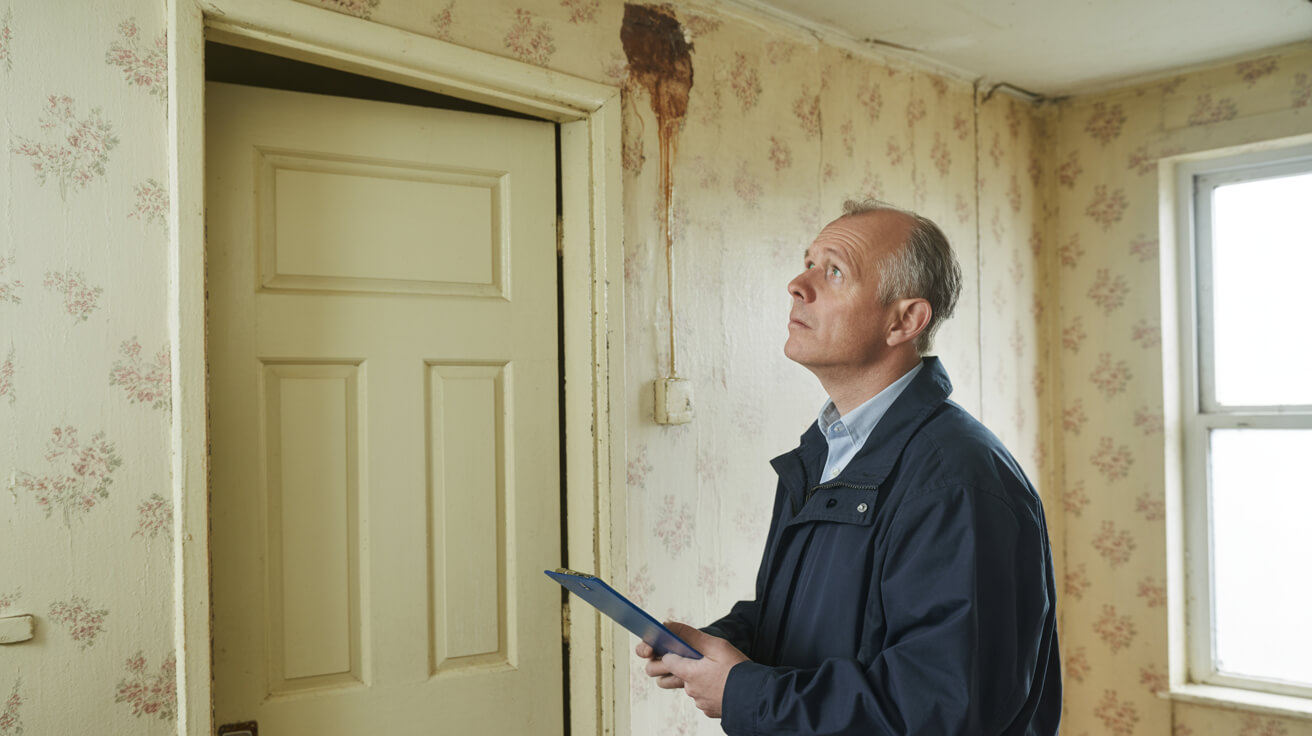
Mistakes in heritage damp work make their presence felt fast—and brutally. Councils, insurers, and lenders all play by documentation, not “good enough”, and they won’t bend for ignorance.
Consequences You Can’t Ignore
- Enforcement Orders and Demolition: Unauthorised works mean removal, with the council making you pay for every step of reinstatement—often costing double the original quote.
- Structural Decay: Poor or incompatible materials quietly destroy fabric, turning small jobs into structural rescues.
- Insurance, Lending, and Resale Busts: No compliance? Your next buyer, lender, or insurance renewal can block, delay, or demand vast remedial works—at your expense.
- Legal Disputes/Losses: Most repair disputes surface in resale, refinancing, or post-buy survey—delaying completion and lowering value.
You’ll never be able to say “I didn’t realise”—the risk of non-compliance is documented and public.
In heritage, mistakes become inheritance. Get it wrong and the bill, and reputation, can last generations.
Who Pays—And Who Helps? Funding, Grants, and Financial Relief for Heritage Damp Proofing
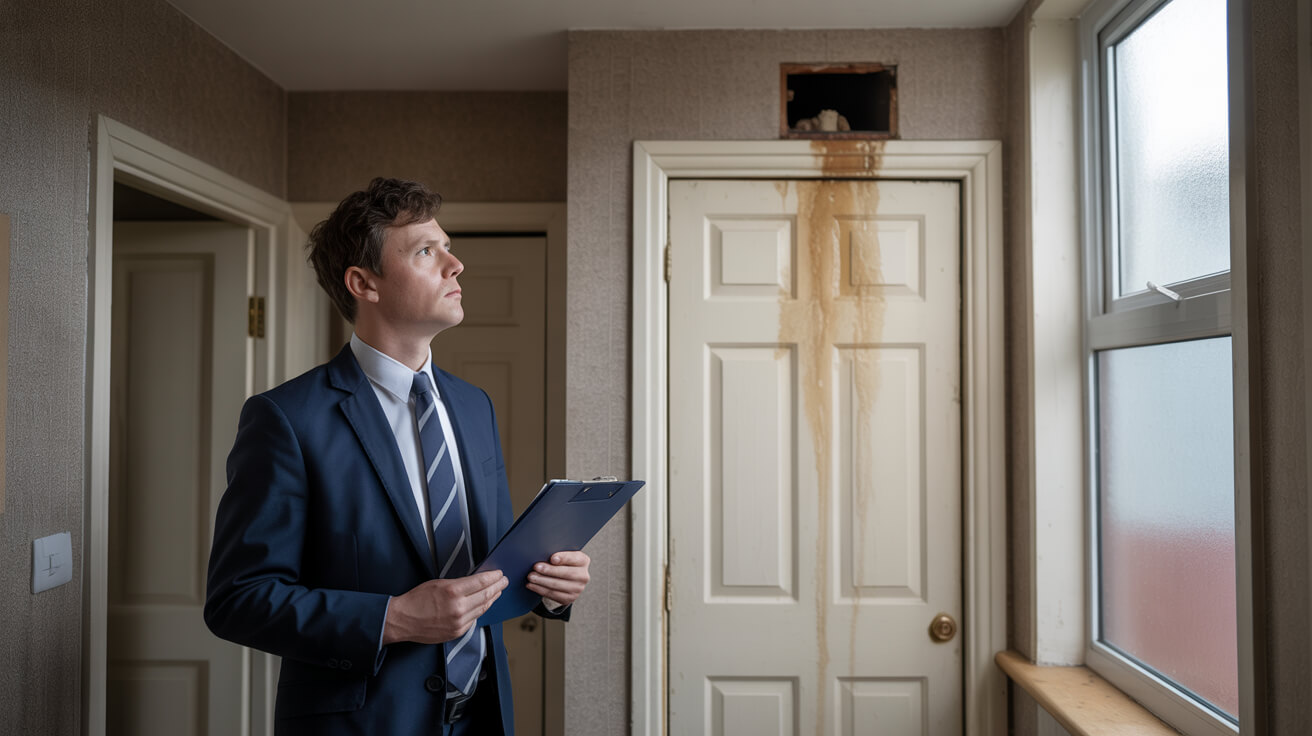
Smart owners know to ask about grants, VAT reductions, and insurance-backed protection. But the gate opens only for those with ironclad compliance and paperwork.
Sourcing Help for the Big Bill
- Grants: Some local authorities, trusts, and Historic England back up to 40% of eligible works—strictly for fully documented, consented projects run by accredited pros.
- VAT Relief: Approved “alterations” on listed buildings can secure a 5% VAT rate versus standard 20%—but routine repairs don’t qualify (HMRC, VAT 708).
- Specialist Loans: Build societies like Ecology Building Society offer retrofit finance specifically for heritage property.
- Insurance-Backed Guarantees: Only TrustMark/PAS2035-accredited work is eligible—this documentation is “entry ticket” for most lenders and buyers.
Funding Table
| Mechanism | Typical Benefit | Catch |
|---|---|---|
| Grants | 10–40% relief | Compliance, pre-approval critical |
| VAT Relief | 5–15% savings | Only for true ‘alterations’ |
| Specialist Loans | Often 100% | Rigid paperwork, approved pros only |
| Warranty Cover | Added value | Only via accredited contractors |
Always confirm your eligibility before starting—grant and VAT “discounts” are strictly prospective, never backdated.
Paperwork up front may win you thousands—missing it locks you out, with no appeals.
How Do You Nail Your Heritage Damp Proofing Budget—And Avoid Being Blindsided by Surprise Costs?

There’s no skipping planning: the winning move is investing time and expertise before demolition and scaffolds arrive. That’s how you defang the “damp tax.”
Steps to Avoid Budget Bloodshed
- Request Accredited Surveys: Accept PAS 2035, TrustMark, or Historic England-recognised surveys alone (no “one-pager” PDFs).
- Map Stakeholders at the Start: The earlier you get conservation officers, planners, and lenders into the loop, the fewer curveballs swing your way.
- Insist on Itemised Quotes: Every layer—materials, admin, aftercare, consents—should be listed; unknowns mean overspends.
- Expect Delays for Consent and Materials: Four to eight weeks is a realistic council or material procurement window.
- Set a “Discovery” Fund: A 15–20% contingency buffer covers unknowns, tough scaffolding, or secret voids.
When to Go Pro with a Heritage Survey
Planning a refit, eyeing a purchase, or seeing any persistent damp sign? That’s your signal to act. A specialist survey blocks nasty surprise bills and project spirals.
The Real Cost of Rushing It
Every shortcut in scope, compliance, or spec comes back double. Hours invested clarifying paperwork and finishes protect your wallet far more than the lowest quote ever could.
Quotes that gloss over regulation, finishes, or aftercare always cost more once reality catches up.
What Demands Should You Make of a Heritage Damp Proofing Specialist or Surveyor?
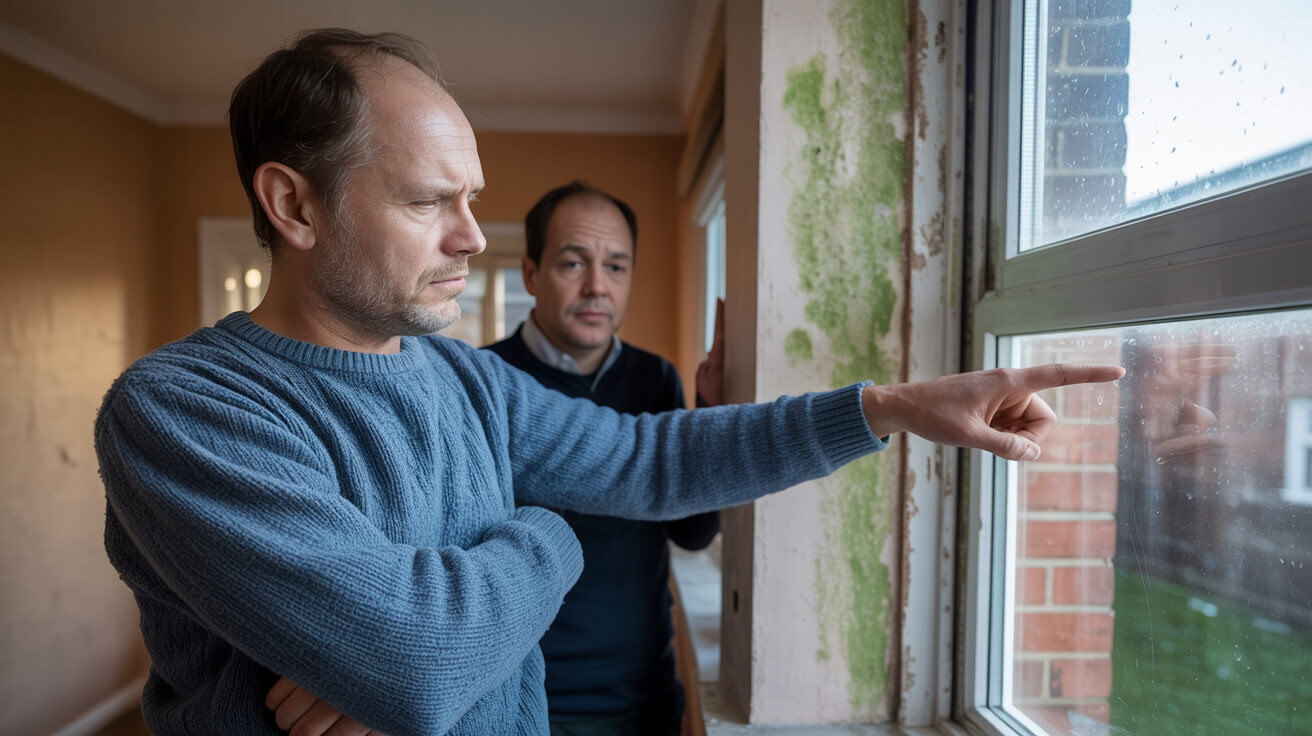
A heritage retrofit isn’t casual—you should be picking for legal shield, technical fluency, and a support chain, not just for someone familiar with a drill.
Non-Negotiable Specialist Credentials
- Independent Accreditation: PAS 2035, TrustMark, and Historic England references take you out of the “rogue trader” pool.
- Process Transparency: Demand start-to-finish (10–20 page) method statements, progress photos, and finished documentation—no “he said, she said.”
- Consent and Admin Handling: Your specialists should help with everything: planning, insurance, and lender paperwork.
- Aftercare Promise: Confirm there’s formal post-work monitoring, moisture checks, and clear guarantee language—without it, you’re unprotected.
Vetting Your Pros
| Accreditation/Process | Why It Matters |
|---|---|
| PAS 2035 | Planning, finance, compliance signal |
| TrustMark | Council, lender control |
| Heritage Portfolio | Historic building experience |
| Insurance Backing | Shields against legal, finance risk |
Red Flags—When to Walk Away
- No local heritage jobs in their sample projects
- Lowest bids with vague, incomplete itemisation
- Reluctance for formal paperwork or consents
- No clarity on aftercare or guarantee terms
Sussex Damp Experts—Bringing Heritage Back to Life, Line by Line
Our team stands on over 30 years of local, accredited experience, PAS-compliant diagnostics, and transparent quotes. From the first planning meeting right down to post-project record-keeping, we protect your building’s story and its future value.
How Does Heritage Damp Work Affect Mortgages, Surveys, Lenders, and Long-Term Value?
The impact of your damp project outlasts the last invoice—it plays out on every future surveyor’s, lender’s, and buyer’s report. Heritage work isn’t sunk cost—it’s an insurance for your family’s and your property’s next chapter.
The Long Tail of Compliant vs. Non-Compliant Damp Works
- Surveyor Inspection Impact: Any valuation by RICS will drop by £5,000–£20,000 for “major” non-compliance or absent paperwork *(RICS 2024)*.
- Lenders Put the Brakes On: Mortgage offers hinge on certified, accredited works. Fail here, and lending is blocked or postponed until heritage-fix completions.
- Insurance and Resale Catches: Only compliant paperwork and transferable guarantees get you insured cover and smooth resale. Anything less is lost value or a “do not touch” property flag.
- Long-Term Asset Shielding: Upgrades with a consent trail and aftercare not only stave off decay—they grow price stability, trust, and buyer confidence.
The Value Difference Table
| Value Area | Non-Compliant | Heritage-Compliant |
|---|---|---|
| Valuation | –£5,000 to –£20,000 | Shielded, sometimes uplift |
| Mortgage Access | Blocked/delayed | Smoother, faster |
| Insurance | Limited/voided | Standard/preferred rates |
| Saleability | Shrinks | Grows buyer interest |
A heritage-compliant damp upgrade isn’t a luxury—it’s your guarantee value will be there when the next step matters most.
Sussex Damp Experts—Guardians of Value, Compliance, and Peace of Mind
We don’t just treat the issue—they document, protect, and future-proof your building and investment. From planning and consent to aftercare and guarantees, our chain of documentation aligns perfectly with lenders, insurers, surveyors, and—when the time comes—your buyer’s peace of mind.
Speak to Sussex Damp Experts Today
Don’t gamble your heritage on shortcuts. Sussex Damp Experts handles every detail: assessment, stakeholder planning, system design, consents, installation, and aftercare—with each step formally compliant and documented. Protect your building’s future, market value, and legal standing in every action.
Ready for a full heritage damp survey, itemised cost plan, or help navigating funding and compliance? Reach out now. You’ll get a full, transparent quote—one that names each risk and each opportunity with the clarity required to defend your property for decades. Because in heritage, today’s work isn’t the end of the story—it’s the insurance on every next chapter.
Frequently Asked Questions
What Unexpected Challenges Raise the Cost of Heritage Damp Proofing—And How Can You Plan for Them?
Most heritage damp proofing projects seem straightforward until unforeseen compliance steps, stakeholder approvals, and post-project obligations stack up. Many owners and agents overlook hidden costs lurking beyond initial contractor estimates—namely, multi-stage council consents, historic fabric testing, environmental monitoring, and heritage office audits required months or years after works are declared finished. When these aren’t mapped at the beginning, budget optimism quickly turns to a drain on resources and time.
It’s never the brick or the bidding—it’s the paperwork that tips the bill from tight to terrifying.
Why Are Heritage Damp Costs Hard to Pin Down?
- Staged permissions: Final approval may rest on site-specific risk assessments, surveys by council heritage officers, or last-minute design modifications.
- Ongoing compliance recording: Councils or grant authorities often demand photographic evidence, moisture sensor logs, and progressive reports for several years.
- Additional site consults: Independent architects or liability surveyors may be brought in on council request—with their fees rarely included in a tradesman’s upfront quote.
- Remedial mandates: If original repairs clash with emerging conservation advice, the owner can be made to fund repeat interventions or reverse non-compliant works.
- Insurance and legal reviews: Delays or failures in proper consent may leave you uninsurable—or flagged during future property transactions.
The key is insisting on a full mapping of permissions, paperwork time, and compliance milestones before agreeing to any work. Sussex Damp Experts define and price every layer—so you know what you’re signing up for before surprises become bills.
How Do Breathable Damp Proofing Solutions Protect Historic Buildings—And Why Can’t Modern Barriers Be Used?
Heritage-grade, breathable damp proofing enables moisture in old brick, stone, or lime mortar to transition naturally between internal and external environments. Sealing these buildings with modern resins or impermeable plasters traps water—leading to rot, surface blistering, internal decay, and costly failures down the line. Legal and conservation frameworks now expressly forbid most synthetic membranes or quick-fix “damp injections” in the heritage context.
A modern house shrugs off a blocked DPC; a Georgian terrace sweats, crumbles, and gets flagged by every surveyor in town.
What Makes a Damp System True to Heritage Standards?
- Material compatibility: Use only lime mortar, mineral-based tanking, and naturally porous finishes—which together maintain essential breathability and salt management.
- Historic consent: Local councils and Historic England insist that works *preserve character,* meaning visible and compositional harmony with original substrates.
- Performance over decades: Breathable methods prevent trapped moisture, salt bloom, and internal condensation—protecting timber, plaster, and brickwork for the long haul.
- Legal enforcement: Using inappropriate, non-permeable damp solutions can trigger enforcement notices or retrospective demands for removal.
Sussex Damp Experts engineer every heritage damp fix using breathable-only materials, with documentation ready for both conservation officers and insurers. The result: dry, healthy interiors that stand the test of time and scrutiny.
Why Is Cutting Corners on Heritage Damp Proofing Suddenly Much Riskier for Owners, Sellers, and Landlords?
Shortcuts on compliance, documentation, or materials in heritage damp projects don’t just lead to patchy repairs—they trigger council stop works, invalidate property insurance, and collapse deals well after you think the job’s “done.” Today’s enforcement environment is stricter: surveyors, local authorities, insurers, and even lenders have synchronised their demands. One missing approval or nonconforming material can domino into sales blockages, repair ultimatums, and statutory claims under the Landlord and Tenant Act or Environmental Protection Act.
Non-compliant damp jobs don’t just cost double—they hang around your neck with legal weights for years after the invoice is paid.
What Does Non-Compliance Actually Cost in 2024?
- Immediate work stoppage: Unapproved repairs can be reversed, at your expense, mid-project.
- Mortgage and sale rejection: Surveyors flag, lenders freeze, and new buyers may walk away entirely.
- Invalid insurance: Claims for damp-related damage often fail if the original solution bypassed legal or heritage codes.
- Multiple rounds of works: Fixing a fix usually means stripping out, re-treating, and restoring finishes at triple the price.
- Council and tenant action: Local authorities or occupants are increasingly turning to statute to enforce safety and habitability standards.
Opting for transparent, compliance-first delivery with a specialist like Sussex Damp Experts means risk-proofing your investment—no sleepless nights over hidden legal traps.
Which Funding Routes for Heritage Damp Proofing Are Most Overlooked—And How Do You Unlock Them?
Financial support for moisture control in heritage properties extends well beyond standard grants—yet most miss out by moving too soon or failing to meet strict pre-application protocols. Many funds—including climate resilience, rare skills apprenticeships, and certain water board incentives—demand that owners line up all paperwork and consents before commissioning works. Once a shovel hits the ground, eligibility is often lost.
Start the job before the paperwork? The only funding you’ll qualify for is out of your own pocket.
What Funding Sources Should Be on Your Radar?
- Climate adaptation grants: Select UK authorities now subsidise moisture-proofing if paired with energy efficiency or flood resilience measures.
- Utility-driven rebates: Water authorities may fund drainage, tanking, or waterproofing tied to broader environmental goals.
- Heritage skills support: Certain pilot initiatives will offset labour costs if apprentices or specialist skills training are part of your project.
- VAT recovery: Detailed records and certification can allow partial VAT reclaim—speeding up affordability.
- Local trust and property society grants: Some heritage or neighbourhood groups offer matching funds, usually on proof of conservation need.
Working with a knowledgeable team like Sussex Damp Experts gives you a head start: they prepare, submit, and align documentation so you can maximise every applicable funding stream—without losing your spot in the application window.
How Do Proper Aftercare and Moisture Monitoring Help Maintain Heritage Value?
Heritage repairs are just the beginning; what really lasts is a proactive aftercare plan that keeps you compliant, covered, and audit-ready for years. Modern buyers, lenders, and insurers assess not only your initial damp fix, but the next years’ worth of sensor logs, inspection reports, and warranty updates. Overlooking aftercare isn’t just a maintenance gap—it’s a credibility gap that drops property value and invites unwelcome attention from lenders, local authorities, and tenants.
Neglecting your moisture log is the historic property version of skipping an MOT—sooner or later, it catches up.
What Should Aftercare Actually Include?
- Annual or semi-annual surveys: Confirming stable moisture and catching brewing issues early.
- Clear documentation: Cumulative logs of all treatments, site checks, and remedials—ready for council, lender, or buyer scrutiny.
- Warranty management: Avoiding lapsed coverage and relating aftercare cycles to guarantee periods.
- Landlord and safety compliance: Rental heritage stock must now pass the Health & Housing Safety Rating System (HHSRS)—with documented proof.
- Proactive adjustment: Updating treatments in response to environmental changes, not just material failures.
Sussex Damp Experts schedule and deliver custom aftercare—so your property stays dry, protected, and attractive to future buyers or tenants long after the work trucks leave.
What Must You Ask Before Hiring a Heritage Damp Proofing Specialist—And Why Are Most Quotes Missing Vital Answers?
Qualifying the right heritage damp proofing contractor isn’t about the “cheapest fix”—it’s about verifying documented experience, process transparency, and council-endorsed expertise for your specific property type. All too often, “specialists” fall flat under basic scrutiny: no PAS 2035 accreditation, no local references, and no digital portfolio of heritage sign-offs or aftercare track records. Quotes that gloss over compliance, admin, and monitoring responsibilities leave you with all the future risk.
A single missed question at quote stage is the most expensive shortcut on the road to ‘heritage-ready’ damp protection.
What High-Value Questions Should Always Be on Your List?
- Do you carry PAS 2035/TrustMark/BS 6576 or equivalent heritage accreditations, and will you provide written proof?
- Will the quote detail admin, project management, heritage consents, and aftercare separately?
- Are council liaison, consent amendments, and stakeholder documentation direct line items—or left as “TBD” extras?
- Can you show recent casework and digital documentation packets for listed or protected property projects?
- Will you guarantee all consents, monitoring, and warranty management as part of your service—or push it back on the owner?
Sussex Damp Experts address every compliance, value, and documentation concern from day one—so you’re never left holding an unpaid bill, a compliance backlog, or an uninsurable property when your project is complete.

