
 By
By  September 3, 2025


Why Most Insurance Won’t Cover Dry Rot—and What That Means for Your Timber
Dry rot is the silent adversary of Sussex properties—creeping unseen, it destroys timber strength and undermines asset value, yet most owners discover too late that their insurance policy covers almost none of it. Insurers rarely design their contracts to foot the bill for slow, hidden threats. Instead, payouts are built around sudden catastrophes—think burst pipes or weather events with clear start dates. When you realise floorboards have started to crumble, or joists are showing fungal bloom, the cause most likely stretches back months or even years. While many believe that “damage is damage,” policy small print is ruthless in steering the cost to you.
Small print doesn’t protect you, but it will always decide who pays for rot.
The practical reality? Unless dry rot is triggered by an insured peril—a sudden, documentable flood or leak, outlined with explicit wording—insurers exclude both the rotted timber replacement and the deep remedial work from cover. A burst pipe may get the cleanup paid, but not the new timbers or chemical treatment. This leaves every owner, landlord, or property manager with an uncomfortable truth: unless you catch rot at the source, and act early, you become the insurer of your own building.
Failing to address dry rot early turns compliance into a ticking bomb. As a landlord, this can cross the line into breach of the Environmental Protection Act 1990 as a “nuisance” or the Landlord and Tenant Act 1985 by failing the “fitness for habitation” standard. Local authorities won’t wait for your insurance drama; once environmental health is involved, you are already on the defensive. For everyone, the only meaningful safety net is a qualified diagnosis, carried out well before an insurer, lender, or council gets involved.
Rot only gets more expensive. Delay doesn’t negotiate; it compounds.
Damage control comes down to this: early detection, transparent evidence, and repairs that stand up to scrutiny—not just an insurance claim, but a future property valuation or compliance inspection.
Why Trusting Only a “Free Quote” for Dry Rot Is a False Economy
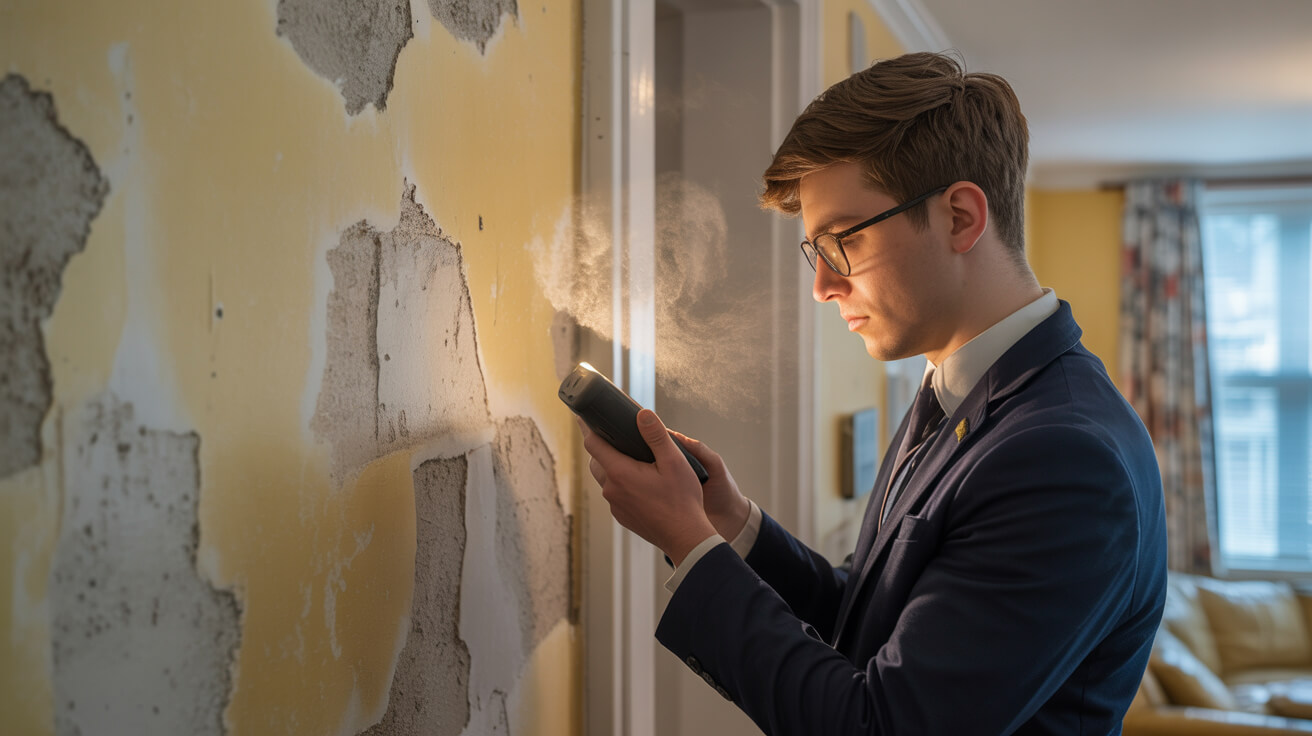
A surprising number of property owners chase fast “free quotes” for dry rot, hoping to save money upfront. Here’s the blunt truth: most dry rot quotes are little better than educated guesswork unless based on a forensic survey. Many “price by the metre” quotes don’t catch the origin or the extent of your problem—meaning you risk underpricing a big job or onboarding a repair team armed with guesswork and little legal recourse.
An accredited damp survey reveals the hidden costs your wallet would rather not meet unprepared.
An expert survey brings global asset value and safety into the equation:
- Moisture mapping: , with advanced instruments, tracks the true spread (from skirting boards to hidden joists);
- Camera and borescope inspections: spot rot that hides behind linings and fragile plaster;
- Salt and timber substrate analysis: differentiate dry rot from lookalike stains or minor damp;
- Accredited, written reporting: is what mortgage lenders, insurers, and buyers all demand by law.
A best-in-class, mortgage-grade timber survey typically costs £200–£400—a fraction compared to the price of missed diagnosis, repeat works, or failed property sales. In Sussex, PCA or RICS-accredited reports are the currency for legal, mortgage, and insurance acceptance (permagard.co.uk). In period homes or listed buildings, expect this diligence to multiply, as conservation constraints, warranty demands, and signoffs add extra layers of evidence and approval.
Too many owners and landlords only commission a solid inspection after the first quick-fix fails. By then, moisture may have migrated further, multiplying both disruption and cost.
What Actually Dictates Dry Rot Timber Treatment Costs?
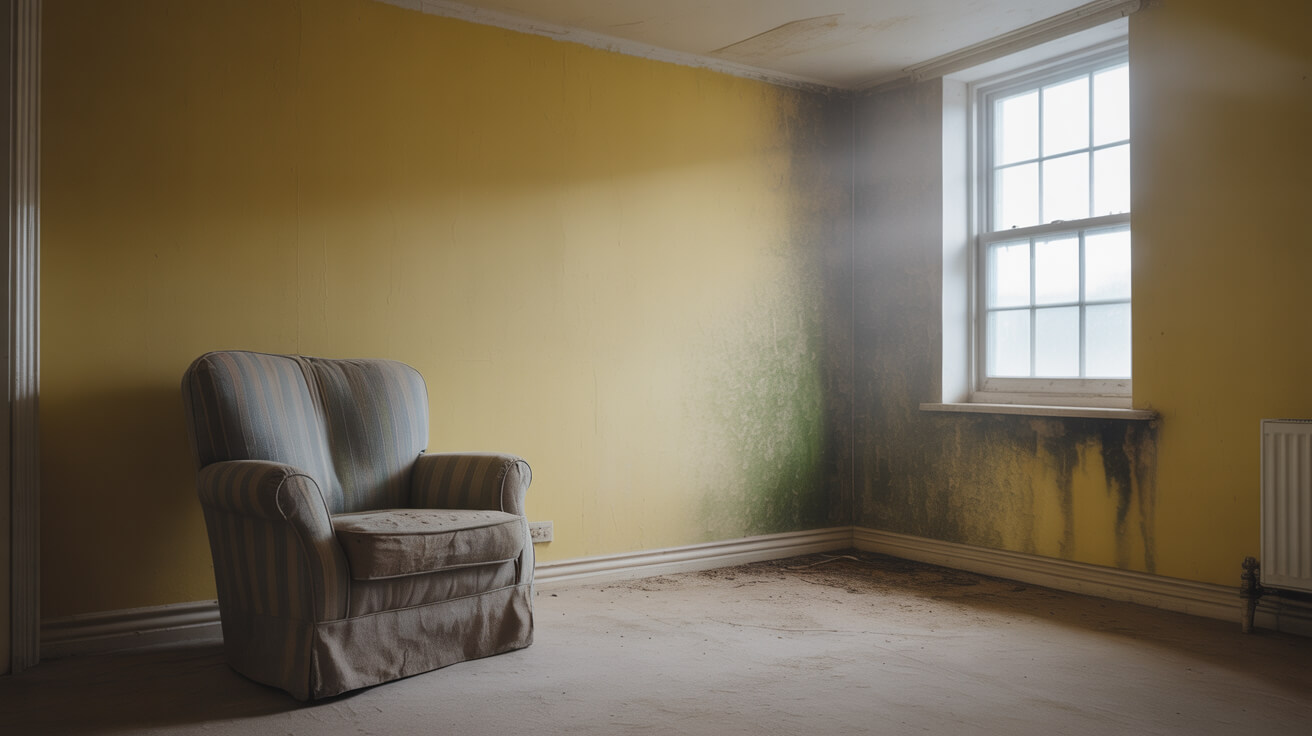
There’s no flat fee for dry rot treatment—the cost spectrum is as broad as the variety of buildings and letting portfolios across Sussex. Costs are dictated by the root cause, the property age, extent of timber infection, and how urgently the situation is dealt with. A small patch on a skirting in a 1970s flat might cost as little as £700–£1,500. But when decay worms into load-bearing floors, hidden joists, or period beams, costs often spike over £5,000–£10,000 (refreshpsc.co.uk).
What pushes the price up?
- Size and importance of infected timber: Main beams, floor joists, and lintels require structural expertise and cost far more than superficial repairs
- Access and complexity: Tight voids, ornate finishes, or restricted heritage spaces mean added hours, advanced tools, and sometimes specialist partners;
- Treating cause, not just symptom: Any job that skips root-cause repair—be it faulty gutters, failed damp proofing, or internal plumbing defects—simply resets the clock for a more expensive failure later
Every missed secret adds money. Rot doesn’t reward shortcuts.
Compliance layers, like heritage approval or council sign-off, add time and billable survey steps. Materials, like lime plaster, vapour-permeable membranes, or custom-milled timber, can also inflate costs. At the end of the day, the right diagnosis and repair strategy shape the bill far more than the contractor’s hourly rate or square-metre pricing.
Why Repairs in Older or Listed Buildings Are a Different Ball Game

Historic properties stand at higher risk, and the repair playbook looks nothing like a quick patch in a modern house. Pre-1950 and listed buildings account for nearly three-quarters of major dry rot outbreaks—with their breathable walls, lime mortars, and centuries of small leaks (refreshpsc.co.uk). These homes let water roam, and when rot takes hold, you can’t just whack on a plastic membrane or use building sand.
What’s different when repairing a period or listed building?
- Materials are tightly prescribed: Only genuine lime plasters, breathable systems, and compatible timber are legal under conservation frameworks;
- Legaliness is non-negotiable: Mercifully, compliance isn’t negotiable—fail to observe the Planning (Listed Buildings and Conservation Areas) Act 1990 and you risk financial penalties or forced remedial works;
- Paperwork is everything: Expect to gather a gallery of before-and-after proof, builder credentials, surveyor sign-offs, and method statements before final signoff.
Heritage homes roll paperwork, planning, and patience into every repair bill.
Budgeting for heritage compliance usually means adding 20–40% extra to mainstream pricing—specialist materials, longer approval cycles, and more documentation all raise the bar. Yet, cut corners and you may face outright fines, lost value, or a refused insurance claim down the line.
What a Full Dry Rot Timber Remediation Really Involves
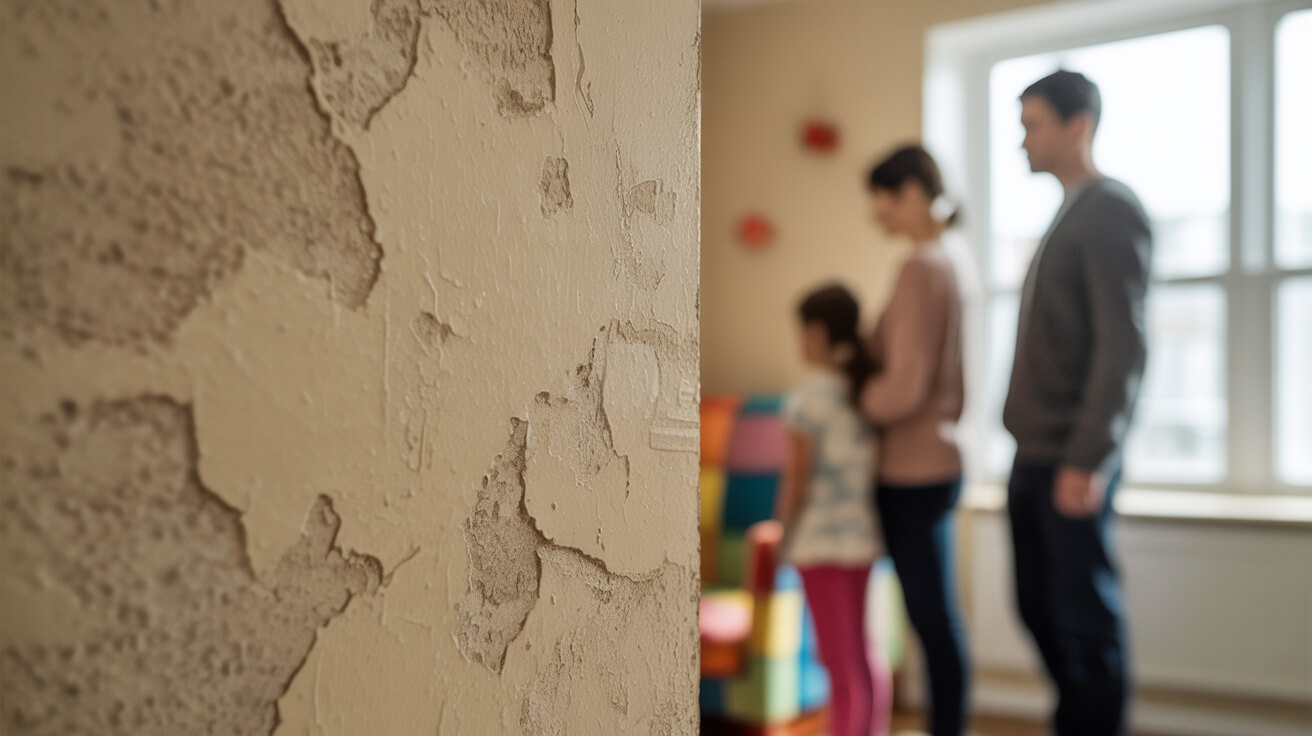
Effective dry rot eradication takes more than a surface fix or casual application of biocide spray. Proper remediation is a methodical, multi-step campaign:
- Independent diagnosis: Moisture and salt mapping, borescope visuals, plus accredited documentation underpin not just diagnosis but warranty eligibility;
- Removal and legal disposal: Stripping all infected timber and contaminated debris, safely, to prevent future outbreaks;
- Specialist treatment: Certified biocide gels, liquids, or injections to exposed areas and any fragile supporting timbers or brickwork;
- Root-cause rectification: Tackling the hidden reasons damp got in—fixing faulty drains, repointing, or insulation flaws that, left unchecked, would simply restart the problem;
- Reconstruction: Installing like-for-like or conservation-friendly timber, matching period features where required, and restoring plaster or decorative finishes to pre-rot standard;
- Completion and compliance: Final surveyor sign off, moisture retesting, and the issuance of a valid guarantee that carries weight for sales, lettings, and insurance.
Typical cost breakdowns:
- *Simple surface fixes (e.g. modern floorboard):* £700–£1,500
- *Moderate intervention (joists, partial floor, minor substructure):* £1,500–£5,000
- *Major, multi-room or heritage jobs:* Above £10,000, potentially much more with structural or conservation constraints
If your chosen firm still relies on surface chemicals alone, it’s time to question their commitment to your repair.
Shortcuts hand the risk—and ultimately the bill—straight back to you. Every step skipped today leads to a more expensive emergency tomorrow.
Why Legal Compliance, Insurance Issues, and Lending Traps Leave You Liable
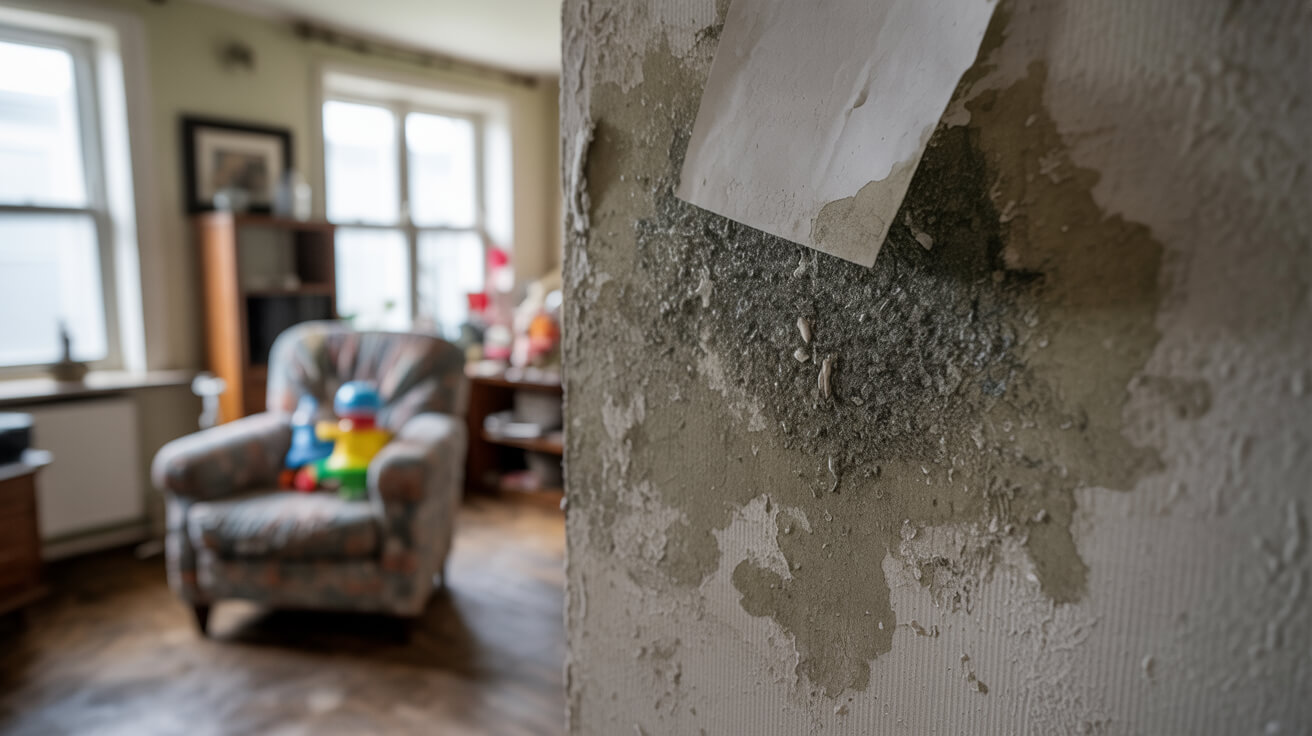
Dry rot isn’t just a building problem—it’s a compliance and asset risk with teeth. Most insurers state, in black and white, that dry rot and gradual timber decay are specifically excluded from policies (theaa.com). Lenders and banks take their cues here too—refusing to release funds on sales or remortgages if rot is detected and not repaired with accredited proof (refreshpsc.co.uk).
The legal lens is even sharper for landlords and property managers:
- Unresolved rot can breach the Landlord and Tenant Act 1985, ending up on the wrong side of new “fitness for habitation” standards;
- “Patch-ups” spotted by surveyors or environmental health kill sales, tank property values, and put you in breach of disclosure and repair duties;
- Tenants and buyers have legal grounds to bring claims if health or comfort is impaired, even years after the initial repair;
Rot is unforgiving—isolation, paperwork, or lost value all hit when you try to cut corners.
Defensible property management comes down to this: diagnosis by a recognised surveyor, repairs using certified contractors, and a “paper trail” ready for any compliance check—or claim. Fail on any link, and statutory, financial, and reputational risk falls to you.
How Prompt Action on Dry Rot Preserves Both Value and Peace of Mind
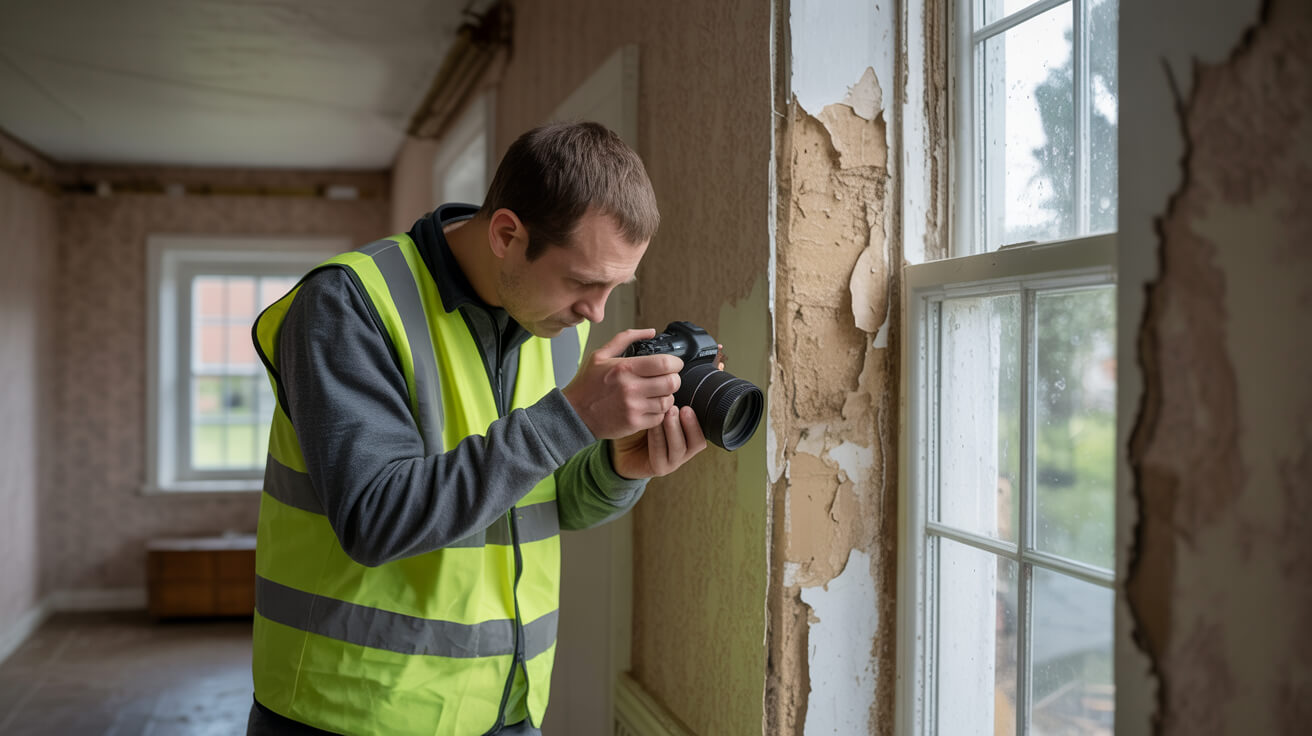
Dry rot is an opportunist; delay is its co-conspirator. Every week you stall, costs climb—the job grows, more timber succumbs, and the problem escalates. Fossil fuel bills creep up as insulation is lost and floors start feeling spongey. The quicker you act, the more leverage you keep over scope, cost, and upheaval.
Every week you pause lets repair bills creep toward £10,000—even when early action can cap it at £1,500. ([permagard.co.uk](https://www.permagard.co.uk/advice/post/treating-dry-rot-wet-rot?utm_source=openai))
Here’s how you regain control:
- Commission a surveyor-grade, insurance-ready diagnosis: Complete with evidence photos, moisture readings, and a repair plan recognised by banks and awareness bodies;
- Insist on meaningful guarantees: Seek 10–30 year insurance-backed guarantees to underwrite your risk ([theaa.com](https://www.theaa.com/home-insurance/advice/dry-rot?utm_source=openai));
- Prioritise competence and compliance: Only choose providers who can provide evidence of heritage-grade or modern compliant work—never accept patch-only specialists;
Forward-thinking landlords and managers increasingly build annual or bi-annual damp checks into their compliance schedules—costly? Not compared to the alternative: failed sales, remortgage rejects, or enforcement action.
How Sussex Damp Experts Protects Your Timber, Compliance, and Future Value

Dealing with dry rot—and especially tackling it in heritage, complex, or multi-unit buildings—takes more than just technical skill. Sussex Damp Experts act as your compliance partner, mapping out every stage of repair, evidence, and aftercare:
- Diagnostics, moisture, and salt mapping: Detecting not just the presence, but the true source;
- Photo, borescope, and full report prep: Satisfying legal, lending, and planning requirements;
- Tailored specification and legal documentation: Covering conservation standards, insurance requirements, and all relevant regulations;
- Trade integration: Coordinating trusted plumbers, joiners, or surveyors where the solution crosses trade boundaries;
Aftercare is a promise, not a sales point:
- Strong insurance-backed guarantees (10–30 years): Recognised by insurers, banks, and managing agents;
- Ongoing check-ups for homeowners and landlords: With optional monitoring for high-risk or mission-critical structures;
- Comprehensive compliance support: Ensuring you meet standards for future sales, audits, or letting cycles.
Protect more than structure—protect the trust, paperwork, and value that keep your asset an asset.
What you get is more than dryness—it’s future-proofed value, auditable proof for any stakeholder, and the assurance that you’ll never be left without the paperwork when it matters most.
Book Your Survey and Safeguard Your Investment—Sussex Damp Experts
Dry rot is merciless the longer it runs free. If you wait, it consumes structural timber and property value while insurers, buyers, and compliance inspectors stand ready to point at missing evidence or patch repairs. The way to future-proof your asset—whether it’s your family home, a rental portfolio, or a listed property—is to act decisively.
When you choose Sussex Damp Experts, you don’t just pay for a repair; you unlock proactive diagnosis, accredited reporting, line-by-line clarity, and aftercare that stays future-fit. Your team keeps your investment above the legal and insurance “red line”—with documentary evidence for every bank, council, and buyer.
Book your accredited dry rot timber inspection with Sussex Damp Experts today. Don’t let small print or slow reaction cost your asset—act before decay dictates your outcome.
Frequently Asked Questions
Why is dry rot in Sussex properties a threat that most owners underestimate until it’s too late?
Dry rot can sabotage your home’s structure and value by staying invisible until the damage spirals—especially in Sussex, where period details or listed status amplify both risk and repair expense. Even minor outbreaks, if caught early, might stay under £2,000, but undetected rot behind skirting boards or joists can mushroom into five-figure bills. In historic buildings, restrictions on materials and strict council oversight mean delays or DIY “fixes” often end up red-flagged by surveyors, torpedoing resale and triggering headaches with insurers and lenders.
Why do Sussex repairs explode in scope and price?
- Heritage hurdles: Listed properties require specialist methods, detailed documentation, and conservation sign-off—each step inflates cost and introduces bottlenecks.
- Hidden rot: Dry rot thrives in concealed spots—between floorboards, under insulation, or inside roof timbers—sometimes escaping notice for years until a survey or sale unearths a full-blown crisis.
- Regulatory triggers: Council or mortgage lender intervention is common once timber decay is detected—sometimes halting transactions or imposing urgent repairs with little negotiation.
Undetected dry rot keeps sapping value even while your walls look fine—by the time symptoms show, big decisions and bigger costs are already on your plate.
How do you protect your biggest asset?
Proactive surveys—especially before listing or major works—catch problems on your terms. Insist on PCA or RICS-accredited reporting tied to current Sussex protocols and keep every certificate and treatment plan handy. Sussex Damp Experts will surface and solve what other contractors miss, ensuring your home retains its edge in both compliance and market value.
What’s the financial and legal fallout of delaying dry rot surveys for Sussex homeowners and landlords?
Every week you hesitate gives dry rot more time to undermine floors, walls, and beams—and drives up your repair tab. Even in a modest Victorian home, studies from insurance data and council case logs show costs can leap from £1,200 for prompt action to £8,000 or more if advanced structural repairs, specialist treatments, or post-survey lender demands stack up. Landlords in particular risk fines or “improvement notices” under the Housing Health and Safety Rating System (HHSRS), while owner-occupiers see mortgage offers withdrawn if surveyors flag active rot.
How does delay shift your financial standing?
- Insurance blind spots: Most standard policies exclude gradual rot, branding it “maintenance”—which means claims fall flat unless you’ve documented regular checks and acted on early warnings.
- Lender control: Outstanding rot issues nearly always lead to mortgage retentions, spikes in premiums, or outright deal collapse—especially where surveyors reference untreated defects.
- Legal action: Councils now wield fast enforcement powers on rental and vulnerable-owner properties; a single tenant complaint can trigger full inspections, “notices to remedy,” and potential legal action if you can’t produce prompt proof of professional remediation.
Rot doesn’t wait for your calendar—delay means you’re negotiating from the back foot, not the front.
What’s the Sussex standard for staying ahead?
Owners who schedule annual or pre-move damp and timber surveys with Sussex Damp Experts routinely sidestep the dramas: faster sales, cleaner surveys, fewer disputes, and—when it counts—evidence strong enough to unlock insurance or protect value.
What do most Sussex home insurance policies and guarantees really cover if dry rot strikes?
Most property owners get blindsided when insurance claims for rot repairs are denied—the small print usually defines dry rot as “gradual deterioration,” not accidental damage. Mortgage lenders checking legitimacy will only accept certificates that meet PCA or BS6576 standards; informal or out-of-date guarantees rarely sway decisions. Even “lifetime” promises evaporate if the contractor vanishes or isn’t backed by a robust, insurance-supported guarantee like those provided by Sussex Damp Experts.
Why aren’t typical guarantees enough in Sussex transactions?
- Paper-thin promises: Unregulated or ambiguous paperwork won’t convince buyers, lenders, or insurers—and often fails legal scrutiny in disputes.
- Compliance gaps: Only PCA-accredited, insurer-backed guarantees stand up to HHSRS requirements, Home Buyers’ Reports, and property tribunal demands.
- Sales and remortgage impact: Any deviation from official standards or lack of a traceable, transferable guarantee can see deals collapse or property valuations slashed.
When the small print shrinks, so does your legal and financial safety net.
How can Sussex homeowners secure real protection?
Opt for written, insurance-backed guarantees that travel with the property, and store physical and digital copies of every certificate and report. Sussex Damp Experts guarantee all work meets both insurance and regulatory benchmarks—so you’re covered even years down the line.
How can you spot real transparency in dry rot treatment quotes, and what costs should you never leave to chance?
Most Sussex homeowners discover “extra” charges once works are underway—hidden behind unclear quotes lacking breakdowns for survey, access, or aftercare. Legitimate specialists, like Sussex Damp Experts, present everything in black and white: from timber removal and biocidal treatment to concrete DPC, reinstatement, and compliance monitoring. Still, extras crop up in heritage jobs (like extra permits or scaffolding) and when “hidden rot” is found behind walls or under floors.
Where do most quote booby-traps hide for Sussex repairs?
- Permits and paperwork: Planning fees or listed building consent are often handled in parallel but not itemised, leaving you exposed at invoice time.
- Decorative works: Painting, skimming, matching historic finishes—rarely included in base packages, and often only discussed after dust settles.
- Scope surprises: Unforeseen patches of rot, if not tightly defined in your builder’s protocol, can trigger “variation orders” and cost escalations.
| What’s Standard | Often Missed or Optional |
|---|---|
| Detailed moisture reporting | Council and conservation permits |
| Certified timber/fabric works | Full redecorating or finish-matching |
| Insurance-standard DPC/tanking | Annual monitoring and aftercare |
| Compliance-specific repairs | VAT on scaffolding or variation |
| 10–25 year written guarantees | Remediation of new-rot outbreaks |
True transparency means no lurking budget sharks—clear, documented, and signed before you lift a floorboard.
How do you bulletproof your budget?
Insist every quote details not only inclusions, but exactly how extras are triggered and charged. Sussex Damp Experts document all variables upfront, manage council interactions, and hand over protocols for mid-survey discoveries—so your budget stays still.
When should you commission a dry rot survey in Sussex to maximise leverage and minimise hassle?
Best practice is simple: don’t wait until sale. Proactive surveys—especially for period or at-risk homes—lock in value, speed sales, and stop rot-related renegotiations in their tracks. A £200–£400 PCA or RICS survey is a fraction of the price of last-minute repairs, let alone collapsed chains or remortgage rejections. In Sussex, more local authorities and insurers are requesting up-to-date survey evidence for compliance, grant eligibility, and dispute prevention.
Why do timing and documentation matter more than ever?
- Negotiation edge: Early surveys give you the power to fix or plan on your timeline—plus a persuasive tool for agents and buyers.
- Confidence for buyers/lenders: Prompt, well-presented clearance paperwork reassures nervous market actors, eliminating “condition” clauses and slowing property markdowns.
- Legal shield for landlords: Ongoing annual or post-works inspections meet not just council but HHSRS and insurance requirements—often the difference between a smooth year and emergency upheaval.
| Survey Commissioned | Practical Consequences |
|---|---|
| Before marketing or remortgage | Predictable costs, buyer trust, compliance ready |
| After a flagged inspection | Emergency rates, disrupted transactions |
| Never carried out | Latent decay, compliance failures, lost value |
In property, the sooner you see what’s hidden, the more control you hold—rot hates fresh evidence.
What’s the Sussex Damp Experts workflow?
Book a survey ahead of big moves or at the first sign of trouble and receive not just a report, but guidance tailored to prevalent Sussex property types, heritage constraints, and active market or legal trends.
How do Sussex’s listed building laws and compliance standards turn dry rot repair into a specialist’s game?
Sussex’s mix of Regency, Victorian, and timber-framed gems means most repairs are subject to a web of local and national compliance—BS6576 and BS8102 for method, PAS2035 for sustainability, and layers of council heritage control. Skip a single reporting step, use the wrong material, or clash with conservation, and you’re risking more than a bad finish: invalidated insurance, lost warranty, and potential legal notices await.
Why is Sussex considered one of the UK’s toughest compliance zones?
- Historic property density: Frequent interaction with council conservation teams, detailed material reviews, and sometimes months of paperwork before works can even begin.
- Escalating scrutiny: Environmental health and damp-risk standards in Sussex are under the spotlight, with national campaigns now referencing key cases in Brighton, Lewes, and Eastbourne.
- Sale and letting risk: One compliance misstep and you could find your home unsellable, insurance void, or tenancy contracts frozen by new rental standards.
Where others see damp, Sussex expects documents—every repair is a paper trail, and every missed detail is leverage lost.
What future-proofs your repairs and investments?
Engage a contractor attuned not just to remediation, but to ECB, HHSRS, and RICS requirements—someone who can harmonise practical repair, compliance, and aftercare. Sussex Damp Experts shape their workflow around every legislation, grant, and planning layer in East Sussex—so you can hand over keys, not apologies, at the end of works.
Take action before damp creates drama—schedule your compliance-first, evidence-ready dry rot survey or remedial plan with Sussex Damp Experts today, and future-proof your property, reputation, and wallet.

