
 By
By  September 3, 2025


How Much Does Damp Proofing Paint Cost—and What Really Drives the Bill?
For property owners grappling with moisture, the price tag on damp proofing paint is just a glimmer of the real expenditure. The figure you see in the DIY store — usually between £4.68 and £10 per litre — tells only the start of the story. True cost is a tapestry woven from your wall’s history, the hidden origins of moisture, compliance headaches, and the ripple effect of cutting corners. What actually drives the final bill is never just the paint: it’s the substrate you’re working with, the diagnostic accuracy behind your plan, and the cost of correcting missteps.
Cheap tins vanish fast, but wet walls stick with you.
Damp proofing is one arena where buying time means spending double. For every property manager, homeowner, or developer pacing the aisles at B&Q, the allure of a “budget fix” can quickly unravel. The true price becomes visible only when you peel back the surface — often when that surface starts bubbling or your surveyor flags an “urgent defect” before a sale. Sussex Damp Experts has seen first-hand how chasing a low sticker price so often ends with bigger headaches: emergency remediation, failed mortgage surveys, and litigation over hidden damp.
What Are You Really Spending Per Litre—and Where Does That Figure Mislead?
At face value, damp proofing paint seems straightforward — £5-£10 per litre covers most brands, with specialist bitumen or tanking coatings at the upper end (Platinum Chemicals 2024). But costs stack far beyond the tins, and “coverage rate” optimism is where most DIYers under-budget.
- Wrong surface, wrong maths.: Manufacturer claims of 12–18m² per litre are wishful marketing — a patch of rough Victorian brick or porous lime plaster can gulp double the paint compared to fresh plasterboard.
- Coat upon coat.: Two is rarely enough: many jobs need three, sometimes four passes. Each coat increases the spend — especially if your walls show any salts, repairs, or signs of earlier patch-ups.
- Wastage and absorption.: Forgotten corners, awkward reveals, and hidden cracks eat up stock. Allowing just a 10% overage is optimistic; most real jobs run 20–30% higher.
- Prep eats pennies.: No one budgets for all the extra: stabiliser, fungicidal wash, neutralisers, PPE, specialist primer for heritage walls. The better the prep, the higher the material bill — but cut this step, and the “saving” disappears as paint fails.
- Tool fatigue.: Cheap rollers and brushes falter on rough walls, and the solvents in bitumen paints can destroy low-grade kit.
Sticker price makes promises. Context decides payback.
The “per-litre” carrot distracts from the true context: your wall’s appetite for materials is shaped by its age, health, and the condition you can’t see. In sum: budgeting by tin price alone almost always underestimates the real outlay.
How Often Does Damp Proofing Paint Actually Solve the Problem—Or Is It Hiding Bigger Issues?
Damp proofing paint can solve mild, surface-level symptoms. But is the problem ever really just surface deep? Survey data and lived experience say otherwise. Paint is effective only for controlling older condensation stains, tackling minor humidity after kitchen upgrades, or as a “finishing touch” once a real cause has been fixed. But for active, growing damp, it’s a sticky illusion.
- Acts only as a surface shield.: Paint might mask stains, but it does nothing for what’s creeping behind. True rising or penetrating damp will simply route around the obstacle.
- No cure for active ingress.: If ground moisture is the culprit, or gutter leaks are letting water slog through walls, paint offers no lasting defence. Water always runs downhill — physics never negotiates.
- Hidden damage explodes costs.: Mask a live problem, and rot, mould, or even hidden fungal growth can take hold. When the issue inevitably resurfaces, you face far costlier professional remedials ([RICS Guidance](https://www.rics.org/news-insights/research/market-surveys/residential-market-survey)).
- Non-breathable paints trap decay.: In historic homes, or anywhere with lime or stone, common “damp” paints suffocate walls, driving up humidity and often sending you headlong into regulatory disputes over internal damage ([Historic England 2024](https://historicengland.org.uk/advice/your-home/making-changes-your-property/repairs/repairing-damp-and-decay/)).
If the diagnosis isn’t right, even the best system is wasted. Painting is only ever a solution when the underlying science — source, trajectory, and substrate — matches the tactic. Otherwise, you buy time… and another problem down the line.
DIY or Professional Damp Proofing: Does “Doing It Yourself” Ever Really Pay Off?
“Why not just do it myself?” — a question echoing through the Instagram feeds and WhatsApp chats of every landlord group and home buyers’ forum. The draw of saving on labour is real, and there’s no doubt: for stains from a schoolbag left wet against the wall, or if you just want a temporary fix in a rental, DIY can do the job. But when compliance, warranty, and asset value are at stake, DIY is often an expensive learning curve.
- Correction is always costly.: If your DIY application fails, a pro will need to strip, re-skim, and in worst cases, even replace wall sections before any guarantee will restart.
- Most DIY jobs aren’t insurable or compliant.: Lenders and insurers, and especially landlords facing council checks, won’t accept a receipt for materials or a photo. Only works carried out to BS 6576 or BS 8102 — by accredited professionals such as Sussex Damp Experts — will be signed off ([True.co.uk](https://www.true.co.uk/news/when-diy-goes-wrong-the-diy-projects-that-could-cost-brits-nearly-10000/)).
- Surveyors see right through cover-ups.: A quick paint job over active or historical damp is flagged immediately by surveyors. This leads to renegotiated sales, buyer suspicion, and often further costly investigation.
- DIY mistakes multiply risk.: No two damp problems are the same; a “one size fits all” paint approach can make things worse: skipping neutraliser on salty brick, using the wrong primer on stone, or failing to allow proper drying between coats accelerates failure.
The fastest way to turn a DIY saving into a loss? Paint over a symptom and hope it all just dries up.
What Sneaky Extras Make the Total Cost Soar—And How Can You Plan for Them?
It’s the items not on the label that break the budget. The cost curve rises steeply when surface problems mask origin stories: failed render, bridging, incomplete diagnosis, or regulatory compliance issues that no paint can cover.
Hidden cost multipliers:
- Renovation before paint.: Flaking plaster, old salt stains, and “hidden history” must be fixed first — that means stripping, treating, and sometimes rebuilding before any painting begins.
- Environmental repairs are non-negotiable.: If poor ventilation, defective gutters, or soil bridging goes unaddressed, every coat of paint becomes a temporary Band-Aid, not a cure.
- Wrong product, wrong wall.: Heritage homes and lime renders need specialist breathable systems — not bitumen or basic acrylic.
- Tool and material contingency.: Always allow for an extra 20–30% above your initial material calculation. Absorption and wastage climb, especially on older or multi-layered walls.
- Authority hoops.: Rentals and sales require signed survey sheets, damp diagnostics to BS6576 standard, and sometimes repeat inspections. Each comes with its own fee.
The low sticker price often buys the fastest route to a bigger repair bill.
Plan to resolve the cause before you reach for the roller; factor in substrate prep, regulatory checks, and compatibility — only then can you truly budget for a dry result.
What Mistakes Turn “Low-Cost” Into an Expensive Regret?
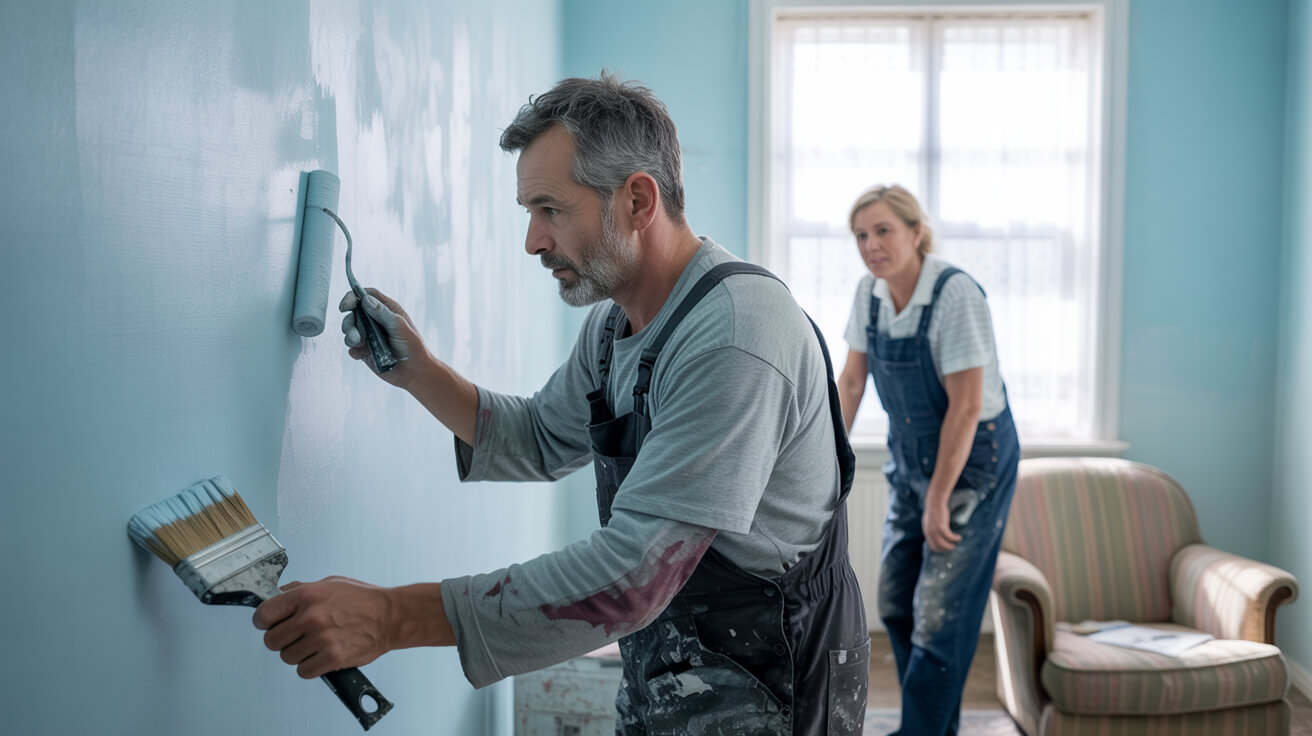
Property owners and investors rarely regret the money spent diagnosing a problem — but they almost always regret money lost on “cheap” paint. The well-worn pitfall: solving for appearance, not cause.
- Active damp painted over.: Whether it’s rising damp or mould from condensation, painting only delays — never solves — the inevitable. The problem flourishes in shadow until the repair job is triple the original.
- Unsuitable paint for living spaces.: Using bitumen paints in homes risks odour, VOC issues, and clashes with breathable wall systems.
- Ignored prep means poor finish.: Missing a blown render, skipping salt blocker, or using a paint unsuited to the wall type causes peeling, blistering, and repeat spend.
- Compliance failures hit value.: Failing council, insurer, or mortgage compliance comes with hefty penalties. Repairs often require stripping all “non-compliant” materials before remedials begin.
A good damp specialist isn’t just a technician — they’re a risk manager, compliance ally, and protection for your property value. Every shortcut at the paint stage drives up cost further down the timeline.
Are Brand, Price, and Warranty a Guarantee—or a Trap?
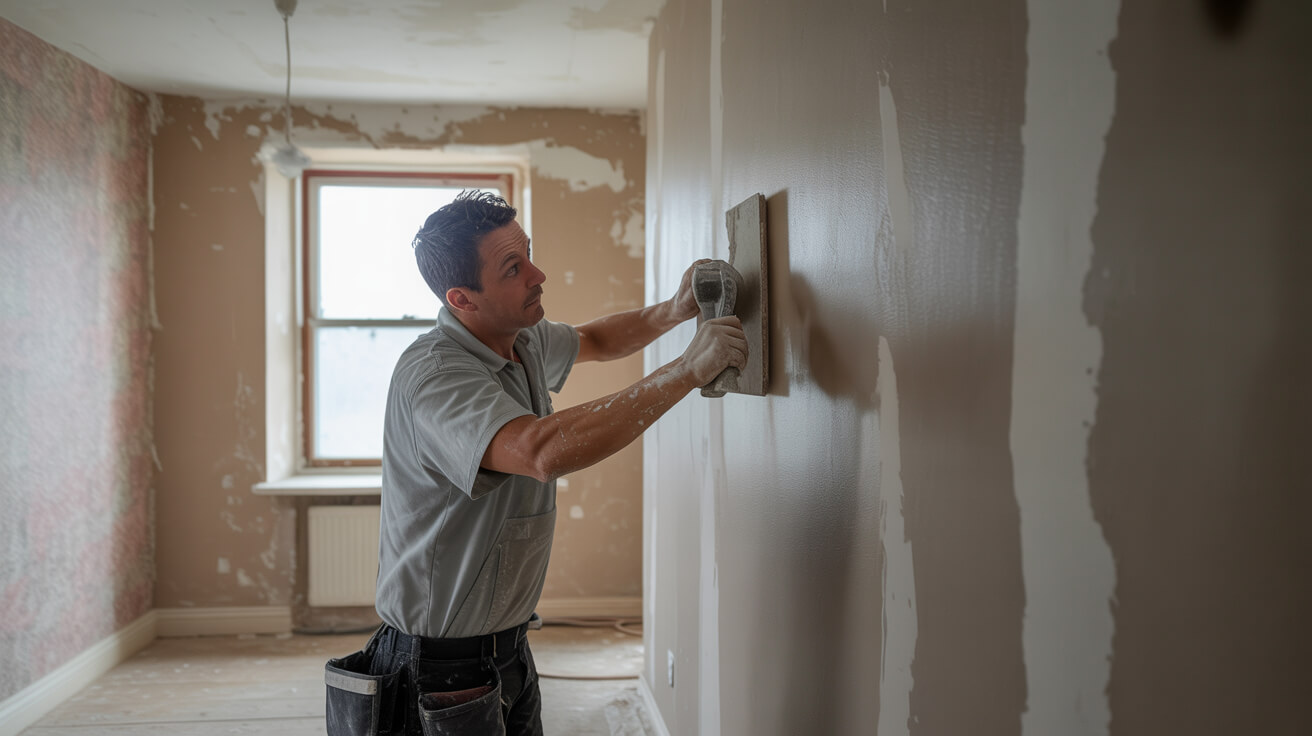
Recognition carries weight, but in damp proofing, the label never replaces the logic. A premium paint or warranty means little if it’s not applied to the right wall, with the right prep, and the right validation. Here’s the rub:
- Brand confidence vs actual need.: Popular brands in chain stores aren’t tailored to heritage materials or period details. Non-breathable or high-VOC paints can breach the requirements for listed or conservation area homes.
- Warranties with fine print.: Guarantees vanish if the wall is damp or surface prep missed — and nearly every major paint brand hides this caveat in their T&Cs ([Property Care Association](https://www.property-care.org/homeowners/guaranteed-protection/)).
- Only a surveyor-system protects your investment.: Compliance to BS6576/8102 is your bulwark in lender negotiations, insurance claims, and resale. If you can’t document the source, system, and sign-off, you don’t have true protection.
- Maintenance is not “optional.”: Paint-only jobs slip through the cracks, leaving owners without a maintained schedule or supporting paperwork required for insurance claims or mortgage renewals.
Relying on the front-of-tin logo is like trusting a waterproof label on a tent in a hurricane. Only bespoke solution design — married to context and compliance — locks in property value.
Why No Paint, No Matter the Price, Replaces a Diagnostic Survey
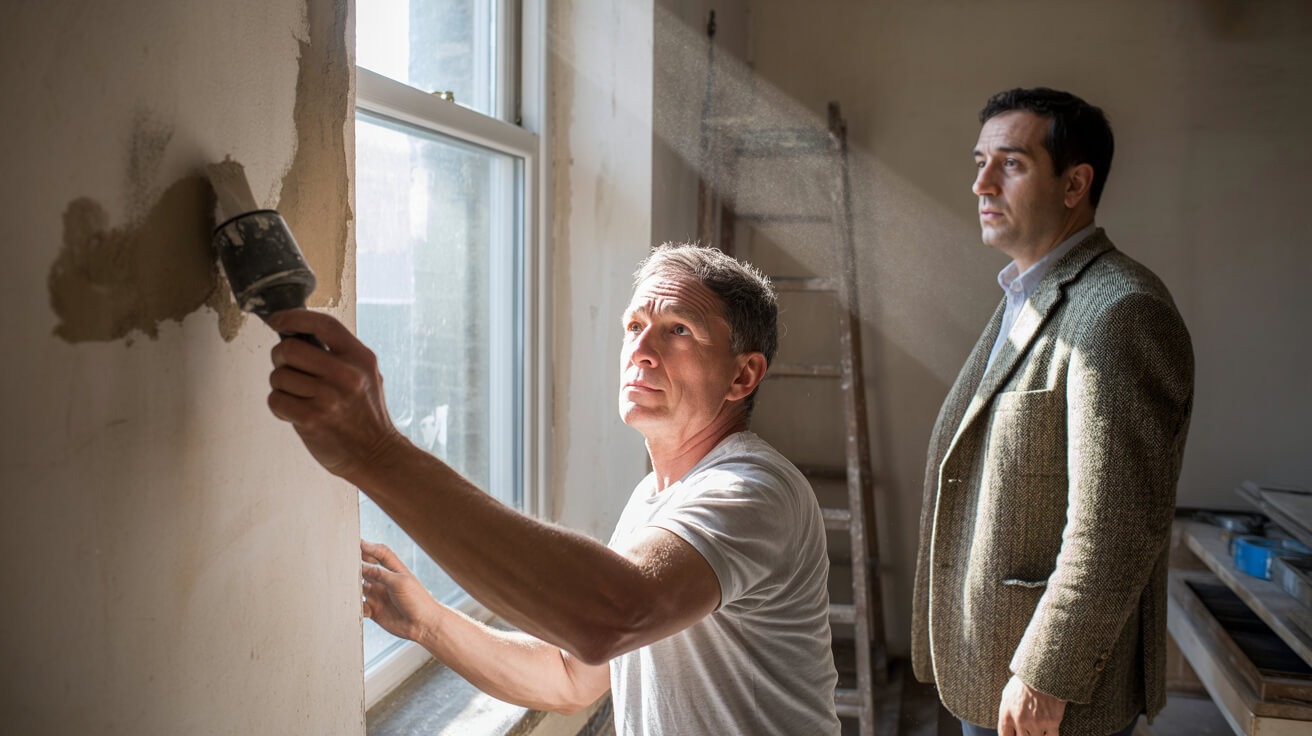
Surface solutions sell hope, but they can’t substitute reality. Whether you’re prepping for sale, dealing with an anxious tenant, or safeguarding a family home, diagnosis first is always cheaper than correcting mistakes later.
- A forensic start avoids wasted spend.: Moisture sources track across floors, up capillary lines, or through air leaks. Only a full moisture map, carried out to surveyor standard, lands you in the right place.
- System, not symptom, drives plans.: Success is planned with substrate, humidity, surface history, and neighbouring problems aligned. Pairing the wrong fix to the right symptom writes a blank cheque to future remedial costs.
- Survey-driven reports save your reputation.: Any money saved at the front end is lost, many times over, if you fail a compliance check, lose a sale, or have to defend a repair in legal or insurance disputes.
Walls don’t lie—only a forensic survey can see what paint can’t reach.
A professional survey, backed by Sussex Damp Experts, brings clarity that no paint catalogue ever could. Before you plan your spend, secure your peace of mind.
Choose Sussex Damp Experts for a Damp Proofing Plan That Pays Off
If your building’s future means anything to you — or if you simply value predictable budgets and happy tenants — work with teams who build their reputation on solving, not just painting over, your damp problems.
Sussex Damp Experts serve the South East with a principle that leads every project: real savings come from system, not shortcuts.
- Forensic diagnosis as default.: Full-spectrum tests follow moisture to its root, mapping out everything from failed DPCs to hidden leaks and climate-driven condensation.
- Transparent budgeting, zero surprises.: Quoting includes prep, finish, compliance docs, and future-proofing, so you see the whole spend before a brush is ever dipped.
- Front-line compliance.: Every job comes with bullet-proof paperwork: from BS6576 to TrustMark, so you clear every survey, insurance audit, or council inspection.
- Tailored for heritage and new builds.: Whether you’re defending a Grade II cottage or fortifying a recent addition, our diagnosis steers your spend, not the other way around.
- Proof, not promises.: Backed by photos, warranties, and tracked aftercare, we turn invisible damage into a visible asset for your next buyer, lender, or auditor.
Don’t gamble on a label. Get a strategy tailored to your property, built for the future — not a tin. Sussex Damp Experts deliver lasting confidence: our plan, your peace of mind.
It’s simple. Start with knowledge, not a can. Secure lasting protection: contact Sussex Damp Experts today and build on solid, dry ground.
Ready for lasting, regulatory-backed protection? Get your diagnostic survey with Sussex Damp Experts and turn damp risk into property resilience—for years to come.
Frequently Asked Questions
What factors decide whether damp proofing paint truly saves you money, or just postpones a larger repair bill?
Damp proofing paint only delivers savings when every underlying cause is honestly tackled first—otherwise, it’s a short-term mask that lets your real costs compound in silence. Paint can shield against condensation or minor surface marks on a sound, dry wall, but most Sussex homes—especially older or patched-up builds—have hidden moisture mischief just below the surface. Relying on a tin for deep-seated or recurring damp is like taping a leak under wallpaper: it hides the truth, doesn’t solve it.
The price you see is just the deposit—the real bill arrives when the cover-up wears thin.
Miss or skip a professional diagnosis, and those “low” up-front costs quickly inflate: prepping old brick, treating salts you didn’t spot, buying the right rollers, or chasing stains that return after your next rainy season. For homes flagged by lenders, insurance, or letting agents as “at risk,” the gamble is even steeper—repainting is far less forgiving when property values or compliance are on the line.
Where does damp proofing paint work in your favour?
- Flawlessly prepped, dry, salt-free walls needing only a surface barrier.
- Bathrooms or kitchens with mild condensation, assuming great airflow.
- Short-term touch-ups in non-critical, previously surveyed “dry” areas.
Where does it become a hidden liability?
- Any surface with hidden moisture, salt, or structural damage.
- Properties under mortgage, insurance, or tenancy scrutiny.
- Over existing repairs, trap moisture and trigger costly rework.
Taking advice from Sussex Damp Experts before you pick up a brush isn’t just prudent—it’s how you anchor your spending in real protection, not wishful thinking.
How do wall type, history, and context change the cost-benefit of damp proofing paint?
The wall you see is only half the story—its type, age, and repair legacy decide whether a tin of paint stretches for miles or gets swallowed whole. Sussex properties with solid or historic walls often burn through product at rates 30–50% higher than the label suggests. Forgotten repairs, old plaster, or salt in the masonry absorb paint unevenly, demand extensive surface work, or require expensive, breathable paints—not just what you find at the shop.
Paint is cheap, but walls with a past always shop for the extras.
On the other hand, modern cavity wall homes or newly refurbished interiors put you on firmer ground: standard prep, lower absorption, and off-the-shelf paints can actually perform as advertised. Where heritage status enters the mix, expect costs to double: specialist materials, listed-building consent, and careful installation become the ticket to compliance and resale.
Five true wall-driven price shifts:
- Solid or historic brick: Eats paint and time—expect prepping, stripping, and re-plastering to make up most of the bill.
- Heritage/listed properties: Demand specialist, vapour-open paints and pre-approval.
- Visible damp or salts: Guarantee extra expenditure on repairs before any painting.
- Restricted access: Drives up both time and manpower.
- External failings: Ignore gutters and drains at your own cost—external moisture defects always demand attention first.
| Wall/Context | Overrun Risk | Prep Needs | Compatible Paints |
|---|---|---|---|
| Modern cavity | Low | Standard, simple | UK standard |
| Solid brick/stone | +30–50% | Strip, detailed prep | Breathable, high-adhesion |
| Heritage/listed | Up to double | Consent, specialist | Lime/acrylic, vapour-open |
| Basement/underground | +40% plus | Tank, barrier systems | Specialist waterproofers |
Budget for the surface you actually have, not the one you wish you did. Let Sussex Damp Experts run a quick wall appraisal before you start.
Where does damp proofing paint provide real protection, and when could it actually do more harm than good?
Damp proofing paint can genuinely protect when it’s used to finish a dry, well-ventilated space—the secret is zero hidden moisture. In a new bathroom or kitchen with sound walls, good airflow, and clean surfaces, the right paint slows surface stains and keeps your finish looking sharp. The catch: apply over old salts, rising damp, or botched repairs, and you may just trap water, rot timber, and bake more costly damage into your walls.
Heritage or lime-rendered buildings across Sussex make this risk starker. Non-breathable paints suffocate walls, fast-tracking decay and landing you in trouble with planners or heritage boards. At least 30% of failed buyer surveys in 2023 tied back to improper damp paint “fixes” covering deeper, unresolved issues (Sussex Housing Data, 2023). A blocked review by a mortgage lender or regulation breach with the council can turn quick paint jobs into legal headaches.
A building’s story gets trapped in its walls—paint the wrong chapter, and trouble leaks out tenfold.
When is paint a true win?
- As the last layer—after proper substrate drying, repair, and ventilation upgrades.
- Surfaces with only surface-level condensation or light staining.
- Properties that pass a survey with no flags.
When does paint become a liability?
- Active rising, penetrating, or unseen damp under the surface.
- Heritage/lime-render homes needing open, regulatory-compliant finishes.
- When leaks, salts, or hidden failures remain unchecked.
Don’t gamble. Sussex Damp Experts provide non-invasive moisture readings so you know if paint is genuinely a solution—or a trapdoor.
What are the compliance and lifetime costs when comparing DIY damp paint to professional damp proofing systems?
DIY may look enticing—£50 to £150 in upfront spend and a weekend’s elbow grease—but it usually can’t meet compliance bars for mortgage, insurance, or tenancy. Nearly three-quarters of UK lenders now demand certificate-backed, professionally installed damp measures (Zurich, Halifax, 2023), leaving most DIY efforts “off the paperwork”—meaning failed risk checks, redraws, or even voided insurance. Owners paying twice is no myth.
By contrast, professional damp proofing—chemical DPC, cavity drainage, or tanking membranes (from £1,200+ per wall)—delivers root-cause diagnosis, system-matched methods, and all the certification a council, agent, or buyer expects. Data shows Sussex landlords switching to pro systems saw survey passes double and post-move maintenance calls halve (Letting Agent Chronicle, 2022).
A cheap coat covers today—accredited diagnostics keep your roof, value, and freedom tomorrow.
DIY: When does it fit?
- Owner-occupied, risk-contained rooms with zero future compliance demands.
- Very light condensation—never rising damp or flagged survey issues.
Professional’s real value:
- Legally-backed, insurable outcomes with transferable warranties.
- Diagnostics that detect and resolve hidden, costly drivers.
- Survey-ready packs for asset protection and stress-free sales.
Sole traders and landlords: a Sussex Damp Experts survey costs less than a botched sale or a year of tenant disruption. Warranty, aftercare, and regulatory sign-off are worth their weight in stress saved.
What surprises owners most about the hidden or secondary costs of failed damp proofing paint jobs?
Most owners spot the cash on the till, not the snowball build-up behind failed paint—legal wrangles, lost sales, or cascading repair bills. Costs often erupt from missed substrate prep: stripping back damaged walls, re-plastering, disposing of debris, or sourcing heritage-safe materials. Local council or mortgage refusals due to failed certificates bring extra site visits, new surveys, and sometimes urgent remediation—each running £300 to £2,500. Collectively, UK property owners spend upwards of £150 million a year untangling failed paint jobs (Property Standards Board, 2022).
Save ten minutes now and you might trade three months, four trades, and a barrow of receipts later.
Cost pits to watch for:
- Stripping and re-prepping surfaces (materials, waste, manpower).
- Securing consents and specialty paints for listed builds.
- Correcting surfacing problems in rental or sale chains.
- Fungi, salts, or water tracked in late, multiplying labour.
Professional surveys and staged, system-matched works are your safety net: for Sussex homes, about 1 in 4 “do-it-quick” paint jobs needs full correction for compliance or market value—usually at three to five times the initial outlay.
Which specialist paints, brands, and warranty-backed expert systems most reliably protect Sussex homes and assets?
Quality is about product fit, expert application, and watertight paperwork—not just the price tag. For dry, prepped walls, BBA-certified options (Wykamol, Drybase, Safeguard Europe) hold up—provided you follow the spec without compromise. Heritage or eco-sensitivity needs brands like Graphenstone or Earthborn and proof the installation meets vapour permeability and conservation demands. The critical clincher is warranty: almost every serious guarantee requires accredited pro instal, with paperwork you can show buyers, lenders, or insurance underwriters.
A wall isn’t safe until the science, method, and the certificate all say so.
| Brand/System | Where It Wins | Warranty Duration | Must-Have |
|---|---|---|---|
| Wykamol Technoseal | Internal, high-usage | Up to 30 years | Accredited application |
| Drybase Flex Membrane | Small DIY fixes | Short | Condensation only |
| Safeguard Europe | Heritage/professional | 10–30 years | Surveyor-compliant, hybrid |
| Graphenstone/Earthborn | Lime/eco/heritage | 6–12 years | Breathable, pro installed |
| Sussex Damp Experts | All property contexts | Lifetime, local | Diagnosis, pro fit, docs |
Sussex Damp Experts close every loop: diagnosis, product, certified solution, and supporting paperwork, so you unlock peace of mind, regulatory respect, and lasting property value. Get the job done once—future buyers, surveyors, and your wallet will thank you.

