
 By
By  September 3, 2025


Why “Condensation Control” Is Never Just a Gadget—And Why “Price per Job” Is a Myth
Condensation in buildings isn’t solved with a plug-in gadget or a quick paint-over. If you’re dealing with persistent moisture, black mould, or mystery damp on a Sussex property, you’re really dealing with a tangled web of building physics, air movement, materials, and human habits—nothing about it is off-the-shelf. What makes it trickier: two homes in the same postcode can demand entirely different solutions, and the numbers on the quote will swing wild if a firm’s skipping proper diagnosis.
Here’s the hard truth few want to say out loud: condensation control is a process, not a product. Every credible journey begins with a forensic survey—not a sales script. Moisture metre in one hand, thermal camera in the other, the experienced specialist maps the pathway of every “bead of condensation” back to its true sources, whether that’s the way your Victorian brickwork breathes, the invisible cold bridge behind bedroom plaster, or a condensation system underspec left behind by a rushed developer.
What you can’t see costs more than what you can—condensation is nearly always the symptom, never the whole story.
If your quote skips this level of diagnosis, you’re playing the property lottery. British standards like BS6576 demand mapped-out humidity, salt testing, and root-cause differentiation before anyone talks remedial kit or warranty (BS6576 Standard – British Standards). The price you get, in a credible process, is a direct function of what’s lurking inside your walls, your air, your insulation, and how the bits and pieces of your home interact.
Price “per property” changes because properties aren’t twins—every fix must answer to the unique fingerprint of risk, history, and regulations attached to your building. If someone offers a flat price or goes straight to a product pitch, keep walking.
How Does What’s Behind Your Walls—And Above Your Head—Shape The Cost?

You can’t price a real condensation fix without a map of what’s actually going on inside your home. That map is shaped by property age, wall construction, hidden voids, insulation oddities, and the way water and air sneak around corners. Take two terraced houses on the same street—one has original lime plaster and sunken floors, the other has a badly executed retrofit with blocked up eaves. Same look on paper, but the pathway to dry living is worlds apart.
What Property Variables Drive the Biggest Cost Swings?
• Build Era Matters: Older builds (Victorian, Edwardian, pre-war) bring solid walls, old mortars, and decades of subtle system changes; new builds might hide airtight headaches or cavity cold spots.
• Room Count & Layout: More bathrooms, unvented lofts, or big bay windows will all up the risk, meaning more zones to treat or ventilate.
• Access for Trades: Tricky lofts, boxed-in eaves, or floors stacked with laminate mess with how—and how long—your system can even go in.
• Legal & Historic Status: Listed buildings and conservation areas limit options, sometimes favouring expensive, low-impact, “invisible” solutions.
• Usage: Large families, HMOs, or high-turnover rentals generate extra moisture. More bodies, more cooking, more showers—all up the ante.
| Home Type | Typical System Installed (£) | Real-World Obstacles |
|---|---|---|
| Victorian Mid-Terrace | £2,500–£4,500 | Heritage, awkward access, chalk walls |
| Modern Semi-Detached | £3,000–£5,000 | Cavity details, scale, more vents |
| Large/Spread Homes | £4,000–£7,500+ | Multiply fans, MVHR, longer runs |
A neighbour’s fix is rarely your fix—the invisible details behind your paint transform the real cost.
Until a surveyor’s put eyes (and a metre) on the quirks of your place, any so-called “average” is guesswork. Sussex Damp Experts don’t commit to any number until every build and occupancy variable is checked off and shared—all to make sure you don’t end up with costly “extras” mid-job.
What Kinds of Systems Actually Work—And Why Is There Such a Gap in Price Bands?
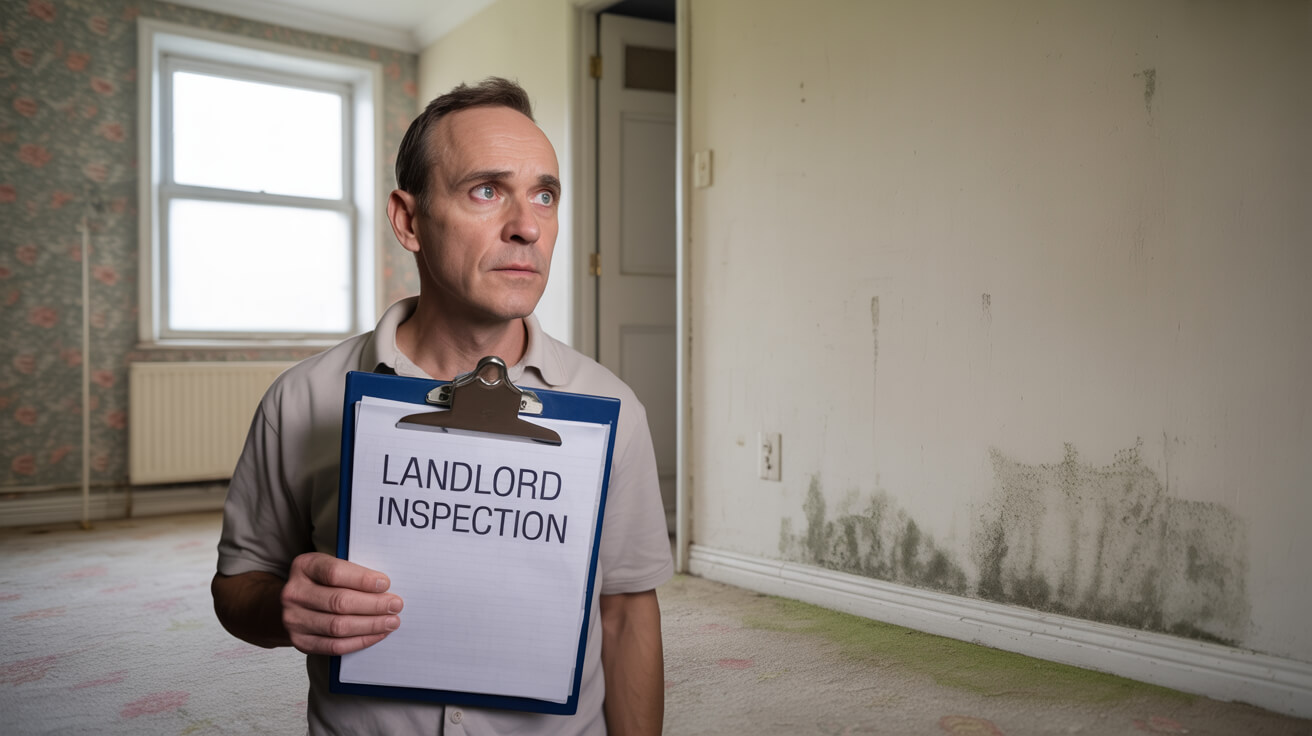
You’ll see everything from £300 bathroom fans in Bexhill to £15,000 heat-recovery setups in Brighton penthouses, and it doesn’t make sense until you see what’s really happening behind the scenes. The system you need hinges on root cause—get that wrong, and even a high-spec system is just feeding future repair bills.
| System Type | True Installed Price Range | Best Use Case |
|---|---|---|
| Positive Input Ventilation | £900–£1,200 | Small flats, bungalows, low-risk |
| High-Spec Extractor Fans | £200–£350 (per room) | Bathrooms, kitchens |
| MVHR (Heat Recovery) | £5,000–£15,000+ | Large, luxury, green builds |
| Hybrid/Tailored Bundles | £1,800–£7,000+ | Historic/complex, multi-trade |
• Positive Input Ventilation (PIV) pushes filtered, dry air through the home—a cost-effective solution, if the survey shows you’ve got the right layout and wall construction.
• Extractor Fans may sound basic, but modern humidity-sensing, quiet units, installed by a real pro, catch a lot of daily spikes if ducted and commissioned properly.
• MVHR (Mechanical Ventilation with Heat Recovery) is the top-drawer answer—heat-efficient, landlord-pleasing, and regulatory gold—but only pays off or fits in the right context.
• Hybrid/Bespoke Systems layer multiple approaches—sometimes mixing PIV, fans, insulation tweaks, and local tanking for trickier properties.
A five-grand system that isn’t designed for your building is less protective than a £1,200 system that is—diagnosis always trumps gear.
The Sussex Damp Experts don’t fit gear to numbers; they match evidence to solution, then back every system with warranted compliance certificates recognised by mortgage surveyors, insurers, and local councils (Climateworks – MVHR & Ventilation Advice).
Why Do Instals Sometimes Cost Way More Than “The Average” (And What Surprises Cause This)?

Sticker prices only tell part of the story. Properties almost never behave for the “average” job—or the average installer. Upgrades spiral or grind to a halt when the original survey missed the hidden stuff: rotten joists, mystery voids, or regulatory snags.
What Surprises Bloat the Bill—And Can You See Them Coming?
• Difficult Access: Tight lofts or boxed-in risers slow down trades, increase hours, or require extra safety precautions.
• Ageing Infrastructure: Old electrics or bodged pipework spark delays and extra charges when the time comes to connect “simple” kit.
• Listed Status | Conservation Zones: Regulatory red tape demands more paperwork, gentler instal methods, and bespoke gear—raising price and timeline.
• Regional Cost Inflation: In Sussex, trades and materials carry a 10–15% premium on UK averages; local demand is fierce (InsituSCP Damp & Condensation Cost Guide).
• Surveyor/Mortgage Red Flags: Bank or surveyor demands force extra steps for compliance, often at the last minute.
• Unplanned Structural Discoveries: Hidden rot, woodworm, or moisture ingress that only appears in strip-out can mean pausing for further diagnostics.
In property, no news is rarely good news—every shortcut or missed detail comes out as cost, stress, or disruption you didn’t budget for.
Top firms (Sussex Damp Experts are known for this) risk-map the possibilities at the outset, so you’re not hit with “sorry, that’s extra” halfway through your job.
What Should a Real Quote—And Not Just a Sales Pitch—Actually Include?

The internet is full of “quick quote” widgets and firms lobbing two-line estimates on WhatsApp. These are worse than useless: they get landlords blindsided by surveyor refusals and homeowners caught, mid-sale, with compliance gaps sticky enough to sink a deal.
The Anatomy of a Proper Quote
• Survey Evidence: Moisture mapping, inspection photos, thermographic analysis, salt probe results—each step visible and explained.
• Technical Kit List: Every system or part (brand/model/rating), room-by-room location, and airflow rate is specified.
• Compliance Framework: BS6576, BS8102, HHSRS, Part F, PAS2035—all directly referenced where applicable; your quote should show your risk is being managed, not ignored.
• Warranty and Aftercare: Not just “warranty included”—but real, insurance-backed details, linked to property, not just the company.
• Risks, Exclusions & Limit Notes: Real quotes own the possibility of surprise (hidden voids, legal snags, access issues) and spell them out.
• Before & After Acceptance: Agreement up-front on what “done right” looks like, not just a promise at the end.
A check-box quote leaves you exposed. A proper, surveyor-friendly quote is a future-protection asset—those are the ones big lenders and insurers care about.
If your quote misses these details, especially on a high-value job or in legal/tenant contexts, you could be hanging risk over your head for years.
Why Do Cheap Kits and DIY Shortcuts Backfire—Even for “Simple” Moisture Problems?
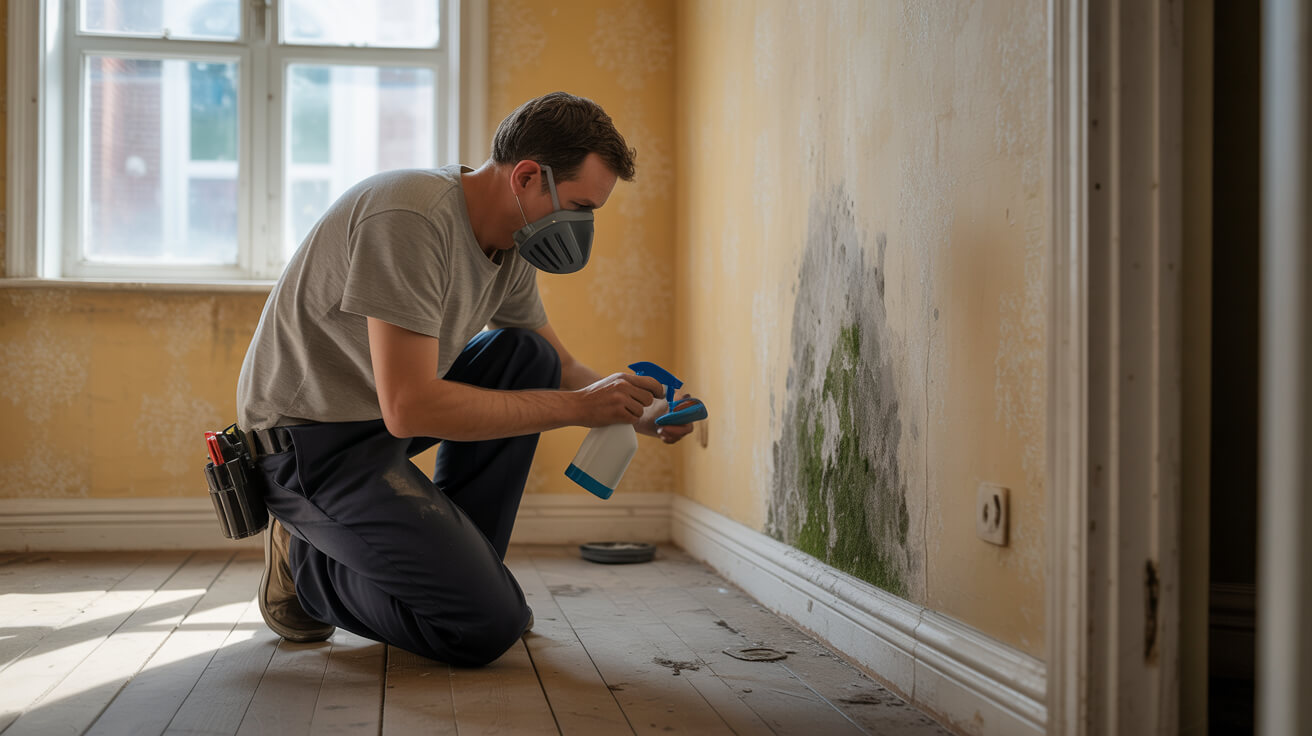
Googling “condensation resistor” or finding plug-and-play kits is tempting when budgets are tight, or you just want to “get it sorted”. But with property, the penalty for wishful thinking is long-lived and multifaceted—DIY or budget workarounds commonly trade a fast fix for a time bomb under your compliance, sale, or even legal status.
• Invalid Insurance and Mortgage Terms: Unaccredited work, or a system lacking surveyor sign-off, triggers lender refusals or voids insurance—even for “small jobs.”
• Sales and Letting Headaches: Subpar work (especially with missing paperwork) is a magnet for surveyor queries, market price drops, or failed lettings.
• Legal and Health Traps: The “Fitness for Habitation Act” and the HHSRS make slipshod instals a liability issue—councils can issue repair notices and fine, and tenants can claim compensation.
• False Economy: All-in-one kits rarely address your actual source of moisture or the layers of risk; “moisture tomorrow” is more expensive than “diagnosis today.”
• Vanishing Aftercare: When low-cost installer vanishes, you’ve got a system nobody wants to maintain, and no paperwork to back a guarantee.
What you save on DIY often pays out double as legal, survey, or specialist costs within a few years.
If you’re a landlord, manager, or anyone with a duty of care, a shortcut today plants landmines for your future.
Aftercare, Certification, and Paperwork—Are They Worth It (Or Just Red Tape)?

Paying extra for aftercare, documentation, and certification feels—on paper—like a tax. But once you’re in the thick of a property sale, mortgage renewal, or tenant dispute, those “optional” extras become leverage for your long-term security and saleability.
What You Really Buy With Aftercare and Certification
• Valid Paper Trail for Every Stakeholder: Insurer, lender, buyer, agent—everyone wants to see your compliance docs up front (not just hear about them).
• Annual Support and System Verification: Scheduled moisture checks, warranty-linked maintenance, and a hotline to fix issues fast.
• Insurance-Backed Guarantees: Not every “warranty” is worth the paper—insurance-backed guarantees matter to lenders and buyers.
• Regulator and Accreditation Peace of Mind: Major bodies like TrustMark, PCA, PAS2035, and BS6576 do more than gold-plate the job; their stamp reduces long-term risk and buyer/bank suspicion.
On paper, aftercare looks like a cost. In reality, it’s the ‘get out of gaol’ card when you need speed, proof, or a safe sale.
For top-tier instals, compliance, evidence, paperwork, and aftercare combine to lift your risk, your value, and your flexibility—most of all, they protect your wallet long past the handover date (Housing.org.uk – Social Housing Damp & Mould Guidance).
Sussex Damp Experts—How the Evidence-First Approach Fixes Your Price and Seals Your Risk
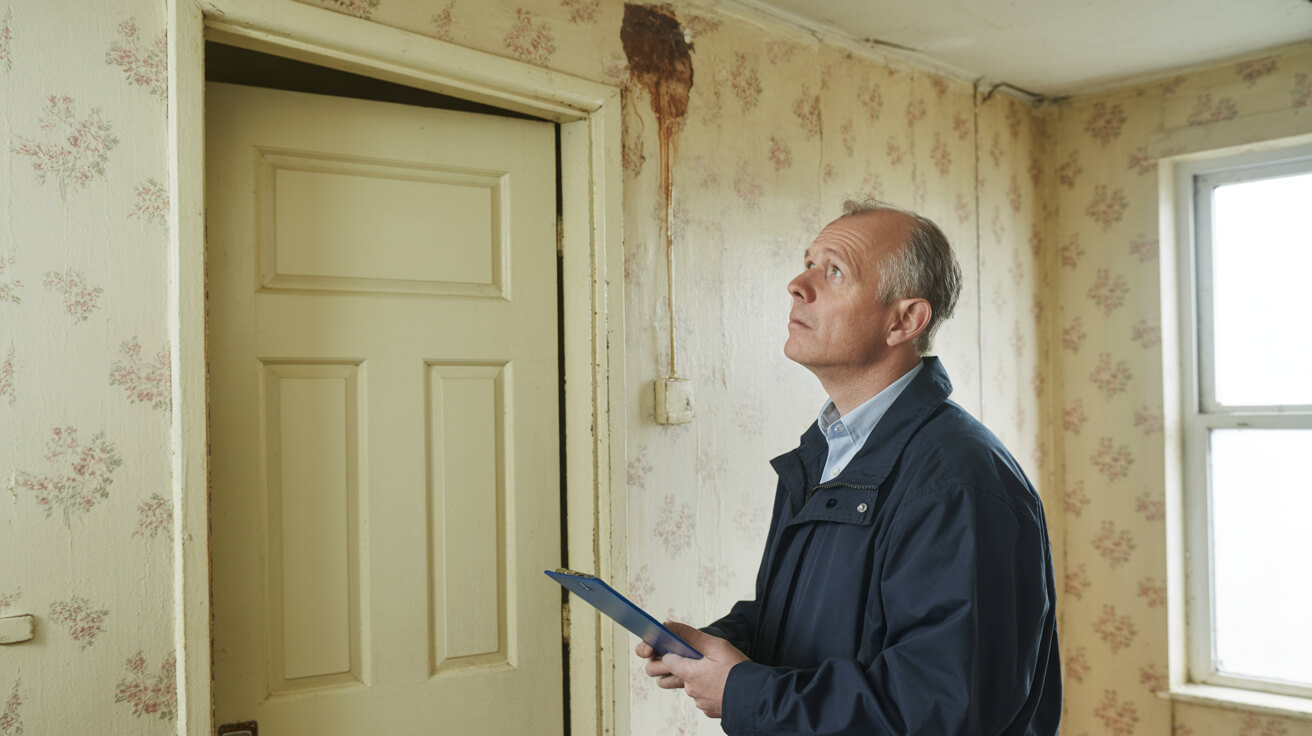
At Sussex Damp Experts, every job starts and ends with one principle: evidence—and your risk—come first. This isn’t about damping down a patch of mould and calling it a day. It’s a system: forensics first, transparent price next, and every move mapped to a British Standard or legal clause you can show to any lender, insurer, or buyer.
What Sets Our Process Apart?
- Survey-Led Diagnostics: We don’t sell solutions blind; every system is mapped to the cause.
- Evidence-Fixed Pricing: Once your job is scoped—all diagnostics done—we stand by the number, with no flinches or “hidden extras.”
- Bespoke System Design: The real value is nuance: we factor in structure, usage, heritage status, regulations—all the things the average firm forgets.
- Legal and Compliance Paperwork: BS6576/BS8102, landlord and tenant law, insurance needs—locked into every system we build.
- Guaranteed Aftercare: Insurance-backed warranties, annual check-ups, and responsive support mean you’re never left batting away risk alone.
A quote is just ink unless it comes with evidence, compliance, and aftercare—all mapped to your real world.
We hand over before/after evidence, case studies, and legal ready paperwork—so when the lender, agent, or buyer knocks, your only answer is confidence.
Booked and Evidence-Backed: Why Sussex Damp Experts Is the Choice for Zero-Compromise Protection
The actual cost of condensation is the ongoing stress and risk that comes with “half-jobs,” guesswork, and a condensation system underspec. With Sussex Damp Experts, you exchange that fog of uncertainty for documented clarity, regulator compliance, and a system that’s proofed for your next deal, let, or inspection.
• Evidence-Based Fixed Pricing: Crystal clear numbers, tied to your actual property.
• Full Accreditation and Insurance: Every claim, every guarantee—built to local laws, lender terms, and insurance policies.
• Real Support, Every Year: Aftercare isn’t a sales point, it’s your defence against creeping risk and lost value.
• No “Almost” Solutions: Every step justified, every document delivered, every stakeholder protected.
With condensation, the real price isn’t on the first bill—it’s what happens when you need to prove your property’s safe, legal, and worth what you think.
Secure your evidence-driven, fixed price condensation control from Sussex Damp Experts. Every system delivered is more than dry walls—it’s certified, warranted peace of mind.
Frequently Asked Questions
Why do some condensation control projects spiral in cost while others stay on budget?
Projects stray into expensive territory when the property’s quirks or hidden damp profiles outsmart a cookie-cutter approach. The big secret is that most quotes miss the variables that matter: a semi-detached from the interwar years might hide cold voids or salt-stained timbers, while a modern flat could be air-tight but suffocated by condensation with nowhere to go. Every missed defect is a cost boobytrap just waiting for the instal team.
Damp hides where it wants—a missed pipe chase or cold spot and you’re patching, not curing.
What hidden factors disrupt budgets?
- Heritage features mean lime plasters, not standard gypsum—costs double if the wrong material goes on and has to be rectified later.
- Subtle cold-bridges behind boxed-in beams or steelwork make for repeated callouts if not detected early.
- Utility rooms and basements demand extra extraction wiring and careful compliance with British Standards.
- Poor access: A loft hatch fit for gymnasts, not adult installers, and you’re looking at prolonged labour.
- Unmapped moisture in floor voids or where timber meets brickwork—these are regularly missed by quick-fix providers but show up when it’s too late to adjust the quote.
How can you lock down costs before they balloon?
- Don’t trust a “ballpark” quote—demand a photographic, written risk map with every proposal.
- Require a clear doc outlining what is, and isn’t, covered; make sure allowances are specified for quirky access or heritage fabric.
- Check for real evidence: thermal images, humidity graphs, and salt plotting all work in your favour.
With Sussex Damp Experts, forensic surveying keeps you ahead of sabotage—from quirks, trades, or weather—and the plan you get is the cost you keep.
What British regulations and standards shape condensation control solutions—and how can you leverage them?
Every compliant condensation control project in the UK must wrestle with a legal jungle—BS6576 for rising damp, BS8102 for waterproofing below ground, Part F of the Building Regulations for ventilation, PAS2035 for eco-retrofits, TrustMark for workmanship, and sometimes local conservation orders for heritage properties. The issue? If even one thread is missed, your instal can become a legal and financial time bomb.
A too cheap certificate is a red flag—if it can’t be traced to a British Standard, it won’t stand up to a buyer or insurer.
Which compliance traps can you avoid—and how?
- Listed or heritage property? Your system needs to be reversible, breathable, and often pre-consented with the local authority.
- Buy-to-let landlords: Miss HHSRS compliance and you risk tenant claims or fines for unsafe habitability.
- Mortgage lenders: Expect photographic proof and, for some, a completion certificate linked to an insurance-backed guarantee.
- Letting agents will insist on a compliance and maintenance pack—forget it, and you’ll struggle to let or sell at full value.
How do Sussex Damp Experts make this easy?
- They provide compliance packs tied to your UK legal and property profile.
- All documentation is direct, indexed, and portable—making lender approval and future sale fast, not fraught.
- Your instal is mapped to every standard that applies, so “fit and forget” won’t leave you exposed to nasty surprises.
Which step-by-step process delivers condensation control that’s durable, legal, and actually works?
Lasting moisture control is not one-and-done. The only projects that pass lender and legal muster—while genuinely solving damp—use a checklist honed from forensic surveying:
What’s the gold-standard process?
- Site & fabric survey: High-res thermal imaging detects cold spots or water ingress; humidity and dew-point readings for real accuracy.
- Source stratification: Pin down whether issues stem from condensation, rising damp, leaks, or composite failures—vital, as different cures clash.
- Full compliance mapping: Every solution must align with current building regulations and PAS2035 requirements, especially for eco-grants or listed properties.
- System specification: Tailor the design—be it positive input ventilation (PIV), mechanical heat recovery (MVHR), or hybrid—based on material, ages, and future plans.
- Proof-packed quotation: Realistic scope includes contingency lines for concealed risks and awkward property features.
- Certified installation: Works are signed off, with insurance-backed guarantees, compliance checklists, and documentation filed for future lending or resale.
- Aftercare orchestration: Scheduled maintenance, user education, and fast-tracked support ensure protection lasts past instal day.
How do Sussex Damp Experts keep you future-proof?
- Process is rigid: survey and evidence before any quote, not after.
- Photographic, thermal, and compliance auditing packs are included.
- Your instal is always mapped to resale, mortgage, and letting standards—removing any guesswork from future compliance checks.
Why do budget or quick-fit condensation control systems fail when you need them most?
The allure of cheaper, “DIY-grade” kits or single-trade contractors is hard to resist until the surveyor or insurer visits. Shortcuts rarely tackle building physics, ventilation mapping, or compliance. Systems that “fit all” skip the plumbing of your property’s real weaknesses—and when the paperwork is missing, you’re left carrying all the risk.
There are no shortcuts with moisture—the property will always collect on the risk you left unpaid.
What are the most common failure triggers?
- Invisible short-circuiting: Without full source mapping, systems may ventilate the wrong space or miss hygroscopic moisture entirely.
- Paper-only compliance: Many quick fixes land you an “invoice,” but never the survey-graded documentation your council or lenders will demand.
- Warranty loopholes: Cheap jobs often void warranties due to missing accreditations or system mismatches.
- Repeat callouts: Without proper aftercare or documentation, latent issues can outlast the first contractor by years, eating into property value after each repair.
- Resale risk: Properties fitted with unapproved or undocumented systems can see offers drop or sales collapse at the survey stage.
How does Sussex Damp Experts flip the script?
- Every instal starts with diagnosis, not kit pitching.
- A pack of photographic, compliance, and insurance docs is always provided.
- Aftercare and ongoing compliance checks secure both your cash and your property’s place in the market.
What building quirks or moisture sources drive unexpected costs, and how can you head them off before work starts?
Moisture is the wild card in UK buildings—hidden in chimney chases, behind lath-and-plaster, or pooled under parquet. Property “surprises” derail more budgets than any headline kit or labour quote. Experienced surveyors catch these in phase one.
Which quirks cost you dear?
- Obscured cold bridges: Metal elements or solid walls mean dew points shift, often creating condensation hubs not found until long after instal.
- Legacy layers: Multiple redecorations, timber replaces brick, or post-war add-ons all set the stage for hidden voids or new moisture transfer paths.
- Basements and cellars: More than just subsoil; the risk includes uptracked hydrostatic pressure, requiring advanced tanking and pump systems.
- Electrical anomalies: Outdated or suspect electrics add to labour and may need certified upgrades for system integration.
- Contractor overlap: Plasterers or joiners working after system fit can inadvertently bridge membranes or breach seals, causing failures down the line.
How do Sussex Damp Experts disarm hidden risks?
- They take site photos, thermal maps, and fabric samples at every inspection.
- The pre-instal plan outlines every obstacle and a cost contingency for each.
- Residual risk—access, heritage, or utility—is flagged and agreed before sign-off, so you’ll never be surprised mid-project.
How do documentation, warranties, and aftercare create lasting asset value from condensation control?
Certificates, compliance logs, and scheduled aftercare are the silent champions in any moisture project. They aren’t red tape—they are gold for remortgage, resale, landlord licencing, and insurance payout. This “paper trail” is what lenders, buyers, and letting agents trust far more than sales talk.
A file box of paperwork beats any tin of paint—every surveyor, insurer, and buyer rates value through evidence.
What should your completion pack offer?
- Insurance-backed guarantee: Accepted by banks, buyers, and loss adjusters—flagging professional confidence and workmanship.
- Surveyor-friendly log: All diagnostics, interventions, and compliance touchpoints, checked off and timestamped.
- Transferable documentation: Keeps asset value high by letting you pass on all guarantees and certification at sale or tenancy change.
- Ongoing support line: For unexpected moisture events, system tweaks, or annual audit requests.
- TrustMark or PCA certificate: Third-party independent proof, now expected by most agents and mortgage lenders.
- Scheduled aftercare: Pre-booked system checks and humidity monitoring—never “fit and forget.”
Sussex Damp Experts fit and futureproof—so you get protection locked down not just today, but for every transaction, inspection, or claim that follows.

