
 By
By  September 3, 2025


How Much Does Cellar Tanking with Cementitious Slurry Cost? (The Real Numbers for a Survey-Ready, Dry Basement)
Dry basements aren’t about comfort—it’s about holding onto your property’s value, protecting your next sale, and making sure surveyors and lenders see solid ground beneath your investment. For homeowners, buyers, landlords, agents, and commercial property managers across Sussex and the UK, cellar tanking isn’t “just another job.” It’s a living test of whether your property stands up to risk, regulation, and the sharp end of a surveyor’s probe.
Every pound you save cutting corners on tanking is a pound you’ll pay twice over—when a surveyor finds ‘historic damp’ or a lender stalls your sale.
If you want costs you can trust—not only for today but at your next sale, remortgage, or insurance renewal—this breakdown is your playbook. Forget price-per-metre myths. What you’ll pay (and protect) comes down to method, compliance, and confirming—on paper—your basement will still be dry when the mortgage company comes calling.
What Determines the Real Cost of Cellar Tanking? (Not Just Labour and a Bag of Slurry)

Headline prices look clean—£40–£120 per m² for “basement tanking”—but every property throws its own curve. In Sussex, the real number hinges on your property’s quirks, compliance demands, site history, and the detail (or risk) hidden behind each line in a quote. You don’t just buy materials and labour—you buy certainty or future drama.
What Actually Builds Up a Full Tanking Cost?
- Materials: Only mortgage-proof, BBA-certified cementitious slurries like Sovereign, Wykamol, Permagard, or Multicrete tick the right box. Generic brands might pass for DIY, but won’t pass for a lender. Each 20–25kg bag covers roughly 7–10m² in two coats; you’re looking at £29–£40 per bag ([hancockandbrown.com](https://hancockandbrown.com/wykamol-tanking-slurry-20kg-bag-in-a-bucket-bba-coverage-approx-7sqm-per-tub?utm_source=openai)).
- Labour: Professional prep and installation isn’t a fixed stamp. PCA/CSRT-accredited pros range between £20–£70 per m² in Sussex depending on complexity ([checkatrade.com](https://www.checkatrade.com/blog/cost-guides/how-much-does-tanking-cost/?utm_source=openai)). Heritage builds cost extra; weekend cowboys might charge less—but that trades short-term gain for future paperwork pain.
- Prep & Substrate Repairs: Removing old paint, salts, or failed render often sits at £200–£500+ per room—a dealbreaker for survey-ready jobs.
- Ancillaries: You’ll want tape, mesh, joint fillet, and primers. Add £50–£200 for these extras.
- Guarantee & Warranty: Transferable warranties—or “insurance-backed guarantees” that matter at resale or remortgage—cost another £50–£200+, contingent on strict process and paperwork.
Single-line quotes hide shortcuts and future risks; real value is itemised, visible, and mapped to compliance at every step.
Sussex & UK Cellar Tanking—Cost Snapshot
| Element | Typical Range | Notes |
|---|---|---|
| Slurry Material | £4–£8 / m² | BBA/mortgage-approved brands |
| Labour | £20–£70 / m² | PCA/CSRT-accredited installation |
| Prep & Repairs | £200–£500+ / room | Substrate and access variations |
| Ancillaries | £50–£200 | Mesh, fillets, tapes |
| Aftercare/Warranty | £50–£200+ | Transferable, insurer-backed |
Local quirks—tight access, substrate health, previous “patches,” and surveyor expectations—swing these numbers. The winning quote is the one that makes your paperwork as waterproof as the walls.
Why Do Cellar Tanking Quotes Vary So Dramatically? (It’s Not Just Who You Hire)
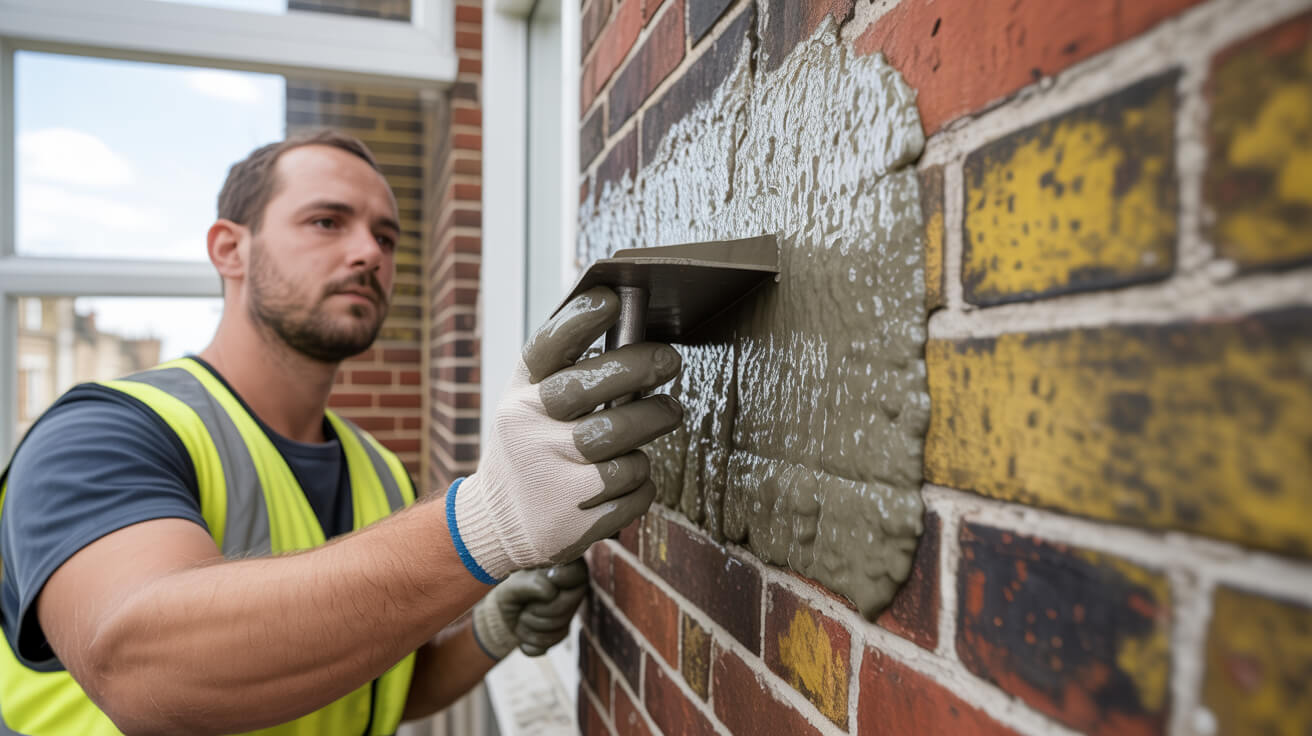
No two basements are the same, and neither are two tanking jobs. In Sussex, every job is a function of property age, condition, layout, and the paperwork scrutiny you’ll face at the next remortgage or sale. The “low” quote usually forgets complexity, compliance, or the costs hiding behind merely cosmetic repairs.
Here’s What Really Moves Your Tanking Quote
- Access & Logistics: Deep vaults, tight hatches, low ceilings and awkward stairwells ratchet up your labour and prep.
- Heritage & Substrate: Historic brickwork, lime render, conservation listing? Standard tanking will land you with more paperwork, fines, or removal orders—breathable, reversible systems are the only legal path.
- Current Wall Health: Previous repairs, remnants of old render, salt blooms, rot—all add rounds of stripping, cleaning, and specialised prep.
- Compliance Pressure: Banks, lenders and surveyors don’t care what’s “under the paint.” They demand before/after photos, recognised slurries, alignment with BS 8102/PAS2035, and logs that hold up against a mortgage or insurance form.
- Warranty Type: Only property-tied or insurer-backed guarantees travel with the address, not the owner. Anything else is just feel-good text.
The best tanking is the kind no surveyor, lender or future buyer ever questions—because the paperwork is undeniable and the result is visible, measurable, and documented.
Why Brand, Batch, and Certification Are the Foundation of Material Costs

You can buy no-label tanking slurry for less. But if it doesn’t carry a BBA logo, traceable batch, and a hotline back to recognised tech support, your damp problem doesn’t go away—it just moves to the surveyor’s notebook or lender’s risk file. In today’s tight UK mortgage market, Tanking with Cementitious Slurry isn’t about brand ego; it’s financial self-defence.
Sussex Example: Real Maths for a 20m² Basement
- Bags Needed: Expect 5–7 x 20/25kg to cover both walls and floor (2 coats per area).
- Cost Range: At £29–£40 per bag, your subtotal is £150–£280—add 20% VAT if not in the cost ([hancockandbrown.com](https://hancockandbrown.com/wykamol-tanking-slurry-20kg-bag-in-a-bucket-bba-coverage-approx-7sqm-per-tub?utm_source=openai)).
- Ancillary Materials: Fillet seal, mesh tape, primers run another £50–£100.
- Optionals: Breathable finish plaster (not always included in “headline” price) is key for sale/insurance and heritage compatibility.
A compliant tanking job logs every bag, cert, and batch for future evidence. The “fast and cheap” fix, with off-label materials or vague batch notes, is rarely mortgageable and never worth the future headache at sale.
What Actually Drives Labour Costs in Tanking—and Which Tasks Protect Your Pound

Look past the single “installation fee.” Accredited teams—PCA or CSRT qualified—cost more, but every penny buys more than a dry feel. The real job begins with prep and ends with logged, lender-grade evidence that—when held up in a dispute—can’t be dismissed.
Where Labour Money Works Hardest
- Prep & Cleaning: Removal of old paint, contaminated render, and surface salt takes high skill and sometimes double the man-hours of the tanking itself.
- Heritage/Listed Adaptation: These need full documentation, lime-literate trades, and the right (reversible) materials, with longer timelines and pricier insurance.
- Integrated Repairs: Fixing timber rot, new leaks, or historic defects? Forensic skills required—cutting corners is slow-motion sabotage.
- Documentation: Lender or survey auditor asks for before/after logs, moisture metre data, instal photos, and even warranty registrations. Miss one, and you invite delays or value loss at the final mile.
The quality of evidence—photos, logs, signed-off reports—often determines if your dry room translates into property value, safe lending, and unblocked insurance.
“Hidden” Cost Multipliers: Prep, Repairs, Monitoring, and the Aftercare Trap

So-called “cheap” tanking quotes usually sidestep the details that matter for compliance and futureproofing. Preparation and post-care are the invisible spine of real, survey-proof damp work. A single missed detail here is why most tanking failures appear months after the invoice is paid.
How Unseen Details Shape Cost—and Resale, Remortgage, or Tenancy
- Substrate Remediation: Old patch repairs, back salts, rot, damp woodwork, or botched tanking shut the door on a survey signoff (and can double costs if ignored upfront).
- Legacy Surprises: Hidden pipes, improper in-fill, or off-piste historic materials make cost comparison useless.
- Ongoing Monitoring: Basement use or landlord-licenced properties increasingly face annual or periodic damp checks for insurance or council compliance (£50–£200/visit is standard).
- Warranty and Aftercare: Only property-assigned, insurer-backed guarantees (properly logged) survive into the next sale or remortgage ([permagard.co.uk](https://www.permagard.co.uk/advice/tanking-a-cellar-guide?utm_source=openai)).
Damp removal is half the job. The other half is the monitored, documented afterlife—where surveys, claims, and insurance live or die by the right records.
Reading a “Survey-Ready” Cellar Tanking Quote: Non-Negotiables for Safety and Value

A serious tanking quote is built line by line—like a surveyor’s checklist—not lumped together by one number and a handshake. Each layer, spec, and standard is spelled out, or your “protection” holds water like a sieve.
What Makes a Watertight, Lender-Friendly Quote?
- Clear Area Breakdown: Detail slabs, walls, stairs, and joints—with m² coverage specified for each.
- Named Brands & Certs: List approved (BBA, mortgage-recognised) slurry by name and batch—vague is a red flag.
- Method Statement: Full phase notes (prep, repair, application, drying) in plain English, no jargon shields.
- Credentials on Display: PCA/CSRT badge, insurance, and logs—photographic or video evidence archived.
- Compliance Cited: Reference and alignment with BS 8102, PAS2035, or UK lender expectations—not just “industry standard.”
- Warranty Assignment: Transferable, property-tied guarantees (with insurer detail) not personal “promises.”
- Proof-Stack: Signed-off and time-stamped evidence of every phase. For future disputes, nothing else counts.
A full-coverage, survey-ready quote costs a bit more—and saves orders of magnitude in anxiety, delays, or future disputes.
“Cheap” Quotes vs. Real Value: When Saving Money Costs You More Later
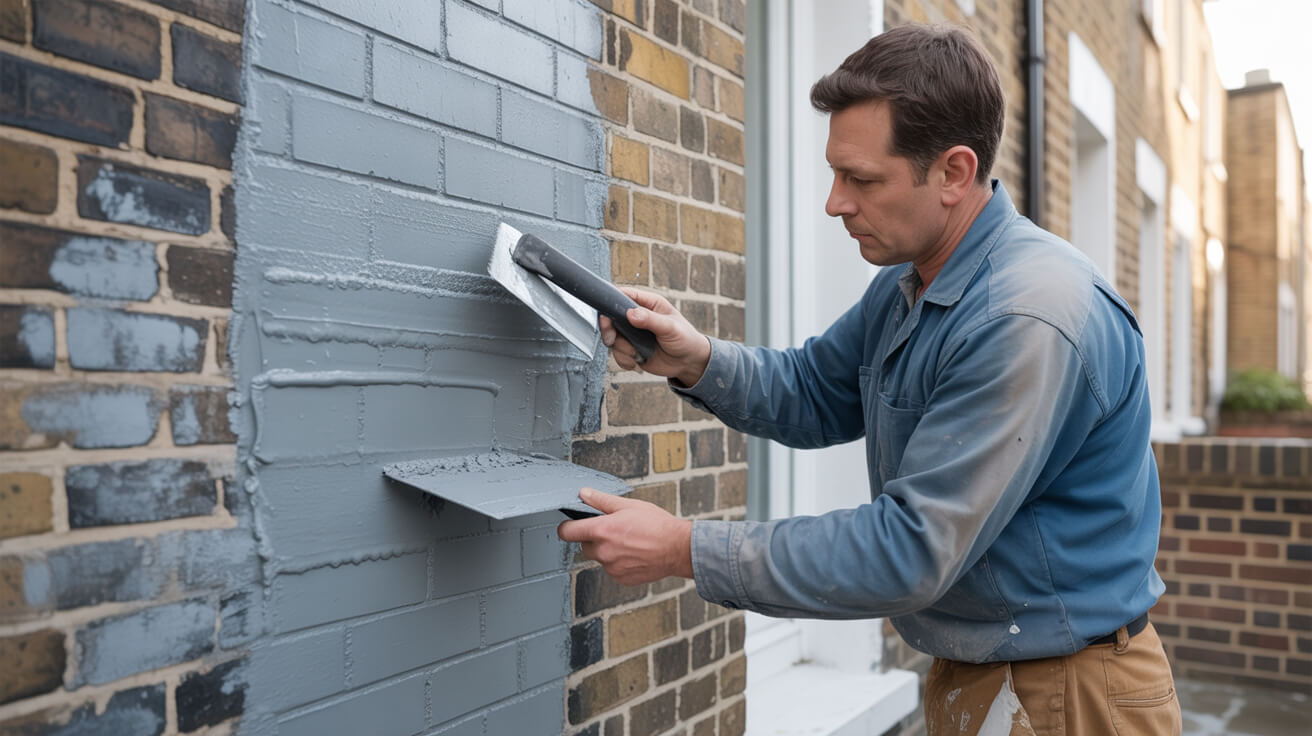
The siren call of low-ball tanking quotes is hard to resist, but here’s the hidden ledger: every shortcut—skipped substrate, DIY render, missing aftercare—moves the risk from invoice phase to resale, remortgage, or deposit recovery. On the other hand, “prestige” heritage upcharges only add value if they’re tied directly to a compliance or authenticity need.
Checklist: Is This Tanking Quote Trustworthy?
- Split-Out Costs: Labour, materials, extras, aftercare—stated clearly rather than buried.
- Credentials: Look for PCA/CSRT status, insurance, compliance documents upfront.
- Standards Traceability: See every phase platformed to British Standards/basement guidance (BS8102, PAS2035).
- Warranty: Accept only insurer-backed guarantees, registered explicitly to the address, not your name.
- Aftercare: Plan for ongoing maintenance/monitoring if the property is for ongoing use or future sale.
The most expensive line is the one not written—the item that turns up as additional work when a sale stalls or a tenant claims for mould.
Sussex Damp Experts—A Shield, Not Just a Tanking Service
A trustworthy tanking job isn’t a secret sauce; it’s a transparent process, itemised, logged, and delivered by specialists who know every Sussex anomaly and compliance requirement on the books. It’s your dry room, yes—but it’s also your property’s reputation, lender access, and insurance eligibility for decades to come.
Choose Sussex Damp Experts for:
- Accredited Leadership: PCA/CSRT trades, not just “damp proofers.” Full alignment with BS8102, PAS2035, and all major lender and insurer criteria.
- Every Step, Itemised: No surprises—materials, labour, fixings, and aftercare are detailed in plain sight.
- Survey-Grade Evidence: Each step logged, photographed, and archived for any future lender or authority request.
- Property-Assigned Warranties: Documents that stay with the building, not the owner, for genuine added value at every future event.
Your property’s real protection is as much about what’s in the folder as what’s on the wall. Make sure your next sale, loan, or claim is built to win.
Get a Compliance-Proof Tanking Quote from Sussex Damp Experts Today
Your basement is too important for vague promises and paperwork gaps. Get the tanking solution that meets the real standards—insurance-ready, survey-proof, and built for today’s risk landscape. Turn a potential liability into a true asset—with transparency, accredited workmanship, and records you can show at every milestone.
Ready to trade risk and uncertainty for clarity and proven protection? Start with a survey-ready inspection and a quote that covers every detail your property needs—precision, warranty, and long-term value included.
Dry basements aren’t a luxury. They’re your insurance, your leverage at the next negotiation, and your best shot at future-proofing every pound you invest.
Frequently Asked Questions
What hidden compliance traps affect cementitious tanking costs in Sussex cellars, and how do they impact your budget long-term?
Cementitious tanking in Sussex cellars isn’t just a matter of slapping on some slurry—compliance with evolving regulations, warranty demands, and future property audits can double your true outlay if overlooked. Even the sharpest initial quote turns brittle if it doesn’t build in British Standards (BS 8102, BS 6576), planning consents for listed or heritage homes, HHSRS scoring, or insurance-backed, property-tied warranties.
Many inexpensive tanking jobs unravel at resale or refinancing, when mortgage lenders and insurers demand a paper-trail that’s missing. Compliance gaps lead to last-minute reworks, warranty rejections (especially on converted basements or Victorian homes), and insurance exclusions. Sussex Damp Experts navigate every local rule, from Building Regs Part C to council-level documentation, pre-empting surprise costs and delays—guaranteeing every damp-proofing decision is future-proofed.
Which specific compliance layers really matter for Sussex?
- For historic homes: Planning consent, lime-friendly membranes, and proof of non-destructive technique.
- For rentals and HMOs: HHSRS hazard scoring, tenant repair protocols, and legal damp remediation duties.
- For every mortgage: Surveyor-ready paperwork, batch-recorded materials, and instal logs.
Compliance isn’t optional—ignore it, and your cellar’s value is as leaky as a failed joint seal.
How does Sussex Damp Experts ensure compliance adds value, not chaos?
- All work follows BS 8102/6576, PAS2035, and relevant TrustMark guidelines.
- Every warranty is property-tied, insurance-backed, and fully transferable.
- You get a survey-grade handover pack—ready to silence scrutiny, speed up sales, and unlock insurance cover.
Ignoring these legal and compliance layers may turn today’s “bargain” instal into an expensive, fraught correction when you least expect it.
How do heritage properties or listed building status complicate cementitious tanking projects, and what are safer alternatives?
If your property is listed, in a conservation area, or has original lime plaster, Tanking with Cementitious Slurry can create hidden conflicts—trapping moisture, risking spalling, and even breaching planning permission. Local conservation officers, lenders, and building surveyors routinely reject non-breathable or aggressive tanking in heritage sites, leading to costly redo’s or planning disputes further down the line.
Heritage tanking requires breathable systems: hybrid lime tanking, cavity drainage membranes, or PAS2035-compliant solutions. Sussex Damp Experts design cellar waterproofing around these constraints—helping you secure planning approval, preserve original fabric, and satisfy modern lender and warranty expectations.
What risks unfold if you ignore heritage context?
- Irreversible damage to historic brick or plaster from trapped salts or moisture.
- Retrospective demands to remove tanking—plus restoration costs.
- Denied or downgraded insurance if moisture control doesn’t match heritage guidelines.
- Mortgage refusals if compliance is unproven.
What alternatives do professional specialists offer?
- Breathable lime composites, reversible membrane systems, and smart monitoring that blend with heritage requirements.
- Documentation bundles, including photographic proof, to secure council, mortgage, and insurance approval.
Treat heritage walls like lungs—suffocate them, and you pay twice: once in repairs, again in lost value.
What’s the actual return on investment (ROI) for professional cementitious tanking in Sussex cellars versus shortcut methods?
True ROI goes way beyond “£ per m²”—it’s measured by long-term property resilience, mortgage and resale agility, and peace of mind that your warranty won’t vanish if ownership or tenants change. Professional, certified tanking (with survey-logged methods and transferable warranties) adds up to 20% more to property resale value and slashes years of insurability headaches compared to “quick and cheap” DIY.
Shortcut tanking—missing signed-off paperwork or meaningful warranties—often scrambles resale negotiations, triggers failed surveys, and leads to stubborn insurance refusals. In Sussex, where lenders and buyers scrutinise cellars for every risk, a single undocumented system usually means redoing the work at full cost to unlock a sale.
Data snapshot: Real-world outcomes
| Approach | Resale Uplift | Repair Cycle | Mortgage Hurdle | Warranty Value |
|---|---|---|---|---|
| Professional | +15–20% (avg) | 20–30+ years, rare | Pass (99%+) | Transferable, gold |
| Shortcut/DIY | ±0% or –10% | 2–5 years, repeat | Fail (40–60%) | Void or nonstandard |
ROI is about certainty: a wet cellar devalues your home on every future move—a dry, documented cellar is instant negotiating power.
What technical failures commonly undermine cellar tanking in Sussex, and how do you prevent them before installation?
Most tanking failures aren’t bad luck—they’re bad diagnostics, wrong prep, or poor system fit for local conditions. Ignoring capillary action in Victorian brick, misreading salt migration in chalk basements, or bridging a DPC with modern cement on heritage walls all set the stage for expensive failures. Over 60% of failed tanking in the South East traces to:
- Rushed substrate prep skipped or skipped salt neutralisation.
- Incompatible slurry or membrane for period substrates.
- Bridged, not rebated, damp courses.
- Lack of post-instal humidity control, causing hidden condensation.
Sussex Damp Experts’ forensic inspection, moisture mapping, and salt analysis identify every hidden risk before quoting—saving you remedial costs, headaches, and repeat jobs.
Proactive prevention, not post-mortems:
- Full pre-instal survey, including core sampling and salt analysis.
- Substrate-specific product selection—lime-friendly for heritage, high-resistance for chalk or clay.
- Visual documentation and sign-off at every stage.
- Aftercare plan built in—ventilation checks, scheduled moisture monitoring, and warranty-backed callout response.
Most damp disasters start with a skipped step—diagnose fully, treat precisely, and your cellar repair is truly final.
Which documentation or handover gaps cause the most trouble with mortgage lenders, insurers, and future buyers?
A missing batch slip or incomplete instal log derails more cellars than faulty materials ever will. In Sussex, property transactions triggered by ambiguous, non-transferable, or missing documentation see major delays or price cuts. Without survey-ready paperwork detailing instal process, before/after evidence, and property-specific warranties, mortgage offers stall, legal claims flounder, and buyers get nervous.
Sussex Damp Experts’ approach solves these snags before they start. Every job concludes with a handover pack: digital and printed, matched to lender, HHSRS, and insurer standards—including batch slips, accredited photos, and maintenance checklists.
Key documentation elements for smooth transactions:
- Material batch slips linked to job address.
- Insurance-backed, property-tied warranties with transfer clauses.
- Application journals (method statements, instal logs).
- Visual before/during/after instal trail.
- Aftercare and maintenance schedules.
The strongest system crumbles without the paper trail to prove it—ownership changes, value stays only if the evidence travels with it.
What should a Sussex cellar owner demand from their damp specialist before, during, and after cementitious tanking?
Set standards from day one: demand a detailed survey, substrate-specific risk mapping, a fully itemised scope, and a transparent aftercare roadmap. Before a finger is lifted, you need salt and substrate analysis, DPC checks, and a compliance forecast spelling out every regulation and documentation requirement. During the work, insist on photo evidence, batch-logged materials, real time updates (ideal for landlords or remote owners), and disruption-minimising site management. After installation, expect a sealed handover bundle (digital + print), maintenance checklists, transferable warranty, and a standing invite for periodic inspections.
The Sussex Damp Experts commitment, phase by phase:
- Pre-work: forensic diagnosis, regulatory review, itemised scope, and clear prepping guidance.
- Onsite: live visual trail, methodical application, constant contamination controls, and sharply defined sign-off standards.
- Post-handover: easy documentation access, annual check reminders, and real-time support on every guarantee.
If your damp pro promises ‘one-and-done’, push for detail—real protection includes a roadmap for every future owner, surveyor, and claim.
For peace of mind from first inspection through decades of ownership, accept no less than a specialist committed to documentation, diagnostics, and compliance at every step.

