
 By
By  September 3, 2025


Why Tanking a Cellar Isn’t Optional in Sussex—And What Ignoring Moisture Really Costs You
You sense it—the earthy twinge beneath paint, the chill when you step down to check the fuse. In Sussex, a cellar isn’t just a storage space; it’s the property’s pressure valve. Ignore signs of moisture and that “bit of basement damp” becomes a chain reaction: red lines on the surveyor’s sheet, mortgage lenders tightening up, legal headaches from tenants or local authorities, and value quietly draining away—whatever Much Does Wine cellar waterproofing cost in comparison.
The money you save patching over damp, you end up paying twice at sale or refinance.
Sussex cellars are flagged more than any other space on pre-sale surveys for hidden moisture risk. It’s the silent culprit behind price drops and failed mortgage applications (petercox.com). Lenders and insurers have stopped tolerating DIY “fixes”; if yours doesn’t carry paperwork up to BS 6576 or BS 8102, you’ll see deals stall, offers reduced, or costly legal scrutiny.
It’s not paranoia—regulations now let tenants, councils, and future buyers demand certified waterproofing. Fast intervention isn’t extravagance; it’s the only move that protects your property value, legal standing, and negotiating power. In this market, dry cellars command 10–20% higher prices, while hidden or untreated problems drive urgent concessions and arguments.
Professionally tanked cellars aren’t just dry—they’re saleable, insurable, and free of legal headaches.
The Cost-Stack of Ignoring Cellar Moisture
- Downward Valuations: Even minor damp patches cut resale prices sharply.
- Lender Red Tape: Mortgage releases or remortgages hang on paperwork.
- Legal Liability: New fitness and environmental laws mean fines, rent retention, or worse for the non-compliant.
- Instant Reputation Traps: Musty odours = deal-killer for agents and buyers.
Waiting on waterproofing isn’t saving. It’s silently putting everything that underpins your investment at risk.
Which Sussex Cellar Tanking Systems Work—And How Do Their Costs Actually Stack Up?
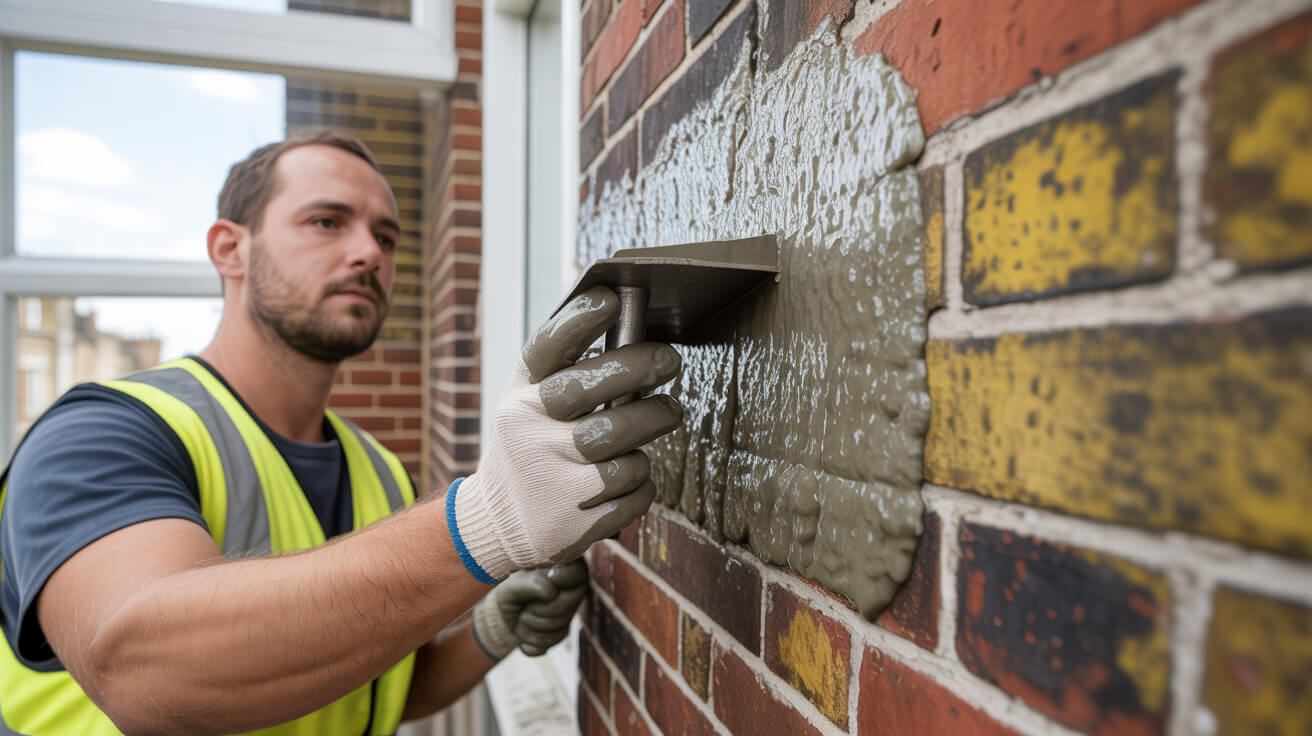
You’ve got options—slurry, membranes, hybrids—but no two Sussex cellars are alike. What works in a Regency basement in Lewes would fail fast in a Brighton terrace or Worthing new-build. The right solution is system-matched, context-calibrated, and cost-contingent.
Tanking Slurry (Internal Cementitious)
The industry’s staple for accessible spaces with stable, untreated brick or blockwork.
- £40–£80 per m²: delivered, including prep, labour, all materials ([checkatrade.com](https://www.checkatrade.com/)).
- Cuts out free water by forming a rigid barrier.
- Fails when applied over flaky paint, salts, or loose walls; prep is everything.
Cavity Drain Membrane Systems
The gold standard for listings, complex layouts, or heritage fabric.
- £80–£150 per m²: plus cost of sump, pump, drainage accessories ([alldamp.co.uk](https://alldamp.co.uk/)).
- Channels water invisibly into a controlled discharge, protecting fabric and reversibility.
- Favoured by conservation officers for listed buildings, given it’s non-intrusive.
External Tanking
For the rare property with outside wall access—a new build or full refurb.
- £35–£45 per m²: pre-excavation, but expect total bills higher with landscaping, neighbours, drains ([newtonwaterproofing.co.uk](https://www.newtonwaterproofing.co.uk/)).
- Rarely feasible for townhouses.
Heritage & Hybrid Systems
Most Sussex jobs need a blend—membrane plus breathable lime, perhaps, or slurry with a decoupled finish. Listed buildings or complex conversions? Add 15–30% premium for specialist materials, paperwork, and methodical, phased execution.
A cellar tanking system is only as good as its fit to the property’s age, substrate, and context.
Why Online Quotes for Tanking in Sussex Mislead—What Actually Drives Your Costs

Simple “multiply by m²” rates are advertising fantasy. A proper Sussex quote is a sum of context: area, geometry, substrate, repair history, compliance overlays, access constraints, and planning permissions.
Surface Footprint and Geometry
Corners, ledges, awkward splits—these ramp up labour, waste, and material overuse versus a box-shape plan.
Substrate Health Check
Original brick, patchy stone, or a collage of past repairs? This changes prep costs. Tackling salts, removing decades of paint, or rebuilding spalled sections can double time spent before you even start the real waterproofing.
Shortcuts on salt removal or surface checking kill more tanking jobs than most people realise.
Hidden Legacies & Overlaid Repairs
Buried DIY work—bitumen paint, old renders, latex coatings, failed tanking—means strip-out and reinstatement that can rival the main system for complexity. Warranty work fails unless these are itemised and handled.
Access, Listing, and Compliance
Narrow steps, party walls, conservation officer visits—each constraint means tailored logistics, time loss, and documentation. Built-in cost surges of 5–20% are typical.
You’re paying for stress avoidance and future-proofing, not just the installation.
The Anatomy of a Survey-Grade, Lender-Approved Tanking Quote

Reputable contractors in Sussex put their proof on the page: surveys, standards tags, warranty conditions. If your quote isn’t itemised, with before/during/after photos and references to BS 6576/8102, waterproofing isn’t saving. It’s a shortcut, not a solution.
Professional Survey and Evidence Trail
Certified moisture and salt mapping—using calibrated metres, photos, and samples. You’ll see the numbers, locations, and what’s flagged for risk.
Documentation to Stand Up in Surveys
Methods, step-by-step: stripping old layers, prepping surfaces, specifying membranes versus slurries, airflow and repairs plan, and a schedule referencing compliance standards.
Real Warranty—Not a Vanishing “In-House” Promise
Insurance-backed, for 10–30 years, transferable and built to outlive the company itself. Clearly defined on inspection requirements and exclusions—lenders and insurers look for this, not a fancy logo.
Complete, Transparent Itemisation
- Diagnostics (survey fee)
- Strip-out and surface repairs
- Barrier/membrane layer step-by-step
- Waste, finishes, aftercare
- Warranty and paperwork
A quote missing these is a risk to your deal and legal position.
Why DIY Tanking in a Sussex Cellar Almost Always Costs More in the End
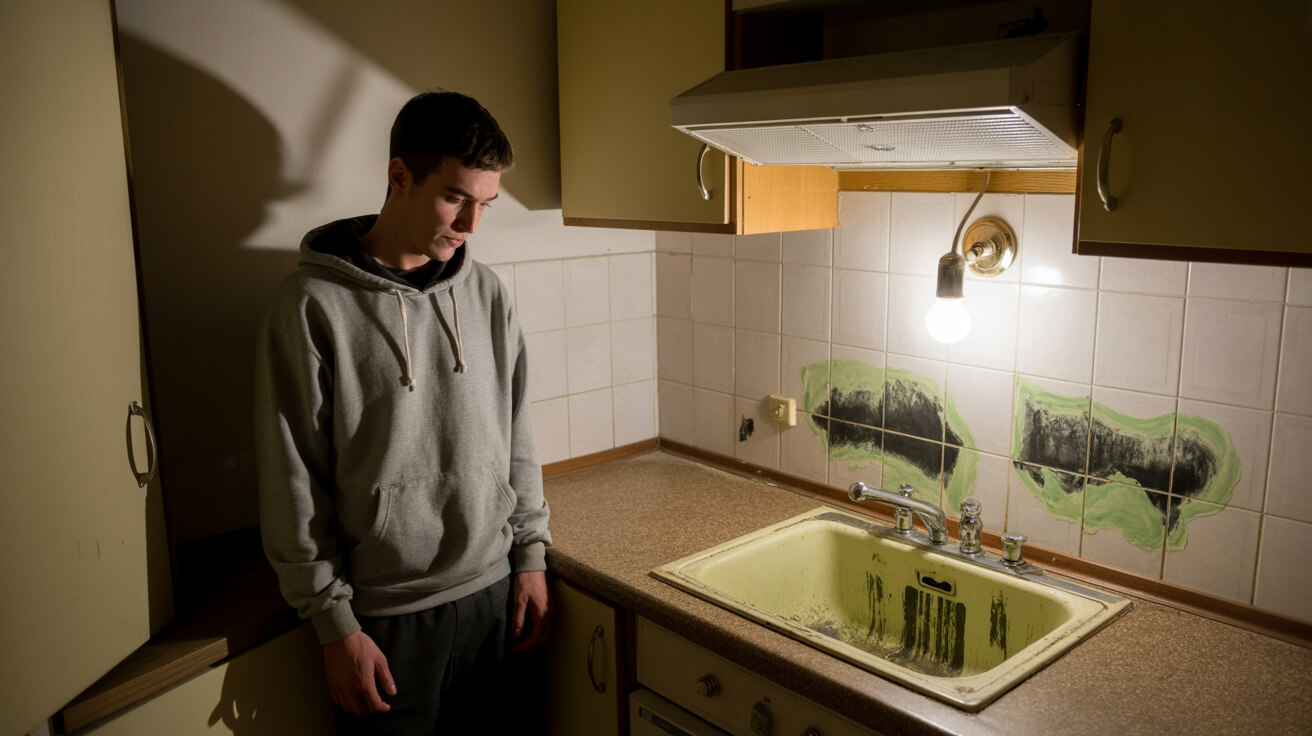
The big trap? DIY tanking kits advertise £300–£800 for a “typical” 10–15m² cellar, but almost never deliver a durable, mortgage-accepted result (lifeinvelvet.com). The “savings” put you at odds with lending rules, surveyors, and insurance.
The Gaps DIY Misses
- Diagnostics: No salt mapping, no surface moisture log, just guesswork.
- Spec and Warranty: No reference to laws or standards. Paper guarantees not honoured by banks.
- Method: Rushed prep, half-cured coats, unclear airflow always translates to multiple do-overs.
The Real Price of “Cheap Tanking”
You’ll risk:
- Repeating entire jobs after mortgage refusal
- Legal disputes after botched repairs
- Value loss if you get flagged by buyers’ surveyors
- Forfeiting future insurance on floods, ingress, or rot
A £1,500–£5,000 professional tanking job with Sussex Damp Experts equals real compliance, resale-proofing, and lender approval.
Sussex Cellar Tanking Costs: System-by-System Benchmarks (2024)

Every Sussex project is its own animal—a baseline number only helps if you layer in the realities of site, substrate, history, and context. Below, the real world snapshot:
| System | £/m² | 20m² Example | 40m² Example | Warning Flag |
|---|---|---|---|---|
| Slurry Tanking | £40–£80 | £800–£1,600 | £1,600–£3,200 | Prep is everything; salts ruin it |
| Cavity Membrane | £80–£150 | £1,600–£3,000 | £3,200–£6,000+ | Sump/pump, maintenance vital |
| External Tanking | £35–£45 | £700–£1,800 | £1,400–£3,600 | Rare—site limits, disruption |
| Heritage/Lime Finish | +15–30% | £2,500–£6,500+ | £5,000–£13,000+ | Specialist, consent-driven |
Hybrid or heritage works? Add 10–20% for traditional materials, longer build-ups, and paperwork for listed status. A 40m² cellar can break £3,200 easily—largely on compliance and access.
Heritage projects aren’t for kit-based solutions. Consent and custom execution cost more; shortcuts kill both value and fabric.
Tanking Lifespan, Warranties, and the Aftercare That Survives Survey Scrutiny

You don’t get mortgage or insurance acceptance for a “looks dry” finish. Lifespan is contractual—warranties must be insurance-backed, transferrable, and built into the process from the start.
What Really Makes a Warranty Worth Having
- 10–30 year guarantee, surviving even if the company closes
- Covers system and installation, not just materials
- Demands annual inspections and aftercare, not just a one-time fix
Warranty is as strong as the weakest aftercare. Miss an inspection, and you lose more than coverage—you lose value.
Common Warranty Killers
- Skipped annual or post-work inspections
- Unapproved alterations (DIY, DIY-enamoured builders)
- Ignoring airflow or drain aftercare
Surveyors, lenders, and insurers check paperwork line-by-line—skip a condition and your “guarantee” is voided overnight.
What You Get from a Real Pro
- Diagnostic report pre- and post-work, with photos and readings
- Full installation certificate cross-referenced to standards
- Insurance-backed warranty
- Aftercare/inspection schedule on paper
Why Delaying Basement Tanking Is Always the Most Expensive “Choice” Sussex Owners Make
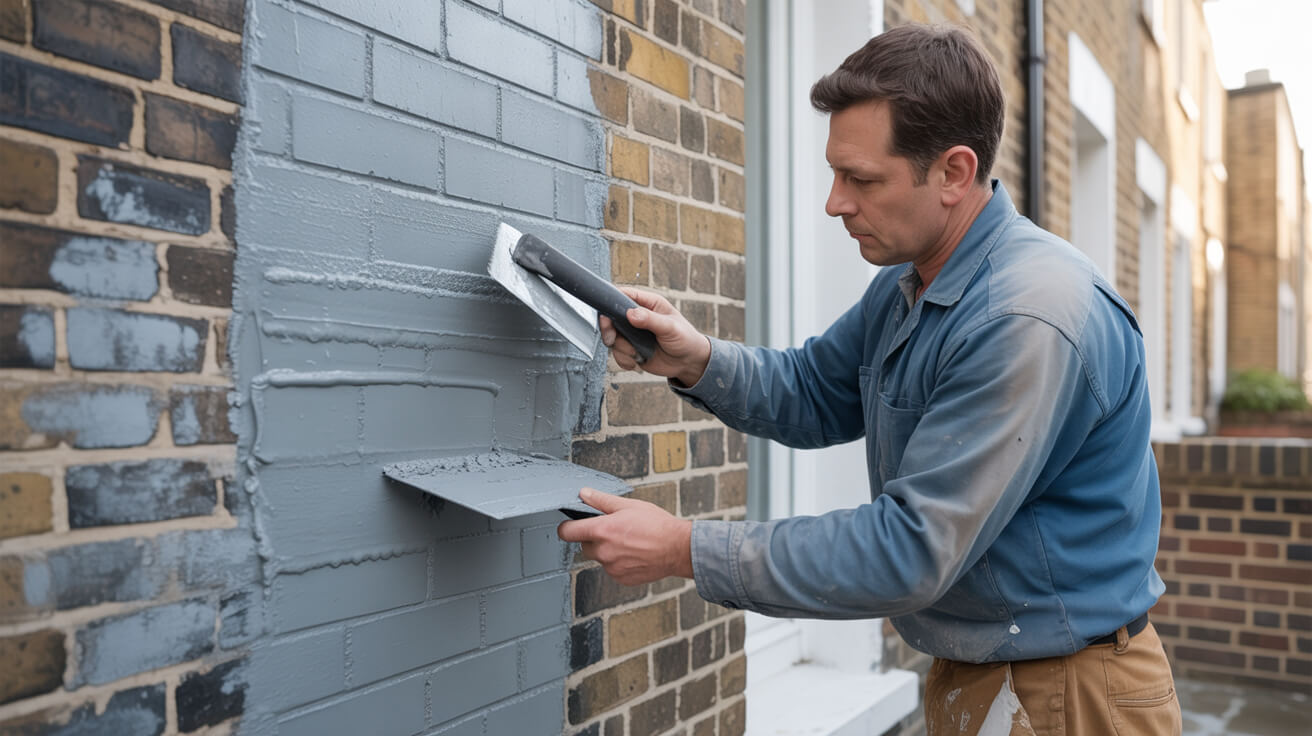
Every year of delay adds 10–15% to both direct and indirect costs (checkatrade.com), whether that’s extra water ingress, substrate decay, or last-minute “red pen” from a risk-averse mortgage lender. Rental voids, tenant actions, and even local authority notices become more likely.
Your cost for delay isn’t just about the work—it’s derailed deals, rejected loans, and sleepless nights over legal risk.
By the time the problem is urgent, you’re negotiating in a panic. Fast, compliant waterproofing preserves valuation flexibility—and keeps both lender and legal stress on your side of the balance.
The Sussex Damp Experts Difference: Systemic Proof, Survey-Grade Value, Real Compliance
Damp isn’t a surface problem—it’s a systems issue running bottom-up through your investment. Sussex Damp Experts align site reality, compliance law, surveyor expectation, and warranty that survives the next decade of ownership.
What You Actually Get (And Why It Holds Its Value)
- Forensic Diagnostics: Moisture and salt mapping; evidence you can hand to any surveyor or lender
- Legal and Compliance Rigour: Every solution tailored to BS 6576/8102/PAS 2035, fit for both remortgage and sale paperwork
- Transparent, Itemised Quotes: Every cost, prep task, and risk flagged before you commit—no nasty “extras”
- Real Warranties: Only insurance-backed, transferable coverage—never a “vanishing” guarantee
- Aftercare Built In: Automatic reminders for annual checks; aftercare support for everything from ventilation tweaks to full documentation during a resale or tenancy change
- Heritage Mastery: Unique plans for listed/conservation properties, so both value and fabric survive, regardless of local restrictions
A dry cellar isn’t just a comfort—it’s a legal, financial, and reputational asset. The right team makes that true on paper and underfoot.
Take Back Control of Your Cellar—And Your Property’s Value
Moisture doesn’t wait. Every week of inaction increases risk, devalues the asset, and throws up hurdles to sale, remortgage, or legal compliance. With Sussex Damp Experts, you get more than “dry”—you get a system that is saleable, insurable, survey-ready, and designed for your building’s next 10, 20, or 30 years.
Request a tailored, survey-ready waterproofing audit with Sussex Damp Experts—complete quote, insurance-backed warranty, aftercare plan, and compliance peace of mind.
Move first—and keep the advantage. Your property is only as secure as your weakest basement wall.
Frequently Asked Questions
What forces property owners to underestimate real cellar tanking costs—and what steps prevent “budget creep” in the UK?
Ignoring the true scope of cellar tanking often turns an affordable project into a sequence of unexpected bills, triggered by factors property owners usually overlook in initial quotes.
The core issue is that most homeowners and landlords treat tanking as a price-per-metre exercise. In practice, multiple hidden drivers shape the outcome and final invoice:
- Unmapped salt contamination: under plaster can double preparation time.
- Substrate repairs: (like rotten brick or patched concrete) demand extensive remedial work, often outside headline “deal” terms.
- Access complexity: —awkward entry or internal rooms mean slow progress and extra risk.
- Heritage or conservation constraints: require hand-picked materials and council liaison, loading time and admin fees.
- Legal compliance: —insurance, surveyor, or lender guarantees and paperwork now make up to 30% of real project cost on some sites.
Your cellar’s cost is carved as much by context as by its square metres. Every shortcut returns with a bill—sometimes years later.
A Sussex Damp Experts survey shapes reliable budgets: every risk flagged, every paperwork path mapped. Insist on itemised, scenario-based costings that include aftercare, warranty, and compliance—preventing “scope drift” nightmares that plague most tanking stories.
Why do “from-price” offers so often melt away?
- Old repairs or bridging masked by surface finishes are often exposed only during strip-out.
- Damp-related legal or party wall paperwork lingers until critical path, then delays everything.
- Failing to price-in humidity, sump, or ventilation upgrades leads to late-stage, high-cost interventions.
- Mortgage and insurance documentation gets overlooked during initial quoting yet halts sales or refinancing.
Savvy owners demand not only a clear scope but an explicit map of which parties, compliance steps, and aftercare commitments are included—and which aren’t. That’s how you get what you pay for.
Where do hidden costs, missed risk, and project delays most often appear—and what operational filters reveal them before tanking begins?
Most tanking projects wander off-budget because owners and contractors miss two realities: contamination beneath the surface and compliance charges trailing after completion.
When old tanking fails or a cellar is first tanked, you uncover:
- Salt-burnt walls: requiring repeated neutralisation, not a ‘one and done’ pass.
- Structural defects: —hidden cracks, fill, or shifted slabs—invisible without forensic tools.
- Party wall and council constraints: —missing these steps can stall legal progress or trigger fines.
- Ancillary requirements: like water-tight electrics, integrated drainage, or custom ventilation—rarely priced into base quotes.
- Post-project costs: —re-decoration, humidity sensors, or guarantee activation fees are almost always “unexpected.”
“You handle hidden tanking costs not with luck—but with line-by-line questions and verifiable answers at the quoting stage.
What filters out future budget shocks?
- Only commission PCA-accredited, warranty-ready tanking spec—documented before strip-out.
- Demand every “unknown” step (salt treatment, substrate repair) be costed per scenario, not left as “provisional.”
- Insist written aftercare and annual inspection plans are part of up-front cost—never “TBA.”
- Ask for council fees, party wall, heritage, or planning admin to be stated in the initial contract.
- Clarify insurance-backed guarantee costs and eligibility before committing.
Sussex Damp Experts routinely expose these factors before a labourer’s hammer swings—arming you with foresight and leverage instead of endless extras.
How does DIY cellar tanking sabotage property value and what traps cost owners and landlords much more in the end?
Do-it-yourself tanking attracts owners with apparent savings, but nearly always undermines resale value, mortgage eligibility, and risk management—forcing a redo at the worst possible moment.
DIY systems lack:
- Transferable, insurance-backed warranties: —vital for letting, remortgage, or commercial risk compliance.
- Certified diagnosis: —missed salt mapping or substrate repair turns cosmetic fixes into slow construction rot.
- Paperwork: —mortgage teams and insurers red-flag “homebrew” systems, sometimes rejecting claims or sales entirely.
- Recognition at survey: —uncertified tanking is logged as a fault, eventually compelling a new professional job.
Every shortcut in damp protection is cashing a risk cheque—the real payment comes later, with interest.
Nearly all DIY tanking projects flagged by Sussex Damp Experts arise from failed sales or surveyor pull-ups—usually when timing and budget are tightest.
Where do owners pay twice?
- First, on materials and self-instal; next, on professional strip-out, repair, and certification.
- Missed costs from bridging, salt, or incomplete prep only emerge with slow re-dampening—often after redecoration.
- Renters, landlords, and commercial owners lose both tenant safety cover and legal compliance.
The real savings? Engaging a specialist from the outset means a single, recognised fix—no sale-stalling surprises or compliance headaches.
Why does a certified, professionally tanked cellar transform both market value and lender confidence for UK properties?
Cellar tanking by accredited pros quickly multiplies asset value, safeguard options, and streamlines major financial steps—rather than just “keeping the floor dry.”
- 10–20% valuation uplift: is common for properties with certified tanking and full British Standards documentation—especially in competitive urban and heritage zones.
- Sale and refinancing speed: rises sharply: untouched or “DIY’d” cellars routinely make mortgage lenders hesitate, or buyers lower offers, while certified cellars attract premium attention.
- Insurance integration: —modern insurers now link cover to paperwork, not just visual dryness; lacking a valid guarantee brings claim denials, especially in historic or multi-tenanted buildings.
- Long-term resilience: —proper tanking turns a cellar into a usable, saleable, and insurable space, not a hidden liability.
Insurers, lenders, buyers—they’re after proof, not just promises. Certified tanking is the currency of trust down the whole property chain.
What makes certification so valuable?
- Guarantees from Sussex Damp Experts are automatically transferable—cutting negotiation standoffs or relisting.
- HHSRS compliance for landlords and risk-free insurance for buyers are futureproofed—councils and tenants are increasingly inspection-savvy.
- Documentation is the asset; without it, your leverage and flexibility stall at the legal, compliance, and sales stages.
Get the building ready for future moves—not stuck in present-bandage mode.
What systemic failures and legal headaches do “cheap” or shortcut tanking options create that property owners overlook?
Budget tanking jobs ignite long-term cost and compliance disasters—transforming a small upfront “saving” into years of cumulative damage and legal exposure.
Most failed projects share patterns:
- No substrate remediation: —unaddressed salts and cracks mean moisture returns, disguised at first, then visible in fresh rot or salt stains.
- Ignored legal and warranty steps: —“back of the van” jobs usually lack insurable, transferrable certification—critical for sales, letting, or any dispute.
- Substandard prep and bridging: —cut corners on paint or failed membranes trap moisture behind expensive finishes.
- Ventilation and drainage errors: —missed upgrades mean surface “solutions” quickly unravel as humidity rebounds.
“You save pennies dodging steps in tanking, but when council, lender, or insurer gets involved, you’re forced to pay pounds to undo it.
Sussex Damp Experts build every system for disclosure—survey-ready records, photographs, legal sign-off, and a futureproof guarantee. This is vital not just for your use, but for every future stakeholder on the property.
How do professionals insulate you from failure?
- Layered diagnosis to neutralise hidden risk and slow decay.
- Compliance log at every stage—council, lender, and insurance demands can change mid-project.
- Warranty system that travels with the asset, not just the current use or owner.
Set up your property to win at every handover—not just shield finish today.
How does the choice between cementitious slurry, cavity membrane, and hybrid tanking change your risk, compliance, and cost outcomes?
Each tanking technique solves different problems—getting it wrong is like fitting the right lock to the wrong door: it’s insecure and expensive in the end.
Cellar tanking systems: Practical comparison
| System | Typical Cost | Best Use | Risks if Misapplied | Warranty Window |
|---|---|---|---|---|
| Cementitious Slurry | £40–£80/m² | Victorian/Edwardian, regular cellars | Brittle over latent salts or cracks | 10–20 years |
| Cavity Drain Membrane | £80–£150/m² | Heritage or complex/multi-use | Needs sumps, maintenance, expert fit | 20–30 years |
| Hybrid/Lime + Membrane | +15–30% | Listed, sensitive substrates | Consent/admin, premium skills | 15–30 years |
| External Tanking | £35–£45+/m² | New builds, direct access | Disruption, harder to validate | Up to 20 years |
No single approach fits all; substrate, age, use, and risk profile decide what wins compliance, warranty, and cost performance.
- Cavity drain: is the bankable standard for listed and high-value assets—preferred by lenders, councils, and insurers for compliance and transferable guarantees.
- Heritage/Hybrid approaches: retain historical value while meeting modern standards (especially for lime finishes or PAS 2035 work).
- Cementitious systems: fit speed or cost targets but risk re-do if installed over saturated or salt-laden structures.
Pay for the survey-driven fit—not just the ‘headline’ price per metre. The wrong spec is always more expensive in the end.
Which system is right for your scenario?
- Audit property age, use, and substrate before any spec.
- Demand survey-grade diagnosis and scenario-matched planning.
- Factor all costs—installation, admin, aftercare, and regulatory sign-off—into decision, not just materials and labour.
- Always require a warrantied, insurance-accepted outcome.
Get Sussex Damp Experts to design a match for your cellar—guaranteeing not just dryness, but property leverage, resale, and compliance for the future.

