
 By
By  September 3, 2025

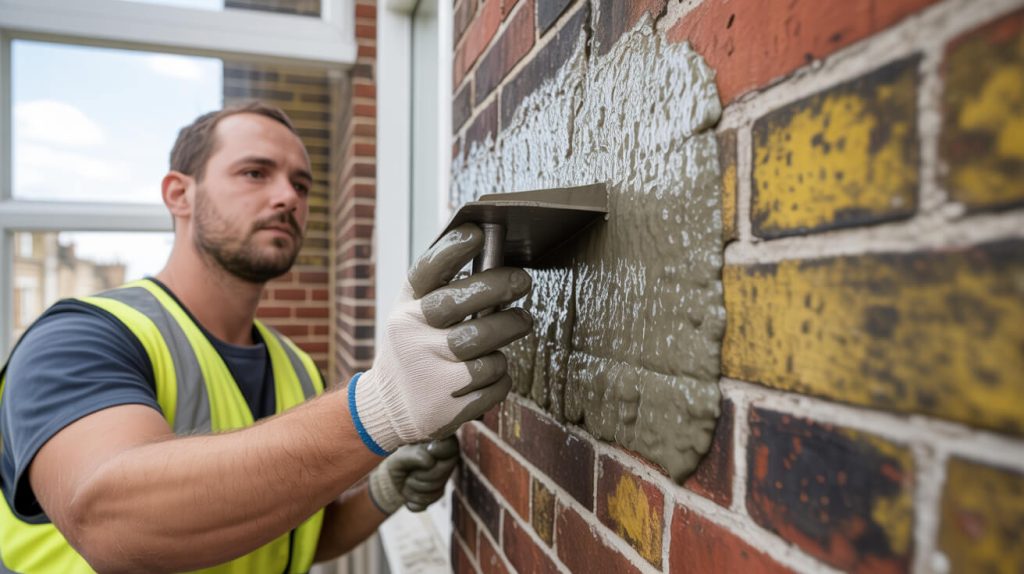
How much does breathable lime plaster actually cost for heritage damp treatment in the UK?
Breathe easy: when heritage compliance, listed building rules, and building health matter, breathable lime plaster isn’t optional—it’s the wall’s only proper armour. For property owners, surveyors, and agents working across Sussex (and beyond), up-front, all-in installed costs for heritage-grade lime plaster average £65 to £140 per square metre. Complex sites, ornate detailing, or stubborn hidden damp can push figures to £160+ per m², especially on “live” jobs where trades, client schedules, or heritage officers stack requirements.
Forget “too good to be true” pricing. These numbers reflect real jobs, real PAS 2035/BS 6576 compliance, and the hidden world behind old paint and cement. Heritage treatments mean more than fresh plaster—they demand diagnostic surveys, forensic strip-out, correct multi-coat lime approaches, and evidence for lenders, insurers, and council compliance. Every shortcut carries echoes: an undisclosed cement patch, an old salt crater behind Victorian skirting, or a DIY “remedy” erupting with condensation. Each one adds hours and tapes to your actual bill.
Most of the money’s spent where no one ever looks—inside layers, on paperwork, at the point a lender says yes.
Typical Project Cost Breakdown
- Expert survey & report: (PCA/RICS or equivalent): £250–£450; this is your ticket to unlocking lender and insurance approval.
- Removal of failed modern materials: (cement, gypsum, vinyl paint): £15–£35/m²; exposes what cheap quotes gloss over.
- Historic substrate repairs: Lime-mortar for brickwork? Timber patching? These “invisible” extras set true cost apart.
- Full lime system instal: (breathable, multi-coat, hand-applied): Each phase requires heritage skills well above 99% of “general plastering” quotes.
- Compliance evidence: (surveyor notes, photos, backup for guarantees): Now mandatory for mortgage or resale acceptance.
An “easy” wall with few surprises may hover near £95–£110/m² (all-in), while a large, intricate, or previously botched job quickly hits £130–£160/m² for full restoration, including evidence gathering and warranty paperwork. The smallest jobs? They’re actually dearer per metre—the setup can’t be spread as wide.
Remember: Scaffolding, VAT, and “delicate property” insurance can add 10–30% to the base figure—and most real heritage sites end up there before handover.
What factors most influence the price of lime plastering for heritage buildings?
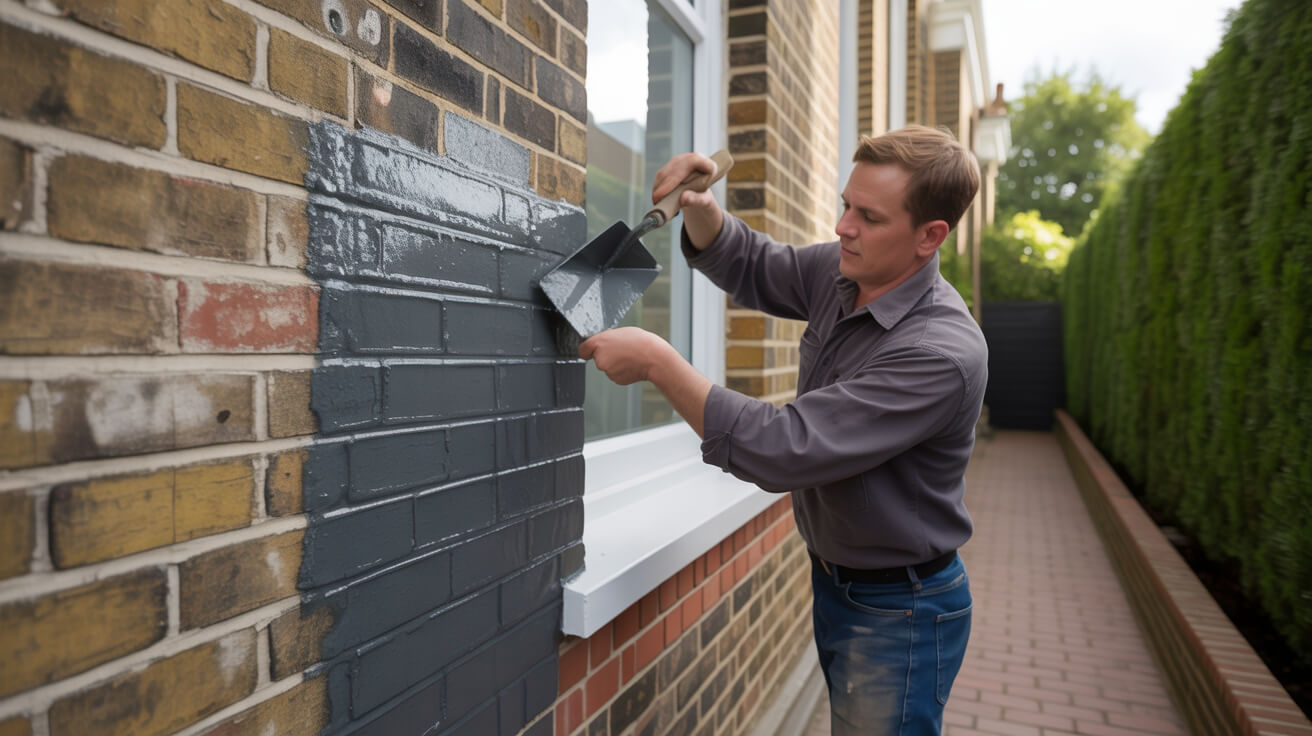
Every job rides on complexity, compliance, and the skill chain in play. These, not just the metres squared, set your outlay.
The Wall’s History Always Charges Interest
Whether you’re tackling a Victorian townhouse, timber-framed cottage, or a Georgian terrace, every property hides a different legacy. If your walls have suffered decades of cement slap-ons, vinyl paint layers, or patchwork repairs, the strip-out often uncovers chronic salts or embedded moisture—tripling the prep time you expected. PCA studies say over half of failed “damp fixes” derive from hidden cement or ignored condensation cycles (PCA Review 2024).
Regulation and Proof Now Run the Show
Modern damp treatments are one thing. Heritage—especially anything approaching listed status—demands BS 6576, BS 8102, and PAS 2035 compliance, with Planning/Heritage authorisation: Any formal approvals often sitting behind the work as well. That’s a world of method statements, photographic records, and warranty proofs stacked behind every invoice. If you want a mortgage, insurance, or a future sale, this paperwork isn’t “bonus admin”—it’s what makes legal use of your building possible.
Paperwork now guards your sale and insurance as much as the plaster guards the wall.
Site Realities: Access, Protection, Occupancy
Basements, cellars, tenanted rooms, and fancy cornices ratchet up both risk and labour. You pay more when trades must tiptoe around period ceilings, keep tenants in situ, or jump through permission hoops. Scaffolding, supervision, and risk premiums balloon non-negotiable costs.
Skilled Craft Squeeze
Qualified lime plasterers—especially those up on conservation credentials—are outnumbered by demand. Heritage-literate teams often charge 20–30% more than “builder’s merchants” plasterers. Cut corners here, and your compliance, mortgage, or even future sale could collapse.
Material and “System” Choice
Hydraulic lime, putty-based, or conservation spec? Handmade horsehair or modern mesh? Heritage Damp Experts specify systems by substrate—your site needs what’s required by the substrate and always passes the paperwork test. Cheap “breathable” alternatives may sink you at lender or surveyor level.
Does lime plaster cost more than modern damp repair alternatives?
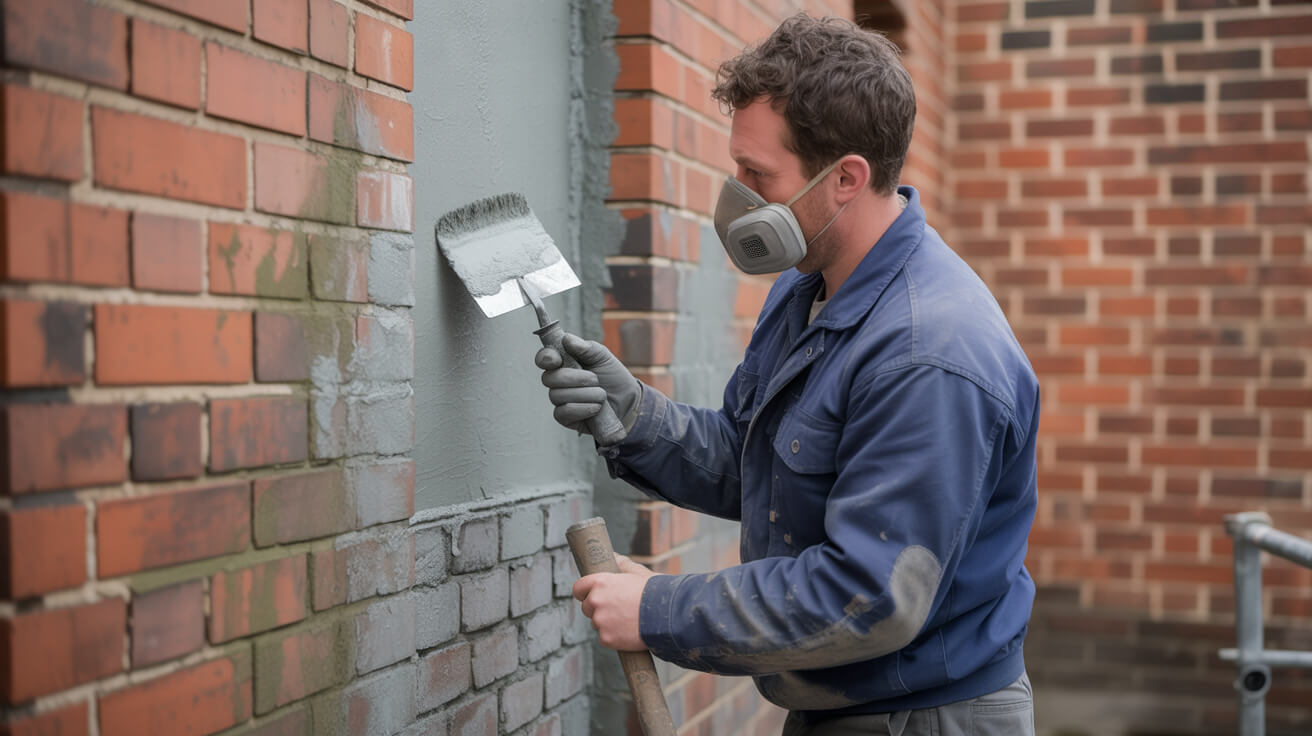
Absolutely—on day one. But for a heritage building, modern boards and cement can destroy your wallet (and reputation) in year five.
Cement or gypsum plasters run £40–£60/m² installed, but these materials trap moisture, cause salts and swelling, and void surveyor sign-off for solid-walled or listed buildings. Likelihood of mortgage flag? Extreme. Remedy cost? Multiples higher, plus legal and insurance delays.
| Plaster Type | Typical Installed Cost (per m²) | Suitability (Heritage/Compliance) |
|---|---|---|
| Cement Render | £45–£65 | Non-breathable, fails heritage checks |
| Gypsum Plaster | £40–£60 | High failure in damp, poor warranty |
| Lime Plaster | £95–£140+ | Breathable, regulatory gold standard |
Skip lime now, and you’re buying double work: first the fast fix, then the regulatory correction, plus tarnished value on resale. For Heritage-especially anything approaching listed—heritage officers and lenders now require lime systems for legal damp treatment in listed buildings (Historic England, 2023). Shortcuts breed survey failures—cutting corners leads to more disruption and greater spend within five years.
Where do compliance, heritage, and listed building rules change what you’ll pay?
Paper, process, and professional standing are just as “costly” as material and time.
- Planning/Heritage authorisation: Any formal status (listed, conservation) means reports, sketches, and site logs beyond standard building quotes. These aren’t optional for your lender or future sale.
- Document chain: Heritage specialists must log before, during, and after—all essential for insurance and guarantee. Surveyors or buyers expect sight of every step.
- Certified trades only: Insurer or lender refusing your sign-off? Ninety times out of a hundred, an uncertified trade did the job.
- Live/occupied site premiums: Work in tenanted, commercial, or lived-in rooms ramps up both coordination and protection requirements. You pay for safety—yours, and your building’s historic detail.
Bypassing compliance is gambling with your building’s resale and insurance. You’ll pay twice if you bet wrong.
Ignore compliance, and you’re back to square one—often with more bills and legal pressure to put things right.
What’s included in a detailed historic building lime plastering quote?
An honest quote is a roadmap—not just numbers on a page. Anything less puts you at risk for legal, insurance, or resale blowback.
Surveyor-Led Diagnosis
Every heritage-safe job begins with mapping structural context, salt contamination, hidden tanking, and previous finish layers. Surveyors record every risk and prescribe substrate repair, never just “topside” plastering.
Detailed Phase Plan
Scope should break down:
- Removal of all non-compliant plasters, paint, or membranes;
- Substrate rebuilds—lime forbrick, tie rods for timber, mesh for lath;
- Multi-stage lime application: scratch, float, and thin finish, always breathable;
- Finishing to match original style (moulding, corners, beading).
Documentation & Proof
All stages are photographed and logged with time stamps. Heritage or conservation sign-off needs progress logs, method statements, and warranty details ready to go for your lender or solicitor.
Budget for Exclusions & Risks
Gaps should be listed: scaffolding, out-of-scope electrical repairs, or structural overhauls are not sneaky extras—they’re flagged up front. Post-care plans and annual checks are rolled in to keep you eligible for guarantees.
A Sussex Damp Experts quote is a compliance shield—when a surveyor checks the file, they’ll find every box ticked.
Are there hidden or ongoing costs with lime plaster for damp treatment?

Heritage plastering is a box of surprises—being thorough up front is every owner’s firewall.
- Legacy issues beneath surface: Cement under paint, failed tanking, hidden wiring or salts can add 10–50% to portions of the job when discovered.
- Salt neutralisation and deep cures: Chronic or recurring salts need specialist treatments, multi-layer neutralisers, and may require extra site visits.
- Ventilation and compliance upgrades: Old bathrooms, unventilated kitchens, or cold external walls often force new ventilation (mandated post-Grenfell, PAS 2035/Part F).
- Annual inspections for warranty: Lender or insurer insists on a maintenance record (£95–£155/year). No paperwork, no warranty.
- Insurance, extra protection, unpredictable extras: Every hidden beam, period cornice, or protected interior adds insurance and protection cost over the project base.
Skipping aftercare, failing to document, or opting out of substrate repair rebounds with punishing bills later—heritage sign-off can’t be bought back with apologies.
How can owners, managers, and professionals protect budgets without risking compliance?
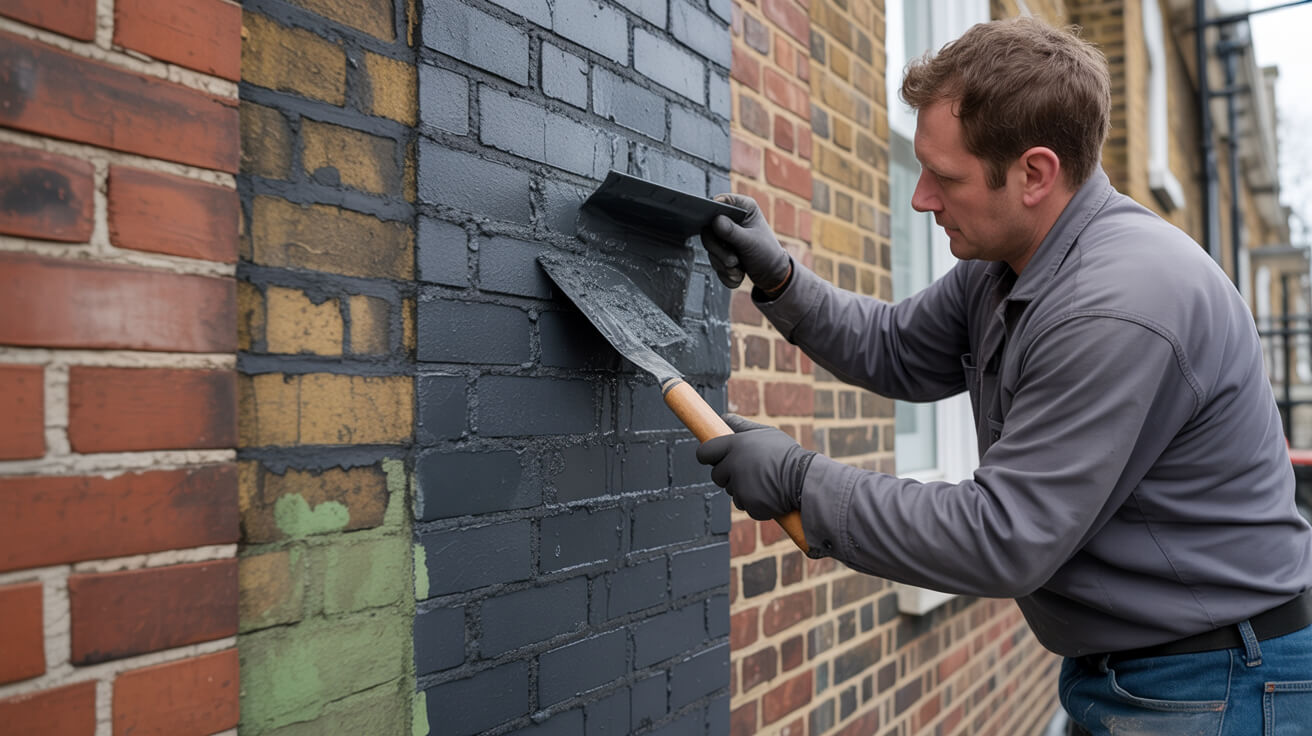
Cost control doesn’t mean going cheap—but it rewards systematised, phase-planned execution.
- Invest in surveyor-grade diagnostics: The £250-£450 fee for precise mapping always pays for itself versus major reworking.
- Phase priorities: Target the worst rooms first. Don’t treat every square metre if only select patches are demonstrably at risk.
- Batch works: Join external treatment, window restoration, or other project needs to share scaffolding and protection. Bundling works multiplies your financial leverage.
- Demand itemised, transparent quotes: This blocks after-the-fact extras and exposes hidden assumptions before money is spent.
- Work with credentialed contractors only: PCA, TrustMark, or Historic England-vetted teams guarantee access to warranty, insurance, and mortgage documentation.
- Record everything: Pictures, logs, site diaries—these avoid legal hang-ups, resales delays, and warranty disputes for years after.
Low upfront costs quickly balloon once a compliance inspector or buyer’s surveyor flags a missing step—clarity and documentation protect your wallet and your building.
When is breathable lime plaster for heritage damp non-negotiable instead of just a desirable upgrade?
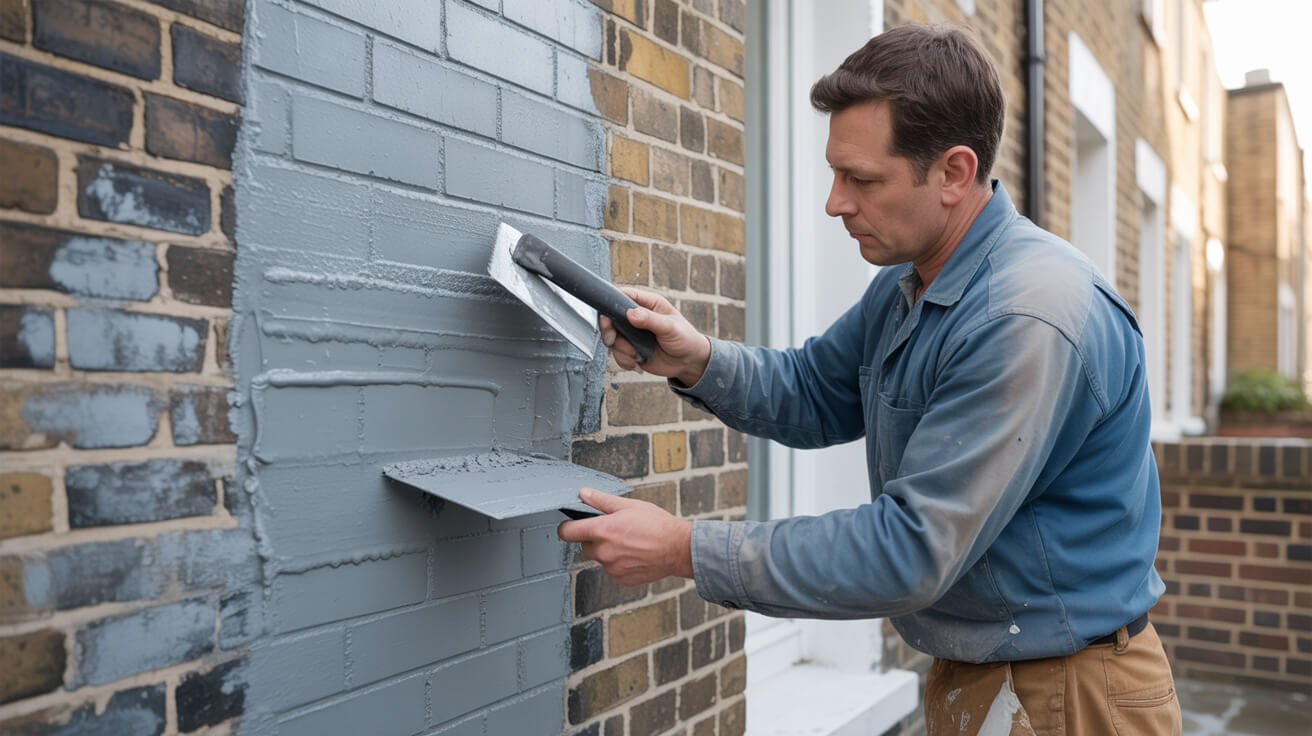
There’s a difference between best practice and legal requirement.
Absolutely mandatory if:
- Your building is listed or conservation-controlled: No exceptions—regulators, lenders, or agents can and do mandate lime-only remediation.
- There’s failed modern plaster: Cement or gypsum has trapped moisture, causing decay, blown paint, or rising salts? The only permanent correction is full lime system restoration.
- You need insurance, mortgage, or future-proofed resale: Warranty providers and lenders increasingly blacklist “modern flexible” or “magic breathable” plasters—only BS6576/8102 and PAS 2035-certified work passes.
Strongly advised for:
- Solid-walled pre-1920 buildings: Even if unlisted, lime excels at humidity regulation.
- Seaside or exposed rural properties: These suffer constant weather attack; lime is vital for walls to cycle moisture.
- Clients seeking painless resale or mortgage processes: Lime-buttoned paperwork cuts years off future dealings with surveyors and lenders.
The basic rule: If compliance, value, and health matter, lime isn’t an upgrade—it’s essential security.
Book a forensic heritage damp survey and compliance plan with Sussex Damp Experts
Your property’s future hangs on expert insight, not blind optimism. For every owner, buyer, or professional stewarding a historic building—don’t gamble on patch-plaster quotes or “heritage-lite” promises. Sussex Damp Experts delivers deep forensic surveys, phase-by-phase cost plans, and a transparent compliance file that makes your surveyor (and lender) nod yes the first time.
Take charge of your building’s real needs. Get precision, protection, and peace of mind. Book a site visit and compliance plan with Sussex Damp Experts—build your legacy on more than luck.
Frequently Asked Questions
What new forces truly define the cost range for heritage lime plastering in today’s UK market?
The real price of heritage lime plastering in the UK now pivots as much on technical and legal complexity as it does on square metres. For 2024, costs span from £65 to £160 per m²—but that range only frames the surface. Factors like concealed substrate surprises, legacy damp scars, specialist access, and compliance sequencing are rewriting the budget math for every owner of period homes, Heritage-especially anything approaching listed properties. Once removal of impervious layers or hidden rot enters the picture, you’ll often see scope (and spend) balloon by 20–50% before finish work begins. On all but the simplest walls, expect diagnostic site surveys, mandatory compliance paperwork, and scaffolding or heritage access logistics to drive big swings in your final bill.
Heritage plastering quotes set expectations; the reality arrives as soon as the first wall is opened up.
How does building type and history tip the price scale?
- Listed, conservation, and multistage buildings: trigger higher outlay—certified contractors, detailed pre-works mapping, stepwise compliance checks, and protected feature handling all build in risk premiums.
- Occupied sites: —with tenancies or high-value assets—require additional insurance, phased shutdowns, and access control.
- Complex heritage elements: (curved corners, cornices, panelling) nearly always add weeks, as each detail requires custom handwork and documentation.
Why do discovery-phase findings upend project budgets?
Every wall is a story: hidden salts, old tanking, timber decay, or missed supporting repairs can shift your contract by thousands. Surveyor-driven forensics are non-negotiable now—Sussex Damp Experts routinely log £250–£500 in upfront diagnostic costs that save five-figure surprises by surfacing legacy risks before work starts.
| Risk Trigger | Typical Cost Uplift |
|---|---|
| Concrete/cement removal | 20–40% |
| Specialist scaffolding | £500–£2,000+ |
| Additional compliance | £300–£1,200 |
Proactive approach for cost control
Don’t chase the “cheapest m²”; instead, demand a survey-led, forensically itemised quotation—Sussex Damp Experts build these as standard, guarding you from discovery creep and audit season pain.
How do modern hybrid lime systems and pure lime putty stack up in heritage restoration?
Hybrid lime systems—blending hydraulic lime, breathable admixtures, or even cavity membranes—promise speed and moisture resilience, but their real-world performance in period properties depends on two things: a full compatibility diagnosis and strict documentation. While traditional multi-coat lime putty remains the first choice for Victorian, Georgian or solid-walled heritage, hybrids edge ahead on mixed substrates, eco-upgrades, and below-grade surfaces—but only if mapped and signed off by the right expert.
Shortcuts with hybrids rarely pay—fail to diagnose, and patchwork systems unravel under scrutiny.
Hybrid vs. pure lime: where’s the balance?
| System | Installed Cost (£/m²) | Use Case | Compliance Note |
|---|---|---|---|
| Lime Putty (pure) | £100–£140 | Historic solid/feature | Conservation default |
| Hydraulic Lime | £95–£160 | Basements, quick sets | Requires drying controls |
| Hybrid/Membrane Mix | £110–£175 | Mixed/eco/complex substrate | Check guarantees, diagnostics |
- Hybrids: Appropriate for converted basements, internal insulation, or where legacies of concrete or damp proofing persist—but procurement must include proof of substrate and salt compatibility, plus insurer/lender acceptance.
- Lime putty: Remains unbeaten for listed or authenticity-led jobs, especially where future conservation officer sign-off might be needed.
How can owners validate their system choice?
Always commission a full substrate and damp mapping survey; Sussex Damp Experts never green-light a hybrid without forensic compatibility reporting, documentation to match, and Planning/Heritage authorisation: Any formal consent requirements checked first. Insist on written system guarantees referencing PAS 2035 and BS 8102 before signing any contract.
Why do cement-based plasters hide expensive problems on heritage projects?
A standard cement or gypsum plaster job may look wallet-friendly—£40–£60 per m²—but in period, solid-walled, or listed stock, these systems block moisture breathability and trap risks that can breach listed building rules, tank insurance, stymie mortgage lending, or rot timbers from within. Lime systems, at £95–£160 per m², carry a 60–120% premium upfront, but statistically eliminate cycles of re-repair, legal claims, and “hidden regret” that cheap cement unleashes down the road.
Cement plasters can be a financial time bomb for heritage walls—upfront savings vanish when lenders or surveyors discover the risk.
How do platform and substrate mismatches create invisible losses?
- Moisture gets stuck: , breeding rot, mould, and salt spits—over 70% of callback work for heritage damp is linked to failed, non-breathable overlays (Heritage Association Survey, 2024).
- Void mortgage, warranty, and insurance acceptance: —surveyors flag cement/gypsum jobs as “non-compliant” for traditional stock. Home buyers face blocked deals or enforced remedials.
- Short lifespan trap: Where lime lasts 30–70 years, cement/gypsum might give three to seven before visible failure drives round two.
- Legal and resale consequences: Failed documentation or improper materials can force owners back to square one before sales, leases, or refinancing.
| System | Upfront Cost | Typical Lifespan | Lender Acceptance |
|---|---|---|---|
| Cement/Gypsum | £40–£60/m² | 3–7 years | Rare/blocklisted |
| Breathable Lime | £95–£160/m² | 30+ years | Standard/historic |
| Hybrid/Synthetic | £80–£120/m² | 5–15 years | Conditional |
How can owners sidestep the low-cost trap?
Request explicit written warranties and compliance statements when sourcing quotes. Sussex Damp Experts refuse jobs where non-breathable plasters are under consideration for period or listed structures, ensuring only lender, insurer, and future owner-acceptable contracts leave their books.
What compliance changes upend heritage plastering budgets in 2024?
The past two years have seen a regulatory jump: PAS 2035, BS 8102, and BS 6576 now demand phase-by-phase photographic logging, named surveyor sign-offs, and material traceability on heritage and conservation jobs. Miss this paperwork, and you risk failed sales, insurance refusals, and heavy local authority scrutiny.
Heritage compliance today isn’t about ticking boxes—it’s the entire foundation for your property’s future value.
What do these evolving rules mean for costs?
- Full pre-works surveys, site mapping, and photographic documentation now add £250–£700 to entry costs—but protect resale, warranty, and council approvals.
- Only certified, conservation-recognised teams can deliver valid outcomes on listed jobs; expect higher labour premiums and scheduling lead-times.
- Annual aftercare inspections (often £95–£155/year) are now regularly required as a mortgage or insurance condition.
How can proactive owners avoid compliance traps?
Insist on up-front scheduling of compliance checkpoints—Sussex Damp Experts build contracts that forecast every required document, phase photo, and signatory, backed by audit-ready digital and hardcopy files for future use.
Which new hidden costs are catching heritage property owners off guard?
Cost overruns aren’t just about materials—they’re about regulatory tailwinds, “invisible” legacy repairs, and compliance dead-ends:
- Stripping tanked/cement plasters: £20–£40/m², often with hazardous waste stipulation.
- Legacy salt mitigation and drying: Non-negotiable under PAS 2035, requiring mapped sequencing and specialist chemical handling.
- Feature and fabric protection: Internal boxing, non-standard scaffold, and segregated protection push specialist jobs 25–50% over routine work.
- Annual compliance documentation: Insurers, banks, and buyers require routine logs; missing files trigger expensive “catchup” exercises—£2,000–£5,000 in Sussex last year, as per real project files.
Documentation lapses drain value with every missing page—heritage project value is built in the records as much as the walls.
What practical steps keep spend predictable?
Only work with contractors who provide guaranteed digital and paper logs for every phase. Sussex Damp Experts routinely surface “grey area” cost buffers up front—mapping risk zones before you commit, with contingency reporting to cover legacy unknowns.
How can owners lock in compliance and legacy value with a modern heritage plastering contract?
Guaranteeing your outcome today means documented diagnostics, written scope, named credentials, and mandatory aftercare—not just a handshake.
Lenders, insurance, and transfer buyers now investigate digital and hardcopy records from survey to final inspection, not just the finish. A future-proof contract should prescribe:
- A diagnostic damp and substrate map (£250–£500).
- Itemised specification and cost plan—surface by surface, system by system.
- Qualified personnel named—PAS 2035 and BS 8102 visible on every handler’s file.
- Phase-by-phase photo and log checkpoints with sign-off schedule for aftercare and annual inspections.
| Contract Spec | Required Deliverable | What It Prevents |
|---|---|---|
| Surveyor damp mapping | Signed log/report | Mortgage/compliance rejections |
| Phased certification | Photo+doc pack per stage | Voided warranty, red flag at audit |
| Credentials named | Accreditations on file | Delays, council failures |
| Aftercare in writing | Planned scheduled reviews | Warranty void, missed resale |
Sussex Damp Experts set these standards as default—handing clients not only compliant walls but a “future asset file” that survives buyer, insurer, and council inspection for the life of your building.

