
 By
By  September 3, 2025


How Much Does Anti-Mould Wallpaper Lining Cost—and Are You Paying for a Real Solution?
Mould stains, flaky paper, or unsettled smells—these are the signals that drive homeowners and professionals alike to consider anti-mould wallpaper linings. Scroll through any property forum, and you’ll see them recommended as a “quick fix.” In Sussex, they even make their way into survey reports and letting agent recommendations. On the surface, lining seems budget-friendly: a roll or two, a brush, a free weekend. Yet, dig deeper and you’ll realise the bill is rarely just the invoice total. When moisture is involved, covering up leads to costs that compound—hidden, not erased. The question isn’t just how much does anti-mould lining cost? It’s whether you’re buying peace of mind or a time bomb wrapped in paste.
Moisture always writes its story over yours—if you only hide its mark, it still finds a way to speak up.
Every property is different. A Regency flat in Brighton, a Victorian rental terrace in Lewes, a new-build in Uckfield—all face distinct risks. Price means little if the underlying damp is unchecked. If you’re reading this as a homeowner, landlord, agent, contractor, or property manager, the real calculation begins before you touch a roll: right diagnosis, quality prep, and aftercare drive your outcome—far more than any “magic” lining paper. That’s what the Sussex Damp Experts team see, week in, week out.
Does Anti-Mould Wallpaper Lining Really Fix Damp or Just Mask the Deeper Problem?

At hardware shops from Hastings to Hove, you’ll find “anti-mould” linings on every shelf. The pitch? Micro-porous fibres and built-in fungicidal coatings form a barrier between your wall and black spot outbreaks. Surveys and insurance forms like to see “measures taken.” But here’s the tough truth: in most cases, anti-mould papers are a cosmetic layer—not a real cure. They often buy you breathing space but leave the source of your problem untouched, ticking away behind the scenes.
When Does Anti-Mould Lining Make Real Sense?
- Short-term masking: Selling a house or letting a flat, and disruptive works aren’t possible. Use as a holding measure—never a cure.
- Historic and listed buildings: Where regulation restricts heavy intervention, low-impact solutions like breathable linings or vapour-open membranes sometimes buy time without violating planning constraints.
- Budget constraints: If your goal is to push off full works for a year or two, linings can help manage the risk—but be honest about that choice.
But if you use it instead of prepping correctly or skip a full damp survey? You’re only buying more headaches for your “future you”—or worse, for your buyer or tenant down the line.
The cheapest solution is the one that survives a second look—especially under a surveyor’s lamp or a buyer’s legal brief.
Few suppliers mention the biggest cost of anti-mould paper is what it covers up: salt blooms re-emerge, damp patches return, and when the lining peels, the call-out for remediation is multiplied by the cost of misdiagnosis.
What Is the Actual Cost of Anti-Mould Wallpaper Lining in 2024?
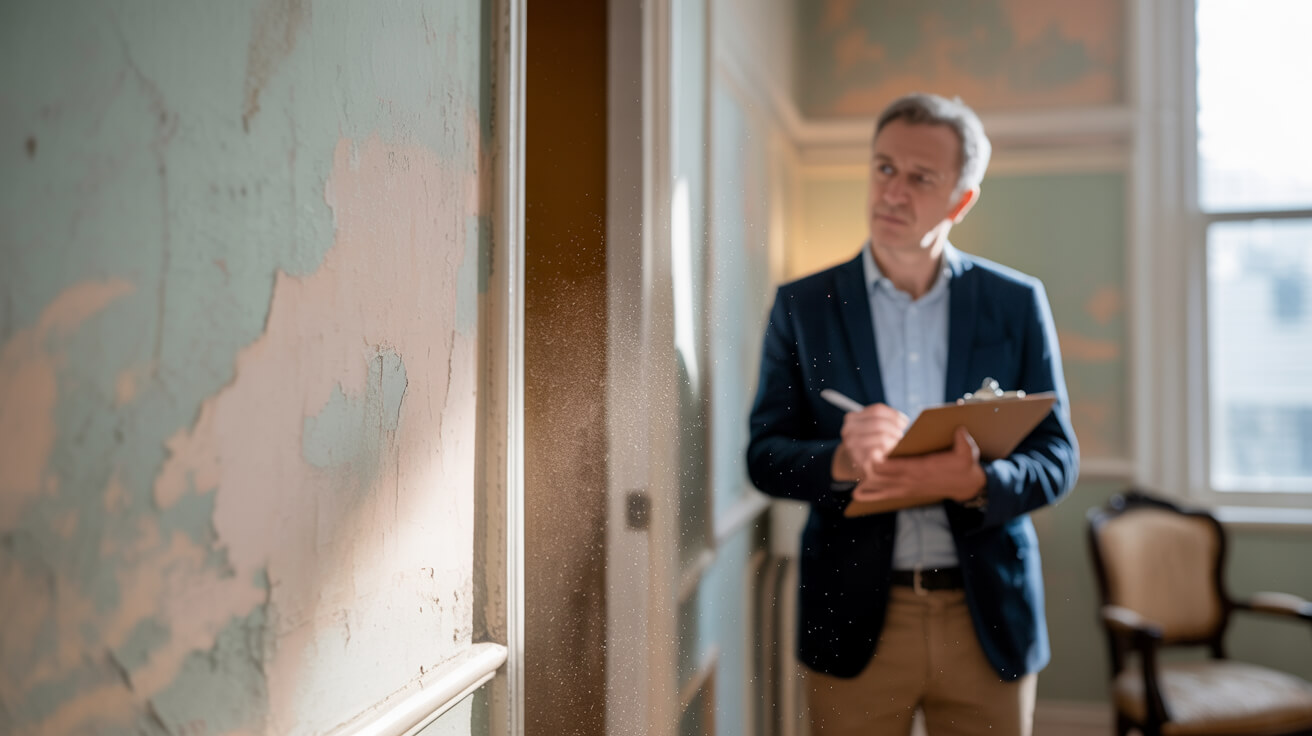
You can walk into a merchant today and pay £13–£55 a roll for “anti-mould” or “thermal” lining (covering roughly 5–10m² each). On a box room or small double, that means £40–£150 in product alone, depending on thickness and brand. Sounds reasonable—until you realise that’s maybe a third of your real outlay.
| Lining Type | Typical Roll Price | Coverage (m²) | Main Benefit |
|---|---|---|---|
| Standard Anti-Mould Liner | £13–£25 | 5–10 | Fungus block |
| Thermal/Insulated Liner | £32–£52 | 7.5–10 | Warmer wall, less risk |
| Foil/Barrier Paper | £35–£55 | 5–8 | Vapour check, moisture |
Even for DIY, you’ll need primers and adhesives (another £20–£40 per room), and if the wall hasn’t been prepped or previous damp has left salt or damaged plaster, a true surface repair could run from £110–£350 per room. Good tradespeople or accredited damp specialists will always insist on a prep phase—sometimes hacking off compromised plaster, chiselling out salt bands, and specifying products that exactly match your wall’s context.
A survey-grade installation in Sussex almost never comes below £350–£750 per room. If you see estimates half that in an ad, look for what’s missing—namely, diagnostics, legal compliance, and a warranty.
The price of a mistake is measured in rework, not just rolls. Hidden damp, trapped salts, or missing airflow can treble your costs next year—especially if a mortgage report bounces your property.
Is DIY Cheaper—Or Is It the Step Most Likely To Backfire on Cost?

Of course, you can buy anti-mould rolls, paste, brushes and have a go yourself—figure £60–£130 for a typical 15m² room if walls are in fair shape. The maths gets fuzzy if substrate repair, specialist cleaning, or drying is needed.
What Does a Specialist Actually Do Differently?
- Diagnostic Layer: Not all “damp” is the same. True pros run moisture mapping, salt tests, and forensic inspection to spot issues a surface wipe misses.
- Compliance: British Standards 6576 (chemical DPC) and 8102 (basement waterproofing) set clear diagnostic, product, and *warranty* requirements—essential for sales, mortgage, or legal review.
- Guarantee and aftercare: Documented warranties, post-instal checks, and insurance-backed cover turn “one-off” jobs into solid bets for homeowners, landlords, and asset managers.
| Approach | Cost (15m² room) | Inclusions |
|---|---|---|
| DIY | £60–£130 | Materials and basic prep |
| Professional | £350–£800 | Diagnostics, instal, docs |
In real terms, the “cheaper” option (DIY) is often the dearest choice by year two—when the first surveyor notes hidden damp or a letting agent sticks a property back on the repair carousel.
What Hidden Factors Double or Triple the Cost—and How Can You Sidestep Them?
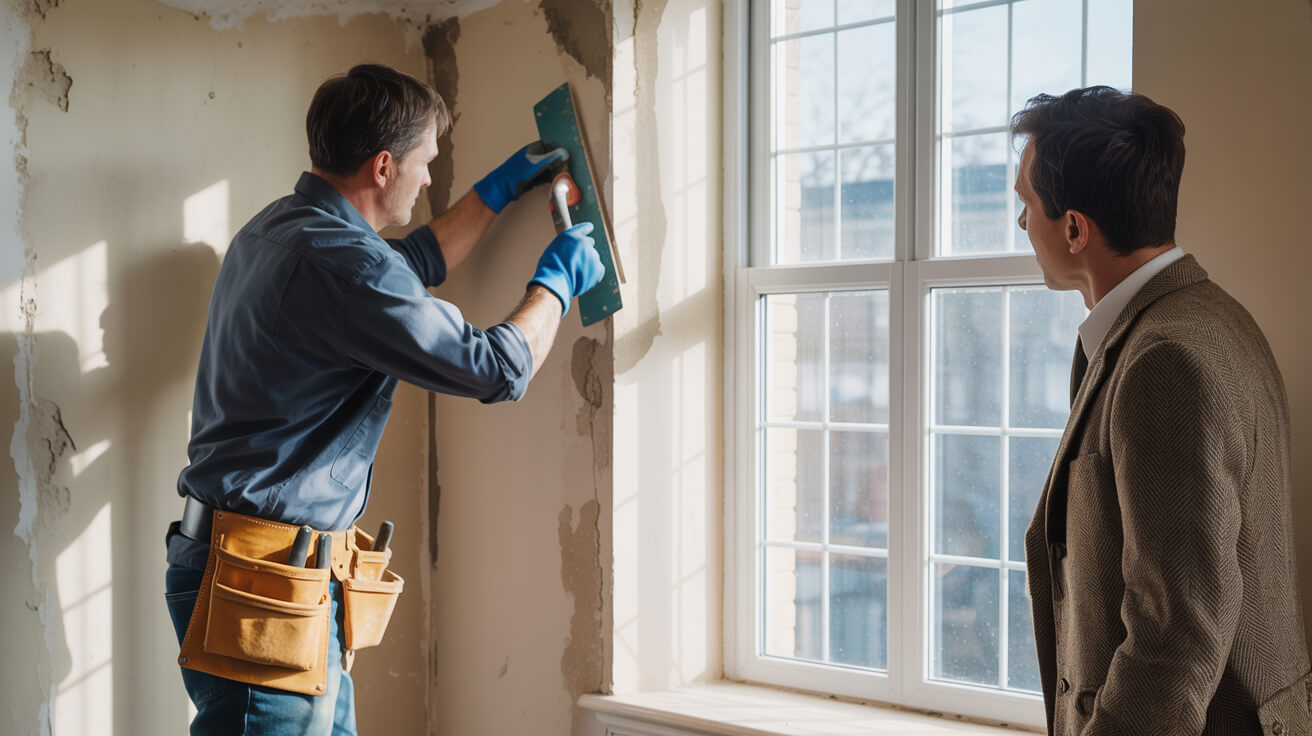
At Sussex Damp Experts, it’s rare that a failed anti-mould lining is down to paper quality. The highest true costs come from what professionals spot before a job begins: bridging damp proof courses, undiagnosed leaks, or blocked vents. Here’s where costs mushroom:
The “Multipliers” Behind Lining Price Inflations
- Salt stains or old contaminants: missed in prep mean fresh liner peels or bubbles—forcing new replastering (£100–£350 per room).
- Ongoing leaks or external faults: (e.g. failed gutters, high water table, cracked pipes) drive ongoing damp, making every coating you apply a temporary fix at best.
- Inadequate ventilation: or blocked vents virtually guarantee mould regrowth—often with recurrence bills after the first “cheap” lining job.
A £300 job can shift into a £1,000-plus headache when surveyor reports, tenant complaints, or failed sale negotiations force a full strip-out and redo, multiplied by lost rent or time off the market (checkatrade.com).
A wall can hold a secret, but not for long—hidden risk always leaks out onto your ledger eventually.
Why So Many Anti-Mould Lining Instals Fail (and How To Handle It Like a Pro)
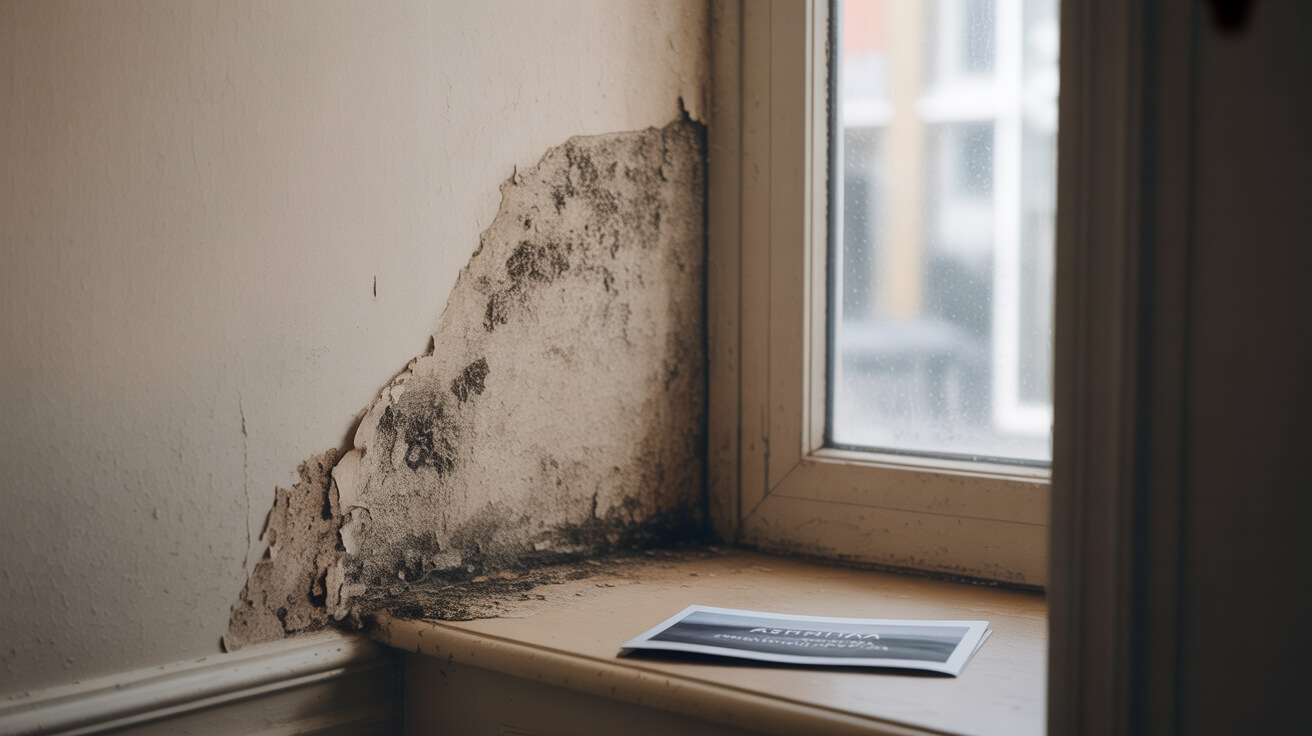
According to Sussex Damp Experts, over half of anti-mould lining failures are forensic, not cosmetic mistakes. That is, the paper isn’t bad, but the prep or context misdiagnosed. Common failure points:
- Misplaced vapour barriers: Foil papers on solid or heritage substrates trap damp, rotting walls from inside out.
- Untreated salts or moisture: Skipping a full wall dry or a salt neutraliser leads liners to delaminate—ruining the finish within months, not years.
- Missed warranties or non-compliance: Skipping surveys or British Standards compliance means mortgage lenders, buyers, or insurers may reject reports. Tenants, especially, are getting savvier—meaning “quick fixes” come back to haunt landlords in legal claims.
Real damp solutions start well before the first roll. They begin with mapping the moisture’s path, tracking salt movement, and choosing a system that works with your wall—not against it.
Do it once, or do it twice—when it comes to lining, only the right prep truly lasts.
Are There Legal or Financial Surprises for Shortcut Lining?
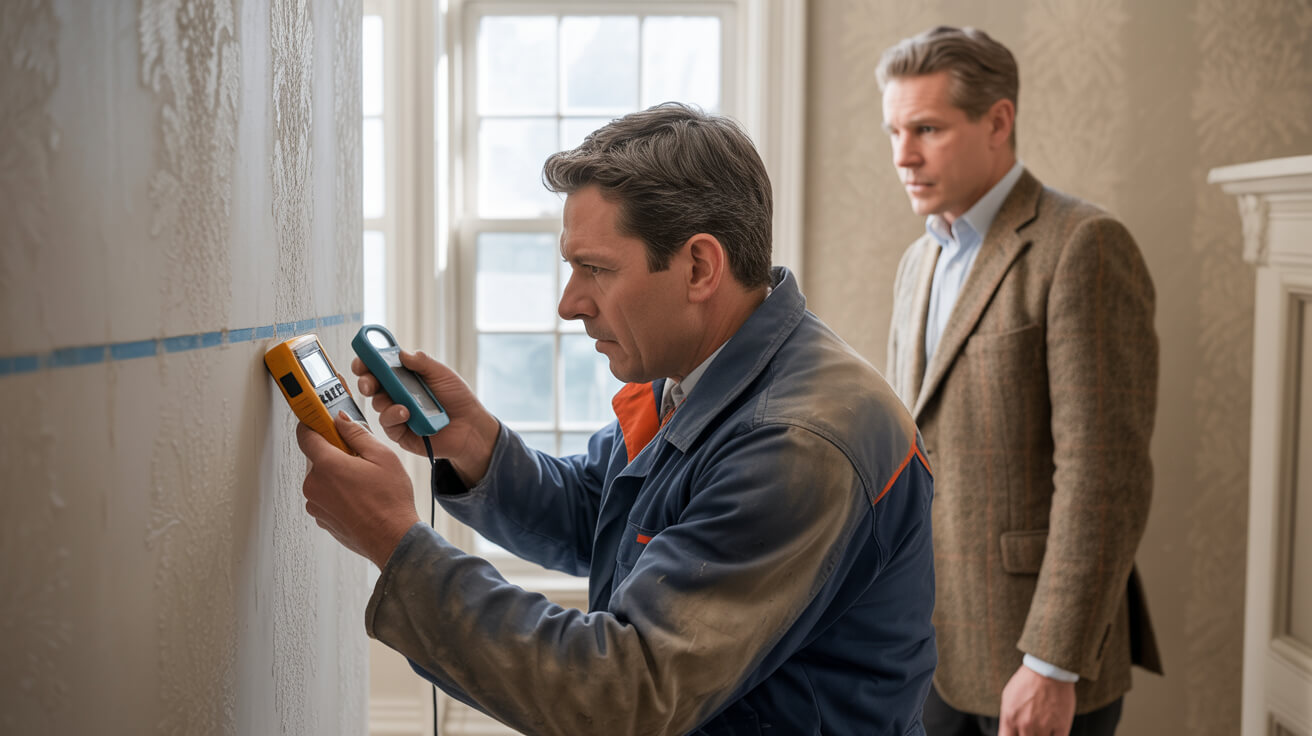
Legal and compliance systems in the UK don’t just punish negligent landlords—they increasingly check every homeowner, agent, and seller for proof of lasting repair. The Housing Health and Safety Rating System (HHSRS) fines up to £30,000 per non-remediated property (ebay.co.uk). Insurance and mortgage assessments look for moisture readings, signed-off paperwork from accredited pros, and warranty coverage.
First-time buyer? You must scrutinise pre-purchase damp reports—if a “lining fix” is cited with no diagnostics or specialist survey, assume the price could double (or worse) after deeper inspection. The risks are even starker for landlords—regulators, tenants, and agents increasingly demand compliance at every stage: not just on paper, but through documented action.
The quickest win is holding proof you fixed the cause, not the look. That’s worth more than any product label.
What Does a Survey-Grade, Professional Anti-Mould Lining Cost—and What Sets It Apart?

A warranty-backed anti-mould liner instal (15m² Sussex average) costs £450–£750 and includes:
- Surveyor-grade moisture mapping (not just poke-and-go)
- Salts and substrate checking—no damp patch ignored
- Full prep (removing failed layers, drying, salt treatment)
- Matched product (right liner for right substrate and problem)
- Insurance/warranty covering 10–20 years, transferable for sales
- Full documentation—pass muster at survey, mortgage, or letting agent review
If your property needs more—tanking, new DPC, heritage system, balcony-specific membrane—costs can shift upward from £1,000+. This pays for advanced compliance, legal paperwork, and protection against future asset value drops.
The piece most DIY clients never see? Confident compliance and future proofing. One written warranty, signed diagnosis, or specialist report can save you many multiples in missed rent, lost sales, or legal disputes.
How To Budget for Anti-Mould Lining—And Avoid Repeat Mistakes
Forget the “per roll” price for your wall. It’s all about whole-solution budgeting.
- Commission a genuine survey or expert diagnosis up front.: The investment (£70–£150) spots risks and guides spend—often saving thousands over time.
- Insist on all-inclusive written quotes.: It should break down prep, product, instal, post-care, and guarantee.
- Warranty matters.: Make yours transferable and, if possible, insurance-backed—vital for landlords, sellers, and asset owners looking to preserve asset value.
Sussex Damp Experts don’t just fit liners—they solve the source issues. It’s a systems-first, no-shortcut approach that stands up to lender or agent scrutiny and actually protects what matters—your building, your investment, your peace of mind.
Pay once for answers, not three times for cover-ups. Damp won’t go away without a proper diagnosis.
Ready to Get Damp-Proof Results—Not Just a Fresh Lining?
If you’re tired of “patch and pray” repairs, Sussex Damp Experts are set up to solve—not just cover—damp at the source. Our model: rigorous site diagnostics, British Standards methodology, clear legal paperwork, and a support journey from survey to warranty aftercare.
When you value an asset that stands up to inspectors (and time), our team don’t just promise—they deliver, from homeowners to property managers and agents.
Next step:
When it comes to lining, cure the cause not just the symptom—Sussex Damp Experts.
Call us today to book your moisture survey or learn why Sussex’s best trades and agents trust us for lasting results, not quick fixes.
Damp Wisdom from Darius Dampbane
💧 “Lining’s only as good as the wall you stick it on. Do your prep, use the right system, and nothing beats solving the root—not just hiding the symptoms. Get the diagnosis right—because cheap fixes invite costly regrets.” 💧
—
Guide by Sussex Damp Experts & Darius Dampbane—solution, not just a sale. Book practical, expert support at CollaborativeDynamics.net.
Frequently Asked Questions
Who stands to benefit most from anti-mould lining—and where do wall conditions silence those gains?
Anti-mould lining brings peace of mind to owners who want real, lasting dryness—not a temporary mask. The advantage is only secured when liners are applied to moisture-free, properly prepped substrates. Any attempt to shortcut—lining over undiagnosed damp, flaky plaster, or unventilated walls—simply defers bigger problems. Homeowners can ensure family comfort and smooth redecoration cycles. Landlords cut the risk of tenancy disputes and reputation loss. Agents and property managers gain a competitive edge with survey-ready finishes. But if the wall’s history isn’t mapped, those wins dissolve quickly—leaving expense, compliance headaches, and more intrusive repairs.
The cost of skipping diagnosis is paid not just in cash, but in future disruption and lost nights’ sleep.
Who gets overlooked—and why context drives true value
- Social landlords and block managers: Strategic use in corridors and basements to reduce complaint callouts, but only when paired with ventilation upgrades and rigorous moisture mapping.
- Small-scale investors: Tempted by “quick let” tricks, risking post-occupancy reworks if substrate checks are dodged.
- Heritage custodians: Often mandated to use breathable, lime-friendly systems—making lining a sensitive operation requiring technical finesse.
Pragmatism is the north star here: you don’t outwit damp with wallpaper. The genuine return on anti-mould lining is secured by marrying craft, right materials, and deep diagnostics.
Which wall and building factors sabotage anti-mould lining outcomes—or drive up costs beyond what owners expect?
Preparation gaps transform a simple lining job into a series of escalating expenses. Walls with undetected salt contamination, careworn plaster, or hidden moisture can triple the effort required. The Sussex property market’s most common blind spots are overlooked bridging, hollow render in period homes, or false confidence from surface-dry DIY fixes. Projects that begin without surveyor-grade mapping risk not only cost inflation, but compliance and warranty issues down the line.
Table: Net Impact of Hidden Wall Risks
| Risk Missed | Immediate Effect | Remedial Cost (avg) |
|---|---|---|
| Salt-laden plaster | Liner lift/discolouring | £120–£250 per room |
| Bridged DPC/Plaster | Rapid re-dampening | £200–£400+ project |
| Untested absorbent walls | Adhesion failure | £100–£175 repair |
Even minor property quirks have major impact
Small rooms in 19th-century Sussex homes, or garden flats with chronic condensation, multiply client callbacks if subfloor and ventilation planning are missed. With older building stock, especially near coastal areas, specification errors due to over-simplified prep pull both budget and asset value in the wrong direction.
Owners who rate predictability and true control over their property’s destiny invest in “no-surprise” site diagnostics—laying the foundation for both liner performance and peace of mind.
When does anti-mould lining deliver lasting results—and what triggers rapid liner failure?
Lining layered onto a surveyed, humidity-controlled wall can give five years or more of clean, low-maintenance living. But if unresolved moisture, salts, or air movement issues linger beneath the surface, even the best-grade liner bubbles, peels, or goes musty—often inside two winters. A liner’s fate is sealed before it’s unrolled: preparation beats product.
A lasting fix is only as good as the ground you build it on. The real enemy isn’t on the roll—it’s behind the plaster.
Success indicators that extend lining lifespan
- Consistent moisture readings below 18–20% Wall MC: Objective foundation for durable success.
- Salt and efflorescence neutrality proven by spot checks: Stops blisters and staining before they start.
- Correctly paired adhesives and liner weight: Breathable systems on lime or old brick, not generic pastes.
- Active or passive ventilation in place on instal: Closing the loop on repeating condensation or cold bridging.
Red flag situations—when lining guarantees don’t stick
- Untreated leaks, surface cracks, or bridging at skirtings.
- Applying lining directly after flood events or without dry-down logs.
- Ignoring advice to sync up ventilation or insulation upgrades with the project.
Survey data from East Sussex highlights a 38% increase in reported relining expenses on jobs where prep was skimped or skipped entirely—yet properties where moisture source tracing was done passed lender and insurance checks at nearly double the rate.
How do changes in liner grade or adhesive choice reshape both up-front costs and long-term security for your property?
Minor kit choices swing the financial and functional outcome. Basic liner and off-the-shelf paste may seem to “work” until Sussex’s winter weather exposes the cracks—literally. Premium, substrate-matched kits not only extend lifespan, but sustain compliance and preserve your resale options. Price tags must be measured against years of value or hidden remedial bills.
How choice alters outcome: Sussex 2024 On-the-Ground Data
| Liner System (Installed) | Lifespan | Typical Issues Avoided | Cost Window |
|---|---|---|---|
| Standard DIY paper | 1–2 yrs | Surface lift, stains, rapid fail | £30–£70 |
| Thermal backed lining | 4–8 yrs | Cold bridging, condensation | £130–£175 |
| Foil/breathable hybrids | 5–10 yrs | Severe damp, compliance gap | £215–£395 |
| Heritage breathable kit | 7–14 yrs | Lime wall, listed buildings | £320–£500+ |
Incompatible adhesives remain the unspoken budget killer: they degrade not just performance but warranty rights, especially on heritage or timber-framed stock.
Smart investors and asset managers don’t default to “cheapest”—they target the failure rate, warranty exposure, and value recovery window for each unique project.
What are the under-estimated compliance and legal pitfalls that hit property owners using anti-mould lining as a mask?
Papering over root damp can land owners—and agents—in regulatory hot water. Failed mortgage deals, insurance denials, or even statutory repair orders (post-2023 Renters Reform Bill) surface when surveyors or councils spot “cosmetic” fixes. Warranty claims evaporate if the instal can’t show adherence to BS6576, PAS 2035, or TrustMark standards.
Sussex Reality: Compliance as Shield and Sword
- Landlord/owner obligations: Ongoing damp behind lining equates to non-compliance with the Fitness for Human Habitation Act; tenants and local authorities are both escalation channels.
- Survey/valuation impacts: Mortgage surveyors and insurers increasingly red-flag undocumented or post-sale lining, compounding both cost and disruption risk.
- Warranty consequences: DIY or “rush jobs” using the wrong product frequently void guarantees, shifting full liability to the property holder.
- Legal chain reaction in leaseholds: Moisture crossover caused by poorly installed lining can start disputes, rapid debt calls, or force costly ‘trace-and-fix’ actions.
Line to compliance, not just to cover. Mistakes can chase your balance sheet for years.
Success today is defined by audit-ready process, predictable documentation, and visible respect for both building science and the legal contract.
How does Sussex Damp Experts reliably convert anti-mould lining from a cosmetic stamp to a lasting, compliant property investment?
Sussex Damp Experts don’t gamble with wall health—they deploy a systems-first approach. Each job is informed by forensic-level wall diagnostics, mapped moisture and salt pathways, and alignment with the standards mortgage lenders and insurers now expect. Installation is always adapted to the wall’s “life story”—from heritage brick to new plasterboard.
What separates a “stamp” from an upgrade:
- Pre-lining diagnosis and mapping: using calibrated sensors, salt indicator kits, and visual survey of thermal bridges.
- BS6576, PAS 2035, and TrustMark embedded in each step: —not as add-ons, but as the backbone of every process.
- Photo-evidenced, audit-ready reports: Structured for ease of agency handover, future sale, and warranty traceability.
- Annual aftercare for managed properties: Active advice, monitoring checks, and warrantied callouts that extend long past instal.
Recent internal reviews show average five-year savings of £460 per treated room—factoring in avoided surveyor fees, emergency replastering, and faster turnaround on sales. That’s the definition of real return: documented, standards-led upgrades that transform how your asset is viewed by lenders, tenants, and buyers alike.
For buyers, owners, and agents ready to trade recurring repairs for reputation—and asset security—the first move is a Sussex Damp Experts diagnostic survey.

