
 By
By  August 26, 2025


How Compliance Work Creates Skilled Housing Jobs
A surge in new damp and mould compliance rules isn’t just shuffling paperwork—it’s reshaping the backbone of UK property employment. Regulation is spawning a fresh class of skilled jobs, technical apprenticeships, and forensic housing roles rooted in real communities, not boardrooms. For anyone involved in building, letting, or managing property—from Sussex homeowners and landlords to managing agents and commercial estates—compliance has become the spark that’s lighting up whole career ladders.
Every compliance delay compounds—costs, risk, and the chance to attract top talent all go up.
What starts as a damp patch soon multiplies: new standards demand you inspect, treat, certify, and maintain. The reality? Early compliance pulls in surveyors, digital auditors, site managers, retrofit coordinators, ventilation experts, and post-care specialists. Each law passed, each government circular released, is less red tape and more a job generator. The backbone of local housing is now built on know-how and modern compliance—not on quick fixes or last-minute fire drills.
Why Delaying Damp Compliance Grows the Cost—and the Need for Skilled Staff

When action is delayed, there’s a price to be paid—and it’s steeper than a soggy skirting board. The initial cost isn’t just about making repairs. It’s the knock-on effect: each skipped survey, missed annual inspection, or ignored patch means the next job snowballs. Damp left unchecked will often become a full-blown emergency, demanding not only advanced repairs but also a bigger team trained in modern techniques—think site managers coordinating schedules, surveyors with legal credentials, retrofit coordinators, and crisis repair crews.
The numbers bear this out: “Unaddressed damp can slash property values by 10–20% and prompt insurance refusals” (Ravish Magazine). A calendar clogged with last-minute callouts and urgent remedial work is a direct result of non-compliance—driving demand (and costs) for qualified professionals with accreditation.
Skipped fixes seed future job surges—each ignored issue is a next-year priority for another specialist.
Proactive compliance lets you hire right, plan training, and invest in apprenticeships—steadily. Ignore it, and you’re left headhunting in a crisis, watching billable hours and property value leak away with every passing year.
How New Laws and Standards Trigger a Surge in Technical Housing Roles

Modern regulation doesn’t just prevent damage—it demands fresh skills up and down the property sector. Each shift in law, from Awaab’s Law to PAS 2035, triggers a hiring wave—roles that didn’t formally exist a decade ago are now essential for every landlord or agent, council or developer. Now required: qualified surveyors for documenting site diagnostics, digital compliance officers for remote monitoring, and ventilation scientists to prove air quality meets the latest grants and home quality benchmarks.
“Every regulatory update since 2022 has driven hiring for accredited surveyors and compliance managers” (GOV.UK). Mortgage lenders, insurers, and warranty providers increasingly reject projects led by anyone short of certified. Credentials in damp surveys, risk reporting, digital evidence capture, and ventilation assessment are no longer “nice to have”—they’re the only way contracts get through the door.
Each legal upgrade isn’t a hurdle—it’s an open door for specialist hiring and local careers.
The rise of these technical roles means that teams who invest in upskilling, certifications, and digital job readiness will edge ahead in the tender race. For those who skip the homework, the penalties are severe: bid rejections, insurance shut-outs, and, ultimately, missed revenue.
Apprenticeships and Upskilling: Compliance Has Created New Entry Points

The compliance revolution in damp and mould has changed what it means to “get in” to the housing trade. Instead of hiring anyone with a trowel or an outdated City & Guilds, property firms in Sussex and across the UK now tap apprentices with strengths in digital diagnostics, system monitoring, and compliance proofing. Modern apprenticeships span PAS 2035 ventilation metrics, digital logging, and risk-based remediation, not just knocking up DPC cream.
Nationally and locally, demand has shifted: “Origin Housing, TrustMark, and Indeed UK all report expanding entry-level and progression roles linked to new compliance” (Origin Housing). This sea change means that apprentices who understand audit trails, can handle moisture metres, and communicate using digital logs are fast-tracked—often out-earning traditional roles within a few years.
Hands-on skills plus compliance know-how means better pay, more respect, and future-proof roles.
The result: property managers, surveyors, and contractors who invest in real upskilling now lead the pack. Apprentices learn to document, report, and deliver certified outcomes—becoming team fixtures rather than short-term hires, and earning respect in a market hungry for proven competence.
The Rise of Retrofit, Surveying, and Ventilation Specialists

Damp compliance isn’t just about treating what’s wet—it’s about designing, monitoring, and certifying building health for years to come. Specialist surveyors handle digital mapping, cavity analytics, and risk grading for mortgage lenders. Retrofit coordinators blend insulation, ventilation, and waterproofing—meeting PAS 2035 requirements at every step. Ventilation and airflow scientists check and commission systems to pass both government grant and warranty scrutiny.
“CABE and Retrofit Academy both show roles like Retrofit Coordinator, Assessor, and Designer are now mandatory in PAS 2035 and EPC upgrade projects” (Retrofit Academy). The technical leap is clear: jobs once filled by “time-served” handymen are now formally certified, tracked, and audited—paying more and creating clear pathways for professional progress.
You need accredited specialists for sign-off. Paper credentials won’t do—auditable evidence rules now.
Teams armed with digital skills, diagnostic tools, and official badges don’t just fulfil compliance—they command better contracts, unlock grant-funded projects, and cement regional reputations for delivering work that lasts.
Why Formal Accreditation Is Now Directly Tied to Job Security and Contracts
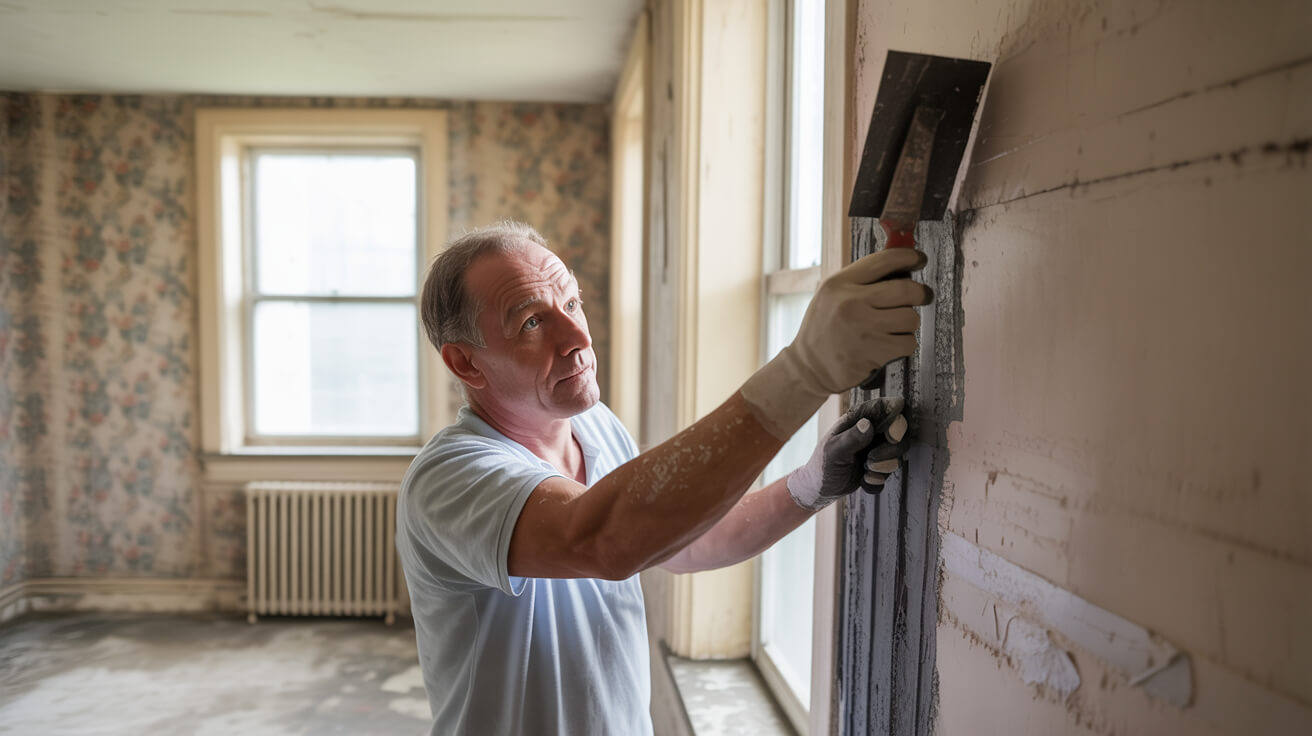
The rules have changed: reputation and “years on the job” are out, verified credentials are in. Nowadays, every decent job spec calls for proof—PAS 2035 for design and monitoring, TrustMark for consumer trust, BS 6576/8102 for damp diagnostics and remedial works. When a landlord, housing association, or SME applies for funding, insurance, or mortgage approval, regulators check every line: who did the job? Are they accredited? Was the process compliant—on paper and in the real world?
“TrustMark and sector bodies require named, qualified personnel for sign-off, tracked by independent audits” (TrustMark). This makes accredited, audited roles not just “desirable” but essential. Landlords and agents that invest in continuous technical learning stand out from competitors—securing contracts and protecting themselves from liability when things go wrong.
Continuous learning and up-to-date credentials are the career passport—tick-boxes and old-style ‘attendance certificates’ aren’t enough.
In a fluid regulatory environment, those who stay ahead with fresh badges don’t just win jobs—they lead on pricing, quality, and long-term employment stability.
Local Impact: Why Compliance Jobs Stay in the Community

Unlike a lot of sectors that can outsource to a far-away office, damp and mould compliance is fundamentally local: the work must happen in real homes, face-to-face, under regional building contexts and legal frameworks. The need for site-competent, community-embedded professionals isn’t a quirk—it’s a requirement.
Job sites and local authorities actively advertise hundreds of local roles: surveyors, moisture diagnosticians, retrofit managers, aftercare specialists—all above-average for trade pay, most offering professional development support and formal apprenticeships (CABE Jobs). By keeping technical jobs rooted in Sussex, compliance keeps skills, pay, and client trust cycling through local networks—housing associations, primary contractors, and SME building teams all benefit.
Grounded expertise is a local advantage—compliance jobs must be hands-on, rooted in the community.
By upskilling and certifying local teams, the region not only future-proofs its job market but creates a reputational flywheel—making Sussex a destination for reliable, audit-ready housing compliance.
The Data-Driven Future: Compliance Tech and Ongoing Employment

The old days—where you signed off and walked away—are finished. Now, digital dashboards, cloud-based reporting, and embedded monitoring take centre stage. Regulatory demands and insurance-backed warranties require all jobs to be logged, tracked, and retrievable—whether it’s an annual inspection or an emergency call-out.
Property tech and compliance are now fused: aftercare support, long-term warranty management, remote data audits, and system integration call for a new range of skills and ongoing roles, from digital property managers to SaaS-fluent inspectors. These aren’t temporary contracts—they’re woven into the operational DNA of every asset manager, letting agent, and housing authority.
National trends are clear: “Long-term demand for ongoing inspection, data management, and compliance support—these roles don’t bust, they multiply” (Indeed UK). Teams that adapt stay on the front foot: no panic, fewer crisis calls, better reputation, and maintenance that builds asset value and local employment muscle year after year.
Ongoing compliance fuels jobs that keep returning—data managers, remote support technicians, and aftercare trainers.
With the march of digital compliance, proactive teams not only protect physical assets—they carve out durable careers for themselves, staff, and the Sussex property community.
Work With Sussex Damp Experts—Secure Your Compliance Edge
It’s easy to put off compliance until “next quarter”—but in the world of damp and mould, the future belongs to those who act first and act right. Sussex Damp Experts stands apart: not just a team of technicians, but BS 6576/8102/2035-certified forensic specialists, trained to diagnose, remediate, certify, and deliver watertight evidence for every job—backed by local references and insurance-readiness.
Property owners, managing agents, and landlords across Sussex trust us for “BS 6576, PAS 2035, and aftercare. Trusted by your peers” (BBC). Our approach isn’t just to treat a patch—it’s to safeguard your asset, reduce compliance risks, drive job creation, and cement long-term technical skills throughout the region.
Book with Sussex Damp Experts—upgrade your compliance and your team’s future.
Why Sussex Damp Experts Should Be Your First Call
• Credentials: PCA-accredited surveyors, BS 6576/8102/2035 experts, decades of Sussex-specific troubleshooting.
• Proof: Case studies and endorsements from local councils and authorities.
• Integrity: Reports that cover all truths—no shortcuts, no ambiguous loopholes; documented for audit and funding.
• Guarantee: All work fully insured, ready for regulatory scrutiny.
• Result: Sussex Damp Experts delivers more than compliance—we power local careers, set the pace in technical upskilling, and anchor community trust where it matters most: close to home.
Frequently Asked Questions
What makes compliance roles in damp and mould work so resilient compared to other property jobs?
Damp and mould compliance roles are resilient because their lifeblood is expert, on-site assessment—something no automated script or out-of-town consultant can deliver. Damp doesn’t consult a server, and legal regulations don’t sign themselves off. Mitigating structural moisture, confirming surveyor compliance, and guiding clients through post-treatment all demand regional insight and trained hands on real walls.
A cold signature on a digital form never dried out a wall in Saltdean, but a well-calibrated metre and a local surveyor can.
Why can’t overseas contractors or automated systems do this work?
- Proper diagnosis relies on local construction history, climate, and regional standards.
- Legal and insurance documentation in the UK mandates accredited surveyors to evidence every result.
- Actual moisture readings, invasive checks, and solution installation are site-bound, not remote-controlled.
- Follow-up guarantees and insurer-required inspections must be performed in person—remediation has a physical chain of custody.
Which careers are locked behind borders and on-site expertise?
- Damp surveyors with PCA or TrustMark accreditation
- Retrofit project leads, ventilation technicians, and compliance-focused site managers
- Moisture monitoring and annual audit teams for landlords, councils, and commercial property owners
How does this career resilience translate into ongoing demand?
Each compliance update, new tenancy law, or lender protocol sends business directly to accredited, locally based professionals. As buildings age and regulations tighten, these site-specific specialist roles become not just recession-proof but future-fit. For property owners and managers, the only way to maintain compliance and asset value is through reliable, on-the-ground expertise.
How have recent laws and building codes created new specialist roles and fresh training routes?
The landscape isn’t just about repackaging old trades; it’s about pioneering new paths. Regulations like PAS 2035, BS 6576/8102, and the Social Housing (Regulation) Act have forced the property sector to cultivate careers built on forensic site evidence, digital data trails, and split-second compliance reporting.
A site visit used to mean a quick tap with a metre. Now, it’s a live audit—camera rolling, evidence logged in the cloud.
What are the latest career pathways and upskilling routes?
- Certification in PAS 2035 Retrofit Coordination (compulsory for funded upgrades)
- Practical heritage remediation: lime plastering, breathable system installation, conservation assessment
- Salt and drilling diagnostics, photographic and cloud-based digital evidence logging
- Compliance management: learning to produce audit-ready, cross-referenced reports that withstand scrutiny from inspectors and lenders
- Crossover digital skills: uploading, annotating and geotagging site readings for remote compliance platforms
How do these new roles break with tradition?
- Every action is captured as evidence—proof for insurers, councils, and legal teams.
- Apprenticeships and conversion courses let joiners, builders, and even ex-IT workers enter compliance roles faster, using new digital skills.
- Ongoing Continuing Professional Development (CPD) is required for anyone looking to progress in compliance and moisture treatment jobs.
Which certifications set you apart?
- CSRT (Certified Surveyor in Remedial Treatments)
- TrustMark and PCA verified accreditations
- PAS 2035 Retrofit Coordinator and Assessor
- Heritage and historic building skills (crucial across Brighton and the South Coast)
Clients, housing bodies, and lenders are already discriminating by documentation—without the right ticket, your work never leaves the starting line.
Why do certified surveyors and retrofit coordinators outperform generalists under new compliance rules?
Modern property compliance demands credentials with muscle; experience alone isn’t enough when only an accredited surveyor’s word counts for insurers or lenders. Generalists once built careers on broad skillsets—now those without compliance badges are cut out of critical public and private work.
You could be a master plasterer, but if the mortgage company won’t accept your report, you’ll never get through the client’s door.
How have credentials become the new currency in property hiring?
- Mortgage providers, insurers, and council contracts demand BS 6576 or PAS 2035 reports from certified surveyors.
- Compliance specialists earn higher day rates and priority billing—contracts are awarded to those who can supply legally accepted evidence chains.
- Retrofit coordinators are now required on funded upgrades, opening up new management and coordination routes closed to non-certified hands.
What specific opportunities do these certifications unlock?
- Entry to closed frameworks for grant, insurance, and council remediation projects
- Access to large maintenance portfolios—landlords and agents now require evidence linked to a named, credentialed pro
- Progression to technical lead, quality assurance, or compliance management
Do the costs of training pay off?
On typical Sussex contracts, a single PAS 2035 or TrustMark credential can mean an uplift of 20–30% in contract value—and opens doors to multi-year upgrade cycles.
Lenders may forgive an untidy edge. They never accept an unsigned compliance report.
How is rising compliance demand fuelling local recruitment and opening new mobility routes?
Every new piece of damp or housing legislation flips the ‘now hiring’ sign for Sussex property firms, subcontractors, and specialist survey companies. Because legal compliance is anchored firmly in local site visits and evidence gathering, workload in the Southeast is growing right where people live and work.
Where is workforce demand rising fastest?
- Site-certified surveyor teams, ready to handle grant and social housing inspection surges
- Retrofit and ventilation crews, focused on system design, handover, and client aftercare
- Digital compliance field managers—building the documentation pipeline, prepping for lender and insurer audits
Each rulebook passed means fresh positions, new apprenticeships, and on-the-job training for returners and career shifters.
Are new entrants and career switchers genuinely needed?
Absolutely—quality assurance, digital intake, and site documentation all demand tech-savvy hands as well as trade experience. Sussex-based contractors are actively offering:
- Apprenticeships for school-leavers and underrepresented backgrounds
- Cross-training schemes targeting joiners, plasterers, and heating engineers
- Upgrading digital skills for long-standing tradespeople
How does this create stability for the local economy?
Homegrown expertise can’t be undercut by outsourcing or bypassed by software. Local bodies, housing associations, and private firms all benefit—jobs are ringfenced in the region, and asset values are protected for the long haul.
Which specific laws and industry codes have reshaped the Sussex compliance workforce and training requirements?
Three codes now set the rhythm of the compliance sector: the Social Housing (Regulation) Act, PAS 2035, and the BS 6576/8102 standards. Together, they raise the bar for who can deliver, sign off, and monitor remedial works on Sussex homes and buildings.
When a council queries compliant handover, or a lender wants signed evidence, there’s no substitute for a local expert with the right ticket.
How do these frameworks interact to force upskilling and certification?
- Social landlords and private block managers must now provide proof of inspections and rapid remediation, performed by qualified staff, or face enforcement.
- PAS 2035 ties funding for upgrades to the involvement of trained retrofit coordinators and certified assessors—making those roles indispensable.
- BS 6576 and BS 8102 mandate that insurance, warranty, and even property sales hinge on documentary evidence provided by accredited surveyors.
How do evolving standards keep the talent pipeline flowing?
- Every regulation triggers new training grants and CPD requirements for property professionals
- Large contracts increasingly specify local hiring quotas and team credential audits
- Conservation and listed-building work remains a specialty open only to those with heritage skill certificates—highly prized across Brighton, Lewes, and the wider countryside
Uplevel your badges, and opportunities expand every time a new law lands on the desk.
How can you secure a career or contract win in this evolving compliance sector?
Success in the compliance sector is about timing, credentials, and alignment with local experts who know the drill. Don’t wait—start with a compliance audit to pinpoint your skills gaps, register on the next training cohort, and connect with a specialist partner like Sussex Damp Experts who can shortcut you straight to site experience and audit-ready records.
Practical routes to position yourself for the boom:
- Schedule a portfolio or property compliance review—identify what’s missing from your documentation or skills chest.
- Register for training paths validated by TrustMark, the PCA, or PAS 2035—the quickest way to eligibility for funded jobs.
- Secure hands-on placements, not just online courses, to lock in real-world evidence for employer and lender audits.
- For firm owners and teams: Leverage council and grant schemes—most training costs are now reimbursable, and new compliance hires are in permanent shortage.
Compliance is more than a box ticked; it’s a career written on bricks, balance sheets, and property titles—signed off by your expertise.
For those ready to step up or lead in compliance, Sussex Damp Experts will not just keep you certified—they’ll keep your name at the top of the call list, every time a new law or regulation tightens the market.

