
 By
By  May 2, 2023

Uncovering Hidden Salt Damage – The Unseen Risk in Buildings
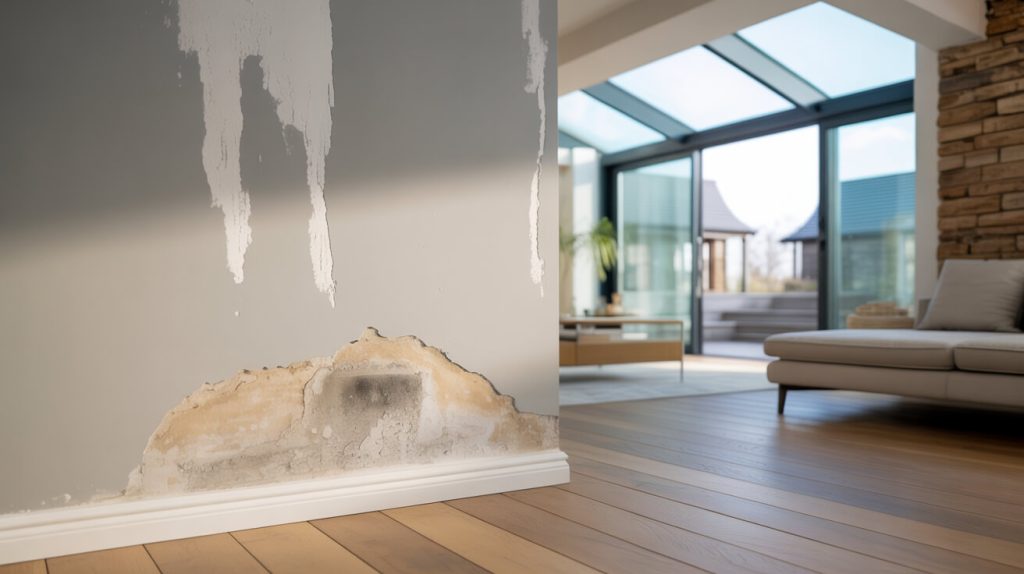
Salt contamination presents distinct challenges that extend beyond surface damp or cosmetic blemishes. Even if walls appear sound after repairs, you may face a recurring sequence of whitened patches, paint failure, and plaster erosion, often pointing to the need for Salt Proofing Lime rather than surface-only remedies. The underlying driver is rarely residual water alone—instead, it’s mineral salts embedded within brick, stone, or render that perpetuate moisture cycles and damage. Recognising this often-overlooked cause is vital to protecting your asset’s value and protecting property health.
Why Hidden Salts Persist
Salts migrate unpredictably: dissolved by water, they ride rising capillaries or airborne humidity, appearing wherever conditions support crystallisation or absorption. Each new manifestation erodes confidence in previous repairs. Homeowners, landlords, and asset managers frequently misattribute failures to superficial condensation or isolated leaks, but neglected salt drives persistent cycles of decay.
Key Risk Indicators
- Recurrent white marks, caustic powder, or “fluffy” residues at skirting boards or chimney breasts
- Decorative surface failures—peeling, bubbling, or dark patches—especially in repeat locations
- Subtle but expanding crumbling of internal plaster or render
- Persistent musty odour that resists basic ventilation or cleaning
| Indicator | Meaning | Who Should Act |
|---|---|---|
| Fluffy white residue | Active salt migration | Homeowner, Landlord |
| Plaster crumbling | Ongoing salt decay | Contractor, Agent |
| Recurrent failures | Substrate contamination | Surveyor, Buyer |
Salt rarely disappears on its own—every recurrence silently erodes structural security and confidence.
If you’ve noticed any of these patterns, early evaluation by our services can prevent avoidable expense or disruption. The difference between controlling and ignoring early salt migration often defines future repair cycles and property ratings.
What Types of Salts Threaten Property Health and Structure?
Rot Type Identifier
- 1 Location
- 2 Visual Signs
- 3 Moisture
- 4 Results
Most Likely Diagnosis
—
—
What Is This?
—
Treatment
—
Typical Cost Range
—
Can I DIY This?
—
Wet Rot vs Dry Rot Comparison
| Feature | Wet Rot | Dry Rot |
|---|---|---|
| Cause | Persistent moisture >50% MC | Moisture >20% MC + poor ventilation |
| Spread | Stays localised to wet area | Spreads through masonry via hyphae |
| Appearance | Dark, soft, breaks along grain | Cuboid cracking, white mycelium, fruiting body |
| Smell | Damp, musty | Strong mushroom odour |
| Typical cost | £200 – £2,000 | £1,000 – £15,000+ |
| DIY possible? | Small non-structural areas | No — specialist only |
| Urgency | Moderate | Urgent |
Rot identification requires expert assessment. Incorrect treatment can allow decay to continue hidden. Get a definitive answer.
Book an Emergency Rot Survey →Not all salts inflict the same risks. The chemistry beneath each patch of wall determines which remediation, compliance route, and future-proofing approach fits your asset. Chlorides, nitrates, sulphates, and carbonates each manifest in specific property settings—identifying the dominant mineral threat will guide every decision from planning to final finish.
Comparing Salt Sources and Impacts
- Chlorides: stem from de-icing, sea air, or water ingress; frequent in coastal and urban fringe properties.
- Nitrates: originate from fertilisers, organic decay, and old sewer lines; high in rural, mixed-use, or basement structures.
- Sulphates: are linked to industrial fallout or natural soils; prevalent in post-industrial or brick-built assets.
- Carbonates: come from hard water, cement, and lime-rich materials; occur in both modern and heritage construction.
| Salt Type | Typical Source | Major Risks |
|---|---|---|
| Chloride | Sea spray, grit salt | Fast efflorescence, decay |
| Nitrate | Soil, fertiliser | Subsurface crumbling |
| Sulphate | Pollution, subsurface | Deep render damage, staining |
| Carbonate | Hard water, mortar | Persistent minor flaking |
Why Specific Diagnosis Matters
Applying a generic damp course or patch may temporarily mask symptoms, but only treatments aligned to your actual salt composition deliver lasting results. Heritage and listed buildings are especially sensitive: misuse of modern materials can accelerate hidden decay, undermining regulatory compliance and restoration investment.
Your best course is a survey from our PCA-accredited professionals who combine mineral profiling with legal and site-specific planning. If you’re seeking a tailored asset protection strategy, compare salt threats by property type to anticipate future maintenance or compliance obligations.
How Do Salts Move Through Buildings – A Scientific Breakdown

Salts migrate by mechanisms invisible to untrained inspection, but their path can be traced with scientific precision. Water, once thought to be the sole culprit, acts as a carrier for salts—once present, air humidity alone can keep the process active, even without obvious leaks.
Salt Migration Mechanisms
- Capillary movement: propels salts vertically and horizontally, often relocating them far from initial ingress.
- Lateral flows: from poorly drained surfaces or garden slopes magnify internal salt concentration, regardless of age or finish.
- Atmospheric moisture cycling: ensures that salts in interior or shaded zones persistently draw in damp—plaster can remain “wet” years after leaks stop.
- Barrier bridging: Tanking or waterproof renders may confine salts behind impermeable layers, prompting pressure build-up and secondary failure.
Migration Evidence Table
| Movement Type | Immediate Effect | Risk Zone |
|---|---|---|
| Capillary Rise | Upward salt tide | Lower wall junctions |
| Lateral Spread | Patchy surface staining | Internal-external interfaces |
| Atmospheric | Hidden sub-fluorescence | Cupboards, cold rooms |
| Bridging | Blistering, blown plaster | Behind modern renders |
It’s never just the visible stains; unseen migration means your next fix may already be failing beneath the surface.
Visualise your property as a dynamic system. A change in garden slope, replacement window, or even internal partition can prompt new salt pathways. Our service maps these influences, allowing precision intervention focused on lasting control.
Why Surface Treatments and Standard Damp Proofing Often Fail

Quick fixes may appear to clear up visible damp, but surface-only interventions cannot halt the logic of salt migration. Chemical DPCs, tanking, or specialist paints offer temporary comfort; once environmental cycles resume, trapped or mobilised salts resurface, sometimes in new locations or with greater intensity.
Cost of Surface-Only Interventions
- Rapid resumption of flaking paint and failing wallpaper
- Loss of guarantee or insurance cover due to non-compliant substrate prep
- Recurring repairs draining budget, tenant satisfaction, and asset reputation
Real-World Outcome Table
| Approach | Short-Term Result | Typical Failure Mode |
|---|---|---|
| Paint/Film Cover | Superficial fresh | Rapid bubbling, flaking |
| Generic Damp Proof Course | Dry spell | Salt re-emergence, voided cover |
| Impermeable Tanking | “Dry” feel | Sub-plaster pressure, internal cracks |
Eliminating Recurring Failure
Getting salts out—or neutralising their long-term activity—requires both removal of contaminated layers and installation of breathable, salt-compatible replacements. This is especially vital for heritage or listed sites where inappropriate products can violate planning or conservation status.
A step-by-step plan from our accredited team, including comprehensive substrate checks and proof-based system choices, is your best assurance of regulatory peace and long-term value. Find out why our tailored approach drastically reduces the number of “repeat repair” callouts year-on-year.
Where Are First Signs of Salt Damage Likely to Appear?

Salt symptoms emerge first where environmental or user patterns intersect with hidden migration. Early recognition translates to lower cost, reduced operational risk, and greater asset certainty—especially for managers balancing compliance, risk, and repair budgets.
Early Indicator Hotspots
- Skirting board zones—most accessible for routine checks, highly sensitive to capillary rise
- Below window sills or new window reveals—structural bridging often redirects salts here
- Chimney breasts or historic fireplace surrounds—legacy salt “banks” may only surface after humidity changes or building works
- Damp corners or hidden spaces—mobilised salts at junctions, behind fitted units, or beneath flooring
- Renovated heritage features—lime plaster and ancient mortar can disguise deep, active salt stores
Checklist Table for Inspection
| Area | What to Check | Typical Symptom |
|---|---|---|
| Skirting/Wall base | Fluffy growth, spalling | New or recurring marking |
| Window surround | Plaster softening | Localised repeat stains |
| Fireplace/Chimney | Powder, crumbling | Slow emerging loss |
An undiagnosed early symptom seldom fades; prevention always costs less than late-stage intervention.
Want to make the most of your inspection? Use our expert guides or tap our surveyors for a targeted evaluation that turns unnoticed clues into documented, actionable insight.
How Is Salt Damage Professionally Diagnosed and Reported?

Salt issues cannot be properly addressed without forensic clarity. Professional diagnosis combines technical tools, regulatory expectations, and insurance-friendly processes, ensuring future actions rest on robust evidence rather than guesswork.
What Sets Accredited Diagnosis Apart
- Chemical spot tests and PCM-accredited protocols confirm salt chemistry, not just presence of water or superficial damp.
- Gradient mapping and internal sampling uncover deep or migrating salt bodies, validating what the naked eye can’t reveal.
- Photographic, digital, and lab-backed records ensure asset status is documented for warranty, mortgage, or buyer needs.
- Reporting calibrated against BS6576, PAS2035, and HHSRS standards means your next steps qualify for protection and approval across sectors.
Diagnostic Elements Table
| Method | Purpose | Coverage |
|---|---|---|
| Chemical spot test | Identify salt types | On site, instant |
| Gradient mapping | Trace migration patterns | Internal, remote effect |
| Laboratory confirmation | Legal/insurance backup | Heritage, complex assets |
| Standard-based report | Compliance, audit | All property types |
If your next audit, claim, or sale depends on certainty, plan for accredited, scenario-tuned reporting. You’ll gain both technical evidence and practical recommendations, a vital link between current findings and future security.
When Should Specialist Remediation Be Mandated by Risk or Regulation?

Not every salt problem can be safely solved with generalist repairs. There are clear lines—regulatory, financial, or practical—that should trigger specialist intervention, especially for managing compliance exposure and maximising asset lifecycle.
Key Intervention Triggers
- Heritage, listed, or conservation status (risk of unauthorised intervention)
- Rented or tenanted properties (duty of care via legal mandates)
- Mortgage, insurance, or sale in the pipeline (asset valuation at risk)
- Repeat failures without clear cause
- Health and safety noncompliance, with possible statutory notice or increased liability
Trigger Table for Specialist Action
| Trigger | Example Scenario | Specialist Justification |
|---|---|---|
| Heritage status | Listed home survey after sale | Conservation-compliant |
| Tenancy/rental | Tenant HHSRS complaint | Full legal/recorded fix |
| Asset transaction | Buyer requests proof/guarantee | PCA-backed, insurance |
| Recurring repairs | “It keeps coming back” | Root cause must be mapped |
Consulting our experts means your repair plan aligns with both building performance ambitions and required codes—whether you’re aiming for a smooth sale, compliance audit, or future-proofing for tenants.
Book Your Free Consultation With Sussex Damp Experts Today
Taking action now on salt contamination redefines your relationship with your property—from a cycle of costly speculation to lasting control and confidence. Our process begins with a plain-English evaluation that strips away guesswork, then delivers a science-based plan grounded in proven standards and compliance.
Within just one consultation, you’ll gain:
- A documented diagnosis of active and latent salt risks
- Compliance-mapped explanations supporting all next steps
- Detailed, transparent plan options with pricing and lifecycle assurance
- Assurance that your asset strategy is fully compliant, insurance-safe, and market-ready
When you act from facts, not fear, you set the standard for resilient, valuable property management.
With Sussex Damp Experts, you secure both your asset and your own status as a proactive, knowledgeable steward. Arrange your specialist salt assessment today and join the group of owners, managers, and professionals who lead—not merely follow—in the built environment.
Frequently Asked Questions
What are the real consequences of salt damage in my home, beyond superficial damp?
Salt contamination disrupts the very integrity of your property, reaching far deeper than flaking paint or minor staining. When water enters masonry—by rising damp, leaks, or persistent condensation—it dissolves hidden minerals in brick, stone, and plaster, a process also explored in Conservatory Damp Decoded where persistent moisture exposes concealed design and material faults. As this damp evaporates, salts are left behind. These salts don’t remain inert: they are hygroscopic, drawing moisture from every humid day, keeping substrates in a constant, subtle state of decay.
Underlying Risks of Salt Damage:
- Plaster and mortar steadily break apart, making repeated redecoration a short-lived fix.
- Black mould and musty odours signal deeper chemical activity, not just a ventilation oversight—raising risks to health, especially for tenants and children.
- Surveyors’ reports often flag efflorescence or salt-induced crumbling, derailing sales, lease renewals, and insurance policies.
- Rental properties breach compliance if persistent salt deposition isn’t mitigated, leading to legal or statutory action.
Salt is the architect of recurrence. Cosmetic solutions—chemical DPC, sealants, “damp-proof” paints—offer temporary silence. The problem always returns, quietly compounding maintenance costs and reducing asset value. Owning or managing a building means seeing salt for what it is: the catalyst of compounding deterioration.
The clearest way to break this loop is a forensic diagnosis from a team that recognises these underlying flows; Sussex Damp Experts, for example, maps both surface and subsurface activity, grounding every repair plan in solid evidence—not hope.
Which types of salts most threaten property health and structure—and why don’t conventional fixes last?
Within masonry, not all salts pose equal risk. Chlorides (coastal, de-icing), nitrates (soil, past agriculture, pollution), sulphates (industry, older mortar), and carbonates (groundwater, aged materials) play unique roles in decay and recurrence.
Table: Dominant Building Salts and their Impact
| Salt Type | Source | Building Impact |
|---|---|---|
| Chloride | Sea spray, road salt | Crystalline blooms, plaster flaking |
| Nitrate | Soil/fertiliser | Persistent damp, deep plaster decay |
| Sulphate | Industrial, older lime | Structural weakness, render failure |
| Carbonate | Water, cement | Staining, gradual material erosion |
Hygroscopic salts are particularly insidious—while some salts migrate with water and surface as efflorescence, others “live” deep in your walls, pulling humidity from air—sabotaging repairs even when surfaces feel dry. That’s why generic solutions fail: they target water, not the mineral cycle. Paint traps salts in substrate. Tanking redirects the problem to new weak points.
Properties near the sea, in former farmland, or with a cocktail of modern and traditional materials are especially vulnerable. Only diagnosis calibrated to your specific environment and building fabric creates a path to true remediation.
How do salts actually migrate through my walls—and why do old repairs fail?
Salt movement is a slow-motion chemical insurgency. Capillary action draws dissolved salts upwards and across mortar, brick, and plaster—often beyond visible damp marks. Once water evaporates, salts crystallise deeper in the fabric. Coastal properties see lateral penetration from wind-driven spray. Blocked drainage, poor site grading, adjacent modern alterations… all intensify the drift.
Visual Analogy:
Imagine your wall as a complex arterial network: every “shortcut” repair (a quick DPC, cement render, or plastic paint) blocks off natural escape routes for moisture and salts. Internal pressures surge, much like high blood pressure blocked by a tourniquet, and eventually, the problem erupts elsewhere—sometimes damaging elements that were previously sound.
Hidden Triggers For Salt Migration:
- Altered landscaping, even small slope changes
- Blocked rainwater goods delivering concentrated run-off
- Incompatible repairs that trap moisture
- Past flooding or leaks—even when “fixed”—leaving a legacy of residual salts
This migration continues year after year. The only effective interruption is a strategy mapped to your site’s unique transferral patterns. Sussex Damp Experts leverage thermal imaging, salt profiling, and historic material context to unravel the full picture—creating repair plans that actually reset your building’s risk, not just cover it up.
Why does surface redecoration or generic damp-proofing keep failing—with costs escalating each year?
Treating the visible is like sweeping snow while a blizzard rages on—surface fixes rarely change the deeper cycle. Home and property managers spend thousands each decade on endless cycles of repainting, partial replastering, and applying “miracle” damp treatments, only for discolouration and crumbling to reappear—sometimes in new places.
Scenario Table: The Cost of Doing It Twice
| Repair Chosen | Short-Term Effect | Next Failure Mode |
|---|---|---|
| Waterproof paint | Hides problem 4–8 months | Blisters or flakes off, larger area |
| Cement tanking | Initial dryness | Pressure causes cracking or bulging |
| Quick DPC injection | Temporary improvement | Persistent hygroscopic damp/micro-mould |
Every time water is excluded from one area, salts and residual moisture re-balance elsewhere—meaning patch repairs can amplify, not solve, the larger issue. Even new “high-tech” plasters fail if underlying salt loads remain.
Trusted remediation plans increasingly rely on certified damp proofing consultants who understand both chemistry and building physics. This is the only route to avoidance of warranty disputes and the growing risk of surveyor “red flags.” Every shortcut you take hands the advantage to decay.
Where should you look first for early salt warning signs—and when do those signs demand urgent action?
Salt rarely introduces itself with drama. Instead, it’s the details: a white “fur” at a skirting board, paint that never seems to stick, numb cold patches behind doors or cupboards, musty air without obvious leaks. Floor/wall junctions in basements, window returns in period properties, or under stairwells in modern builds—these are salt’s favourite entry points.
Checklist: Most Missed Salt Warning Signs
- Subtle powdering along radiator pipes or wall base
- Fine cracking and petal-like lifting of finishes on internal corners
- Damp patches that persist through dry spells
- “Phantom” smells—musty, sweet, or chemical—when rooms are closed for days
If the sight repeats after each attempt to “freshen up” a space, you’re not fighting moisture, but the memory of previous ingress and contamination. Leaving these cues unchecked puts property health, value, and safety into a cycle of risk. The sooner a definitive salt survey is conducted by a compliance-led expert, the more you preserve time, value, and reputation. Sussex Damp Experts’ pinpoint diagnostics are recognised for getting ahead of these cycles, giving you real certainty rather than perpetual catch-up.
How is salt contamination diagnosed and reported for surveys, warranty, or legal compliance?
Diagnosis must be equal parts science, method, and documentation. Accredited surveyors begin by profiling both surface and deep material salt using:
- Spot chemical tests to distinguish chloride, nitrate, or sulphate dominance
- Moisture metres to establish migration depth and pattern
- Thermographic mapping for non-invasive detection
- Lab validation, when legal, insurance, or contentious ownership needs extra proof
- Comprehensive reporting under BS6576, PAS2035, and HHSRS, admissible in property transactions and regulatory reviews
Diagnostic Reporting Table
| Methodology | Relevance to Owner/Landlord |
|---|---|
| Chemical/metre readings | Fast, site-available |
| Lab validated analysis | Required for warranty/legal/sale context |
| Full visual and written spec | Unblocks insurer/surveyor hold-ups |
Beyond detection, the right partner supplies evidence respected by mortgage lenders, planning officers, and buyers/investors. Sussex Damp Experts are trusted for both discovery and the regulatory weight of their reports—a difference that helps owners win claims and prevent “down-valuing” at market.
When is it essential to escalate from generic repair to specialist salt and damp remediation—and what distinguishes true expertise?
The moment recurring symptoms surface, a mortgage is delayed, or a tenancy is threatened by health risk, you’ve reached “Go Pro or Go Home.”
Specialist escalation is no longer optional when:
- Heritage/listed status or conservation area restrictions mandate reversible, compliant repair
- Tenanted assets trigger HHSRS or legal claims
- A surveyor withholds valuation pending a certified fix
- Prior repairs repeatedly fail, regardless of spend or contractor promises
Unlike handymen, a true consultant integrates forensic diagnosis, historical context, material compatibility, and end-to-end documentation. Sussex Damp Experts are known for their role in restoring confidence to complex or high-value buildings, ensuring that your next repair isn’t another short-term hope, but your last.
Every previous shortcut compounds tomorrow’s cost. True expertise turns uncertainty into lasting advantage.
Ownership is more than building repairs; it’s about choosing long-term stability over endless cycles of disruption. That’s why leaders across Sussex trust experts attuned to both building science and operational risk—securing not just walls, but their own status as guardians of property value, comfort, and trust.

