
 By
By  August 26, 2025


Can Tenants Really Prevent Damp and Mould—Or Is It Always the Landlord’s Problem?
Damp and mould shape the hidden landscape of UK rental properties, creeping in where daily vigilance fades or habits lag behind the demands of older buildings. While many tenants see damp as a landlord’s inevitable headache—someone else’s job until a wall grows fungus—reality has sharper angles. A home’s health, and your deposit, often come down to what choices you make before a single black patch appears. The line of responsibility is complex: landlords must provide structurally sound, habitable homes, but tenants materially impact what kind of living climate emerges within those walls.
You can stop most damp before it starts. It’s about habits, not heroics.
There’s no single switch that keeps your rental dry forever. Damp prevention is not a one-off fix—it’s built into the rhythms of daily life: venting the bathroom after a hot shower, remembering that condensation surges with hot, steamy air when it cannot escape, letting kitchen steam out, and wiping condensation off windows before heading out. These routines, modest as they seem, quietly cut off the triggers that feed mould and persistent damp. Ignore enough small tasks, and you invite the very problems landlords are paid to solve; when disputes follow, questions like I Build A case can arise alongside the damp itself. Prevention starts at step one. The bottom line? A well-defended tenancy is as much about your habits as your landlord’s obligations.
Most importantly, acting early preserves both your health and your financial interests. If the wall eventually grows a patch of black mould or smells like a forgotten washing line, deposit risk and health hazards have likely already arrived.
What Actually Causes Damp in Rented Homes—and How Much Can Tenants Control?
Landlord Compliance Calculator
Compliance Category
-
1. Investigation Deadline
-
2. Repair Start Deadline
-
3. Completion Deadline
Demonstrate compliance (or evidence non-compliance) with a professional landlord compliance survey.
Book a Landlord Compliance Survey →The darker corners of UK rentals host three main forms of damp. Condensation, the most common and often preventable, builds when steamy air meets cold surfaces and lingers. Penetrating damp makes its mark through gaps in the building envelope—leaky roofs, cracked pointing, gutter failures—issues that are strictly landlord territory. Rising damp, creeping upward from ground level in older properties, is rarer but hard to mistake.
Yet, in any property, small, repeated choices by tenants do most of the heavy lifting in dictating whether damp takes hold.
Spotting Rental Property Moisture Traps
- Condensation: Surges with hot showers, kettles, and drying clothes indoors, especially when you skip ventilation. It’s worse in bathrooms and kitchens where airflow is poor or heating is inconsistent.
- Penetrating damp: Rain and ground water enter via decayed mortar, faulty flashing, or overflowing gutters—repair lies with the landlord, but prompt reporting is crucial.
- Rising damp: Ground moisture climbs up internal walls where barriers have failed or been bridged (soil, raised paving, or internal refits).
Tenants don’t have power over bricks and mortar, but you control the moisture load your lifestyle produces. Think of the home as a moisture landscape: every habits-based tweak—cracking a window, leaving gaps behind wardrobes, hanging laundry with airflow—tilts the odds back in your favour.
When Early Action Makes the Difference
Small steps make all the difference. Wiping a sill, spacing furniture away from an external wall, or running an extractor fan seem trivial, but together they slash your risk of a condensation crisis. If you let moisture build up undisrupted, especially during winter, those little droplets can become persistent musty patches and costly problems that landlords can rightfully offset from your deposit.
Don’t wait for a black patch—most damp defeats are won early, in the day-to-day.
Encourage a home “climate” that dries itself, and you’ll rarely see more than a morning’s condensation.
Ten Zero-Cost Tenant Habits That Minimise Damp and Mould Risk
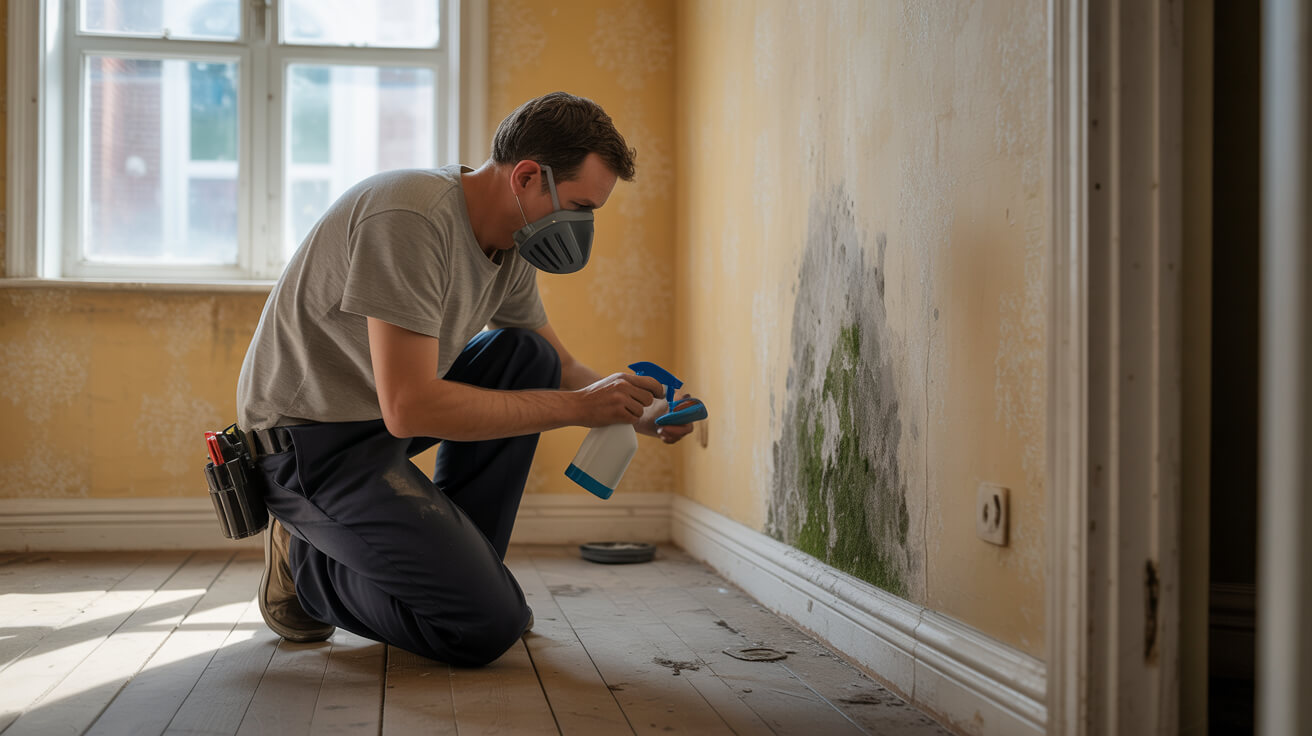
Prevention is the opposite of panic buying or DIY overkill. Most tenant-friendly remedies cost nothing but routine and a bit of mindfulness. Instead of sprees for gadgets or potions, start with daily rituals designed to choke off damp at its source.
The Step-by-Step Damp Busters
- Open windows: for 10–20 minutes after showers, cooking, or indoor laundry—this flushes moist air before it latches onto the walls.
- Wipe away condensation: from windows and cold spots every morning, especially after chilly nights.
- Pull furniture back: at least 8cm from external walls to ensure air can flow (avoiding cold, stagnant pockets where mould loves to settle).
- Never block air bricks or trickle vents.: These allow excess moisture to escape—don’t be tempted to seal them, even during a cold spell.
- Dry laundry outdoors: whenever possible, or dedicate a single room for drying (door closed, window open, fan running).
- Keep bathroom and kitchen doors shut: during steamy activities, then open for ventilation when finished.
- Use extractor fans: as supplied—chase up urgent repairs if they stop working.
- Heat steadily rather than in bursts.: Consistent low background heat deters overnight condensation.
- Report leaks or signs of persistent musty smells: within a few days. Don’t “wait and see.”
- Photograph evidence: —condensation, damp spots, and your cleaning steps—for a deposit-safe trail.
Routine is your single greatest weapon—habits beat gadgets every season.
No element here requires permission. Each one puts control in your hands without risking your legal standing as a tenant.
Where Does Tenant Responsibility End and Landlord Duty Begin?
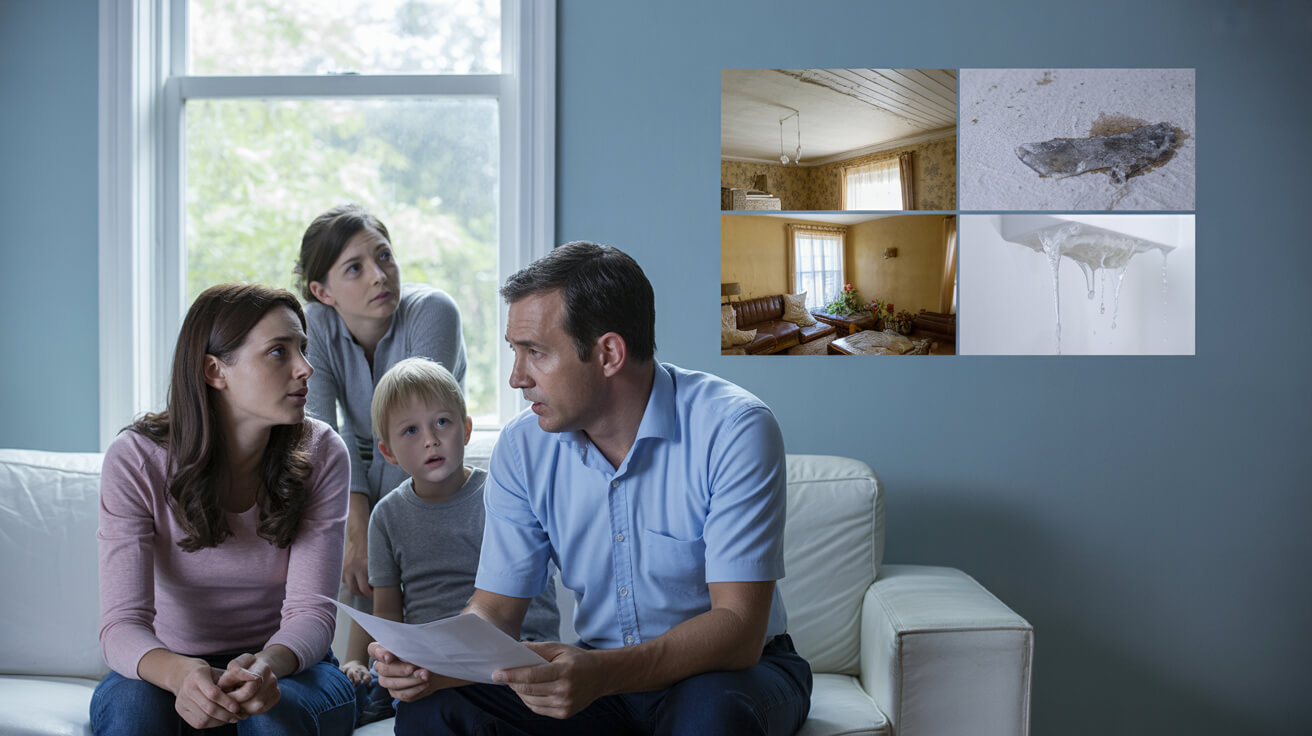
The legal playbook splits responsibilities, but in practice, the lines can blur without a paper trail.
Landlords are legally required (Landlord and Tenant Act 1985; Fitness for Human Habitation Act 2018) to keep the property free from persistent, structure-induced damp. This includes repairing leaks, fixing ventilation systems, managing rising damp, and remediating mould from failures of the property fabric. For tenants, the duty is to act as a reasonable occupant: ventilate living spaces, clean surfaces, and most of all, communicate any persistent risks without delay.
You’re not expected to fix the building—just not to let small issues snowball unnoticed.
If you discover leaks, persistent cold spots, or broken fans and report these promptly, the legal burden shifts to your landlord. However, if you miss reporting, ignore repeated condensation, or DIY fixes that alter property (painting walls, sealing vents), you risk losing part of your deposit in evidence of negligence.
What the Law and Housing Health Guidance Say
- Landlord and Tenant Act 1985: Repairs to the structure and core systems are on the landlord.
- Fitness for Human Habitation Act 2018: Persistently unhealthy levels of damp or mould mean the home can be declared unfit, with potential enforcement if landlords ignore reports *(Gov.uk, 2024)*.
- HHSRS (Housing Health and Safety Rating System): Landlords can be penalised for not addressing damp hazards after official complaints.
Reasonable, consistent tenant action is the best evidence if deposit or legal questions arise.
If your cleaning, ventilating, and prompt reporting don’t solve the problem inside two weeks, escalate with dated photos and written logs—your “good faith effort” is key in all UK deposit disputes.
Safe DIY Damp Moves—And Risky Actions That Could Forfeit Your Deposit
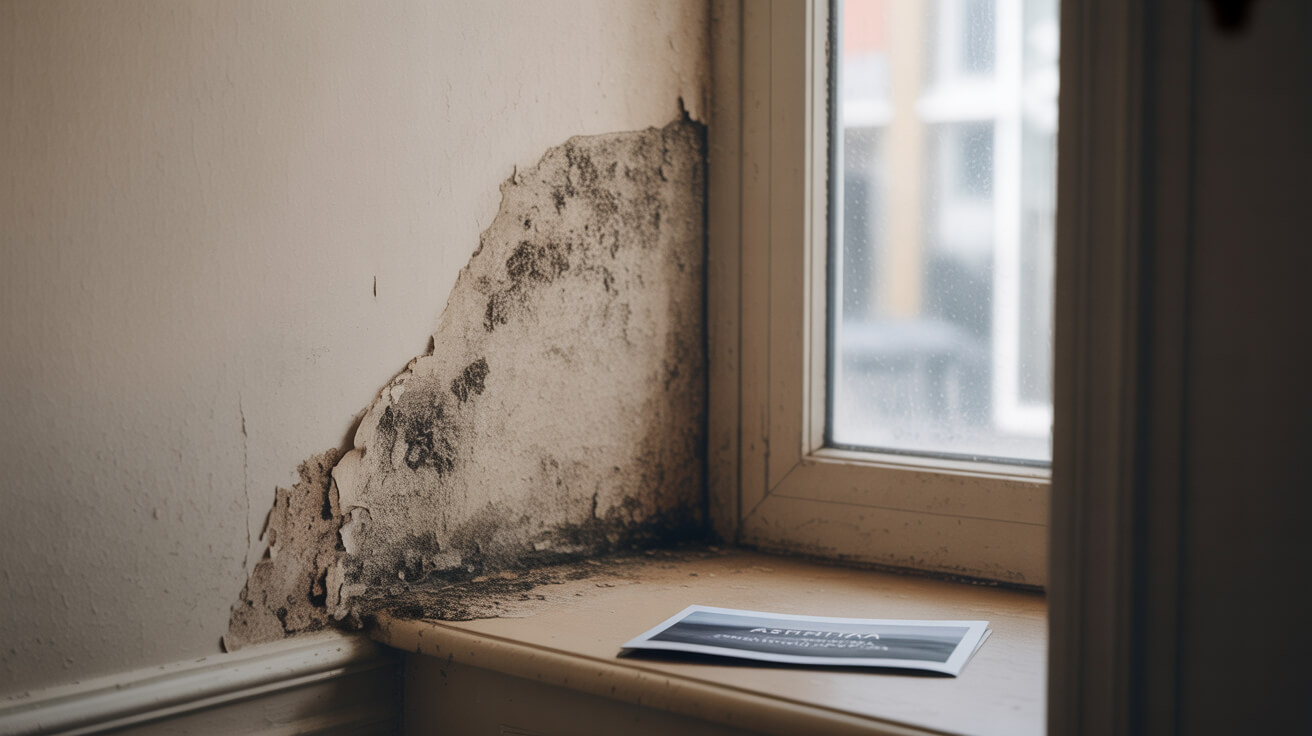
Knowing where tenant action becomes costly overstep is crucial. There’s a thin line between a smart first response and a risky fix that voids your tenancy agreement.
Some habits are universally safe, while others cross the line into dangerous territory, risking your own safety, the building’s health, or your deposit.
Permitted and Risky Moves at a Glance
Here’s a quick guide to what you can do safely—and what to avoid:
| DIY Habit | Safe for Tenants | Risks Deposit? |
|---|---|---|
| Wiping/ventilating | Yes | No |
| Running extractor fans | Yes | No |
| Plug-in dehumidifiers/moisture bags | Yes | No |
| Gentle cleaning (water/vinegar) | Yes | No |
| Bleach/harsh chemicals | Caution | Mild stains |
| Damp sealant/paint | No | High risk |
| Fitting extractor fans/drilling | No | High risk |
| Applying caulk/sealant/foam | No | High risk |
Always check your agreement before trying “DIY” repairs. Most restrict anything that changes the finishes or function of the property. Routine cleaning and ventilation: green light. Anything that fills, covers, paints, or alters surfaces or fittings: red flag, even if sold as a “miracle cure.”
Your landlord can deduct from your deposit for unauthorised changes—however well-intentioned.
If you’re ever uncertain, get in touch with Sussex Damp Experts. We can walk you through what works, what’s risky, and how to document your approach for peace of mind and legal safety.
How Well-Meant Tenant Blunders Turn Into Costly Mistakes
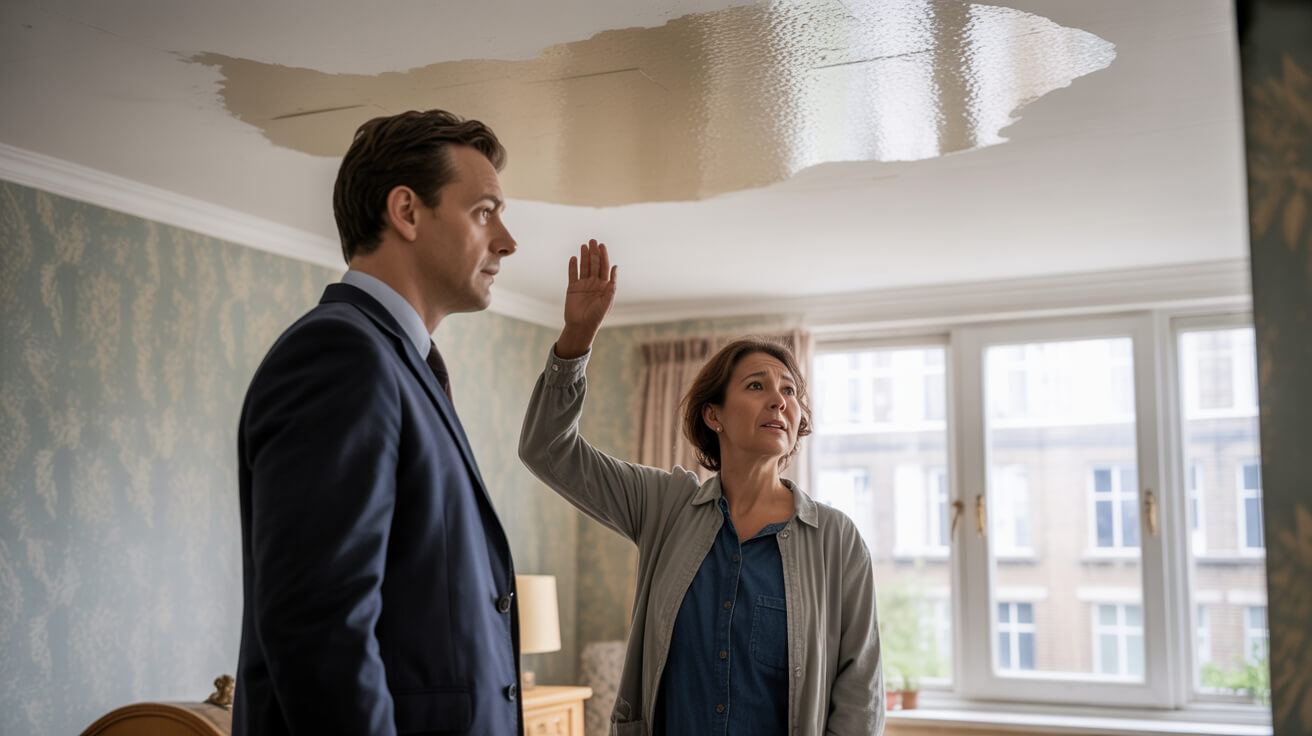
Many tenant attempts to “beat” damp make the problem worse or create new liability. A classic mistake is painting over mould or stains: this temporarily hides symptoms but flags you to inventory agents and damp surveyors.
Other errors? Cleaning with harsh chemicals that damage wall paint or inventory finishes; blocking ventilation (fans or trickle vents) to stave off winter draughts, trapping even more moisture; or “waiting out” leaks and window leaks instead of speed-reporting, stacking up unseen harm that gets billed to your deposit.
Quick fixes or cover-ups almost always end up costing more than waiting for professional intervention.
Most Common UK Tenant Errors
- Applying paint, wallpaper, or sealants without permission.
- Using bleach or harsh chemicals that stain or etch surfaces and become blame in inventory reports.
- Blocking or disabling vents, whether to save heat or avoid “draughts”.
- Over-drying laundry in bedrooms with windows and doors closed.
- Delaying communication with the landlord after spotting leaks, drips, or persistent musty smells.
- Placing large items tight to cold external walls—beds, wardrobes, sofas—which creates hidden pockets of trapped, rising moisture.
These are easily avoided with a little discipline. And if you’re pressured to “just sort it” by your landlord or agent, politely document the limitations of your tenancy agreement and request written permission before touching the property fabric.
Cutting corners usually costs your deposit and can make you legally responsible for further repairs.
Why Proactive Damp Prevention Is the Tenant’s Deposit Shield
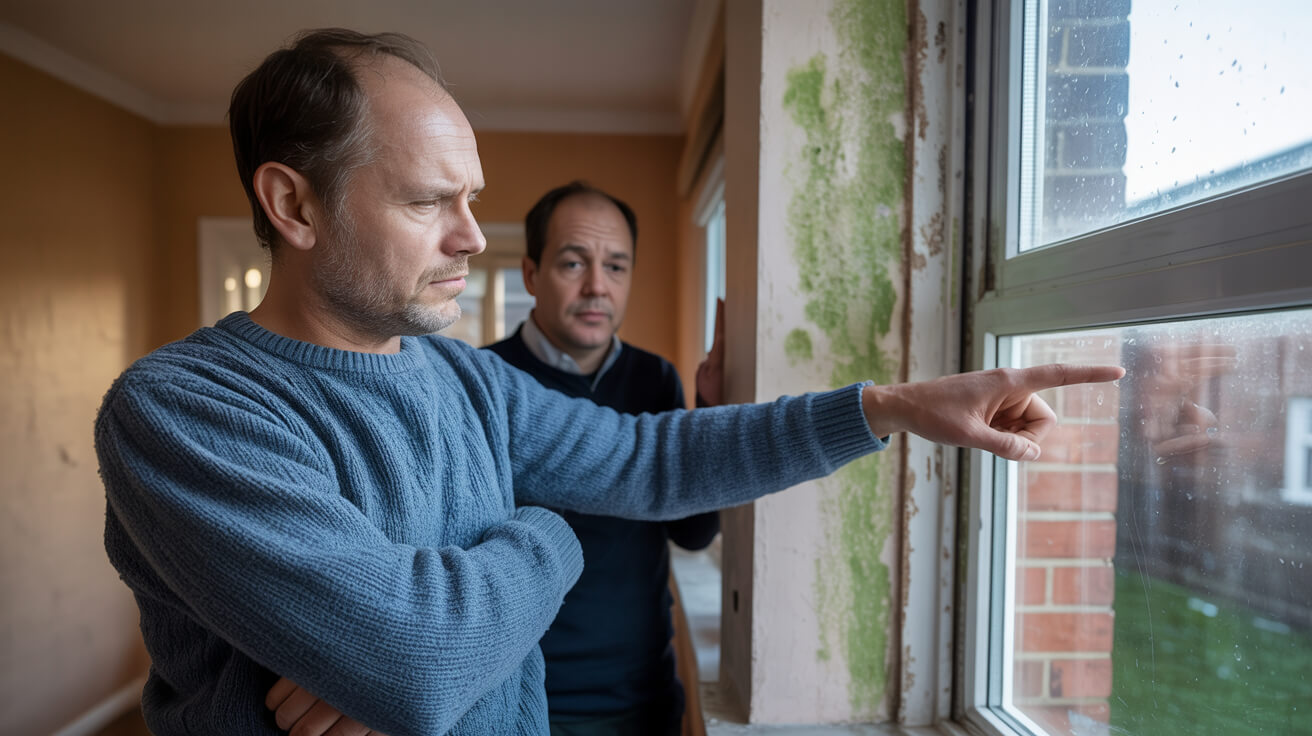
Every day you delay means more risk: leaks decay into rot, ignored condensation spins off into black mould, and at end-of-tenancy, you face hefty deductions for what looks like neglect. The legal system, and most letting agents, care about patterns—not big gestures. If you keep up with the “small wins”—recorded action, daily care, and fast reporting—you usually come out ahead.
Diligence—daily action, photo records, quick reports—save you four-figure bills and huge stress at end-of-tenancy.
Tangible Consequences of Delay
- Repairs multiply with time: Landlords may pursue you for damages if your inaction made the problem worse.
- Health implications: Mould spores and chronic damp drive up asthma attacks, worsen skin and immune conditions, and have even been linked to long-term respiratory illness *(NHS, 2024)*.
- Deposit deductions: Unreported, visible, or “covered up” damp is frequently flagged as tenant-caused during checkout.
Keep hard evidence: photos with dates, logs of your cleaning and reporting, emails confirming when you flagged an issue. These can sway even the most stubborn dispute.
And if a case goes beyond a simple fix, Sussex Damp Experts step in with BS 6576-standard surveys and mediation-ready, impartial reports that hold fast in dispute claims or arbitration.
Everyday Living: Are Your Habits Quietly Causing Unseen Damp?

It’s not always dramatic leaks or bricks gone wrong that lead to damp. Everyday life piles up risk—more so in pre-1980s homes or those with poor insulation and single glazing.
Everyday living can quietly tip your property into risk, without you noticing until it’s too late.
Some surprisingly innocent routines crank up the damp:
- Skipping daily ventilation—even quick cracks of a window—after showers or cooking.
- Treating panes of condensed water as “background”, not something to wipe and track.
- Blocking, masking, or switching off extractor fans “for warmth.”
- Drying laundry indoors with every door closed and zero fan or airflow.
- Lining every wall with heavy furniture, letting cold corners stagnate and quietly pool moisture.
You’ll know you’ve missed the warning signs if the air feels heavy or you struggle to shake that musty aroma. If you want a more objective check, pick up a digital hygrometer—keeping below 60% relative humidity is a safe target.
A few small TODOs—air, heat, manage your drying spaces—preserve both your health and the deposit you have at stake.
How Tenants Build a Watertight Case in Damp Disputes
The decisive factor in any dispute is proof—not assumptions or “he said/she said.” When damp issues arise, agents and courts look for steps you took, not just the problem’s size. A timeline of log entries, dated photos, and prompt reports is often what tips the decision your way.
A pattern of vigilance—logs, photos, and communication—almost always tips deposit judgments in your favour.
Step-by-Step Proof-Building
- Photograph every problem—mould, condensation, leaks, your cleaning—making sure to timestamp (your phone usually does this automatically).
- Keep a written diary, digital or paper, of what you did and when.
- Save every email or text with your agent or landlord, especially when reporting issues. Note the time and their reply speed.
- Keep receipts for products you bought to mitigate problems (absorber bags, cleaning products)—they back up your story with bank data.
- Never remove, replace, or cover damaged material without permission unless doing so is emergency first aid (e.g., stopping a leak).
If your landlord blames you for late reporting or “lack of effort,” this record reverses the burden—showing good faith almost always trumps even system failures.
Sussex Damp Experts can step in at any time for BS 6576-compliant, survey-grade documentation—impartial reports carry enormous weight in negotiations, even if legal action is threatened.
Get Ahead of Damp—Make Sussex Damp Experts Your First Call
Securing your deposit and minimising tenancy drama comes down to three things: simple daily habits, clear records, and prompt professional advice when DIY isn’t sufficient. A handful of minutes each day—vent out steam, dry damp, photograph what you find—keep you clear of most crises.
If you spot something you can’t solve or document a repeat occurance that isn’t addressed, bring in a local, independent specialist. Sussex Damp Experts combine forensic diagnostics, legal clarity, and a client-ready approach to reporting—whether you need backing in a deposit negotiation or confidence that what you did was right.
Don’t wait for patches to become battles. The tenants who act—early, systematically, and with guided support—almost always get their repair done fast and their deposit back with peace of mind.
Frequently Asked Questions
What clues signal rising damp before it starts draining your wallet or deposit?
Rising damp has a knack for sneaking in quietly—long before wallpaper flinches or deposits draw heat, you’ll spot smaller, often-overlooked clues. Early signs show up as tide marks low along skirting boards, white powdery salt deposits, bubbling paint near floor level, or a faint earthy odour edging up from hidden corners. Ignore these early, and the problem can rise fast—literally—right up your walls and into your tenancy agreement.
How do you distinguish rising damp from other damp problems?
- Rising damp typically starts at the base of ground-floor walls, bringing tell-tale tide lines and fluffy white salts up from outside.
- Unlike condensation (which forms at glass and in poorly ventilated areas), rising damp feels cooler and often affects plaster behind skirting.
- Penetrating damp leaves blotchy marks after rain, often higher up or patchy in random places.
- If the affected area feels genuinely cold, crumbly, or gives off a musky whiff regardless of how much you clean, that’s a warning flag.
The smartest tenants act on barely-there signs—the cost of caution is always less than the price of repair.
What’s the fastest way to document and act on suspicion?
Snap clear, date-stamped photos, especially after heavy rain or in cold snaps. Log where patches or stains start so you can show a timeline if challenged later. Sussex Damp Experts will validate or rule out rising damp, providing neutral, survey-grade reports landlords and agents trust.
What routines keep you deposit-safe—and what records actually shield you in disputes?
Safe routines are more than opening a window now and then. The difference lies in steady, trackable habits. Ventilation—real, not token—paired with space between big furniture and walls, regular visible spot checks, and clearing external air bricks keeps “avoidable” claims off your ledger.
What routine pays off when challenged?
- Air rooms for 10–15 minutes after any moisture-heavy activity.
- Wipe down window sills and the backs of external walls behind beds—cold patches here breed trouble first.
- Keep extractor fans and vents free of dust and never block them with furniture or boxes.
- Hang damp laundry outdoors whenever possible or run a vented dryer cycle with the window ajar.
- Photograph trouble spots monthly, keeping an album on your phone tied to dates.
Consistent records transform you from suspect to sensible. When you submit a maintenance request with a folder of time-stamped images and a written habit log, agents and schemes tend to side with your account.
Quiet routines, not last-minute panic, are what courts and landlords take seriously.
How else might you strengthen your case?
A simple spreadsheet or a diary app noting weekly actions takes five minutes but can save five weeks of argument—or five hundred pounds—from your deposit in the long run. Sussex Damp Experts can offer log templates or review your records before a landlord dispute heats up.
When does responsibility for damp fall on you—and when is it your landlord’s legal turf?
The bright line: if the damp arises from your living habits (like failing to ventilate), it’s your job to fix and prevent. If it’s from the building, outside leaks, or damp-proof course failure, your landlord has a statutory duty to step in—set out in the Landlord and Tenant Act 1985 and baked into HHSRS housing standards.
Can you clearly map the boundaries?
- You are responsible for:
- Wiping condensation from windows.
- Opening vents, windows, and using extractor fans.
- Drying clothes sensibly (not on radiators with windows sealed).
- Cleaning small spots of surface mould as soon as found.
- Your landlord is responsible for:
- Structural leaks, like water ingress through cracks or a faulty roof.
- Failed or bridged damp-proof courses.
- Rotten or unsealed window frames.
- Persistent problems unresponsive to lived-in routines.
The law expects you to act like a sensible resident, not a building inspector.
What’s the method for a fair dispute?
If an issue doesn’t budge after showing you followed routine advice, submit a timeline, photographs, and request a professional, neutral survey—Sussex Damp Experts are regularly called upon for just this. A third-party report holds more weight than any cleaning receipt or landlord opinion.
What risks do tenants run by attempting DIY damp fixes without landlord approval?
DIY enthusiasm can cross a line into legal or financial peril. The urge to paint over stains, try over-the-counter “sealants,” or fit your own extractor fan might undermine both your deposit and your legal standing. Even an easy solution like “breathable paint” or a YouTube dehumidifier hack could break the terms of your tenancy.
What mistakes cost tenants most?
- Painting or sealing over marks without written go-ahead from your agent or landlord.
- Fitting shop-bought damp injection kits, foil linings, or vent covers.
- Bleaching or scrubbing with chemicals that strip paint or etch fixtures.
- Modifying any fixed ventilation, heating, or drainage systems.
Any change that leaves a new hole, mark, or leaves the property different from move-in is a deposit risk. End-of-tenancy checks often flag undiscussed “repairs”—however well-meant—as breaches.
Which steps keep you safe without causing waves?
- Use portable dehumidifiers, plug-in moisture absorbers, and gentle cleaning agents.
- Take before-and-after photos, and keep receipts for any shop-bought cleaning kit.
- Raise persistent or unclear issues straight away; record the report itself.
- If ever in doubt, a quick call to Sussex Damp Experts prevents a simple patch becoming a full-blown dispute.
How do tenants sidestep the classic errors that end in deposit wrangles or health complaints?
Most trouble starts with small errors—pushing a wardrobe flush to a chilly wall, shutting windows all winter, over-drying laundry inside, or cutting corners by painting over marks. These mistakes win zero sympathy from landlords and can drive up repair costs.
What missteps need stamping out?
- Forgetting to check behind big furniture for damp and musty odours.
- Blocking air bricks, vents, or extractors “for warmth.”
- Covering small stains to “pass” checkout, only for surveyors to uncover hidden damage.
- Ignoring slow leaks or thinking a bit of DIY fixes a systemic fault.
- Using abrasive or chemical-heavy cleaners that damage finishes.
Hoping a quick fix will satisfy an agent nearly always backfires—hidden damp finds daylight by the final inspection.
What’s the antidote to these errors?
Start with observation, not action. Spot, log, report; only clean or ventilate what you’re sure is safe and allowed. Discuss ambiguous fixes or persistent issues with your landlord, agent, or Sussex Damp Experts—nipping confusion in the bud, not the wall.
How can ordinary logs and evidence turn a tricky damp patch into deposit and legal protection?
Time-stamped photographs, message trails, and cleaning logs become your best defence if damp turns into a dispute. Adjudicators, landlords, and letting agents alike look for a clear “paper trail” showing regular care, escalation when needed, and third-party validation where it counts.
What transforms casual documentation into solid protection?
- Snap and save dated photos at first sign and after every action.
- Keep proof of all communications—texts, emails, logged repair requests.
- Store receipts or packaging from cleaning products, dehumidifiers, or air testers.
- Chart your routines and problems in a diary or spreadsheet.
- Share persistent issues with an expert—independent surveyor reports are hard to argue with.
In deposit disputes, evidence trumps argument—a stack of logs beats a stack of emails every single time.
How do third-party experts tip the balance?
Having a neutral report from Sussex Damp Experts, or a similar accredited surveyor, is the single fastest way to resolve a stand-off. These carry weight in tribunals and can end arguments before they drain your time or money. Add this to your records for full-circle protection, keeping you out of hot water whether you’re staying or moving out.
Damp doesn’t play favourites. It respects vigilant tenants, sharp records, and those who fix what’s theirs to fix—while insisting landlords take care of the rest. Spot, log, escalate, and you’ll be the one who keeps both your deposit and your peace of mind.

