
 By
By  August 26, 2025


Is Your Property Ready for the Defective Premises Act 2025 Damp and Mould Compliance Upheaval?
A compliance storm circles every property in England. With the revised Defective Premises Act and “Awaab’s Law” coming into force from October 2025, the old practice of ignoring a corner patch of mould or waiting until next year’s inspection is over. Every homeowner, landlord, managing agent, contractor, local authority, or builder now faces a statutory duty: spot, investigate, log, fix, and prove with evidence—each time, every time. A single missed patch, an undocumented complaint, even a faint musty odour today may cost you tomorrow, not just in quick fixes, but in fines, claims, and reputational risk.
The smallest patch of mould now carries the same legal weight as major structural damage—what you once ignored could now cost you dear.
None of this is hypothetical. Councils gear up for spot audits. Lenders warn they’ll pull mortgage offers from non-compliant properties. Insurance increasingly hinges on your digital audit trail, not intent. If you can’t show a chain of evidence for every reported damp or mould issue—no matter how trivial—the new system presumes guilt. Every property, every complaint, every fix: it’s all part of the permanent record. The reputation of your assets, your business, and your team now rests on more than just sound maintenance; it’s about continuous, defensible compliance.
What Triggers Mandatory Damp and Mould Investigation as of October 2025?

Forget “wait and see”. The Defective Premises Act 2025, reinforced by Awaab’s Law, introduces a universal trigger mechanism: any observation or complaint of damp or mould—by tenants, owners, contractors, agents, or even visiting council officials—must activate your compliance workflow.
The clock starts ticking immediately, not when you feel ready, and it doesn’t matter if the complaint comes by phone, in an email, or scribbled on a note. From this point, you’re assigned a strict legal timeline to record, respond, investigate, and document. No exceptions. No “too small to matter”.
- Every complaint, no matter how minor, becomes a compliance event.:
- 10 days: to investigate the issue with actionable forensic methods.
- All property types and sectors—social housing, PRS, owner-occupied, commercial—are covered.:
- Additional scrutiny for complaints involving health, children, or vulnerable tenants.:
If you can’t produce evidence of a logged report and a timely investigation, expect enforcement action. Councils are not waiting for complaints—they now have powers to inspect and demand your paper and digital trail.
A damp patch is now the start of a compliance process, not a footnote in your maintenance log.
Are You Meeting the 10+3 Day Compliance Workflow or Setting Up Future Claims?

The statutory workflow leaves no allowance for handwritten notes or vague calendar reminders. From October 2025, every event of reported damp or mould follows an auditable pipeline:
- Day 0: Complaint or sign is logged—digitally, with source and timestamp.
- Day 1-10: Forensic on-site investigation with recognised tools (moisture metres, thermal cameras, borescopes, or salt testing as needed).
- Day 11-13: Formal written report and recommended action plan delivered to the resident or reporting party, with delivery proof.
- Beyond: All remediation works, progress logs, and justifications must fit the statutory clock, or be at risk.
Compliance Steps You Cannot Skip
- Everything must be logged digitally with time, source, and description: —manual logs no longer suffice.
- Physical investigation is now mandatory: —walkthroughs with survey-grade tools, not just a visual once-over.
- Time-stamped, photographic documentation: —every patch, every measure, every proposed remedy.
- Written communication sent and delivery recorded: —email, post, or secure portal.
- All communications stored for audit and legal review.:
The professional norm has moved to robust, transparent processes. Relying on “your word against theirs” is now a compliance failure. Surveyors, especially PCA-accredited or with sector certifications, set the gold standard for evidence.
If you can’t produce the timeline, the tools, and the evidence, courts, insurers, and councils may rule as if you didn’t act at all.
What Are the New Timelines and Standards for Damp and Mould Repairs in 2025?

The repair timeline is codified and enforceable. After the on-site investigation, if you confirm or even suspect a damp or mould problem, the clock turns over once again:
- Begin repairs within five working days of confirmation.:
- Complete repairs—or show significant documented progress—within another five days.:
- All tasks validated by digital logs, with contractor credentials attached.:
| Reporting Event | Maximum Deadline | Required Evidence |
|---|---|---|
| Complaint reported/logged | 10 working days | Digital record, confirmation to resident |
| Investigation completed | 3 working days | Formal report, proof of delivery |
| Issue confirmed | 5 working days | Appointment log, contractor evidence |
| Repairs underway | 5 working days | Photo logs, progress validation |
Slack process at any step creates legal risk and financial liability. For managing agents, social landlords, and even contractors, deviation may mean not just fines but professional censure or litigation.
Audit trails are now your strongest shield—every delay or missing record is a soft spot in your compliance armour.
Why Forensic Survey-Grade Damp Diagnosis Is Now a Legal Requirement
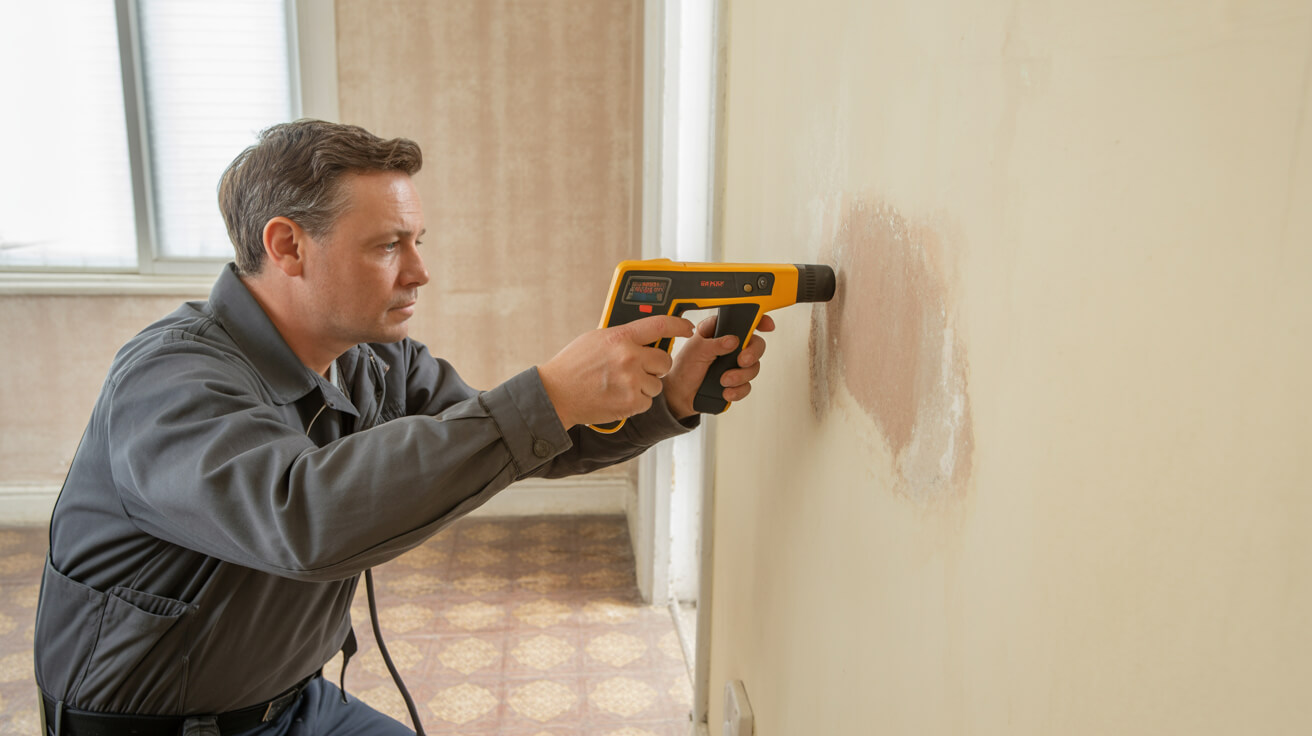
There is no tolerance left for “it looked fine” or “probable condensation”. The law now elevates surveyor-grade, evidence-driven diagnostics to a legal baseline. If you’re not thorough with your diagnosis and evidence, you could find your property unsaleable, your repair claims denied, or yourself in court facing claims from years past.
Legal-Ready Diagnostic Must Satisfy:
- Unambiguous root cause analysis: —spell out: rising damp, condensation, rain ingress, or system defect.
- Tools matter: —pro-grade moisture metres, thermal imaging, borescopes, salt/lab sample tests.
- Digital audit trail: —photographic evidence, readings, resident communications: all timestamped, all accessible.
- Accredited personnel and sign-off: —ideally PCA-accredited; unqualified diagnosis = questionable evidence.
For mortgage holders, buyers, and insurers alike, if your documentation doesn’t meet this level, you may face withheld funds or demands for an independent survey. Keep in mind that legal disputes often centre not on the work done, but on the ability to prove it was done to a recognised, reproducible standard.
Unproven or poorly evidenced diagnosis is now a fine waiting to happen—not just for contractors, but for owners and managers too.
What Are the Penalties and Risks of Non-Compliance in 2025?

Non-compliance is heavy-handed—by design. The system is built so that even one missed report or lost email exposes you to enforcement across several fronts.
- Civil fines: For missing deadlines, poor or absent documentation, or subpar repairs.
- Rent repayment orders & forced repairs: These can apply even while legal disputes are ongoing.
- Tenant or buyer compensation: For inconvenience, disruption, or health impacts linked to damp or mould, even if you had “good intentions.”
- Rogue landlord registers: Persistent non-compliance risks being publicly listed, affecting your brand and future business.
- 30-year liability window: Claims can appear decades after the original event, especially regarding health, if you lack the required records.
Your lease renewals, asset sales, and loan approvals now depend on a traceable, digital chain of reactive and proactive care. “I did my best” is now replaced with “Can I show I did my best—on paper, on time?”
Your next sale, audit, or tenancy renewal could be blocked by a missing document from years ago.
Are Builders, Developers, and Contractors Liable for Damp for 30 Years?
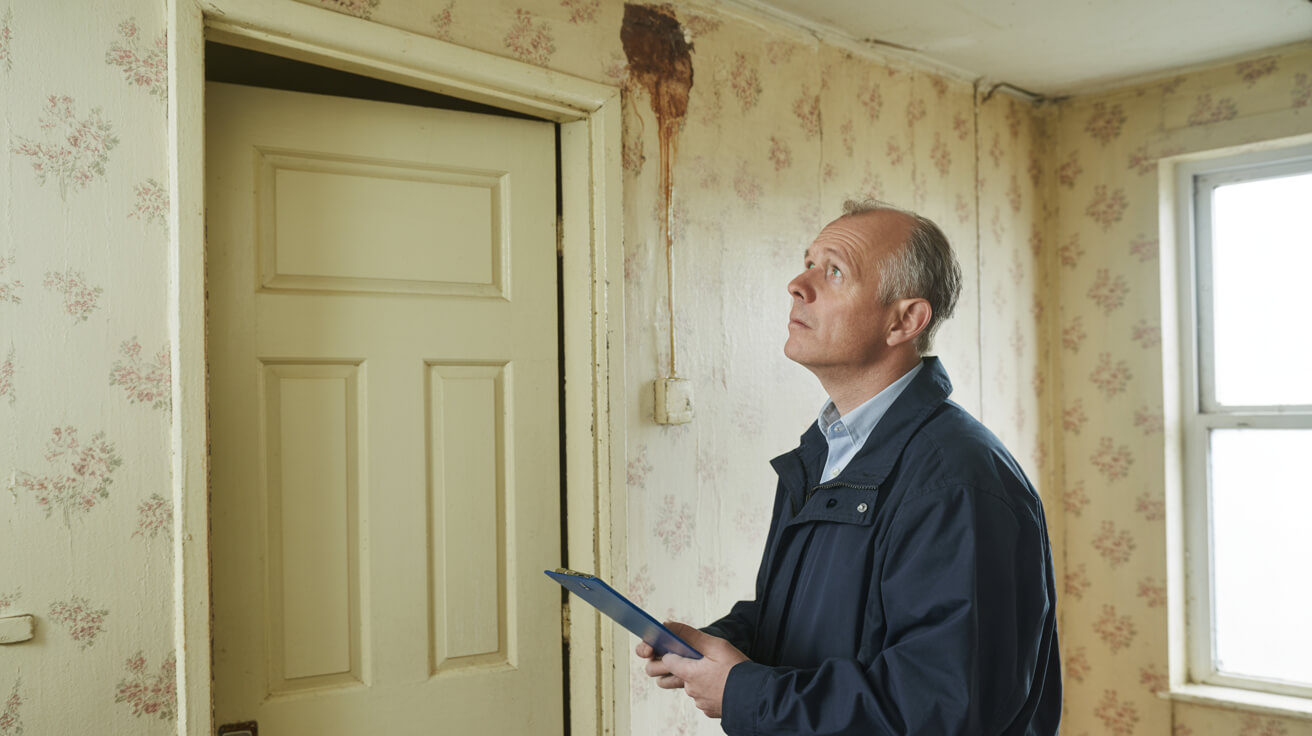
Yes. The changes explicitly extend responsibility not just to today’s property owners or landlords, but to builders, developers, and main contractors involved in any substantial repair, conversion, or new build since 1995—and, in complex cases, as far back as 1972. If issues emerge, and you cannot produce robust, standards-aligned evidence of compliance at handover, you risk liability claims far into the future.
- Keep inspection logs, photographic evidence, and materials certifications: for at least 30 years.
- Reference the prevailing standards for each project: (BS6576, BS8102, PAS2035).
- Heritage and specialist works? Explain rationale and produce appropriate certifications.:
Gaps in documentation are now the leading cause of loss in legal claims and insurance coverage disputes. A single vanishing survey or “lost email” can cost orders of magnitude more than paid to remedy the original issue.
One lost survey or unsigned photo series can result in legal costs dwarfing the original job.
What Ongoing Monitoring and Resident Education Will Set You Apart in Compliance?
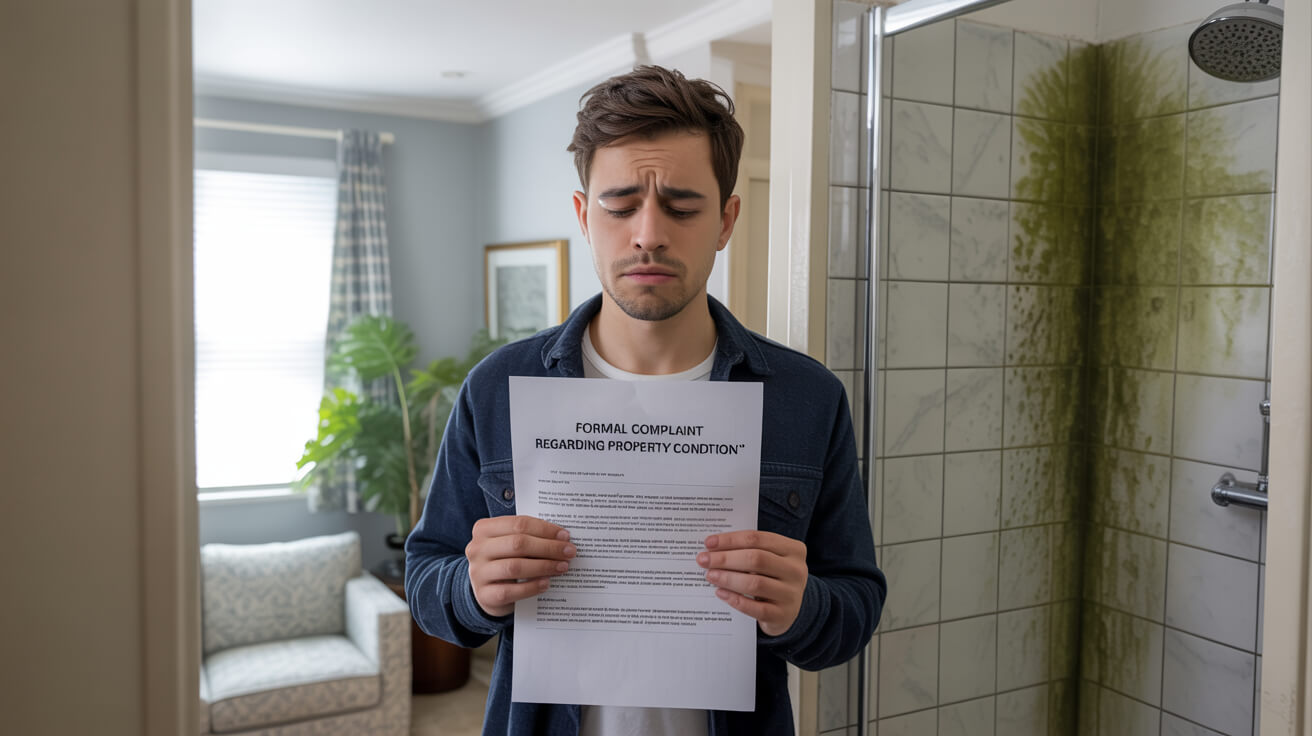
Compliance of the future is more than ticking boxes; it’s about continuous vigilance and shared responsibility. The best-run portfolio will blend routine checks with easy-to-access records and resident empowerment.
- Annual or more frequent moisture assessments: —part of your standard maintenance, building an audit trail.
- Use of digital, smart sensors: , especially in trouble spots: basements, ground floors, heritage conversions.
- Resident packs and digital guidance: , so occupants know what to watch for and how to escalate concerns.
- All data and logs stored digitally, accessible to all parties prepping for audits or resale.:
For lenders and buyers, this level of transparency is now non-negotiable. Insurance renewals and council sign-offs are trending in the same direction. The properties that get ahead are those that treat ongoing monitoring and resident engagement as critical business processes, not afterthoughts.
Aftercare and monitoring are not add-ons—in 2025, they’re mandatory steps in any sale, letting, or dispute.
Sussex Damp Experts: Compliance, Evidence, and Protection—Before October 2025
If the arrival of Awaab’s Law and the Defective Premises Act 2025 feels like a tidal shift, it’s because it is. Protecting your properties and professional standing takes more than a patch repair. At Sussex Damp Experts, our accredited, survey-grade diagnostics, full digital documentation, and aftercare support mean your compliance isn’t just a tick on a spreadsheet—it stands up to the scrutiny of lenders, regulators, insurers, and courts. Get ahead of the curve now. The compliance bar is only getting higher; act before October 2025 while you set the standard for the sector.
Frequently Asked Questions
What precise legal triggers make damp and mould a landlord or managing agent’s statutory problem from October 2025?
The instant damp or mould is reported—by tenant, agent, surveyor, or a local authority—statutory duty is activated for whoever holds maintenance control. It no longer matters if you think it’s “lifestyle-based” or caused by external factors; the law now requires an evidence-based reaction, not finger-pointing. For rental properties, shared blocks, or mixed-use sites, the party listed as responsible—landlord, management company, or freeholder—must respond at statutory speed, regardless of sub-letting or agent agreements. Even owner-occupiers or RMC directors become liable if a formal survey or insurer’s note highlights damp as a hazard.
Contractors are also pulled in—the 2025 update opens a 30-year liability window on failed DPC work, non-compliant repairs, or inadequately specified damp treatments that later cause or worsen problems.
How will these rules affect non-standard tenures and property portfolios?
- HMOs, leaseholder sublets, and mixed-owned blocks: Whoever is listed in the lease or managing contract for repair duties is legally responsible—even if everyday management is delegated to an agent.
- Short lets, serviced apartments, Airbnbs: Duty applies if you operate as principal or via an agent with delegated authority. Subletting or assignment does not void liability.
- New builds or refurbished homes: Developer/builders can now face historic claims if shoddy DPC or membrane systems show up as current health hazards on later surveys.
- Freehold directors and RMCs: Where communal repairs and envelope maintenance are involved, directorial and management responsibilities are ‘joint and several’ under the act.
Ownership becomes a chain of responsibility, not an escape route—each link carries duty the second moisture enters the evidence trail.
What are the step-by-step legal requirements after a damp or mould complaint is lodged under the 2025 regime?
Every report or signal of damp now starts a compliance clock: each step must be completed, documented, and tied back to evidence. Verbal updates or ‘best effort’ patches are out—action must match the law’s expectation from the moment the clock starts ticking.
Legally-mandated response chain
- Immediate digital record: Log the complaint with photographs, timestamps, and origin (tenant, agent, surveyor, council, insurer).
- Contract a forensic inspection: Arrange an on-site visit within 10 calendar days—using moisture metres, borescopes, salt and temperature analysis, not just visual checks.
- Written diagnosis within three days: Deliver a root-cause report—detailing source, symptoms, recommended treatments, and risk categorisation—to both the occupier and your own compliance records.
- Appoint compliant contractors only: Engage PCA/TrustMark-accredited specialists and record their credentials.
- Initiate repair action: Launch documented works within five days. Emergencies (visible hazard/mould, child risk, severe leak) trigger a 24-hour response window.
- Document every stage: Photographic and written logs at diagnosis, during all works, and at completion.
- Physical and digital sign-off: Hand over a formal completion record to the occupant, with digital storage for audit, resale, or regulatory examinations.
- Exception or access problem? Retain written evidence of every contact, appointment, attempt, and external hold-up. Courts and councils expect to see the ‘story’ in writing, not excuses.
What fails legal scrutiny?
- Skipping any step or failing to time-stamp evidence
- Using unaccredited contractors
- Painting, grouting, or “DIY” approaches without full logs
- Poor communication (verbal or undocumented updates)
- Delaying completion for non-essential reasons
How have response times, compliance audits, and evidence standards changed after 2025?
All deadlines and standards are now hard-set, not subject to “reasonable” interpretation.
Timelines are now minimum required, not targets
- Complaint to site inspection:
- 10 days, digital inspection required—not “eyeball only.”
- Inspection to written report:
- 3 days; must be delivered electronically and archived.
- Report to repair initiation:
- 5 days unless emergency triggers 24-hour rule; documentation must show continuous process if escalation happens.
- Repair period:
- Complete or progress works within five days from start, unless physical access or legal hurdles; delays must be evidenced by correspondence and regulator discussion.
Key evidence for each milestone
| Step | Required evidence | Who is responsible |
|---|---|---|
| Complaint | Timestamped log + photos | Landlord / agent |
| Inspection | Moisture mapping, diagnosis, signed report | PCA/TrustMark surveyor |
| Repair | Photos, materials used, contractor log | Accredited specialist |
| Completion | Written and digital sign-off | Landlord, agent, occupant |
Gaps in the audit chain no longer get the benefit of the doubt—each break is a breach in itself, and omission now speaks louder than intent.
Audit tips for risk-free compliance
- Use digital job management for all milestones (not paper diaries)
- Issue instant updates to tenants/occupants
- Triple-check accreditations of contractors and surveyors—councils now spot-check more records than ever
What are the expanded penalties and commercial risks of breaching the new damp and mould legal regime?
Punishments escalate beyond fines. Statutory breaches now disrupt sales, trigger forced repairs, and block mortgage approvals—let alone direct financial penalties. Fines are just the start; side effects ripple through every property ambition.
Financial and operational risks
- Civil fines: £5,000 per missed legal milestone, spiralling upward for repeated or egregious breaches—unlimited fines and recovery of costs in severe cases.
- Tenant and occupier claims: Up to 24 months’ rent repayable by court or ombudsman order; may also cover moving and health impact costs if compliance isn’t evidenced.
- Council or ombudsman intervention: Authority can mandate fix at landlord’s expense, and publicise default on rogue landlord/agent registers.
- Lender and insurance impact: Non-compliance reports and missing audit chains routinely block sales, refinancing, or force punitive premiums.
- Criminal exposure: Deliberate falsification, data destruction, or ignoring council orders may trigger property bans, management reviews, or legal costs with no ceiling.
- Contractor/surveyor long-tail liability: Up to 30 years for “latent defects” or substandard diagnosis—giving current owners a path to claim against historic mistakes.
Failure timeline breakdown
| Breach | Immediate fine | Escalation | Knock-on effect |
|---|---|---|---|
| Missed deadline | £5,000+ | £40,000+ + court order | Sales/refinance delays, registers |
| Missing records | £5,000 | Council intervention | Default repairs; insurance denied |
| Data fabrication | Unlimited | Property ban, criminal charge | Management or director ban |
Which diagnostics and evidence protocols are now absolute legal minimums for any damp or mould intervention after October 2025?
Evidence isn’t just best practice—it’s a legal necessity at every single stage. Visual “good enough” is dead; expect council, buyers, and lenders to challenge every undocumented step.
Non-negotiable evidence practices
- Digital moisture mapping: Metre readings, photos, and visual mapping tied to property layout, with cause and substrate highlighted.
- Thermal imaging and salt testing: Mandated when rising damp, bridging, or hidden leaks are suspected—these now form the proof backbone in dispute cases.
- Stepwise digital logging: Every action, from complaint to sign-off, must be fully logged (photo archive, digital logs, time-stamps).
- Root cause proof: DPC issues require evidence of failed membrane/wall bridging—not “looks like damp,” but mapped symptoms and corrective measures.
- Independent sign-off: Disputes, high-value, or multiple-occupant sites require PCA/TrustMark surveyor sign-off; mortgage and insurance providers frequently demand this before release.
Evidence matrix by repair step
| Phase | Evidence type | Responsible party |
|---|---|---|
| On complaint | Photos, digital log | Duty holder (landlord/agent) |
| On inspection | Moisture/thermal/salt reports | PCA/TrustMark surveyor |
| On repairs | Material records, photos | Accredited contractor |
| On completion | Signed-off report, archive | All parties |
How does a robust aftercare and education strategy prevent future breaches and increase property value after the 2025 amendments?
Long-term defence is won by your ongoing compliance, not just the one-off fix. Consistent monitoring, alert tenants or staff, and ironclad documentation protect your reputation and your asset when the next challenge lands.
Strategies for lasting compliance—and higher asset value
- Annual professional surveys: These build a running audit trail—showing buyers, lenders, or local authorities that you stay ahead of risk, not reacting to disaster.
- Real-time digital sensors: Placed in basements, behind known vapour-risk walls, or heritage sites, digital moisture logs signal trouble before symptoms spread.
- Occupant and staff onboarding: Provide hand-outs and digital bulletins to make early reporting routine—if everyone knows the rules, surprise audits and disputes vanish.
- Transparent portals and logbooks: Grant residents, staff, or consultants access to the live inspection log and digital repair log—making “show us the evidence” a solved request.
The strongest evidence—consistently logged, available and up-to-date—wins every case, every sale, and every inspection. The real secret to bulletproof compliance is proof at a moment’s notice, not a promise after delays.
For those ready to set the new standard, commissioning an aftercare compliance audit or support plan puts you in command of your facility’s risk. Sussex Damp Experts make these obligations second nature—so your sites aren’t just compliant for today’s regulations, but future-inspector-proofed by design.

