
 By
By  August 26, 2025

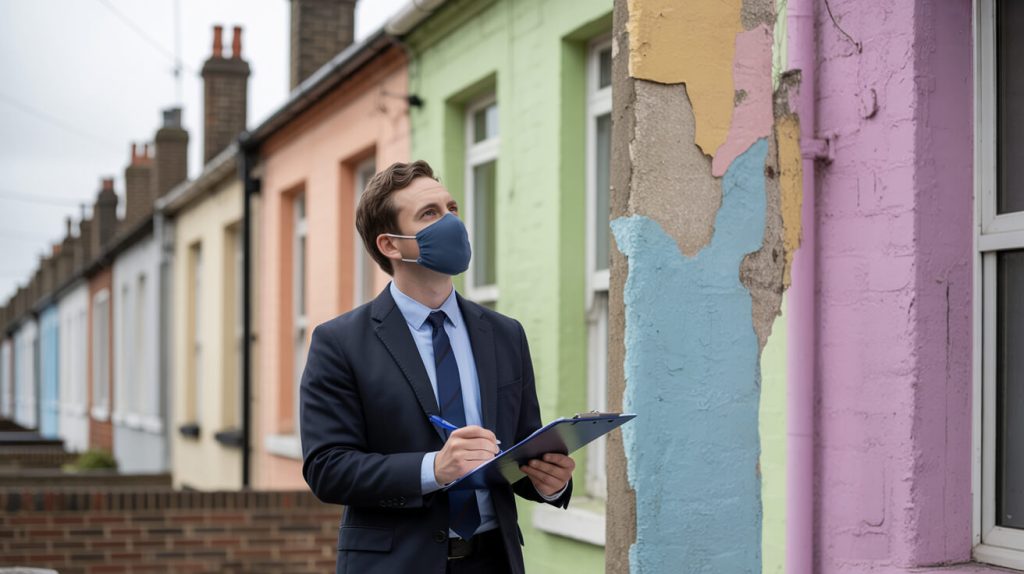
How Do UK Damp and Mould Regulations Really Stack Up Against EU Housing Standards?
Damp and mould in buildings aren’t just a cosmetic concern or a left-for-later job—they’re a flashing warning light for anyone who owns, controls, or works with property. In the UK, regulations now treat mould and damp as frontline health and asset risks, with authorities sharpening their scrutiny every year. Across the EU, the response is even more assertive—zero-tolerance regimes, mandatory pre-sale checks, and inspection-driven shutdowns in major cities are shifting the goalposts for everyone still playing catch-up. If you want to keep your property’s value, let or sell without last-minute roadblocks, and avoid the stress that comes with compliance failures, you’ll need transparency, evidence, and a robust plan—every time.
Proof beats a promise, and the only thing riskier than ignoring compliance is assuming you’ll be forgiven for it.
Anyone still thinking “it’s just a patch” or “the next owner will sort it” is running a silent risk. Modern UK law has elevated the standard—compliance is now tied to sales, finance, and insurance eligibility. That push is accelerating across the EU, where landlords and agents face direct intervention, bans, and steep penalties for shoddy repairs, missing records, or even a single missed inspection. Sussex Damp Experts’ approach is grounded in this new reality: forensic damp diagnosis, airtight documentation, and compliance-focused aftercare that stands up anywhere, from Eastbourne to Amsterdam.
What Legally Counts as Damp or Mould Hazards in UK Properties?

UK housing law treats damp and mould as among the top health risks a building can harbour. The Housing Health and Safety Rating System (HHSRS) places damp and mould next to hazards like fire, carbon monoxide, and gas leaks (UK Gov, HHSRS 2023). It’s not just about whether there’s visible staining or a musty whiff: anything from condensation, water ingress, failed renders, to spotted mildew on a ceiling can trigger a legal breach.
- Surveyors use moisture metres, thermal imaging, and salt testing to confirm whether moisture sources are superficial or structural. The days of a “good airing out” being enough are over.
- A poorly performing DPC, defective cavity trays, or even a ventilation shortfall (like sealed-over vents) lands a property on the radar for urgent remediation.
The key point: the threshold for “fit for human habitation” is now explicitly tied to a building’s insulation, structure, and moisture control. The old argument—blame the tenant for lifestyle—doesn’t cut it anymore.
The paint’s dry, but the file is open if mould returns.
Failure to act can mean instant repair orders, fines, court action, and even criminal charges for the most protracted breaches. Your legal and financial standing depends on the clarity and proof you wield—not what you might “intend to sort later”.
Who Is Liable for Damp and Mould Problems According to UK Law?

UK law draws a straight red line when it comes to who’s responsible for sorting damp and mould. Under the Landlord and Tenant Act 1985, it’s landlords—and anyone acting on their behalf, including letting or managing agents—who shoulder primary responsibility for repairs to structure, weatherproofing, and utilities. No matter how many leaflets you hand the tenant, if your property fails on a survey, the responsibility is yours.
The Homes (Fitness for Human Habitation) Act 2018 goes further. It gives tenants direct recourse to the courts if their home isn’t kept free from damp and mould, and it disables the classic defence of “lifestyle mistakes”. Any evidence of:
- Structural deficiency
- Failed ventilation
- Broken or bridged DPC
- Water ingress from roofs, walls, or ground
…leaves liability at the doorstep of the owner or their agents—not the people living inside.
- Insurance and mortgage companies now cross-check compliance before issuing, renewing, or paying claims, so a single missed repair or gap in documentation can freeze your property’s position in the market.
Letting agents and managers who fail to act or document their intervention are often held jointly liable—a routine inspection slip, a misclassified damp patch, or a missing follow-up report can blow up for everyone in the chain.
The result? Lost rent, blocked property sales, and all the regulatory friction you never budgeted for.
How Do Surveyors and Lenders Identify Damp? Why Does Method Matter?

The “sniff test” or wet finger on the wall has no place in modern compliance. In the UK, BS 6576 sets the standard for how surveyors and remediation experts are expected to diagnose, report, and follow through on damp issues. Lenders and insurers require:
- Identification of specific damp types: condensation, rising damp, penetrative ingress, or plumbing leaks—each demands separate interventions.
- Use of forensic tools: moisture mapping, salt analysis, infrared thermography, and even drill cores to confirm the source.
- Timestamped photos, cross-referenced site maps, and full diagnostic write-ups—your future claims or sales depend on these records surviving scrutiny.
In France, Germany, and the Netherlands, the standards often go further—regular, independent inspections, detailed sampling, and a full evidence chain delivered before sales or leases can complete (European Commission, 2022). Many EU housing bodies expect:
- Mandated pre-lease damp assessments, not just “as needed” checks
- Specialist reports for listed or historic buildings
- Post-repair documentation and follow-up schedules that are binding on future owners
Vague reports don’t protect your money, or your reputation. A damp patch left as ‘unclassified’ puts your entire property at risk.
Unless your survey is comprehensive, code-referenced, and traceable, you’ll struggle to prove compliance to anyone holding the purse-strings—from lenders to insurers to buyers.
What Are the Real Consequences of Non-Compliance, UK vs EU?

Ignoring damp and mould now carries heavy, accelerating risks in both the UK and EU. Local authorities in England and Wales can issue improvement notices, force direct repairs, reclaim rent for tenants, or even prohibit letting and selling until faults are fixed—with all costs rolled up against the owner (gov.uk/private-renting/repairs). Fines, compensation, and enforcement charges aren’t threats—they’re daily realities.
In the EU, standards can be even more uncompromising:
- Sales and leases are routinely blocked: if up-to-date compliance documents or aftercare are missing.
- Municipal bodies delist landlords, seize rents, or escalate non-compliance to legal action—particularly in cities like Berlin and Paris where housing fitness carries direct social value (ec.europa.eu/housing/standards).
- Ongoing aftercare and monitoring logs are demanded—missing records lead to immediate penalties, not warnings.
Tick-box compliance without inspection logs, photo evidence, or full documentation offers zero defence when the surveyor returns—or when a tenant calls the council.
Losses stack quickly: blocked sales, devaluation on lender surveys, insurance claims denied over lack of traceability, and even criminal proceedings for long-term neglect.
What’s the Step-by-Step Pathway for UK Damp and Mould Compliance?

Compliance isn’t just a one-off inspection or a quick fix. The best practice—codified by BS 6576 and demanded by mortgage and insurance markets—looks like this:
- Detailed Survey – Employ independent, accredited experts who do more than glance over a stain; they carry out a full-site inspection, using infrared tools, moisture detection, and tested sampling.
- Diagnostic Report – Record precise locations, causes, moisture paths, with timestamped photos and measured data—never settle for vague “area-damp” notes.
- Code-Referenced Specification – All repair specs must reference legal and technical standards and explain the rationale for each treatment or product selected.
- Compliance-Grade Remediation – Only qualified trades should deliver repairs, following the exact diagnosis and using approved materials (chemical DPCs, tanking, ventilation upgrades).
- Packaged Documentation – Collect invoices, certifications, warranties, maintenance instructions, and every photo in an accessible file.
- Scheduled Aftercare & Monitoring – Arrange annual (at minimum) follow-ups with readings and visible checks—update the file with any new data.
Every incomplete record or shortcut you take here can lead to enforcement action, frozen sales, or blocked claims. A compliance file shouldn’t just cover today’s job; it must support tomorrow’s challenges.
Why Are Aftercare, Certification, and Warranties Essential—Not Optional?

A single survey, no matter how thorough, won’t shield your asset if you forgo proper aftercare, ongoing documentation, and valid warranties. In the UK, mortgage lenders and insurers increasingly demand current, transferable warranties—fully cross-referenced with the original diagnosis and repair log. Without this, your property’s value and insurability can nosedive on the day of a simple buyer’s request.
What you’ll need:
- Survey logs and diagnoses: Not only should you have the initial survey, but also all subsequent moisture checks or follow-ups.
- Transferable Guarantees: Repairs mean little if you can’t prove they’re guaranteed and serviced according to best-practice (PCA, 2023).
- Ongoing service and monitoring: Service visits, re-inspection files, and updated compliance certificates keep your insurance valid and your property ready for the next valuation or letting round.
Across the EU, even stricter models are in place:
- Rental and sale eligibility is revoked: when aftercare is outdated, a warranty lapses, or previous repairs aren’t signed off by certified bodies.
- Authorities and lenders will not touch properties: with missing, vague, or incomplete compliance documentation (ec.europa.eu/technical-guidance).
A forgotten aftercare form is all it takes to lose your lending, sale, or warranty support.
Warranties and aftercare are the backbone of modern risk management—not paperwork for the bottom drawer. Every property file is now an audit trail, visible at every handover or claim.
Does the UK Really Lag Behind Europe—or Is There Parity on Compliance?

The UK’s regulatory ecosystem—anchored by HHSRS, Building Regulations Part C, and BS 6576—has evolved swiftly, and is now close to matching much of the EU in practical requirements. Diagnosis, intervention, and aftercare are grounded in statute and best-practice, with more explicit reporting and documentation rules than ever before.
But Europe’s zero-tolerance stance does throw two contrasts into sharp relief:
- Enforcement velocity: The EU typically enforces compliance at every tenant or owner transition, with regular audits and little room for delay. Demands for fully certified, third-party remediation and post-care documentation are even less negotiable.
- Direct powers for authorities: Councils and housing bodies in the EU intervene swiftly and permanently when risks are detected—up to the point of closing buildings or blacklisting investors.
Despite these contrasts, modern UK and leading EU standards share a singular theme: the only defendable position is forensic, transparent, full-lifecycle compliance. Relying on good intentions, patchwork fixes, or undocumented repairs puts any asset at ever-rising risk.
Yesterday’s record is tomorrow’s shield. Fail to document, and you fail to own.
Protect Your Property and Position – Start with Sussex Damp Experts
Every building owner, agent, or manager is one inspection away from a turning point—proof or penalty. Only a system that blends expert assessment, scientific diagnosis, rigorous remediation, and active aftercare can deliver control of your building’s value and legal standing.
You can only sell or insure what you can prove—so build your file like your investment depends on it.
Sussex Damp Experts don’t just patch a wall and hope for the best. We begin with forensic diagnostics and deliver dossiers that satisfy any lender, insurer, council, or EU regulator. You’ll get:
- Independent mapping of all moisture problems via advanced detection, salt analysis, and root-cause tracing
- Comprehensive, compliance-ready files from day one—precisely what surveys, risk assessors, and underwriters now demand in both UK and EU systems
- Real-time aftercare, routine re-inspection, and warranty management that extends well past the initial fix
- Bespoke guidance for historic, commercial, or high-risk sites, always up-to-date with the latest regulations
The time for improvising compliance is over. Get ahead—before someone else asks for your paperwork and finds nothing. Protect your investment, your ability to transact, and your good name. Sussex Damp Experts is your ally: from day-one diagnosis to future-proof aftercare, we keep your property sale-, let-, and insurance-ready, no matter which standard you face.
Frequently Asked Questions
What legal standards force UK and EU property owners to address damp and mould before tenants or buyers raise complaints?
Landlords, freeholders, and property managers face explicit legal obligation to resolve structural moisture or mould as soon as it’s discovered—well before someone files a formal grievance.
The Homes (Fitness for Human Habitation) Act 2018 means a rented property must already be safe and dry, not simply habitable after a tenant voices concern. Under the Housing Health and Safety Rating System (HHSRS), council inspectors can serve notice for any defect that poses a risk, regardless of occupancy. EU nations mirror this through national codes like DIN 4108 in Germany and landlord statutes in France and the Netherlands, which treat damp as a core health risk. Delegating care to agents doesn’t remove the landlord’s or owner’s legal accountability. If ignored, unaddressed damp can fast-track you to enforcement, fines, and loss of letting or sales licence.
The law weighs your action, not your intention—proactive evidence is your only shield.
How the rules catch out the unwary
- Letting or selling with unresolved damp puts the owner on a direct collision course with local council or environmental health.
- Even “hidden” problems flagged later in a buyer’s or tenant’s survey can trigger back-dated legal action, risking forced repairs at your cost.
Proactive grounding moves
- Schedule accredited, surveyor-led inspections ahead of marketing, tenancy, or re-financing—don’t wait until the solicitor is asking.
- Log every repair, contractor warranty, and aftercare action in a format ready for sharing if challenged.
How do modern diagnostics and compliance reports prove more valuable than just “fixing visible damp”?
Survey-grade diagnostics and audit-compliant documentation are now worth more than a fresh coat of paint or quick remedial works.
A calibrated moisture report, logged via accredited surveyor with photographic and thermal images, gives you legal protection far beyond “we treated it.” New standards like BS 6576 in the UK and pan-EU equivalents mean agents, lenders, and councils want chain-of-custody for all fixes—timed, dated, and tied to the precise location and underlying issue. Digital logs and aftercare plans have become requirements for mortgage or insurance approval, especially in multi-unit buildings or when applying for council grants. Failing to produce evidence risks delayed sales, denied claims, or a scenario where you repeat expensive work to satisfy lenders.
A digital record of each inspection and aftercare visit is now the asset as important as the work itself.
Why surface approaches don’t cut it
- Cosmetic fixes (painting, cosmetic plastering) lacking compliant diagnosis or documented moisture checks fail both lender and council standards.
- Insurance and mortgage providers are denying cover if asked for surveyor evidence and you can’t produce it.
Evidence that sticks
- Opt for independent, insured survey diagnostics—DIY tools can create legal minefields if challenged.
- Ensure documentation logs are kept both digitally and physically for at least 10 years or for the warranty period, whichever is longer.
- An aftercare schedule, logged and validated, can mean the difference between a smooth transaction and a legal dead-end.
Why do mortgage lenders and insurers scrutinise damp proofing documentation before they approve requests?
Lenders and insurers aren’t just hunting paperwork—they want proof that your approach to moisture risk is systematic and future-proofed.
Mortgage surveyors now call out unproven damp fixes as a valuation risk: even with visual improvements, missing logs or incomplete warranties drop sale price and stall lending at the last minute. Insurers demand assurance that work wasn’t just carried out, but specified and inspected in line with BS 6576 (or local equivalents), with a continuing aftercare commitment. Fail here, and you see claims refused on “pre-existing condition” or “defective remedial work” grounds. EU insurers and lenders are especially tough on properties in flood risk or high water table zones—requiring assessments every few years, not just one-off reports.
What documentation gets you over the line
- Dated surveyor reports, signed off with independent IDs.
- Photographic evidence and moisture metre readings to prove conditions before and after work.
- Warranty documentation covering both material and workmanship—ideally insurance-backed.
- Aftercare service logs showing annual or semi-annual checks, and digital filing for instant retrieval.
Telltale signs your paperwork isn’t up to scratch
- Homeowner or landlord tries to rely on “builder’s invoice” alone.
- Gaps in records when property changes hands, or repairs aren’t cross-referenced to prior surveys.
- Missing aftercare logs—insurance disputes often turn on this one oversight.
What enforcement actions or financial losses typically result from non-compliance with damp regulations?
Authorities and loss adjusters have little patience for missed protocols or unproven repairs—they leverage every tool in the book when compliance fails.
Council inspectors and housing officers can serve urgent improvement notices with fixed deadlines; ignoring these sees fines escalate and, eventually, rental licence revocation. Repeat non-compliance in a licensable property risks criminal prosecution, with names published in local registers. For sales, a failed damp survey pushes buyers and lenders to withdraw or downgrade valuations, sometimes until repairs and aftercare are fully signed off. Insurers now regularly refuse claims where a single repair, report, or check is missing. Several EU countries have started to blacklist properties without compliant history, making legal sale or new lets impossible until dossiers are updated.
| Situation | Enforcement Trigger | Typical Financial Hit |
|---|---|---|
| Sale with hidden damp | Surveyor’s report | Sale withdrawn, forced repair |
| Missing aftercare logs | Insurance assessment | Voided claim, policy cancelled |
| Ignored improvement notice | Council reinspection | Fines, public landlord censure |
| Unaccredited repair | Lender’s due diligence | Mortgage denied, costly repeat |
Defensive steps
- Keep all digital and paper records indexed by property, ready for on-the-spot council, lender, or insurer checks.
- Verification of ongoing monitoring—like sensor logs or regular aftercare—can instantly silence enforcement teams.
- Partner only with trade-accredited contractors who agree to documentation and ongoing inspection schedules.
What extra documentation and steps do heritage, basement, or complex multi-unit buildings require for damp compliance?
Special settings—such as listed properties, old basements, or large apartment blocks—demand stricter protocols and extra records to keep regulators, councils, and future buyers satisfied.
In heritage buildings, damp proofing must use breathable systems (e.g., lime-based plasters, specialist DPC) and come with detailed material data, method statements, and proving logs. Unapproved or non-breathable fixes can be required to be removed at your expense. Basements need site-specific damp mapping and compatibility with BS 8102 and PAS 2035, with a duty to evidence correct membrane installation, drainage provision, and annual checks. Multi-unit blocks demand common-area moisture records and, increasingly, live sensor modelling to meet housing association or block management requirements.
Heritage, basement, and block-focused essentials
- Submit all approvals, method sheets, and compliance sign-offs with the local authority and heritage officer if relevant.
- Maintain a photographic record of each work phase for historic or high-risk areas.
- Store all technical data sheets for at least the warranty period—retroactive proofs can sometimes salvage a threatened sale or avoid a forced remedy.
- Arrange for at least annual checks and document them for each sub-unit or risk zone.
Direct gains for compliant owners
Properties meeting these higher bars enjoy better insurance rates, risk fewer disputes, and are increasingly the only ones eligible for premium refinancing or fast sale. Lenders and heritage buyers appreciate a compliance folder as much as a pristine finish.
Which first steps secure compliance leadership and future resale confidence for every property type?
Whether you own a flat, terrace, mixed portfolio, or listed manor, genuine compliance leadership starts with systematic, independent audit and documentation from the outset.
Appointing a properly accredited surveyor for each inspection forms the foundation. Next, select a contractor like Sussex Damp Experts who guarantees not just the work, but lifelong documentation, ongoing monitoring, and warranty updates. Integrating digital property logs—sensor feeds, aftercare records, approval emails—keeps you ready to pass any audit, insurance check, or buyer demand. With these foundations, compliance shifts from anxiety to asset, proving your property’s value, safety, and sustainability.
The Sussex Damp Experts edge:
- Full BS 6576/8102 survey chains, audit-grade digital logs, and aftercare schedules as standard.
- Direct escalation channels for council, mortgage, or insurance evidence requests—no scrambling in emergencies.
- Future-ready upgrades: sensor monitoring, cloud documentation, support for heritage or complex structures.
- Warranty and compliance support that stays with the property, outliving a single transaction.
You don’t just hand over keys—you hand over a working asset file that defends you and the next owner from day one.
Stand in front of regulators and buyers—not beneath their searchlights.
Book your compliance-proofed survey, secure digital records, and aftercare plan with Sussex Damp Experts, and become the benchmark by which others are measured.

