
 By
By  August 26, 2025


Are you risking illegal fixes and lost value when repairing damp in conservation areas or listed homes?
A heritage property’s charm hides a web of rules that will punish the unwary or the impatient. Repairing damp in a conservation area or listed home is less about fixing a mark on a wall and far more about defending your asset from mistakes that can drag out for years. You’re not just facing technical hurdles; you’re playing against a well-developed legal and reputational machine.
Heritage protection isn’t paperwork—it’s the last line between your asset and a costly disaster you can’t see coming.
If your property is listed or sits inside a conservation area, every repair is dictated by the Planning (Listed Buildings and Conservation Areas) Act 1990. This means even ‘simple’ fixes like changing a bit of plasterboard, adding an extractor fan, or treating a touch of black mould may make you legally liable if you operate without permissions or the correct documentation. The law cares less about your intent and far more about the process and the evidence trail.
Start with certainty: check if your property is affected using your local authority’s conservation/heritage maps or the Historic England database. If it is, you’re required to provide hard evidence (e.g. survey reports, photographic documentation, material analysis) before you can even get sign-off from conservation officers or planners. No respectable contractor should give you a quote without this baseline, and any work begun before this foundation is laid counts as a major gamble.
Skip this, and the pit isn’t just a slap on the wrist. Breaching the rules can see you facing criminal prosecution, forced reversal at your own cost, or a “black mark” surfacing on survey and valuation reports that shadow your property for years (Planning (Listed Buildings and Conservation Areas) Act 1990, s.9). These scars cost far more than the repairs ever would, and they chase mortgage approvals, insurance cover, and sales value right out the back door.
If you’re a landlord or manage tenants, neglect multiplies risk—fitness for habitation laws (Fitness for Human Habitation Act 2018) and the HHSRS pile on further obligations. Missing any step can lead to improvement notices, rent repayment orders, and listing as a “rogue landlord”—a career-damaging, asset-harming mistake that doesn’t vanish with an apology.
Sussex Damp Experts specialise in threading this tightrope. Every project starts and ends with compliance: from rigorous, survey-grade diagnosis and moisture mapping to watertight documentation and future-proof care plans that lock in your reputation and your asset’s value.
Can I repair damp myself in a listed home without permission?
No. Even minor repairs—especially those affecting historic features or visible elements—usually require consent. The law is explicit: unauthorised changes are viewed as criminal acts, regardless of your motive or their technical merit.
Which damp proofing methods keep your heritage safe—and your fix legal?
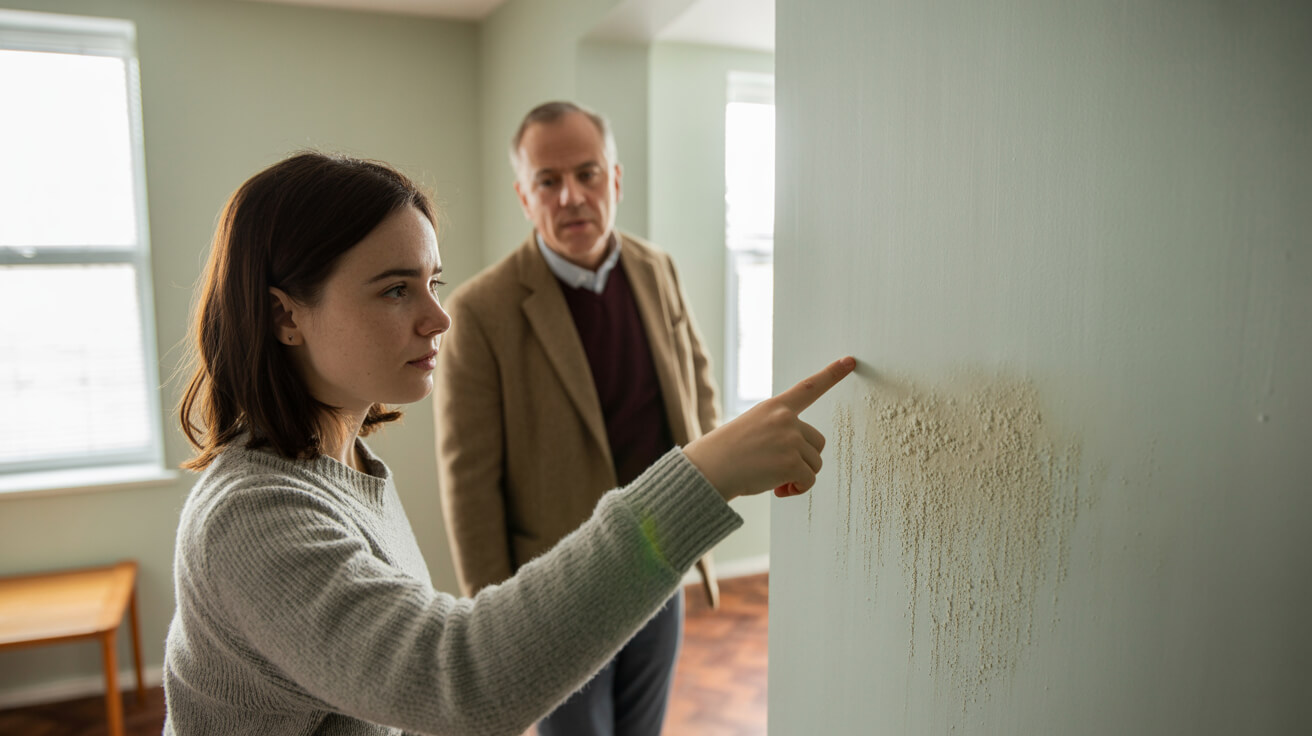
If the wrong solution suffocates old walls or cuts corners on materials, your property can end up unlocking a far larger mess than “damp” itself. Heritage buildings are designed to breathe and flex with the environment—trap that respiration and you drive moisture deeper, setting the stage for expensive, drawn-out decay.
Sometimes, what kills damp can strangle your building’s soul.
The right methods aren’t just “allowed”—they’re demanded, both by law and by those who’ll value your property next.
Preferred and Approachable Solutions
- Lime plaster and renders: Retain breathability and are compatible with period walls; they allow evaporation, reducing future risk.
- Ventilated membranes: Polypropylene stud membranes are considered because they can be removed later and don’t attack the original substrate.
- Surface and concealed ventilation upgrades: Restoring period airbricks or adding discreet mechanical systems solves condensation without damaging external character.
- Spot-application cream DPCs: Permitted only when strictly justified by thorough surveying; invasive solutions come last, not first.
- Traditional brick and stonework repairs: Maintaining like-for-like is a gold standard for both compliance and building health.
Banned (or Heavily Scrutinised) Methods
- Cementitious or acrylic tanking directly on raw walls
- Retrofitted plastic DPC sheets into old structures
- Gypsum-based plaster overskimming period walls
- Modern impermeable paints, silicone sealants, or non-breathable barriers
Such approaches kill the building’s ability to “breathe,” leading to unseen decay or “sick” building syndrome. Surveyors, local authorities, and insurers know this—and your post-fix paperwork must prove you chose correctly, with materials justified, before and after photo evidence, and a documented rationale aligning with conservation best practices (BS 6576, PAS 2035).
Sussex Damp Experts take compliance and authenticity as scarlet rules: every method comes with a digital and photographic record, product spec sheets, and—in tricky heritage settings—a consultation with the local conservation officer. This real paper trail keeps your project both beautiful and attack-proof for years ahead.
Is a modern DPC allowed in my heritage property?
Only in rare cases, and only after all non-destructive and reversible options have been proven inadequate, with clear evidence and written approvals on file.
What are the legal and financial consequences of ignoring damp and mould regulations in protected properties?
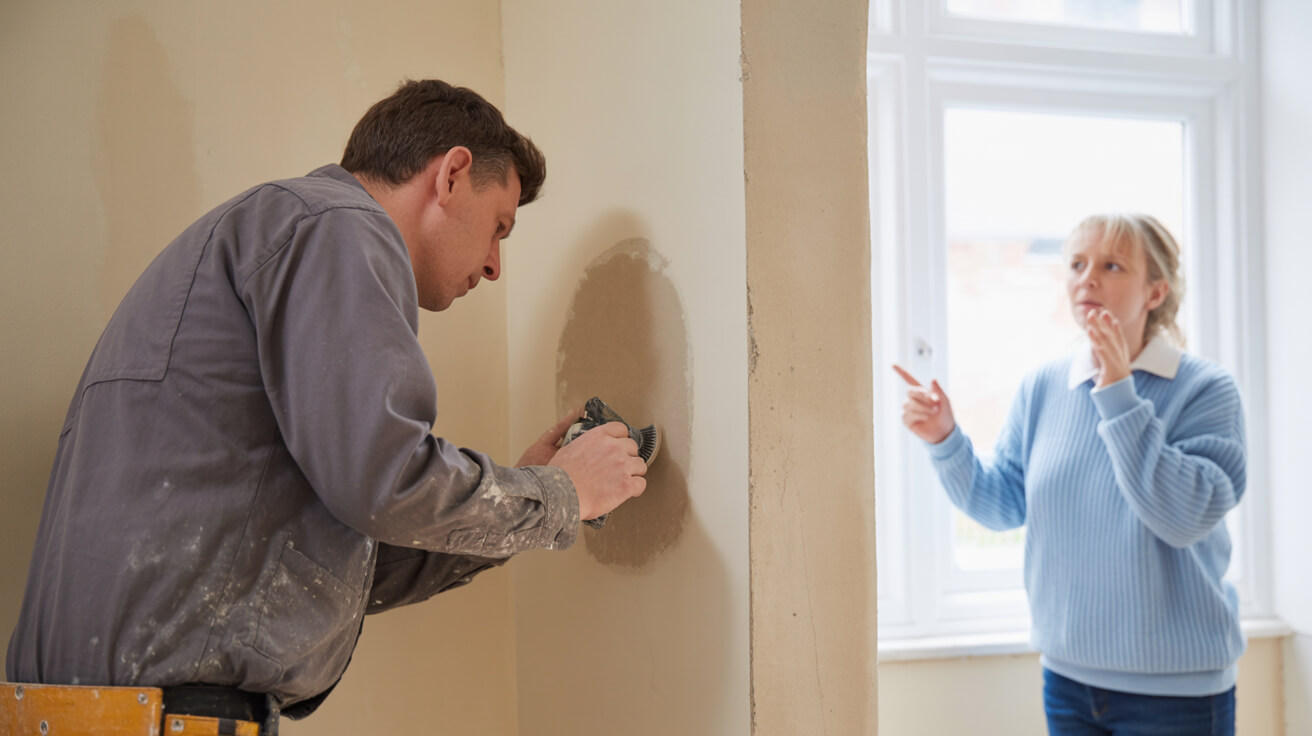
Attempting to shortcut compliance can cost you orders of magnitude more than the original damp problem. Every unauthorised fix is a time bomb waiting to detonate during sale, remortgage, or even regular council spot checks. Fines, forced reversal orders, and insurance loss are only the beginning.
No repair is minor if compliance is missing—each one leaves a legal footprint that surveyors, insurers, and councils track.
Consequences Chain
- Planning enforcement: Found injecting DPCs or tanking without listed consent? The local planning authority can demand total reversal of the work at your expense, fine you, and even refer you for criminal prosecution (Planning Act 1990, s.9).
- Environmental health enforcement: For rented homes, failure to treat or improperly treat damp exposes you to HHSRS improvement notices, court action, or rent repayment orders.
- Mortgage and insurance flags: Lenders and insurers can void your cover or refuse a claim as soon as an unauthorised, undocumented repair is found. Any flagged problem on a survey means buyers often walk or demand steep discounts.
- Personal and future buyer liability: Fail today, and for years surveyors and buyers can hold you (and your future buyers) accountable for non-compliance or unapproved fixes.
| Infraction | Direct Consequence |
|---|---|
| Unauthorised DPC/tanking | Forced removal, court penalties |
| Ignoring HHSRS/mould | Council action, tenant compensation |
| “Red flag” in survey | Loan refusal, sale blocked |
| Lack of documentation | Insurance denial, personal liability |
Sussex Damp Experts’ process builds a shield between your property and these pitfalls: every fix is documented, consented, and future-proofed, ensuring any future surveys, mortgage applications or insurance claims rest on solid, legal ground.
Can I get retrospective approval for unauthorised works?
Sometimes, but it’s risky — you may be ordered to undo all work first, and the process can trigger severe penalties if your fix isn’t considered sympathetic.
How do professionals balance tenant wellbeing, legal demands, and heritage preservation in conservation zones?

Managing competing obligations is where compliant specialists earn their keep. Without a systemised, forensic approach, repairs either sacrifice heritage or neglect legal/health imperatives—leaving you stuck between conflicting demands from tenants, buyers, and council officers.
Legacy homes demand more than quick fixes—they ask for repairs that keep the past alive while keeping people safe.
The Sequence That Protects All Sides
- Forensic diagnosis: Use advanced moisture mapping, salt analysis, and substrate sampling to isolate the exact problem and provide a survey-grade report.
- Pre-authorisation: Every intervention, from a replacement vent to removing mould, must go through council or LPA consent—supported by evidence, not just a quote.
- Triaging for health: If health risk (e.g. severe mould, blackspot) is immediate, temporary reversible actions are taken while awaiting proper permissions.
- Staged remediation: Work often proceeds in phases—urgent health measures, then reversible, heritage-respecting long-term treatment once approvals are secured.
- Continuous documentation: Every stage is logged and photographed, forming a watertight audit trail to protect you in council audits, sales packs, and insurance reviews.
| Imperative | Solution | Result |
|---|---|---|
| Occupant health | Safe, reversible action | Legal protection, safety |
| Heritage | Like-for-like, lime, air | Value preserved, approved |
| Compliance | Full record-keeping | No disputes, proof ready |
| Future saleability | Survey pack, warranty | Rapid sales, top value |
Sussex Damp Experts lead the process start to finish—handling everything from local authority negotiations and rigid pre-submission packs to clear project handover files with all consents and compliance proofs for future use.
Does council consent cover emergency health repairs?
Partial emergency works can be permitted, but you must file retrospective approval within specified timeframes and only use reversible, minimal-impact methods.
What permissions and consents do you need for damp-related repairs in listed homes and conservation areas?
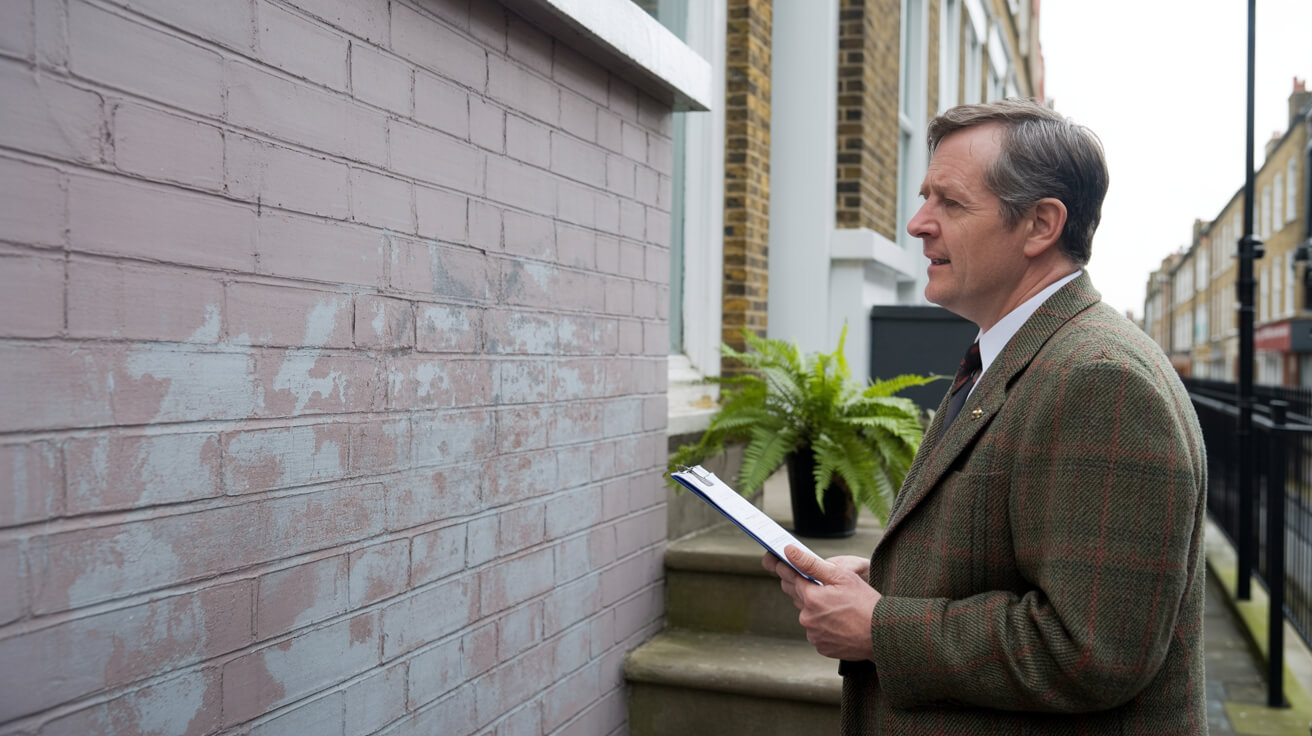
Every act of repair, no matter how minor it may seem to you, rests on layers of legal control. Councils expect you to predict when approval is needed, not to ask forgiveness after the fact.
A fix with no paper to prove it is a legal trap—no matter how well it was done.
Essential Consents and Who Grants Them
- Listed Building Consent (LBC): Required for any change (internal or external) impacting a listed building’s character—even a like-for-like swap.
- Conservation Area Consent: Any visible change to a building within a conservation area, especially facade and window works, needs consent.
- Planning Permission: Structural alterations, or works affecting the use, layout, or exterior appearance, need formal planning approval.
- Building Regulations sign-off: Anything affecting structure, fire safety, drainage or ventilation standards.
| Permit | Required When | Granted By |
|---|---|---|
| Listed Building Consent | Any material change to fabric | Council Conservation Officer |
| Conservation Consent | Demolition, visible alteration | LPA / Heritage Officer |
| Planning Permission | Function or appearance change | LPA Planning Dept |
| Building Regs | Structure, ventilation, fire, health impacts | Building Control |
The Sussex Damp Experts team acts as a one-stop interface—gathering every photograph, survey result, and technical evidence into a consent-ready pack so you can win approvals on the first try.
Do regular builders handle this paperwork?
Rarely. Only specialists integrating heritage and compliance can prepare the consent packs properly and defend them to council officers.
How does neglecting heritage-safe damp treatment undermine reputation and asset value?
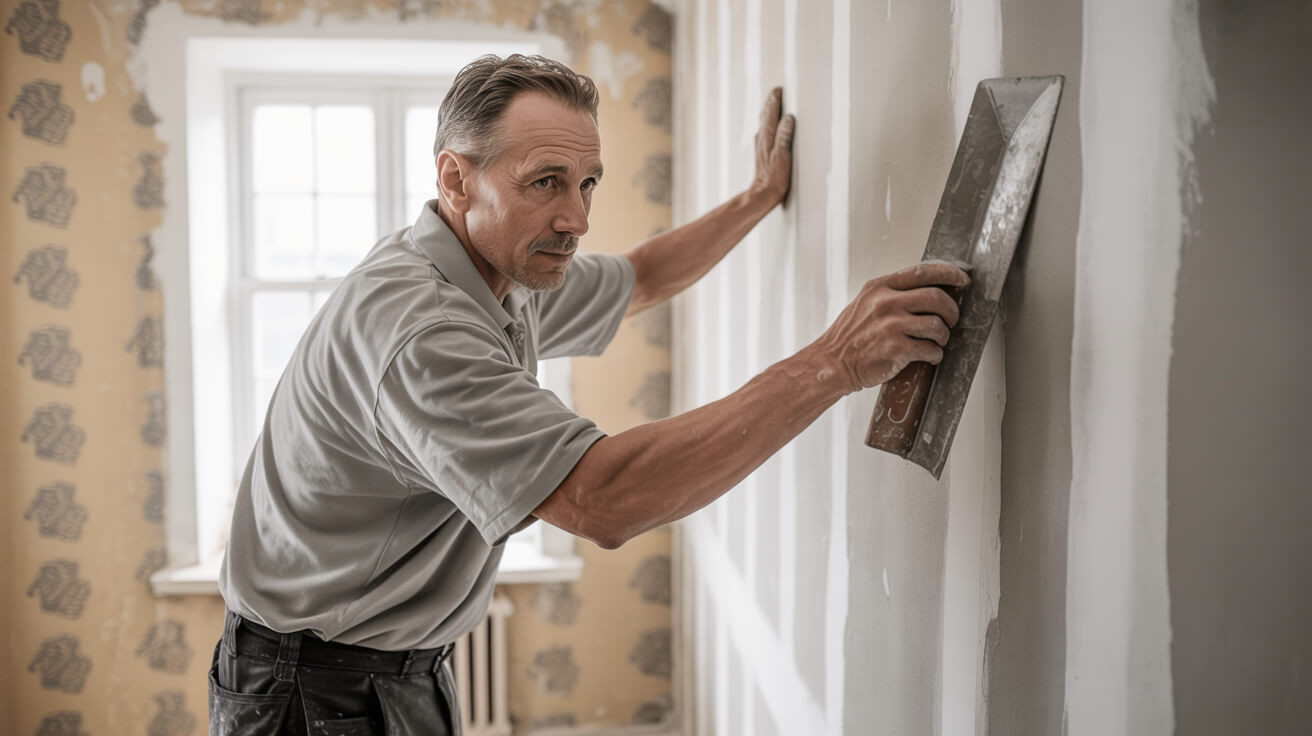
Buyers prize originality in historic homes, but the moment a botched repair is discovered, the dream turns sour. Bad paperwork or wrong materials travel far beyond your intentions, leaving a paper (and digital) trail that can kill value for years.
It takes one bad repair to turn a prestige asset into a cautionary tale.
The Hidden Risks to Value
- Survey delays and failed sales: Unauthorised works, incompatible materials, or lack of documentation will halt sales mid-stream. Surveyors look for material specs, photo proof, and a clear audit trail.
- Solicitor queries and lost offers: Lawyers will demand written consents and warranty records; if you can’t produce them, expect the deal to collapse or take a brutal price cut.
- Lost insurance/warranty: Policies typically exclude unapproved work or “overwritten” materials; you risk having to pay for future failures out of pocket.
- Brand damage: Word of a poorly handled listed-property fix spreads: local agents, neighbours, and even lenders maintain informal “watch lists.”
| Flaw Detected | Consequence |
|---|---|
| Unauthorised repairs | Value drop or forced removal |
| Missing consent or proof | Sale delays, buyer withdrawal |
| Incompatible materials used | Heritage breach, penalty risk |
| Voided warranty & insurance | No protection when crisis hits |
Sussex Damp Experts supply full digital files for every fix—proving you did it right, keeping valuation high, and letting you sleep knowing future buyers, lenders and insurers won’t find a nasty surprise.
Can I fix damp quietly and “regularise” later?
It’s possible, but nearly always ends up more expensive, stressful, and legally risky. Councils and buyers expect full transparency now, not promises after the fact.
What myths and mistakes jeopardise compliant damp repair in old and protected properties?
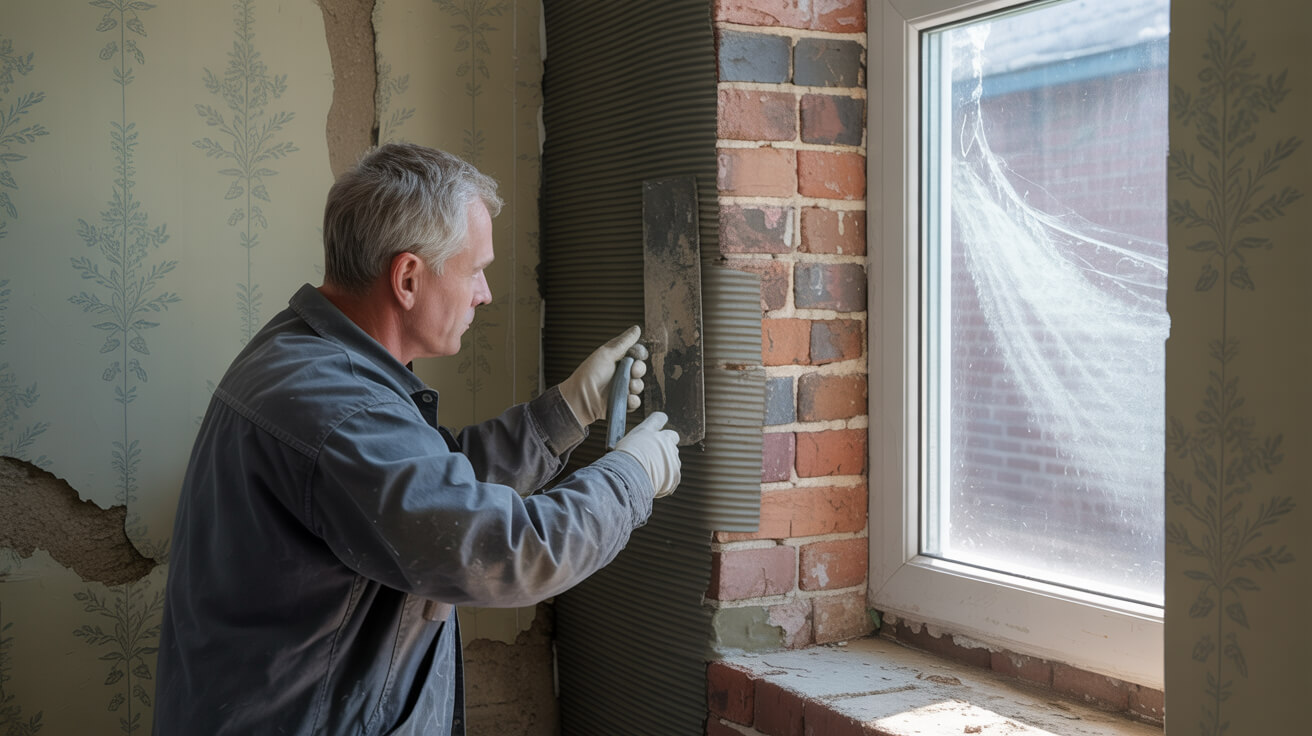
Bad assumptions do more damage to listed homes than most forms of decay. “Pub lore,” cut-price quotes, and “quick fix” promises unravel quickly in front of a heritage surveyor or enforcement officer. The property market, council, and insurers have no patience for DIY legend.
- Myth: “Heritage means you can’t fix damp.”: Incorrect; intervention is required by law, but method and documentation must meet strict standards.
- Myth: “Any contractor will do.”: Only licenced, experienced firms with compliance training and a photographic/evidence chain are acceptable. Being PCA accredited or holding heritage-specific credentials is often checked by buyers and local authorities.
- Mistake: “Modern tanking cures everything.”: Non-breathable tanking or chemical DPCs in period walls often lead to spalling brick, accelerating unseen rot and triggering ‘rip it all out’ orders upon survey.
- Mistake: “If it’s invisible, it’s safe.”: Work not flagged visually can be easily detected with modern diagnostic tools (e.g. thermal imaging, salt mapping).
- Trap: “Emergency? Just fix, ask later.”: Legitimate emergencies may allow temporary fix, but you must seek retrospective consent fast and stick to reversible treatments.
| Fallacy | Real-World Blowback |
|---|---|
| “Can’t fix—it’s listed” | Accelerating structural damage |
| “DIY tanking does the job” | Moisture rebound, legal action |
| “Paperwork is for show” | No insurance or warranty |
| “Standard DPC in old wall” | Spalled brick, ruined plaster |
Sussex Damp Experts sweep folklore off the table—backing every diagnosis with calibrated surveys, meticulous documentation, and direct liaison with local authorities, so you never get blindsided again.
Can I apply modern waterproof paints or membranes?
Not in heritage buildings. Doing so can trap moisture and trigger both legal action and lasting structural problems.
Contact Sussex Damp Experts Today
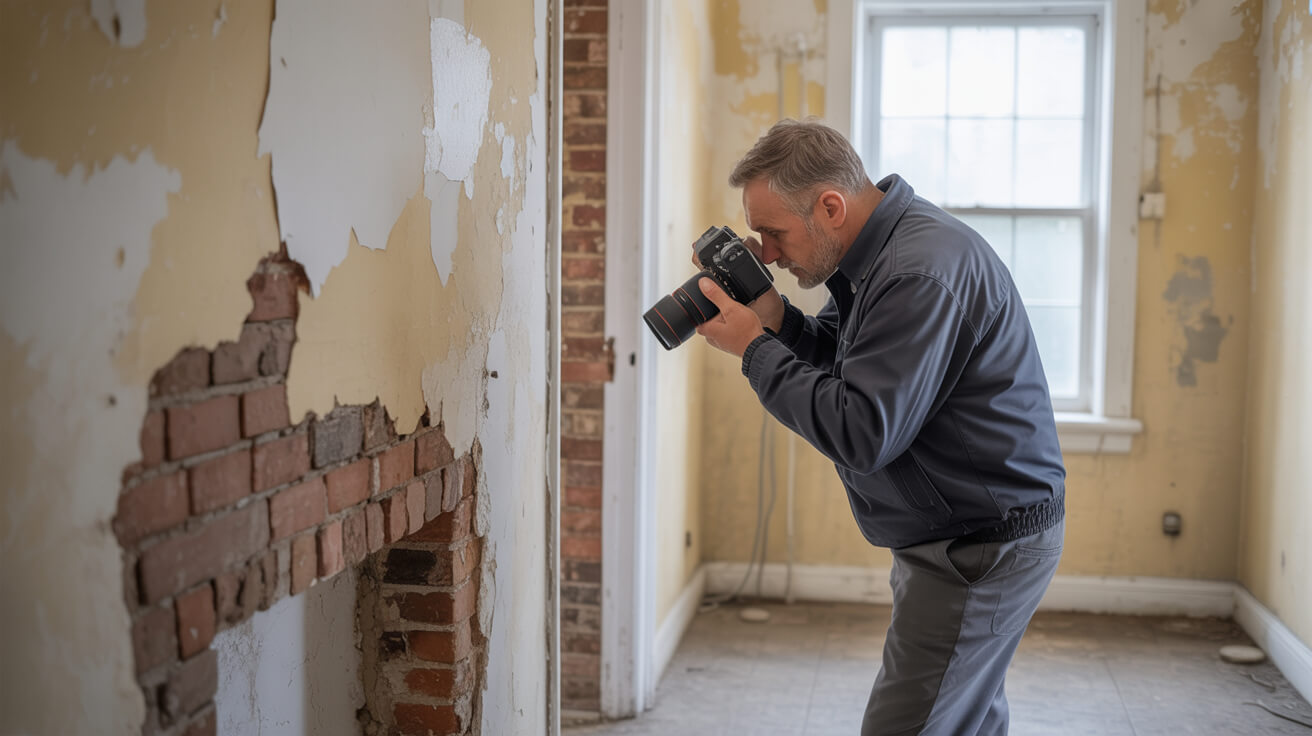
You don’t need to gamble between legal risk and a dry, beautiful, healthy home. Sussex Damp Experts give you access to a complete system—starting with forensic, surveyor-grade diagnosis and moving through compliant, heritage-appropriate treatments, to final approval of every required authority. You get all paperwork, protection, and performance wrapped up—so your home passes every future test, stays desirable, and rises in value, year after year. Don’t risk costly mistakes or lost heritage—do it right, right now.
Frequently Asked Questions
Which UK regulations, permissions, and standards shape legal damp repairs in listed buildings and conservation areas?
Compliant damp repairs to protected properties weave through a web of statutory and heritage controls. The Planning (Listed Buildings and Conservation Areas) Act 1990 sits at the core, but real compliance means threading together national law, local planning by-laws, heritage authority guidance, and technical standards like BS 6576 and PAS 2035—all layered atop ordinary building regs. Any adjustment that can alter a protected property’s appearance, structure, material, or internal fabric—down to wall replastering, timber repairs, or insulation—typically lands you squarely in permissions territory.
What permissions and approvals actually matter?
- Listed Building Consent: Required for any repair or alteration affecting the “special interest” of a listed building. Covers all structural, aesthetic, or materials changes—inside and out.
- Conservation Area Consent: Applies when works visibly alter the exterior in designated heritage zones—sometimes even for reinstating “like-for-like” details.
- Planning Permission: Triggered for structural changes, changing a building’s use, or installing anything that tweaks the construction (e.g., membrane systems, new ventilation).
- Building Regulations (Part C, F, L, etc.) & Technical Standards: Oversee moisture control, thermal upgrades, and ventilation—requiring proper diagnostics and documentation of every intervention.
- Local Authority Sign-offs & Heritage Officer Approvals: Enforcement sits with local councils and Historic England; skipping a sign-off can spark enforcement or undo years of value.
Every step is governed by “reversibility” and forensic proof chains—trusted survey documentation, photographic logs, and compliance packs form your only real insurance. Neglect this, and a single missing certificate can stall a sale, block a mortgage, or trigger compulsory reinstatement.
The council clock starts ticking the moment works are visible—be audit-ready from day one.
Sussex Damp Experts handle the legal and paper trails in your stead, providing bulletproof evidence packs, heritage-authority dialogue, and site-specific compliance chains to keep repairs legal and undisputed.
How do best-practice damp proofing methods protect historic buildings while staying legally watertight?
For historic or protected fabric, only breathable, reversible, and heritage-respectful repairs pass scrutiny. Modern tanking, cement render, cheap injected resins, or impermeable coatings routinely fail audit—trapping moisture that wrecks old walls or triggers future claims. The right approach balances building biology, statutory guidance, and audit resilience.
Which solutions do heritage officers and building regs actually permit?
- Lime-based plasters and mortars: —Let moisture evaporate, are visually authentic, and align with heritage method statements.
- Removable cavity drain membranes: —Offer a dry surface without sealing moisture inside walls; can be lifted for later works.
- Passive and mechanical ventilation upgrades: —Discreetly boost airflow, meeting modern condensation standards without harming centuries-old timbers or cornices.
- Specialist DPC injection creams: —Used only after root-cause surveys, and then only as a reversible, secondary step (never blanket-injected).
- Breathable insulation to PAS 2035 standards: —Internal wall insulation solutions that don’t suffocate original materials.
Banned approaches? Cement tanking, acrylic paints, and gypsum plaster. Council inspectors and lenders view these as heritage hazards—a visible marker of non-compliance that can unravel insurance and market value.
Old walls breathe for a reason—block their rhythm and you risk both structural integrity and consent.
Sussex Damp Experts specify, instal, and document only heritage-compliant, reversible systems—so every proof point is ready for planners, surveyors, and future buyers.
What specific legal, financial, and insurance consequences follow unauthorised or non-compliant damp repairs?
Swerving the official process might feel speedy, but it’s a false economy. Heritage enforcement is relentless—councils, mortgage lenders, insurers, and even future buyers employ forensic evidence to trace any “invisible” fix. A misstep can unleash forced removal of repairs, insurance claim refusals, mortgage restrictions, criminal penalties, and a resale value collapse.
What traps do most miss until it’s too late?
- Compulsory removal orders: —Council enforcement compels reversal of unauthorised work, including structural and cosmetic repairs, at the owner’s expense.
- Criminal liability: —Unapproved alterations to listed buildings are a criminal, not civil, offence—convictions attach to the title.
- Material under-valuation: —Surveyors routinely knock 25–30% off resale value for missing documentation or non-compliant fixes *(Valuation Metrics, 2023)*.
- Insurance and lending barriers: —Insurers and lenders demand audit trails and photos; absence leads to claim refusals and loan dead-ends.
- Chain reactions: —A single missing certificate can stall a property sale for months, spark renegotiation, or prompt buyer walk-away.
Legal missteps are like damp—quiet till expensive proof is suddenly demanded and value evaporates.
By engaging Sussex Damp Experts, every step—survey, diagnosis, material choice, method—earns documentary proof and certification, keeping your property’s integrity and value strong when it matters most.
How can you execute a compliant, insurance-ready mould and damp remediation that doesn’t break heritage law—or risk tenant health?
Remediating damp or mould in protected property isn’t a race; it’s a meticulous, paper-trailed ballet. Rush to “fix” without diagnostic depth or proper approvals, and you risk creating legal headaches, botched sale values, or missed health hazards. Effective, lawful repair layers health urgency, compliance, and original material preservation—never skipping documentation or seeking “quick fixes.”
What does a fully compliant process look like in practical terms?
- Step 1: Forensic, site-wide survey: —Thermal imaging, damp metres, substrate mapping, digital photo-logging of visible and latent defects.
- Step 2: Documentation and heritage consent pack: —Build approval-ready files for every intervention; collate proof, rationale, and reversibility details.
- Step 3: Temporary, reversible works (if urgent): —Instal venting, local extraction, or protective sheeting; every step logged for future council review.
- Step 4: Permanent intervention only post-approval: —After sign-off, use only materials and methods flagged as “low impact” and heritage-compliant.
- Step 5: Continuous recording: —Maintain a digital and photographic audit trail that supports future sale, rental changes, and insurer requests.
The difference between a durable repair and a sale-stopper is often a PDF—document or pay the price.
Sussex Damp Experts handle both the physical remedy and the unseen administrative grind, so you stay in good standing with tenants, councils, and insurers—proving your remedies are safe, scientific, and heritage-aligned.
What documentation, evidence, and audit trails are required before, during, and after damp work in protected buildings?
Damp remediation in listed and conservation area properties demands as much from your paperwork as from your plastering. Without a complete chain—from initial complaint to survey, counsel approval, intervention, and aftercare—you’re left open to resale blocks, mortgage delays, or council fines.
Which proof standards keep your compliance airtight?
| Consent or Evidence | Regulatory Trigger | Submission Authority |
|---|---|---|
| Listed Building Consent | Any fabric/material change | Heritage Consent Office |
| Conservation Area Consent | External/interior visible alteration | Local Planning / Conservation |
| Planning Permission | Layout/use/structural modification | Local Planning Department |
| Building Control Completion | Ventilation, DPC, or insulation work | Building Control Board |
- Site reports (moisture logs, digital survey files):
- Before/after photographic proofs and geo-tagged data:
- Specification sheets on all materials (demonstrating heritage compatibility):
- Full “reversibility” and audit rationale files for every major action:
For insurers, lenders, and authorities, this chain is gold—proving your cure isn’t a ticking liability. Skipping any piece invites scrutiny and delay.
When councils or lenders ask for proof, It’s in the paperwork is the fastest defence you’ll ever need.
With Sussex Damp Experts, these audit-grade documentation packs are built-in—no missing links to spoil your property’s value or legal standing.
What mistakes or false beliefs most often sabotage heritage, legal, or market value during damp remediation?
The path from diagnosis to documented solution is littered with avoidable errors. Many undertake “minor” fixes or apply modern products, thinking common sense trumps compliance. Others fall for urban myths, skip specialist advice, or try to cut short the legal process—inviting bigger trouble than the damp itself.
Which errors spell the most trouble?
- Assuming standard trades are heritage-competent: —Generalists rarely know the permissions, guidance, or method standards for protected assets.
- Using impermeable or irreversible materials: —From bitumen paints to cement, these interventions block transport, making decay or value loss worse.
- Omitting root-cause diagnostics: —Repairs without survey evidence miss deeper problems and fail future council or insurance audits.
- Rushing emergency fixes unchecked: —Quick work for health or short-term relief, if undocumented, can strip protections and invite forced reversals.
- Believing “no one checks the small stuff”: —Lenders, insurers, and future buyers are now forensic, not forgiving.
| False Assumption | Likely Consequence |
|---|---|
| “Heritage repairs are always hands-off” | Allows decay and future enforcement |
| “Heritage never means tanking” | Lenders/councils spot modern barriers |
| “Small fixes slide under the radar” | Surveyors pick up even invisible repairs |
| “Paperwork piles can be built later” | Sale stalls or fines on missed approvals |
The paperwork you skip today can become the constraint that ruins value or invites dispute tomorrow.
Sussex Damp Experts inoculate every job with the correct diagnostics, compliance trails, and credentials, so each fix stands up to council, surveyor, and insurance scrutiny and passes with flying colours.
When is it essential to bring in a heritage-compliant damp specialist—and what changes when you do?
Call in a specialist the moment moisture, must, or chill emerge—before decisions close off options or escalate costs. Early specialist involvement ensures every action is traceable, reversible, and rooted in defensible science—not just for immediate repair but for ongoing council and insurer peace of mind.
How does acting quickly safeguard property, value, and compliance?
- Surveyors, lenders, and insurers now expect end-to-end paper trails: —from first reading to final council sign-off.
- Delays build up unseen costs: —Both financially, in decayed materials or voided insurance, and legally, by attracting harsher council penalties.
- Generalist fixes do not survive forensic review: —Most DIY or “standard” trade quick-fixes trigger future mortgage and sale bottlenecks.
- Proactive, traceable interventions increase saleability: —With evidence packs and compliance letters, you build a future-proof asset.
Damp that’s logged late is twice as hard—and twice as costly—to cure, both physically and in council patience.
From first suspicion to post-completion care, Sussex Damp Experts handle every variable: technical, legal, and historic. That means faster permissions, smoother sales, secure insurance, and a legacy that lives on—plus peace of mind for every owner, manager, or stakeholder.

