
 By
By  August 26, 2025


Is Damp and Mould Always the Landlord’s Problem—Or Are the Legal Lines Less Clear Than You’d Think?
You spot a patch behind the sofa or catch a whiff of damp by the window—nothing grabs your shoulder, but a building’s telling you something’s off. In Sussex, landlords and property managers can’t afford to brush off that warning. The law doesn’t care how subtle the first sign is; it cares how you respond and what you can prove.
When a surveyor starts taking photos, every missed patch becomes a legal question.
Shorthand says damp is always the landlord’s headache, but the legal lines twist. If a flaw in structure or “the fabric”—missing or failed damp proof course, leaking roofs, faulty windows, weak ventilation—lets water in or builds up moisture, landlords are on the hook. Section 11, Landlord and Tenant Act 1985, is plain: you keep the structure and “key installations” fit for people to live safely.
Yet not all damp starts with bricks or pipes. Ask three surveyors to point at condensation’s cause; you’ll get a mix. If tenants cover vents or dry clothes with the windows locked, the line may start with them—but it rarely ends there. The moment a technical flaw, broken extractor, or underspecced design joins the mix, the burden tips back to you as the property owner.
Today’s market doesn’t let you “patch ‘n’ paint”, hope it’ll pass. Tenants, councils, insurers, and lenders have better tools, and they chase clear cause and effect. Ignore a small sign and the legal pipes fill up fast.
When Does Damp and Mould Become a Landlord’s Immediate Legal Emergency?

A rogue shower or a misjudged washing day won’t land you in front of a judge—but a leaking roof or failed DPC will. The law expects landlords to jump on structural and exterior issues: missing DPC, rotten joists, slipped tiles, or decayed brickwork all trigger legal repair duties—no debate. Section 11 of the Landlord and Tenant Act 1985 expects you to move quickly, not to “await further instructions”.
Once damp points to your side of the ledger, the risk compounds. Delay, and the problem grows: wall damage, health risks, insurance rejections, council fines. That same law insists you solve “anything that makes the property unfit for habitation.” The newer Homes (Fitness for Human Habitation) Act 2018 doubles down—mould that harms a renter’s health, even if “just condensation” in the tenant’s words, still counts as a safety breach.
Delay with a leak or a failing wall and councils move in—urgency is legal, not just practical.
Surveyors hired by buyers or councils don’t care about backstory; they map the stain, see the damage, and check what you did about it. If the records show “tenant error” but also broken fans, poor ventilation, or missing drainage, the landlord loses protection. Mortgage companies and insurers look for patterns: recurring problems, old complaints, or ignored advice lead to higher risk scores or outright claim denials.
If there’s a signature damp source—building flaw, warranty lapse, poor ventilation, or failed repair—act as if every step will be checked in a tribunal. Because, too often, it is.
What Evidence Shields Sussex Landlords and Homeowners in a Damp Dispute?
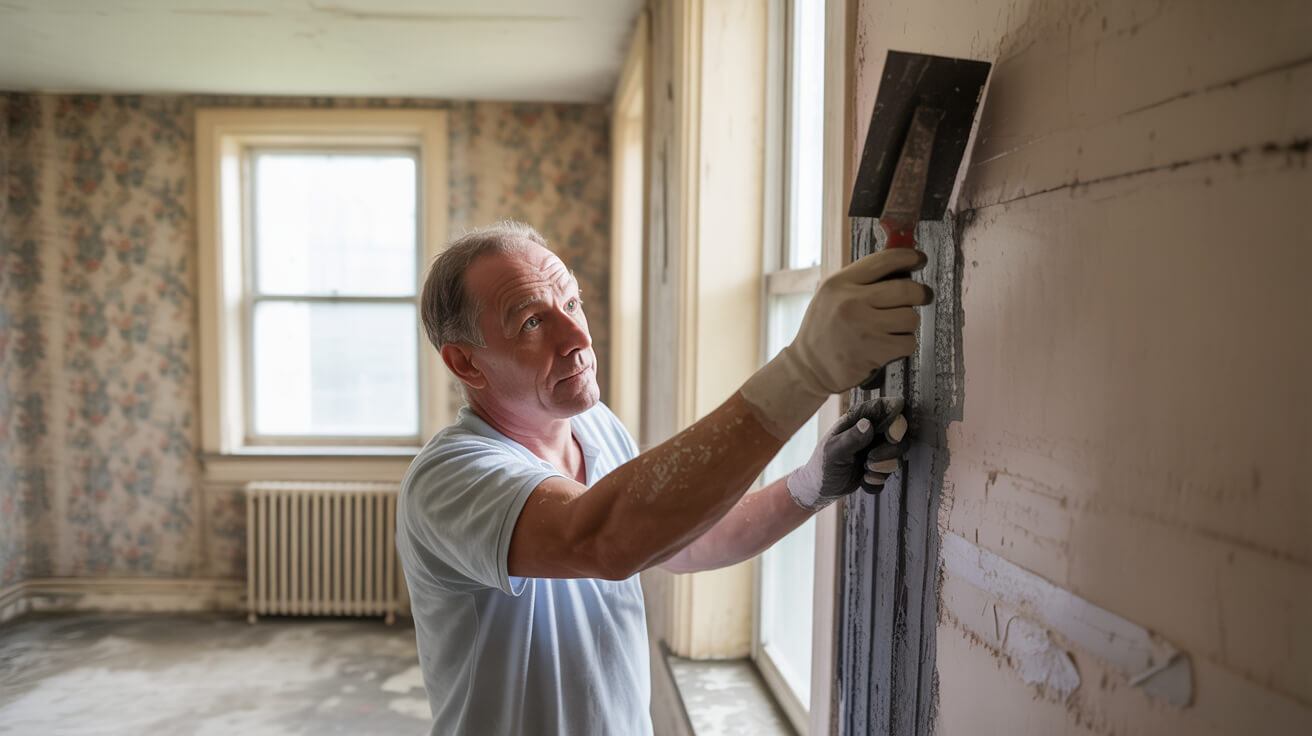
Stories blur over time, but evidence doesn’t. If you want to prove you acted, or that the problem is “tenant lifestyle,” you need more than memory.
A moisture reading stamped with a date holds more weight than weeks of emails.
Solid evidence chains look like this:
- Accredited survey report: (PCA, BS 6576/8102-compliant)—clear diagnosis, root cause, photo and metre record, and timestamp.
- Invoices for repairs and upgrades: —showing not just the job, but the facts: “Extractor fan installed” or “DPC injected, ground level checked.”
- Moisture and maintenance logs: —including dates, staff or contractor, and photos showing before/after changes.
- Guarantees and aftercare: —especially if upgrades or tanking have warranty periods and inspection schedules.
Keep everything together—digital folder, hard copies, even email chains if signed. If the case moves to dispute, vague “we fixed it” doesn’t stand. Courts, housing officers, and insurers want a timeline, not an opinion. Oral promises or handyman fixes hit a wall if the surveyor says, “Show me the proof.”
Which Actions Reduce Your Risk When Damp Is Reported—or the Problem Escalates?

A systematic, documented response is your best line of defence. When tenants report damp:
- Acknowledge promptly—within one day if possible. Date the response.
- Book a site visit—ideally a qualified, accredited surveyor, not just a phone call or a handyman.
- Collect evidence—photos, moisture readings, repair history. Attach them to the file for this tenancy/property.
- Respond in writing—confirm the steps planned, who will contact the tenant, and target dates for inspection and repair.
The date you reply starts the clock – after 14 days, every delay adds risk in the eyes of local authorities.
Councils and courts expect timely action. Best practice: inspections inside 14 days of written notice (so keep your email systems in order). If the tenant’s actions caused the damage, still inspect, document, and send a written summary of findings. If a repair is needed, set a clear timeline and update the record at each step.
Don’t cut corners. Skipping accredited surveyors or proper diagnostic steps to “save money” is the single fastest way to lose a dispute—especially if the council’s own inspection finds unresolved risks.
Does Aftercare and Regular Documentation Still Matter Once “It’s All Dried Out”?
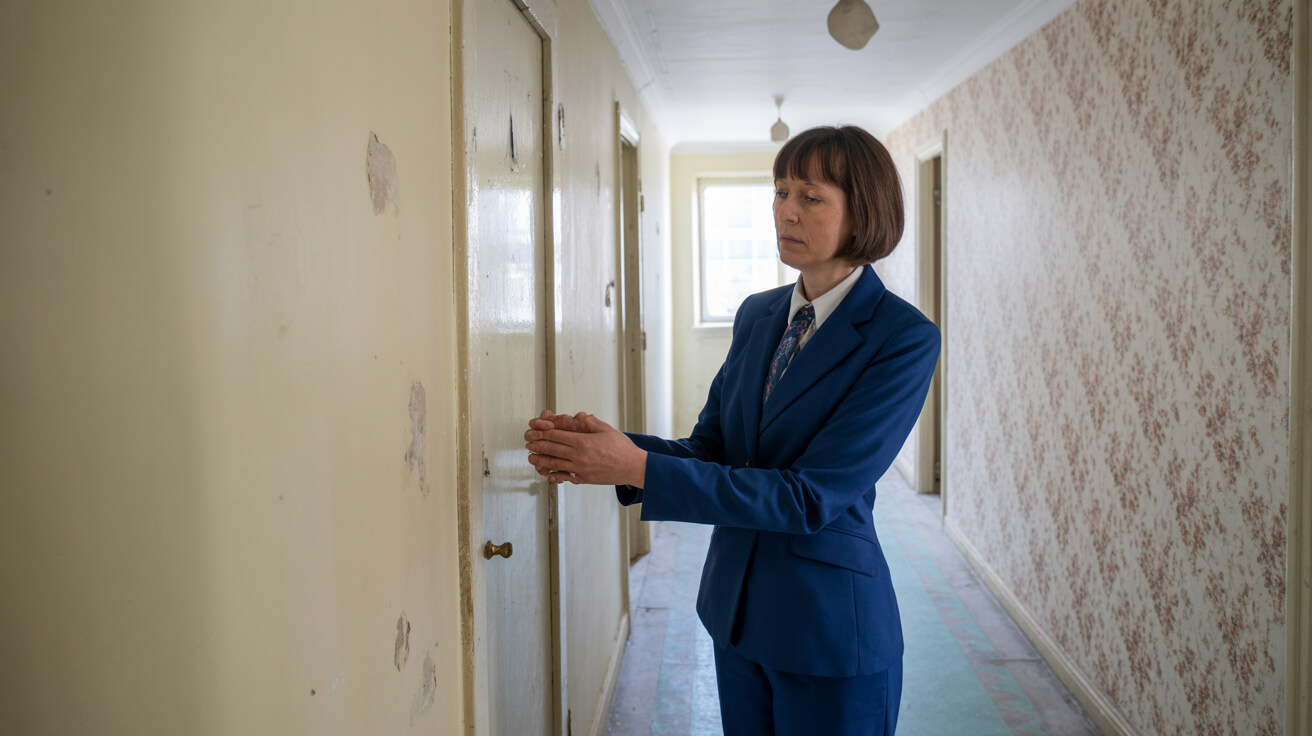
Out of sight doesn’t mean out of risk. After repair or drying, properties—especially period homes or anything with past damp history—need regular monitoring and evidence collection.
Every year, or after every tenancy change:
- Schedule a fresh damp survey—even if the wall looks fine, traces of salt or hidden voids often resurface.
- Renew and file all certificates and guarantees—otherwise, insurance won’t pay and buyers will lower offers.
- Take new photos for every room or affected wall—archive by date, backed up in two places.
- Check condition, fix minor cracks or gaps, and note inspection results in the asset file.
Landlords who win in court don’t just fix— they prove they fixed, and they kept checking.
Insurers, buyers, and council inspectors are now primed to look for gaps, old certificates, or missed checks. Properties with a full aftercare record and proof of annual monitoring move faster in sales, pass more mortgage surveys, and pay less in insurance.
What Classic Landlord Mistakes Turn Damp Reports Into Legal Fire Drills?

Mistakes aren’t always about greed or laziness—they’re human. Three repeat offenders turn a simple fix into legal risk:
- Assuming every problem is “tenant lifestyle”: —ignoring clear signs of a leak or building flaw.
- Using cheap, non-accredited fixes: —schemes done “on the cheap” collapse under legal or insurance scrutiny.
- Losing track of documents and aftercare obligations: —without a renewal file, owners fall foul of insurers, councils, and even mortgage lenders.
Ignore proper surveys and aftercare and you’re on thin ice—council orders, failed insurance, and lost rent are common outcomes.
The cost to you isn’t just a repair—it’s ripple effects: weeks of missed rent, stubborn council intervention, disputes that drag. Gaps in records, lapsed certificates, and handwritten notes mean nothing if challenged by a diligent tenant or sharper surveyor. Want to avoid the “grey zone”? Back every action with professional paperwork and timely checks.
Are Listed Buildings or Heritage Homes Exempt from the Law? Not a Chance—The Standards Rise
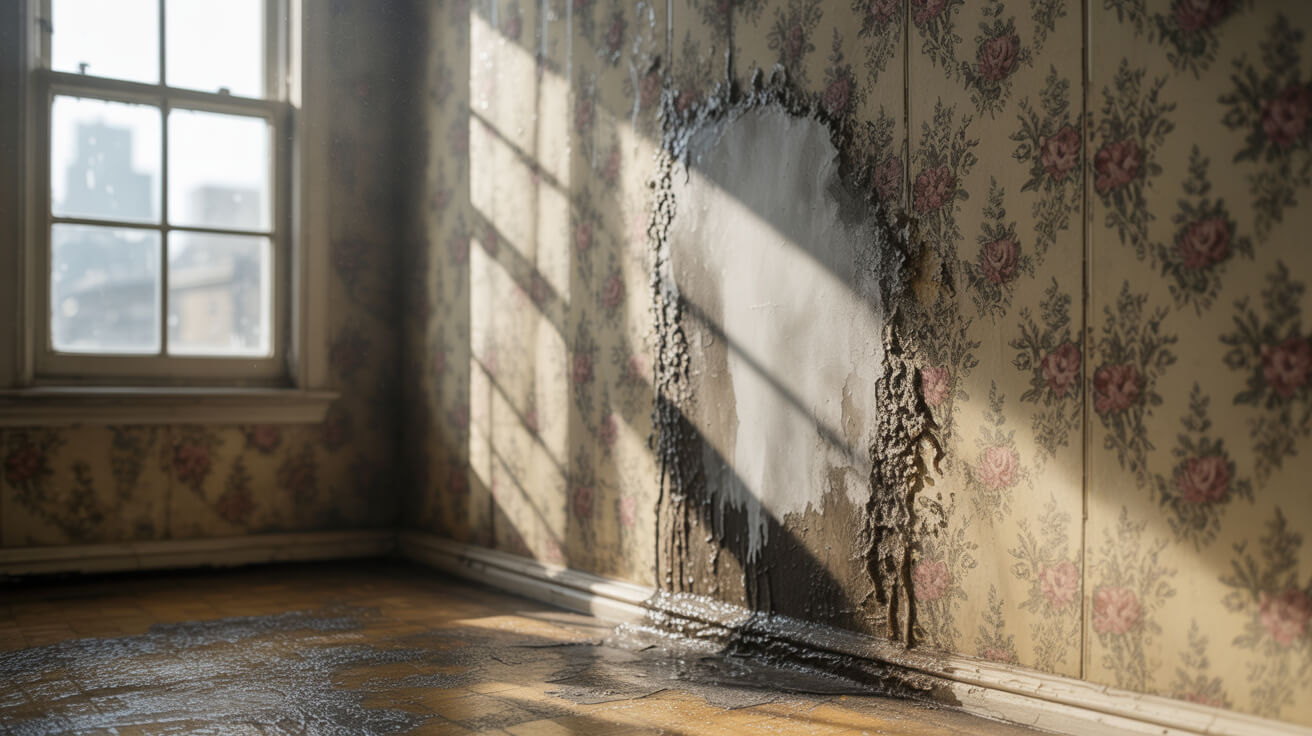
Sussex is packed with period cottages, listed buildings, and heritage properties—many with cob, stone, or lime render walls. Don’t expect a softer legal ride. The Landlord and Tenant Act 1985 and Environmental Protection Act 1990 apply to them as much as to new builds.
Heritage is not a loophole—it’s an extra requirement. All interventions must match PAS 2035, BS 8102, and BS 6576, which demand specialist, context-aware designs and proofs. If you own or manage a heritage property:
- Commission surveys and remedial works from providers with direct experience of older buildings and compatible materials.
- Retain all documentary proof—tailored method statements, materials logs, and photographic evidence of every step.
- Seek conservation and listed building guidance before intervention—match records to keep in Council and Heritage good books.
Heritage means more paperwork, not less—councils, insurers, and surveyors expect an audit trail tailored to the complexity of old walls.
Owners who treat heritage aftercare as an ongoing duty—not a one-off fix—find lenders, buyers, and local authorities far easier to work with. Errors linger longer, and their costs often grow, not shrink.
Sussex Damp Experts: The Local Legal Defence for Your Asset, Reputation, and Peace of Mind

A bubbling skirting board or small patch of mould left unchecked can snowball—from quiet nuisance to skipped rent, council notices, or a mortgage refusal. Sussex Damp Experts was created so that Sussex owners, landlords, and agents have an evidence chain, not just “quick fixes”.
Our process:
- Diagnostic reports referenced to PAS and BS standards: —used by courts, lenders, and councils to validate every claim or defence.
- Full documentation at every step: —from diagnosis through works to aftercare—giving estate agents, buyers, and insurers little room to challenge.
- Comprehensive aftercare and monitoring: —certificates, logs, and maintenance files that prove ongoing care to insurers and mortgage lenders.
Disputes aren’t won by luck or argument. They’re won by clean, accurate documentation and action rooted in standards.
Sussex Damp Experts offers practical, regulatory-ready clarity—from first inspection through sale, lease, or re-mortgage, and for every type of building and substrate in Sussex.
Protect Your Investment—Contact Sussex Damp Experts Today
Every gap in your damp record, half-repair, or undocumented patch is a future expense hiding in your walls. Cosmetic wipes aren’t enough; today’s market and regulations expect forensic, step-by-step evidence—and tailored guidance for Sussex homes.
Book a damp survey with Sussex Damp Experts to gain:
- Forensic-level reporting recognised by lenders, insurers, and local authorities.
- Clear, compliance-ready plans for repairs and maintenance.
- Ongoing advice, logs, and monitoring to keep you ahead of risk.
Your building, your asset value, and your future profit depend on what you can prove, not what you “meant”. Don’t leave the audit trail to chance—contact Sussex Damp Experts for proven, regulator-ready protection, year after year.
Frequently Asked Questions
What signals that a damp issue in a rental property has crossed into legal territory?
A damp problem is no longer “just condensation” once it’s rooted in the building or breaches a legal threshold: persistent wet patches in walls, crumbling masonry, ongoing mould despite good ventilation, or water running in from failed gutters all flag a structural cause that law won’t shrug off. These are the sorts of problems local authorities and the Housing Health and Safety Rating System (HHSRS) score as hazards, not habits. If you find old stains returning, plaster bubbling without reason, or cold, clammy corners surviving every windows-open regime, the burden lands with the landlord. Legal duties under Section 11 of the Landlord and Tenant Act 1985 and the Homes (Fitness for Human Habitation) Act 2018 mean that as soon as moisture results from defects—rising damp, penetrating leaks, blocked drains, or missing damp-proofing—the responsibility to act is statutory, not optional.
How do specialist surveys catch the difference?
- Persistent tide marks or fluffy white salts at skirting level often prove rising damp—a building problem, not a lifestyle one.
- Paint flaking off external walls or recurring staining after rain signals leaks and water ingress.
- Surveyors rely on moisture readings, salt mapping, and photographic evidence, not just what’s visible that day.
- If ventilation tweaks and heating have no effect, it’s time for a proper investigation anchored in BS 6576/BS 8102.
Day-to-day condensation dries up with good habits—legal damp keeps coming back, no matter the routine.
Clear evidence—rooted in professional diagnostics—moves a dispute from finger-pointing to case closed. For landlords and tenants alike, independent proof is the difference between endless debate and quick, decisive repair.
Why do damp disputes require independent, accredited surveys?
Damp disputes live and die on evidence. Only a respected, independent survey—carried out by someone with Property Care Association (PCA) or RICS credentials—carries enough weight to satisfy insurers, councils, or mortgage lenders. Unlike a contractor’s quote or a smartphone snapshot, an accredited survey dives beneath the surface: moisture metre readings, salt index mapping, thermal imaging, and forensic identification of root causes. Crucially, every finding is linked to technical standards—BS 6576 for rising damp, BS 8102 for waterproofing, PAS 2035 for retrofit. This transforms opinion into irrefutable fact, offering all parties clarity that stands up to scrutiny.
What distinguishes a robust survey from a casual site check?
- Each observation is tied to building regs or British standards (e.g., HHSRS risk categories).
- Evidence is shown—not just told—with annotated photographs and diagrams included as standard.
- Diagnosis is binary: either there’s a fault (with cause proved) or the building is fundamentally sound.
- A treatment plan is set out clearly—stepwise, costed, and matched to legal duties—not a vague suggestion to “improve airflow.”
When the argument is about who’s at fault, a single standards-based survey cuts through the noise—lenders, councils, and insurers all speak its language.
Having audit-ready, independent proof at hand closes legal loopholes and speeds up repairs—turning what could be a months-long wrangle into a single step towards resolution.
How have legal reforms and high-profile tragedies impacted landlord obligations around damp?
Fresh legal reforms, tragic headlines, and a cultural shift post-Grenfell and Awaab Ishak have changed the rulebook for landlords. The Homes (Fitness for Human Habitation) Act 2018 and the Social Housing (Regulation) Act 2023 moved the sector from reactive “deal with it later” fixes to rapid, preventive action. Now, even a tenant’s first complaint—if ignored—can trigger council interventions, legal claims, and fines of up to £30,000. There’s no leeway for waiting on slow progress: statutory deadlines mean complaints must be responded to in a matter of days, not months.
Landlords are now expected to show a continuous chain of proactive steps—annual damp and mould surveys, written repair logs, and aftercare visits—demonstrating that they’ve been ahead of the problem, not chasing it. Most telling, legal precedent has ended the old “it’s just condensation” or “it’s the tenant’s fault” defences unless you have professional audit trails proving cause. Compliance is a living process; documentation, not declarations, now guards against liability and reputational harm.
Where do these changes hit home for professionals?
- Every property—historic, modern, converted—needs annual, surveyor-accredited damp inspection.
- Tenant health risks documented under HHSRS now prompt immediate action, not optional review.
- Lenders and insurers may decline cover if you lack dated, standards-aligned evidence of repairs.
- Final responsibility always returns to property owners. Ignorance or paperwork gaps fuel regulatory action.
The new normal? Fix the cause early, document every step, and be ready to prove it when scrutiny arrives. Paper isn’t optional—it’s your protection.
For Sussex landlords and managers, embracing this proactive, evidence-led approach isn’t just a best-in-class move—it’s now a regulatory floor, not a ceiling.
Which oversights most often cost landlords and managers in damp cases?
You can spot the pitfalls that turn a simple damp repair into a costly tribunal: missing surveys, incomplete audit trails, cosmetic quick fixes, and unaccredited works. Many well-meaning landlords trust “that’ll do” repairs—overpainting, filler jobs, or general trade fixes that paper over the cracks but fail to address the root cause. When insurers, councils, or buyers ask for hard evidence, a lost guarantee, unlogged aftercare, or the absence of an accredited survey will leave you exposed.
The most common mistake is not appointing a single record keeper or using cloud-based storage so that every method statement, survey, or tenant message is immediately available. Accreditation matters too: only works signed off by PCA or RICS-accredited professionals, using British Standard materials and process, stand up in legal or financial checks. Paper gaps and ambiguous handovers leave room for argument—which always favours the party with the better file.
What practical steps prevent regulatory and financial fallout?
- Assign and train a designated compliance or property manager to manage and check all documentation.
- Digitise records and set up automatic reminders for renewals, servicing, and aftercare site visits.
- Use a central database or secure cloud file to make proof available to every decision-maker—not just one person’s inbox.
- Demand method statements, step-by-step photos, and product certificates for each repair.
The landlord who can produce a year-by-year record is the one who walks away unscathed—every time.
With every repair or inspection, treat evidence as the true asset—just as vital as the building itself.
How do heritage and listed properties raise the stakes for damp inspection and compliance?
Heritage and listed properties combine the highest legal burden with the lowest margin for error. Owners and agents must balance two demanding fronts: repairs required to meet modern health and housing law, and strict limits on materials, methods, and alterations to preserve building character. Ordinary repairs risk invalidating listing or conservation rules—triggering enforcement loyalty demands, fines, or even statutory reversal costs.
A survey by a conservation-savvy, heritage-skilled inspector (ideally dual PCA/RICS accredited) is the essential starting point. Method statements need explicit sign-off from planners. Traditional materials—like lime plaster, vapour-permeable renders, or bespoke waterproofing systems—replace common off-the-shelf solutions. Every intervention, from initial damp mapping to final sign-off, must respect breathability, substrate compatibility, and historic finishes. The entire process is audited: before-and-after photos, signed plans, logged approvals.
What differentiates compliant heritage repair from generic works?
- Surveys and repairs by conservation-accredited professionals only.
- Approvals in writing from conservation or planning officers ahead of works.
- Testing for vapour permeability, thermal movement, and substrate integrity.
- Documentation staged for both future buyers and regulatory review.
Electing for one-size-fits-all treatments in heritage builds always ends with more disruption, mounting costs, and stakeholder headaches.
A listed building loves paperwork more than any tradesman’s van—respect the file, and you respect the property.
Success in heritage comes from slow, documented processes and a commitment to using the right materials for the right period.
What audit methods shield Sussex landlords and letting agents from future disputes over damp and mould?
Sussex landlords and agents build true resilience against damp disputes not with guesswork or blanket disclaimers, but with audit-level readiness: every property surveyed annually by a PCA or RICS professional, every job photographed, and every piece of evidence logged centrally. This living chain of compliance forms a shield respected by insurers, councils, and courts alike.
Prompt written responses to every complaint—with dates, next steps, and confirmation of scheduled inspections—become the file everyone trusts. Paperwork lives in fully backed-up systems, accessible by responsible staff, not lost in personal folders. Every repair is tied to its own audit trail: the initial survey, the prescribed repair, the product standard, and the aftercare or guarantee. When council, lender, or buyer queries arise, your response is calm—everything is documented, up to date, and signed off by accredited professionals.
Checklist for an evidence-driven compliance strategy
- Schedule independent, standards-based damp surveys annually, regardless of perceived risk.
- Keep all documentation—surveys, aftercare, repair logs—in the cloud, with regular secure backups.
- Train staff to respond to issues within two working days, always in writing.
- Track and store aftercare checks, insurance renewals, and council visits in one place.
- Require and file product sheets, certificates, and method statements for each remedial job.
An impeccable file closes arguments before they start—and puts every property ahead of shifting regulations, not chasing them.
For landlords, agents, and block managers throughout Sussex, Sussex Damp Experts deliver the accredited surveys, transparent repair pathways, and documentation that give you control—no matter what turns up tomorrow. Secure your next independent survey and demonstrate the leadership that puts your reputation, and your properties, a step ahead.

