
 By
By  August 26, 2025


Has Your Damp Problem Turned Into a Christmas Emergency?
Damp doesn’t respect the calendar—when a leak or mould outbreak hits over Christmas, everything becomes more urgent. Some issues can wait for business hours, but others call for Emergency repairs right away—think soaked ceilings or black mould near a child’s bed. For landlords, tenants, and managing agents alike, recognising what’s an “act now” emergency versus “record and monitor” can mean the difference between a minor inconvenience and a ruined holiday, sometimes with legal or health consequences that linger long after the tinsel is packed away.
The sooner you spot a real damp emergency, the faster you get a safe, sane Christmas—no matter what’s shut or who’s away.
What DOES Count as a Damp Emergency at Christmas?
Let’s call it straight: not all damp is disastrous. But if you see the signs below, you’ve crossed from “keep an eye” into “drop what you’re doing and sort it—today” territory:
- Black or green mould in bedrooms, nurseries, or living areas: These moulds produce allergens and can trigger asthma attacks or serious respiratory infections—especially in the young, elderly, or anyone with a lung condition *(NHS England, 2023)*.
- Bulging ceilings, sagging floors, and major cracks: These aren’t just cosmetic; they often signal an unseen leak or structural failure that can turn dangerous (and expensive) fast.
- Water leaking into electrics or visible near sockets, switches, or consumer boards: This is a fire and electrocution risk—immediately cut off the power at the board if you can do so safely and keep people away.
- Flooding, rapid pooling, or obvious leaks with no clear source: The onset of water from nowhere—especially post-thaw or after a freeze—is a classic holiday hazard, leading to damage that worsens by the hour.
- Heavy condensation forming puddles on floors or windowsills, especially in main living areas: Left unchecked even for a day or two, this can lead to slips, falls, and explosive mould growth.
Any issue that makes rooms uninhabitable, carries a direct health risk, or shows active, ongoing water penetration is a real emergency—Christmas or not.
When Can Damp Wait (With Vigilance)?
If you spot:
- Small, dry, isolated stains—well away from bedrooms, food prep areas, or major walkways
- Old, faint mildew on window frames or grout—not close to anyone’s normal breathing zone
- Cold surfaces or condensation without pools or dripping
These can usually ride out the holidays with documentation (clear photos, a written note), as long as everyone avoids the affected zone and remains alert for escalation—especially in homes with vulnerable people.
The patch you ignore on Christmas Eve can become the crisis you chase come Boxing Day—don’t simply hope; document and stay vigilant.
Are Landlords Still Responsible for Emergency Damp Repairs at Christmas?
Landlord Compliance Calculator
Compliance Category
-
1. Investigation Deadline
-
2. Repair Start Deadline
-
3. Completion Deadline
Demonstrate compliance (or evidence non-compliance) with a professional landlord compliance survey.
Book a Landlord Compliance Survey →Landlord responsibilities don’t pause for bank holidays, Christmas, or New Year. Under UK law, if a problem is hazardous to health, safety, or structure, prompt repair and response are not optional, even when trades are scarce. The calendar isn’t a get-out-of-gaol card.
Emergency repairs are a legal duty—regardless of turkey, tinsel, or office closures.
The Law: No Room for Delay
Here’s how the legal landscape breaks down:
- Landlord and Tenant Act 1985, Section 11: Basic structure (including damp-proofing, plumbing, and critical repairs) must be maintained at all times. No seasonal carve-outs.
- Homes (Fitness for Human Habitation) Act 2018: Every rental must be fit for people to live in—mould, major damp, or unsafe conditions will bring in councils if the landlord drags their feet.
- HHSRS (Housing Health and Safety Rating System): Mould and damp capable of making people sick are listed as “Category 1” hazards—action is mandatory, regardless of the date.
- Tenancy agreements and agency contracts: They might explain *how* emergencies get reported or handled, but can’t reduce the landlord’s legal obligations.
Letting Agents, Managing Agents & Ultimate Responsibility
While agents might log calls or coordinate contractors, the legal buck stops with the landlord. Tenants should always capture written evidence of every failed or delayed communication (emails, texts, call times, agent portal messages) because a paper trail means protection—especially if action stalls or blame ever lands in a council or court review.
Even if your agent’s phone diverts to voicemail, the legal clock is still ticking—and so is your risk.
What Should Tenants Do If Serious Damp Strikes and Nobody Answers Over Christmas?
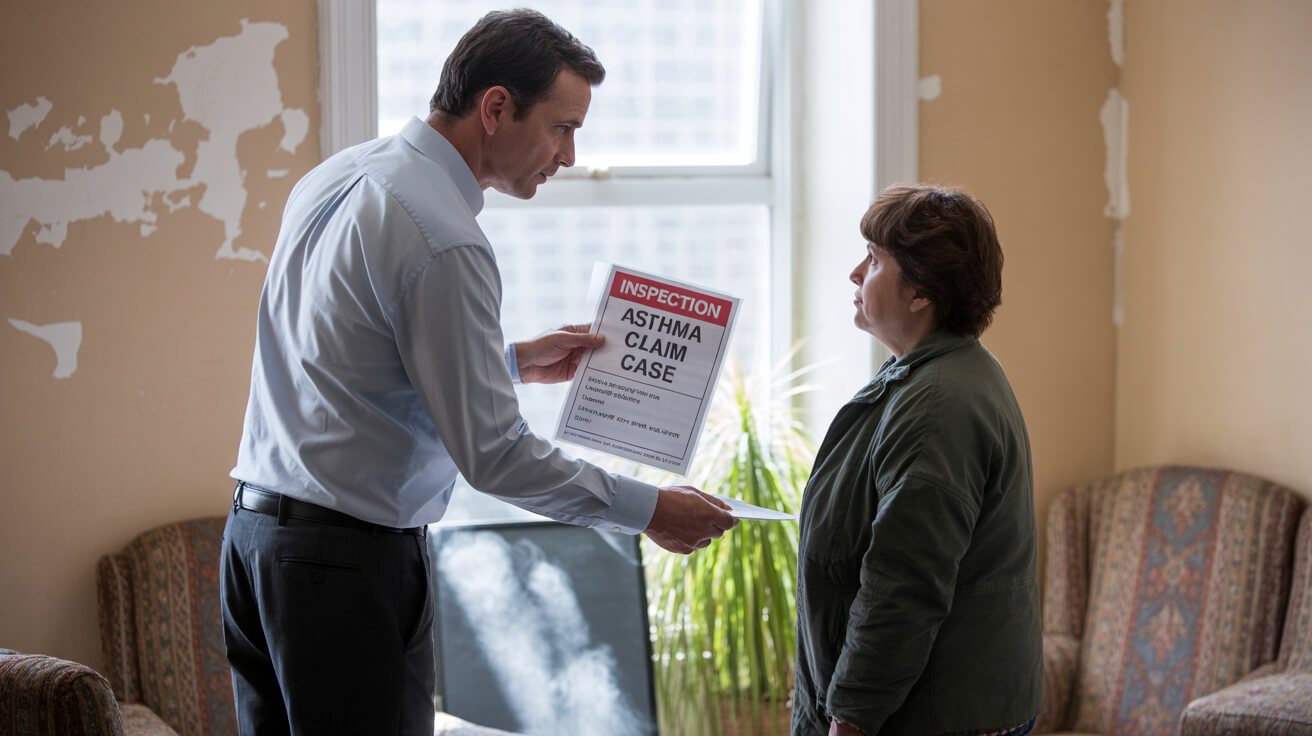
There’s nothing quite like the frustration of a Christmas leak, only to find phones ringing out and inboxes full. Yet if someone’s health or safety is threatened—or rooms are becoming uninhabitable—tenants have both rights and a practical duty to act. Think “documented self-defence,” not “heroics.”
When official help is out of reach, your best weapon is calm, documented action—backed by common sense.
Safer, Smarter Moves for Tenants
- Evidence matters above all: Photograph or record video with timestamps showing the problem and what you did, plus all messages, calls, and attempted contacts (emails, texts, agent portal messages).
- Try every contact point: Don’t just leave one voicemail; email, message, or use any official portal—cast a wide, logged net.
- Prioritise ventilation and isolation: Open windows and doors if it’s secure and not freezing, to dry things out and limit mould. Keep children, elderly, and those with breathing issues clear of the affected area.
- Move valuables and soft furnishings out: Even if the leak’s origin seems small, water and mould spread fast.
- Call emergency damp or plumbing pros (like Sussex Damp Experts): only if danger is immediate, and always keep your receipts and ask for a written or emailed report.
- Contact Environmental Health or the local council: if nobody responds and significant harm or hazard is present.
What to Never Do in a Christmas Damp Emergency
- Don’t try dangerous electrical or structural repairs yourself.
- Never hand over cash to a cold-calling “contractor”; only use accredited, reviewed local pros.
- Don’t rely on spoken agreements—get everything on file or in writing, even if it’s just a summary email after a phone call.
Good records and good judgement win disputes—every time, everywhere.
How Should Landlords Prepare to Handle Damp Emergencies, Even Over Christmas?

Landlords who “sleep easy” during the holidays usually did most of their work before the holidays started. Emergency planning isn’t an extra; it’s the core of protecting property, tenants, and your reputation—especially when normal service vanishes at Christmas.
The time to fix your emergency plan is *before* the first Christmas song hits—panic-proofing pays dividends, holiday or not.
Bulletproof Your Christmas Emergency Protocol
- Out-of-hours contacts on hand: Give every tenant a clear, simple emergency contact list. That way, nobody’s scrambling for a plumber or damp expert at 11pm on Christmas Eve.
- Clear guidance on “must act now”: Share in writing which issues require same-day reporting versus ones that can safely wait, so tenants aren’t second-guessing themselves.
- Book local, insured contractors early: Line up reliable trade partners (like Sussex Damp Experts) who confirm holiday and out-of-hours coverage. Get it in writing.
- Check and clarify your landlord insurance: Know—before the holiday—which emergencies or late-night callouts are covered, and what “evidence” the insurer expects after a claim.
- Maintain a live log of all reports and responses: Digital is best—if a tenant reports a leak at 4am on the 25th, you need a record when the council or your insurer asks about your response time.
If Repairs Truly Can’t Happen
- Proactively empower tenants to spend up to a reasonable amount with listed, insured contractors (and reimburse them with no quibbles—receipts required).
- Halt minor works or finishing, but never ignore safety, “make safe” steps, or urgent action. If needed, document your “best effort,” not just your intentions.
The best emergency processes are simple, written down, and shared before there’s trouble. All drama, no confusion.
What Will Emergency Damp Repairs Cost Over Christmas—and Can Insurance Help?
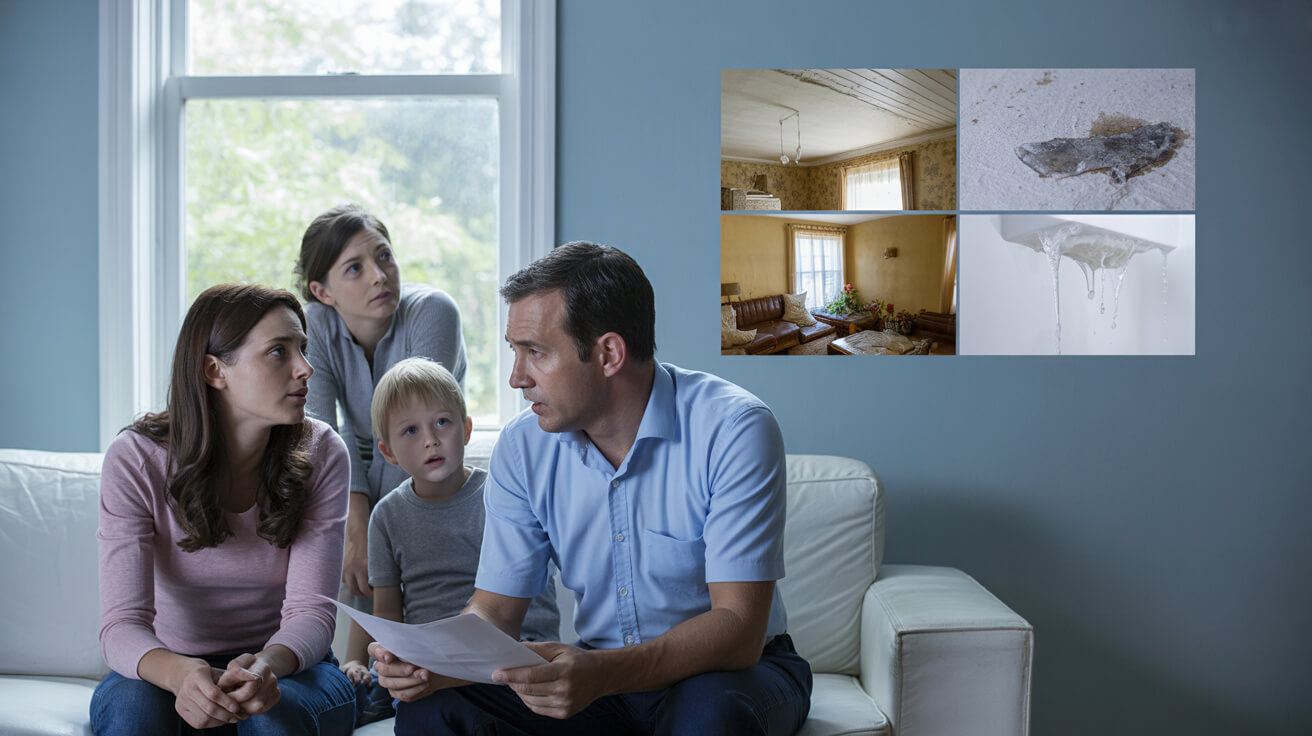
Every experienced property owner expects a festive surcharge for late-night or holiday emergencies. Fewer workers, surging demand, and slower materials delivery all drive the price up—while insurers get pickier when evidence is thin or delays are long. The only way to keep costs—and claims—under control is with planning and perfect records.
Delay into Christmas week, and yesterday’s £700 repair becomes today’s £1,300 emergency bill—plus sleepless nights for all.
The Real Numbers—And Where Insurance Fits
Estimated cost uplifts:
| Service | Normal (£) | Christmas/Emergency (£) |
|---|---|---|
| Basic Damp Survey | 120–250 | +75–200 |
| Emergency Trades Call-Out | 120–250 | +100–300 |
| Major Repairs (structural) | 600–2,500+ | +15–35% surcharge |
Last December, Sussex Damp Experts recorded repair costs as high as double typical rates where early warning signs had gone unanswered in November.
Landlord insurance: Most policies can cover significant structural repair from emergency leaks or damp, if actions were prompt and evidence (photos, timelines, receipts, contractor notes) match the claim. Slow or poor documentation is the most common reason for a rejected claim.
Tenant insurance: Almost never covers the building—personal goods only, sometimes subject to strict limits and exclusions. Confirm policy details before relying on a payout.
What to do: Don’t wait for a contractor or insurer to “let you”—document everything, act safely, and build an evidence pack before and after repairs.
Landlord and tenant alike: make safe promptly is more important than make perfect. Insurance chases proof, not excuses.
What If Every Damp Expert Is Booked and Repairs Can’t Happen?

No plan survives a blizzard, busted van, or Covid wave. Sometimes, despite smart prep, there are just no available hands, parts, or trades left for days. In those moments, good intent, safety steps, and a crystal-clear audit trail matter more than “miracles.”
If repairs can’t happen now, do what you can—no court, insurer, or official can penalise you for acting in good faith.
Best-Effort Mitigation When No One Is Available
For tenants:
- Relocate family and heirlooms away from the affected zone.
- Mop or soak up standing water; ventilate carefully if it won’t freeze or risk security.
- Document every call, attempt, and message for help.
- Escalate severe health or safety concerns using council emergency numbers or 999, if lives are at risk.
For landlords:
- Tell tenants (in writing) they can call named emergency trades, up to a specific amount, and will be reimbursed promptly.
- Notify insurers as soon as you know there’s a serious risk—even if the repairs can’t happen yet.
- Record every failed contact attempt, and retain proof of which firms you reached and when (screenshots help).
- Advise tenants to quarantine affected areas, use electric heaters only if safe, and ensure nobody sleeps in high-risk rooms.
These steps won’t just help contain the problem—they may be the final proof you acted correctly if a council, insurer, or tenant’s solicitor ever challenges your conduct.
How Much (and What Kind of) Proof Do You Need for Insurers, Councils, or Court After a Christmas Damp Emergency?
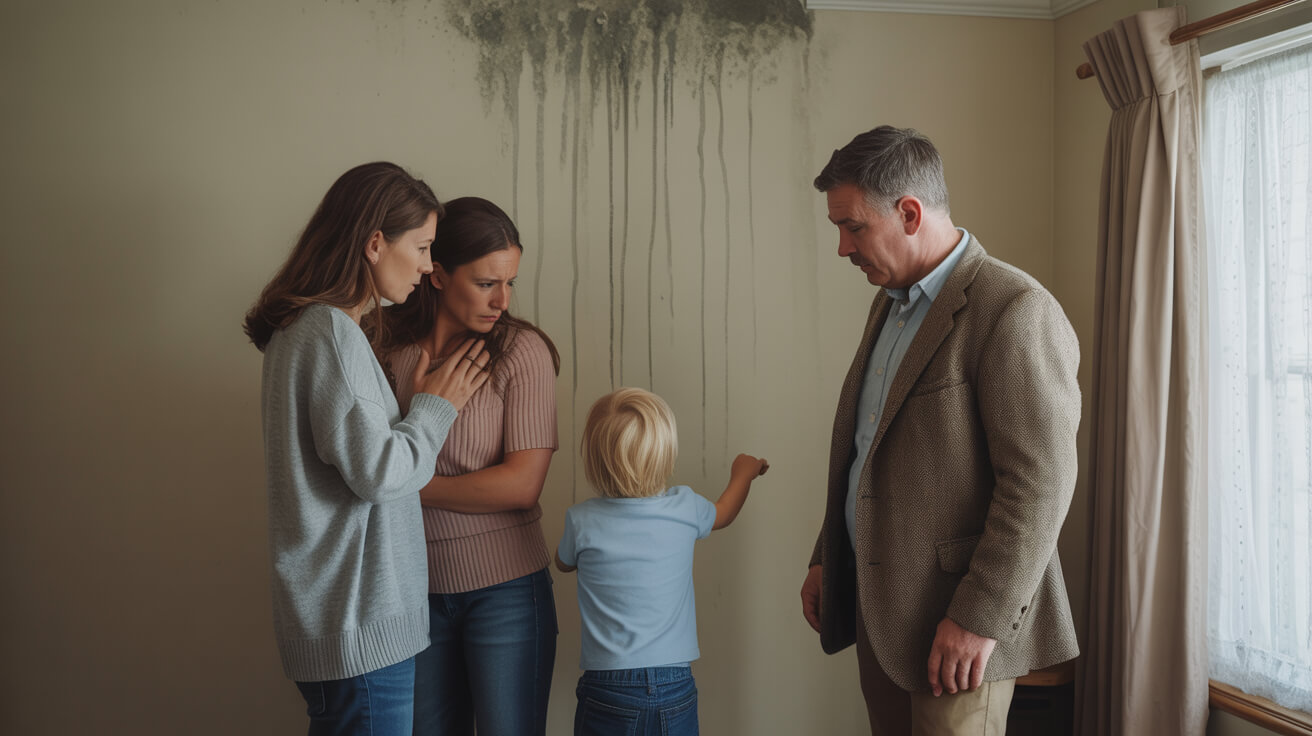
Winning with insurers, councils, or—if it comes to it—judges isn’t about the emotion you express, it’s about what you can show on paper. The holy trinity: visual evidence, a robust log, and documented authorisation. Missing any one can sink a valid claim, or slow everything while tempers rise.
A rushed photo beats a perfect excuse—records win, hope loses.
Your Essential Evidence Pack
- Photos and videos, clearly showing onset, escalation, and attempted fixes or containment: —ideally time and date-stamped (mobile device or camera EXIF data).
- Written logs of all communications: , including emails, texts, portal messages, and call attempts—keep messages short, clear, and factual.
- Copies of contracts and insurance policies: —to show what must be done, by whom, and how fast.
- Receipts and invoices from all contractors: —especially those called out for urgent action; always ask for a written statement on what was found and what was done.
- Landlord written authorisations for tenant action: , and tenant written notices or “refusals to act”—that’s your proof if disputes ever arise.
A well-organised file, scanned and backed-up, turns a stressful Christmas incident into a defensible claim—whether you’re the landlord or tenant.
Insurance assessors and councils work from facts—not stories, anger, or apologies.
The Smartest Move: Don’t Let Damp Ruin Next Christmas—Prevent Early
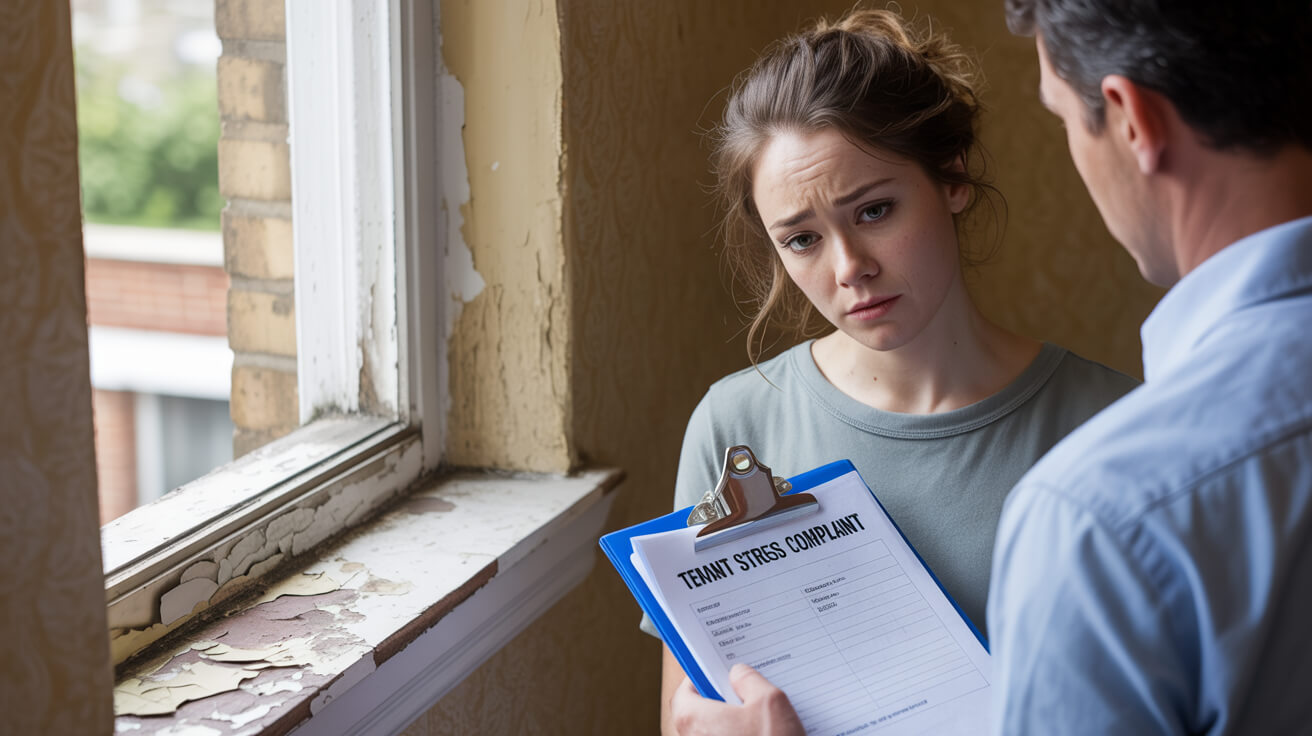
It’s easy to ignore a cold patch or drying stain in autumn, but December brings the price. Preventing a Christmas damp disaster happens in advance—before the darkness, before the heavy rain, and long before the trades shut down for family and festivities.
Next year’s stress-free, dry, and healthy Christmas starts with one autumn check, not a Boxing Day panic.
For Landlords
- Pre-winter damp checks for gutters, pipework, basements, external walls, and common trouble spots. Book inspections in September or October.
- Confirm every tenant and managing agent has up-to-date, easy-to-read emergency numbers and action plans in writing.
- Clarify and document who’s empowered to authorise and spend on urgent repairs when you’re away.
- Review and keep current insurance coverage—including fast-response trade partners with holiday availability.
For Tenants
- Report leaks, stains, musty odours, or persistent cold walls as soon as you notice them in autumn or early winter (not after the Christmas tree is down).
- Use heating and ventilation as directed—don’t blockade vents, and ask for guidance if unsure.
- Request landlord or agent updates on emergency coverage or protocols early in December.
- Keep proof of every report, agreement, and action in one folder (hard copy or digital).
Damp never rewards the procrastinator—every issue delayed before Christmas doubles in cost, hassle, and risk.
Never Face a Damp Disaster Alone—Sussex Damp Experts Are on Call
Even on a silent, snowy Christmas when most are off the tools, Sussex Damp Experts keeps the switchboard live for real emergencies. If your home, tenants, or business walk into a damp disaster, fast, accredited, regulation-compliant Emergency Damp Repairs help is at hand. Whether you need an urgent assessment, a critical first fix, or watertight documentation for insurance, we make sure nobody faces the cold, the dark, or the damage alone.
This Christmas, the best gift is a simple one—no damp, no drama, no regrets. That’s the Sussex Damp Experts promise.
Frequently Asked Questions
What silent signs signal that a minor damp issue is about to explode into a property emergency?
A damp stain left to itself is rarely just cosmetic—subtle warnings often mark the line between inconvenience and a true emergency. Look for persistent musty odours that grow stronger overnight, unexpected cold patches on internal walls (even when heating is on), or hairline cracks in plaster running from floor level upwards. Each is the building’s warning flare that moisture is moving beyond the surface and may be quietly damaging wires, joists, or sockets.
In Christmas week, small leaks might seep into electrics, set off tripped circuits, or start dissolving skirting boards. Sussex region surveys report a 17% seasonal spike in “domino failures,” where neglected early-stage damp leads to secondary issues and Emergency repairs for sticking doors, stubborn windows, and even boiler faults linked to hidden moisture. This escalation often brings insurers and emergency services into the picture—not just maintenance teams (UKHSA, 2022).
“If a wall feels unusually cold—or you notice fizzing paint or damp shadows near sockets—investigate before your holiday becomes a disaster.”
Key early warning signs not to ignore:
- New, patchy cold spots or ‘sweaty’ walls near electrics or appliance outlets
- Mould or moss suddenly appearing in window reveals or behind curtains
- Warped, swollen, or spongy flooring in kitchen and bathroom zones
- Plaster flaking off at ankle height—especially after frost or heavy rain
Your rapid response—armed with photographs and a call to Sussex Damp Experts—prevents routine repairs from morphing into legal or health emergencies. Early action can save you thousands in restoration and loss of amenity.
How do tenancy laws and insurance interact when Christmas brings damp chaos?
Damp doesn’t respect holidays; neither do your statutory rights as tenant, landlord, or owner. English law pegs landlord duties not just to the calendar, but to “fit for habitation” standards (Homes Act 2018) and the urgent response threshold set out in BS6576 and HHSRS. If wet walls or mould undermines habitability—even on Christmas—it demands swift action. Delay, whether from an out-of-office agent or “closed for the holidays” email, will not shield landlords from liability.
Landlords must prove they both acted on reports and empowered tenants for emergencies: written protocols, budgets, and fast communication logs are their legal buffer. For tenants, “constructive notice” means documenting issues with time-stamped images and messages—then using a contractor ranked for both legal and insurance acceptance, like Sussex Damp Experts, if access to the landlord fails (Shelter, 2023).
“A property’s legal status doesn’t freeze for Christmas: proof and prompt repair keep all parties on the right side of law and insurance.”
The compliance/cover checklist:
- Written guidance for tenant-initiated repairs with pre-set spend
- Insurer-endorsed contractor lists accessible to all parties
- Explicit handover and evidence procedures for every repair, from initial call to signed-off finish
With these, you’re more than covered—you’re in control if the worst unfolds over the holidays.
What practical steps shield you and your home if you can’t reach help in a holiday emergency?
When every number you try goes to voicemail, documentation and targeted action prevent disaster and protect your legal footing. Begin by capturing every detail: wide-angle photos of the first sign, close-ups of problem areas, a video sweep documenting water movement or widespread condensation. Then, detail every attempt at communication—calls, emails, portal tickets—and time each one.
If you face water near electrics or a leak that endangers vulnerable building occupants, consider safe isolation of power at the consumer unit for affected zones. Move children or at-risk adults away from suspect rooms and close doors to limit mould and moisture spread. Specialist guidelines recommend opening windows for controlled ventilation (even in winter), as many adverse health outcomes link directly to high, trapped humidity (NICE, 2021).
Emergency teams—Environmental Health or Sussex Damp Experts—may be able to attend regardless of festive closures, especially if you provide clear records and demonstrate urgent risk. Retain receipts, notes, and all evidence; these documents win insurance claims and satisfy housing authorities during investigations.
In a holiday damp crisis:
- Collect and save every item of evidence—images, clips, call logs—immediately
- Note health symptoms: asthma, coughing, headaches can shift urgency classification
- Contact local council teams for environmental hazard advice or redress (many maintain skeleton staff year-round)
Being the one who documents and acts—rather than waits—protects your property rights and health, even during December’s quietest nights.
Why does a landlord’s pre-Christmas damp plan matter more than a “wait until January” fix?
From the outside, property crises might seem distant—until a sudden Christmas damp emergency brings reputations, tenant trust, and asset value under the spotlight. Experienced landlords don’t just react; they build a proactive system for Emergency Damp Repairs. This includes written Christmas-response checklists with emergency contacts, agreed escalation steps for tenants, and spending permissions for urgent repairs (up to a safe, set limit).
Agents and building managers enhance resilience when they maintain direct lines with top-tier, insurance-approved contractors such as Sussex Damp Experts. Doing so not only satisfies insurer and council scrutiny, it also reassures tenants that help will actually arrive. Transparency turns accidents into managed incidents, while last-minute improvisation often leads to loss and legal exposure.
“A property portfolio’s strength is measured by its ability to handle crisis with speed and clarity—not by luck or hope.”
Core elements of a robust Christmas damp plan:
- Documented, pre-shared repair authorisation for tenants (with strict spending and scope brackets)
- 24/7 access to accredited contractors and local authority hotlines
- Workflow maps for both digital and phone-based alerts, all generating provable time-stamps
In the best-run properties, emergencies are contained and resolved—giving owners and occupants confidence, no matter the calendar.
What will Christmas callouts and emergency repairs really cost—and how can you limit liability?
Seasonal surcharges are as predictable as rain in Sussex: with fewer contractors, higher demand, and challenging conditions, the cost of an emergency damp survey or urgent DPC instal is markedly higher come December. For instance, rapid response work that’s £170 on a Tuesday in March may top £400 on Boxing Day. Add material costs and overtime rates, and a routine fix can balloon rapidly.
Yet, well-documented urgent repairs using PCA-accredited teams are the cornerstone of most successful insurance claims. Your costs are much more likely to be reimbursed if you act within policy rules, use recognised professionals, and notify insurers early (ideally within hours, not days). Incomplete evidence, delays, or unaccredited work invites disputes or rejected claims—even when the crisis is genuine (Aviva Claims Data, 2022).
How to keep emergency repair costs and risk under control:
- Agree and log pre-authorised limits for holiday repairs with all tenants before December
- Choose contractors known for their insurance, compliance, and documentation skills
- Time-stamp every action and communication—proof trumps explanation when claims are reviewed
Early, strategic preparation puts you on firm ground to recover costs and justify every penny spent when the holidays bring property trouble.
What evidence and record-keeping strategies guarantee post-Christmas damp claims won’t be rejected?
Insurers and councils aren’t swayed by drama—they’re persuaded by meticulous, chronological files. That means beginning every repair event with photographs featuring date-stamps, wide-room shots, and proofs of each step: discovery, reporting, escalation, actual works, and post-repair checks. Every voice mail, email chain, and WhatsApp screenshot becomes useful when disputes arise.
Strong records don’t just defend claims—they speed up payouts and reduce the risk of counter-claims by clarifying who acted, when, and why. Sussex Damp Experts supply formal engineer reports—respected by underwriters and local councils—alongside annotated photos, receipts, and compliance documentation, all compiled for your ultimate peace of mind.
“Authorities and insurers work from what’s documented, not what’s described—let your records tell the property’s story.”
Checklist for rock-solid post-emergency files:
- Photographic evidence: clear, multi-angle, with dates and descriptions throughout process
- Complete communications log from first report to final repair (calls, texts, emails, portals)
- Contractor credentials and compliance statements on file
- Formal “return to safe use” sign-off where health or safety was threatened
This disciplined approach won’t just win the claims—it affirms your role as a responsible owner, tenant, or manager dedicated to effective property stewardship, rain or shine.

