
 By
By  August 26, 2025


Why Are Ventilation Standards the Quiet Backbone of Property Health and Value?
If you only think of ventilation as “window open, job done,” you’re already at risk. When building codes, especially Part F of the Building Regulations 2010, demand strict airflow targets, it’s not administrator overreach—it’s frontline defence. A poorly ventilated property is a magnet for condensation, hidden mould creep, and silent health threats. Ignoring the air you can’t see invites not just peeling paint and swollen wallpaper, but legal claims, lost property value, and visits from council inspectors—because Ventilation paperwork isn’t a formality, and it packs more punch than a damp patch ever could.
A room that can’t dry out is a room where reputation and resale value quietly drain away.
For every visible stain, there’s unseen risk: the Building Research Establishment’s surveys show over 20% of UK homes fail to meet minimum ventilation standards (BRE, 2021). This failure isn’t academic. Cases like Awaab Ishak’s tragic death have accelerated new legal powers. Council teams now show up not to “take a look,” but to demand documented proof that proper airflow is built in and working. Ventilation paperwork isn’t just admin at that point; without it, invisible liabilities pile up—attracting insurers’ caution, buyers’ doubts, and tenants’ formal complaints.
When the market expects transparency, regulations transform from guidance to gatekeeper: No clear airflow data, no sale. No documented compliance, no rental peace. If you’re a landlord, survey client, portfolio manager, or even a residential owner prepping a mortgage, the air moving through your walls could make or break your next deal.
Does Part F Apply to Every Building—or Can Tradition, Age, or Heritage Be a Shield?

Assume nothing gets a free pass. Whether your property is Victorian, a modern flat, a timber-frame cottage, or a postwar semi, if someone lives there, Part F applies—period. Relying on “historic status” or quirky layouts to dodge compliance will backfire at survey stage or in a tribunal.
Heritage features? They might raise design challenges, but do not erase requirements. Listed and conservation properties see special guidance—how you achieve compliance may differ, but the airflow target remains. Mortgage brokers, estate agents, and housing associations pay close attention: lenders flag any missing or outmoded evidence, and local authorities escalate quickly if tenants complain and no commissioning log is ready to hand (HHSRS).
Energy upgrades—double glazing, insulation, retrofits—can trip unwary owners. The tighter you seal a building, the more often you risk non-compliance unless upgraded ventilation keeps pace. Forgetting this isn’t a passive mistake; it’s an active liability.
Surveyors and portfolio managers: memorising “grandfathered rights” or hoping for on-the-spot forgiveness is a losing bet in 2024. Buyers, tenants, and their legal teams all know the new expectation: if you can’t show performance, value and progress stall.
What Are the Hidden and Overt Costs for Ignoring Ventilation Law?

Damp isn’t patient. Fines can look theoretical until a condensation complaint becomes medical evidence—or a tenant claims “unfit for habitation.” Under HHSRS and Awaab’s Law, council fines reach £5,000–£30,000 when landlords or owners fail to maintain proper airflow, including problems caused by underspecified ventilation systems (Nuaire). These penalties don’t stay on paper: local authorities fine and escalate, while legal teams now use missing logs or absent system updates to void insurance or force costly remediation.
Ventilation paperwork isn’t bureaucracy—only a live, measured system keeps you out of the firing line.
Mortgage refusals and stalled sales are now common where surveys turn up missing or backfilled records—“as built” or “just installed” is not enough. Insurers can reject claims post-damage if your last upgrade or repair lacked signoff or certified testing. In leasehold or commercial properties, missing logs trigger disputes, costly delays, and—if tenants get sick—potential prosecutions.
Everyone talks about visible damage, but the most expensive risks are invisible: lost months on the market, a failed mortgage, and solicitors’ fees all triggered by unchecked or undocumented condensation.
What Are the Minimum Standards Now—And How Has the Bar Shifted Since 2022?

The 2022 Part F revision set a new bar: proven, quantifiable fresh-air rates per room, not just a “vent present” sticker. Good enough no longer passes muster. For a one-bedroom flat, that’s 19 litres/second in living rooms, plus 6L/s per bedroom or, for larger dwellings, 0.3L/s per m² (cef.co.uk). Kitchens must shift at least 60L/s with cooker hoods on; bathrooms need extractor fans delivering 15L/s and proof those rates are met—not just “installed to spec.”
A working vent with no measurement is like a lock with no key.
Refurbished and upgraded homes, especially those with “tight” envelopes—energy-efficient doors, new glazing, or insulation—are under new scrutiny. Every habitable room requires a minimum 8,000 mm² trickle vent (or mechanical equivalent) so trapped humidity doesn’t build up overnight (constructionwiki.co.uk). Mechanical ventilation (MVHR, PIV, DMEV) is often a must for new builds, which must not only comply but automate and document performance, giving you a digital trail from day one.
Surveyors and compliance managers focus on one thing: demonstrable performance. They want live airflow data, installer declaration, and logs that can stand up to legal or resale scrutiny. A vent that doesn’t hit the bar is a red flag for any next step, from letting to refinancing.
How Do You Build a Compliance Trail That Mortgage Panels, Buyers, and Councils Trust?
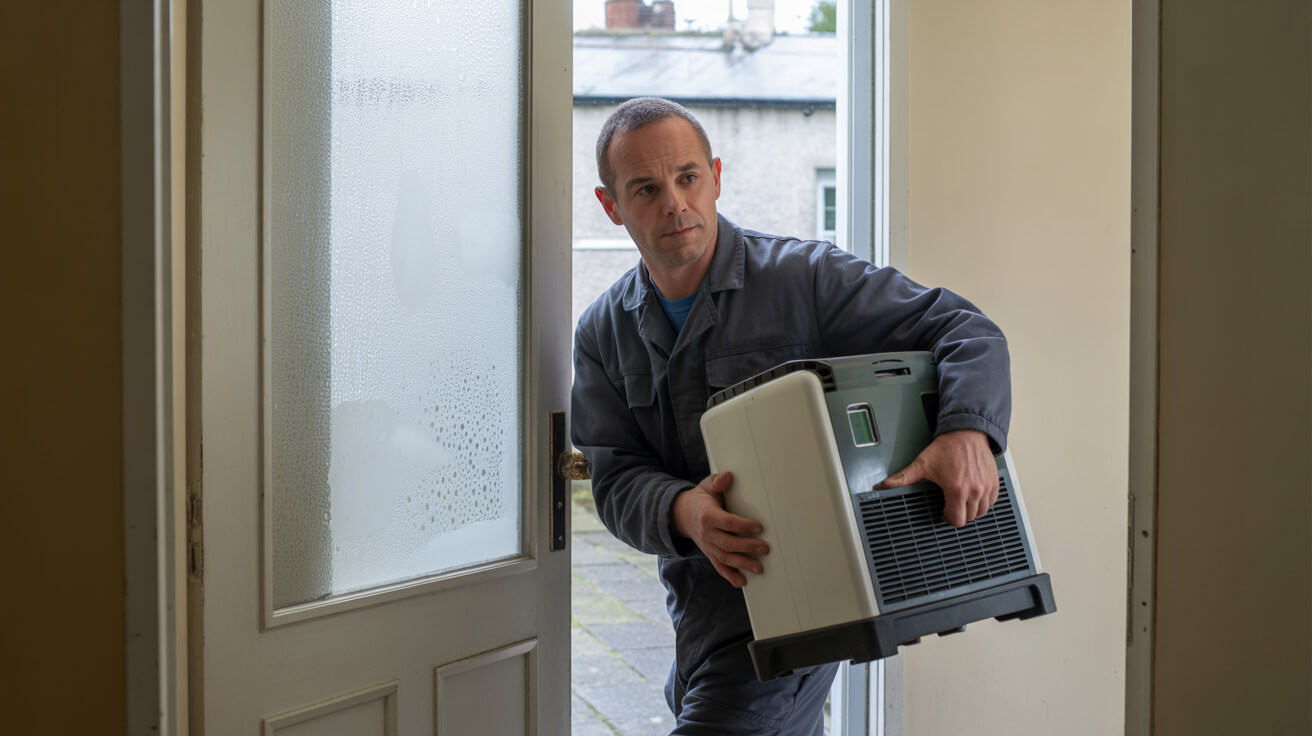
The only “proof” is a commissioning log—a per-room, per-system record showing what was installed, when, by whom, and, crucially, the tested, measured airflow achieved on commissioning (venti-group.com). This is not optional paperwork: without it, you own the risk for sales delays, insurance denials, or legal claims from dissatisfied tenants.
Everything—extractor fans, vents, and whole-house systems—must be tested after installation by a competent pro. They’ll use calibrated anemometers, log airflow for each location, and sign off on site. Keep this file alongside before-and-after photo evidence, system diagrams, labels, and equipment model IDs (gov.uk).
A fan on the wall means nothing without a tested log—your insurance or buyer demand hard evidence.
Digital storage is your best tool. Landlords and property managers increasingly digitise all logs, with cloud access for instant sharing. This accelerates survey approval, unblocks mortgage or refinancing, and eliminates last-minute scrambles.
What Documentation Actually Unlocks Sale, Let, or Insurance Success?

Documentation is not just “box ticking”; it’s the lever that releases or withholds asset value. Core requirements:
- Commissioning Logs: Each fan, vent, or system is listed with model, location, instal date, airflow test result, and signoff.
- Photo Evidence: *Before* and *after*, showing both old conditions and new compliance features.
- System Diagrams: Annotated plans or schematics mapping airflow paths, showing exactly where and how each element functions.
- Component Labels: Every vent/fan labelled with instal date and ID.
This bundle will be checked at:
- Property sales and refinancing:
- Lettings or tenancy renewals:
- Insurance investigations:
- Council HHSRS or fit for habitation inspections:
If you cannot supply these in the moment, negotiation leverage drops, offers decrease, and legal risk rises.
How Does Proper Aftercare Preserve Your Compliance, Value, and Peace of Mind?

Winning with compliance is not once-and-done; aftercare is the active shield that guards value year-on-year. This includes:
- Scheduled maintenance: Cleaning fans and vents, replacing filters, and checking against blockages or mechanical decline.
- Annual airflow re-testing: Keeping up-to-date commissioning logs that prove continued compliance.
- Cloud-based storage: Ensures instant access and backs up your documents against loss or IT mishap.
- Forensic aftercare: Partnering with a specialist like Sussex Damp Experts means not just system reliability, but instant documentation recall for sales, disputes, or inspections.
A lost vent log or skipped annual check can torch four-figure value in hours.
Smart landlords and managing agents treat aftercare as insurance: it’s the fastest way to recover from disputes, the sharpest tool for boosting trust with buyers, and the quiet asset that proves you run a professional, accountable property.
Why Sussex Damp Experts Are the Market’s Leading Compliance Partner

Not all services are created equal—and for building airflow, the difference is day and night between a box-ticker and a specialist. Sussex Damp Experts goes beyond “problem spotting” by providing:
- Context-driven design: No two sites, tenants, or uses are identical. Every survey and upgrade is engineered to local construction, use, and specific risk factors.
- Evidence-first delivery: You receive *commissioning logs, airflow readings, labelled diagrams, and photo proof*—not just “job sheets.”
- Ongoing support: We structure maintenance, reminders, document vaulting, and tech upgrades (like remote monitoring) to keep you ahead of flashpoint legislation.
- Stakeholder assistance: From technical detail to dispute strategy, our documentation is structured to unlock sales, appease surveyors, and pass even the harshest council or lender scrutiny.
When the market demands evidence, we make it part of the building’s DNA—never an afterthought.
Portfolio owners, letting agents, and homebuyers choose Sussex Damp Experts because our standards unlock deals and shrink legal exposure, not just wipe up after the fact.
Secure Your Peace of Mind with Bulletproof Ventilation Compliance
Your property’s resale, rental confidence, and legal safety all balance on whether you can prove what you claim—live, in the moment, every time someone checks. With Sussex Damp Experts, you do more than comply—you leverage compliance into higher value, lower stress, and a safer, healthier property for everyone involved.
Don’t risk an expensive scramble or lost leverage with missing paperwork or second-hand guesswork. Book your forensic ventilation assessment now—and sleep easy, knowing every box is ticked, every law is met, and every challenge is already answered.
Frequently Asked Questions
How does Part F legal ventilation directly keep homes and investments safe from damp and mould?
Part F sets enforceable airflow standards that turn every room in your home into a managed system, continuously stripping away the moisture fuel that mould and decay need to take hold. Instead of crossing your fingers with a fan, an open window, or even positive input ventilation, the law specifies how much air must move—measured, certified, and logged—from kitchens, bathrooms, and across living spaces. A typical one-bedroom flat must see at least 19 litres per second extracted, with kitchens and bathrooms demanding more aggressive rates (up to 60 l/s via a cooker hood). Miss these targets and your “ventilation” is legally invisible—deals collapse, mortgage lenders walk, and councils block lets or levy fines on the spot.
The real-world advantage? These tested systems quietly prevent the silent build-up of airborne water that soaks into cold walls or timber. Modern insulation, double glazing, and room upgrades make homes air-tight—but also trap moisture, which is why certified mechanical ventilation is no longer optional, especially where underspecified ventilation systems fail to move enough air. Surveyors, lenders, and agents now check the paperwork before they even look for stains. With the right records, you can fend off both damp and legal disputes before they begin.
Paperwork outlasts patchwork—a certified airflow log keeps regulators and rot at bay long after the paint dries.
Ventilation targets that actually prevent mould
- One-bed flat: At least 19 l/s for continuous extraction; add 6 l/s per extra bedroom
- Kitchens: 60 l/s via hood (30 l/s wall fan minimum)
- Bathrooms: 15 l/s minimum mechanical extraction
- Background trickle vents: 8,000 mm² free area for habitable rooms
Every number comes from real-world physics: if you can’t prove the air is moving, future repairs, insurance and surveys hang in the balance.
Why won’t opening windows alone protect against condensation or black mould—especially in modern homes?
Opening windows “when it feels stuffy” may have worked in cold, draughty homes—but upgraded properties seal water in almost as tightly as heat. Window use is sporadic at best, and cold weather puts every incentive on keeping them firmly shut. Condensation, however, doesn’t wait: your breath, boiling kettles, and that hot shower all pump litres of moisture into the air. Without a certified, always-on mechanical system, such as positive input ventilation, moving this air out, what you can’t see quietly condenses in corners—priming unseen black mould outbreaks.
Official guidance and laboratory tests prove that “window airing” rarely achieves the 8–12 air changes per day needed in winter. Most homes in the UK now fall short of Part F-compliant extraction unless systems are commissioned and certified. Black mould and musty odours nearly always begin where humid, stagnant air can settle—like behind wardrobes, in boxed-in corners, or after insulation upgrades.
The colder the day, the tighter you shut the window—and the faster invisible moisture plants tomorrow’s black mould.
Proven differences between window airing and tested mechanical ventilation
- Window opening delivers unpredictable airflow: —especially when residents are concerned about security or heat loss.
- Commissioned system extracts vapour 24/7: , preventing build-up even when you’re not home or overnight.
- Solid evidence: BRE studies show mechanical systems cut condensation risk by more than 60% compared to “window airing” alone.
- Landlord complaints jump after upgrades: without legal airflow—tenants rarely keep windows open as required in tenancy handbooks.
Insist on systems that beat condensation every day—not just when someone remembers to air out the room.
What penalties and enforcement risks do landlords and agents now face for missing ventilation compliance?
The legal landscape is unrecognisable from just a few years ago. Under Awaab’s Law and the Housing Health and Safety Rating System (HHSRS), councils can investigate—then penalise—landlords and property managers for missing, untested, or undocumented ventilation. Critically, authorities aren’t waiting for visible mould; the mere absence of a commissioning log, test certificate, or service record can expose you to action.
For any reported damp or air quality complaint, councils now have a 10-day deadline for a full investigation. If paperwork fails, a written remediation plan must arrive inside 3 days and all works completed within 7—or 24 hours if “emergency” health risks are found. Joint liability is enforced: let your agent skip documentation and both parties bear risk. Maximum fines of £30,000 are now routine, and rent repayment orders or letting bans are triggered by missing records—not just missed airflow.
Every missing certificate is a loaded dice—bedroom damp is now a council’s call, not a private warning.
Enforcement escalations for missing or failed documentation
- Mandatory paperwork requests at council inspection or tenant complaint:
- Digital sensor checks: —councils order spot “humidity traps” or system tests on short notice
- Immediate letting bans: if logs or commissioning forms are missing, regardless of actual mould seen that day
- Increasing number of rent repayment orders: awarded for absent ventilation logs, even with undamaged wallpaper
Compliance is proactive—nobody gets to fix gaps with apologies after an audit. The only shield is proof.
How does missing ventilation compliance expose homes to health, asset, and financial damage?
The direct price of missing paperwork is fines and rent loss—but the invisible, creeping toll is on health and property value. In homes with neglected or unproven ventilation, asthma rates and “mystery cough” complaints triple, especially for children and the elderly. NHS and local authority data confirm that properties with absent or expired system logs feature among the highest rates of repeat tenant complaints, forced rehousing, and void periods.
Physical damage is just as relentless. Lack of certified airflow means months of unseen damp, leading to crumbling plaster, hidden timber decay, and massive increases in repair bills down the line. Mortgage lenders now insist on compliance paperwork—one missing airflow log can collapse a sale or trigger insurance claim denials (a 2023 Aviva report found policy denials doubled for missing service records).
| Problem Type | Hidden Exposure Example | Cost or Consequence |
|---|---|---|
| Health | Undetected black mould, asthma | Rehousing costs, health orders |
| Legal | Logbooks missing at audit | Fines, forced repairs, lost rent |
| Financial | Mortgage or claim blocked | Collapsed sales, uninsured events |
| Asset Value | Survey flags incomplete records | Discounted offers, market delays |
| Reputation | Online tenant complaints rise | Negative reviews, lost rental value |
Marginal admin saves major losses—document properly and you protect everything else.
Which properties and client groups are at highest risk from poor compliance—and why?
Every property, owner and agent comes with a risk profile the law now scrutinises. Solid wall terraces, Victorian stock, and insulated flats are bombproof against heat—but highly prone to trapped damp if vents or systems aren’t measured and serviced to modern standards. Social landlords, estate agents—even sellers of single homes—face deal-crippling scrutiny for missing logs, incomplete air testing, or expired service records.
Client groups with the most exposure:
- Multiple property landlords/HMOs: —every address must have full commissioning and service logs, no shared or “portfolio-wide” records allowed.
- Housing associations: —annual evidence checks on every asset, not just the most recent refurbishment.
- Sellers/agents: —buyers’ surveyors and lenders demand airflow test proof and logbooks as part of pre-contract searches. Missing them halts legal process or triggers “retention” deductions.
- Heritage/listed owners: —alternative systems (lime, passive vents) must be supported by commissioning data and test evidence.
One missing certificate can sink a sale or open a council file—not just for mass landlords, but any owner navigating today’s market.
The only thing more expensive than airtight compliance is finding out too late what’s missing.
Sectors/roles most under the microscope
- HMOs/Block managers: Fined for every logbook gap, no exceptions.
- Social landlords: Regulator checks performed every year, every property.
- Sellers, agents: Survey denial leads to offer cuts or legal challenge.
- Heritage properties: Custom solutions need specific approval—evidence is king.
Channel council, buyer, and lender confidence by leading with meticulous, up-to-date records.
What’s required to create bulletproof, dispute-proof paperwork for legal ventilation compliance?
Your compliance folder—digital, physical, or both—should tell the story no auditor can argue with. For each commissioned system, every extractor, and all annual servicing, the following must be present:
- Certified commissioning data showing every as-built airflow rate by room
- Logbooks with service, cleaning, and filter-replacement records booked annually
- Marked floor plans locating every vent, extractor, and intake
- Instant digital access—PDF, app, or photo archive—enabling immediate evidence at short notice
- Remedial works must be documented the moment systems are upgraded or fixed
Buyers and agents now default to requesting these documents during viewings; lenders and insurers demand them before approval. Selling or refinancing? One missing record is now all it takes for a deal to pause or fail. Councils respond instantly to missing, vague, or “assumed” paperwork with bans or improvement orders.
Opting for a managed compliance package from Sussex Damp Experts means you’ll never scramble for evidence or lose asset value to a paperwork technicality. Our clients get annual reminders, forensic airflow data, compliant documentation, and rapid audit response—proven, protected, and ready for the market.
Your records are your evidence—timely, certified, and impossible to challenge.
Essential paperwork checklist for lock-tight compliance
- Individual commissioning certificates for every vented space in every property
- Airflow and filter change logs, kept annually without fail
- Floor plan marking every fan and vent, tied to system IDs
- Backup in cloud or secured drive—no “lost in a drawer” disasters
- Service/repair updates entered in real time, not at year-end scramble
Move from reactive to proactive—compliance makes your home or portfolio safer, more valuable, and future-resistant at every turn.

