
 By
By  July 11, 2025

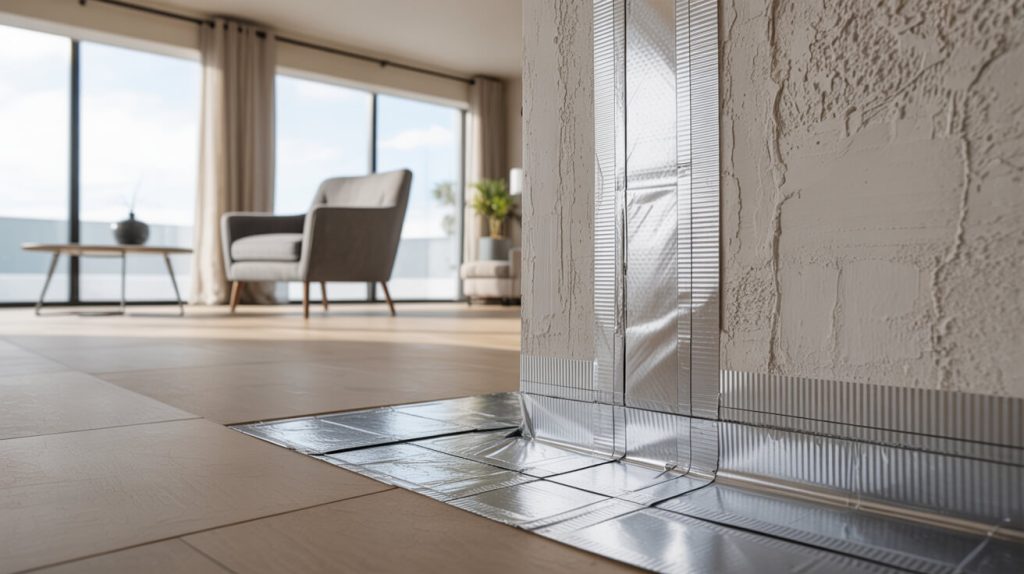
Single Sided Tape Foil (Vapour Barrier) – 75mm x 50m: The Professional Standard in Membrane Sealing
Every project aiming for moisture control, airtightness, and lasting property protection starts with a single, critical decision: whether you specify specialist foil jointing tape or risk future failures with “good enough” alternatives. Single sided tape foil (Vapour Barrier) at 75mm merges airtight bonding, regulatory confidence, and years of field-tested reliability into one product. It is the difference between seamless certifications—and expensive, reputation-damaging callbacks.
Elevating Compliance: Why Tape Width and Specification Matter
Across new builds, retrofits, and heritage renovations, compliant membrane jointing is non-negotiable. Regulations such as BS5250, PAS2035, and Building Regulations Part C repeatedly cite the need for certified, foil-backed tape at a minimum 75mm width. This isn’t an arbitrary standard—building control, insurers, and surveyors all look for it as a sign of due diligence and future-proof execution.
| Tape Spec | Regulatory Acceptance | Installation Risk | Longevity |
|---|---|---|---|
| 75mm Foil VCL Tape | Always accepted | Minimal | 15+ yrs |
| Standard Duct Tape | Rejected/at risk | High | <2 yrs |
| Narrow (<75mm) Tape | Often rejected | Medium | Unproven |
Using anything less is inviting sign-off delays, redo costs, or even insurance rejection after a leak appears. The right tape is the membrane’s silent enabler of project success.
What Property Owners and Contractors Gain by Choosing Specialist Foil Tape
- Immediate audit and survey passability—removes future inspection debates.
- Airtight, high-MVTR bond preserves insulation performance and moisture management.
- Universally compatible with VCLs, gas barriers, and heritage/modern substrates.
- Displayable evidence for clients, tenants, and future property stakeholders.
- Reduced callbacks—your company’s record stays clean, your clients’ investment is preserved.
You won’t find hidden mould on documentation day if every joint is sealed to standard.
When the goal is reputation, compliance, and asset longevity, “close enough” ceases to be an option. You—and the teams who trust your instals—deserve certainty built in from the very first join.
Professional installers, property managers, or developers can request rapid guidance or a spec-matched quote directly through Sussex Damp Experts, ensuring any project moves at pace—without the compliance headaches.
Why Building Regulations and Warranties Are Won—or Lost—at the Tape Joint

Across the property and compliance landscape, membrane tape selection is one of the highest-leverage decisions you can control. Regulatory bodies and insurance providers increasingly demand documentation that pinpoints compliant material use at every step.
Understanding Jointing’s Role in Audit-Ready Installations
Misspecification of membrane tape triggers:
- Inspection fails and occupation delays
- Voided warranties
- Mortgage flagging or delayed property sales
- Loss of insurance coverage on water/gas ingress claims
It is now standard for building control to request instal photos with tape specs visible, especially in properties destined for resale or commercial rent. For portfolio managers, missing or replaced tape after-the-fact leads directly to insurance wrangles and increased operating expense; for heritage custodians, non-compliance may even result in costly remediation mandates from local government and conservation officers.
Regulatory confidence is built before the inspector arrives—the best test is never retrospective.
Simplifying Your Path to Fast Approval
The shortest route to pass is clear: specify, document, and photograph the use of certified 75mm foil membrane tape. Sussex Damp Experts can streamline this by providing compliance packs, instal checklists, and rapid documentation to accompany any instal. This ecosystem of support is what keeps buildings moving forward, not being held up by avoidable paperwork.
What Technical Features Make High-Performance Jointing Tape Essential
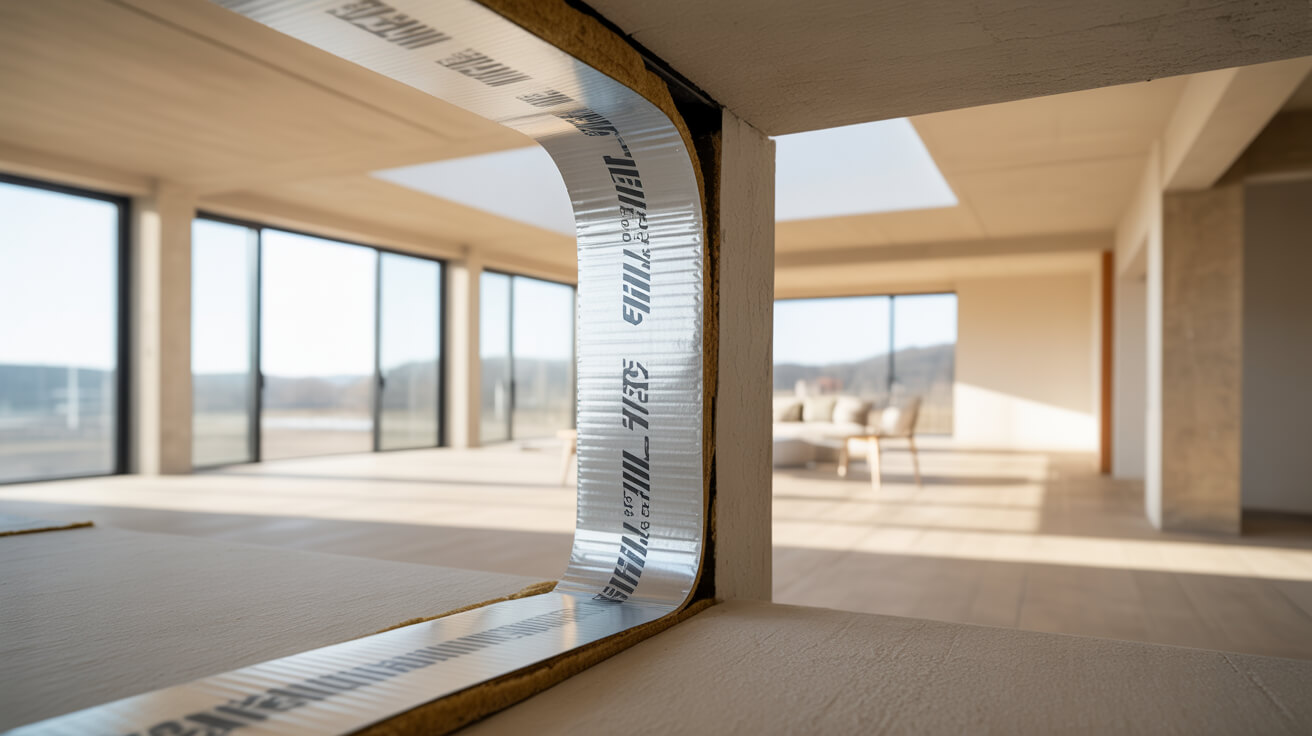
The market today is crowded with tapes pitched as “VCL compatible,” but only certified single sided foil (vapour barrier) tapes consistently deliver on critical specs. The fundamental features aren’t marketing—they are measurable differentiators for those in charge of compliance, low-maintenance, and reduced liability.
The Spec Sheet—Proof of Performance
Core technical features:
- Low Moisture Vapour Transmission Rate (MVTR): Keeps moisture and gases blocked for the lifespan of the joint.
- Adhesion Strength: Resists curl, peel, or slip—even at joint interfaces under stress.
- Certified Foil Backing: Delivers vapour impermeability, chemical resistance, and regulatory confidence.
- Temperature/Installation Range: Instals cleanly in UK winters or hotplant rooms; never “weepy” or brittle.
- Flexible Compatibility: Seals VCL, gas membrane, or hybrid/barrier systems on both classic and modern builds.
| Feature | Performance Benchmark | Key Impact |
|---|---|---|
| MVTR | <0.1 g/m2/day | Long-term moisture exclusion |
| Adhesion | >50 N/25mm | No joint creep or slip |
| Tape Width | 75mm | Universal Building Regs pass |
A surveyor, letting agent, or facilities manager doesn’t have to be an expert in adhesives; they simply need product data that backs up results. Sussex Damp Experts deliver technical documentation with every order—removing debate and doubt for all involved parties.
Why Features Beat Promises
You don’t need slogans—just the certainty that every statutory and physical test is already passed. By referencing technical datasheets in your project files, you armour your role against future query, audit, or dispute. For an up-to-date spec, tap Sussex Damp Experts for direct safety documentation.
How Professional Installation Locks in Zero-Failure Membrane Joints

Regardless of tape quality, failed installations almost always stem from basic process skips. Real project success comes when teams adhere to the steps recognised by audit and warranty providers—achieving “right first time” outcomes.
Certified Process, Resilient Outcomes
Best-practice installation steps:
1. Surface Preparation: Clean, dry, and dust-free.
2. Planned Overlap: Align tape with membrane join with no stretch, buckle, or double-back.
3. Roll for Adherence: Uniform pressure with approved roller—for consistent, maximum seal.
4. Full Documentation: Photos at instal, datasheet in job file, checklist for final review.
Common Failure Triggers and Their Prevention
- Hasty or “out of step” application: Leads to peel or bulge, both likely to be spotted at sign-off.
- Sealing over moisture: Undermines bond, creates invisible failure points.
- Missed transitions (wall to floor, substrate changes): Invites risk at the most common leak zones.
- Unlabeled tape: Opens you to warranty, insurance, or building control challenges.
You can reduce these risks to zero. Sussex Damp Experts can supply stepwise instal packs, on-site instal QC tools, and ready-to-file documentation.
It’s the documented, checklisted instals that don’t haunt you a year after handover.
Where Foil Tape Is Non-Negotiable in Real Projects
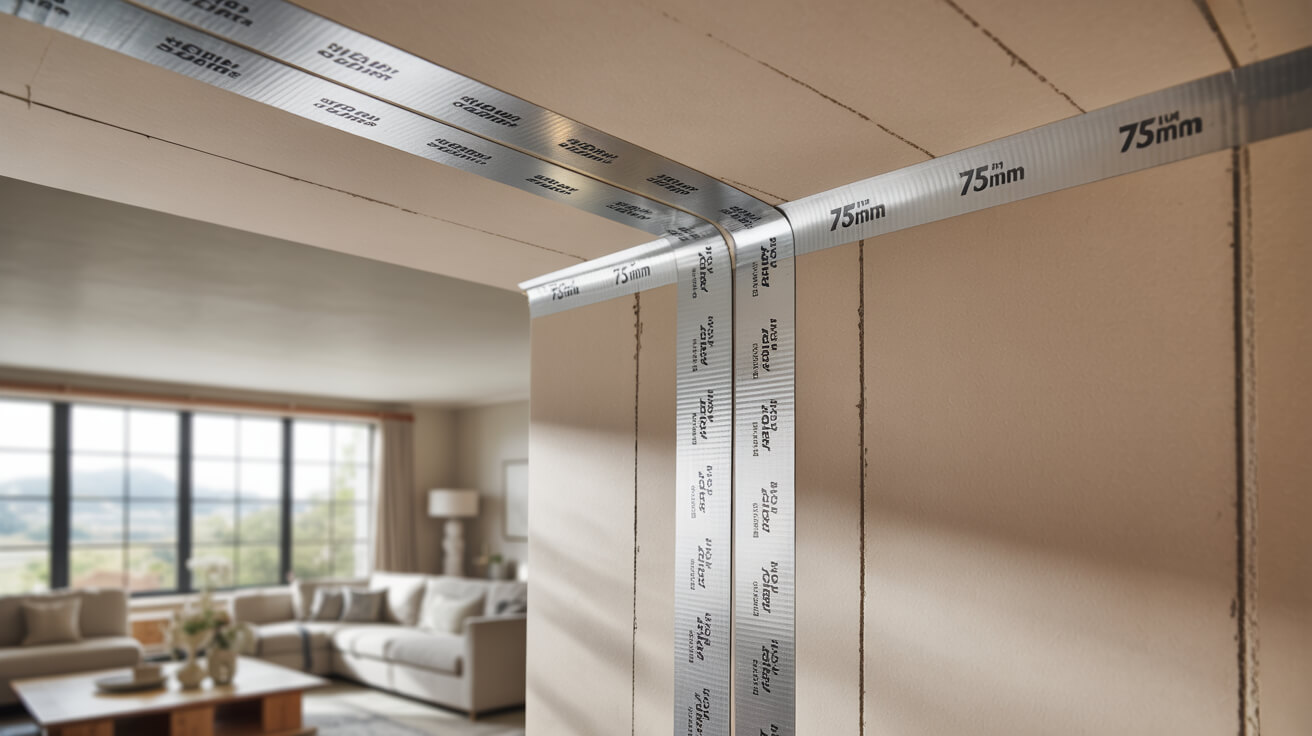
Not all joints are equal; some are hidden hazards waiting to return as expense or compliance failure. Most costly tend to be transitions—floor to wall, internal abutments, subfloor voids, lift pits, and heritage retrofits where original materials meet modern systems.
Trouble Spots: Heritage and Commercial Property
- Wall/floor junctions in cellars or heritage basements (listed care required)
- High-traffic retail or plant rooms
- Exposed external interfaces (porch, entrance, window frame reveals)
- HVAC/drainage penetrations
| Risk Zone | Problem If Untaped | Best Practice |
|---|---|---|
| Basement Wall-Floor | Water ingress, decay | Full-width, foil AVCL tape, mapped photo |
| Gas Membrane Overlaps | Methane/CO₂ risks | Tape with <0.1 MVTR, cert proof |
| Listed Substrates | Audit failure, stop order | Certified, reversible method, photo log |
Landlords and property managers who map these points pre-instal and check at handover report dramatically fewer insurance or tenant claims.
A missing tape on instal day becomes a recurring invoice six months later.
For tailored risk maps and priority zone checklists, contact Sussex Damp Experts and put margin back on your calendar.
What Compliance, Warranty, and Claims History Prove About Tape Choices
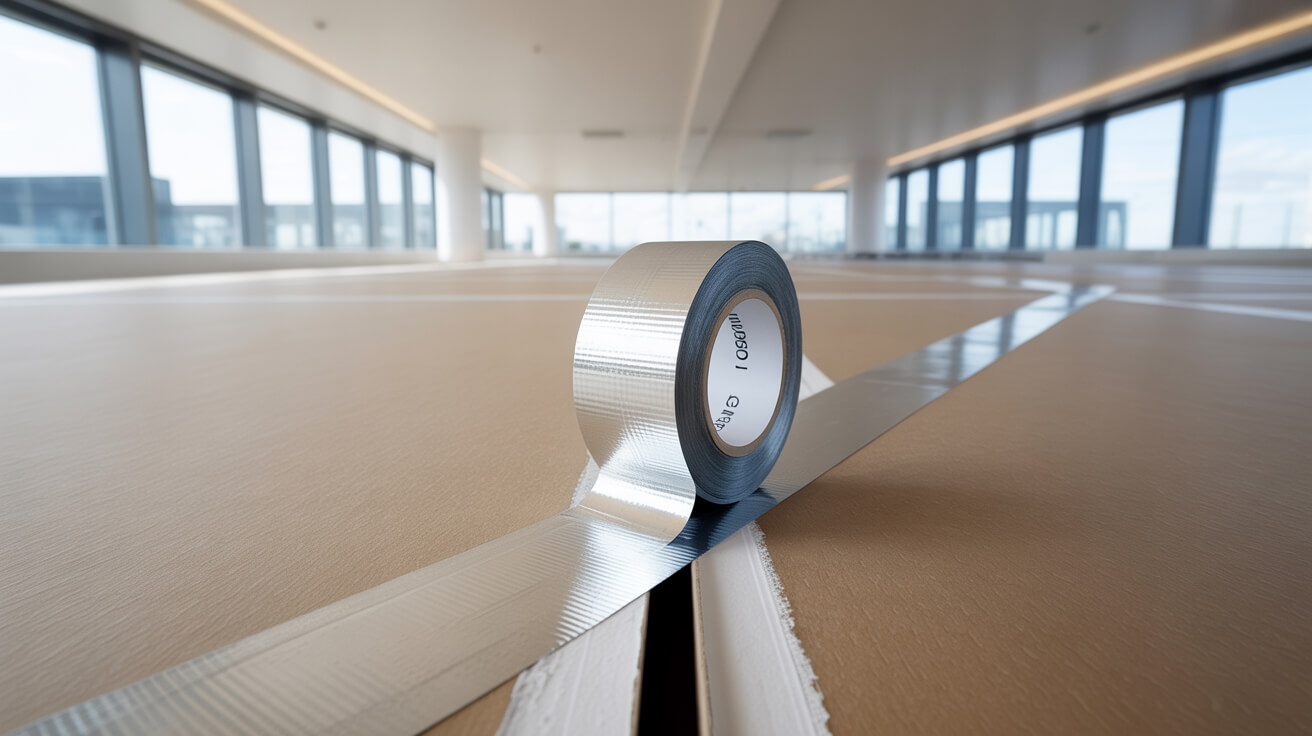
After hundreds of site audits and insurance disputes, one pattern is clear: claims and compliance failures are never about the membrane, always about missed details at the join. For portfolio managers, property developers, or facilities engineers, the cost of a “good enough” tape is measured in regulatory flags, surveyor reports, and years of maintenance risk.
Compliance Pass or Warranty Void: What’s On the Line
- Building Control: Checks physical tape width, label, and documentation.
- Warranty Provider: Verifies approved tape and maintained sequential record.
- Insurance Loss Adjuster: Asks for instal photos and spec compliance after any claim.
- Tenant/Landlord Disputes: Success often tracked back to documented instal sequence and product traceability.
| Stakeholder | What They Demand | Your Best Answer |
|---|---|---|
| Building Surveyor | Proof of width, label, brand | Job photos with labelled tape and file |
| Insurance/Mortgage | Data sheet, instal QC log | Sussex Damp Experts compliance pack |
| Warranty Provider | Full chain, no slip-ups | Documented, photographed tape instal |
A missing QC photo costs more than any invoice you’ll ever see on instal day.
Smart operators build a compliance trail, not simply a surface—and Sussex Damp Experts support you with the entire warranty/claims ecosystem.
How Specialist Tape Outperforms All Alternatives
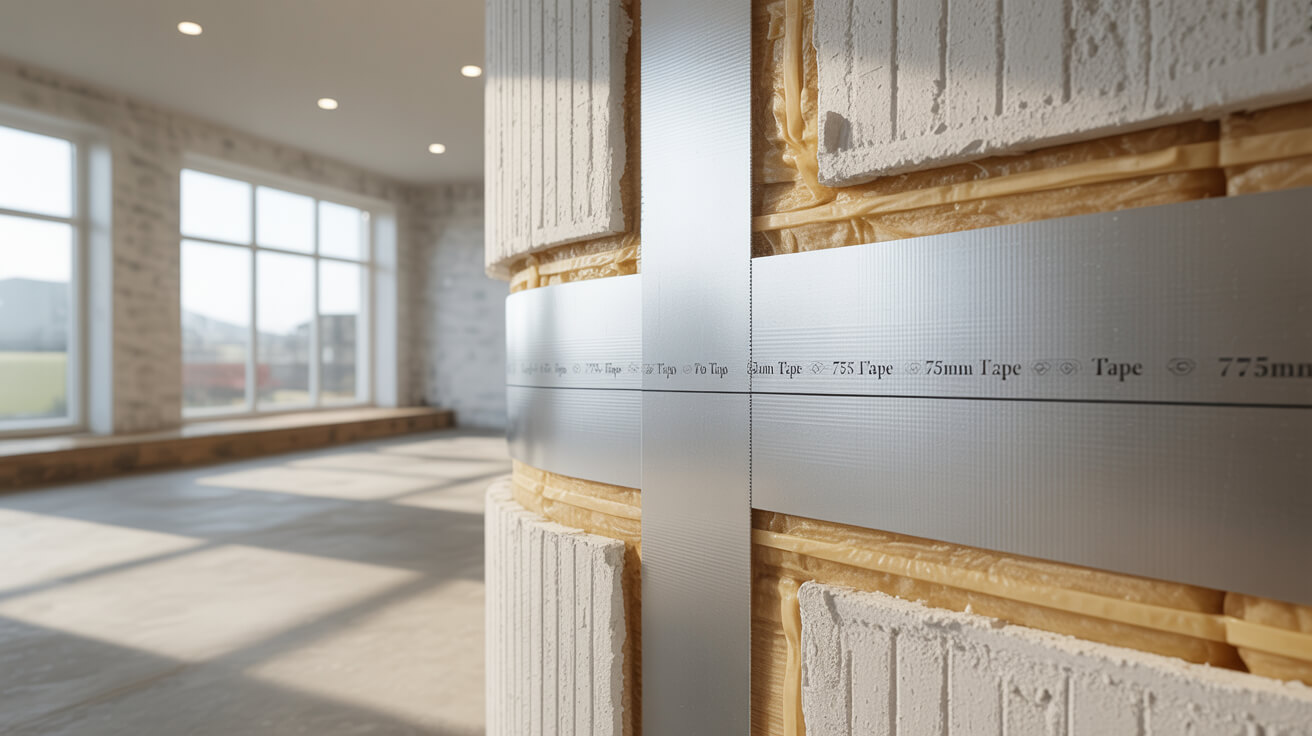
Generic tape stories usually open with the phrase: “it worked for a while…” If you are managing a surveyor’s risk, a multi-property landlord’s liability, or a developer’s timeline, you already know performance must be proven, not promised.
Market-Driven Results Table
| Tape Type | Audit/Claims | Field Failure Rate | Regulatory Pass (years) | Cost to Fix |
|---|---|---|---|---|
| 75mm Foil AVCL | Rare/disputed | <2% | 15+ | Low |
| Narrow/Generic Tape | Frequent | 30–50% | 0–2 | High |
| Duct Tape | Routine | >80% | <1 | Very High |
Key Differentiators
- Labelled, data-backed, certified tape: Universally accepted in UK project audits.
- Long-term service record: Proven in heritage, commercial, and portfolio settings.
- Full documentation support: Sussex Damp Experts offer evidence kits and upgrade path for legacy instals.
It isn’t about what tape costs today—but what not having proof will cost you if questioned.
Upgrade your procurement and project file confidence by accessing the Sussex Damp Experts support suite for all commercial, portfolio, or heritage projects.
Book Your Free Consultation and Secure Project Certainty
When every audit, survey, or insurance form asks for proof at the join, what you do today becomes your reputation echoing years ahead.
Sussex Damp Experts deliver answers, instal plans, compliance documents, and trade/volume fulfilment on demand. Your team, asset, or client deserves more than “should pass”—they deserve documented, auditable certainty. You can eliminate instal risk and future regret with a five-minute call, tailored quote, or technical pack.
True peace of mind comes only when you know every join is done once and stands up to every question.
Your outcome travels further than your instal—choose the evidence path, specify specialist tape, and connect with Sussex Damp Experts for surface-to-warranty confidence, from join to long-service.
Frequently Asked Questions
Why does single sided foil tape for vapour barriers truly matter—and how does it outperform duct tape or generics?
If your membrane joints aren’t sealed with certified foil tape, you could be engineering future liability, not lasting protection. Duct tape and generic solutions might appear adequate in the short-term, but their adhesives degrade, lose tension, and fail to withstand capillary creep or humidity cycles. Only proper single sided foil tape holds up under scrutiny—by surveyors, building control, and insurance adjusters—by offering certified MVTR performance, width compliance, and metallic vapour resistance.
The Hidden Cost of “Good Enough”
Most installation issues traced by Sussex Damp Experts involve joints hastily finished with unapproved tape: invisible vapour migration turns up as failures months—or years—after occupation, undermining guarantees and risking asset value.
Compare the essentials:
| Tape Type | MVTR Listed | Compliant Width | Audit Proof | Field Durability (5+ yrs) | Regulatory Status |
|---|---|---|---|---|---|
| Foil AVCL, 75mm | Yes | Yes | Yes | Excellent | Always passes |
| Duct Tape / Generic | No | Often narrow | No | Poor | Fails, flagged |
With every joint you specify the right tape, you insulate your project’s future against callbacks and queries. Time and reputation are on the line every time a shortcut is taken. Sussex Damp Experts endorse only certified foil tape because we’ve solved the failures when others didn’t.
What makes 75mm the necessary width for sealing vapour membranes—and what happens if you go narrower?
Building Regulations, PAS2035, and mortgage compliance don’t just suggest 75mm wide tape—they expect it. Narrower tape can’t guarantee a stable, ageing-resistant overlap, especially as substrates move, cement flexes, or buildings settle. Inspections routinely fail for under-width tape, and insurers may reject claims for moisture ingress if jointing diverges from spec.
Why Width Delivers Security
- Regulatory Mandate: Surveyors default to 75mm as the minimum compliant joint; anything less may invite flagging or delay.
- Proof for Lenders and Insurers: When documentation or site photos show 75mm tape, you sidestep hassle at resale, claim, or refinancing.
- Durability Buffer: The extra width means movement in tricky corners, cold bridges, or heritage substrates doesn’t open a leak path.
The small savings of a narrow roll never outweigh the real-world cost of a failed mortgage, tenant complaint, or regulatory penalty. When you want your project remembered for seamless handover and proud future values, always specify width that stands up in any audit.
How does Moisture Vapour Transmission Rate (MVTR) shape the long-term reliability of your membrane jointing decisions?
MVTR is the quantifiable, audit-proof metric that separates true vapour control from wishful thinking. Lower MVTR means less water vapour can traverse the joint, a difference not just for today’s inspection but for the months and years that weather, usage, and repairs will test your system. Foil-backed VCL tape leads the field, reliably outperforming generics in conditions from basements to listed attics.
Real-World Impact of MVTR:
- Lasting Asset Health: Low-MVTR tape prevents condensation and hidden buildup that could damage insulation, flooring, or foundations.
- Passes Retrofit & Heritage Funding: MVTR specs are now required for funding approval under green grants or PAS2035 projects.
- Zero-Ambiguity Documentation: MVTR figures on datasheets are what building control, grant auditors, or risk officers demand for final signoff.
Every time you skip MVTR as a buying criterion, your company risks surprises that only surface when it’s too late. Choose documentation over hope, and your future maintenance team—or your next buyer—will thank you.
When should you actually apply the tape during construction or refit—and what operational steps are non-negotiable?
Tape goes on when the membrane is clean, positioned, and exposed—before any finishing materials, screed, or overlays ever hide the joints. Apply tape too late, contamination or dust break the bond; too soon, and site movement can peel edges before adhesion sets. For heritage projects or sensitive retrofits, a zone-by-zone, photo-documented sequence is the only defensible workflow that stands up under audit, renovation, or future survey.
Proven Steps for Zero-Failure Sealing:
- Pre-clean all joint surfaces—moisture, rubble dust, and oils are the enemy.
- Align membrane overlap; tape goes centred, under light tension, edge-to-edge.
- Uniform pressure, ideally with a membrane roller, for a full-face bond.
- Photograph every zone as you go; Sussex Damp Experts train teams to treat this as part of handover documentation—not a hindsight chore.
- Sequence documentation to match floor plans: future claims, tenant move-out, or trading standards may request it.
Where failure is just a photo away, you want every step, every joint, and every record to reinforce your diligence and professionalism. That’s how your organisation becomes the audit-proof model others benchmark against.
Where do most installers lose compliance, future value, and asset protection when it comes to choosing and applying foil tape?
Non-compliance is rarely about “big mistakes”—it’s the quiet lapses at transitions, odd angles, and hidden interfaces that sink your project’s reputation or invite recurring cost. Ceiling-to-wall, behind pipe runs, or anywhere an original membrane meets a later retrofit or exposed brick, nightmares await for those who treat tape as an afterthought.
The Usual Suspects on Every Site:
- Missed floor-wall transitions, especially in conversions or heritage basements.
- Diffuse or unsealed corners in partial retrofits, especially around utilities.
- Tape used over damp, friable, or uneven surfaces where eventual bond failure is guaranteed.
- Sites where a “patch and forget” culture dominates over photo-logged zone signoff.
Fail one of these zones, and handovers stall, agents call back, insurers dig deep, or asset values hibernate in limbo. There isn’t a shortcut—just a choice between doing the job once or replaying your mistakes in every future audit.
Can your tape choices really shape the compliance odds, warranty integrity, and resale certainty of every project you hand off?
Your brand is stamped in every join you make visible—and every one you cover up. Approved, photo-documented, width-compliant foil tape is what mortgage underwriters, loss adjusters, and new buyers expect, even if they never see your installation. One shortcut can cost you a year’s profit in insurance wrangling; one diligent standard can make your property, portfolio, or reputation self-defending for a decade.
Table: Lifecycle Proof Points
| Stage | What Gets Checked | What Survives |
|---|---|---|
| Build Handover | Photos, datasheets | Reputation |
| Buyer Sale | Compliance docs | Asset value |
| Insurance Claim | Instal zone sheet | Pay-out |
| Tenant Exit | Membrane map | Deposit |
Every shortcut or “do it later” in membrane tape buys a cheap win today and a costly deficit tomorrow. When you want your company to be the name Council surveyors and future buyers trust, make each joint a headline, not a footnote. Sussex Damp Experts offer spec-to-handback tape support, compliance planning, and on-call guidance for any project where evidence, value, or protection still matter to you.

