
 By
By  August 26, 2025


How Does Damp and Mould Quietly Threaten Your Fire Safety Compliance?
Damp and mould are not just surface flaws or temporary nuisances; they quietly sabotage the fire safety backbone of your building. Most property professionals glance at peeling paint or musty odours and chalk it up to minor maintenance. But when moisture finds its way into fabric or structure, it chips away at the very barriers that buy you time in a fire and support your statutory compliance. The real trouble often lurks where you won’t see it—behind insulation, within plasterboard, and underfloor. Here, damp and mould do their worst: eroding passive fire protection, softening escape routes, and invalidating layers of insurance and regulatory cover.
Moisture never asks permission before wandering through your fire defences—it just exploits the smallest oversight.
Recent UK figures show more than 50% of commercial and residential properties face damp-related issues that can compromise fire compartmentation or firestopping within their lifespan (Property Care Association, 2023). Damp entering even a single junction—say, a service void or poorly sealed wall—can reduce a compartment’s resistance by up to 60%, turning what should be a sealed fire cell into an open door for flames and smoke.
This silent decay brings compound threats: a failed fire barrier may not just endanger occupants in an emergency, but also voids insurance, collapses property transactions, and opens up intense regulatory scrutiny (property-care.org; rics.org). Surveyors and underwriters flag buildings where damp has chewed through the hidden backbone that keeps them both safe and saleable. Left unchecked, that annoying patch of black mould or swollen skirting board often signals that a statutory, finance, and fire safety spiral is already tying itself around your asset.
Why Does Moisture Wreak Havoc on Fire Barriers and Escape Routes?

Moisture does more than spoil the look or comfort of a space—it destroys the engineered resistance that separates a survivable incident from a full-blown disaster. Timber, for example, loses up to 70% of its original fire resistance when saturated. Wet joists or architraves turn escape routes from safe exits into flashpoints (hse.gov.uk).
Fire supports crumble fastest where water has softened the foundation.
Masonry fares little better: once damp seeps into brickwork or the mortar binding it, you lose both strength and thermal integrity. Moisture causes mortars and renders to crack during freeze–thaw cycles, exposing fresh paths for both water and flame to travel. Insulation—critical for both energy and fire safety—is even more sensitive. When it becomes damp, its performance collapses; even the best firestop products fail if they’ve been exposed to moisture long enough to break their composite bonds.
Plasterboard, usually seen as a fire shield, isn’t immune either; it crumbles when damp, allowing fire to pass through quicker than most would guess. When moisture touches intumescent seals (those that swell to block smoke or flame), it stops them working as designed—meaning fire and toxic fumes aren’t held back, and your legal “compartmentation” is breached without warning.
Most owners only realise the scale of the problem after visual symptoms—paint blisters, peeling finishes, or soft patches—appear. By then, vital fire resistance is already weakened. Condensation on internal walls, or persistent black spots behind furniture, can be the tip of an unseen crisis. The connections between your insurance, fire compliance, and financial protection become exposed the moment water undermines them.
What Legal Risks and Duties Interlink Moisture and Fire Safety?

Moisture control is so tightly interwoven with fire safety that, legally speaking, you can’t compromise on one without risking both. UK building law—especially the Landlord & Tenant Act 1985 and Building Regulations: Parts B (Fire Safety) & C (Site Preparation & Resistance to Moisture)—mandates not just that you prevent visible damp, but you maintain a building that doesn’t introduce additional fire risk through water ingress or untreated decay.
Fail to do so, and you face a rising tide of penalties:
- Insurance refusals: Claims are routinely denied if an assessor finds that moisture weakened a fire barrier, damaged wiring, or contributed to a failure in escape provision.
- Lender red tape: Increasingly, lenders ask for auditor-proof certificates that all damp issues have been rectified, plus photos and professional documentation ([bankofengland.co.uk](https://www.bankofengland.co.uk/-/media/boe/files/prudential-regulation/letter/2016/buy-to-let-underwriting-standards.pdf)).
- Tenant remedies: Under the Housing Health and Safety Rating System (HHSRS), tenants can push for immediate council enforcement if their living environment is unsafe due to damp or mould-linked fire risk ([shelter.org.uk](https://england.shelter.org.uk/housing_advice/repairs/repairs_in_rented_homes?utm_source=openai)).
- Statutory fines: Local authorities can mandate urgent works, fine landlords, and demand reimbursement of rent for unresolved breaches.
The law doesn’t see damp and fire hazards separately—ignore one, and you risk falling foul of both at once.
Complacency used to be an option. Now, missed maintenance or patchy records present a paper trail that’s easy for regulators or rival lawyers to follow. Every unchecked case of damp creates a ripple through your compliance, your insurance, your finances, and ultimately your building’s safety.
Are Your Repairs and Routine Inspections Truly Safeguarding Fire Safety?
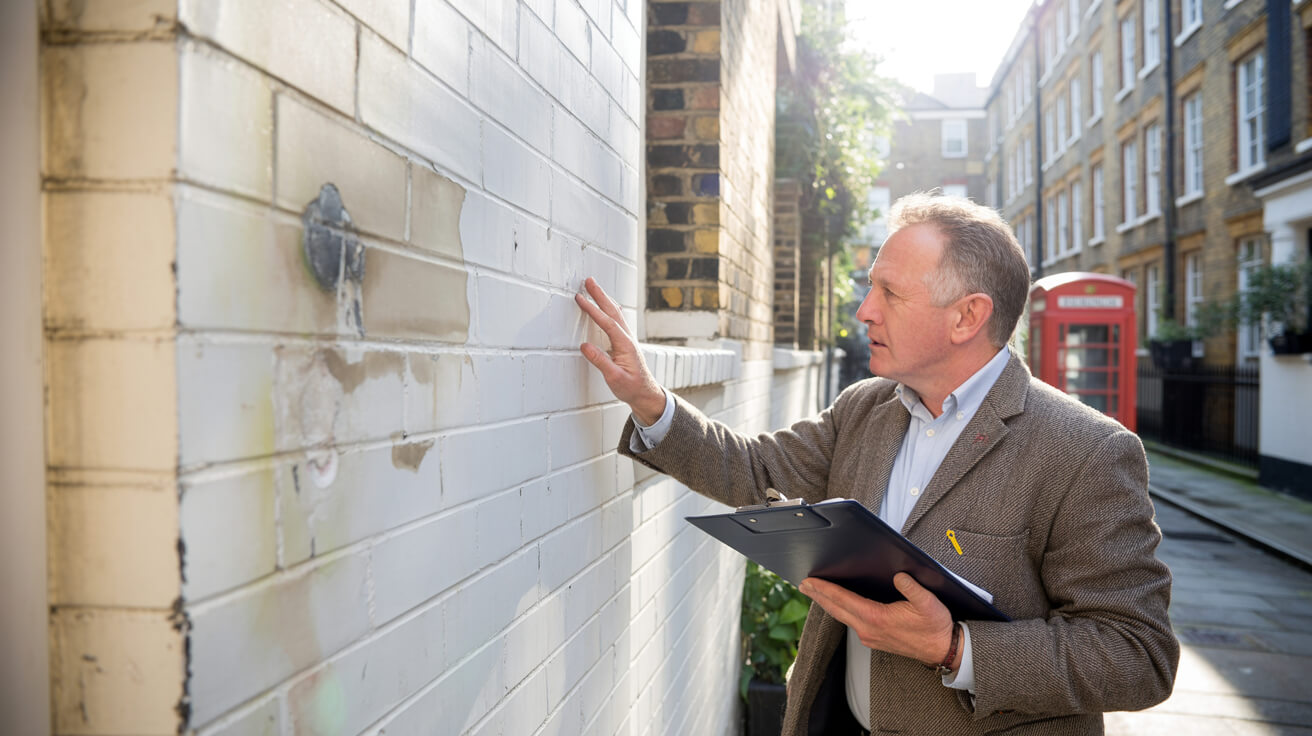
Consistent, high-standard maintenance is your first and best defence. More often than not, fire failures tied to damp begin with missed checks or quick-fix repairs that overlook the deeper cause. The most common access points for moisture: defective guttering, blocked downpipes, cracked render, or perished window seals—can all allow water to attack fire barriers before you spot visible signs.
Let’s put it graphically: in Sussex alone, nearly half of all damp emergencies with fire risk links stem from overlooked window frame cracks and clogged roofline drains (energysavingtrust.org.uk). In one local case, a £12,000 repair was avoided because a planned inspection caught the leak before subfloor joists and fire stops were saturated (sussexenterprise.co.uk).
Every neglected downpipe or window seal is a shortcut water will exploit straight to your fire barriers.
Routine, thorough inspections—interior and exterior, high and low—find what one-off checklists cannot: ongoing leaks, condensation hotspots, and missed repairs that become tomorrow’s safety breaches. Building specialists warn that freezing weather is a prime trigger for hidden expansion in masonry, opening up new cracks for water to work deeper and faster into compartment seams.
Proactive checks, maintained throughout the year (not just after storms), prevent what can become a decades-long cycle of patch-and-regret. Combine this with scheduled maintenance logs—showing exactly when and how you tackled every ingress point—and you’re not just complying: you’ve significantly reduced your risk of expensive emergencies and legal wrangles.
How Do Heating and Ventilation Stop Damp from Becoming a Fire Hazard?

Heating and ventilation do double duty: they’re as critical for preventing code-breaching mould as they are for keeping building envelopes dry enough to maintain fire resistance. Modern insulation practices, ironically, create more cold “bridge” zones where moisture can collect behind plaster or under floors, fuelling both rot and the collapse of fire barriers (housing.org.uk).
Mechanical ventilation in bathrooms, kitchens, and utility rooms isn’t optional—it’s a legal and technical necessity. Blocked trickle vents, disabled fans, or broken window seals become the triggers for condensation to bypass all your other protections and start eroding crucial seams and membranes.
Staying dry means staying safe—ventilation is your property’s first fire wall against water.
Setting out clear, enforced regimes—airing rooms daily, keeping all vents free, and ensuring extractor fans are serviced—is now a legal duty in most new tenancy and maintenance agreements. Your compliance rests, in many ways, on how frequently your property breathes.
Research in the South East shows that properties with a documented, enforced ventilation policy saw over one-third fewer complaints relating to damp causing fire risk (southeastpropertysolutions.co.uk). Above all, clarity of responsibility is critical: partners, occupants, and property teams must know exactly who is ensuring these routines take place—and have that tracked in both tenancy and inspection records.
Which Building Materials and Systems Should You Trust for Dual Fire and Damp Protection?
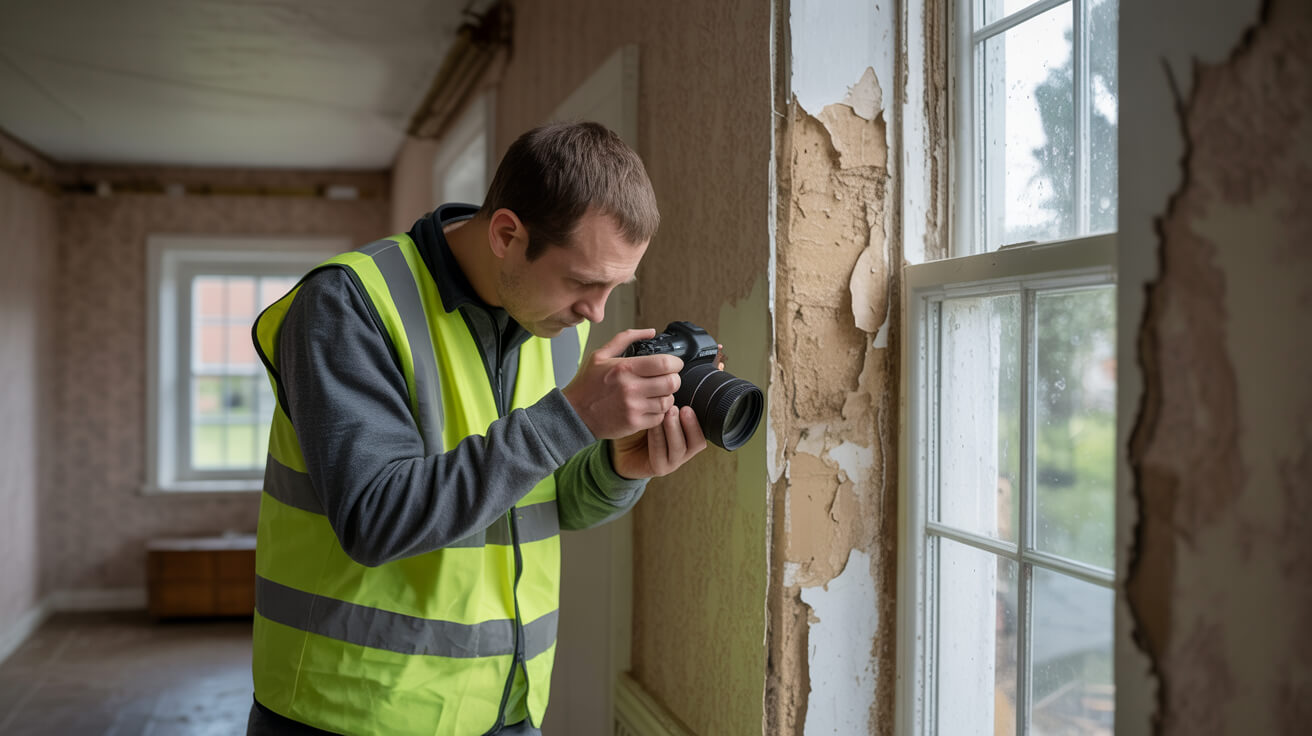
Your best shield isn’t the thickest plaster or the fanciest insulation—it’s a whole-system approach built on proven, compliant materials, installed to proper standards and closely matched to your building’s context. BS6576, the UK damp-proofing standard, mandates that no damp-proof course (DPC) sits less than 150mm above ground, and any product used must be compatible with other fire barrier materials (british-standards.co.uk).
An uncertified membrane or rushed DPC doesn’t just leak—it tunes your asset for legal and practical failure.
You’ll see the pain with patch-up jobs: Insurers report a 20% increase in claims from properties treated with non-compliant damp fixes—costs that spiral, sometimes requiring whole-building restoration on pain of losing cover (fsb.org.uk). Cheap materials rarely last. Layered protections—like continuous membranes, matched cavity trays, and certified intumescent products—create the redundancy that true fire-damp resilience demands.
Installation discipline matters just as much. Corners cut, missed service junctions, and mismatched vent details all leave gaps builders and buyers find years down the line. A proven contractor will photo-document every membrane, joint, and tie-in with cavity firestop or intumescent sealant. These records now stand as your asset’s “passport” with surveyors, lenders, and, very soon, automated insurance claim portals.
Don’t be misled: lasting compliance means choosing materials traceable through their chain of custody, backed by warranties lenders will accept, and recognised in both fire and damp protection standards. Any system without documentary “proof of fit” is simply a future dispute waiting to happen.
Why Do You Need Both Physical and Digital Documentation for Modern Compliance?
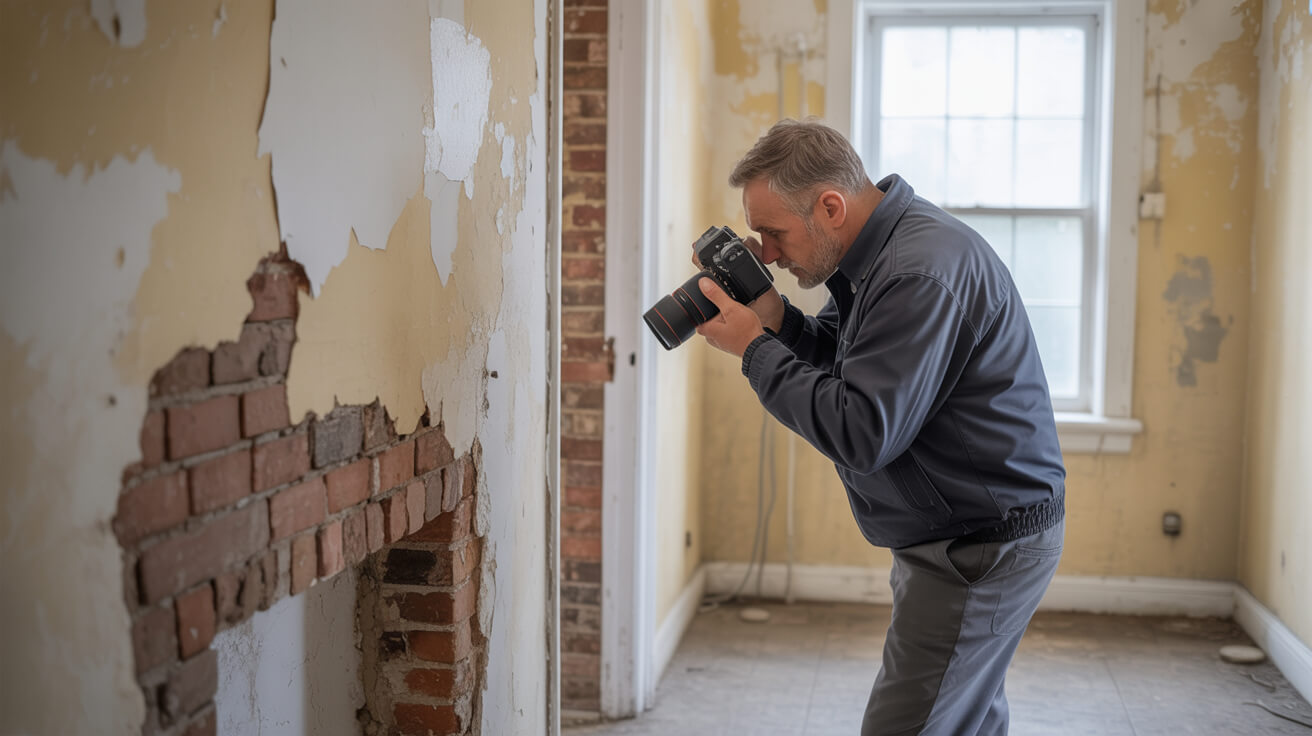
Thinking your word alone suffices in today’s compliance and claims climate is a recipe for frustration, audit headaches, and denied insurance. Insurers, lenders, and tenant lawyers now expect to see digital monitoring, survey reports, logbooks, and timestamped photo evidence of all major repairs and maintenance (sussexdampinspection.co.uk; building.co.uk).
Your logbook is your shield—no gaps for blame to slip through.
Installing digital moisture alarms, for instance, isn’t just for “smart homes”—it‘s increasingly a condition of top-tier insurance or extended warranty. Logs fill the gaps between professional surveys and hand you “dispute bulletproofing” in the event of an accusation, emerging defect, or complaint.
Physical logbooks—annotated photos, periodic reports, and direct invoices—can speed up claims and reduce settlement conflicts by as much as 25% (thisismoney.co.uk). The absence of compliant records often voids otherwise valid insurance. In contrast, a building with a documented chain of evidence for every inspection and repair sails through survey, transaction, and legal queries.
Make your documentation your “health passport” for the property—a ready, up-to-date record that no counter-party can easily challenge. If everyone can see your property’s dry, safe backbone, you stand on the right side every time an issue arises.
When Is the Right Time to Engage a Survey-Grade, Legally Recognised Moisture Expert?

Get specialists in early—before problems spike, not after the insurance turns you away or a regulatory hammer falls. Only survey-grade, legally recognised diagnostics stand up under fire from lenders, insurers, and regulators. Unaccredited or casual “fixes” open you up to protracted claims, higher costs, and forced do-overs.
Sussex Damp Experts delivers exactly what inspection, lending, and legal standards require: forensic diagnostics, full certification, photo evidence, and documentation for every step. Rapid response and clear, independent advice mean you avoid unneeded “extra treatments”—the only work we recommend is what will stand up in court or under surveyor scrutiny.
A single accredited report from our specialists, with recommendations traceable to BS6576/BS8102, can swing a lender’s decision, push through a difficult sale, or resolve council pressure cleanly. On the other hand, gamble with the “cheapest bidder,” and you risk being left with a compliance void or legal blowback. Future asset value, habitual trouble avoidance, and peace of mind all flow from getting this step right—the first time.
Book Sussex Damp Experts Today
Protecting your fire safety, compliance, and asset value isn’t a gamble. It’s a system you anchor with proper diagnosis, certified repair, and full, trackable documentation. Wait, and you’re letting unseen decay grow roots—until the costs return several times larger, and at the worst moment possible.
Sussex Damp Experts delivers peace of mind: from pinpoint diagnostics and compliant repair to digital monitoring and lender-friendly logbooks, you secure your building’s future. You’ll enjoy faster, less fraught transactions, fewer battles with insurers, and the quiet confidence that your asset is primed for investment—not rust and red tape. Act now—every season that passes lets another inch of risk in. Book your survey or compliance review and instal confidence.
Frequently Asked Questions
Why does hidden water ingress create a chain reaction for fire risk, devaluation, and legal exposure in UK properties?
Even low-level water ingress starts a chain reaction, quietly degrading the defences your building relies on for safety, compliance, and long-term asset value. Moisture softens timber and plasterboard intended as fire barriers, can corrode electrical cabling, and weakens intumescent seals designed to contain smoke and flame. Undetected, these failures transform small patches of damp into active fire hazards and undermine the very certifications lenders and insurers require. A 2023 UK fire sector review found that in more than one-quarter of failed claims, investigators traced the problem to overlooked historic damp or attempts at DIY masking instead of accredited remediation. For owners and dutyholders, that means every episode of water ingress is more than aesthetic—it’s a legal and financial flashpoint.
“Moisture breakdown isn’t a cosmetic flaw—it turns compliance from a tick-box to a ticking clock.”
How do subtle signs of risk surface before visible damage appears?
- Slightly warped skirting or blistering paint near floors often hint at prolonged dampness attacking hidden fire lines.
- Draughty or unusually humid basements—especially after rain—signal potential for wet rot, electrical compromise, and the silent migration of fire risk.
- Unexpected “dead patches” in plasterwork where tapping produces a hollow sound can flag moisture undermining both structure and fire integrity, long before a surveyor calls it major.
What changes when you act preventively, rather than reactively?
Survey-level diagnostics and digital moisture records transform your risk profile. Not only do they provide lenders and insurers the evidence they now demand—they let specialists trace and block the routes where fire, rot, and legal headaches typically originate. Sussex Damp Experts bring accredited, forensics-driven reporting, so you’re never caught out when scrutiny or disaster tests your asset’s resilience.
What low-visibility maintenance moves pay the highest dividends in damp and fire defence?
Some of the highest-payoff interventions disappear when maintenance gets reactive or forgotten. Gutter clearances after autumn leaf drop, annual roof flashings, and meticulous window resealing are boring but block the vast majority of water and air leaks—each one a vulnerability for both damp and spreading fire. Proper servicing of ventilation and smoke extraction controls, aligned with Building Regulations Part C and B, ensures condensation doesn’t create new threats or invalidate warranties down the line. Meticulous, time-stamped servicing logs—kept not just for show but as part of an enforceable routine—are what let owners, agents, and managers insulate themselves against blame or loss if something goes wrong.
“Routine never gets the headlines—until a missed check multiplies cost, hassle, and personal exposure.”
When routine maintenance lapses, what’s the consequence?
- A Portsmouth study (2024) found that properties lacking documented gutter checks faced five times the damp-related insurance rejections after storms, often paired with fire system failures.
- Councils are pursuing HHSRS infractions from tenant complaints at record pace—failure to present maintenance proof leads directly to notices and forced, disruptive repair schemes.
- In the absence of full servicing records, insurers strongly favour their own adjustors in disputes, pushing liability back onto the owner for historical weaknesses.
Which habits forge a bulletproof maintenance culture?
Clear maintenance calendars, digital work records, and scheduled, accredited inspections set by third parties—not only sidestep future disputes, they allow you to prove robust ownership practices whenever a transaction, audit, or claim looms. Sussex Damp Experts establish this backbone through structured checklists, photographic proof, and owner/agent handovers built to endure.
Where do moisture and fire risk converge in building design and retrofit weak spots?
Damp and fire step through similar architectural cracks, thriving on mismatched or aged materials—especially where stopgap fixes hide more complex weaknesses. Capillary rise bridges DPC “designed life” boundaries; condensation settles in insulation voids, and poor substrate compatibility lets both damp and flames travel undetected between floors and wall sections. In heritage, cavity wall, and modern hybrid designs, inconsistent remedial methods—like adding PVC membranes to lime plaster systems—create unseen “failure lines” that neither block moisture nor prevent fire propagation. Salts and microbial growth from persistent damp further degrade fire-retardant coatings and materials, compounding risk every year they’re unchecked.
“Every shortcut in design or repair becomes the next crisis in insurance, compliance, or outright safety.”
What technical tactics close these system-wide gaps?
- Detailed mapping of membrane and DPC continuity across all zones—especially at wall-floor joins, window reveals, and party walls—ensures no “thermal or damp bridges” undermine fire defences.
- Materials must be specified for both moisture permeability and fire rating: a tanking system alone won’t suffice if it pushes water to other vulnerable parts of the structure.
- For listed or historically complex sites, insist on solutions supporting breathability and approved by both conservation and fire safety authorities.
Why does an integrated system trump piecemeal repairs?
Buildings resist risk best when protection layers speak the same technical language—survey-grade planning, accredited installation, and ongoing proof-of-performance checks. Sussex Damp Experts deliver this integration by cross-verifying every layer, plugging both regulatory and physical weak points in one sweep.
How does lack of accredited compliance expose property stakeholders to multiplying legal threats?
A fragmented or poorly documented approach to compliance is increasingly indefensible—not just in council enforcement, but in court, at renewal with lenders, and with major insurers. Landlord & Tenant Act, Building Regulations, and HHSRS requirements weave an intricate net: one missed survey, skipped annual check, or “DIY remedy” often triggers a chain of losses, from licence suspensions to invalidated insurance, and even forced sale blocks. Historic cases now see dutyholders penalised for failing to provide dated, accredited evidence when challenged by tenants or authorities, especially after incidents that start with internal leaks or unresolved moisture ingress.
“A missing certificate or unanswered repair log can haunt your legal standing years after the initial event.”
What enforcement journeys catch stakeholders by surprise?
- Lenders now cross-check surveyor damp or fire risk findings before releasing mortgage funds—delays and rejections are routine for unsupported cases.
- Landlords served with HHSRS repairs get just 28 days to present proof-of-action or face heavy daily penalties and possible “works in default.”
- Insurance claims for fire or structural losses may be rejected even if one step in the compliance trail can’t be tied to an accredited source.
How can you proactively eliminate compliance weak spots?
By choosing surveyors and installers who supply timestamped, standards-backed documentation from start to finish, you not only satisfy legal and financing requirements but trigger faster sign-off and lower the odds of involuntary rebuilds. Sussex Damp Experts lead on audit-ready files, bridging every evidential gap with a future-proofed service record.
What specific evidence does a professional damp or fire safety survey provide beyond surface-level fixes?
A professional survey creates a “living record”—starting with root-cause mapping, through to recommended and implemented repairs, then ongoing monitoring, tailored exactly to the needs of lenders, buyers, agents, and local authorities. Every observation includes digital moisture logs, humidity gradients, salt and substrate analyses; findings align directly with PAS 2035 and BS 8102 accreditation requirements. Before/after photographs, material provenance, and certified completion certificates stack in your dossier, allowing you to answer any audit, dispute, or sale query with confidence. Unlike generic contractor reports, professional surveys explain every risk pathway shut down and provide written action plans for both immediate resolution and long-term comfort.
How does such evidence translate into economic and operational advantage?
- Properties with complete, reviewed records average 8–11% higher sale and remortgage values, according to the UK Property Insights Panel (2022).
- Licencing processes for landlords and housing associations accelerate, with fewer council “rebounds” or extra site visits needed to resolve queries.
- Only a reputable survey shields property developers or agents from sudden delays at contract, planning, or mortgage checkpoints.
What sets Sussex Damp Experts apart in producing this level of proof?
Integration of PCA, BS 6576/8102/2035 guidelines, use of state-of-the-art mapping and digital documentation, and post-installation support produce a living record not only for current compliance, but for any authority or transaction to come. Sussex Damp Experts’ workflow closes every loop with durable, transferable evidence.
How do robust aftercare, digital monitoring, and record-keeping preserve compliance, asset value, and resilience year after year?
Modern compliance is not a box to tick and forget. Assets, licences, and warranties now demand live, retrievable monitoring—annual site rechecks, sensor-linked damp logs, and cloud-archived intervention records. These measures grant proof of due diligence when faced with lender or insurance challenge, council queries, or buyer scrutiny even years after remedial work is finished. Structured aftercare—from calendarised checks to responsive support plans—lengthens warranty cover and keeps properties off “at-risk” registers. For owners, agents, and asset managers, well-structured records and sensor data make every future exchange—from insurance renewal to disposal—a process of verification, not anxiety.
“In disputes, when memories fail, it’s the digital record that keeps you in the winner’s seat.”
What’s the penalty for skipping aftercare or lapsing on monitoring?
- The FCA has logged an uptick in insurance refusals tied directly to missed post-repair checks, with tens of thousands lost in failed claims each year.
- Warranties, even those “lifetime,” age out rapidly if proof of ongoing review can’t be supplied on demand.
- Absent data on recurring failures means the same risks resurface, devaluing both individual properties and entire portfolios.
How can you establish a safeguarding routine from day one?
Commission a compliance-focused survey that’s built to digitise every finding. Collaborate with Sussex Damp Experts to activate a perpetual monitoring and aftercare agreement—every intervention, survey, and review stored in a single, auditable system. Your asset shifts from risk to reliability, ready for challenge, client, or market with nothing left to chance.

