
 By
By  August 26, 2025


How do the world’s top social housing providers truly prevent damp and mould—while others keep firefighting?
When it comes to tackling damp and mould, the difference between reactive firefighting and sustained success is not shaped by climate, budget, or good fortune. It’s defined by rigour. The world’s most effective social landlords don’t wait for decay to creep in; they invest in prevention as a system, embedding moisture control at every junction—design, inspection, response, and even tenant communication. What’s visible on the walls is only a symptom; what matters is woven deeply into daily routines, building standards, and a zero-blame culture.
“Damp unchecked will cost you in hidden hospital bills, legal rows, and lost tenant faith.”
Class-leading social housing schemes operate openly, with a relentless focus on risk—not reputation. They use strict processes and technology to spot issues before they bite. The result? Lower maintenance costs, fewer health complaints, reputational resilience, and less time staring down courthouse corridors.
Proactive, system-led damp prevention: the critical elements
- Twice-yearly deep-dive inspections, not just visual “walk rounds”:
Top performers equip staff with calibrated moisture metres, thermal cameras, and checklists tailored to complaints and weather patterns. It’s digital and mapped—never reliant on staff “gut feel.”
- Mandatory, enforceable insulation and ventilation upgrades:
Standard issue for every home, not just new builds. No tenant or property is left with “minimums.” Ventilation systems—mechanical or passive—are measured and maintained.
- Centralised digital records and timestamped repair logs:
Every complaint and fix is logged in the cloud, tied to a unique case number and updated in real-time. This doesn’t just improve transparency—it’s protection in any legal, funding, or insurance scenario.
- Tenant empowerment, not blame:
Leading landlords run regular workshops, posters, and easy-reporting campaigns. Reporting is stigma-free and safe, with clear escalation routes—ensuring problems aren’t hidden or ignored.
- Emergency repairs on a clock, not a to-do list:
The gold standard: urgent repairs completed inside 24 hours, all others within 7 days, followed by an independent inspection and tenant feedback.
The result—a home where both walls and trust are solid. Long after the paint dries, robust systems and proactive culture keep costs, complaints, and crises at bay (WHO, 2023; OECD, 2023).
Which countries and organisations actually set the benchmark for low damp and mould—and what makes them different?
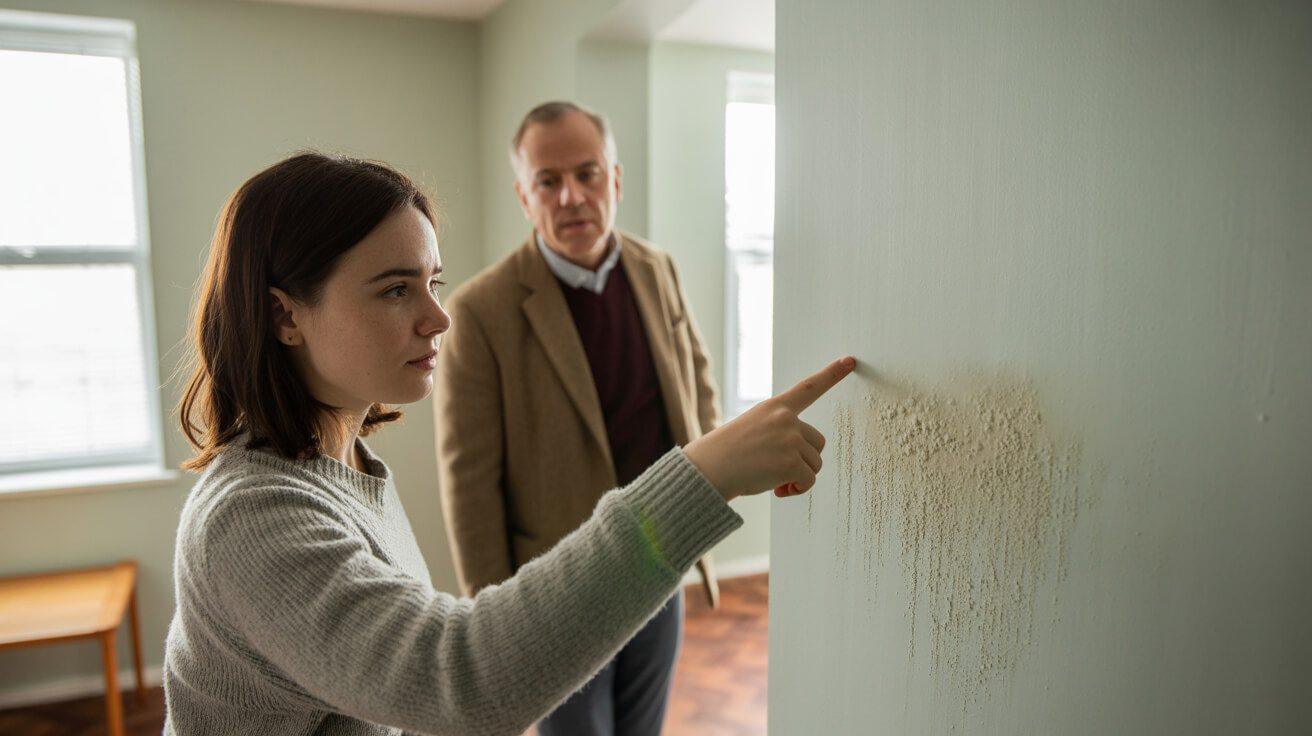
Some regions and housing bodies set global reference points not by chance, but by sustained discipline, early adoption of proven materials, and rock-solid documentation. They excel because prevention is relentless and measured, not handed to chance or budget surges.
“It’s ruthless routines and no-excuse follow-through—not extra funding—that tip the scales.”
Scandinavia: Zero tolerance in building and practice
Denmark, Sweden, Norway, and Finland make persistent damp unthinkable—through brutal clarity in their building codes and a health-first social mindset. Insulation is mandatory, and continuous mechanical ventilation is the norm, often managed by occupancy sensors and humidity triggers. Every reported issue is verified by independent reinspection, with repair records published and visible—shaming laggards into compliance.
New Zealand: Auditable “Healthy Homes” as law
In New Zealand, insulation, active ventilation, and moisture barriers aren’t “recommended”—they’re non-negotiable by law for every rental. Tenants and the government can trigger an audit at any time, pushing landlords to document every fix. Fines are regular, and a transparent national register puts compliance and landlord performance in the public eye (NZ Ministry of Housing 2023).
The Netherlands and Germany: Digital damp defence
Dutch and German landlords use networked sensors for humidity, temperature, and air quality, feeding live dashboards accessed by tenants, contractors, and regulators. Moisture problems are spotted in hours—not months—leading to pre-emptive maintenance before damage spirals. This distributed awareness means no one party can ignore early warnings.
Global prevention best practices: a quick profile
- Minimum national standards for insulation and moisture management
- Digital-first repair and complaint systems—paperwork alone is obsolete
- Transparent inspection regimes and publication of results
- Tenant guidance without a whiff of blame
The benefit? Lower hospital admissions, less legal wrangling, and homes that last.
Where do damp-proofing laws succeed or fall short? Scrutinising the UK, Nordics, ANZ, and beyond
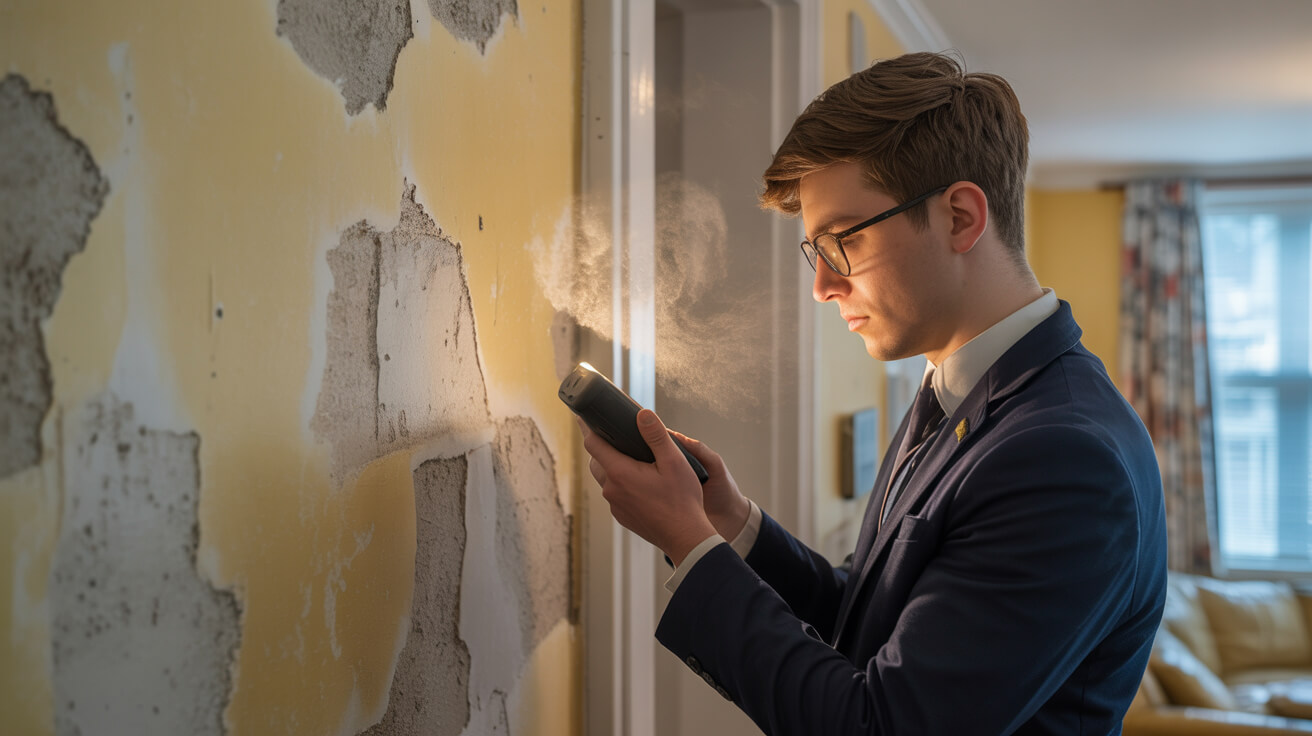
Not all legal frameworks deliver results on the ground. What counts is enforcement—real fines, live audits, and teeth behind the wording.
“A law unenforced is as bad as none at all—risk hides in the cracks.”
UK: Robust laws, patchy follow-through
The UK’s technical backbone—BS 6576, Building Regs C & F, the HHSRS, and the rapid-repair “Awaab’s Law”—should keep properties dry (Housing Act 2004; HHSRS). But intense pressures on local councils mean enforcement becomes a “tickbox” exercise, with only major disasters prompting action. Predictably, gaps remain when budget runs thin or complaints flood in.
Nordics and the Netherlands: “Prove it or pay”
Government-led, random audits keep landlords on their toes. Fines and contract suspensions hit hard, and real-time repair logs are increasingly accessible by the public—a force multiplier for compliance and deterrence.
Australia: Strong states, weak integration
Regions like Victoria have formidable “Healthy Homes” rules, but no national backbone means legacy stock often slips through the net. Unclear language leaves loopholes, and enforcement lags when leadership is lacking (Victoria Government 2024).
New Zealand: Consistency and consequences
Unambiguous legal requirements, state audits, fixed penalty structures and consistent enforcement mean NZ sets the benchmark in effective implementation.
Damp law comparison matrix
Here’s a glance at technical strength versus enforcement bite:
| Region | Standards | Enforcement Style |
|---|---|---|
| UK | BS 6576, Awaab’s Law, C/F | Inconsistent by council |
| Nordics/NL | High insulation, MVHR | State audits + fines |
| Australia | “Healthy Homes” (local) | Patchy, under-policed |
| New Zealand | Healthy Homes national | Proactive, statutory |
Where regulation works? There are no promises of “ongoing improvement”—only non-negotiable, enforced compliance.
What is the real health price of damp and mould in social housing, according to medical science?
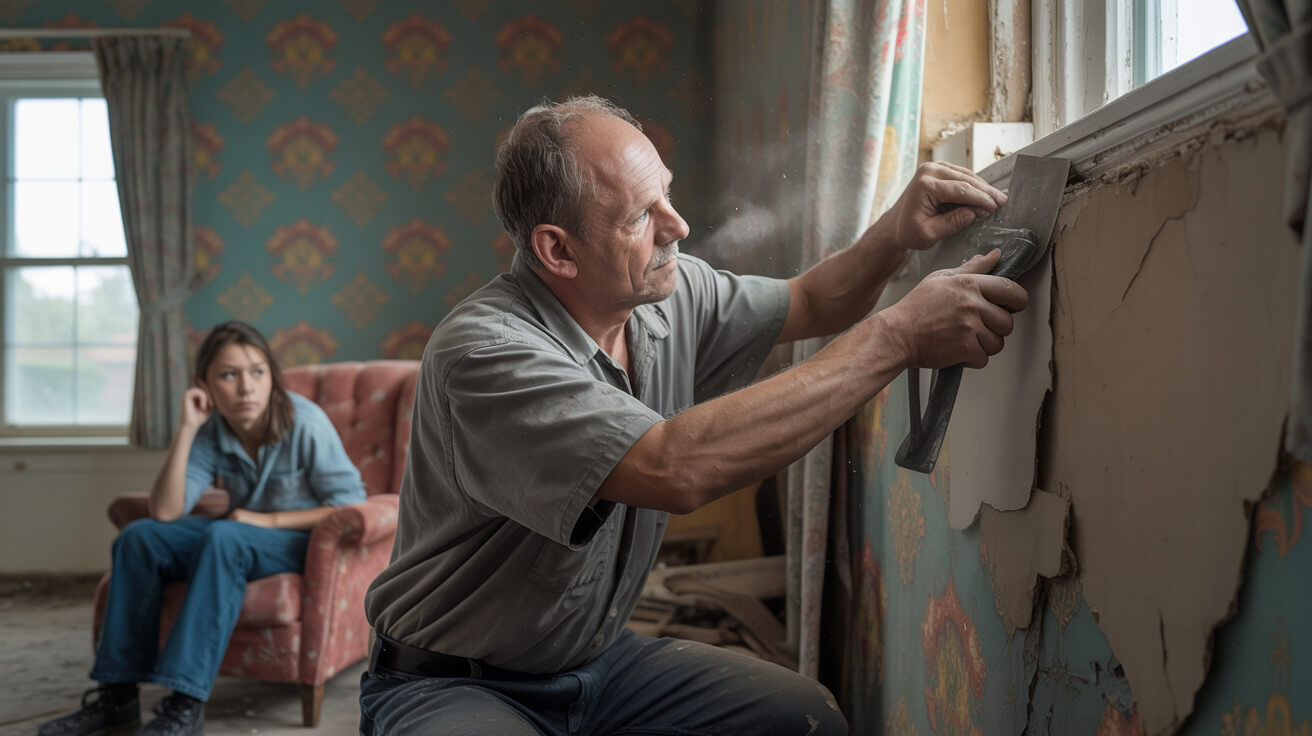
Ignore damp, and the real toll shows up in hospital records, not repair logs. Respiratory illnesses, mental wellbeing issues, and chronic skin conditions spike—especially among children, the elderly, and those with existing health vulnerabilities. Inaction is not just a legal risk—it’s a calculated health hazard.
“Invisible spores—visible damage: lungs, immune system, peace of mind.”
Medical realities, not myths
- Childhood asthma and damp: Living in a damp home increases asthma risk by as much as 60%—a number that translates to emergency visits, school absence, and spiralling care costs *(WHO 2023; CDC 2022)*.
- Wider health impacts: Apart from cough and chest troubles, residents face more depression, anxiety, and skin disorders—a cross-section of tenants, not just the frail *(UK NHS 2024)*.
- Public health burden: Authorities track more hospital admissions and time off work back to social stock with known damp reports.
What leaders measurably do differently
- Scheduled, tech-backed inspections catch moisture before it triggers health events
- Humidity and air-quality sensors feed clear reporting lines for tenants—enabling fast action
- Repair deadlines are legal and short; excuses don’t displace lives
- Engagement campaigns make reporting simple and stigma-free
The truth: every £1 invested upstream in prevention saves several in NHS, legal, and social costs down the line. Slow repairs bleed both health and budgets.
What essential actions must social landlords take to remain compliant and avoid legal disaster in today’s regulatory climate?
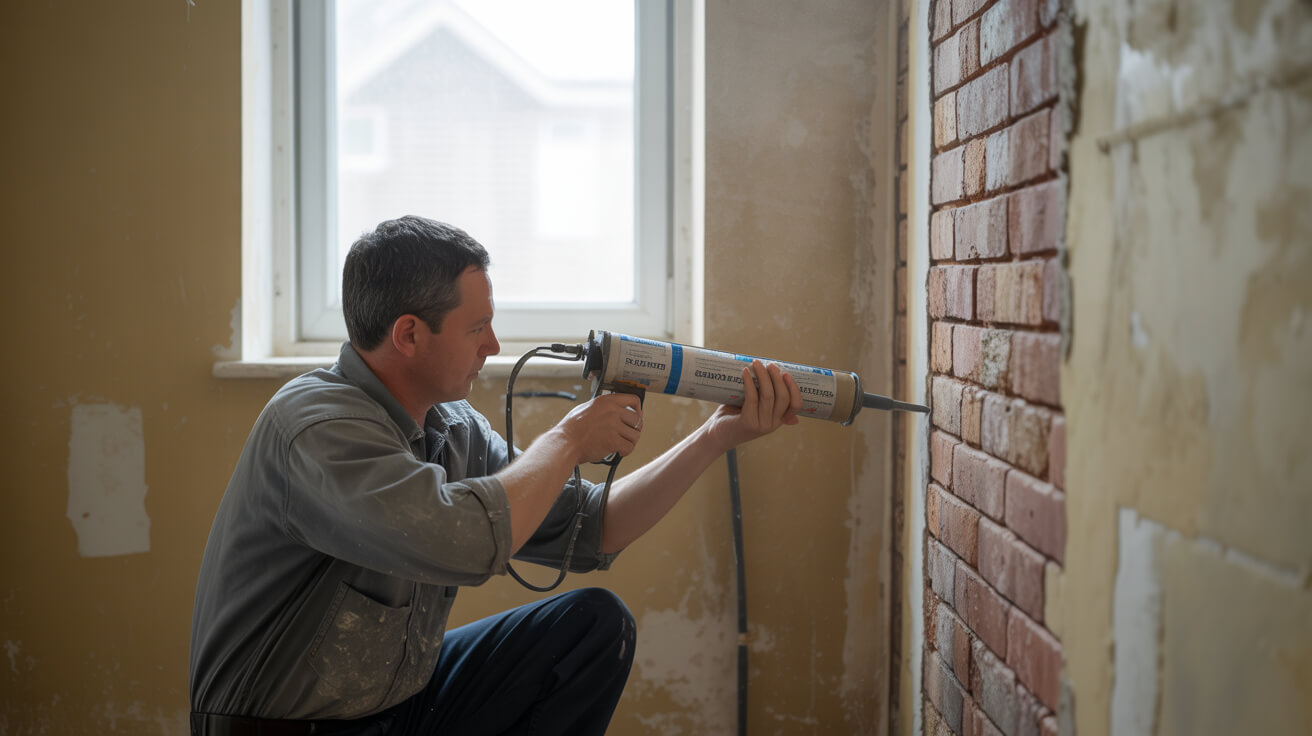
The age of “best efforts” is over. Social housing providers must prove their compliance—digitally, transparently, and with relentless discipline. Gaps in process risk fines, lost contracts, and even criminal prosecution.
“Mere promises won’t shield you from audit. Only timelines, logs, and photo evidence will.”
Concrete compliance must-haves
- Replace paperwork with digital logs: Secure, searchable repair and complaint systems now form the bedrock of audit-readiness. Spreadsheets or manual logs are simply not enough.
- Scheduled and reactive inspections: Storm damage or tenant turnover call for immediate checks—systems trigger these, not staff memory.
- Full team certification: From the surveyor to the contractor, all staff (and subcontractors) need up-to-date qualifications—BS6576, PAS2035, and refresher courses.
- Safe, open reporting for all tenants: Vulnerable groups must be able to lodge complaints anonymously, and every property needs a visible reporting pathway.
- Enforced action windows: Immediate risk—24 hours. Everything else—seven days maximum, with missed deadlines punished by escalation or fine *(Awaab’s Law, UK; Healthy Homes, NZ)*.
- Long-term, tamper-proof archives: Legal, funding and insurance cycles now expect seven-year repair and inspection trails.
Fall short, and you risk not just isolated fines but spiralling penalties, funding clawbacks and future blacklisting.
Which new technologies and materials are turning the tide against damp, especially in challenging housing stock?
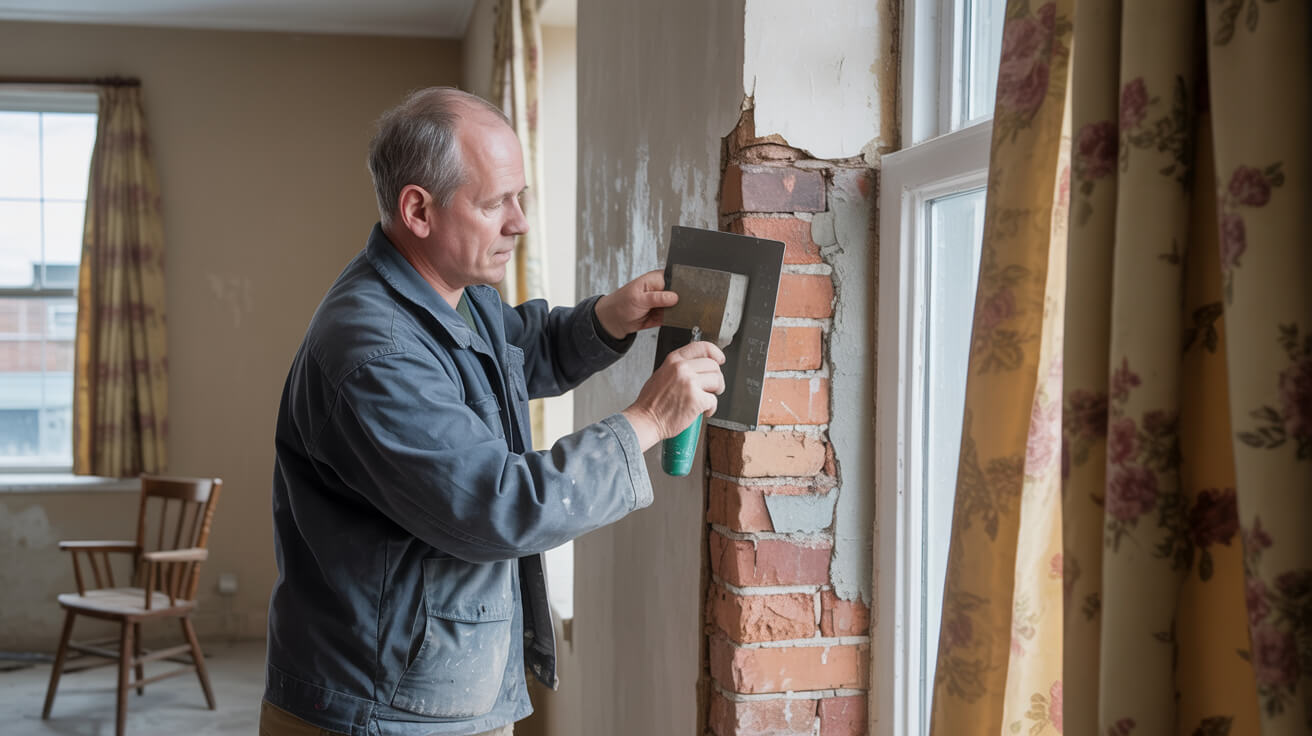
Progress isn’t about buying the latest gadget; it’s about what scales, proves itself and sticks. New tech and evolving materials, when properly piloted, shrink detection gaps and lock down chronic causes of damp—even in properties riddled with old compromises.
“Preventive tech works best when you hardly notice it—until you need it.”
Deployable innovation
- IoT sensors: Modern humidity and leak detectors, running on batteries, raise alarms at the faintest sign of trouble. Vast estates can be covered for modest outlay, and the results—20% faster interventions—are already reality *(Helsinki Social Housing 2023)*.
- Cloud live dashboards: Ditching clipboards, housing managers and regulators now access live feeds on repairs, sensors, and complaints. It’s not just about speed; it’s about traceability and trust.
Next-gen materials
- Nano-breathable plasters: These are critical in northern Europe, balancing wall breathability with durability—an answer for surface damp and legacy substrate issues.
- Retrofit DPC systems: Chemical and electro-osmotic approaches mean properties can be shielded from rising damp without heavy demolition—key for heritage blocks.
- Fortified sealants: New formulations deliver “fit-and-forget” performance, resisting the UK’s freeze-thaw swings better than older mastics *(BS 8102; PAS 2035)*.
The best providers pilot tech, measure hard results, and then scale or discard—leaving trends behind and cementing what genuinely protects tenants and stock.
What do top providers do differently to create a durable, value-driven damp prevention system?
Longevity is crafted through systems, not “momentum.” Housing leaders orient their teams, budgets, and even tenants as an integrated ecosystem—where detection, communication, and repair aren’t just tasks, but continuous commitments.
“Chasing repairs? That’s a hamster wheel; strategy steps you off.”
Recipe for robust, long-term control
- Joined-up planning: Architects, contractors, and managers share risk data and repair feedback in real time, closing the loop on both fixes and design flaws.
- Smart money use: Analytics direct spending to the riskiest stock—grants, social investment, and incentive funding is channelled where it will lower harm the most.
- Staff and tenant upskilling: Consistent, well-structured CPD for maintenance teams, and steady communication with tenants transforms them into allies against damp.
- Tenancy as partnership: Transparent updates and shared dashboards win tenant trust and boost the early reporting that breaks expensive damage cycles.
Every brick and every process is shaped for future resilience—not just tomorrow’s repairs.
What are the real costs of “doing the minimum” or delaying on persistent damp in social housing?
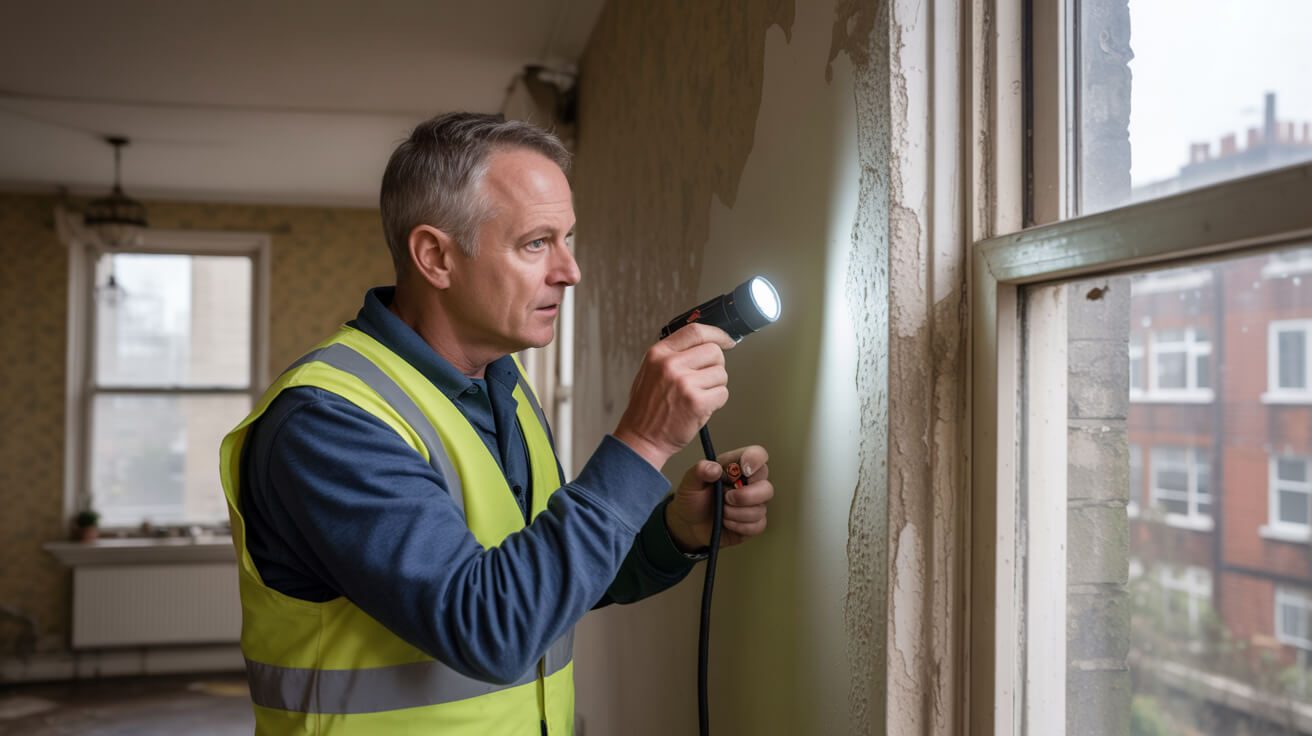
Stalling on proper damp prevention accomplishes only one thing—rolling out a red carpet for disaster. Short-cut cosmetic fixes invite repeated rot, hidden decay, and ever-growing costs—for tenants, landlords, and communities. Damage postponed multiplies; no landlord escapes unscathed.
“Delay doesn’t make the risk cheaper—it multiplies it. The invoice always arrives.”
The silent price of inaction
- Structural collapse and spiralling rebuilds: Neglected damp undermines walls, floors, and even neighbouring properties—repairs spike exponentially.
- Insurance refusals: Payouts are often denied if digital, transparent evidence of regular repair and monitoring is absent.
- Tenant harm and lost trust: School absences, illness spikes, and media scrutiny all escalate when chronic damp appears in legal or medical files.
- Legal censure and funding bans: Incomplete records today can mean court-ordered corrective action, punitive fines, and loss of access to government contracts or grants tomorrow.
A robust, preventive damp strategy isn’t a luxury—it’s the cheapest insurance policy a social landlord can buy.
Raise the bar—secure dry, healthy homes with Sussex Damp Experts
Providing homes that are dry, resilient, and healthy does not come down to luck, a generous climate, or cosmetic “repairs.” It’s the product of relentless prevention, legal and scientific discipline, and rapid, visible action. Sussex Damp Experts distils the very best global methods into local solutions—rooted in proven science, digital transparency, and deep technical expertise. The result is not only peace of mind and protected budgets, but healthier tenants, longer building lives, and compliance that stands up in audits and courts.
Set the new standard for social housing—protect your tenants, community, and budget. Contact Sussex Damp Experts today.
Frequently Asked Questions
How do social landlords get ahead of damp and mould before they take hold?
Beating damp in social housing isn’t about waiting for horror stories; it’s about locking in early-warning habits, syncing people and tech, and refusing to let small problems grow under the radar.
What daily checks and tools make prevention more than a buzzword?
You don’t control what you don’t track. Leading organisations make every property talk—combining digital moisture logs, schedule-driven inspections and staff who understand that “every odd musty note” deserves attention. Installing IoT humidity sensors in risk-prone spaces (like ground-floor flats, basements, or areas with a damp past) gives round-the-clock feedback. Pair these with regular thermal camera sweeps and tenant check-ins, and nothing escapes detection for long. The best teams run biannual hands-on reviews and train residents to spot danger signs early. Housing providers trialling cloud-connected surveys in 2023 cut unresolved damp by 30% while reducing disruptive major works (HA Insight, 2024).
How does empowering residents turn maintenance from reaction into resilience?
Tenants are the first to notice a whiff or a patch. Giving them mobile reporting tools and practical symptom guides—not blame forms—makes them partners, not adversaries. When every concern is met with respect and updates, issues are caught when a wipe will do the job, not after timber or plaster need repair. This two-way vigilance means minor complaints never sneak into major costs, and tenants see their trust repaid in real service.
A report ignored today can become a six-month insurance battle by winter’s end.
Tie these habits together—device data, human vigilance, transparent support—and damp has nowhere to hide. Rely on Sussex Damp Experts to hardwire these safeguards into your regime; your properties—and your reputation—stand stronger with every alert and every brief site visit.
Why do world-leading social landlords keep damp rates so low, and what tactics can UK housing borrow?
Social landlords abroad don’t cross their fingers—they set mandatory minimum protections and link every step to public results. They treat units not just as buildings but as permanent records of accountability.
What are the standout systems that drive their success?
Denmark mandates mechanical ventilation tied to automatic humidity monitors. Repairs that miss a seven-day mark automatically draw a state fine. New Zealand requires extractor fans and underfloor insulation in every rental, with annual independent inspections uploaded to a new national property portal. If owners ignore an alert or leave a breach, government teams act—and recover costs. In Germany, IoT-linked damp sensors are rolling out block by block; logs are open to both tenants and regulators, sidestepping paperwork games.
| Country | Core Safeguard | Accountability System |
|---|---|---|
| Denmark | Smart ventilation, logs | State fines, audit trail |
| New Zealand | Insulation, annual repair | National registry review |
| Germany | IoT moisture detection | Tenant + regulator access |
When every flat’s risk is on record, luck stops being the landlord’s last strategy.
The difference isn’t mystery; it’s measured by closed gaps, not promises. UK providers catching up move fast by copying digital logs, regular third-party checks, and linking every result to visible, tenant-facing dashboards. Sussex Damp Experts have decoded these tactics, shaping British-friendly plans that survive both wet winters and tough audits.
How do UK social housing damp rules compare to international standards—and where does this leave landlords?
UK law recognises the right issues—damp, mould, tenant health—but often stumbles at making oversight routine, penalties certain, and records rock-solid. Inconsistent compliance means some tenants wait months while others get rapid fixes.
Where do compliance gaps cost landlords the most—financially and legally?
When digital logs lag or scheduled checks don’t happen, risk multiplies. Almost 60% of unresolved complaints since 2021 tie directly to missing records or unqualified repairs (Social Housing Ombudsman Data, 2023). Budget pressures still drive “quick fixes” over scheduled, photo-logged, accredited work. Weak records or “off-system” repairs—done without supervisor review—expose organisations to legal penalties under Awaab’s Law, BS6576, and insurance clauses that demand watertight audit trails.
What international practices close these loopholes for good?
Nordic and Antipodean teams run non-negotiable inspection intervals, real-time health dashboards, and statutory penalties for missed targets. Their systems don’t start with complaints—they start with scheduled prevention, visible to tenants and regulators. State or federal audits are data-driven and trigger both automatic support and real-time owner notifications.
| Region | Inspection Schedule | Main Failure Point |
|---|---|---|
| UK | Variable, manual | Paper logs, slow audits |
| Scandinavia | Mandated, digital | Extremely rare |
| New Zealand | Registry based | No tolerance on lag |
| Australia | Mixed, spot checks | Regional disparity |
Enforcement is the difference between an intention and a dry living room.
Sussex Damp Experts operate on a digital, compliance-chained model—closing the loop before damp even makes the marketing materials or complaint files. Make regulatory moves a foundation, not a patch-job, and costs shrink for years.
What health risks do tenants really face—and what’s the business case for moving from reactive to preventive damp control?
Damp isn’t a surface nuisance; it’s a root cause of child asthma, adult chronic illness, and stress-fueled absenteeism. Treating symptoms instead of sources leads to spiralling complaints and health bills.
What’s the evidence behind the hidden costs of poor damp control?
Children in mould-prone homes run a 60% greater risk of new or worsened respiratory issues (UKHSA, 2024). Adults exposed to musty air or visible patches display 25% higher rates of anxiety and depression (WHO, 2023). Payouts for tenant health claims and NHS expenses linked to preventable housing hazards have doubled in the past four years (NHS Housing Impact Update, 2024). With Awaab’s Law and wider housing rules now treating serious damp as an urgent “fitness” hazard, ignoring signs isn’t just a leak—it’s a legal time bomb.
How do landlords cut these risks before they become statistics—or lawsuits?
- Fit IoT sensors in high-risk and history-repeat units for ‘always on’ monitoring.
- Enable private symptom reporting—tenants flag early, not after months of build-up.
- Guarantee urgent repairs are dispatched inside 24 hours, routine whenever possible within a week.
- Demand repair photos and tenant sign-off before the log closes.
- Make “dry home” education standard for every incoming resident, using simple guides and phone support.
Neglecting dry air is like inviting damp to draught the tenancy agreement.
They’re not just dry numbers—they’re years of legal and health battles averted. Sussex Damp Experts place tenant health at the centre, systemising both early alerts and transparent education for faster, cleaner living.
How do landlords stop compliance from feeling like a box-ticking exercise and turn it into a fortress against risk?
Compliance works best as a system everyone owns. It’s measured at every interaction—every inspection, every log, every sign-off. Leaving paperwork to the back office only works until the ombudsman calls.
What repeated mistakes leave landlords exposed in audits and courtrooms?
Most fines and insurance denials come from the same lapses: missing digital logs, unscheduled repairs, ignored tenant near-misses, overlooked annual CPD on BS6576/PAS2035, and letting “handyman” fixes evade formal systems. Lost records from staff turnover or clumsy tech switches make your strongest routines invisible at the worst possible time.
What does watertight compliance look like in the field?
- Every complaint, inspection and repair is digitised from first report to proof-of-fix, with strict access controls.
- Site teams get annual update training on compliance standards.
- Repairs demand geotagged photos at every stage, plus sign-off by tenants or supervisors.
- Tenants have 24/7 access to log symptoms confidentially, with case numbers and traceable follow-ups.
- Automated workflows escalate timeouts, closing the gap between missed deadlines and lost documentation.
- All data is retained securely for seven years as industry minimum.
The audit trail you ignore is tomorrow’s legal bill—consistency is cheaper than luck.
Build confidence into your business. Sussex Damp Experts deliver futureproof compliance—combining software, training, and hands-on field checks so that every inspector, reviewer, and stakeholder trusts what they see.
What new materials and sensor tech give social landlords a real edge over legacy damp solutions?
Groundbreaking results aren’t about “tricks”—they come from matching smart tech and adaptive materials to real property quirks, preventing trouble weeks or months before repairs would ever be booked.
Which field-proven upgrades deliver the strongest protection in live social stock?
Nano-breathable plasters outperform old-school lime and gypsum formulas, letting walls dry quickly while trapping salts, making them a go-to for heritage sites and busy apartment blocks. Manchester’s pilot saw a 45% drop in callouts on blocks using these new finishes (PAS2035 National Trials, 2023). Multi-point IoT sensor packs open up silent zones—finding risk behind insulation, beneath floors, and above ceilings. Modern chemical and electro-osmotic DPC lines allow upgrade instals in listed buildings without chiselling out irreplaceable features—resolving persistent issues in days, not weeks.
| Innovation | Direct Benefit | Best Use-Case |
|---|---|---|
| Nano-plaster | Quicker dry, strong finish | Historic, busy units |
| IoT moisture sensors | Finds hidden damp fast | Basements, high-risks |
| Modern DPC instals | Less mess, more control | Listed walls, awkward |
| Freeze-flex polymer sealant | Lasts longer in weather | Exposed details |
A sensor that wakes up at midnight is worth a thousand ‘all clear’ checklists.
Test and iterate with a small block or high-risk unit. Sussex Damp Experts tailor the right blend of modern tools, trained eyes, and historic knowhow so fixes last—not just for a survey, but for your full waiting list.
How do social landlords escape the cycle of reactive repairs and build a reputation for tenant trust and long-term savings?
Breaking the pattern takes one thing: systemising prevention as the rule, not a rare win. Training, transparency, and collaboration—not just between staff, but with tenants—move the dial from “management” to real resilience.
Why do short-cut fixes almost always turn into budget sinkholes?
Data doesn’t lie: superficial repairs are three times more likely to trigger future complaints and drawn-out claims (SHR, 2023). What looks like savings this quarter piles up as hidden cost—frozen trust, shell-shocked budgets, staff burnout. Residents aren’t fooled by “quick paint” over deep-seated issues—they want, and notice, real fixes.
What best practices hardwire resilience, savings, and buy-in for the long run?
- Ring-fence a slice of funding for tech upgrades, staff credentials, and better diagnostics.
- Share repair stats and prevention outcomes with residents—showing not just the “what,” but the “why” and “how fast.”
- Empower tenants to spot and report early—not only after months of frustration.
- Use a live “fix data stream” as a meeting ground for surveyors, trades, and managers—blocking gaps that used to let risk grow unseen.
- Make ongoing education part of the job, not an add-on.
Every shortcut plants the seeds for tomorrow’s headline—the teams who own the future build it with relentless visibility.
With every resident, every repair, and every training update you get further from surprise and closer to certainty. Sussex Damp Experts convert daily vigilance into a reputation for reliability, helping clients stand up to any audit and own tenant goodwill for the long run.

