
 By
By  August 26, 2025


Why Are Bathrooms and Kitchens the Bullseye for Damp Problems — and What Does Awaab’s Law Mean for You Now?
If you want to know where trouble brews fastest in any building, it’s here: the bathroom and the kitchen. These rooms swallow more water per day than any other space. They hide pipework, boxings, and voids that rarely get a second look. And thanks to health tragedies, new regulation and skyrocketing litigation, they now also come with a paper trail — one that leads straight to your door if you ignore the first signs of damp.
Bathrooms and kitchens don’t just collect steam — they lock in risk that’s easily missed, but hard to excuse.
Most people still lean on hope and habit: a quick wipe, a fan you “think” works, a splash of paint where the black spots were. But times have moved on. In the UK, Awaab’s Law has placed bathrooms and kitchens right into the regulatory crosshairs. For home owners, landlords, agents, and developers, these spaces shifted from afterthought to top-tier compliance flashpoints. If a tenant complains or a buyer’s surveyor goes snooping, any unresolved moisture can escalate: lender flags, council letters, insurance blocks, or even prosecution if a health risk is found lurking beneath those sparkling tiles.
Here’s what’s different now: every forgotten stain, slow leak, or missed repair in a wet room isn’t just a small maintenance job. It becomes legal ammunition — evidence for a challenge tomorrow, or a knock at your door from someone holding a clipboard.
Wet Rooms: Why the Rules Have Changed
- Extreme Moisture Loads: Hot showers, dishwashers, boiling kettles, tumble dryers — all dumping litres of water into the air and onto every surface.
- Hidden Weak Points: Under-bath voids, behind kitchen units, boxed-in pipes, around window reveals — these are classic spots no one checks until it’s too late.
- Passive Neglect & DIY Myths: Patch jobs — think paint overs, budget silicon, or letting “ventilation take care of itself” — don’t fool a modern surveyor.
- New Law = New Pressure: Landlords, managing agents, councils and developers must track, trace, and prove every fix or get stung for “unsuitable housing”. Insurance and mortgages may be denied if you can’t show robust, targeted action.
To put it plainly: the room where you mop the floor can be the one that mops up your entire budget if you get caught off guard.
What Triggers Action Under Awaab’s Law in Wet Rooms — and How Do You Dodge Compliance Bear Traps?

Today, the legal clock starts ticking not when a repair is done, but the moment a concern is reported — especially for bathrooms and kitchens. The law swings fast: what once would have been “deal with it next week” is now a matter of documented timelines. A forgotten whiff of must, a complaint about condensation, or a photo of mould behind a shower bottle starts the paper trail.
Awaab’s Law doesn’t care about intentions — it’s the record of your action that matters when the inspector calls.
It’s not enough to fix the issue; you need to prove you fixed it. The burden isn’t on the council to catch you out; it’s on you, the owner or agent, to have every step recorded and ready. If you can’t produce dated photos, repair logs, humidity readings, or evidence of professional diagnosis, you’re walking on ice.
The Legal Trigger Points in Bathrooms and Kitchens
- Complaint registered — even if verbal or email.: From that moment, the legal process starts. Time stamps become your friend, or your foe.
- Repeated or unresolved symptoms with no new records.: If the same mould patch returns, every prior visit must be backed by a formal record. Otherwise, it’s assumed you did nothing of substance.
- DIY shortcuts.: If the repair is cosmetic or unqualified, it may not stand up if challenged by a tenant, insurer, or council.
- Missing aftercare evidence.: No check-up? No logs? No proof a vent works? That’s a gap where liability enters.
A simple rule: the more invisible the fix, the more visible your records must be. Insurance, lenders, and local authorities will ask for before-and-after photos, official job sheets, and evidence that standards — not just quick cover-ups — were met.
How Can You Catch Damp Hotspots Before They Gut Your Wallet or Reputation?

Surprise — it’s seldom the big leaks that break you; it’s the quiet ones, seeping for months. If you’re waiting for visible black mould or rotting chipboard before acting, you’re already behind. Under Awaab’s Law and the eyes of modern lenders, a rising tide of hidden damp in kitchens or bathrooms can derail a house sale, spike insurance costs, or trigger a council investigation seemingly out of nowhere.
No visible damp isn’t a safety guarantee — only documented, forensic inspection can clear the air.
Homeowners, agents, and landlords too often rely on cold-touch ‘gut checks’, a sniff in the air, or a finger run along cold windows. Today, standards demand more: tools, testing, and logs. Moisture metres calibrated for surface and core checks, thermal imagers to catch cold bridging, borescopes for hidden cavities, even persistent humidity monitoring — these are your proof points (Sussex Damp Experts, Techmeisters). The law, and your bank or insurer, expect nothing less.
The Early Warning Alarms Most People Ignore
- Lingering condensation on glass or tiles that won’t shift for hours.
- A faint, musty aroma after the extractor stops — especially under sinks, or in bath voids.
- Fine black lines along grout or silicon, even cleaned weekly.
- Peeling paint or bubbling finishes — especially under windows or where two materials meet.
- Softened caulk or black patches near hidden plumbing joints or waste pipes.
See any of these? Snap photos, date them, and start a log — early documentation is the ultimate edge when liability is questioned.
What Concrete Steps Actually Protect You From Compliance Meltdown?
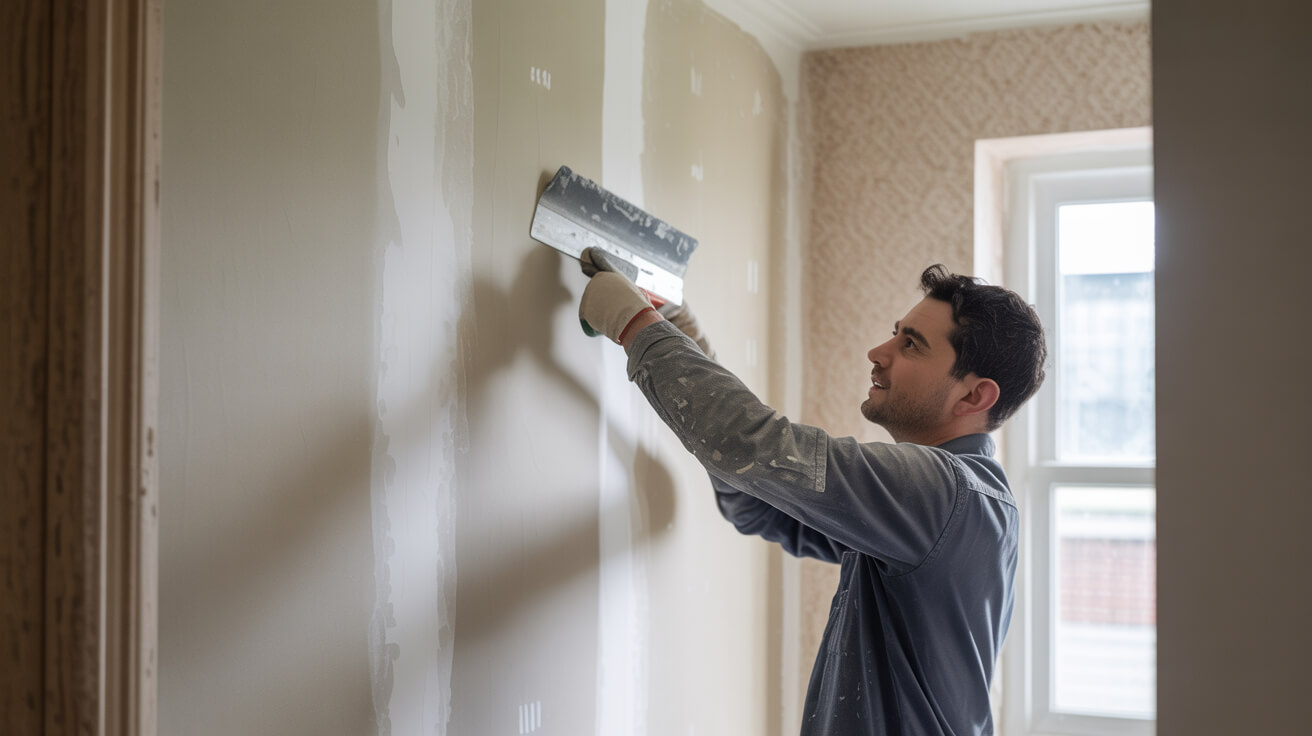
Forget checklists with box-ticking for show. In the new era, “compliance” means a process you can trace, audit and even defend years after the fix. Wiping down a wall, swapping silicon, or cracking a window isn’t enough unless there’s paperwork behind it.
True compliance in wet rooms is a discipline — process, paperwork, and proof, not just a checklist in the kitchen drawer.
Here’s the process Sussex Damp Experts use, and why mortgage brokers, insurers and surveyors now look for the same:
- Ventilation Upgrades: 100mm+ extractor with humidity sensors and timed run-ons for each wet room. Keep a photo of the model sticker after fit-out, with a dated log from the installer. Weak fans are a red flag for both insurers and council inspectors.
- Certified Finishes: Moisture-resistant plaster and paint, compliant with BS6576 and PAS 2035. Keep spec sheets and invoice records, not just “the decorator’s word for it.”
- Physical Inspection: Access every void — under baths/kitchen units, behind boxing, at window reveals. Superficial “visual-okays” are a common reason for failed repairs.
- Digital Repair and Inspection System: Use cloud tools or property software to log dates, descriptions, and post-repair checks. Paper-only trails too often vanish.
- Tenant/Agent Briefing: After every major job, send guidance on what symptoms to watch for and how to escalate. Document the communication, not just the fix.
These steps turn a future challenge from a costly fight into a quick, documented win.
How Does a Legally-Sharp Damp Compliance Chain Work — and Where Do Owners Usually Slip Up?

Most failed legal cases around damp don’t collapse because the repair failed. They collapse because proof is missing, links in the chain break, or someone cut corners. You want every action — from first complaint to last sign-off — stitched to evidence you can present in minutes, not scramble for weeks later.
A compliance path is strong only as its weakest link; ignored aftercare or ‘lost’ records mean you’re wide open to enforcement or claims.
This isn’t bureaucratic bloat — it’s the way councils and insurers now operate. If a tenant says, “still smells musty, still spot on the wall,” and your records are vague or patchy, you’ll face a council enforcement — or the surveyor’s “no lending” verdict.
Anatomy of a Legally-Defensible Compliance Trail
- Instant, Digital Intake: Every issue reported (with a photo) is logged centrally. No “I’ll remember it next week” or “he told me in the hall.”
- Professional Survey & Diagnosis: Only qualified, accredited surveyors or damp experts to make the call. Reports must cite standards (BS6576, PAS2035, etc.), not just “job’s done.”
- Photo-Documented Repair and Materials: Before-during-after images, plus materials with compliance certificates. Phone snaps are acceptable if they’re logged right — never “after the fact.”
- Aftercare and Monitoring: Scheduled visits, humidity log downloads, signed-off maintenance checks. No skipped visits, no “ran out of time” excuses.
- Central Archive: All emails, records, and checks are kept together and accessible for years. Cloud preferably; shared inboxes or paper folders are a constant point of risk.
Weakness appears when aftercare is missed, repairs are “unqualified”, or evidence can’t “prove the fix.” Shored-up trails make every future challenge far less expensive.
Where Do Most Wet Room Compliance Failures Begin — and How Do You Bulletproof Your Approach?

Look through property case law or insurance denials and the same patterns repeat. Owners lose not because they lacked effort, but because their process was patchy: quick cosmetic repairs done by unqualified trades, skipped aftercare, or, most of all, “invisible” paperwork.
Every missing photo, forgotten record, or shoddy fix is a time-bomb waiting to explode on the next compliance sweep or housing complaint.
Common traps to avoid:
- Ignoring the hidden spaces: Always open up bath panels, boxed-in voids, or under-sink kickspaces for inspection — not just a surface wipe-down.
- Skipping scheduled aftercare: The repair means little without a follow-up visit and humidity reading. Make aftercare the norm, not an “if we get to it.”
- Paperwork not linked: , or held “somewhere” on a laptop no one checks — documents must be central, secure, and easy to pull at a moment’s notice.
- DIY or “cheap-as-chips” trades: Unqualified repairs fail the legal sniff test under Awaab’s Law and leave you exposed in any dispute.
- Tenant/agent left out: Any fix must be followed by guidance and clear escalation routes — false complaints or missed symptoms trigger a second wave of trouble.
The real shield? Every process, every check, every repair lives in your system — not in someone’s head.
How Can You Build Fast, Cost-Effective, and Defensible Wet Room Compliance — Regardless of Budget?
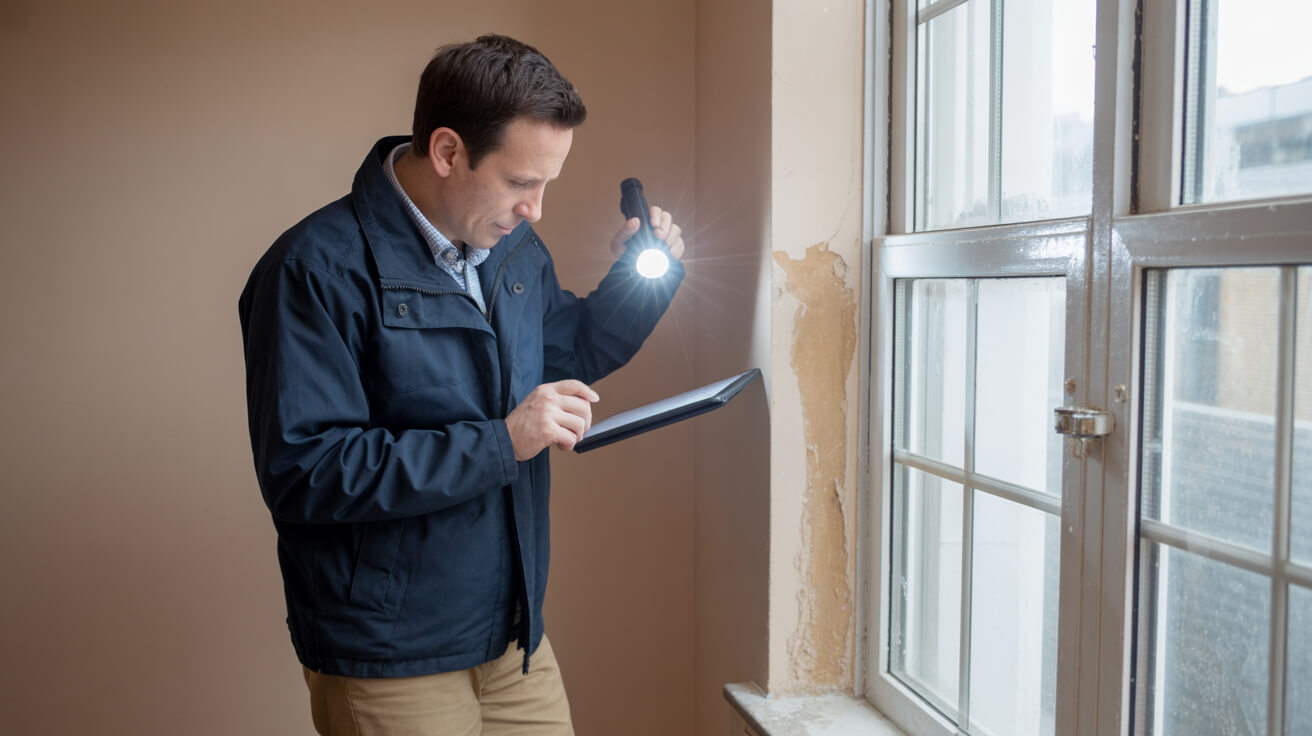
You don’t need endless budget or luxury tiles to avoid a damp dispute. You need fast reaction, documentation, and professional standards every time. Whether you’re a landlord, a letting agent, a developer, or managing municipal stock, a robust system can be simple.
- Rapid Digital Reporting: Equip tenants, agents, or staff with a simple method — app, portal, or scanning system — to log complaints and upload photos instantly.
- Formal Service Agreements for Experts: Have a standing arrangement with trusted damp surveyors/contractors: priority response, clear report formats, and defined costs.
- Aftercare Built-In: Every job includes follow-up — whether a visit, a video call, or remote monitoring. Proof of aftercare equals confidence for buyers, insurers, and councils.
- Simple, Shareable Documentation: Store everything digitally; make it accessible across teams and to future property managers. A shared drive is better than a locked filing cabinet.
Defensible compliance isn’t about throwing money at the problem; it’s about making sure your records and repairs stand up under light, every time.
If you act early, document everything, and follow a consistent professional process, you can dramatically cut risk and cost — no matter the property size or budget.
Why Sussex Damp Experts Are the Essential Partner for Wet Room Compliance in 2024 and Beyond

Managing the risk of damp in bathrooms and kitchens used to be an owner’s quiet headache. Now it’s a regulatory, legal, and reputational flashpoint — and a documented process is your new best defence. Sussex Damp Experts bring every inspection, every fix, every aftercare call into one auditable, defendable chain that stands up before any council, lender, or insurance claim.
The smartest move is to act before the next complaint lands — and to leave a trail a council officer can’t poke holes in.
If you’re serious about protecting your asset — or your business — don’t rely on memory, hope, or a hasty cover-up. Invest in a system that will outlast quick fixes, impress lenders, unnerve would-be litigants, and put you on the best possible footing for any challenge.
Ready to swap hidden risk for proactive confidence? Sussex Damp Experts make your wet rooms a legal asset, not a loophole waiting to be caught. Take the step today: defend your value, your reputation, and your health with the team setting new standards in compliant, audit-proof damp management.
Frequently Asked Questions
Why are kitchens and bathrooms now top targets for damp compliance—what’s driving this shift?
Kitchens and bathrooms are the proving grounds for modern damp law because they face relentless wetting, but most weren’t built to handle the constant assault—leaving property owners, landlords, and managers exposed to fast-moving enforcement. These rooms turn microscopic leaks or trapped steam into full-fledged compliance threats in a matter of weeks.
Neglect the smallest puddle, and it’s not long before a minor flaw becomes a headline legal case.
Wet rooms are now ground zero under Awaab’s Law, with councils, lenders, and surveyors focusing site visits and enforcement efforts where shower spray, dishwashers, or a missed seal can sabotage the whole property’s compliance record. Every tenant turnover, letting, or sale resets the legal clock, and forgotten voids or disguised damp patches become automatic red flags in today’s data-driven audits.
Why do even cautious owners and agents get caught out?
- Condensation forms faster in these rooms—blown extractor fans or overspray exploit every design flaw.
- Structural blind spots: boxed pipework, hidden cisterns, and kitchen kickboards hide the worst damage until it’s too late.
- Quick “visual-only” fixes fail under modern housing law; missed documentation is treated just as seriously as missed defects.
- Nearly two-thirds of post-2023 enforcement actions now start in kitchens and bathrooms (National Compliance Network, 2024).
What sets legal survivors apart is the discipline to treat every damp risk—however minor—as the start of a compliance chain: photo proof, live monitoring, and certified repairs, not just a fresh coat of paint. If your property portfolio is in the firing line, these are the rooms that can make or break your regulatory standing.
Are all wet rooms equally risky?
No—older properties, or those with retrofitted plumbing and sealed timbers, see much higher failure rates. But even new builds with “builder’s standard” fans and paints can trip up, especially after six months of daily use.
How can you spot hidden wet room damp before it triggers legal or insurance action?
Early damp gives subtle warnings long before you see stains or black mould. Ignore these cues, and you risk months of unseen decay—a ticking clock for failed pass-offs, voided guarantees, or council reports. Landlord and managing agents who act on the “pre-mould phase” save on repairs and never get caught with an unfinished compliance log.
Trust your nose and fingertips—unexplained odours and cold, sticky textures call out issues before any visible trace appears.
What tells you action is needed—before the obvious shows?
- Odour lingers: Musty air after a hot bath, or sweet smells in a shut kitchen, beat visible damage to the punch.
- Texture shift: Corners or skirting that feel damp or cool, especially below appliances or behind baths.
- Acoustic change: Listen for the subtle “sizzle” or echo when water runs—thermal bridging and unseen leaks magnify these cues.
- White blooming or salt traces: Early signs of “hygroscopic” activity, even months before paint or tiles bubble.
- Animal behaviour: Pets avoid new cold patches, signalling subfloor or wall moisture you haven’t seen yet.
Quick checks every owner or agent can run:
- Snap photos of high-risk spots during every inspection—focus on voids, pipe entries, and window returns.
- Use an inexpensive IR thermometer to check surface temperature variance around likely leak sites.
- Lift removable panels periodically, especially after heavy water use or if odours persist.
- Keep a simple, dated log—insurers and councils place huge value on even informal documentation if it’s continuous.
Most formal disputes start with “no clear record” as the culprit. Early vigilance defuses them all.
Which damp-proofing and ventilation upgrades genuinely lock in compliance—beyond stickers and receipts?
The days of “bathroom fan: tick” or “kitchen paint: tick” are gone. True compliance only comes with intelligent systems—those that record, report, and prove their performance day in, day out. Without this, any claim or inspection can unravel your defence in minutes.
Paper guarantees are powerless if no data supports what happens after you lock up for the day.
What ticks the legal boxes—and what do regulators truly check?
- Auto-logged extractor fans: Only units that sense humidity and archive usage logs qualify; older or generic models now fail the post-Awaab test.
- Certified plasters and tanking: Documentation from BS6576 or PAS2035-compliant suppliers, with instal records attached, outweighs any after-the-fact promise.
- Combined systems: Positive Input Ventilation (PIV) paired with tanking membranes secures properties with recurring risk or hard-to-reach voids, backed by performance data.
- Digital aftercare: Scheduled, sensor-driven reporting offers ongoing proof—shortcuts here trigger denial of claims or council remits.
What are emerging best practices set by leading specialists?
- All new instals or repairs come with certificate photos and data logs stored in a cloud-accessible file.
- Agents and landlords receive “handover packs” including warranty, digital logs, and live sensor readings for each wet room.
- Remedial jobs for old failures always start with moisture mapping, not just surface fix—they generate before-and-after evidence for legal backup.
- *Long-term maintenance* is written into every tenancy or sale agreement, linking inspection findings to aftercare schedules.
A cheap fan or membrane can end up costing far more in missed documentation than in materials. Go where the law and underwriters are heading: digital, auditable, and standards-based.
What documentation, timing, and reporting must you master to stay ahead in compliant kitchens and bathrooms?
Wet rooms have become compliance sprints: every observation, inspection, and repair triggers a legal stopwatch—and any slip-up puts your position at risk. Proper documentation is now the backbone of risk management for landlords, managers, and even homeowners looking for a smooth sale.
Compliance isn’t a paper shuffle anymore—it’s a digital relay race where proof wins every handover.
What’s the new baseline?
- Immediate record: Log every issue (photo and note), whether raised by tenant, surveyor, or self-inspection.
- Legal timeline: Investigate within 14 days, write up with photos and standards reference in three further days, and complete repairs with certification within a maximum of seven days.
- Continuous file: Copy every certificate, photo log, and communication into a digital system—councils and lenders demand instant access for three years.
- Final handover: After each repair or turnover, create an easy-to-follow file with timestamped images, fan test reports, and warranty links.
Where do most cases fall for lack of evidence?
- Gaps in the photographic trail—panel returns, under-appliance views, and pipe voids are frequent weak points.
- Informal reminders or texts lost in inboxes—a central digital folder or cloud platform is non-negotiable.
- Accidental “clock drift”: repairs or reports outside the legal maximum, even by a day, can trigger enforcement or insurance refusal.
Specialist partners now offer compliance dashboards—pull up any room’s records in seconds, not days, and close out issues before they escalate into something unmanageable.
How do you bulletproof your wet room compliance (and reputation) in the field?
Building a watertight compliance case goes beyond checklists—it’s a living process that documents, monitors, and maintains every at-risk zone. Real-world resilience is measured by how easily you can pull up three years of proof for any corner of any room, not by the flashiness of your finishes.
Your reputation is sealed not with one big job, but with small, regular proofs—always logged, never lost.
What steps convert compliance from headache to insurance against future loss?
- Demand every fix be tied to signed surveyor’s certification, referencing relevant standards—especially out-of-sight works.
- Layer your documentation: combine digital photos, log entries, and material receipts in one “ongoing room record.”
- Schedule automatic aftercare—smart sensors can prompt check-ins and damp risk alerts for each tenancy, sale, or insurance cycle.
- Hold routine compliance audits—run an inventory against legal and standards-based checklists, and fix gaps ahead of council or buyer discovery.
Where does the risk usually hide?
- Panel returns, wall voids, or kickboards missed in your audit—moisture loves opacity.
- Broken chain of documentation—unsigned work, lost logs, or misfiled certificates lead to claims lost on technicality, not cause.
By partnering with evidence-driven compliance professionals, every wet room move becomes a value-add—raising asset trust with buyers, tenants, and regulating authorities alike.
Why do professional, accredited specialists remove the compliance anxiety from kitchen and bathroom damp management?
Delegating to accredited damp specialists changes the risk equation: you trade stress and paperwork headaches for documented certainty—and a reputation for being always one step ahead. The gold standard combines advanced survey equipment, standards-driven repairs, and digital audit trails with programme-based aftercare.
When you can produce every proof on demand—across years, tenants, or lenders—compliance becomes a selling point, not a scramble.
What sets leaders in wet room compliance apart?
- They map and log all voids, risk surfaces, and repairs with timestamped before-and-after records at every visit.
- Survey and instal teams deliver all BS6576 and PAS2035 certificates as a digital file—ready for council, lender, or tenant checks on the spot.
- Ongoing mentoring—every new occupant, agent, or buyer receives tailored aftercare and use briefings, controlling risk at every stage.
- They have a track record in heritage, eco, and contemporary instal compliance—ensuring even complex projects are audit-proof.
For portfolios, agents, and meticulous owners, the right compliance partner transforms wet rooms into trust anchors—making every inspection, insurance claim, or transaction a seamless affair where documentation outpaces every regulation or market shift.

