
 By
By  August 26, 2025

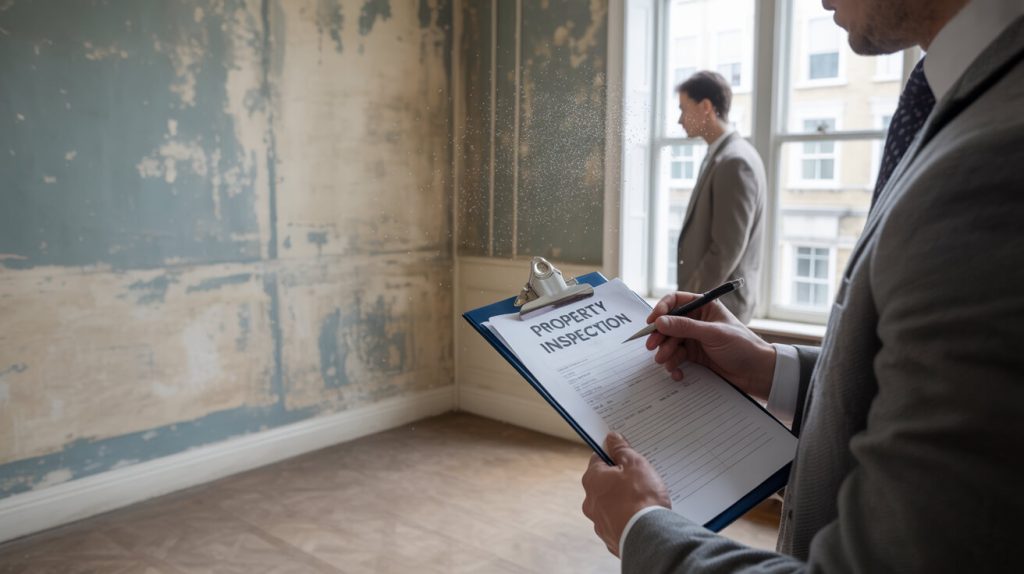
What Counts as a Real Emergency Under Awaab’s Law?
Some problems get your heart pounding for good reason. Under Awaab’s Law, emergencies are simply the hazards that can’t wait—a no-excuse line in the sand. If damp, mould, or building flaws put your health or safety at risk right now, landlords or managers have a legal duty to sort it, fast. A dripping leak close to a fuse board, thick black mould blooming in a child’s bedroom, or an unheated flat during a cold snap—these aren’t inconveniences, they’re defined legal triggers.
If you’d lose sleep leaving it, the law calls it urgent—you don’t get to debate it.
Awaab’s Law means the following situations now count as full-blown emergencies:
- Water leaks threatening electrical wiring or circuits
- Heating failures in cold months making a property unliveable, especially for the vulnerable
- Black or spreading mould near slept-in rooms, or where babies, elderly, or the unwell live
- Power outages, exposed wiring, or shocks from sockets
What’s changed is the legal lens: if you’d be criticised for doing nothing, or if you’d feel anxious letting it slide, it’s urgent—no “wait and see” allowed.
Beyond the obvious, early warning signs matter too. Fresh damp patches, salty residue, or an odd musty smell in a home with vulnerable residents push a problem into the emergency column. Failing to act isn’t just careless—it’s a finable legal breach (gov.uk).
Procrastination now bites twice—escalating cost, multiplying legal risk.
Awaab’s Law retools centuries of feather-dusting and denial. If a risk could escalate and involve vulnerable people, the clock starts immediately. This isn’t a guideline; it’s law.
Why Did Awaab’s Law Change Everything About Damp and Mould Hazards?

Tragedy forced change. The death of Awaab Ishak, a child whose repeated illness was dismissed as “pending repair,” forced the government’s hand. Now, Awaab’s Law compels landlords and agents to treat reports of damp, mould, or structural risk as immediate legal duties.
Today, the system has a backbone:
- Assessment of any reported hazard within 14 days:
- Findings to tenants in writing:
- Repairs to “emergency” risks must start within 24 hours:
“Technical” excuses no longer buy time. Missing these deadlines triggers heavy penalties: enforced repairs (out of your control), direct fines, loss of rental income, even prosecution (insidehousing.co.uk). Hidden threats—patches behind wardrobes, symptoms in children—now carry the same legal weight as the most visible rot.
It’s no longer about what worries the eye. It’s the danger you allow to fester.
Tenants’ rights moved from wishful thinking to clockwork deadlines. What counts is measurable action: results, not empty assurances.
The plain result? You can’t argue a hazard out of existence. Only repairs—on a legal timer—close the case.
How Can You Tell if Damp or Mould Now Poses a Significant Threat?

Awaab’s Law is allergic to excuses and blind eyes. You don’t need a wall completely black with mould before the law applies. The first signs already count—musty odours, recurring condensation, paint blisters, or household members with lingering coughs or reactive asthma.
See it, smell it, or feel it? The law expects proof—and expects you to act.
Early red flags include:
- Mould that creeps, re-appears, or grows from grey-green smudges
- Persistent morning condensation, especially on bedroom windows
- Soft, discoloured walls behind furniture, skirting or window ledges
- Family with sudden, stubborn coughs, sniffles, or worsening wheeze
Rising damp often starts in shadowy wall bases, while condensation haunts cold corners. Both count as emergencies when any person at greater risk—a baby, someone elderly, anyone ill—lives under that roof (nhs.uk). If you try to guess the cause, you could end up footing a larger bill—with fines attached—for inaction.
Speed is leverage. Early diagnosis is proof the law expects, not a bonus.
If it looks, smells, or feels like trouble, log it—photographs and readings build a case, while delay builds only risk.
What Practical Steps Prove an Emergency Exists in Your Property?
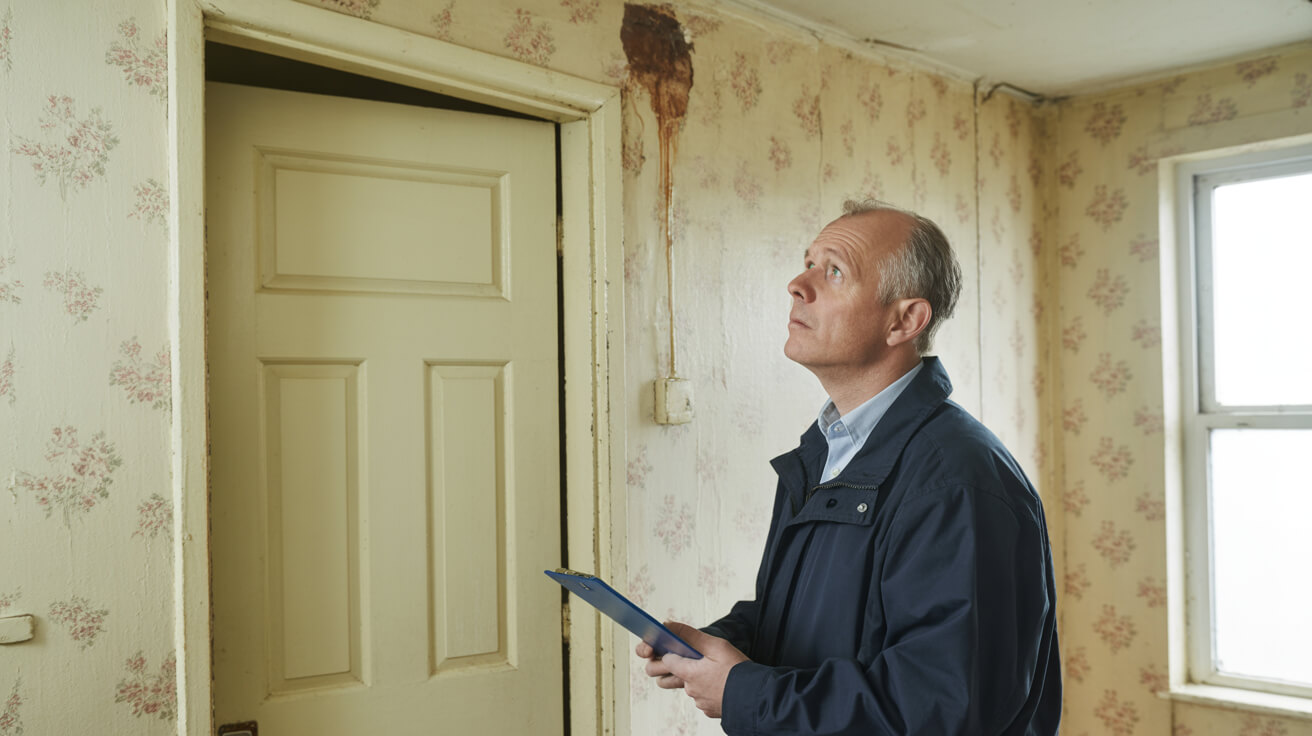
You don’t need a scientist’s badge—just eyes, patience, and the right tools. Start outside: are there slipped roof tiles, moss-choked gutters, or water pooling against the house? Any of those can turn a simple damp patch into a full legal emergency by morning.
Indoors, document:
- Salt stains on plaster beneath windows
- Bubble or flaking paint, especially at wall bases
- Soft or pulpy wood in doorframes or floors
- Persistent chill or damp zones—rooms impossible to keep warm
A basic moisture metre is a game changer. Councils, lenders, and insurers now trust calibrated readings—solid evidence speaks over hearsay (propertymark.co.uk). Time-stamped photographs lock in proof, especially for repairs that drag.
Evidence builds your defence. Photos, readings, and notes close loopholes before they open.
Heritage or listed sites raise the stakes. Use quick-fix products or tanking in the wrong environment and you risk prosecution, not just faulty repairs.
Self-checks can resolve everyday worries, but when insurance, mortgage, or legal cases loom, a professional (PCA-accredited, survey-grade) report sets the gold standard. Sussex Damp Experts offer both—easy-to-read findings plus heavyweight reports that stand in court or at council review.
What Exactly Are You Required to Do When You Spot an Emergency Hazard?
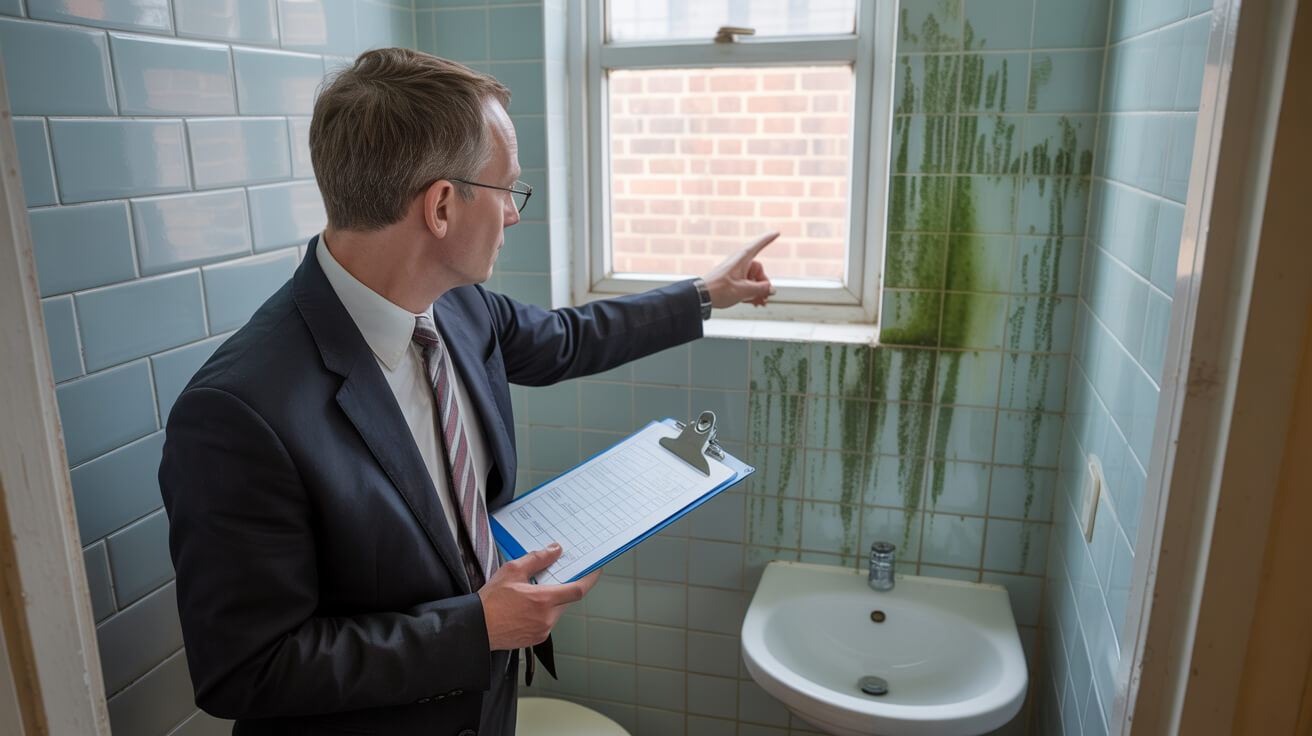
Awaab’s Law boils action to three essentials: record it, report it, remedy it—with speed.
Step 1: Record the problem—Take photos, note moisture readings, log affected people or rooms. Every detail counts; later, gaps can kill a claim.
Step 2: Report it—always in writing—Inform your landlord or agent by email, online portal, or (for the old-fashioned) a tracked letter. Written notice activates the 14-day/24-hour legal clock.
Step 3: If you are landlord or manager, don’t stall—Contract a skilled, accredited expert without delay. Quick fixes—paint, bleach, dehumidifiers—rarely stack up to legal demands; they risk bigger fines if real repair is later ordered.
Step 4: Avoid the shortcuts—Surface cleans can’t mask structural or biological risks. Remedies must treat both symptoms and causes for the building and its people.
Step 5: When stakes are high (health, property integrity, tenant safety), escalate—If repairs don’t start on deadline, escalate to the council, attaching all your evidence. Each piece of council- or expert-backed proof shortens the legal wrangling.
Clear proof, tight communication, and quick escalation keep big problems from blooming into endless battles.
Log everything—diagnosis, reports, dates, outcomes. A tight paper trail is now as crucial as a working roof.
What Are Your Exact Legal Duties and Deadlines Under Awaab’s Law?
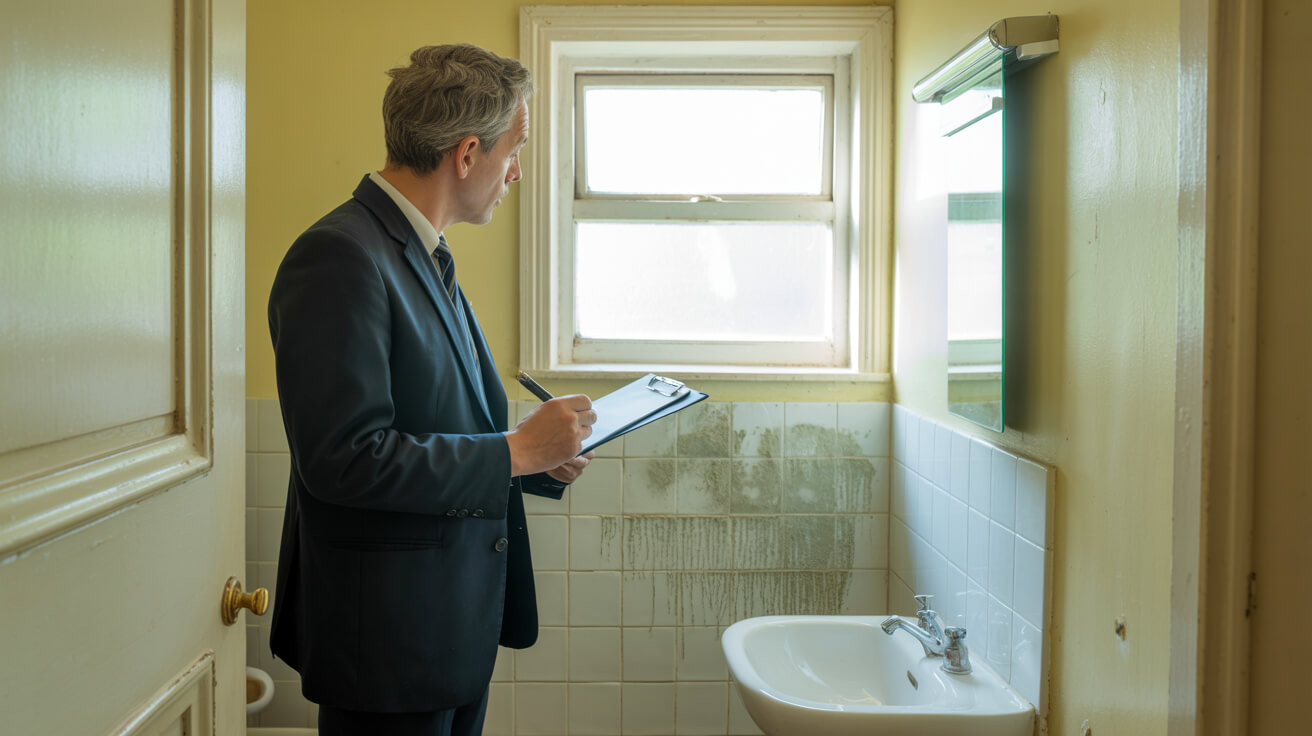
The new law packs muscle where gaps used to let substandard landlords hide. Your responsibilities—and timeframes—are exact:
- Hazard reported?: You have 14 days to investigate and provide a written response.
- If it’s an emergency?: Repairs have to begin within 24 hours—debate is not allowed.
- Every fix: Back it with “before and after” photos, contractor details, and the full timeline.
- End-to-end proof: Councils, lenders, and insurers will demand survey-grade records that can’t be faked or lost ([lawtonreports.co.uk](https://lawtonreports.co.uk/awaabs-law-social-housing-damp-and-mould/)).
Miss these, and you’re staring down forced repairs, direct fines (not just for “bad intent”), rent repayment orders, and prosecution for repeated offenders (theguardian.com). Damp isn’t a “soft” issue anymore—it now sits at the same table as gas leaks and fire risk.
No proof, no defence. Only proper records and pro-grade reports stand up in court or at council review.
Slow responses, missing reports, or DIY logbooks are easy targets for legal challenge. Lawyers and compliance officers know: transactions can be replayed, excuses can’t.
Which Mistakes Do Most Landlords and Agents Make That Risk Compliance Collapse?
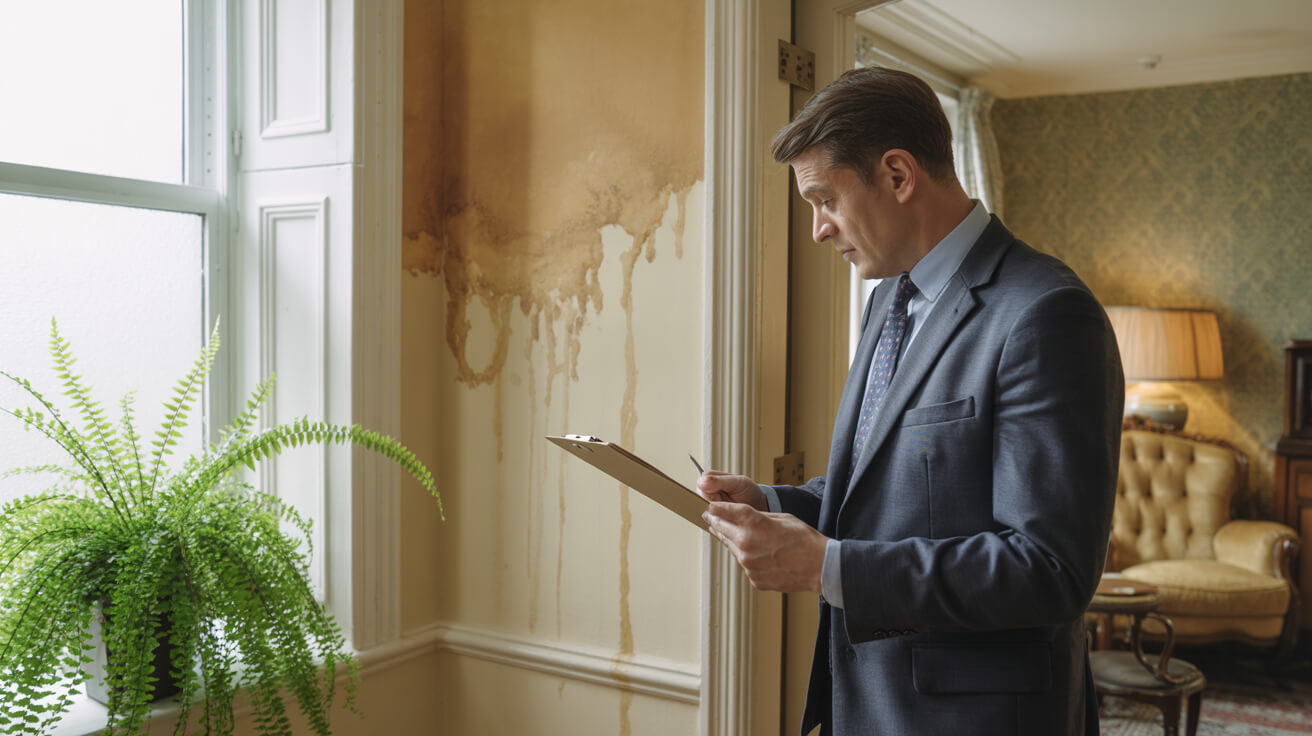
Trouble often repeats itself. Most compliance failures come down to a handful of avoidable errors:
- Dismissing visible signs: “Old houses get mould” is now a losing excuse.
- Surface-only fixes: Covering mould with emulsion, using household bleach, or simply sealing a leak without investigating hidden causes no longer counts as repair—and can void insurance and lender support.
- Bypassing the professional standard: Most dispute-proof evidence starts with an accredited expert’s report ([sussexdampexperts.com](https://sussexdampexperts.com/awaabs-law-investigation/)). Councils, insurers, and courts demand it.
- Bodging heritage repairs: Tanking old brickwork, using impermeable products in listed properties, or ignoring conservation rules can bring further fines—even criminal ones.
- Incomplete documentation: A single missing photo, fuzzy timeline, or unfollowed receipt can turn a solvable repair into a legal quagmire.
Most expensive disputes grow from half-checked records, missed log entries, and thinking small leaks will vanish.
A tight process—combining communication, full documentation, and solid maintenance contracts—now protects you as much as a premium insurance policy.
Who Can Secure Your Property’s Legal and Physical Safety—Rapidly and Reliably?
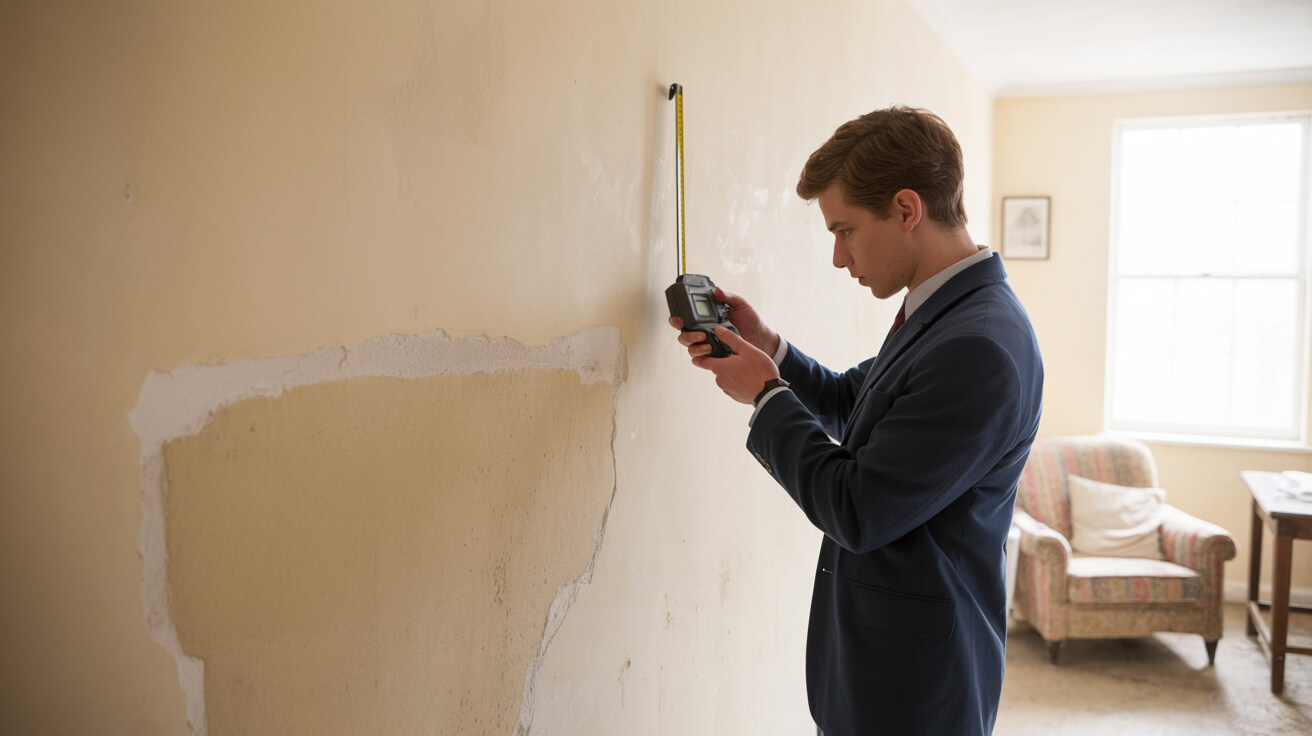
When law, safety, and reputation ride on your next move, cut to a proven system. Sussex Damp Experts deliver emergency response and watertight compliance in one package. PCA-accredited, trained in BS6576/BS8102 best practice, and trusted across Sussex, our team delivers:
- 24-hour emergency inspections that set legal deadlines on firm ground
- Surveyor-grade diagnostics—covering common, hidden, and heritage-related causes
- Legally endorsed reports for council, insurance, or mortgage cases
- Detailed repair, aftercare, and guarantee chains—all with airtight compliance evidence
Clients avoid delay, legal hassle, and rejected claims. We translate complex legal, technical, and heritage needs into plain-English actions and proof. For anyone serious about property value, health, or simply sleeping soundly, our service delivers the surest form of protection.
With Sussex Damp Experts you get more than repairs—you get a shield, in writing, from risk to remedy.
Ready to stop worrying? You don’t need another trade-off—you need a fix that proves itself from day one.
Request a Sussex Damp Experts Inspection—Forensic Clarity, Lawful Protection
Paperwork lags behind emergencies—today, the law expects you to act decisively, not just keep a file. From family homes to commercial sites, Sussex Damp Experts is the rapid, professional response that wraps your assets, health, and future security.
Don’t roll the dice with guesswork or last-minute panic. Book a forensic inspection—get clarity you can trust, compliance that stands up to scrutiny, and repairs that prevent disputes, fines, and stress.
Defend what matters. Schedule your Sussex Damp Experts inspection today to keep your building—and everyone inside—safe, compliant, and confident.
Frequently Asked Questions
Why does damp or mould in a property become a legal emergency—and not just a hygiene problem?
Damp, mould, or internal leaks turn from cosmetic to legal emergencies as soon as they threaten occupant health, safety, or essential utilities. It’s less about stains and more about unseen risks: Awaab’S Law Awareness, now centres on the point at which mould returns after cleaning, leaks threaten electrics, or condensation triggers respiratory problems—especially for children, seniors, or immuno-compromised tenants. Under Awaab’s Law, such hazards activate a legal countdown clock for landlords, who now face fixed repair deadlines and strict documentation duties.
What separates inconvenience from a statutory hazard?
You’re in legal territory when you spot:
- Black or green patches that regrow despite cleaning
- Water or damp marks next to electrics
- Repeated coughs or worsened asthma in the home
- Weeks without functional heating during winter
- Condensation soaking sills or pooling on floors
The law reacts to silent spread—your health isn’t negotiable, and neither are repair deadlines.
A social landlord who hesitates risks more than grumbles—Awaab’s Law means non-action becomes a council matter, an insurance headache, or even a criminal breach. For heritage properties, the compliance bar is higher—repairs must honour breathability and historic rules, not simply patch over the problem.
How do trigger points escalate response?
- Any hazard affecting vulnerable people fast-tracks intervention
- Damp or leaks linked to electrics means 24-hour action, no exceptions
- Persistent symptoms (skin, sinus, lungs) are sufficient to mandate investigation
The signal is always: impact on health or critical day-to-day use, not just visual mess. Professional diagnosis is now the minimum standard for compliance.
What daily signs mean damp, mould, or condensation have triggered new legal risks for landlords?
When any sign of moisture stops being “just a nuisance” and starts affecting a resident’s wellbeing, you’re in legal territory. The line is crossed once black mould reappears after cleaning, or musty odours, persistent condensation, or allergy-like symptoms become repeat complaints in the property.
What specific indicators make your landlord legally liable?
- Black, grey, or green mould that keeps returning
- Flaking paint, water stains, or salt marks on sills or lower walls
- A musty smell persisting even with open windows or fans
- Overnight condensation on bedroom windows nearly every morning
- Persistent coughs, allergies, or sinus trouble linked to time spent in the home
If the property is home to kids, elderly, or anyone with health conditions, even mild symptoms tip the legal scales. It isn’t enough to clean up or “wait for the next inspection”—Awaab’s Law calls for timely surveys and permanent fixes.
See, smell, or feel it—don’t dismiss it. With legal deadlines in play, evidence and a survey can stop a small problem mutating into a major dispute.
For period or listed homes
Quick fixes or modern paints can backfire, as only conservation-compliant, breathable repairs satisfy both the law and local officers. Documenting each choice is just as vital as rapid action.
What counts as ‘legal-grade’ evidence if you’re caught in a damp dispute?
Councils, insurers, and even mortgage lenders deal in documentation, not stories. Awaab’s Law raises the bar: timestamped photos, annotated surveyor reports, and sequential moisture readings beat a blurry smartphone snap every time. If you want coverage for yourself or a fast-track fix from your landlord, assemble a watertight bundle.
Evidence that makes councils, lenders, and courts listen:
- Date‑tagged photos before, during, and after repairs, with focus on expanding or recurring damage
- Moisture metre readings and salt sampling (especially for uncovering rising damp)
- Logs of every complaint, repair attempt, and landlord reply—avoiding “he said, she said” deadlock
- Detailed PCA specialist or accredited surveyor reports referencing BS6576, BS8102, or PAS2035 standards
- Letters from doctors, nurses, or health visitors when symptoms worsen in the property
- For historic homes: receipts, quotes, or instal notes referencing breathable and conservation-grade materials
The difference between quick progress and a legal tug-of-war is proof that travels with the problem from first sign to full resolution.
Why does a clear evidence trail matter?
- Landlords gain cover against insurance loopholes or false claims
- Tenants fast-track remedies and escalate with confidence
- Councils, lenders, and local authorities move quickly if the timeline is indisputable
Omitting even a single element—such as missing photos, delayed moisture readings, or skipped surveys—can torpedo your case or drag out the process for months.
What deadlines and penalties do landlords face under Awaab’s Law for damp, mould, and leaks?
From October 2025, statutory crackdowns mean the days of “we’ll get to it soon” are over. Once a serious hazard—damp, mould, dangerous leaks—is reported in writing, the compliance clock starts.
| Process stage | New legal deadline | What’s expected |
|---|---|---|
| Inspection & diagnosis | 14 days from complaint | Moisture mapping, site visit, full notes |
| Written summary to resident | 3 working days post-inspect. | Clearly state findings & remedy plan |
| Urgent repairs (not emergency) | 5 days from diagnosis | Permanent or interim repair, airtight proof |
| Emergency repairs | 24 hours from recognition | Immediate intervention, risk mitigation |
If parts, labour, or safety complicate a fix, interim “make safe” provision or even temporary rehousing is expected—dragging one’s feet is no longer tolerated.
Each hour late shifts legal leverage to tenants, triggers council fines, or risks insurance denial—keep the evidence moving alongside every repair.
What happens when deadlines are missed?
- Fines, compensation, or rent repayment demands
- Forced council repairs at landlord expense
- Fast-tracked court action or legal orders
- Insurance or mortgage refusal for repeat or chronic breaches
Always align repairs and paperwork—the two are inseparable when statutory deadlines rule.
Which operational errors catch out landlords and agents under the tougher legal regime?
Mistakes aren’t always about malice—often they stem from underestimating the scope or failing to document at every step. Typical pitfalls in both new and older buildings include painting over or bleaching visible mould without tracking its return, missing root causes like high ground water or bridged DPCs, using wrong materials in listed properties, and ignoring the paperwork that proves each repair.
Avoidable missteps under Awaab’s Law
- Skipping full substrate or wall investigations—damaged decor can hide deeper threats
- Applying standard paints or plasters where breathable, conservation-approved products are needed
- Neglecting tenant complaints, failing to log calls, texts, and repair commitments
- Focusing on the visible, not the hidden: under floorboards, behind units, or inside cold voids
- Missing deadline documentation, causing claims to fall over despite actual fixes
Costliest isn’t the hidden leak—it’s failing to chase the paper trail or failing statutory proof after the fact.
Special risks in heritage properties
Using non-breathable materials or ignoring conservation constraints can result not only in fines but mandatory removal. Every action must be evidence-secured and compliant—shortcutting results in compounded repairs and legal friction down the line.
Who delivers compliant inspection, evidence, and long-term protection when you’re navigating damp disputes?
Choose a surveyor or specialist with PCA, BS6576, BS8102 credentials, and a track record of supplying both permanent solutions and council-proven documentation. Sussex Damp Experts deploys surveyor‑grade tools, calibrated moisture mapping, photographic logs, and reports prepared for legal, insurance, or council scrutiny. Every action is bespoke to the property—modern, listed, or mixed‑use—with aftercare and warranty formally embedded.
Your edge with a compliance-first specialist:
- Diagnostics involve moisture metres, thermal cameras, and salt mapping
- All reports support mortgage claims, council submissions, or court proceedings
- Heritage repairs always use breathable, conservation-sanctioned solutions
- Action plans come with set timelines, price guarantees, and warranty
- Ongoing monitoring closes the compliance loop, protecting against future breaches
Legal compliance isn’t just a survey—it’s an audit trail, a risk shield, and a reputation marker for your property or portfolio.
For everyone from homebuyers and landlords to agents, property managers, and commercial operators, booking with Sussex Damp Experts means immediate alignment with the law, reassurance against claims, and a repair approach that respects both your asset and regulatory realities. The decision covers more than a leak—it future‑proofs your record and reputation in one visit.

