
 By
 January 8, 2026


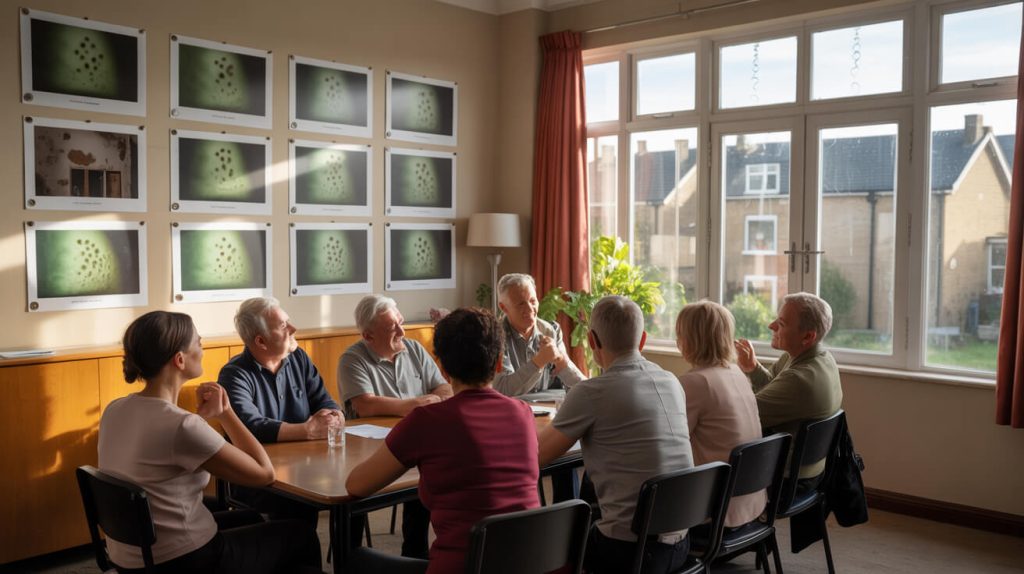
Why damp responsibility in shared ownership feels so confusing
Responsibility for damp in shared ownership feels confusing because you sit in three roles at once: homeowner, tenant and leaseholder, all under one legal document. You are dealing with a housing association, possibly a separate freeholder and a managing agent, each with different obligations, and responsibility is often disputed between them when damp appears.
When you have bought a share of your home, pay rent on the rest, and then find damp or mould, it is natural to worry about two things at once: your health and who is going to pay. You might be told one day that it is “your lifestyle”, the next that “the freeholder is responsible”, and then discover there is also a housing association and a managing agent in the mix.
Shared ownership sits inside the leasehold system. That means responsibility does not follow common sense as much as it follows two things:
- what is actually written in your lease; and
- what is causing the damp (building defect, leak, or internal moisture and ventilation issues).
If you treat it as a simple “tenant versus landlord” argument, you will keep getting bounced between parties. If you treat it as a process – cause → lease → right party → documented fix – you give yourself a much better chance of getting repairs done and costs allocated fairly.
This guide walks you through that process so you can:
- work out whether the problem is likely to sit with you or the landlord/freeholder;
- gather evidence that makes that clear; and
- use the right reporting and complaints routes if you are not getting anywhere.
Along the way, an independent damp surveyor can help you with the technical piece: diagnosing what sort of damp it is and where it is really coming from, in a way that stands up in writing with housing associations, freeholders and managing agents. Sussex Damp Experts provide that kind of survey across East Sussex.
The two‑part rule: cause of damp + what your lease says
Landlord Compliance Calculator
Compliance Category
-
1. Investigation Deadline
-
2. Repair Start Deadline
-
3. Completion Deadline
Demonstrate compliance (or evidence non-compliance) with a professional landlord compliance survey.
Book a Landlord Compliance Survey →Responsibility for damp in a shared‑ownership home usually follows a simple two‑part rule: first, identify what is causing the moisture, and second, check whether that part of the building sits inside your demise or in the structure and common parts. Once you match the cause to the relevant lease clauses, arguments about “lifestyle” versus “landlord repair” become much easier to challenge, because in almost every shared‑ownership case it boils down to a simple two‑step rule:
- What is causing the damp?
Is it:
- water coming through the building (roof, gutters, external walls, window frames, balconies, defective damp‑proof course, leaking communal pipework)?
- water coming from inside your home (a leaking pipe, overflowing bath, faulty appliance, unvented tumble dryer, very high moisture from everyday use)?
- mainly condensation because warm humid air is hitting cold surfaces and the moisture cannot escape?
- Which side of the lease boundary does that cause sit on?
Your lease will normally split the building into:
- the demised premises – usually the internal surfaces and fixtures of your flat or house; and
- the structure, exterior and common parts – things like the roof, external walls, foundations, communal pipework, communal ventilation systems, stairwells and lobbies.
As a very general rule in England and Wales:
- You: , as the shared‑owner leaseholder, are normally responsible for day‑to‑day repairs and maintenance *inside* the demised premises.
- That usually covers internal finishes, your own plumbing and fittings, reasonable heating and ventilation, cleaning minor mould, and reporting problems promptly.
- The landlord/freeholder (often the housing association) is normally responsible for the structure, exterior and common parts of the building.
- That usually includes the roof, main walls, foundations, communal corridors and stairwells, and shared service runs such as soil stacks and risers.
Your percentage share (25%, 50%, 75%) usually does not change that split. It mainly changes how much rent and service charge you pay, not who must organise which repairs. The exact answer always comes back to the wording of your lease, so it is worth spending half an hour reading:
- the definition of “the Premises” or “demised premises”;
- the landlord’s repairing obligations (structure, exterior, common parts);
- your repairing obligations; and
- the service charge and insurance clauses.
Keep those pages handy – you will need them when you report the problem or challenge a decision.
As a simple example, imagine water staining on a living‑room ceiling directly under a communal roof. If a survey shows the roof covering has failed, that normally points to the landlord for organising repairs, even though the damage shows inside your flat. The final cost may still come back via the service charge, but it should not be treated as “your personal DIY job”.
Quick damp triage: what type is it and what does that suggest?
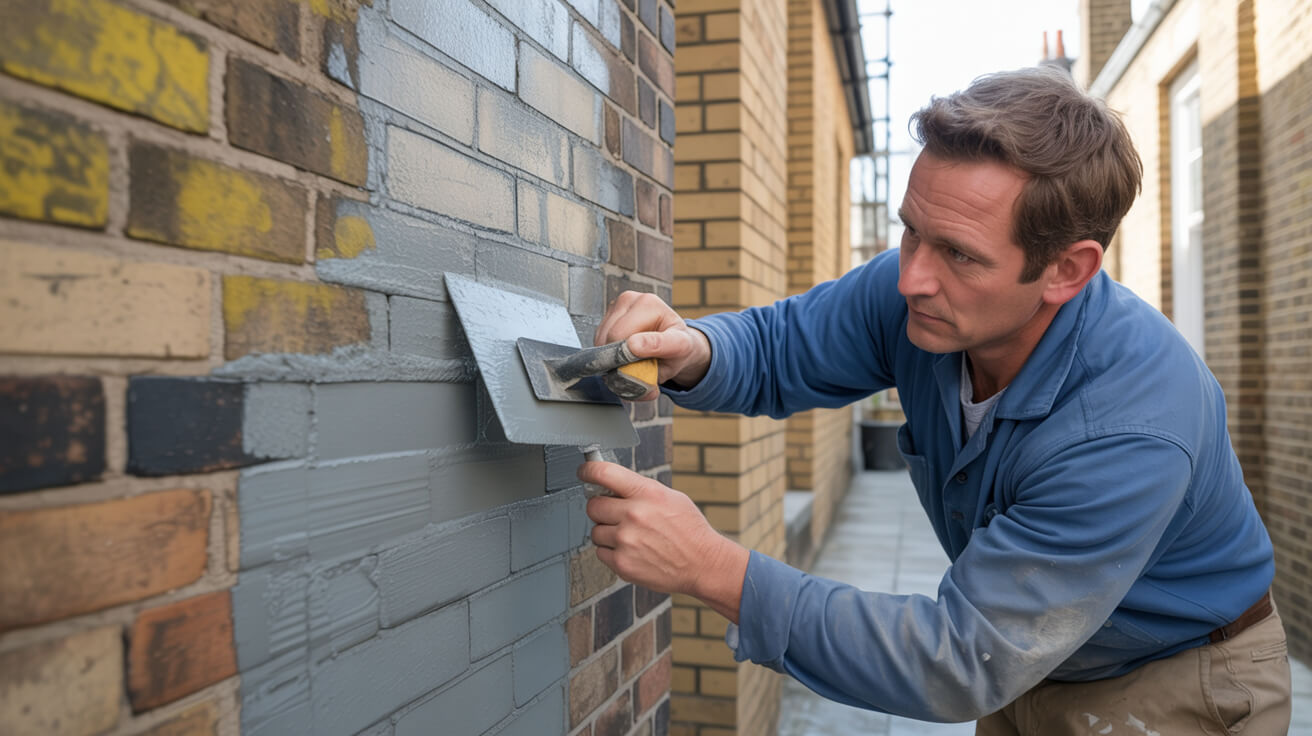
A quick damp triage helps you work out who is likely to be responsible for fixing the problem in a shared‑ownership home. By looking at where marks appear, how they change with weather and everyday use, and which building elements are nearby, you can describe the issue in the same practical language surveyors and housing officers use and avoid it being dismissed without proper checks.
You do not need to become a surveyor overnight, but spotting basic patterns helps you talk to the right party in the right way.
Condensation‑type problems
Condensation‑type damp is moisture from everyday living that settles on cold surfaces because it cannot escape through ventilation. Warm, humid air from cooking, showers, drying clothes and breathing cools down on cold walls, ceilings and windows, the water drops out, and black mould follows if that stays wet. In shared ownership, landlords often treat this as a “lifestyle issue”, so clear evidence about ventilation, heating and any building defects is important when you push back.
Typical signs include:
- black or dark mould in corners, around window reveals or along ceiling–wall junctions;
- mould behind large furniture on external walls;
- water droplets on windows and cold walls, especially in the morning or in winter;
- worse symptoms in bathrooms, kitchens and small bedrooms, and in colder weather.
Responsibility is often mixed here:
- You are expected to use the ventilation and heating provided – extractor fans, trickle vents, opening windows when practical, and sensible drying of washing with airflow.
- The landlord/freeholder is responsible for defects in the building fabric or ventilation provision – for example, non‑functioning or under‑sized extractor fans, badly insulated cold bridges, or poor detailing that makes surfaces much colder than they should be.
If everything has been put in and maintained correctly but condensation still appears because of very high moisture production and no ventilation use, the landlord is likely to argue it is your responsibility. Where there are clear gaps in ventilation or insulation design, condensation‑type problems often lean back towards the landlord’s side of the line.
Penetrating damp and leaks
Penetrating damp is water getting through the building envelope or escaping from plumbing rather than forming out of the air. It usually shows up as more localised damage that changes when it rains or when certain services are used.
Typical signs include:
- damp patches that clearly get worse after rain;
- staining on ceilings below roofs, balconies or gutters;
- patches around window frames where seals or pointing have failed;
- damp near soil stacks, riser cupboards or under bathrooms where pipes run;
- ceilings or walls below baths, showers, radiators or appliances that may be leaking.
In a shared‑ownership flat:
- Defects in roof coverings, gutters, downpipes, external walls, balconies, external window frames and communal pipework usually fall within the landlord/freeholder’s obligations, as they relate to structure and common parts.
- Leaks from your own internal pipework, appliances or fittings inside the demised premises are more likely to be your responsibility to repair, though your buildings insurance (arranged by the landlord) and your contents insurance may both be relevant for damage.
A typical scenario is a balcony door threshold that lets in rainwater. The managing agent may first suggest you “wipe it up and ventilate”, but once a survey shows failing balcony waterproofing that serves several flats, it usually becomes a landlord‑organised repair, even if you still contribute through the service charge. In short, penetrating damp from shared building elements tends to sit with the landlord, while leaks from your own fittings tend to sit with you.
Rising damp
Rising damp is ground moisture moving up from the soil through walls because the barrier that should stop it is missing, damaged or bridged. It is less common than many people think and is frequently confused with other forms of damp.
Typical signs include:
- moisture and damage limited to the lower portion of ground‑floor walls, often up to about a metre;
- blown plaster and bubbling or flaking paint on lower wall areas;
- whitish salt deposits (“tide marks”) on plaster or skirting boards;
- links with issues at damp‑proof course level or external ground levels being too high.
A damp‑proof course is the layer, often a membrane or special course of bricks, built into the wall to stop ground moisture travelling upwards. Where the cause of rising damp lies in the construction – a failed or bridged damp‑proof course, or ground levels that the landlord controls – this leans towards a structural/common‑parts problem, so the landlord/freeholder will usually need to investigate and specify the repair, with costs commonly recovered through the service charge.
If you can roughly categorise what you are seeing, you can describe it more clearly in your report and you are less likely to have it written off as “just condensation” without any meaningful investigation. Rising‑damp‑type symptoms that trace back to the building fabric almost always sit on the landlord’s side of the responsibility line.
Flats vs houses: structure, exterior, common parts and the service‑charge trap

Damp responsibility in shared ownership works differently in flats and houses because your lease splits repairs between the inside of your home and the wider building or estate. In a flat, you are one of many leaseholders in a building system that the landlord controls, whereas in a house you are often treated much more like a full owner of the structure itself.
Shared‑ownership flats
Shared‑ownership flats are usually treated like other leasehold flats: you look after the inside of your unit while the landlord manages the shell of the building and the shared areas. That means most internal finishes, fittings and day‑to‑day plumbing sit with you, and most roofs, main walls, communal pipes and corridors sit with the landlord. This split is standard leasehold practice, even when you only own a percentage share.
In a typical lease for a flat:
- You are responsible for the internal parts of the flat, including plaster and decorations, internal floor finishes, and your own fittings and pipework.
- The landlord/freeholder (often the housing association) is responsible for the structure and exterior of the building and the common parts, including roof, external walls, foundations, main structural slab, communal corridors, stairwells and main soil stacks.
There are, however, important grey areas:
- Windows: can be treated either as part of the structure/exterior or as part of the demise. Some leases say the landlord maintains and renews them; others make the frames your responsibility. You need to see what your lease says.
- Balconies, terraces and walkways: are often retained by the landlord but may serve individual flats. Again, the lease and any plans usually decide who is responsible for the waterproofing and drainage.
Very often the landlord will organise the repair to structural and communal elements but recover the cost from leaseholders and shared owners via the service charge. That means you might not be personally to blame, but part of the bill still comes back to you as a shared cost across the building.
For example, if water tracks through a failed communal roof into three top‑floor flats, the housing association will usually instruct a roofing contractor and recharge the cost to all relevant leaseholders. You would not be expected to find your own roofer, but you should expect the service‑charge budget to carry the work.
Shared‑ownership houses
With a shared‑ownership house, you are usually much closer to a standard homeowner in repair terms, even though you still have a landlord. The lease often makes you responsible for the structure and exterior of the house itself, while the landlord keeps control over any shared estate elements such as access roads, lighting or communal drainage. That difference matters when you are deciding who should call the roofer or builder, and if you have a shared‑ownership house you are more likely to have:
- full responsibility for the structure and exterior of the house itself, including roof, external walls and foundations;
- some estate‑wide responsibilities via a service charge, for example shared access roads, communal drainage or landscaping.
Again, the lease or transfer document is your rulebook. It is worth checking carefully, particularly if a developer’s agent originally told you “it is just like owning a freehold house” – the small print may not fully match that phrase.
A simple contrast is a slipped roof tile. In a flat, you would normally report this to the landlord or managing agent and expect it to be handled as a block repair and recharged through the service charge. In a house, you are often expected to arrange the roofer yourself and only look to the landlord or estate manager where shared access, communal drainage or other estate infrastructure is involved.
Because of these differences, it is helpful to read section 2’s two‑part rule alongside your own lease so you can see whether a particular damp issue falls into “inside your home” or “wider building or estate”, then decide whether you or the landlord should be leading on repairs.
New‑build shared ownership and initial repair periods
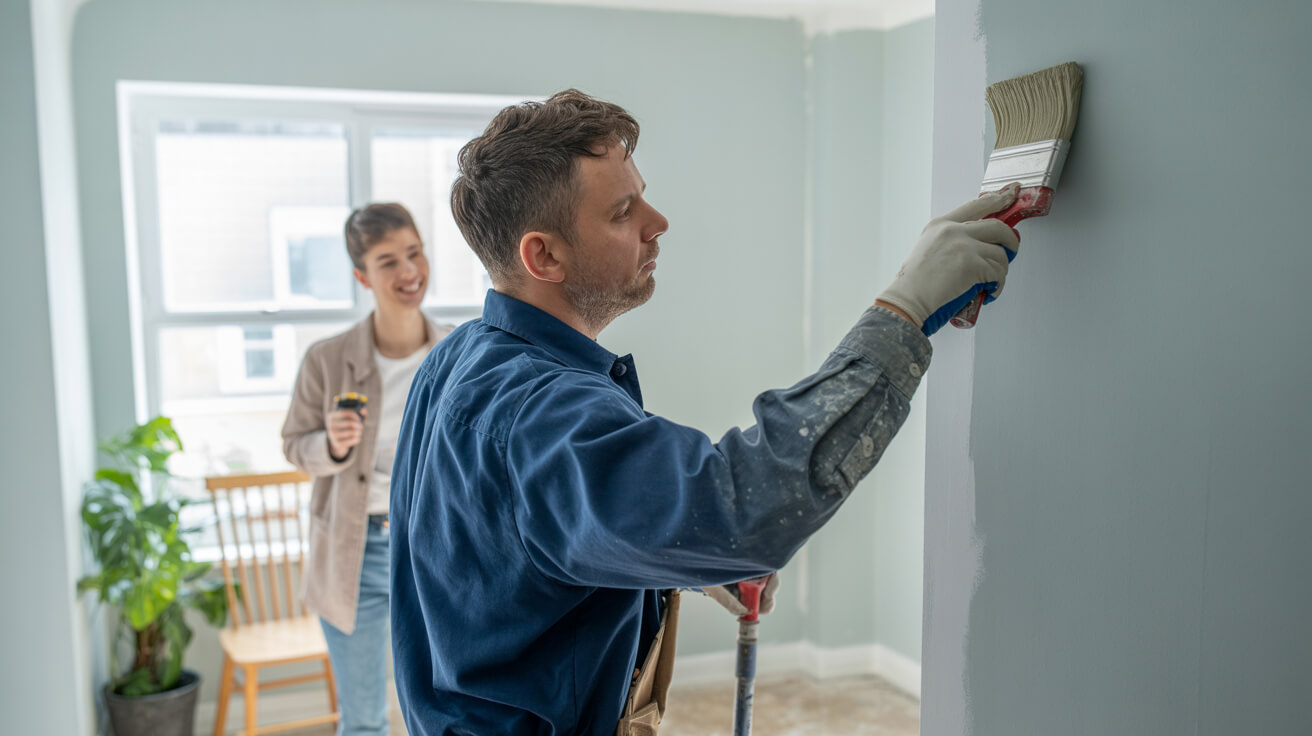
In newer shared‑ownership developments, damp responsibility is shaped not only by the lease but also by initial repair periods and structural warranties. During these early years, there are often extra protections for defects in the way the building was designed or built, and sometimes capped repair responsibilities for the shared owner, so it is important to check whether you are still within those timeframes before taking on costs yourself. If your shared‑ownership home is relatively new, there are two extra issues to consider – initial repair periods and new‑build warranties – and both can shift who pays for damp‑related repairs in the early years and give the landlord a route back to the builder or warranty provider.
Initial repair periods
Initial repair periods are set‑up windows where the landlord accepts extra responsibility for certain categories of work beyond the usual lease split. In shared ownership, that can mean the housing association must deal with specified defects for a fixed number of years and cannot automatically push all of the cost back to you, and in newer model shared‑ownership leases this often appears as an initial repair period (often a multi‑year window with limits) where:
- the landlord may be responsible for certain essential repairs to the home; and
- the shared owner’s contribution can be capped or limited.
If you bought recently, check your lease and any key‑information document to see whether you are still within such a period, what is covered (for example, structural defects versus internal fixtures), and how claims must be made. Even if the damp is inside your flat, an initial repair period could affect who is expected to organise and fund the fix. Always check whether you are still inside any initial repair period before agreeing to pay for significant damp repairs yourself.
Warranties and defects periods
New‑build warranties and defects periods sit in the background of the landlord’s obligations and give them a route back to the builder or warranty provider where the construction is at fault. From your side, they matter because they reinforce the idea that genuine building defects should not simply be shrugged off as “condensation”, especially in the first years.
Most new‑build blocks and houses have a structural warranty and a contractor’s defects period. These relate to:
- defects in design, workmanship or materials; and
- how and when they must be reported.
If damp appears early in the life of the building, it may be linked to how it was built, such as missing cavity trays, poor detailing around balconies, incomplete ventilation or insulation, or other construction faults. In that case, the housing association or freeholder will usually need to:
- investigate the issue as a potential construction defect;
- pursue the builder or warranty provider if appropriate; and
- carry out remedial works, potentially funded via warranty, reserves or service charge.
From your perspective as a shared owner, the key is to raise the issues in writing as soon as you spot them and to reference any initial repair period or warranty that may apply. That way you are clearly on record if there is later an argument about delay or eligibility. Whenever you see new‑build damp, make a habit of asking whether it might fall under a current warranty or defects period before assuming you must meet the cost.
Building an evidence pack that makes responsibility clearer

An organised evidence pack turns your damp problem from a vague complaint into a clear case that a landlord, surveyor or ombudsman can understand and act on. By pulling together photos, dates, patterns and key lease extracts, you make it far easier to show whether the likely cause sits with structure and common parts or within your day‑to‑day use of the home.
Because shared‑ownership damp cases sit at the intersection of:
- building physics;
- lease obligations; and
- complaints procedures,
you will put yourself in a much stronger position if you build a simple evidence pack rather than relying on memory and phone calls.
Useful ingredients include:
- Timeline: – when you first noticed the problem, how it has changed, and every time you reported it, with dates and channels.
- Photos and sketches: – wide shots and close‑ups of affected areas, with brief notes about height from the floor, which wall is affected, and whether there are radiators, pipes, windows or gutters on the other side.
- Pattern notes: – brief notes on whether the damp worsens after heavy rain, during particular activities such as showers or cooking, at certain times of year, or when heating is turned off.
- Simple measurements: – if you can, basic humidity and temperature readings morning and evening for a couple of weeks in the worst‑affected room and a “normal” room for comparison.
- Access and visit records: – who has attended, what they did, what they concluded, and whether follow‑up actions were promised.
- Key lease pages: – a copy of the demise plan and the landlord and tenant repairing obligations, with the relevant parts highlighted.
When you then speak to a housing officer, managing agent or an independent surveyor such as Sussex Damp Experts, all of this helps them take you seriously and form a proper view. It also makes any formal complaint or ombudsman referral much easier to assemble if you need to go that far.
You might, for example, send a short email with three dated photos, a one‑page humidity log and a single highlighted lease clause about structural repairs. That kind of bundle is much harder to ignore than a vague report of “some mould in the bedroom” and often prompts a more thorough inspection.
Reporting, complaints and escalation: getting from “damp reported” to “works completed”

If you treat damp reports as a simple “I told them and they did nothing” story, you risk going in circles; if you treat them as a defined process with stages to record and chase, you give yourself a much clearer route from first report to completed works, and in England most social landlords and many housing associations follow a broadly similar route when damp and mould are reported.
Step 1 – Report
You log the issue, ideally in writing through the landlord’s portal or by email, describing where the damp is, how long it has been present and any patterns you have noticed.
Step 2 – Inspect
They arrange an inspection, which should be more than a quick visual glance if the problem is significant or persistent, and should include access to relevant communal areas or neighbouring flats where needed.
Step 3 – Diagnose
They decide what is causing the damp, whether further investigation is needed, and who is responsible for which part of the fix under the lease and any relevant policies.
Step 4 – Remedy
They carry out or arrange repair works, including any “making good” of damaged finishes, and set out timescales for each stage of the job.
Step 5 – Verify
They check that the problem has not simply been painted over and left to come back, and that moisture readings, visual checks or follow‑up visits support the idea that it has genuinely been resolved.
In practice, progress often stalls between Diagnose and Remedy, and that is usually where a stronger evidence pack or independent report makes the biggest difference.
If you feel stuck, these steps give you a structure for your communication. For example, you can write something like:
- “You have not yet explained what you believe is causing the damp, what investigations you carried out, or which lease clause you rely on for your position,” or
- “The mould has returned within a month of painting. Please confirm what further steps you will take to identify and fix the underlying moisture source.”
Where you are still not getting progress:
- Use the landlord’s formal complaints process and keep every stage in writing.
- If you are in social housing or a housing association property, you can eventually go to the Housing Ombudsman once the internal process is finished or has stalled for too long.
- In more serious cases, particularly where there are vulnerable occupants and persistent damp and mould, you may also be able to involve Environmental Health at the local council, who can assess the property under the Housing Health and Safety Rating System and, where appropriate, put pressure on the landlord.
A common pattern is a shared owner who reports a damp bedroom wall three times, gets only cleaning and repainting, then sends a well‑evidenced complaint that sets out dates, photos, humidity logs and the landlord’s own repair obligations. Once that structured email lands, it is much more likely to trigger a proper survey and a clear written plan.
Throughout, stay focused on three linked but distinct questions:
- What is the cause?
- Who is responsible under the lease or law for fixing that cause and making good the damage?
- What is the plan and timescale to put that into effect?
How Sussex Damp Experts can help you move from blame to a clear plan
An independent damp survey helps you turn damp disputes into clear, agreed repair plans that everyone understands. Instead of you trying to persuade a landlord with guesswork and phone photos, you leave with a structured report that explains what kind of damp you have, where it is coming from, and how that links to the structure, common parts and your own demise. A specialist damp survey from an experienced team looks at your home as a whole, using established inspection methods rather than quick, single‑reading checks, separates condensation from leaks and true rising damp, identifies any building defects or ventilation issues, and sets this out in writing in a way landlords, housing associations and managing agents are used to working with. Bringing in an independent surveyor often reduces, rather than increases, friction with your landlord because it replaces vague complaints with clear evidence and reasonable remedial options, so you can acknowledge where everyday use plays a part while still showing, in plain language, where the building or shared systems need attention under the lease. If you are facing shared‑ownership damp and want that kind of clarity, contact Sussex Damp Experts today to arrange an independent damp survey for your home with a straightforward booking process and clear, upfront pricing.
Frequently Asked Questions
Who is usually responsible for damp and mould in a shared ownership flat or house?
Responsibility normally follows a simple rule: you look after the inside you live in, your landlord looks after the structure and shared parts, but the exact split comes from your lease and the real cause of the moisture.
How does responsibility typically split between you and the landlord?
In most shared ownership homes the split looks like this:
- You: internal plaster, floor finishes, your own fittings and appliances, and day‑to‑day moisture management.
- Landlord or freeholder: structure, exterior and shared systems.
You can think of it as:
| What’s affected | Typical element | Who usually deals with it* |
|---|---|---|
| Ceilings staining after heavy rain | Roof, flashings, balconies above | Landlord / freeholder |
| Tidemarks and salts low on ground walls | Damp‑proof course, external ground | Landlord / freeholder (structure) |
| Black mould in cold corners and behind furniture | Heating, ventilation, occupation pattern | You (with design/ventilation input) |
| Leaks from communal stacks or risers | Shared pipework, risers | Landlord / freeholder |
*Always checked against the wording of your lease.
Storm‑linked patches under flat roofs, balconies or parapets tend to fall under structural obligations, alongside anything tied to Building Regulations Part C (site preparation and resistance to contaminants and moisture) and standards such as BS 8102 for below‑ground waterproofing. Rising‑type problems at skirting level that match BS 6576 patterns usually sit on the structural side too, even if the cost is recovered through the service charge.
By contrast, mould blooming behind wardrobes on external walls, streaming condensation on glazing and extract fans that are never used will almost always be classed as condensation and ventilation issues. In that case you are expected to improve moisture control, although poor insulation, thermal bridges and under‑sized ventilation can still put some duty back on the landlord under the Housing Health and Safety Rating System (HHSRS).
If you want to be the shared owner who gets this settled once rather than trading opinions, it helps to bring in someone who can separate lifestyle moisture, leaks and structural damp and then line that up with your lease. That is exactly how Sussex Damp Experts work: they diagnose the moisture source, trace how it moves through the structure and explain, in writing, how it maps onto the landlord’s and leaseholder’s responsibilities so you are arguing from evidence, not guesswork.
How can you tell if damp is due to structure, leaks or lifestyle and ventilation?
You can usually tell whether damp is more likely to be structural, plumbing‑related or lifestyle condensation by watching where it appears, how it behaves over time and what it lines up with in the building.
What simple checks can you do before you argue about responsibility?
You do not have to act like a surveyor to gather useful information. A few calm checks can quickly move you from “it’s just damp” to “this looks like a leak” or “this behaves like condensation”:
- Keep a short log over a couple of weeks: where the damp is, how high it starts, whether it spreads after rain, showers, cooking or drying clothes, and whether it fades in warmer, drier weather.
- Take clear, dated photos from wide‑angle to close‑up, so anyone can see the whole wall, not just one patch of mould.
- Feel for cold bands or strips on external walls, around beams and window reveals, where thermal bridging can drag surface temperatures down to the dew point and drive condensation.
- Check whether extract fans actually run, how long they stay on after showers or cooking, and whether trickle vents or air bricks are painted over, taped or blocked.
- Where it is safe, briefly isolate suspect pipe runs or appliances to see whether damp slows once a particular supply is turned off.
Patterns tell a story. Patches that bloom under balconies and get worse every time there is driven rain usually point to penetrating damp through the envelope. Tidemarks that creep up from the skirting, along with crumbling plaster and salts, often indicate ground‑related moisture rather than a roof issue. Mould that is strongest in the coldest bedroom and fades in summer behaves like condensation on under‑insulated surfaces with weak ventilation.
These observations do not replace professional tools such as moisture‑gradient profiling, salt analysis and borescope inspection, but they give you something objective to put in front of a landlord, housing association or surveyor. When Sussex Damp Experts inspect a shared‑ownership property, they add structured testing to that basic pattern: they look at weather links, plumbing routes, construction details and internal conditions and then state clearly whether you are dealing with condensation, leaks, rising damp or penetrating damp. That makes it much easier for everyone involved to see whether the problem sits mainly with the structure and common parts, or with the way the home is being run day to day.
What does your shared ownership lease usually say about damp, repairs and who pays?
Your shared‑ownership lease quietly decides a lot about damp responsibility by spelling out what you actually “own” under the lease, which parts remain under the landlord, and how repairing obligations and service charges work between you.
Which clauses should you check before pushing back on a damp decision?
When damp or mould appears, it is worth spending half an hour with the lease before you push back. Focus on:
- The definition of “Premises”, “Flat” or “House”, plus the plan showing what is demised to you, especially around windows, external doors, balconies and terraces.
- The landlord’s repairing clause, which often refers to structure, exterior, roofs, foundations and common parts, tying back to wider duties under the Landlord and Tenant Act 1985 and housing standards such as HHSRS.
- Your own repairing clause for the demised premises, usually requiring you to keep the internal space “in good and tenantable repair”.
- The service‑charge section, particularly how structural repair costs, major works and reserve funds are treated and whether certain items can be passed through.
- Any reference to initial repair periods or exclusions in newer schemes, and how that affects early‑life defects.
Grey areas are common. In one block, windows and frames are part of the exterior; in another, they are pulled into the flat. Balconies might legally remain “retained parts” even if you are the only person who uses them. Internal soil stacks, risers and voids often sit outside the demised area even though they pass through your flat.
What you are looking for is a simple map: what you control and maintain directly, and what the landlord controls and maintains, backed by the lease wording rather than assumption. A damp surveyor who understands both moisture behaviour and lease structures can make this much easier. Sussex Damp Experts routinely quote the right pages, show where defects sit relative to the demised boundary and explain, in plain language, how that lines up with typical repairing obligations. That means when you send a report with a highlighted lease extract, you look like the person who has done the homework and framed a reasonable request, not just someone complaining about mould.
How do new‑build schemes and initial repair periods change who handles damp?
In newer shared‑ownership schemes, initial repair periods, defects periods and structural warranties can shift how damp problems are handled in the first years, even if the basic lease language looks similar to older stock.
What should you do if damp appears in the first years of ownership?
If damp or mould shows up in a home that is only a few years old, treat it as a potential design, workmanship or system‑performance issue until someone has properly ruled that out. Practical steps that help you keep options open include:
- Checking your purchase and handover documents for references to “initial repair period”, “defects period”, “builder’s warranty” or “structural warranty”, and noting the start and end dates.
- When you report the problem, asking directly whether the landlord believes it could be linked to construction detailing, materials or installation quality, and whether they have notified the developer or warranty provider under those agreements.
- Asking what investigations they plan to carry out to distinguish build‑related moisture paths – for example missing cavity trays, weak balcony junctions or poor window installation – from simple lifestyle condensation, and requesting that reasoning in writing.
- Treating “open windows, wipe mould” responses, with no inspection of the external envelope or services, as a sign that you may need independent evidence rather than as a final diagnosis.
New‑build blocks often mix shared ownership, rented and outright‑sale units under the same fabric, so patterns matter. If similar flats in the stack or on the same elevation are reporting damp, that may point towards a shared design or workmanship defect rather than one household’s living habits. Evidence of under‑performing ventilation, or layouts that make it hard to meet Building Regulations Part F in practice, can also bring responsibility back to the scheme design.
When early damp is quietly filed under your condensation, long‑term build defects can be left to grow until they are far more expensive to fix.
An independent damp survey that comments on detailing – balcony upstands, parapet finishes, cavity tray presence, weep‑hole layout, floor build‑ups and ventilation performance – is often what unlocks movement. Sussex Damp Experts are used to working alongside structural warranties, developers and housing associations. Their reports spell out whether the evidence leans more towards construction defects, system performance or everyday moisture management, so your landlord has something credible to take to a developer or warranty company instead of asking you to live indefinitely with a problem that may have started on site, not in your lifestyle.
How can an evidence pack strengthen your case about who is responsible?
An organised evidence pack strengthens your damp case by turning your experience into something landlords, ombudsmen and local authorities can actually work with: dated events, clear images, basic measurements and relevant documents.
What should you put in a shared‑ownership damp evidence pack?
Decision‑makers such as housing associations, managing agents, local authority officers working under HHSRS and the Housing Ombudsman Service are used to dealing with files, not just descriptions. A strong pack typically includes:
- A one‑page timeline of when you first noticed issues, how they changed, and each time you reported them, with dates and who you contacted.
- A set of labelled photos for each affected area – wide, mid and close‑up – noting the room, wall type, approximate height from floor and nearby features such as radiators, bathrooms, kitchens, downpipes or balconies.
- A short temperature and relative humidity log covering at least a couple of weeks in one or two rooms, highlighting any patterns linked to weather, showers, cooking and drying clothes.
- Copies of any previous reports or contractor notes, including what equipment they used (for example, surface moisture metres, hygrometers or thermal cameras) and what conclusions they drew.
- Key lease pages that define the demised premises and set out repairing obligations and service‑charge arrangements, with the relevant sentences highlighted.
- Any contact notes from a local authority environmental health officer or similar, especially where damp and mould have been recorded as a potential hazard.
Once you have that bundle, you can write in a way that fits how landlords and ombudsmen already think: “Please see enclosed timeline, photographs, humidity log, previous visit notes and lease clauses. I would appreciate your view on likely cause, where responsibility sits under the lease and what will happen next.”
That tone works far better than angry emails and also sets you up if the issue needs to move into a formal complaint or escalation route. When Sussex Damp Experts are involved, they treat your evidence pack as the starting point, then add measured moisture data, fabric inspection findings and structured reasoning. Their reports are written so they can drop straight into your bundle, answer the questions these bodies actually ask – what kind of damp it is, why it has appeared in that location, and which parts of the building it involves – and help you look like the leaseholder who has approached the problem in a measured, survey‑grade way.
When should you bring in an independent damp surveyor, and how does that help with shared ownership disputes?
It is usually time to bring in an independent damp surveyor when the issue is repeating, spreading or contested, when landlord responses stay at “it’s condensation” despite ongoing problems, or when you are facing significant cost, legal risk or health impact and want to avoid paying for the wrong fix.
What does a diagnosis‑first damp survey add in a shared ownership case?
Shared ownership often involves several parties: you as leaseholder, a housing association, sometimes a separate freeholder, a managing agent and their chosen contractors. That can lead to partial inspections, conflicting opinions and long stalemates. A diagnosis‑first survey is designed to cut through that by producing one clear technical answer to three questions: what type of damp is present, where the moisture is really coming from and how that interacts with structure, common parts and your internal responsibilities.
A good survey should offer:
- A whole‑building inspection, including external walls, roofs, gutters, downpipes, balconies, junctions, stairwells and accessible service routes, not just the one room with mould.
- Moisture readings taken in patterns and profiles, combined where useful with salt testing and, in some cases, borescope views into cavities, to distinguish between rising damp, penetrating damp, plumbing leaks and condensation rather than assuming everything is surface‑level.
- Clear descriptions of moisture pathways in plain language – for example, driven rain entering through failed pointing above a lintel and tracking down behind plaster, or humid air from an internal bathroom condensing on a cold concrete beam with no effective extract.
- A written report with photos and, where helpful, diagrams, plus a short section setting out limitations and unknowns, which is important if matters escalate to formal complaint, legal advice or local authority involvement.
For shared‑ownership disputes in particular, it is valuable if the report explains, neutrally, whether the likely causes sit mainly in structure and common parts or mainly in the parts of the home you control. It should also show how that analysis fits typical lease wording and recognised standards such as BS 6576, BS 8102, Building Regulations Part C and Part F, HHSRS and relevant landlord obligations.
Sussex Damp Experts specialise in this diagnosis‑led, survey‑only approach. They arrive without a particular treatment system to sell and focus instead on understanding the building and the moisture. Their reports are written so you can send them straight to housing associations, freeholders, managing agents, solicitors or local authorities. If you want to be the leaseholder who brings a measured, evidence‑based solution to the table – rather than more arguments or another layer of paint – commissioning that kind of survey is often the step that finally moves a shared‑ownership damp dispute towards a permanent, fair outcome.

