
 By
By  September 3, 2025

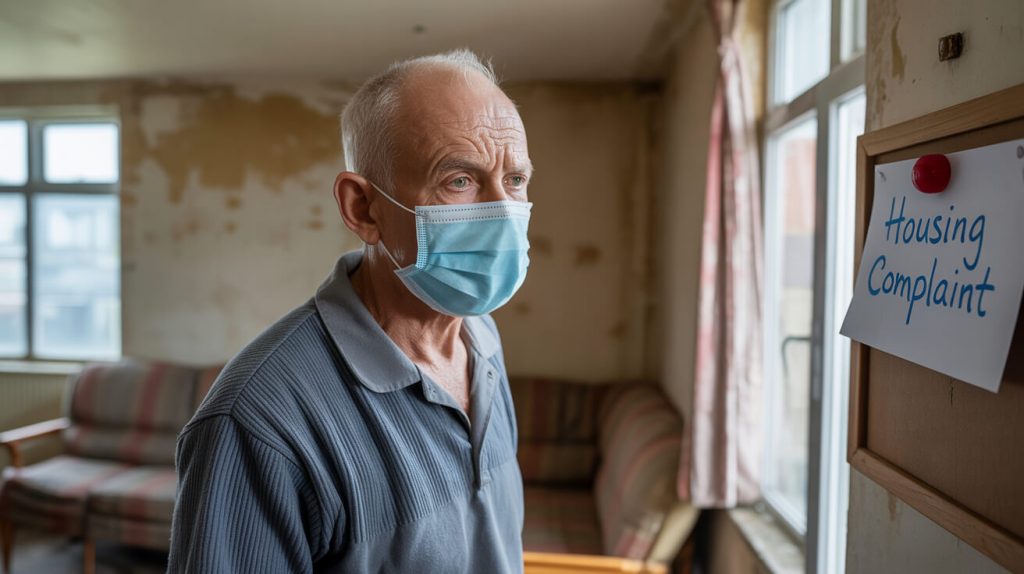
Why Does a Housing Association Damp Report Carry So Much Weight—and What’s at Stake for You?
Whether you own, manage, or rent property, few things drain value and peace of mind faster than unresolved damp. The right housing association damp report isn’t just a checklist—it’s your legal and practical shield. This is the blueprint that separates endless repair delays from fast, enforceable action. For tenants, landlords, managing agents, and housing associations alike, the power of a professional report shapes everything: from protecting health and property value to holding the right people responsible for fixing the root problem.
The gold standard is a detailed, evidence-driven report: every page backed by calibrated readings, photographic proof, and plain-English logging of the type, source, and spread of damp. It’s not just paperwork for its own sake. The sequence and content deliver very real leverage—pointing to causes (rising damp, condensation, leaks), mapping them to British Standards (BS 6576, BS 8102, PAS 2035), and locking them directly to statutes (HHSRS, Landlord & Tenant Act 1985, Building Regulations Part C). These references don’t just add gravitas; they form the foundation that carries weight with councils, mortgage lenders, ombudsmen, and insurers. Without that connection, reports lose bite—making it easy for housing associations or managing agents to dispute, dismiss, or delay real action.
The most expensive damp is the one you have to prove twice—why not get it watertight first time?
A best-in-class damp report covers more than surface-level mould or staining:
- Maps the exact type and cause: using advanced tools—key for proving if it’s rising damp, condensation, or bridging.
- Catalogues every impact: —from health hazards to property risks.
- Documents the inspection process: —so findings stand up to scrutiny and escalation.
- Links findings to legal and building standards: —the backbone of getting issues fixed (and costs covered).
- Locks in a clear remedial plan: —with timelines, names, and follow-up, not just a list of recommendations to nowhere.
- Carries credentials: —is the surveyor PCA, RICS, or TrustMark qualified? This matters more than you think when disputes or ombudsman cases arise.
Handled with care, your report is more than a damp diagnosis; it’s the documented trigger for real changes in your property—and your protector against blame games, repair delays, and spiralling costs. Weak or lazy reports leave you exposed: that’s when housing associations, managing agents, or insurers stall, reject claims, or shift repair responsibility onto you.
A credible damp report is your no more excuses tool—get it right, and action follows.
When Should the Housing Association Cover the Cost—and How Can You Push Back on Fees or Hidden Charges?
Damp Survey Cost Calculator
Estimated Survey Cost
£240 – £325
Full Diagnostic Survey for a 3-bedroom semi-detached property
What's Included
Basic vs Diagnostic Survey
| Basic Inspection (from £180) | Full Diagnostic Survey | |
|---|---|---|
| Written report | No | Yes — detailed with photos |
| Moisture readings | No | Yes — calibrated meter |
| Cause identification | Opinion only | Evidence-based diagnosis |
| Treatment plan | Sales-driven | Independent recommendations |
| Useful for quotes | Limited | Yes — compare like-for-like |
| Legal / mortgage use | No | Yes (some survey types) |
Ready to get a clear diagnosis of your damp problem?
Book Your Survey Now →If there’s one mistake too many tenants, leaseholders, agents, and even seasoned landlords make, it’s assuming every fee is non-negotiable. UK law is, in some areas, black and white: when damp impacts your health, property structure, or comes under repair duties, the housing association or landlord—not you—holds responsibility for inspection costs (Landlord & Tenant Act 1985, HHSRS). That means you should not pay a penny for the surveys directly tied to statutory repairs or urgent property defects.
For tenants, this is powerful. If your housing association requests any “admin charge” for coming out to survey or diagnose damp, ask for the statutory reference and demand it in writing. These fees are often either unenforceable or outright prohibited for tenant-initiated repairs. The law sides with you—don’t let policy waffle muddy the facts.
- Social tenants: You are owed statutory, cost-free inspection for anything impacting health or property.
- Leaseholders/shared owners: Expect to pay for permissions, alterations, or discretionary non-repair surveys—but not statutory defect investigations.
- Privately commissioned expert reports: If you pay up front due to delay, denial, or dispute, and your independent evidence wins the case, you can often recover that cost through formal complaints, ombudsman processes, or even small claims court.
Too often, people foot unnecessary bills because they accept informal explanations, don’t see fee breakdowns in writing, or overlook their right to a proper, charge-free damp report as a tenant. Knowledge is your leverage here—don’t let anyone guilt you into unnecessary payments.
If you’re being billed for diagnosis, push for statute first—policy doesn’t trump your rights.
What Will a Housing Association Damp Report Actually Cost—And What’s Hiding in the Detail?

For tenants requesting a statutory repair assessment, the cost of a housing association damp report should be zero—covered by the provider, not your wallet (Landlord & Tenant Act 1985, HHSRS, Building Regulations Part C). But outside this protected lane, fee schedules get more complex:
| Scenario | Typical Fee | Who Pays |
|---|---|---|
| Social tenant: repair-linked inspection | £0 | Housing Association |
| Leaseholder: permissions/admin tasks | £75–£250 + VAT | Leaseholder |
| Independent RICS/PCA/TrustMark damp survey | £150–£450 | Client |
| Legal/expert witness, forensic report | £500–£1,000+ | Client (often recoverable if HA at fault) |
Housing associations commonly post “admin fee” schedules for things like permissions or non-repair inspections. But fees tied directly to diagnosis or repair of a defect—especially involving health and safety—should never show up on your bill. When they do, demand detailed, written justification and the legislation underpinning the request.
For anyone else—landlords, buyers, managing agents, or commercial property clients—expect normal market rates, but always clarify up front:
- What’s covered versus “extra”.
- Which British Standard or legal trigger the report maps to.
- Whether the output is ombudsman, lender, or council-compliant.
- Who certifies the inspection.
Lowball fees often mean a surface-level “tick-box survey” without actionable evidence. Investing in a fully mapped, credentialed report pays back if you ever have to escalate, defend against a dispute, or meet compliance deadlines.
Admin charges won’t repair your property—demand every fee in writing and dispute anything that smells like a repair dodge.
What Must the Report Contain to Protect Your Interests—and How Can You Ensure It Has Teeth?

Not all damp reports protect you equally. A fast, cursory write-up risks getting ignored by landlords, housing associations, and insurers. Only a comprehensive, standards-mapped report gives you enforceable leverage and unlocks real solutions.
| Critical Feature | What It Does for You |
|---|---|
| **Damp type and spread mapped** | Proves cause (rising, penetrating, condensation) |
| **Root-cause analysis** | Connects visible signs to actual faults |
| **Full diagnostic suite (metre, photos)** | Backs up claims with hard proof |
| **Action plan and schedule** | Sets a repair deadline—and accountability |
| **Inspector credentials & standard** | Makes report valid for ombudsmen, councils, lenders |
Every Sussex Damp Experts survey is engineered for exactly this authority. Our process isn’t about bulk—every inspection is fully referenced to UK law and the gold standards demanded by ombudsmen, lenders, and council teams. What you get is a step-by-step casefile—ready to challenge repair stalls, push for urgent action, or support a compensation claim.
A proper report also:
- Logs all hazardous impacts, especially health risks to children, the elderly, or the immunocompromised.
- Details escalation triggers, such as when environmental health or legal intervention is needed.
- Gives evidence that’s instantly usable for insurance, council complaints, or property sales due diligence.
When your paperwork passes the ombudsman test, delays evaporate and results come faster.
Where Do the Legal Boundaries Fall—And How Can You Win Disputes Over Fees or Permission Charges?

Housing association paperwork can make your head spin, especially around who pays for what and when. But beneath the forms and admin, the law is stark. For social tenants, any fee tied to inspections or repairs is generally not just wrong, but unlawful. If you see charges for diagnosis or essential investigation, it’s time to contest—using statute, not just a complaint.
- Social/council tenants: The association pays for any diagnosis necessitated by health, safety, or property repairs.
- Leaseholders/shared owners: Admin or permission charges sometimes apply for changes, upgrades, or additional works, never for diagnosis or repair of defects.
- Commissioning private evidence: When the housing association delays, disputes, or denies clear issues, private reports are often your fastest recourse. If you “win” the case (ombudsman, court, cost recovery), keep evidence, and submit for reimbursement.
Pro tips:
- Only pay after you’ve reviewed the full, written breakdown.
- Log every step—documentation makes escalation easier and quicker.
- Challenge any payment demand that lacks specific statutory reference.
If they can’t cite the law, you shouldn’t be swiping your card—every dent in your wallet must be law-backed.
Facing Unfair or Unlawful Charges? Your Practical, Real-World Action Sequence

Beating back unfair survey charges starts on paper, not on phone hold. Nobody wins a dispute on a call. Here’s how to regain control—and force the right outcome:
- Demand a breakdown—ask who set the fee, where it’s referenced in policy, statute, or tenancy documentation.
- Ground your challenge in law—reference the Landlord & Tenant Act 1985, HHSRS, Building Regs Part C, and cite advice from Shelter or Citizens Advice.
- Keep digital and photo records—not just of the damp, but every invoice, receipt, and communication.
- Move swiftly to a written dispute—escalate over email, use complaints forms, and keep your timeline tight; copy in ombudsman teams where relevant.
- Contact Environmental Health if there is a rapid health risk involved; local councils carry statutory enforcement clout.
- Bring in qualified experts—reports from reputable, law-savvy firms (like Sussex Damp Experts) amplify your case.
A methodical approach wears down foot-draggers and softens even the toughest admin chains—get it in writing, stay on the legal basis, and push up the chain when you hit stonewalling.
When Should You Invest in Your Own Damp Survey—And What’s the Payoff Versus the Risk?

There are times when housing associations drop the ball—refusing to act, stalling, or playing down defects. At other times, lenders, insurers, or buyers insist on higher-grade proof. In these cases, a quality private survey pays for itself—with some costs even recoverable if your evidence wins the argument:
- Accredited survey (RICS/PCA/TrustMark, £150–£450): Meets standards for lenders, insurers, or ombudsman escalation; delivers rigorous, actionable evidence.
- Forensic/legal survey (£500–£1,000+): Needed for legal proceedings, cost recovery, or major value claims.
- Who pays?: You do, up front—but if the housing association or landlord is found at fault after dispute, you can submit the bill for reimbursement or compensation.
You’ll get the best return on investment when:
- Facing outright denial or blame-flipping from the housing association.
- Needing gold-standard evidence for lenders, council, or ombudsman action.
- Entering high-stake deals—property sales, refinancing, insurance claims.
The golden rule: never cut corners when the consequences are expensive. Weak reports become ammunition for delay. Where the risk is high, spend on rigour—accredited reporting is the fast lane to results.
A quick-and-dirty survey won’t win a big dispute—calibrate your spend to the risk and the needed proof.
What Timeline Should You Expect—And Where Do People Most Often Trip Up?
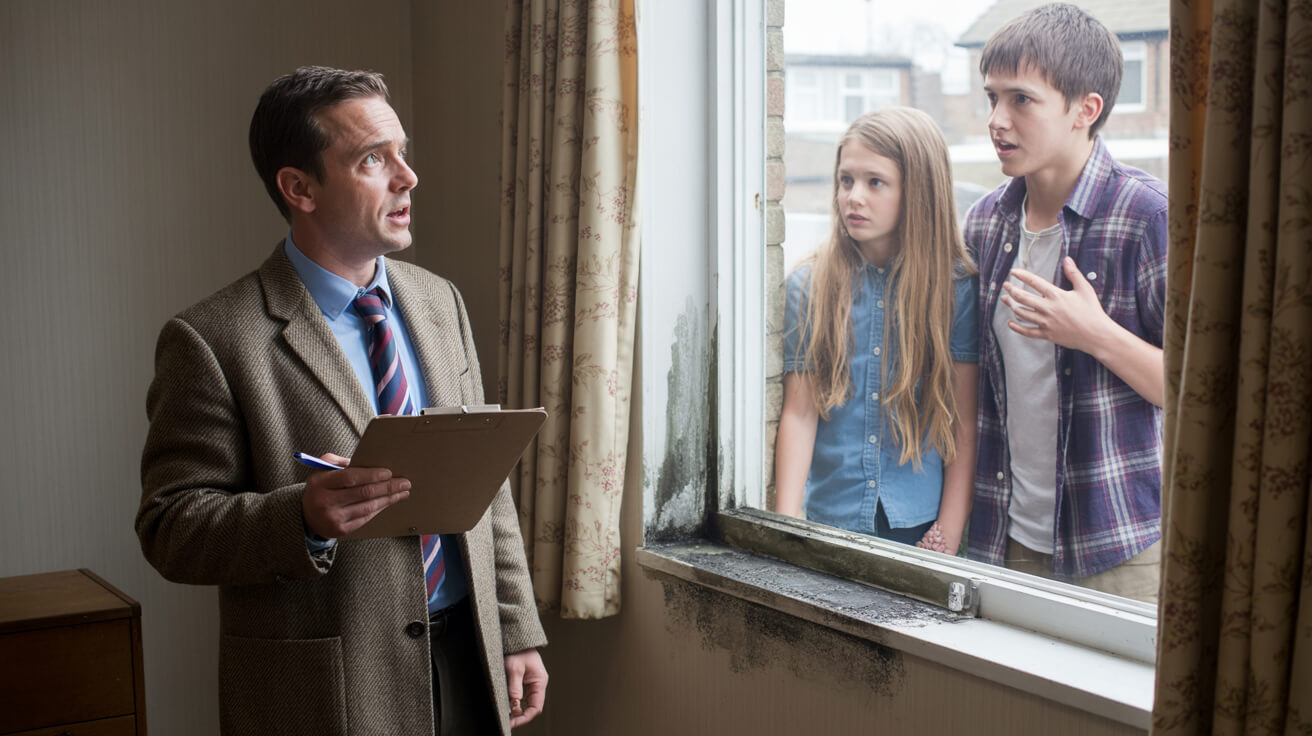
The clock for repairs, recovery, or refunds starts ticking the moment you have a proper, legally referenced report. The timeline directly affects your strategy and leverage—don’t let “limbo” become the status quo.
- Housing association/socal landlord route:
- Inspection typically booked within 1–2 weeks.
- Report delivered within 3–10 working days.
- Repairs for urgent health/safety issues start ASAP; else, expect a 28-day window post-report.
- Common delays: admin backlog, requests for more evidence, or lost paperwork.
- Action tip: always get timelines in writing and escalate as soon as the clock slips.
- Private/independent damp survey route:
- Sussex Damp Experts can offer next-day or fast-track bookings.
- Survey duration: 60–90 minutes on site, report delivered in 3–7 days (urgent services available).
- Reports built to be immediately valid for lenders, insurers, councils, and ombudsmen.
Paper trails matter—calls get lost, written evidence is what wins disputes. Keep every letter, email, and photo. When in doubt: escalate up the chain using clear documentation.
Repairs move as fast as your evidence is bulletproof—delay is a paperwork problem, not a moisture one.
Why Sussex Damp Experts Is the Smartest Ally for Landlords, Tenants, Agents, and Buyers who Need Results
Damp is more than an inconvenience—it jeopardises your asset’s value, tenant health, compliance record, and legal footing. From relentless property managers to careful first-time buyers, the most effective strategy is evidence-driven. Sussex Damp Experts delivers this—no drama, no confusing lingo: just transparent reporting, British Standards compliance, and airtight documentation designed for your exact situation.
Here’s what sets us apart:
- Legal and standards precision: Every report is built for ombudsmen, insurers, housing association lawyers, and mortgage lenders—referenced to BS 6576, BS 8102, PAS 2035.
- User-first reporting: No template sheets—all advice is site-mapped, photo-documented, and tailored to property context (from heritage to new builds).
- Life-cycle support: From first call to aftercare, we help you log, escalate, win disputes, and manage risk.
- Transparent pricing: Expect a clear, fixed quote—every detail and deliverable up front. No shocks, no surprises.
No more sitting in repair limbo, swallowing costs—or playing bureaucratic games. Sussex Damp Experts is your lever for fast, clear, legally savvy repair progress and lasting property health.
Protect your investment, your peace of mind, and your statutory rights with Sussex Damp Experts—trusted by leaders, agents, tenants, and homebuyers who need their damp report to work first time, every time.
Frequently Asked Questions
What makes a housing association damp report credible—where do most fail, and how does this impact your legal leverage?
A credible housing association damp report is an evidence-packed passport: it directly unlocks council action, ombudsman support, and swift repairs, while a weak one leaves you mired in paperwork and inertia.
Every reliable report traces damp back to its root—with precise moisture measurements, high-res photos, and explicit legal references (not vague opinions or unsupported fixes). The best surveys cover statute—linking defects to Landlord & Tenant Act 1985, HHSRS scoring, and British Standards (BS 6576/8102)—and set repair timeframes plus referral routes. Aggressive councils, lenders, and even insurers now flag generic or unsigned reports as “insufficient,” often returning repairs to square one.
A damp report tied only to guesswork or generic advice is a bureaucratic sinkhole—you deserve a document that can’t be ignored.
Key ways reports go wrong
- Missing legal context: If findings aren’t matched to statutory duties, associations can dismiss them without penalty.
- Surface-level readings: Skipping moisture mapping, salt tests, or substrate checks reduces technical credibility.
- Flimsy sign-off: Unaccredited or anonymous inspection leaves you open to challenge.
- No action plan: Reports that report without repair detail stall progress at the triage stage.
The Sussex Damp Experts guarantee? Every inspection is mapped to council, ombudsman, and lender expectations—no anaemic paperwork; every step is logged for speed, not stalling. If you want your case heard fast, your evidence must make it impossible to ignore.
How do survey fees actually work in social housing—can a tenant or leaseholder really be made to pay?
Social tenant? For core repairs, your housing association pays—full stop. Leaseholders and shared owners avoid fees for mandatory repairs but can pay for extras like structural change permissions, fast-tracked surveys, or optional upgrades.
Statute is your shield: The Landlord & Tenant Act 1985 and HHSRS lock landlords into funding diagnosis of anything remotely tied to home safety or liveability. Charging tenants for repair-linked inspection is unlawful. If you go private—choosing your own expert for speed or a second opinion—you cover that bill, but there’s often a path for reimbursement if your evidence turns the council or ombudsman in your favour.
Invoices landing on tenants’ doormats for basic damp checks are usually bogus—clarity on statute ups your negotiating power every time.
Fee breakdowns at a glance
| Request Type | Payer | Ballpark Cost |
|---|---|---|
| Tenant, core repair survey | Housing Association | £0—Always |
| Leaseholder, structural admin | Leaseholder | £75–£250 |
| Private, self-funded survey | You (? reclaimable) | £150–£1,000 |
| Express turnaround (optional) | You (if chosen) | £50–£150 |
Opaque admin costs? Challenge them. Every charge has to be published, referenced, and justified—if not, contest and keep records.
Which survey fees must you refuse—and what is the right pushback if you’re billed for repairs?
Refuse all charges for health-impacting, repair-related surveys if you’re a tenant; these fees do not belong in social housing. Legitimate costs are narrow: leaseholder permission admin, express upgrades at your initiative, and private, owner-led surveys.
Watch for:
- “Complaint handling,” “investigation deposits,” or other creative fees on basic repairs—these are almost always unlawful.
- Unitemised admin charges or those lacking links to tenancy agreements.
- Inspection bills forced onto tenants for standard repairs—statute says “no.”
The minute a survey fee appears for repair or health risks, raise the counter-flag—demand legal references and refuse anything vague or bundled.
Take every step in writing. If you spot murky or surprise costs, demand an itemised breakdown, cite the Housing Ombudsman’s guidance, and keep all correspondence for escalation. Shelter, Citizens Advice, and council teams routinely support tenants challenging rogue invoices—use that backing and never pay first, question later.
How can you instantly spot a standards-based, lender- and council-accepted damp report?
Gold-standard surveys are mapped to real standards—not just a collection of dampy photos. Look for triple proof: technical readings (e.g., moisture profiles, salt tests), visual evidence (annotated, dated imagery), and statute connections (each finding aligned to BS 6576/8102, HHSRS, or the Landlord & Tenant Act). The right signature—a PCA, RICS, or TrustMark-accredited pro—is a must; lenders, councils, and ombudsmen reject “DIY” or cut-price templates.
True leverage comes from a survey that sings the language of statutes and standards; guesswork will never move the right hands.
Rapid red flags
- Missing British Standard or legal citations.
- No root-cause analysis—just pointing at patches, not fixing the mechanism.
- Unsigned or from non-accredited “specialists.”
- Absent timeline or method for remedy.
Sussex Damp Experts design every report for authority: every page is ready for lender, ombudsman, or council action—no lost time, no missed repairs.
When can you be legally billed for a housing association damp survey, and what steps block cost creep?
You’re on the hook only if you commission extras: structural changes, admin requests (with a schedule of published rates), or private, owner-aligned surveys. For essential, statute-linked repairs? Never. Push back hard on any attempt to switch liability.
- Check: is the fee tied to essential repair or a health concern as a tenant? Statute bars charges.
- If you request a premium service or independent evidence, expect listed costs, and make sure terms are transparent—aim for capped rates.
- Insist that every invoice includes inspector credentials and matches admin rates published by the association or landlord.
It’s always easier to win a fee battle on paper; don’t let ambiguous charges become precedent—each challenge protects your wallet and next steps.
If you believe a fee is illicit, cite statute, demand detailed breakdown, and escalate if unsatisfied. Councils, advocacy groups, and ombudsmen are your route when associations overstep; Sussex Damp Experts always support that challenge with legally polished, template-based paperwork.
What is the fastest route to action if your housing association fumbles, stalls, or contests your report—or if you want to supercharge your leverage?
Escalate with evidence—fast. The most effective path combines: full documentation of communication, photos and repair history; statutory quotes (“Section 11…”, “HHSRS…”), and, if that fails, a formal complaint to the Ombudsman or Environmental Health.
Home-buyer, tenant, or landlord? Log every call, request, and bill. Seek confirmation by email. Demand deadlines and, if needed, elevate the case as a “statutory repair.”
- Present evidence as a package: council and ombudsman teams want photos, dates, and exact landlord responses. Every hole in the paper trail is a chance for associations to stall—don’t leave gaps.
- When in-house progress dries up, go external. Submit your file to the ombudsman and local council, referencing your right to a statutory, standards-based investigation.
- For mortgage or resale situations, provide full reports from PCA/RICS surveyors—anything less slows the process.
The paper trail isn’t just for bureaucracy; it’s the crowbar that pries open blocked repairs and resets the conversation.
To avoid wasted time and bureaucracy, Sussex Damp Experts delivers legal-grade, standards-mapped surveys, plus all the support templates to speed up and simplify your escalation. Your repairs should never stall for lack of evidence.

