
 By
By  September 3, 2025


Why “How Much Does a Basement Tanking System Cost?” Is the Wrong Question for Sussex Owners and Professionals
You might think asking for the cost of basement tanking is straightforward—a number, a square-metre rate, or a tidy quote for turning wet bricks into dry storage. But in Sussex, whether it’s a basement in Sussex-even neighbours can be affected, the real price comes layered with hidden risks, regulatory traps, and the consequences of getting it wrong. If you manage, own, let, or upgrade property anywhere from Brighton to Lewes, this isn’t about a product or surface quick-fix; it’s real-world risk management for your asset, your reputation, and your compliance record.
It’s not just money on the line—it’s your property’s resale value, your stress at survey, and your standing with regulators.
Every “cheap” waterproofing job is shadowed by future costs: legal threats, surveyor red cards, mortgage refusals, and insurance denials. One corner cut now can mean thousands in surprise remedials and weeks—sometimes months—of stress as buyers, tenants, and lenders walk away, especially when a proper basement in Sussex-even neighbours waterproofing survey was never done. The Sussex Damp Experts team sees the fallout of £5,000 “deals” morphing into £30,000 rescues every year. If you’re hoping for a shortcut, this is where the warning goes up: you don’t want to pay for this twice—or watch your equity evaporate because someone skipped the boring detail.
This is not a product. It’s a system. And if you get the system wrong, you don’t just pay more; you gamble with every step that comes after—sale, let, refinance, or future complaint.
What Drives Basement Tanking Costs in Sussex? Unpacking the Real Factors

Walk into a builder’s yard or search online, and tanking costs get pitched as a competition—a battle of quote sheets and promises. The truth is stark: price per square metre is only the tip of the bill. What you’ll pay, and keep paying, is driven by what most “quotes” quietly miss.
The System Itself—But Only the Start
There are three system families you’ll find in Sussex properties:
- Cementitious Slurry (“Type A”): This is thick, brush-on waterproofing, pitched for basic storage use or older brick walls with mild groundwater. Expect £40–£80/m² installed.
- Cavity Drain Membrane (“Type C”): Studded plastic sheeting channelling water out via drains, plus sump pumps—what lenders, insurers, and surveyors now prefer for conversions and lettings. These run £50–£100/m², plus £500–£1,000 for pumping systems.
- Hybrid/Heritage Blends: Where lime plaster or breathable systems are required (listed or character homes), you’re over £100/m², and consent paperwork becomes critical.
But the sticker price isn’t your final bill. Most damp jobs in Sussex end up at 150–250% of web “estimates” because of the next, unavoidable cost factors.
Site-Specific Headaches that Inflate Quotes
- Access & Layout: Low headroom, split levels, crawl spaces, or “hidden” additions mean more labour, delays, and risk of missed damp paths. Tight basements hike instal times and expose old bodge jobs needing repair.
- Existing Defects: Bitumen paint, bridging debris, salt contamination—any prior mess must go, adding hundreds or thousands for strip-out and substrate prep.
- Regulatory & Planning Burdens: If your home’s listed, in a conservation area, or involves a party wall neighbour, permissions, method statements, and specialist reports become non-negotiable—and never free.
- Professional Competence & Documentation: You cannot “phone in” a tanking guarantee. Only accredited, insured firms producing sellable, mortgage-ready paperwork are accepted at survey time—the single biggest reason private quotes sink deals.
The Silent Extras
- Aftercare Filtering: Annual checks, pump failures, insurance compliance—all need maintenance. Expect 10–20% extra over the system cost for future-proofing.
- Warranty & Legal Tail: DIY or corner-cut “deals” rarely include real coverage. If your paperwork doesn’t win both lender and insurance approval, the cheapest job can become a multi-year saga.
Hidden costs are anything not detailed in your written quote—surveyors flag this every week in Sussex property forums.
Why “Cheap” Tanking Fails: The Risks Buyers and Landlords Can’t See Upfront
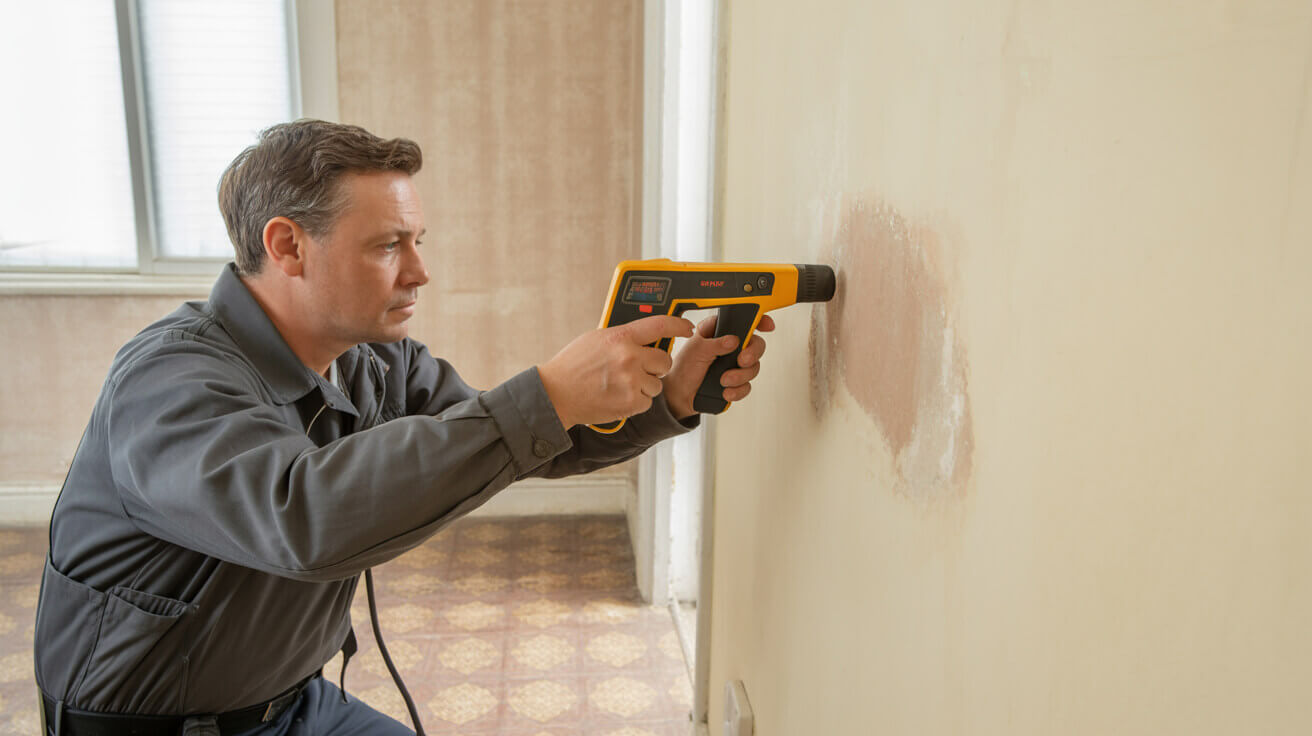
Ask any Sussex owner or agent stuck with a non-compliant or failed job: the up-front saving is dwarfed by the expense of fixing what wasn’t spotted or documented. Here’s what gets missed by focusing on price first:
Regulatory and Lender Refusals
- No BS8102 Certificate = No Mortgage: Surveyors mark non-compliant or DIY jobs as “category 2 or 3 risk.” Mortgage lenders tighten up every year *(Life in Velvet, 2023)*. Insurers ask for accredited paperwork before renewal or claim.
- DIY and Shortcuts = Voided Insurance: Insurers decline damp claims from uncertified jobs. If the paperwork doesn’t list installation by a PCA or BS-accredited company, your “fix” is a future liability, not an asset.
Substrate and Heritage Nightmares
- Heritage or Listed Properties: Plaster systems, membrane adhesives, or even drilling patterns may violate consent. In Sussex, post-installation challenges regularly result in legal action or forced strip-out and rebuild.
- Undiagnosed Sources: Missing a subtle bridging or airborne moisture route leads to “repeat” tanking—a full second round at double the repair cost *(Checkatrade UK)*.
Health and Housing Penalties
- Landlord and Tenant Act Risks: Persistent damp, black mould, or recurring cold spots leave landlords open to HHSRS enforcement, rent deductions, or penalty orders *(Landlord Zone, 2024)*.
- Tenant Rights: If documentation and aftercare are missing, tenants can raise legal complaints or press for council intervention—sometimes years after works are “signed off.”
Spending less on tanking is easy—until you try to sell or insure the property and every shortcut lights up under legal and survey scrutiny.
Comparing the Core Basement Tanking Methods in Sussex: Pros, Cons, Real-World Costs
Your system choice is not just about “keeping the water out”—it’s what lenders, insurers, and future buyers expect. Break through the manufacturer marketing and see what you really get:
Cementitious Slurry (Type A)
- Best For: Dry storage in low-risk brickwork.
- Instal Cost: £40–£80/m².
- Limitations: Not suitable for habitable rooms, ground pressure, or insurance/warranty sign off.
- Risk: Known to fail if water pressure exceeds design or if substrate prep goes wrong.
Cavity Drain Membranes (Type C)
- Best For: Habitable conversions, flats, liveable basements, heritage tweaks. Preferred by Sussex mortgage lenders.
- Instal Cost: £50–£100+/m² (+sump/pump costs).
- Bonus: Robust 10–20 year guarantee is the market standard.
- Risk: Expensive if maintenance is ignored; annual service is non-optional for insurance validity.
Hybrid/Lime & Membrane for Heritage
- Best For: Listed, period, or conservation properties.
- Instal Cost: £100+ per m².
- Regulatory Overhead: Planning, material compatibility, and consent add real cost, not just “red tape.”
External Tanking (Type B/Structural/Integral)
- Rare in Retros: Applies to new builds only; not a realistic option for 95% of Sussex’s housing stock.
Summary Table: Sussex Basement Tanking Systems (Guide Prices)
| Method | Per m² Installed | Best Use Case | Guarantee/Warranty |
|---|---|---|---|
| Slurry (A) | £40–£80 | Storage only | Rare, not for living space |
| Membrane (C) | £50–£100+ | Habitable/letting | 10–20 year transferable |
| Hybrid/Heritage | £100+ | Listed/period | Consent/warranty essential |
All estimates exclude substrate repairs or compliance/legal/heritage costs.
What’s Behind the Quote? Hidden Factors That Change Basement Tanking Prices in Sussex
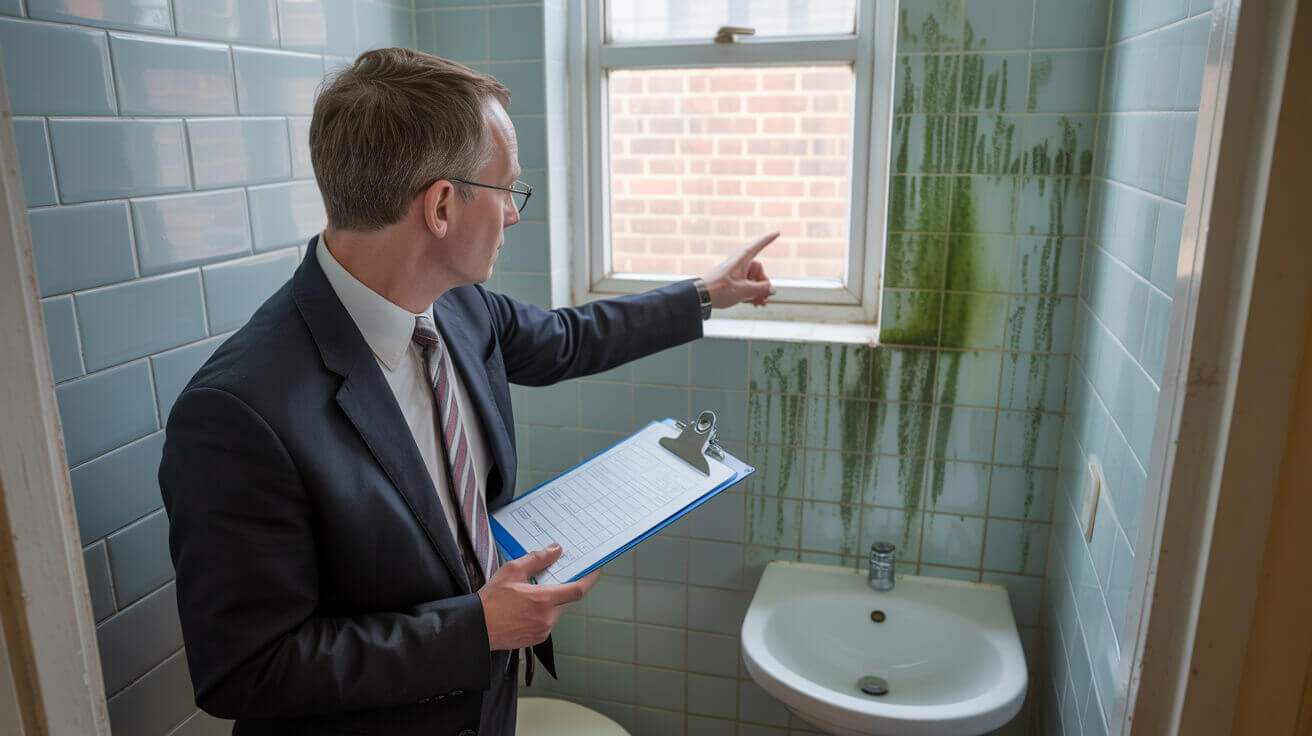
Cost is always more than instal-day price. Here’s where so many property owners stumble—and where your true risk lives:
- Patchwork Repairs & Pre-Existing Damp: Stripping and prepping decades of failed materials, patch repairs, or “just paint it over” attempts layer £1,000s onto the true bill. The sites with the longest defect histories are rarely cheap to fix.
- Awkward Layouts & Site Access: Narrow basements, impossible stairs, or “hidden” rooms trigger more labour, supervision, and rework.
- Compliance and Planning Gaps: Quotations rarely list the price of party wall agreements, listed consent, method statements, and lender documentation—until the problem appears.
- Professional Asset Protections: Only accredited, fully insured teams provide the paperwork and legal chain that stands up to survey, warranty, and insurance scrutiny. This is the silent premium that shoddy work can’t offer.
If your builder isn’t talking in terms of “postcare” or “warranty trail,” that’s your cue they’re not long for the Sussex market.
The cheapest quote is the one that doesn’t include the costs you find out about when a surveyor or buyer says no.
Surveyors, Lenders, and Insurance—Why Compliance and Paperwork Dictate Tanking Value
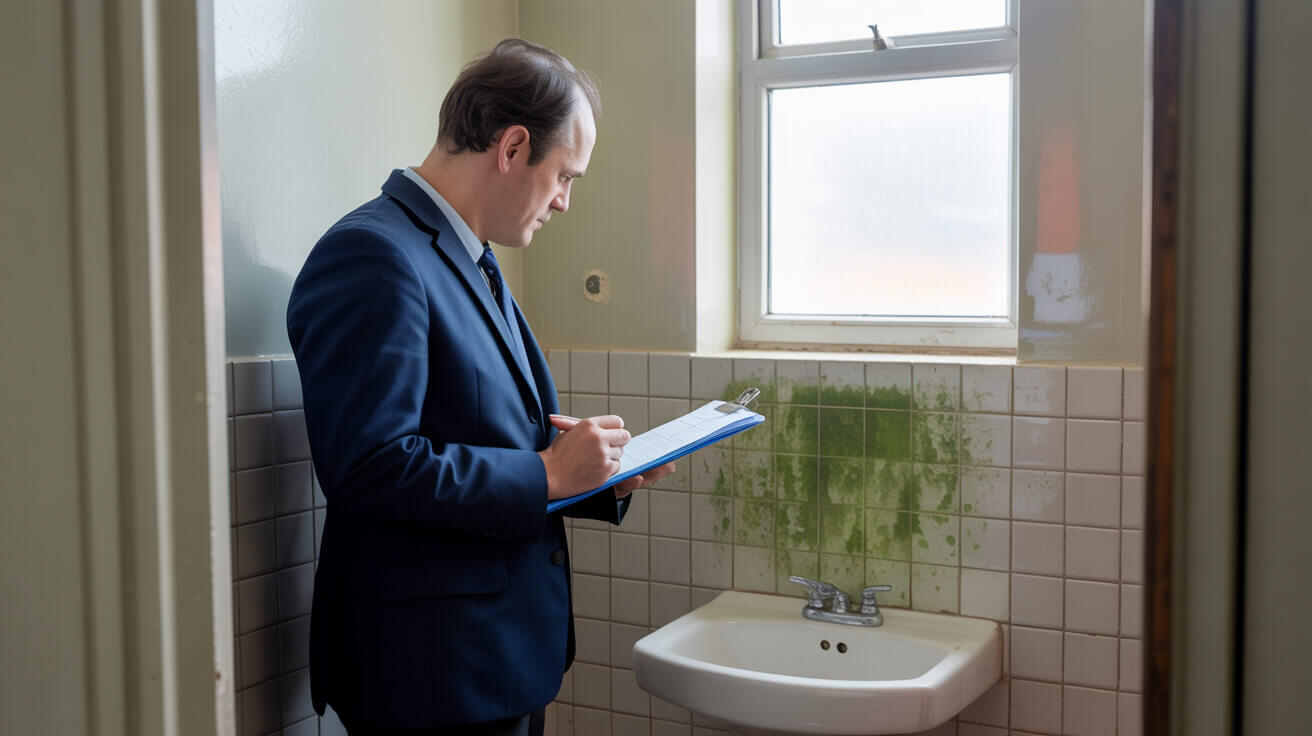
It’s not just the system. Compliance and documentation dominate the sale and risk value of your basement works:
Surveyor Demands
- Full Diagnostic Report: Moisture mapping, defect origin, and explanations with before/after readings. Anything less fails pre-sale checks.
- Method Statement Certification: Only documented risk-matched systems pass pre-purchase or buy-to-let surveys. “DIY” gets flagged as a defect.
- Aftercare Trail: Buyers are asking for annual service log books—skipping this loses negotiating power fast.
Lender and Insurer Non-Negotiables
Insurers and mortgage lenders always check two things: Is the work insured, and is the installer accredited with a transferable damp guarantee? If either answer is no, your property value gets flagged for risk, and loans or insurance are withheld (APP Ltd, Checkatrade).
Heritage and Listed Constraints
Specialist approval is mandatory. Ignore listed status consent, and you risk fines, forced removals, or property devaluation. Planning officers verify methodology, lime content, and reversible detail. Get any of it wrong, and costs become exponential.
Annual Maintenance and Monitoring: To keep guarantees and insurance valid, scheduled check-ups and maintenance logs are now an expected cost—not an optional “extra”.
How Sussex Damp Experts Build Tanking Systems That Stand Up to Reality

Most Sussex jobs fail because the system was wrong for the property, or compliance tripped at sale or insurance renewal. Here’s what redefines value:
1. Forensic Survey Before Materials
We start with diagnostic tools, substrate scans, and root cause tracing—no guesswork, no “hope for the best.” Every system choice starts with a data-driven, site-specific survey.
2. System-Matched Design to Building and Law
You don’t get a generic membrane. Every instal is tuned for substrate, pressure, occupancy, and compliance expectations, including heritage and planning. Our team integrates Building Regs, BS8102, PAS2035, and lender requirements from survey onwards.
3. Lender and Insurer-Ready Documentation
Every certificate and guarantee is produced by a PCA/BS-accredited team. Our packs satisfy mortgage lenders, insurers, and buyers—no gaps, no drama.
4. Aftercare and Monitoring as Standard
We stay on the job. Routine check-ups, moisture log updates, and support for resale documentation and disputes are not “optional extras”—it’s your future risk offloaded, and your asset secured for years.
The best tanking job is the one that doesn’t need repeating, because it survives property scrutiny for decades—not just until the invoice is paid.
Owner and Professional FAQs: Real-World Tanking Costs, Choices, and Compliance (Sussex Edition)

What’s the “average” cost for tanking a basement in Sussex today?
Basic storage-focused systems start at £40/m², but modern membrane solutions for conversions or lettings begin at £50–£100+, with heritage-sensitive basement tanking cases exceeding £100/m² when specialist materials and consents are bundled in.
Why do quotes jump after surveys or strip-out begins?
Unseen substrate faults, pre-existing damp, or missing consent paperwork surface only after intrusive survey and site access. If a quote excludes line items for repair or documentation, the final price always drifts higher.
Is DIY, or “builder friend” tanking, ever wise for a mortgageable home?
No. Lender, insurer, or professional surveyor sign-off hinges on accredited documentation, transferable guarantee, and a compliance method. Anything less results in insurance denials, buy-to-let flagging, or even council enforcement.
How much to budget for real compliance and aftercare?
Factor in +10–20% for annual checks, paperwork updates, and maintenance—skip them, risk insurance loss or resale penalties worth 3–5x the “saving”.
How do Sussex Damp Experts deliver end-to-end risk control?
By starting with expert survey, specifying risk-matched design, executing compliant instal, issuing robust documentation, and supporting long-term aftercare and dispute handling.
How to Spot Value and Sidestep Tanking Traps: A Sussex Guide
Here’s your fast filter. Make any quote, from any contractor, pass these hurdles—before money changes hands:
Sussex Tanking Quote Checklist
- Demand a Full Diagnostic, Not a Guess: Insist on written survey with substrate, moisture mapping, and regulatory context.
- Scrutinise System Credentials: Only trust BS8102/PCA-accredited teams offering warranty and aftercare out of the box.
- Require Lender and Insurer Compliance Chain: Refuse any instal that omits legal or mortgage sign-off capability. If buyer, lender, or tenant can’t be satisfied, the price is a false promise.
- Spot Hidden Price Risks: Watch for missing line items—strip-out, consent, annual checks—that reappear only when the pressure is on.
- Prioritise Aftercare: Systems that don’t come with proactive monitoring and documentation are future budgets waiting to detonate.
A tanking job that can’t stand up to scrutiny is no bargain at any price.
Why Sussex Damp Experts Are Relied On From Survey to Sign-Off (And Beyond)
Property owners, asset managers, and professionals across Sussex trust Sussex Damp Experts not for a “product”, but for survival through every compliance gauntlet and market change that impacts the true lifecycle cost of damp works.
What’s different?
- Zero short-cuts: —even if it means walking away from “easy” jobs that will fail under survey or legal review.
- Every compliance box checked by default: Lender, insurer, council, and heritage demands are integrated from survey to sign-off.
- Documentation that endures: Every report, certificate, and guarantee is recognised and transferable, securing sale or refinance (and giving buyers the confidence to act).
- Long-game aftercare: Years of support for disputes, resale, or fresh mortgage events—no hidden break-points that undo the job.
You aren’t buying a tanking ‘solution’—you’re buying years of resilience, a sale-ready asset, and your own peace of mind.
If you’re ready to de-risk your Sussex property and take control of every hidden factor that sinks deals or drags value, this is where you start.
Protect Your Investment, Compliance, and Stress Levels—Book Your Sussex Damp Experts Survey Now
At Sussex Damp Experts, you don’t just get quotes—you get clarity, compliance, and a partnership for your property’s future. Whether you’re a homeowner, landlord, buyer, professional, or commercial manager:
- Start with a forensic moisture survey—no corners cut, no “maybe it’ll be fine.”
- Get a system match for your structure, goals, and legal context—no one-size-fits-all, ever.
- Secure complete, lender- and insurer-approved paperwork, with a warranty ready for any scrutiny.
- Tap into aftercare, monitoring, and dispute guidance—beyond instal, for when the future throws curveballs.
- Count on local knowledge and national standards—grounded in Sussex’s real-world architecture, law, and survey practice.
Don’t let a “cheap job” be the start of an expensive nightmare. Demand tanking that defends your property long-term. The step that changes everything is booking your pre-works, compliance-matched survey with Sussex Damp Experts—now.
Frequently Asked Questions
Why does Sussex’s soil and housing stock turn even “dry” basements into hidden damp traps?
Most Sussex basements, even those that feel bone-dry on a brisk morning, fight a permanent battle with unseen moisture. That’s because much of the region straddles high water tables, clay soils, tidal ingress, and decades-old drainage—which means a cellar’s dryness is a temporary truce, not a guarantee. Whether you live under a Regency villa in Brighton, a Victorian terrace in Lewes, or a recent developer’s “bonus room,” the pressures at work beneath the surface don’t care if your floor feels cool and dry on your first site visit. Even a faint earthy aroma, a hint of salt, or wintertime chill signals that capillary action is doing its work, often silently.
A Sussex basement that passes the ‘smell test’ in summer can hold enough hidden moisture come February to rot skirting boards or delaminate plaster.
What factors make tanking essential here—even without standing water?
- High seasonal groundwater and perched water tables cause pushing damp—even in hills or distance from the sea.
- Ancient and patchwork foundations trap hidden voids or porous junctions, letting water find “invisible” routes.
- Shifting climate, extended rainy periods, and nearby developments often raise water risks overnight.
- Mortgage survey flagging is now routine if surveyors suspect even past water ingress, not just visual evidence.
How does Sussex Damp Experts safeguard against these risks?
Sussex Damp Experts factor in geological surveys, local flood data, and property history to gauge each basement’s hidden water threat—not just what a metre or eye can see. Every site gets a forensics-grade pre-tanking survey that’s tuned for the region’s quirks, not just the textbook checklist.
Which compliance pitfalls trip up Sussex buyers, landlords, and renovators setting up a basement project?
The days of patch-it-up tanking jobs and handshake “guarantees” are over: Sussex sits at the sharp end of ever-tightening property compliance. Mortgage lenders, NHBC, insurers, and councils now demand paperwork, not just dry walls, with design often expected to align with the BS 8102 standard. Yet, two-thirds of failed waterproofing claims arise from non-compliance at the design, instal, or paperwork stage—not from headline leaks.
Failure to meet PCA or BS 8102 standards can turn a single damp claim into months of insurance back-and-forth, legal wrangles, or outright policy refusals.
Where do people get blindsided?
- Certificates: Lenders and insurers will reject projects without recognised waterproofing certification.
- Surveyor Reports: Tenants, buyers, and agents need verifiable survey data—guesswork won’t pass a HHSRS or lender check.
- Design: Heritage, listed, and conservation property tweaks—wrong materials or missing evidence voids the job, regardless of how dry it looks.
- Warranty: Without insurance-backed guarantees and transferable paperwork, buyers and tenants hesitate to commit.
What makes Sussex Damp Experts’ approach compliance-solid?
Their team pre-loads every job with evidence—diagnostic logs, calibration data, lender/insurer-proof specifications, and proper sign-off. You’re never left chasing paperwork during a sale, rental dispute, or enforcement case.
What caveats make flat “per m²” tanking prices dangerously misleading in Sussex?
Square metre rates float around the industry, but Sussex’s most common tanking curveballs rarely match the spreadsheet. A project can swing by thousands once you account for the substrate (stone, brick, old renders), legacy coatings, salt loading, awkward access, and aftercare commitments. What’s sold as “installation only” often omits the remediation of historic botch jobs, the cost of full membrane systems, or the documentation to satisfy mortgage lenders or councils.
There’s no such thing as a ‘standard’ basement in Sussex—even neighbours on the same street hit wildly different costs when you strip back the wall.
What do clients need cost transparency on?
- Strip-out and prep: —Old DPCs, failed “damp-proof” renders, and hidden salts commonly double prep time.
- System suitability: —Budget slurries might fail habitable conversion or mortgage demands, forcing costly upgrades later.
- Permission pipeline: —Heritage reports, conservation area consents, and party wall agreements frequently run into hundreds or thousands.
- Post-instal maintenance: —Annual pump checks, monitoring, and warranty-mandated inspections are real ownership costs.
Sussex Damp Experts’ promise:
You get line-by-line, transparent quoting that lays bare all pre-works risks and compliance extras—so you never walk into a project blind or get stung post-start.
How does the choice between Type A (slurry), Type C (membrane), or hybrid systems shape real-world durability and compliance?
Choosing your tanking system is less about memorising cost columns and more about matching the solution to property physics, legal requirements, future ownership scenarios, and the BS 8102 standard. Type A cementitious systems may tick boxes for low-pressure cellars, but Sussex hydrostatic pressure and rising water tables often outpace their performance. Membrane-dominated Type C installations, with sump-pump design, are now the gold standard where lenders, insurance, or planning authorities have a say—especially in lived-in basements or those due for conversion.
| Tanking System | Ballpark Cost (£/m²) | Best Use Case | Compliance Level |
|---|---|---|---|
| Type A Slurry | £40–£80 | Storage-only, dry cellars | Rarely mortgageable |
| Type C Membrane | £55–£110 (+pumps) | Habitable, lender-compliant | PCA/BS 8102, 10–20yr |
| Hybrid (Lime) | £95–£140+ | Heritage, listed, eco-led | Heritage, listed |
- Slurry is easy—but failures are common where water pressure or occupant usage weren’t modelled correctly.
- Membranes offer accessible future maintenance, inspection, and swift pump repairs—which is why the British Standard sets them as benchmark for high-value or lived-in conversions.
- Hybrids, especially lime-compatible, are now required in period homes or where conservation officers step in. This adds complexity but preserves market value and legal standing.
Sussex Damp Experts calibrate every recommendation to your property, its substrate, its story, and your goals—not just what’s cheapest up front.
Why do rushed or cheap basement tanking jobs unravel at survey, sale, or insurance claim time?
Fast or budget instals only last as long as no one is looking too hard—or until winter and a mortgage surveyor come calling. The biggest failure point isn’t moisture; it’s usually forensic paperwork and proper photographic documentation missing at each step. Over 40% of tanking complaints regionally involve missed certificates, undocumented strip-outs, or non-transferable warranties, leaving owners unable to unlock insurance claims, mortgage advances, or smooth resale.
It’s the audit trail, not just the instal, that insulates a Sussex property owner from legal or financial blowback.
What trips up most DIY and “quick-fix” instals?
- Uncleaned salts under new work rapidly push damp and delamination back to the surface.
- Skipped or incomplete substrate repairs let old issues resurface—and tanking fail faster than expected.
- Missing or non-compliant warranty papers kill resales, lender approvals, and most insurance eligibility.
- Under-specified systems collapse when winter tests pressure, ground water, and interior HVAC changes.
Sussex Damp Experts run dual documentation and instal streams—every action gets recorded, certified, and logged for future queries or disputes.
What steps must a Sussex tanking project follow to deliver lasting peace of mind and real property value?
Future-proofing your basement comes down to proof, not hype. A true tanking project means you’re protected year-round, years down the line, and at every transaction (loan, sale, insurance, rental). Sussex’s best practices demand an initial PCA-accredited diagnostic survey, design tailored to local soils and planning limits, including heritage-sensitive basement tanking where relevant, and referenceable installation (with line-by-line breakdowns), capped off by all documentation needed for future claims or ownership transfers.
A bulletproof basement is designed for scrutiny, not just for show—it must outlast trends, inspectors, and the next round of regulation.
Key project features and owner checkpoints:
- Upfront survey built for legal, lender, and resale requirements—captures moisture, material, and technical realities.
- Transparent, itemised scope and line-by-line costings with pre-flagged extras.
- Accredited, insured installation to lock in warranty, lender and buyer resale value, and compliance.
- All paperwork packaged for easy handoff during owner changes, mortgage renewals, or claim triggers.
- Proactive aftercare and reminder protocols for system servicing—keeping your investment healthy and compliant.
Sussex Damp Experts shepherd each project from first inspection to annual warranty checks, ensuring you’re not caught out—today, at resale, or a decade from now.
How do Sussex Damp Experts approach rapid, complex, or heritage-sensitive basement tanking that others might turn down?
Many firms walk away from listed buildings, time-stressed rental turnovers, or “hopeless” heritage cellars. Sussex Damp Experts, by contrast, engineer every project through their systems lens. If you need a tanking instal under conservation orders, or a mortgage needs closing next week, they have adaptive planning—integrating heritage consent, rapid deployment, or eco-led material swaps at pace.
Advanced interventions Sussex Damp Experts support:
- Complete diagnostic mapping including lime, breathable and historic compatibility checks built-in.
- Design modifications for fast-track approval with conservation officers or listed building teams.
- Coordination with adjacent trades (plasterers, joiners, roofers) to deliver “one team, one build” with no voids or finger-pointing.
- Regulatory prepping: paperwork, calibration, and staged proofs to hand off to councils, insurers, and buyers.
- Ongoing site and post-instal monitoring, so no surprises emerge years down the line—or if they do, you’re already covered.
When others say, ‘That basement’s a lost cause,’ Sussex Damp Experts write the manual for getting it approved, guaranteed, and future-ready.

