
 By
By  September 3, 2025


Why “Type C Waterproofing Cost” Is Not a Single Number—And How It Shapes Your Property’s Value
If you’re staring at a patch of damp in your basement or fielding a surveyor’s warning about “below-ground water ingress,” you already know: this isn’t just an ugly mark or a background smell. In Sussex and the surrounding areas, Type C waterproofing cost isn’t a Googleable average—it’s a decision that can make or break a property sale, redraw a mortgage offer, or determine whether a building stays habitable. That figure controls risk, compliance, and resale value for everyone from landlords to agents, homeowners to builders.
A damp basement is never just an eyesore: it’s your property’s silent gatekeeper—affecting mortgages, legal standing, and long-term worth.
When you see “Type C system” on a quote, the temptation is to look for the cheapest figure per metre. But fixing damp isn’t buying carpet. Every property’s baseline price packs layers: forensic diagnosis, compliance mapping, case-specific access headaches, warranty strength, and the ability to “pass first time” when your surveyor or lender looks. So, what really shapes the cost—and how do you avoid the trap of price without substance?
Why Does Damp in Basements Cost More Than “Just a Fix”?
Waterproofing Cost Calculator
Estimated Cost Range
—
| Item | Estimate |
|---|
System Information
How Other Systems Compare
| System | Cost / m² | Warranty | Best For |
|---|
Waterproofing is a specialist job — the right system depends on your specific conditions.
Our surveyors will assess your property and recommend the best solution.
Damp doesn’t begin or end at surface stains. The real cost of basement water is the opportunity it quietly erodes. Take your eye off that “just cosmetic” patch and your sale, mortgage, or compliance status melts faster than old paint.
Mortgage, Resale, and Legal Fallout
- Ongoing basement moisture is flagged in most property surveys, leading to stubborn sale delays, failed remortgage attempts, and drastic lender valuation drops *(propertyindustryeye.com)*.
- For landlords, the Landlord and Tenant Act makes “fit for human habitation” non-negotiable. Mould or lingering damp opens the door to HHSRS claims, council fines, or rent repayment orders *(legislation.gov.uk, gov.uk/hhsrs)*.
- Insurance providers rarely pay for slow-build damp, blocking claims and sparking long-term disputes *(which.co.uk)*.
The cost of ignoring that slow creep? A single streak or odour in a survey can torpedo deal momentum, lock you into a negotiation standoff, or even spark legal rows with buyers or tenants. DIY quick fixes invite callbacks and reworks that shred your reputation, not just your budget.
The real bill isn’t what you pay upfront— it’s what you miss in lost property value and missed sales.
Not acting quickly with a compliant system makes you vulnerable. Everything from missed root causes to outdated guarantees can halt transactions, escalate legal exposure, and inflate repair budgets by thousands.
What Actually Goes Into a Type C Waterproofing System—And Why Each Layer Matters

A true Type C waterproofing solution isn’t something you roll on with a brush and hope for the best. In Sussex, water pressure and soil types mean only a managed, engineered approach stands up to scrutiny. BS 8102:2022 sets the system standard—accept nothing less if you want your investment to hold.
What a Type C “System” Means
- HDPE Cavity Membrane: A studded panel lines all earth-retaining walls and floors, creating an internal barrier that collects, not just stops, water.
- Perimeter Drainage Channel: Think of it as the moat that collects and channels incoming water—easy to miss, costly to skip.
- Sump and Pump: When gravity is no help, these ensure water leaves the building, with alarms and backup where flooding or low-lying land demand it.
- Inspection Hatches & Cleansing Points: Without these, even the best membrane can starve for maintenance—eventually failing when you need it most.
- Professional Finishes: Flexible, breathable plasters, compliant adhesives, and reinstatement works that blend technical with aesthetic.
Every proper Type C system is mapped by a certified surveyor, tailored to your structure, substrate, and layout—not some “one size fits all” recommendation from a hardware shop. Sellers, lenders, and councils in Sussex demand documentary proof of this; a rushed or patchwork instal leads to refused mortgages and insurance disputes.
The system is your compliance passport—not just a physical fix. It protects against comebacks, claim rejections, and resale anxiety.
How Type C Waterproofing Quotes Are Structured—And What Should Never Be Missing

Not all costings are born equal. The mark of a trustworthy Sussex Damp Experts quote is its transparency—itemising every component you need to avoid callbacks, refusals, or legal headaches later.
A Proper Type C Costing Will Break Down:
- System Design & Layout Plans: Not just lengths, but how every corner, joint, and wall junction is managed.
- Membrane Specification: Down to manufacturer, batch info, and warranty scope.
- Drainage Pathways: Full mapping, including all inspection and cleansing access points.
- Pump System Details: From capacity to emergency backups, ready for site conditions.
- Preparation & Site Clearance: Removal of prior tanking, debris, mould cleanup, and substrate readiness.
- Access & Labour Realities: Detailing disruption, timescales, and complexity due to site shape, levels, or materials.
- Finish & Aftercare: What gets replastered, refloored, and how aftercare will play out over time.
- Warranty & Documentation: Guarantee details, ongoing care requirements, and handover paperwork for insurers or lenders.
A third (sometimes more) of your outlay goes to groundwork, legacy material removal, and access solutions—rarely itemised in “menu price” quotes but the difference between an installation that lasts and one that fails at the first sign of rain.
Quotes lacking breakdowns don’t hide savings—they hide future bills, compliance traps, and the risk of repeating the cycle.
The Real Numbers: What Type C Waterproofing Costs in Sussex (2024 Data)

The temptation to Google “How much is Type C basement proofing?” is strong, but raw numbers without context can backfire. Sussex is a patchwork of property ages and substrate types—costs vary widely.
| MAIN COST COMPONENT | SUSSEX TYPICAL RANGE | DETAILS |
|---|---|---|
| HDPE Membrane Instal | £35–£45 per m² | Full wall/floor coverage, fixings, compliance material, warranty included |
| Sump and Pump Systems | £3,000–£4,000+ | Dual pumps, battery backup, alarm instals (fluctuates by complexity) |
| Drainage Channelling | £80–£120 per metre | Channels, access hatches, cleaning points |
| Site Prep & Labour | £1,200–£2,400+ | Debris clearing, access work, safe substrate prep |
| Annual Aftercare Plan | £150–£300 per year | Pump servicing, inspection, warranty upkeep |
For a standard 40m² domestic basement, expect a range of £6,000–£9,000 including full compliance mapping, professional installation, aftercare onboarding, and paperwork—excluding unexpected snags like heritage permissions or extensive demo (premcrete.com; permagard.co.uk; self-build.co.uk). Projects with awkward layouts, tight access, or historic fabric trend higher—sometimes by 20–30%.
Cost Multipliers To Watch
- Awkward layouts, limited access: More hours, extra planning, higher risk of setbacks.
- Legacy materials, demo/removals: Old tanking and obstructions add £200–£800 in disposal.
- System upgrades: Battery backups are an essential spend for high-risk settings.
- Heritage/consent needs: Matching materials and getting sign-offs protect value, but push cost up.
- Surprise repairs: Hidden structural or mould issues demand additional budget.
- Omissions on “menu” quotes: Preparation, reinstatements, warranty setup, and service plans—cutting corners here guarantees problems.
Savings Opportunities
- Rapid diagnostics: Early specialist surveys catch problems while they’re still small.
- Simple site layout: Uninterrupted, straightforward spaces are faster and cheaper to protect.
- Bundling works: Pairing with other upgrades (like conversions or insulation) saves on labour and disruption.
A menu price that ducks aftercare or proper diagnostics guarantees you’ll pay twice—once upfront, once over time.
Why Surveyor-Specified Waterproofing Costs Less—When You Count the Lifetime

A Type C system’s lifespan isn’t set by the day you pay; it’s shaped by the skill of the surveyor, the timing of the diagnosis, and the compliance depth of the actual instal. In Sussex, all too many “bargain” instals collapse when lenders, agents, or surveyors dig deeper—a menu price isn’t security, it’s bait.
The Case for Forensic Site Inspection
- Pinpointing moisture sources: From rising capillary action to sneaky lateral flows—guesswork here is expensive later.
- Triggering the right compliance: BS 8102:2022, conservation, or party-wall thresholds are missed all the time by non-specialists, triggering failed handovers.
- Drainage and water table mastery: Sussex’s variable “groundwater behaviour” requires on-site measurement and adaptation.
- Heritage property finesse: Older buildings need breathability and tailored system compatibility—wrong materials mean damp rebounds or conservation headaches.
- Paper trail for future sale: Maintenance logs, warranty cards, and signed plans—skip these, and you risk nullifying your compliance and reducing value.
A tailored survey is a rounding error compared to the cost of lost sales, repeat instals, or fines after a failed inspection. Surveyor-specified instals score lasting approval with lenders, dodging surveyor objections, regulatory disputes, and insurance refusals.
The Five Domino Factors Driving Up Type C Waterproofing Cost—And Where Shortcuts Fail
1. Site Complexity
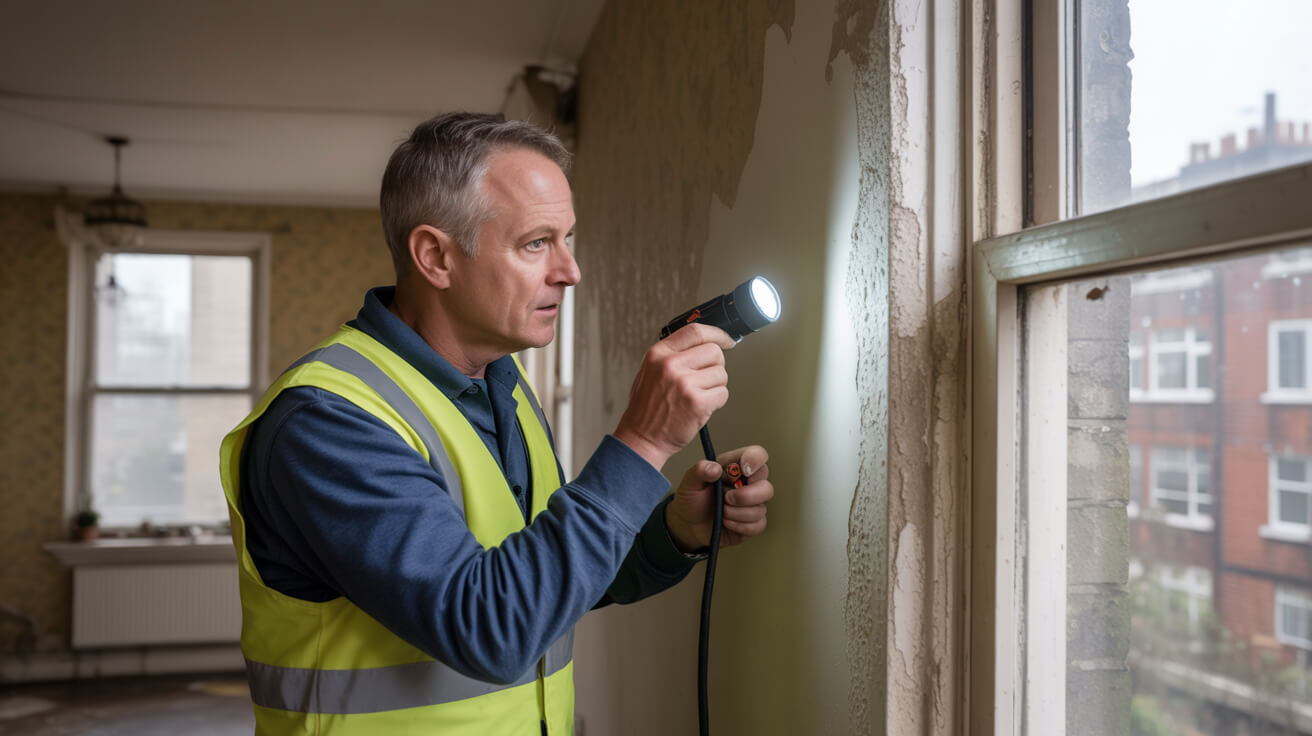
Every twist, step, and pinch point in your layout translates to extra hours and unique materials. Older, multi-level, or hard-to-reach basements add costs fast—not just on day one but through every future warranty or maintenance event.
2. Heritage, Party Wall, and Consent
Ignoring or underestimating heritage status or boundary conditions leads to stalled projects, fines, or forced removals. Materials must match listed expectations, with documentation ready for the council at every stage.
3. Materials and Pumping Upgrades
It’s tempting to buy “cheaper,” but second-rate membranes or budget pumps drop performance and insurance eligibility. Wrong specs mean more than leaks—they mean failed claims and the risk of total system failure years earlier than expected.
4. Thorough Preparation & Waste Management
Old damp treatments, contaminated plaster, or deeply embedded materials must be cleaned out or risk trapping moisture for good. This foundational layer is hidden in many quotes but vital for long-term success.
5. Warranty, Aftercare, and Proof
Warranties are rarely unconditional—miss a site service or tickbox, and your protection is gone. Installers must set up tight aftercare and keep the records; skipping this exposes you to all kinds of future loss.
The highest cost is always learned by those who cut corners—when a system fails under scrutiny.
Compliance, Guarantees, and Service—Why They’re Worth More Than Any Material

The job isn’t done when the membrane is up and the sump is humming. Lenders, buyers, and councils increasingly demand sight of a complete compliance chain—BS 8102:2022 docs, warranty certificates, and mapped maintenance plans. Lack of these is the top deal-breaker in Sussex property transfers involving below-ground works.
What Lenders and Authorities Now Insist On
- British Standard referenced specs: Compliance with BS 8102:2022, with itemised designs, not generic “tanked” certificates.
- Warranty integration, not afterthought: Manufacturer and installer guarantees must be clearly linked and transferable.
- Ongoing care framework: Upkeep logs, service contacts, and action plans are checked at sale, remortgage, and claim time.
- Transparent system mapping: Handovers now include diagrams, spec sheets, and a schedule of every site action.
If any link in that chain is missing, expect a painful negotiation, a slashed valuation, or outright rejection. The market is punishing “blind trust” in works with no paper trail.
If there’s no compliance on paper, lenders and insurers treat your waterproofing system as if it doesn’t exist at all.
Choosing an Installer That Shields You From Downstream Headaches
The risk isn’t just price; it’s sitting in limbo when a sale, let, or remortgage stalls for want of clean compliance. Here’s the no-nonsense checklist for a provider you can trust:
- Formal damp and waterproofing accreditations (PCA, TrustMark, BS 8102:2022).:
- Surveyor-signed plan—specific, mapped, and matched to your site from start to finish.:
- Itemised, readable quotes—no vague “per area” bundles.:
- Proven experience with conservation, heritage, and party wall law.:
- Examples: photos of completed Sussex projects like yours.:
- Documented aftercare and warranty—no future upcharges or vague promises.:
- Real references from lenders, surveyors, or local authorities (from checkatrade.com, trustmark.org.uk, property-care.org).:
Vague paperwork or fuzzy warranties aren’t just a red flag—they’re the source of most hard-luck stories in the property world. Get it right at instal and you’ll never have to worry at the point of resale, remortgage, or legal intervention.
Why Sussex Damp Experts Remains Sussex’s Go-To for Type C Waterproofing—And How They Save You Money and Stress
When Sussex property owners, buyers, agents, or commercial landlords want Type C waterproofing that works, Sussex Damp Experts is the go-to for a reason. Every project is surveyor-led and mapped to BS 8102:2022—never a poorly adapted, generic job. The team is fluent in the real-world factors that decide whether your waterproofing investment holds value, passes every lender and survey test, and stays safe for tenants or resale.
Here’s why so many rely on Sussex Damp Experts:
- Surveyor-specified diagnosis from step one—no off-the-shelf “solutions.”:
- Full quote transparency—every material, process, and aftercare plan detailed before you agree.:
- Awards and accreditations that prove compliance, not just skill.:
- Heritage and planning fluency—adapting every design for listed, modern, or mixed-use developments.:
- Compliance isn’t an afterthought; it’s woven into every instal, with all paperwork ready for lenders, insurers, or councils.:
- Clear aftercare and warranty processes—no mysteries, no post-instal “extras,” just direct lines for support and maintenance.:
- Respected by buyers, sellers, surveyors, and agents for getting it right, first time and every time.:
Don’t wait for a failed sale or an insurer’s rejection letter—call Sussex Damp Experts for waterproofing that pays for itself in peace of mind, compliance, and lasting value.
Ready to shift from worry and repairs to lasting protection, value, and confidence? Talk to Sussex Damp Experts today—your basement, your property, and your sale-ready paperwork will all thank you.
Frequently Asked Questions
What drives the real cost of Type C waterproofing, and why are “fixed rates” misleading for Sussex properties?
Your Type C waterproofing price is written by the unique story of your building—not by any spreadsheet or headline. Costs swing with the fabric, history, and layout of your property. Standard rates overlook what actually matters in Sussex: access squeezed by narrow stairwells, lifting out failed legacy tanking, specialist permissions for heritage zones, or the hard-to-reach corners of sprawling cellars. The sticker price says one thing; reality hands you another.
Every site holds hidden details—a standard price never covers the real risks you’ll face.
A true figure only lands after a site survey by someone who understands Sussex’s mix of historic and new, not just a generic installer. The range spans from £35–£45 per m² for high-spec membranes to £3,000–£5,000 for full sump and pump engineering, but listed status, split levels, or blocked access can swing it 25% or more. That’s why Sussex Damp Experts tailor every quote to your building’s demands, documenting every cost driver—no guesswork, no post-instal “extras.”
Which less obvious factors change what you actually pay?
- Layout quirks, like winding stairs or split-levels, extending project hours
- Removal/disposal of failed tanking, hazardous or salt-damaged plasterwork
- Heritage overlays and consent hurdles specific to Sussex’s listed stock
- Complicated drainage or party wall issues multiplying both paperwork and labour
- Enhanced aftercare or warranty terms for resale, mortgage, or insurance use
Don’t gamble on flat quotes—book Sussex Damp Experts for a mapped survey. You’ll only ever pay for your building’s real needs, with no blindside costs.
Why do less detailed Type C waterproofing quotes balloon after work starts?
The cheapest quotes often turn out to be the most expensive. Why? They skip crucial groundwork—missing prep, incomplete mapping, or omitting permissions and aftercare. What looks like a deal soon explodes when the crew meets hidden legacy tanking, blocked stairways, conservation paperwork, or the need for tailored drainage deep under older foundations. Behind that “low number” lurks a world of extras you’ll only see after signing.
Bargain quotes are built on what they leave out, not the deals they make.
Sussex Damp Experts reject the shortcut game. Each formal quote comes with a full site mapping, drainage plan, line-item specs for every system component, and all compliance steps. You know before anyone swings a hammer what you’re facing—access, removal, aftercare, and all the paperwork for surveys and council checks.
What does a thorough Sussex quote include that others miss?
- True site access challenges—tight lifts, shared walls, or skip logistics
- Legacy containment: safe removal of old or failed tanking and substrates
- Exact drainage mapping, preventing later hacks or add-ons
- Heritage compliance, listed building or party wall permissions
- Staged aftercare, warranty calendars, and compliance documentation
Get every phase—mapped, costed, and legally sound—with Sussex Damp Experts. The price you see is the real one, not the first page of a running bill.
How do compliance, warranty, and aftercare directly affect both the cost and long-term value?
Compliance isn’t an “extra”—it’s the keystone for safeguarding asset value, preventing insurance wrangles, and protecting resale. Mortgage lenders and insurers in Sussex now demand up-to-date BS 8102:2022 certificates, mapped aftercare digits, and ironclad warranties that follow the property, not just a signature. Cut corners here, and you risk refused loan advances, void insurance, or costly future repairs invisible in a lowball quote.
Without documented compliance, your investment leaks value every year—and banks won’t touch it.
Sussex Damp Experts lock in compliance by design. Every project includes digital handover packs, site-linked guarantees, and mapped aftercare schedules. Service logs, maintenance alerts, and digital certificates keep you, your buyer, or lender on bulletproof legal ground. These protocols transform an “instal” into a transferable, insurable asset anyone can verify years down the line.
What makes compliance bulletproof?
- BS 8102:2022 certificates—mandatory, not optional
- Digital, transferable warranty authenticating the exact property, installer, and system brand
- Documented, annual aftercare services and digital service logs
- Upfront access to all paperwork for buyers, insurers, or surveyors
Choose Sussex Damp Experts for aftercare that starts with the instal—not as a bolt-on. The value of your system is as much about documentation as it is about membranes or pumps.
How do property history and context reshape your waterproofing budget and approach?
No cellar is a clone, especially in Sussex. Retrofitting a heritage Georgian vault, Victorian conversion, or split-level period basement is nothing like new-build work. Heritage protections might require specialist lime plasters and approved membranes, slow you down with conservation review, and pile on party wall paperwork. Multi-chamber, awkward, or tight-access sites raise disposal, site protection, and even local noise control costs.
A Sussex heritage site is a jigsaw of history, paperwork—and hidden spend you’ll never spot on a rate card.
A mapped site survey by Sussex Damp Experts unlocks all these site-dependant variables. You’ll see line-by-line how your building’s quirks—be it listed status, odd internal layouts, or protected features—affect both the budget and execution plan. This clarity means surprise surcharges vanish; your actual project is built into the quote, not tacked on when it’s too late.
Where does your property’s character increase the budget?
- Listed/conservation paperwork, permissions, and fabric-friendly material upgrades
- Multi-level, maze-like, or low-ceilinged basements needing more labour and protection
- Removal of hazardous, contaminated, or poorly installed legacy systems
- Shared ownership or party wall legalities driving up negotiation and delay costs
- Real-world project logistics—waste, skips, scaffold, and protection of adjacent property
Trust Sussex Damp Experts to tie your budget to your building’s roots, context, and reputation—never to a copy-pasted national average.
What are the unseen yearly costs and risks after installation, especially around aftercare and pump checks?
The membrane isn’t your only cost—skipping pump and maintenance checks voids warranties, fries systems, and exposes you to sudden flood and property loss. Most lenders and insurers now insist on digital proof of annual pump and drain servicing—charging £150–£350 per year, logged and sent to your records in real time. Miss one, and your claim or warranty sits on shaky ground, especially in the event of failure.
Aftercare protects everything. Ignore it, and one missed pump check could cost you the value of your property.
Sussex Damp Experts keep aftercare front and centre. Reminders, digital service logs, and 24/7 troubleshooting are included as standard, not at premium. No more lost paperwork or unbooked checks—aftercare is a competitive edge and a value guarantee lasting far beyond installation.
What’s in a thorough aftercare and compliance package?
- Annual professional pump/drainage checks, real-time compliance records
- Automated reminders so service lapses and warranty voids never sneak up
- Emergency callout and ongoing troubleshooting built-in
- All documentation, logged and retrievable, for mortgage, sale, or claim scenarios
Safeguard your investment’s future—book aftercare with Sussex Damp Experts and stay on solid legal and financial footing as long as you own the property.
Which questions separate trustworthy Type C waterproofing specialists from risky contractors—and what should their answers prove?
A premium installer welcomes scrutiny—they’re able to open up every decision, from surveyor credentials to compliance mapping and fully traceable warranty documents. It’s the dodgy firms who bristle if you ask about TrustMark or PCA status, if they can show finished projects in Sussex, or if their paperwork lacks digital continuity. Ask about mapped surveys, site-specific remediation, heritage or party wall pricing, and transferable guarantees. Vague or evasive replies mean only one thing: future chaos.
Transparent answers and mapped paperwork don’t just buy confidence—they safeguard your reputation and resale.
Sussex Damp Experts will arm you with evidence at every step: mapped site plans, digital certificates, up-to-the-minute references, granular price breakdowns, and proactive aftercare schedules. Their clarity gives you leverage in every bank, sale, or legal setting.
What demonstrations should you expect from a leader?
- Verifiable accreditations, mapped surveys, and up-to-date before/after documentation for your site type
- Itemised pricing that details every phase, from access to aftercare
- Transferable, digitally signed guarantees for lender, buyer, and solicitor confidence
- Ongoing proof of installations in Sussex for true local endorsement
Don’t let your investment get trapped in silence—work only with those who open their books and their reputations. Sussex Damp Experts turn paperwork and process into your best security.

