
 By
By  September 3, 2025


Why Does Skirting Board Rot Start So Easily—And Why Is It Rarely Only Cosmetic?
A swollen, frayed skirting board rarely signals a minor issue. Rot in timber is moisture’s calling card—a quiet, slow-motion warning flare that most property owners dismiss until the repair bill doubles. Your skirting sits vulnerable, drawing up water rising from the ground, absorbing sideways leaks from exterior brick, or growing damp from condensation that lingers in cold corners. By the time you spot rippled paint, dark mildew in the joints, or a distinct musty smell, there’s a real chance the real problem has already gone deeper than the eye can see.
What you notice on the surface is only a polite hint—the hidden damage is already making itself comfortable.
Rot here isn’t “wear and tear”—it’s a symptom. In Sussex, more than 85% of skirting rot cases flagged by surveyors trace back to issues beyond the splash-zone: breached damp courses, failed ventilation, salt migration sucking in airborne water, or old pipes quietly seeping into walls (Sussex Damp Experts Case Files, 2023). That means a cosmetic repair solves nothing for long.
Once moisture soaks the base of your wall, it doesn’t respect boundaries—it creeps into adjacent plaster, flooring, door linings, or even concealed joists. Every untreated patch risks a chain reaction—by the time flaking paint or bubbling skirting is visible, plaster crumble and hidden timber decay are often already underway. Flooring can start to lift from underneath, wall finishes dissolve, furniture warps, and the stage is set for future repair bills.
Surface fixes—sand, patch, paint—don’t block this chain. True solutions only come by tracing the actual source, whether that’s a failed DPC, capillary action across brick, or condensation in poorly heated spaces. When in doubt, every professional starts with a moisture and salt mapping survey. That’s the only way to see the whole picture, not just the symptoms, and to lock out repeat problems.
Can You Ever Just Repair Rotten Skirting—Or Is Replacement the Only Real Solution?
Timber Repair Cost Calculator
Estimated Cost Range
—
| Item | Estimate |
|---|
Repair vs Replacement
Estimated Timeline
Timber damage often has underlying causes that need addressing first.
Our surveyors will identify the root cause and recommend the right repair.
It’s easy to convince yourself you can “just repair” a bit of rot—especially if you spot it early or it’s confined to a cold corner. Occasional minor salt bloom, surface bubbling, or a local paint blister in an otherwise sound timber can sometimes be safely scoped out, isolated, and addressed with drying, anti-fungal treatment, and refinishing.
But here’s where the story usually changes: pick at a soft, spongy board and often you’ll find the rot has carried on behind, travelling into wall bases or along floor timbers. If your skirting feels hollow, flakes apart, or stays cool and damp after airing, it’s likely that what you see is only the start.
Sand and paint over surface damage and all you’re buying is time for rot to resurface at twice the cost.
Professional specialists—like Sussex Damp Experts—never guess where the damage ends. Diagnostic tools such as deep-probe moisture metres, borescopes, and site-specific salt tests expose what’s behind the timber as well as on the surface. These tools are now so foundational that mortgage lenders, insurers, and councils expect professional verdicts before you’re allowed to move ahead with any repair plan, let alone claim warranties.
Even when a small repair is possible, repeating patterns—recurring black mould, persistent damp zones, or unsupported under-floor areas—make repair increasingly risky. In period homes or heritage buildings, patching often isn’t just ineffective, it’s not allowed: local authorities require correct timber profiles, compatible lime plasters, and full documentation for any repair to count.
Replacement is not about cosmetic refresh. It’s a commitment to break the cycle—removing the moisture’s pathway, addressing substrate decay, and validating the repair for future mortgage or insurance demands. Anything less means future headaches, high costs, and unhappy surveyors.
What Does It Really Cost to Repair or Replace Rotten Skirting in Sussex Homes?

The honest answer is: it depends how far the moisture has travelled and whether you’re facing an isolated patch-up or a full replacement. Most homeowners start with a simple question—“how much to fix that bit down there?”—but quickly realise the answer grows more complex with every scrape of the chisel.
Small, early repairs—drying the board, slicing out minor damage, applying a fungus-neutralising treatment, and resealing—typically run between £100 and £220 per patch in Sussex. This assumes fast action, a dry substrate, and no hidden soft spots in the plaster or surrounding timber.
Once true replacement is on the cards—usually following significant rot, deep substrate moisture, or requirements in a pre-sale report—costs climb. Here’s a Sussex-focused guide to what you might expect for swapping out 10–12 metres of skirting:
| Skirting Type | Estimated Cost (Labour + Materials) | Best Fit |
|---|---|---|
| MDF / Board | £240–£310 | Modern runs |
| Softwood | £350–£480 | Older homes |
| Hardwood/Heritage | £400–£600+ | Listed/Period |
Table introduced: These price bands include all labour, material, site clearance, and respectful care—because most jobs need more than a simple “whip round with a crowbar.” Hidden complexity (awkward shapes, bays, period profiles, adjacent service runs) usually adds cost. Heritage or listed properties can top 50% extra, thanks to the need for custom profiles, surveyor approval, and regulated lime or breathability standards (Checkatrade, 2024; PriceYourJob, 2024).
What you pay buys more than just timber. It gets you proper diagnostics, survey-grade reporting (often essential for insurance or lender sign-off), and a guarantee that the solution isn’t painting over rot. Sussex Damp Experts provide transparent line-item quotes so you know when action is core and when “later” is safe. Agents, surveyors, and cautious buyers all appreciate service that matches risk to price before decisions are made.
If your property needs complex joinery, rapid repairs, or is flagged by an agent or lender, expect a premium for precision and compliance.
Why Do Skirting Board Jobs Sometimes Run Over—And What’s the Hidden Price of Delay?

Every damp specialist groans at a “quick fix” that spirals. What starts as a tidy patch-up can balloon into a full-scale rescue operation—because real damage only becomes fully visible once the skirting is out, and sometimes only after the underfloor is lifted. Experience shows the headline price is rarely the headline outcome.
Key triggers for runaway cost or delay:
• Subfloor rot, hidden decay, or old repairs left unchecked under plaster
• Complex joinery—awkward bay windows, old pipe or electrical chases hidden in the skirting runs
• Heritage overlays—matching original profiles, lime materials, or working inside conservation restrictions
• Salt migration behind or under the plaster, which can require additional wall stripping
• Change in property use or urgent timelines—agent or tenant moves that impose deadlines
Delays and unexpected discoveries mean minor fixes become systemic renovations. Leave rot untreated and moisture migrates laterally, moves up into wall bases, or quietly infects floor joists—causing new visible problems months later (often after a sale or let is agreed).
Moisture is the silent negotiator—you lose power with every day you delay.
Surveyors routinely warn that patching the surface—while leaving unseen damage—merely “kicks the can.” Lender valuation surveys often call for signed, accredited reports, and will withhold finance against suspected or badly repaired rot. For cautious buyers, even a suggestion of damp leads to price challenges, longer timescales, and lower offers.
Sussex Damp Experts’ full-survey-before-quote approach removes surprises. Advanced moisture mapping, in-depth reporting, and on-site transparency cut uncertainty for owners and stakeholders. That’s how runaway costs are kept in check.
What Are the Risks—and Financial Fallout—When Owners Delay Rot Repairs?
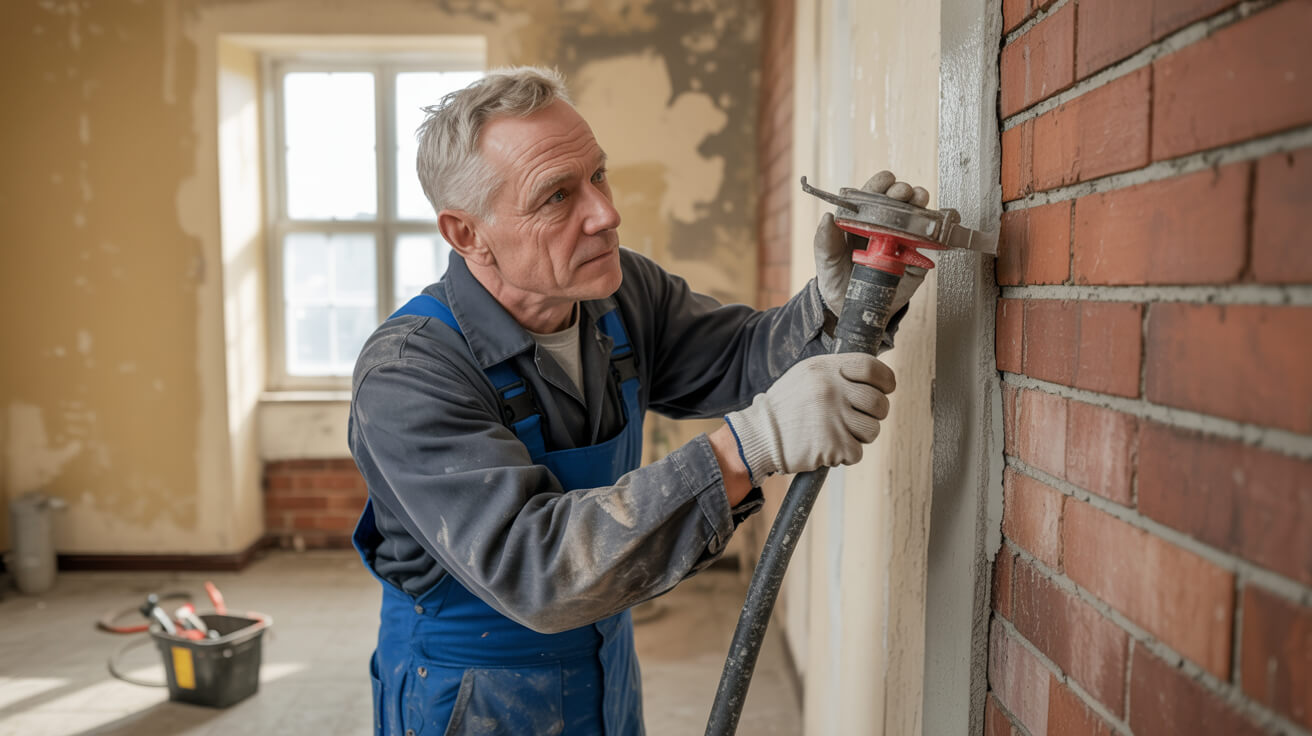
Delaying a proper fix for skirting rot is the property equivalent of ignoring a ticking smoke alarm—things only get worse, and nobody gets sympathy after the fact. Moisture is persistent: once it finds a path, it slowly compromises floors, walls, and the sandwich of hidden supports between. Each missed week adds to the cost, complexity, and risk.
Landlords and sellers have the most to lose: surveyors now use moisture metres and even thermal cameras as standard in property checks. If underlying damage, high moisture, or unaddressed repairs are found, insurers may flag claims for neglect. Mortgage lenders commonly require proof of cause-and-effect repairs stamped by an experienced, accredited specialist—no paperwork, no loan. Under the UK’s Fitness for Habitation Act and HHSRS rules, landlords must remedy any hazard quickly—botch jobs or delays risk tenant complaints, council penalties, and even legal action.
The cost of ignoring small repairs grows—eventually, only a full specialist job will satisfy insurers, buyers, or compliance officers.
Even domestic homeowners lose out. “Quick fixes” that mask visible damp without neutralising hidden moisture risk chained cycles of repair, repeated damage to finishes, rising repair bills, and, ultimately, a negative valuation if caught by a decent surveyor. Fast “cosmetic” jobs are almost never mortgage-friendly, let alone durable.
Surveyor-trusted firms like Sussex Damp Experts put risk on the record—full diagnostics, transparent reports, and guarantee schemes mean property professionals can defend their decisions and protect future value. When it comes to rot, what you don’t see always costs more.
Which Compliance, Legal, and Insurance Factors Shape the True Cost of Skirting Repairs?

Rot isn’t just about repairs—it’s a compliance minefield, especially in the UK. Mortgage lenders, building insurers, council housing teams, and letting agents all expect more than just a “good-looking finish.” Modern reporting and repairs must be robust, documented, and in line with British Standards and current legal frameworks.
Common pitfalls that boost cost and complexity:
• Lender requirements: Most lenders demand accredited surveyor reports under BS6576 or BS8102, and proof of root-cause rectification—not just a “builder’s fix.”
• Insurance policies: Claims for rot repair are often excluded if “proper cause tracing” and durable, guaranteed repairs aren’t on record.
• Landlord/tenant law: The Fitness for Habitation Act, HHSRS, and Environmental Protection Act demand quick, compliant works—council intervention is common if tenants complain.
• Guarantee validity: Higher end, heritage or listed property claims require full statutory compliance (PAS2035, breathable limes), and use of registered trades. No compliance or guarantee = no payout.
The cheapest fix can quickly become the costliest if it triggers a lender, insurer, or council rework.
The “paper chain” is now as important as the repair chain—every quote and invoice should evidence method (survey and cause), compliance (legal and standards met), and proof of a guarantee. Sussex Damp Experts handle the full survey-to-guarantee process, so property sales, lets, and insurance renewals proceed without last-minute complications.
Why Do Heritage Homes and Older Buildings Demand Different—and More Costly—Approaches?

Sussex is home to some of the UK’s richest property heritage: Victorian rows, listed barns, Georgian facades, and chalk-and-brick terraces from a different era. Heritage and period properties face special hurdles—any rot repair is scrutinised for material match, original profile retention, and conservation consistency.
Expect these factors to boost heritage job costs:
• Customised profiles—off-the-shelf never fits; often you need mill shop runs.
• Lime-based or specialist plaster for breathability, as required by conservation and listed property rules.
• Full documentation—survey, planning, test sections, staged photographic proof to show why and how the repair was done.
• Deliberate, slower process—council inspections, grant eligibility checks, and final sign-offs can all add weeks.
Fast attempts or shortcuts not only fail—they can void future planning consents or insurance cover, anger conservation officers, and make resale a drawn-out negotiation. All details matter, from mortice joinery through compatibility with ancient stone or brick, to paint finish and vapour permeability.
Heritage repairs are a long game—done right, they protect value, legal standing, and future flexibility for decades.
Sussex Damp Experts are heritage-compliance literate—our team navigates these extra layers so that owners, sellers, and property managers can rest easy, respecting both the letter of the law and the spirit of the building.
How Does Aftercare Keep Rot from Returning—and Your Asset Secure?

In Sussex, real resilience means every rot fix is followed by active aftercare—not just a handshake and a piece of paper. Modern professional repair is a pathway, not a one-off: inspections, scheduled ventilation checks, and maintenance are all needed for genuine peace of mind.
Components of robust aftercare:
• Annual or semi-annual moisture metre walks (with full logs if selling or letting is planned)
• Checking for external threats—blocked gutters, pooling water at thresholds, compromised flashing, or ground-level changes
• Ventilation reviews and upgrades as needed—trickle vents, underfloor flow, and improved grilles where chronic cold/damp is flagged
• Keeping an up-to-date repair dossier—original survey report, receipts, guarantee, photographic proof of works
If a new problem appears, it’s rarely bad luck—it’s a sign something was missed. True aftercare adapts and prevents repeat jobs.
Good contractors build in aftercare as part of the job fee. Sussex Damp Experts offer scheduled check-ins and responsive support, not only to prevent repeat jobs but to make sure your property is always “survey ready” for the next surveyor, insurer, or regulatory check. Investing in aftercare now safeguards not just your boards—but also your ability to sell, let, or insure your home in the future.
Secure Your Skirting—and Your Property Value—With Sussex Damp Experts
Waiting on rot is good for one thing only: compounding your bill and risk. Damp is never just a cosmetic matter—it’s the property equivalent of leaving the door wide open in a storm. Blocked gutters, failed DPCs, unseen condensation: these are building-wide alerts, not surface issues.
Contact Sussex Damp Experts and you’ll get more than a quote sheet. Darius Dampbane is a master surveyor, PCA accredited, known for precise diagnosis, compliant repairs, and aftercare that stands up to lender, insurer, and agent scrutiny. Heritage home or modern flat, you get:
• Survey-grade diagnosis—a plan matched to what surveyors and insurers need
• Flexible repairs—heritage matching when your building demands it
• Transparent, fixed-price reporting so you always know the real cost
• Guarantee-backed restoration—so you can prove compliant damp repairs when the bank, buyer, or tenant asks
Absorbing a quoting contest is minor. Absorbing the loss from a failed or delayed repair—that’s costly and stressful.
Get in touch via phone, WhatsApp, or our online form. Reclaim healthy, lasting timber throughout your property, and protect your asset’s future with the Sussex team trusted from Brighton to Lewes and beyond. When rot knocks, answer with confidence—the sort only a surveyor-trusted cure provides.
Frequently Asked Questions
What causes skirting boards to rot—and why does this signal deeper concerns than surface repairs suggest?
Rotten skirting boards are a distress call from the building, not just a hiccup in joinery. Moisture finds its way into timber from sources like faulty damp proof courses, rain-driven leaks, blocked gutters, or persistent condensation—often out of sight, beneath paint and plaster. Early symptoms, such as swollen wood, crumbling edges, or salt blooms, act as forensic clues, hinting at a silent progression through masonry and subfloor. The worst mistake is stopping at the surface. Swap a board, and you might mask symptoms for a season, but without tracking moisture migration—especially in older bricks or poorly ventilated spaces—rot simply migrates. Sussex Damp Experts use a forensic approach: moisture metre probing, thermal cameras, and building history checks to decode where water travels and why.
Moisture hidden in the wall doesn’t forget; it waits for fresh timber.
How does a specialist approach shift the equation?
- Identifies if rot is isolated or if damp is running deeper within substrate layers.
- Decodes if moisture is rising from ground, pouring through walls, or forming from chronic condensation.
- Builds an evidence base to prevent surprises for lenders, insurers, and future buyers—cementing future property value.
Smart owners know the difference between patchwork and permanent protection is hidden in the science of diagnosis, not the neatness of a carpenter’s cut.
How do repair costs for rotten skirting escalate—and which decisions keep your long-term spend in check?
Costs multiply the moment repairs migrate from plain timber work to addressing hidden damp. A dry board swap may cost £120–£220, especially in modern flats, but if damp has infiltrated the substrate or spread into joists and plaster, costs quickly jump—often to £600–£900 when you factor in tanking, biochemical DPCs, or compliance checks. Additional layers such as conservation requirements or bespoke trims in heritage homes may raise the figure by 30–60%. Quoting “by the metre” is a red herring: what you’re truly buying is your building’s standing power at sale, survey, or rental audit.
| Job Condition | Expected Cost | Escalator |
|---|---|---|
| Basic dry swap | £120–£220 | None |
| Full run, modern room | £280–£340 (MDF), £700+ oak | Finish details, skirting style |
| Hidden damp, minor substrate | £400–£900+ | Substrate dry-down, moisture proof |
| Heritage, compliance route | +30–60% | Specialist joinery, historic plaster |
What decision points help you avoid runaway spend?
- Insist on a professional site survey before starting—uncovers issues before a single plank is cut.
- Demand itemised quotes that include moisture tracing, legal documentation, and guarantee terms.
- Compare value, not just margin—a logged repair with compliance and warranty will rescue value at sale or let.
Opting for surface-level repair is like repainting rust; lasting value hinges on rooting out the silent damage beneath.
When is patching a rotten skirting board acceptable—and when do damp & compliance rules demand full replacement?
Patching is viable only when moisture has been thoroughly banished and the surrounding substrate is dry, as verified by calibrated readings. In non-listed properties with isolated rot—less than a quarter of the board—and zero sign of ongoing damp (by both sight and instrument), skilled patching can be logical. Issues arise the minute you spot earthiness, salt blooms, or black patches, or if upcoming sales, lender reviews, or let agreements loom—these instantly trigger the need for full remediation and surveyor-grade signoff. In heritage contexts, shortcutting is self-sabotage: like-for-like timber, breathable systems, and traceable dry-downs are mandated.
The job you patch today might become the problem you face during your next mortgage application.
Where do professionals draw the line?
- Any sign of active damp, historic water stains, or musty smell—replace and trace the source.
- Compliance-driven scenarios: listed homes, sales, and rentals require certified remediation and a reset timeline.
- Purely cosmetic knocks, recent independent damp survey, and zero reading? A targeted repair gets the green light.
Your decision is really an investment in what your next surveyor, buyer, or insurer will want to see on the record.
Why does waiting on skirting rot escalate from small repair to major financial and legal setbacks?
Damp acts geometrically, not linearly. Delay on a soft board leads to rot migrating into joists, floorboards, and eventually structural fabric. A £120 intervention, if postponed, too often inflates into a structural write-off, especially when timber eats away at unseen subfloor timbers—multiplying spend tenfold or more. Insurers cite clauses about “timely mitigation”; lenders block mortgages if a decaying substrate is present at survey. Council inspectors, in rental or heritage properties, may escalate compliance enforcement, resulting in heavy fines or forced works.
Every week’s delay is a silent wager against the exponential nature of moisture damage.
What visible and hidden risks rise as the clock ticks?
- Floorboard warping or joist decay (often visible only once carpets or skirting are removed).
- Compliance fails that block or delay sales and tenancies, sometimes flagged at the last possible moment.
- Insurance claim denials if repairs don’t show a documented history of professional damp treatment.
Acting early with accredited professionals limits the damage, clamps costs, and preserves your authority with lenders and agents.
Why do professionals, agents, and financial institutions refuse to accept unverified or DIY skirting repairs?
Modern compliance and lending standards have zero appetite for untraceable repairs. DIY or cosmetic fixes lack the rigidity of survey-grade documentation, forensic moisture logs, and insurance-backed warranties—meaning lenders, insurers, or letting agents will likely reject your paperwork or demand repeat inspections. Tiny receipts or before-and-after photos aren’t enough; institutions are laser-focused on legal clarity, audit-ready guarantees, and proof that regulatory standards (such as HHSRS, Building Regulations Part C, and BS 6576) have survived peer review.
What forms of evidence clear the compliance and financial hurdles?
- Complete, traceable moisture diagnostics showing the cause and proof of effective eradication.
- Written warranties and digital logs cross-referenced to UK standards, not just the installer’s brand name.
- Surveyor-grade reporting, with references to both before and after repair moisture states and supporting photographs.
If the evidence won’t stand up in a lender’s audit, your property value is already in question.
Engage accredited, audit-ready specialists to ensure your repairs don’t collapse under the weight of oversight and future audits.
How do advanced aftercare and monitoring programmes seal in value long after your skirting boards are fixed?
Aftercare isn’t a polite add-on; it’s the backbone of futureproofing both repairs and compliance. Robust aftercare plans mean annual or semi-annual moisture checks, up-to-date servicing records, and digital logs that will outlive any single tenancy or ownership cycle. For heritage homes or multi-unit buildings, aftercare is about keeping a live record for insurers, future buyers, and letting agents—ensuring no reversion of rot or silence in documentation. Sussex Damp Experts formally tag inspection logs to every job, maintain cloud-based archives, and advise on seasonal risk points—especially when renovations or tenant changeovers threaten to muddle evidence.
- Set digital reminders for 6- or 12-month moisture metre reviews—keep reports attached to your property’s compliance file.
- Audit external factors, like blocked drains or failed vents, before and after winter: minor interventions now prevent repeat costs.
- Archive all guarantees, survey documents, and repair logs for at least a decade—future value rests on credible stewardship.
Protecting your investment is more than a patch or a quick fix—it’s a living process of risk management and reputation.
Letting professionals control the aftercare cycle means you always have the evidence on hand, preserving confidence, compliance, and the value you’ve worked to build.

