
 By
By  September 3, 2025


Who Actually Pays the Price When Timber Rot Isn’t Solved Right Away? (And Why Hidden Decay Isn’t Just Your Problem)
When timber decay appears, it rarely presents itself with fanfare. No alarms, no breaking news—just a floor that gives a little, a sharp smell after rain, or the gentle weep of paint blisters hiding a world of trouble behind the wall. But here in Sussex, where moisture lurks in the DNA of the landscape and history’s buildings rumble with hidden complexity, every day spent in indecision digs the cost deeper—not just into your wallet, but across your property’s reputation within the housing market and beyond.
It’s the rot you don’t see that rewrites the script—cost, sale, and even your legal standing.
Who Pays If You Wait?
The table below spotlights how different stakeholders get caught out when early action turns into late regret:
| **Stakeholder** | **Immediate Risk** | **Long-term Fallout** |
|---|---|---|
| Homeowner | Immediate repair bills | Loss in sale value, insurance pain |
| Landlord/Agent | Tenant complaints, repair orders | Fines, legal actions, void periods |
| Buyer/Seller | Renegotiation, failed surveys | Mortgage refusals, lost buyers |
| Builder/Renovator | Site holds, delay fees | Reputation hits, warranty claims |
| Local Authority | Enforcement resources wasted | Costly future interventions |
If you let rot lie dormant, it rarely stays your problem. It leaks into contracts, tripwires valuations, and blocks even the smoothest deals. Mortgage underwriters flag properties with a whiff of rot as “unlendable” until a surveyor and a certifiably compliant repair clear the path. And in Sussex, local councils and building control teams are more vigilant than ever—“damp stigma” has become a fast track to enforcement.
A private owner delaying works faces penalties in three currencies:
– Direct costs: Each month of inaction means more cubic feet of timber succumbing, often doubling bills in less than 12 months.
– Asset loss: Down-valuation by surveyors, buyer pull-outs, and loan refusals.
– Compliancy headaches: Insurers, tenants, and even your own solicitor may insist on proof of proper repair—making why timber treatment matters more than ever, as verbal fixes or “paint and pray” approaches are now red flags (LandlordZone 2024).
If you hesitate, you finance someone else’s leverage over your own home.
The Sussex Damp Experts difference: Early intervention, sign-off, and full compliance reporting mean your risk is locked down—not floating into the next downpour, the next buyer’s lawyer, or the next council inspection.
What’s Actually Involved in a Real Timber Decay Diagnosis? (And Why Cupboard-Under-The-Stairs “Checks” Don’t Cut It)

You want fast answers. But the myth that timber rot “can be seen from a quick look” is where Sussex owners and buyers lose money—and open a box of ongoing liability. So what does a true diagnosis from Sussex Damp Experts look like?
The Anatomy of a Modern, Survey-Ready Inspection
1. Forensic Entry
Diagnosis begins before the tools even come out—mapping the history and context of the property, including age, build type, renovation record, and rainfall exposure. A Victorian semi and a modern Lewes flat may both smell musty, but the underlying risk—and compliance roadmap—are entirely different.
2. Layered Investigation
- Visual inspection: Surface cues (mould, swelling, flaking, staining) cross-referenced with property plans and known moisture “hot zones.”
- Moisture mapping: High-precision metres, thermal imaging, and strategic probes to reveal deep-lurking rot under boards/behind skirting. This isn’t gadget theatre—it’s the only way to catch expensive problems before they grow.
- Salt and substrate analysis: Confirms whether staining is from historical flooding, rising groundwater, or chronic leaks. Each cause requires a different legal and technical fix.
- Documentation check: Owners often inherit survey reports or “warranty cards”; half are outdated, incomplete, or non-compliant. Sussex Damp Experts review everything—compliance paperwork directly impacts your insurance and resale later.
3. Immediate Action Plan
- Clarity: for all stakeholders: Detailed findings, high-resolution photo trail, site sketches.
- Regulatory linkage: Each diagnosis mapped to BS6576, PAS2035, and relevant Building Regs.
- Zero guesswork: Clients receive a written road map—what, why, and how, with itemised costings, risk forecasts, and recovery timeline.
Key insight: Fast, accurate diagnosis saves more than fixing the rot. It keeps you in compliance, underwrites your next sale, and closes the loop on downstream surprises.
The right diagnosis is like waking up before the rain—it steels you against tomorrow’s storms and next year’s sales cycles.
How Do Compliance, Documentation, and Building Type Drive the Cost of Timber Rot Repair? (Price Per Metre Means Nothing Without Context)

Everyone wants a quick figure. It’s tempting to search “How much is damp proofing per metre?” and hope for a simple answer. But property in Sussex is anything but simple, and the wrong shortcut could cost you thousands—sometimes even invalidate a future buyer’s mortgage.
2024’s Real Drivers of Timber Decay Cost
Compliance: Your Non-Negotiable Shield
Sussex lenders, surveyors, and councils no longer accept “handyman” notes or generic reports. What’s demanded:
- Written, site-specific diagnosis aligned with BS6576 and PAS2035.
- Clear linkage between cause, remedy, and compliance paperwork.
- Digital photo record of the process.
- Warranty documentation, with evidence of moisture management, aftercare, and ventilation checks.
Verbal agreements, incomplete sign-offs, or documents without proper signatures are now routinely rejected—sometimes years after the work, when you least expect it.
Building Type: Heritage, Modern, or Mixed?
A listed cottage in Rye asks for a whole different playbook (lime plaster, breathable injection, non-barrier treatments, documented conservation approval), while a 1970s flat on Brighton seafront faces salt attack and requires moisture control to modern standards.
Fast facts:
- Heritage/compliance works: Can double or triple costs due to listed consents, specialist materials, site protocols.
- Multi-zone rot (hidden patches in structural elements): Repair complexity—and cost—escalates.
- DIY or builder “shortcuts” without compliance paper trail: Highest total cost over 5 years due to failed sales, legal claims, or warranty gaps.
Table: Real Cost Drivers (2024 Sussex Context)
| **Factor** | **Effect on Cost** |
|---|---|
| Compliance paperwork | + up to 25% vs. “off-the-books” repairs |
| Heritage status | + 50–200% (listed consent, specialist execution) |
| Multi-zone/hidden damage | + 40–100% (floor, wall, ceiling interfaces) |
| Missing aftercare | Lost warranties; buyer rework & legal claims |
It’s not the repair per se—it’s the cost of non-compliance, failed warranty, or a blocked sale that truly bites long-term.
Sussex Damp Experts always:
- Map the building context before proposing fixes
- Build quotes with compliance, repair, and aftercare in mind
- Use PCA-accredited, TrustMark-certified staff who sign for the works
Is Your Quotation the Real Cost—or Just the Opening Bid? (Unpacking Timber Decay Treatment Prices in Sussex for 2024)

If you’re scrolling for a magic price, know this: blanket rates are a myth. The gap between a low “intro” quote and the actual invoice can be £2,000 or more, and not always for obvious reasons.
2024 Benchmark Costs for Timber Decay Treatment
1. The Diagnostic Survey
- Standard (non-heritage): £150–£350, often refundable with full repair order.
- Heritage/listed: £250–£500, as conservation officers may demand on-site or off-site review, with method statements.
2. Treatment and Repair
- Dry rot (single area): £1,500–£3,000. Multi-room £5,000+. Heritage at risk: £10,000+.
- Wet rot: £500–£1,500 for a localised patch; whole rooms, £4,000+.
- Woodworm: £500–£1,200 per affected area, especially in older lofts or floor structures.
Complications, like hidden bridging or access inside occupied rooms, routinely add 20–40% over base estimates.
3. Materials and Systems
- Modern: DPCCreams, breathable membranes, tanking (when needed).
- Heritage: Lime-based plaster, low-impact biocides, minimal intervention for conservation.
Table: “One-Size-Fits-All” Quotes vs. Itemised Specialist Pricing
| **Type** | **Quick-Fix Builder** | **Sussex Damp Experts** |
|---|---|---|
| Dry Rot | £1,200 (“guesstimate”) | £1,500–£3,000 (diagnosed, warrantied, compliance-grade) |
| Wet Rot | £400–£900 | £500–£1,500+ |
| Woodworm | £250–£700 | £500–£1,200+ |
| Aftercare | None / “verbal” | Included, with logbook/timeline |
Buying the lowest quote often means paying for two jobs: one to cover up, one to fix the fallout.
What Sussex Damp Experts do differently:
- Only itemised, survey-grade quotes
- All works are tied to real findings, not a “menu”
- Guarantee is only attached when every compliance box is ticked
How Do Smart Owners Turn Timber Decay Into Leverage, Not Just a Bill? (Turning Risk Into Value With Proactive Action)
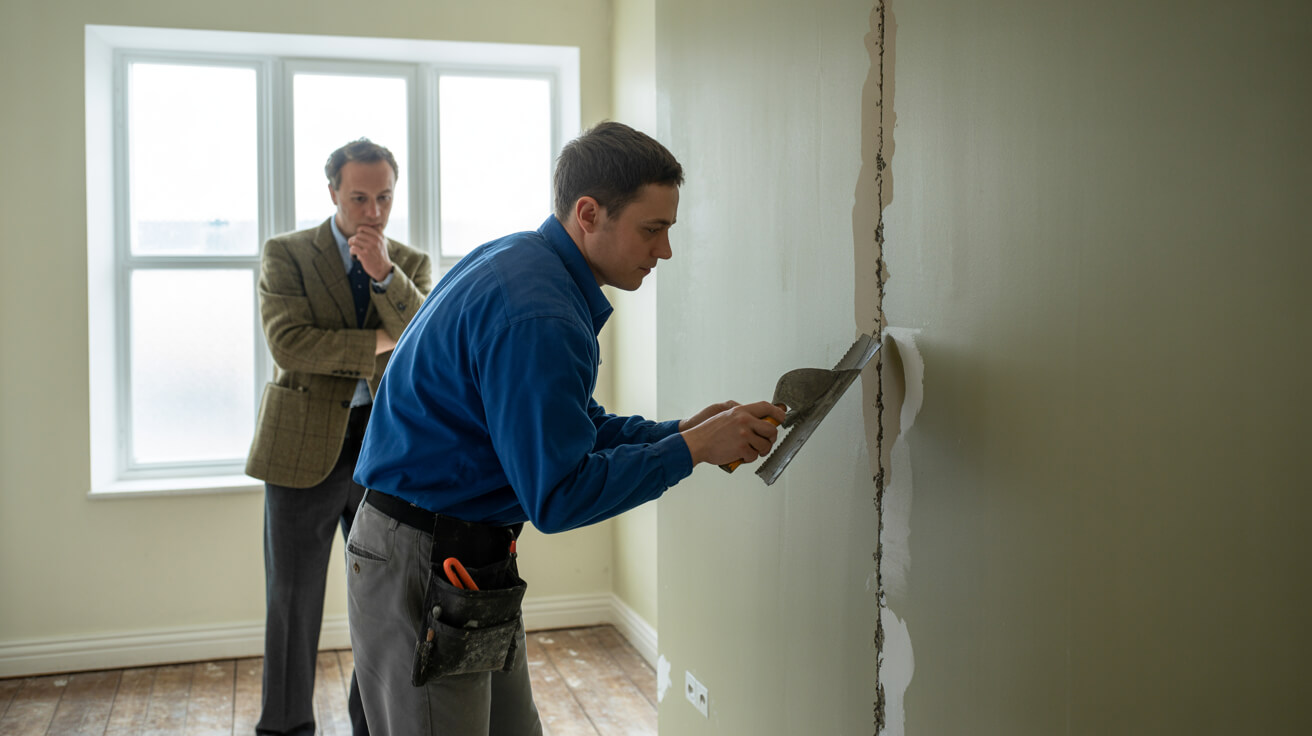
The conventional playbook? Wait until rot becomes unmissable, then hope for a cheap quick fix. But Sussex’s most successful property managers—and every “DJ” of the sale chain, from buyers to agents—use evidence of swift, specialist treatment as a card for negotiation, reputation, and even capital growth.
Play Your Pain Into Asset Protection
1. Use the Survey as a Selling Asset
- Show potential buyers, insurers, and tenants a fully documented, standard-compliant repair history.
- “Damp stigma” disarms price-negotiators and providing compliance proof can be the difference between a failed sale and full value.
2. Bank on Warranties
- Mortgage brokers in Sussex routinely ask for 10–20-year guarantees before releasing loan funds. These guarantees shift value back to the current owner.
3. Frame Aftercare as Continuing Value
- Annual inspection reports, humidity logs, and up-to-date paperwork boost not just market value but your standing among estate agents and surveyors.
- Engage Sussex Damp Experts’ aftercare support so your property is always “survey-ready”—not just now, but at renewal, remortgage, or future sale.
4. Leverage Expertise for Reputation
- Agents and landlords who can show expertise in ongoing compliance and fast response to rot win trust, both with tenants and regulatory bodies.
- Local authorities and commercial property owners who book fixed-fee surveys send a zero-tolerance signal—protecting themselves and reducing intervention risks down the line.
Rapid action and real paperwork trade panic for power—no one can use ‘damp’ against your interests once you’ve locked in compliance and time-stamped your asset’s health.
What About Heritage Properties, Commercial Sites, and “Unusual” Builds? (Price Shocks and Specialist Angles)
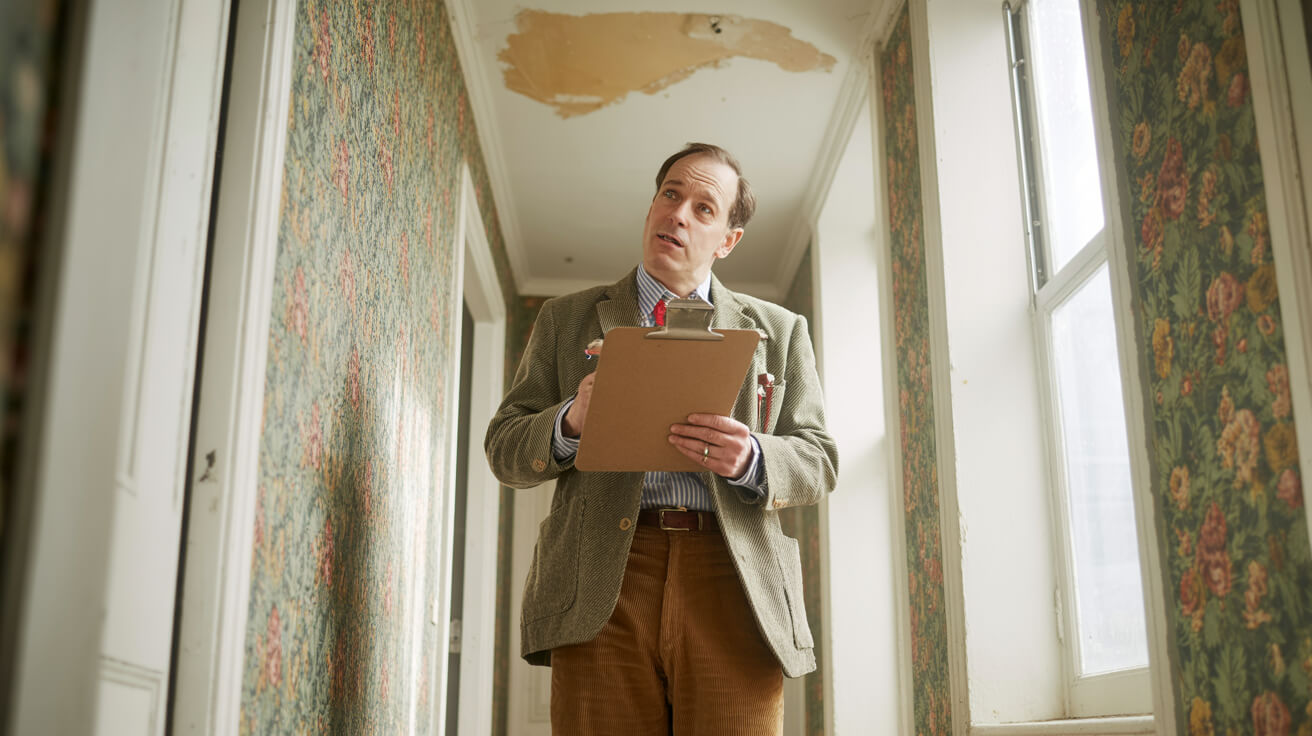
Not every Sussex property is a semi-detached or a post-war flat. Listed barns near Arundel, thatch-and-timber Tudor houses, and even retrofitted modern buildings pose distinctive challenges that can multiply costs—but also up-value assets if you play it right.
Heritage and Listed Buildings
- Planning headaches: Repairs to listed buildings generally require advance consent from conservation officers. The process is slower, approvals stricter.
- Material constraints: Only lime plasters, breathable membranes, low-impact treatments—no modern DPC or “plastic” finishes.
- Specialist contractors: Additional skills required, plus often mid-project liaison with planning bodies. Quotes reflect this, usually starting at £2,500 for simple decay.
Commercial / Multi-Unit Properties
- Scale effects: Price per square metre drops as area increases but rises again with complexity, multi-zone access, or logistics headaches.
- Compliance and insurance pressure: Survey and works need to be bulletproof—any breach risks future tenancies, liability claims, or C-suite finger-pointing.
- Documentation and “chain of trust”: Everything from repair logs to aftercare must be digitally trackable—Sussex Damp Experts automate this for all commercial work.
Custom / Unusual Builds
- System integration: Timber rot repairs may require compatibility with modern thermal upgrades, soundproofing, or eco-retrofits.
- Hybrid systems: Combining classic timber repairs with high-spec tanking, drainage, or DPC approaches—each step signed off for compliance.
Table: Cost Overlaps by Property Type (Sussex 2024)
| **Property Type** | **Baseline Cost** | **Adjustment Factors** |
|---|---|---|
| Heritage / Listed | £2,500+ | Consent delay, material match |
| Commercial (Zone) | £800–£5,000+ | Area, logistics, compliance |
| Custom / Retrofit | £500–£8,000+ | Integration, technical sign-off |
Heritage compliance isn’t a paperwork thing—it’s a future-proofing move: surveyors, conservation bodies, insurers and buyers all align when the job is done right.
What Sussex Damp Experts deliver for ‘complicated’ jobs:
- Heritage-grade, conservation-aligned expertise
- Digitally audited processes
- Local authority and planning expertise—ensuring you’re never out of compliance
Why Annual Aftercare and Monitoring Are the Smart Owner’s Secret Weapon (And No Longer Optional in 2024)

If you’ve solved rot but failed to plan aftercare, you haven’t actually finished the job. This is where most “one-and-done” projects unravel.
Why Annual Monitoring Is Critical
- Keeps warranties valid: Skip a single check and your decade-long guarantee can be voided.
- Catches repeat risk early: Minor leaks, tenant changes, or seasonal moisture shifts can undo previous work.
- Documents value and diligence: Surveyors value a current, credible aftercare record as protection against down-valuation.
- Serves as a price anchor: Annual reporting means you’re never caught off-guard on renewals, remortgage, or in the sales process.
Sussex Damp Experts Aftercare
All full-scope jobs come with:
- Digital inspection/aftercare reminders
- Guidance for humidity and ventilation log-keeping (templates provided)
- Option for permanent on-site monitoring for heritage or multi-unit properties
- Full re-issue of documentation as needed for future sales or insurance
A missed aftercare window is the fastest way to lose your leverage—warranties and insurance mean nothing if the paperwork isn’t matched by proof of vigilance.
The Step That Actually Protects Your Home, Your Money, and Your Reputation: Call Sussex Damp Experts Before Decay Calls the Shots

You do not manage timber decay for today. You manage it for the next valuation, the next buyer, the next regulatory check, and quite possibly the next generation of ownership.
Sussex Damp Experts operates at the intersection of mastery, compliance, and real world risk—refusing to leave you with half-measures, “just-in-time” fixes, or paperwork that can’t pass scrutiny.
Here’s how you change the game:
- Book a regulation-grade survey today.: You get a photo-stamped, fully itemised report—no guesswork, all compliance.
- Get an itemised, stepwise quote—never a “blended” menu: —so you know exactly what is being fixed, what is being warrantied, and why.
- Engage our crew for the repair: We project-manage it all—in house, from diagnosis to aftercare, ensuring nothing gets lost in translation.
- Lock in the aftercare: From humidity monitoring to paperwork renewal, our support endures as long as you own (or manage) the property.
Next moves?
- If you’re facing survey notes, delays, or insurance red flags—our hotline is fast, local, and compliance-backed.
- If you’re a professional (landlord, agent, builder, surveyor, local authority), secure our full documentation portfolio to future-proof your next handover or inspection.
- If you’re a homeowner, book today and swap long-term anxiety for lifetime property leverage.
Don’t just treat rot—outsmart it. Protect your property’s worth, your peace of mind, and your power. Book with Sussex Damp Experts. Action taken now is capital earned for the future.
Frequently Asked Questions
What hidden building features can trigger unexpected timber decay costs in Sussex homes?
Timber decay costs can skyrocket when unseen elements like subfloor voids, bridged damp-courses, or legacy repairs create silent routes for moisture. That’s also why timber treatment decisions matter so much in Sussex properties with ventilation gaps, old service runs, or non-standard substrates—especially in pre-war or heritage builds—where decay can spread well beyond the first signs of rot, affecting how Much Does Full timber preservation treatment cost in practice. Surface-level fixes miss adjacent framing or concealed beams; these problems often surface during deep investigations, ballooning your budget at the worst moment. In listed homes, extra layers like lime plaster or panelled walls can hide damage for years, pushing repairs into neighbouring rooms before you realise the full extent.
The rot you don’t see is what empties your wallet—real savings start with finding every hidden damp pathway.
How do specialist surveys reveal these cost drivers?
- Forensic moisture mapping uncovers concealed rot migration through skirtings, joist ends, and partition bases.
- Thermal cameras and borescopes penetrate complex build-ups, exposing what basic surveys miss.
- Sampling checks for salt migration, identifying hidden sources that fuel long-haul decay.
- Sussex Damp Experts surveyors track the entire moisture story, so you’re not left with expensive surprises when works begin.
Homeowners and managers should prioritise full-spectrum diagnostics before any repair—this proactive step is what transforms a spiralling project into a controlled investment, not a runaway expense.
Which Sussex property types are most vulnerable to silent decay?
- Historic or converted homes with suspended timber floors and original features.
- Properties with patchwork repairs, modern overlays, or partial damp treatments.
- Buildings located in flood-prone or high water table areas.
Thorough, early investigation pays for itself by shrinking your exposure to runaway timber rot costs. Let Sussex Damp Experts help you see beyond the obvious.
How do regulatory changes and council actions reshape the risks of timber decay in Sussex?
Regulatory momentum across Sussex now means leaving even minor timber decay risks triggering rapid council interventions, legal notices, or statutory repair orders. Local authorities are inspecting more frequently for HHSRS non-compliance, with media reports confirming a sharp uptick in landlord warnings and fines for unaddressed damp or rot. Properties under conservation or heritage control are under special scrutiny; missing the right paperwork can stall projects for months and put you at odds with local planning boards. On the opportunity side, acting ahead of the wave—scheduling pre-emptive repairs, documenting compliance, and using TrustMark-accredited providers—means smoother insurance renewals, mortgage approvals, and access to funding schemes like the Green Homes Grant.
Compliance isn’t just a checklist; it’s your insurance against fines, forced repairs, or being shut out of grants.
What actions should proactive owners and managers take?
- Track council enforcement cycles and review public records for emerging trends—many landlords overlook these signals until too late.
- Bundle regulatory paperwork (survey reports, compliance certificates, heritage consents) into a digital file that’s ready for inspections.
- For older or listed properties, secure pre-approval for every step—planning officers in Sussex increasingly demand evidence before signing off even minor repairs.
When you work with Sussex Damp Experts, the path to sign-off and incentive access is built in—diagnosis, specification, and compliance chain all align, closing loopholes before authorities can spot them.
Where do owners go wrong with new compliance rules?
- Relying on “last year’s” rules and missing updates in enforcement.
- Assuming that insurance or lender criteria don’t change mid-tenancy or between sales.
- Skipping compliance audits before tenants move in, missing latent risks that prompt council inspections or insurance refusals.
Advance planning with accredited specialists like Sussex Damp Experts is now the difference between streamlined compliance and months of costly disruption.
What routine mistakes cause warranty rejections and insurance losses after timber repairs in Sussex?
Timber decay warranties and insurance are worthless without the right aftercare and airtight documentation. The majority of claim failures stem from missed inspection logs, unregistered occupant changes, or using non-accredited firms for follow-on checks. In Sussex, a frequent scenario is an owner missing an annual damp review, only to see warranty protection lapse unnoticed—or finding a resale blocked because compliance records aren’t in order. Lenders and insurers dig deep: no PAS2035, BS 6576, or TrustMark sign-off; no payout.
Your repairs are only as strong as your paperwork—one skipped update and years of cover can disappear overnight.
How do top-tier firms like Sussex Damp Experts “proof” your protection?
- Create digital, transferable aftercare records that survive ownership or tenant changes.
- Automate annual reminders for inspections before renewal deadlines.
- Ensure compliance chains and certifications are double-checked and accessible—no more sorting receipts in a crisis.
- Only use accredited surveyors for all monitoring and remedial works to maintain full eligibility.
Robust warranty protection is an active process—not a once-done deal. Sussex Damp Experts’ clients stay insulated from losses because their compliance and aftercare never fall through the cracks.
What documentation errors sabotage claims most often?
- Failing to update owner or tenancy records with your provider or insurer.
- Delaying submission of inspection logs or maintenance receipts.
- Letting DIY repairs or non-specialist trades break the compliance chain.
Staying claim-ready is as simple as synchronising your compliance with a reputable specialist. Never let paperwork be the weak link in your property’s value chain.
Why do heritage and conservation properties require bespoke solutions for timber decay, and what is at risk if you skip them?
Conservation and heritage buildings in Sussex come with a minefield of regulatory, material, and legal challenges when tackling timber decay. Applying standard chemicals, dense plasters, or generic DPCs can trap moisture, rob the fabric of breathability, and get you in hot water with conservation officers. Heritage compliance is not bureaucracy for its own sake—the fines for unauthorised works can reach five figures, and forced reversals can wipe out prior investment. Many Sussex owners only learn this after they see their listing status threatened or sale delayed by missing paperwork.
Fast fixes are slow poison for heritage homes—the right repair is a signed, breathable one that proves its own integrity.
How do Sussex Damp Experts tailor heritage repairs to unlock value and peace of mind?
- Specify and apply heritage-approved, breathable systems such as lime mortars and permeable membranes from assessment to finish.
- Engage with heritage officers for joint planning, ensuring consent and legal cover before starting.
- Document every phase—from site photos to compliance logs—so you have a full audit-trail for sales, insurers, or local councils.
- Adapt warranty, aftercare, and future proofing to meet conservation law requirements, not just industry templates.
Owners who cut corners risk catastrophic enforcement, resale blocks, and lost value. Partnering with a conservation-trained team makes the difference between safeguarding and sacrificing your property’s legacy.
Why do general solutions routinely fail in listed properties?
- Standard chemical treatments are too aggressive or impermeable for ancient timber and lime structures.
- Heritage upgrades often require reversible, minimal-impact interventions—something only specialist materials and techniques provide.
- Conservation boards require site-specific evidence; generic reports get you nowhere.
With Sussex Damp Experts, your heritage project is protected at every step—so your legal standing and market value are safe, not at risk.
How does a systems approach outsmart “patch jobs” on timber decay issues in Sussex?
Spot repairs offer instant gratification but do little to address building-wide problems like dew point bridges, subfloor humidity, or hidden moisture loops. In Sussex, it’s rare for timber decay to stay isolated—untreated building science flaws mean damp finds a new path, popping up a room or a floor away months after repairs. Only a systems diagnosis tracks down the actual causes and circuits of moisture, saving your time, budget, and property value in the long run.
The fastest way to repeat a mistake is to patch the symptom, not the system—lasting fixes come from following the whole water trail.
What does Sussex Damp Experts’ holistic approach look like?
- Full-structure moisture mapping, including thermal imaging and salt concentrations across different construction phases.
- Historical review of site alterations, occupancy, and previous failures to identify the moisture movement timeline.
- Custom recommendations not just for repairs but for airflow, insulation, substrate, and long-term compliance.
- Provision of detailed, compliance-ready documentation to streamline insurance, tenancy changes, or council interactions.
System intelligence in timber repairs means you never lose sleep over recurrence. Patch jobs are for the short-sighted; a systems approach is your guarantee of value and longevity.
What signs indicate a building needs more than a covering repair?
- Recurring damp stains, persistent “musty” odour, or unexplained cold spots in different rooms.
- Failed prior attempts at basic repairs or patches.
- Underlying issues flagged repeatedly during surveys but left unaddressed.
Lead with whole-building intelligence and make recurrence a thing of the past. Sussex Damp Experts can map every route damp takes—then close them one by one.
Where do client expectations and project drift cause delays or disputes in Sussex timber decay work, and how do leading teams prevent them?
Project warnings and legal disputes in damp and decay repairs aren’t usually technical—they’re about mismatched assumptions, undocumented changes, or late-stage surprises nobody mapped upfront. In Sussex, issues like whether floors will be lifted, what finish gets restored, or who manages regulatory paperwork regularly cause weeks-long delays or even litigation. Most owners assume “the quote covers everything”; most contractors know it doesn’t unless every access, disruption, or extra is spelled out and signed off beforehand.
Great repairs start with a shared roadmap—if it isn’t written, it isn’t agreed.
How do Sussex Damp Experts keep repairs clean, on-time, and dispute-free?
- Line-by-line scope and access mapping issued before any job begins, not after disruption starts.
- Digital communication and project tracking, so owners, agents, and trades see changes and sign-offs instantly.
- Change orders and scope drifts handled by upfront negotiation—no hidden extras or post-hoc add-ons.
- Briefings and milestones agreed in advance, with all disruption, legal steps, and quality benchmarks out in the open.
Disputes thrive in invisible or shifting project lines. Transparent communication and realistic mapping from the outset keep Sussex Damp Experts’ projects frictionless, cost-predictable, and trusted by all stakeholders.
How do you keep a Sussex timber repair project on the rails?
- Insist every promise is written—scope, finishes, guarantees.
- Don’t accept verbal “it’ll be fine”—demand visual disruption maps and pre-job briefings.
- Use teams that update you as work progresses, not weeks later.
For every project, Sussex Damp Experts deploy proven communication systems that protect your goals—and reputation—from day one.

