
 By
By  September 3, 2025


Why Does Heritage Damp Proofing with Lime Plaster Demand a Deeper Look?
Heritage damp proofing with lime plaster isn’t a luxury or a selling-point gimmick—it’s a discipline forged in both science and legal expectation. If you own, manage, or buy historic Sussex property, your repairs will eventually face the scrutiny of surveyors, council officers, underwriters, and the unblinking lens of England’s property laws. Lime plaster sits at the crossroads of compliance, building health, and long-term value in ways that modern materials simply can’t match.
Lime isn’t about tradition for tradition’s sake—it’s how your wall breathes, your home stays liveable, and your asset doesn’t quietly rot behind the soffit boards.
Period properties—think brickwork laid in the 1800s, cellars with thick stone, or lath-and-plaster interiors—need to breathe. Modern gypsum plasters or tanking might look tidy for six months, but they suffocate old walls. Damp isn’t just moisture, it’s a dynamic—capillary rise, salt migration, thermal bridging, and years of embedded patch-ups. Ignore the need for holistic, breathable damp proofing, and you’re not just risking a cosmetic blip; you’re teeing up cavity decay, boarding collapse, invalidated insurance, or a mortgage hold-up.
Regulation reinforces this: PAS 2035, BS 6576, and BS 8102 don’t just live on paper—they’re live wires for every listed or pre-war house. Council and lender sign-offs are stricter than ever. If you skip process, documentation, or compliance, you’re throwing your money behind a solution that simply won’t last, and could end up costing you exponentially more when the next survey lands on your desk.
For heritage homeowners, landlords, and professionals across Sussex, the true cost of lime plaster work isn’t in the bag of lime—or the day-rate of the plasterer. It’s found in the chain of technical, legal, and practical consequences that extend from your site all the way to the Land Registry and back again.
What Actually Drives the Cost in Heritage Lime Plastering?

Heritage lime plastering refutes the “paint over and pray” approach. The price tag stems from an interplay of technical depth, site constraints, skill scarcity, and compliance demand—not from luxury markups. Here’s what’s changing the maths behind every quote:
Forensic Surveys: Seeing Beyond the Obvious
A credible quote never begins with a per-metre plaster price. It starts with a forensic diagnosis—moisture readings at multiple wall levels, thermal camera sweeps, salt mapping, and substrate checks. Period homes hide the aftershocks of generations: you’ll find blocked vents, cement render, corroded wall ties, or the kind of DIY tanking that creates more risk than it prevents. The “cheap quote” that skips the detection chain only guarantees problems later—either during the job or after the next big damp spike.
Careful Prep and Specialist Labour: No Shortcuts Allowed
Historic walls are rarely flat or free of risk. Features like cornicing, lath-and-plaster, curved reveals, and timber lintels require expert removal, cleaning, and staged repair. Removing cement or dense gypsum—responsibly—without brutalising the underlying material can’t be rushed. Every heritage job is a one-off: if your quote skips bespoke site prep, it’s a future site accident waiting to happen.
Shortcuts aren’t quicker—they’re just camouflaged delays loading up costs for tomorrow.
Layered Application and Curing: Time Is the Real Cost
Lime plastering is a dance, not a sprint. Genuine heritage works are built in three passes—base, float, and finish—each with precise mixes and aggregate. Every coat must dry naturally. Trying to “force” cure with dryers or over-accelerated timelines just invites cracks, detachment, or salt sweating. Patience here is compliance and longevity.
Bureaucracy, Consent, and Compliance
Heritage jobs mean extra planning, paperwork, and communication with councils, conservation teams, and sometimes even heritage watchdogs. A good firm plans for this admin (securing listed building consent, collating PAS 2035 documentation, dealing with Party Wall Acts): it’s not bloat—it’s the legal bedrock that keeps your asset safe in future transactions.
When it comes to heritage lime, the “price per metre” is never the point—the price of dodging proper process is what will haunt you on the next survey. Quality damp proofing in heritage properties, including Steps Guarantee Heritage Damp considerations for listed buildings, is built for permanence, not for next quarter’s spreadsheet.
What Does Heritage Lime Plastering and Damp Proofing Cost in Practice?

So what should you expect to pay across Sussex for damp proofing that respects heritage standards? There’s no single figure, but credible price bands emerge from hundreds of projects and reputable trade consensus.
Sussex Typical Pricing for Heritage Lime Jobs
- Standard Internal Lime Plaster: £50–£100 per m² for simple, straight walls and average access.
- Ornate/Lath/Complex Substrate: £120–£150 per m² where curves, timbers, or sensitive materials demand hand-application.
- Single Room Restoration (15m²): £900–£1,500, rising with historic repairs or specialist prep.
- Whole-House Retrofit (70–120m²): £5,000–£8,000, or £10,000+ with foundation repairs or elaborate joinery.
- Scaffolding/Access: £200–£600, depending on height and locality.
- Listed Building/Conservation Admin: £200–£1,600 for planning support, drawings, and consents.
- Survey/Diagnosis (PCA, PAS-Grade): £400–£1,200 including moisture, salt, and substrate mapping.
- Hybrid Remedial/Advanced Works: £90–£200 per m² for tanking, cavity membranes, and drainage work.
A “good” price isn’t about lowballing. If any quote is short on diagnostics, doesn’t list substrate prep, or breezes past legal compliance, treat it as a warning—this is where rogue costs and legal drama are born.
What a Premium Heritage Quote Actually Delivers
- Layered technical investigation: —no guesswork, no “she’ll be right” hand-waving.
- Skilled, accredited craft: —actual PCA, TrustMark, and PAS 2035 compliance, not generic “heritage-friendly” claims.
- Material and site prep: —removal of risky past patchwork, real salt-proofing, not just “scrape and skim.”
- Sensitive protection: for fragile timbers, joinery, glass, or historic finishes.
- Three-stage application: —each coat distinct, timed for live Sussex weather and substrate breathability.
- Line-by-line warranties and compliance paperwork,: not a back-of-envelope promise.
In heritage restoration, clarity is worth more than the fanciest bag of mortar. Every penny must defend itself in plain English—if it can’t, it’s dead weight.
Transparency and precision in pricing are symptomatic of future-proofed work. Anything less courts disputes, failed sales, or worst of all—hidden decay.
Why Are Heritage Lime Jobs So Expensive—and How Is Value Earned?
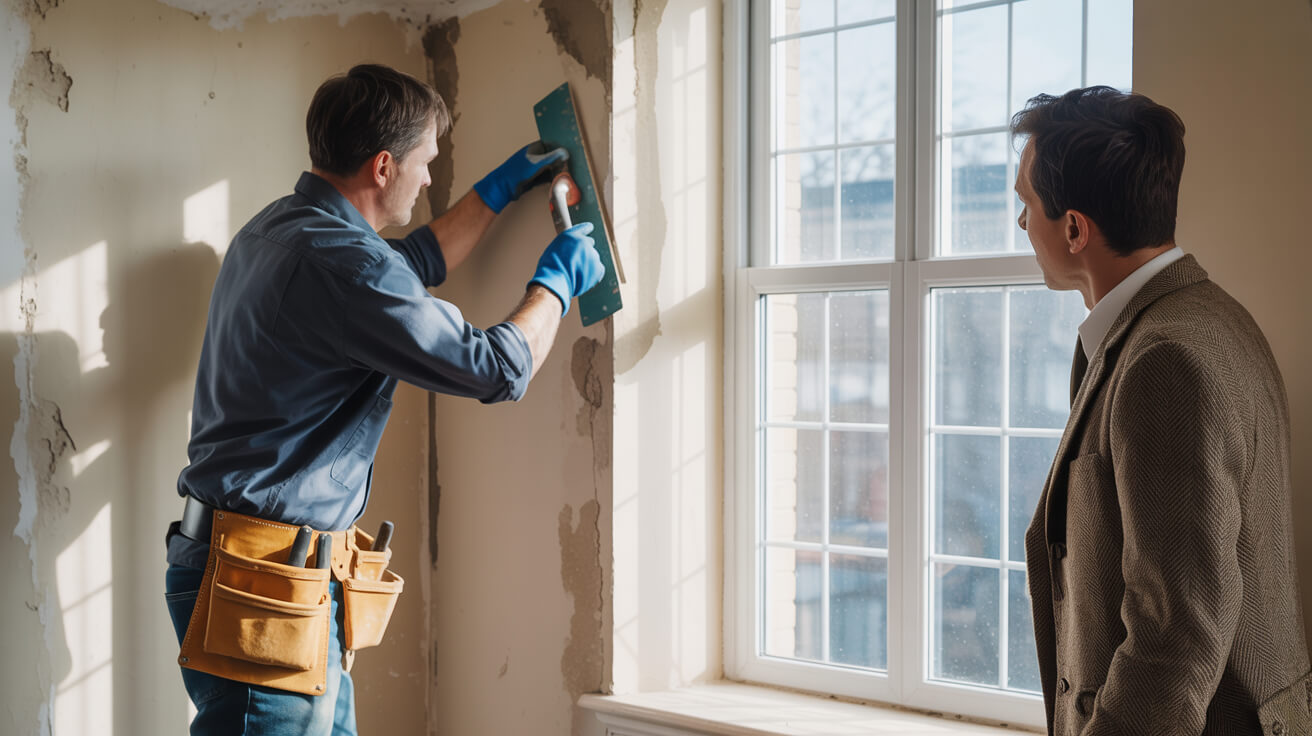
It’s a sticking point for every client: why pay so much extra for “old-school” materials and slow progress? The answer is in what you get—safety, compliance, recognised resale value—not in what you see wet on the trowel.
Skill Scarcity: Hard-Won and In Demand
True heritage lime specialists are few. The Sussex pool is tight, with even national leaders fighting for skilled hands who know both substrate logic and up-to-date regulation. A specialist’s day rate might not outpace a commercial plasterer, but the time, audit, and patience required are multiples higher.
Material Realities: Quality Over Commodity
Conservation-ready lime—NHL or hot-mix—costs double or triple that of mass-market mortars, but councils, mortgage lenders, and insurers demand it for listed and conservation works. Fake it with gypsum or cement, and the system will eventually catch you—whether by survey, insurance denial, or failed planning sign-off.
Time, Curing, and Weather: The Hidden Mulitpliers
The slow, staged process isn’t optional. Speed kills—rushed base coats compromise adherence, finish coats bubble, historic mouldings disintegrate. Sussex weather (humidity swings, winter cold) means you budget extra time so that no process is ever rushed at the expense of compliance or durability.
Trying to save weeks up front trades for months of repairs and reports after. Cheap now, pay double later.
Documentation: The Invisible Wall of Value
Survey-ready paperwork, condition photos, compliance reports, and transfer-proof guarantees are not bureaucracy—they deliver value that survives resale, refinancing, and even inheritance. These documents are shields against legal friction—a true asset for the owner.
Compounding value is the magic of a compliant heritage repair—what looks expensive up front quietly becomes the best investment in your property’s future.
What Are the Key Price Triggers (and Hidden Extras) in Heritage Damp Projects?

If there’s one lesson across all Sussex heritage restoration, it’s that unexpected costs rarely come from overdoing it—they erupt where short-cutting, missed detail, or wishful thinking infect the quote. Future-proofing your spend means demanding honesty and anticipation in every line item.
Traps to Spot in Heritage Damp Quotes
- Wrong Substrate/Legacy Materials: Cement, tanking gels, or modern linings don’t just fail—they must be carefully and safely removed, mapped, and priced-in.
- Invisible Moisture Sources: Beneath those layers often sits active capillary rise, failed DPCs, or bridged damp traps. Without technical mapping and salt analysis, you’re buying risk.
- Complex Features: Bay windows, lath, cornicing, timber inlays—each one multiplies specialist care, man-hours, and material handling.
- Listed Building Permits & Paperwork: Councils demand not just the right job, but the right papers—miss this, and the true cost is blocked refinancing, sale delays, or even legal action.
- Scaffolding/Access Hurdles: Tiny lanes, lack of parking, or multiple elevation levels drive setup and site safety costs well beyond standard “per metre” averages.
- Contingency for Surprises: Each heritage quote must include transparent contingency estimates—whether for salt blooms, new ingress, or regulatory curveballs mid-job.
You’re not being oversold—if a quote refuses detail or dodges complexity, they’re not lowering price, just postponing pain.
Knowledge is savings—the only smart way to control price is to insist on a transparent, no-surprise quote that lays bare every risk, with solutions upfront.
How Do Legal, Compliance, and Guarantees Impact Heritage Damp Quotes?
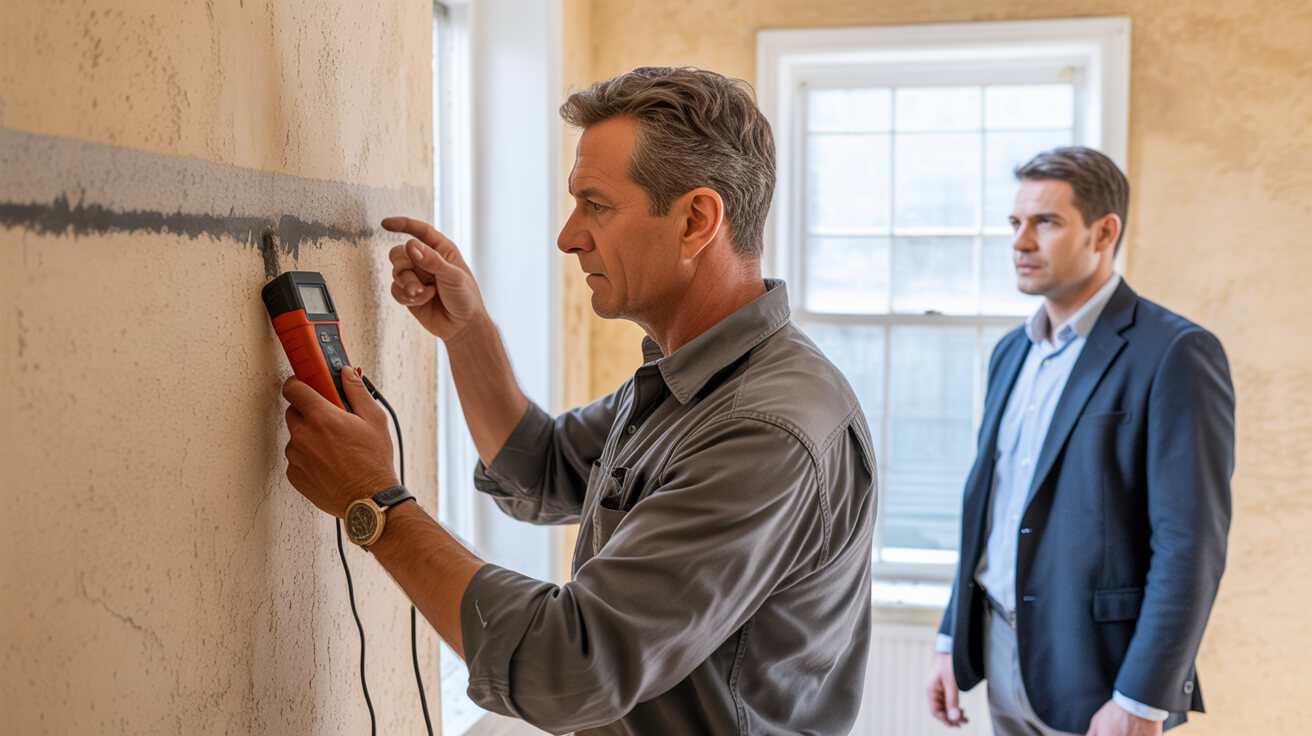
If you’re navigating a listed, pre-war, or conservation property, legal compliance is not a suggestion—it’s a frontline defence against invalidated insurance, failed sales, or court disputes down the line.
PAS 2035, BS 8102 & BS 6576: Lived, Not Theorised
- PAS 2035: Sets out exacting standards for how heritage retrofit works are surveyed, planned, and executed—each step meticulously recorded for council, lender, and surveyor review.
- BS 8102, BS 6576: Define what’s “acceptable practice” for moisture remedies in historic settings—if your repair doesn’t map to these, it’s open season for rejection.
- TrustMark/PCA Accreditation: Not just guild badges—formal evidence of audit, dispute resolution, and legal backup.
Paperwork isn’t bloat—each certificate is a lightning rod: it grounds uncertain jobs against the storms of compliance gone wrong.
Surveyor Credibility and Sale-Resilience
Mortgage lenders and buyers demand robust survey evidence. “Walk-around” quotes without images, moisture logs, or mapped findings fall apart at legal challenge. Full formal diagnostics aren’t “added value”—they’re minimum bar.
Council and Planning
Every heritage project lives or dies on the right permissions. Fast-tracking or paper-dodging under tight budgets leads straight to blocked sales, void insurance, or legal work orders against finished projects.
Meaningful Guarantees: Insurance-Based, Lender-Backed
Completion reports and transferable, insurance-backed guarantees are standard in all reputable heritage work. Expect them—and know that without them you invite future value loss.
If compliance, documentation, and guarantees are “optional extras” in your quote, walk. They are the DNA of value in heritage property works.
What Steps Guarantee Heritage Damp Quotes Are Accurate and Compliant?

Protecting your outcome is about process, not bravado. Sussex Damp Experts go granular—every stage, from diagnosis to aftercare—is built on transparency, proof, and legal alignment.
1. Mandate a Forensic Physical Survey
No remote quotes. Only on-site diagnostics—moisture readings, salt mapping, substrate forensics, photographic log. Every building tells a unique story; only hands-on investigation reads it right.
2. Demand Transparent, Line-by-Line Quotes
Quotes should explain not just the action, but why—material choices, regulatory alignment, and likely challenges. Each cost is justified, every contingency shown in the open.
3. Credentials and Trust-Proof
TrustMark, PCA, PAS2035—demand documentation, insurance, and actual project references. Reputation in period work is not a whisper network—it’s a paper trail.
4. Process, Communication, and Aftercare
Great heritage work sets out schedules, interim inspections, staged payment plans, and crystal-clear aftercare, from annual damp checks to warranty protocols. If timelines or risks shift, you’re told—not left to guess.
A contractor who leaves your stress levels at zero by answering questions before you ask—worth their weight in lime.
5. Review the Paperwork Backward and Forward
Every report, warranty, and compliance certificate is a future-proofing asset—accepted by lenders, courts, councils, and insurance adjusters alike.
This level of transparency and stepwise process isn’t red tape; it’s your legal umbrella and resale advantage, built into every penny wisely spent.
Book Your Heritage Damp Consultation with Sussex Damp Experts Today

Your period property is more than bricks, mortar, and style. In Sussex, it’s a living legacy—one with technical demands and compliance curves not seen in standard builds. Ordinary repairs, risky shortcuts, or “cheap” fixes will not survive the scrutiny of tomorrow’s buyer or council officer.
Sussex Damp Experts deliver:
- Forensic, survey-driven diagnostics: —the difference between hidden costs and certainty.
- Accredited craftsmanship: —backed by PAS 2035, TrustMark, and decades fencing moisture out of Sussex homes.
- Transparent, line-by-line pricing: —no hidden extras, no mystery add-ons.
- Heritage-tuned material logic: —lime recipes, application pace, and substrate compatibility suited to your building’s unique character.
- Insurance-backed guarantees and council-grade paperwork: —the standard, not an extra.
When the winds whip up on the Sussex Downs, you need more than plaster on your walls—you need the insurance of reputation, process, and skilled hands behind every layer.
If you’re ready for heritage repairs that outlive their price tag—and would rather face your next survey with confidence than a quiver—book your consultation now. Sussex Damp Experts: integrity across every inch, long after the last coat dries.
💧 Darius Dampbane – Sussex Damp Experts. Heritage moisture defence for Sussex: built on knowledge, compliance, and honest craft. 💧
Frequently Asked Questions
Why Do Heritage Damp Proofing Projects with Lime Plaster Demand Far More Investment Than Modern Fixes?
Heritage damp proofing using lime plaster costs more because it requires specialist skill, weeks of meticulous work, and strict adherence to conservation regulations—while quick fixes often rely on corner-cutting and materials that can ruin both value and wall health. With heritage-grade lime, you’re not just paying for product; you’re hiring a system-architect who respects every detail, from substrate to legal paperwork to aftercare that lenders and council officials actually trust.
“Every shortcut in a period building plants a future headache—real restoration pays off by killing repeat repairs.”
What Separates Genuine Heritage Lime Projects from Modern Damp Treatments?
- Specialist Labour Pool: True heritage installers hold advanced credentials (PCA, TrustMark, SPAB). Because their expertise is rare, their day rate reflects years of conservation-first training—not just basic building skills.
- Painstaking Prep: Removing decades of cement renders or moisture-trapping vinyl is hands-on, messy, and sometimes exposes hidden rot, salts, or invasive quick-fix materials that must be dealt with before repair.
- Slow Curing and Return Visits: Lime allows the building to breathe, but only if each coat is properly cured—forcing teams back on site for monitoring and adjustment. This schedule is non-negotiable in line with BS 6576 and council requirements.
- Compliance, Paperwork, and Surveyor Sign-Offs: Expect fees for listed building consent, detailed site analysis, moisture/salt surveys, and photographic evidence. Cutting corners here puts insurance, sale, and mortgage approvals at risk.
- Documented Aftercare: Lawful aftercare includes annual assessments and written guarantees—because one patchy job hides but doesn’t halt trouble, and lenders now expect a full audit trail.
“Cheap” Heritage Jobs End Up Costing More
Savvy owners and managers see through low headline prices—knowing that future legal, structural, or financial challenges can snowball when the right standards, paperwork, and aftercare are missing. Sussex Damp Experts insist on full-system, council-compliant lime work for good reason: council grants, mortgage funds, or surveyor sign-off rarely flow to conventional tanking or quick-fix jobs in protected buildings.
How Does Lime Plaster Actually Compare to Tanking or Chemical DPC Treatments in Older Walls?
Lime plaster works in harmony with solid brick or stone, allowing old buildings to exhale moisture as nature intended. Tanking and injected chemical DPCs, by contrast, block this breathability—causing internal decay, insulation woes, and surveyor red flags that destroy value and complicate every resale or mortgage attempt.
“A wall is only as healthy as its ability to breathe—choke it with cement, and you choke your home’s future.”
System Comparison Table: Lime Plaster vs. Tanking vs. Chemical DPC
| Feature | Lime Plaster (Heritage) | Tanking/Slurry | Chemical DPC |
|---|---|---|---|
| Breathability | High—lets moisture escape | None—moisture trapped | None—often fails |
| Suitable For | All solid/older walls | Below-ground/cellars | Cavity walls only |
| Regulatory Fit | Council/surveyor-endorsed | Mostly refused above LG | Often fails approvals |
| Lifespan | Decades—with routine care | Prone to rapid failure | Prone to rapid failure |
| Long-Term Cost Risk | Low with specialist fit | High (hidden blowouts) | High (re-treat cycles) |
For historic property, installation of cement or tanking layers often voids grant eligibility and triggers future removal orders. Chemical DPC injections get rejected by lenders or surveyors if injected into solid/rubble walls. Heritage-grade lime stands alone in winning both conservation approval and sustained market value for period property—proven across local council and mortgage audits in Sussex.
Which Regulatory Hurdles and Diagnostics Set Heritage Damp Proofing Apart?
Heritage property maintenance isn’t about cosmetic fixes; it’s a regulated process designed to protect irreplaceable assets for generations. Skipping survey benchmarks, consent paperwork, or warranty-backed aftercare can instantly sink a building’s value, create legal tangles, or deny mortgage and insurance claims.
Step-by-Step: Regulatory, Survey, and Warranty Requirements
- Consent Paperwork: Listed and conservation-status buildings must secure council sign-off, including method statements, photographic records, and trade credentials. Absence can mean legal action or enforced undoing of works.
- Regulatory Standards: Lime work must observe BS 6576 and PAS 2035; every phase, from investigation to finish, requires written justification.
- Mortgage-Grade Diagnostics: Funding is usually tied to comprehensive moisture and salt mapping, especially on older or listed assets (UK Finance 2024, PAS 2035 update).
- Insurance-Approved Warranty: Only specialist contractors offer aftercare and warranties acceptable to mortgage lenders, rental agencies, or conveyancing solicitors.
“Skipping even one survey step turns heritage restoration into a legal and financial minefield—lenders demand paper, not platitudes.”
Legal and Diagnostic Steps Cannot Be Faked
Savvy property managers understand: insurers and councils are increasingly clamping down on undocumented, non-compliant works. Sussex Damp Experts design their full service chain to pass every scrutiny, not just “look good for now.”
Why Do Heritage Lime Damp Proofing Costs Range So Widely—Even for “Similar” Properties?
Two Georgian terraces built from the same brick can have wildly different hidden damage, substrate decay, or rogue tanking from decades past. Questions about How Much Does Brick protection or treatment might cost are secondary to what contractors uncover after stripping back old layers—not what any viewing or survey can spot—which is what really drives the cost and timeline.
What Turns a Small Job into a Major One?
- Hidden Problems: Cement renders or acrylic paints trap undiscovered damp, which forces deep substrate repair—and often reveals timber and joinery deterioration that amplifies costs.
- Access, Features, and Workarounds: Decorative plaster, irregular corners, or cellars with limited entry require niche tools, more manual effort, and sometimes scaffolding or special insurance.
- Compliance Overheads: Each sign-off, survey, or admin pass adds £200–£1500+, but skipping them may multiply repair bills exponentially later.
- Risk and Warranty Tier: Treating a few patches can come in under £1,000, but for full-system, multi-surface heritage work with robust aftercare and lender-grade warranty, expect £12,000–£20,000 for complex or listed properties.
Smart Budgeting Means Planning for the Unexpected
Responsible owners always build 20% contingency and line-by-line transparency into their budget—demanding full survey analytics and written estimates upfront, not ambiguous or “verbal ballpark” quotes.
What Happens if You Skip Heritage-Grade Lime in Damp Repairs for Older Properties?
The risks of taking shortcuts or using the wrong materials ripple quietly but heavily over years—devalued sales, failed mortgages, legal headaches, repeat repairs, and sometimes structurally irreparable harm. Historic bricks and timbers are brutally unforgiving of barriers or quick-fixes.
The Chain Reaction: From Mistake to Legal Headache
- Moisture Recurrence: Tanked or painted walls almost guarantee hidden damp and future blowouts. Most lenders now require proof the “wrong” repairs have already been undone before allowing sale.
- Compliance Failures: Non-specialist work leads to failed council audits, loss of insurance or legal comeback, especially after hidden structural failures show up on resale or tenant surveys.
- Runaway Costs: Cheap modern treatments often end up removed, with fines or forced additional works compounding the price by up to three times—especially common in council-involved or grant-backed property.
“Investing in proper heritage repair is never just about avoiding present pain—it’s also a shield for your future self.”
What Must You Look For in a Qualified Heritage Damp Survey and Repair Team?
A legitimate heritage damp repair begins with deep diagnostics, transparent process, and bulletproof credentials. Your chosen team sets the groundwork for lender trust, council approvals, and long-term property value—cheap patchwork never gets past the first audit.
Absolute Non-Negotiables for Stress-Free, Legal Heritage Repairs
- Heritage-Grade Accreditation: PCA, TrustMark, or SPAB qualification are essential. Always ask for proof.
- Comprehensive Forensic Survey: Results go beyond “moisture metre readings”—expect detailed salt, substrate, and wall mapping. Photographic evidence is the industry standard.
- Detailed, Line-Item Proposal: Each charge (from material to compliance admin) spelled out in writing, with no vague “miscellaneous” costs hiding trouble.
- Warranty and Aftercare: Expect insurance-backed, multi-year guarantees, plus explicit support strategies for resolving any future findings.
Secure an Assessment Before Problems Escalate
Get Sussex Damp Experts or an accredited heritage contractor to lead a survey—one that wins council, mortgage, and insurance approval. In specialist hands, lime isn’t just compliance—it’s an investment in your building’s story and resale leverage.
Is Lime Plaster Actually a Sound Investment for Heritage and Listed Homes?
Lime plaster stands as the undisputed answer for protecting legacy buildings under UK law, council policy, and lender requirement—outlasting any short-term trend in damp treatments. While upfront investment is higher, you’re safeguarding value, health, and compliance from every risk and reversal triggered by quick, incompatible solutions.
“Heritage repair is never just an expense—done right, it’s a form of insurance that repays itself in resilience, saleability, and peace of mind.”
How to Claim This Future-Proof Value
Choose a conservation-led assessment and retrofit—book with Sussex Damp Experts to secure the proper survey, plan, and documentation. The highest return comes not from cutting corners, but from investing in a process that pays off through decades, grant eligibility, and stress-free resale.
Further Resources & Reading
- (https://www.heritage-survey.org/listed-building)
- [PAS2035: Retrofit Process Update](https://www.buildtestsolutions.com/news/pas2035-2025-update?utm_source=openai)
- [DampHub: 2024 Cost Benchmarks](https://damphub.co.uk/how-much-does-damp-proofing-cost/?utm_source=openai)
- [Heritage Plastering: Costs & Advice](https://www.heritage-plastering.co.uk/cost-of-plastering-services/?utm_source=openai)
- (https://bramleyandstone.co.uk/lime-plastering/?utm_source=openai)
Give your heritage home the restoration it deserves—built on knowledge, compliance, and future-proof skill. The Sussex Damp Experts won’t just fix a wall; they’ll secure the story, asset value, and compliance your building needs for the long term.

