
 By
By  September 3, 2025

Why the Cost of Dry Rot Fruiting Body Removal Always Means More Than “Getting Rid of Mushrooms”
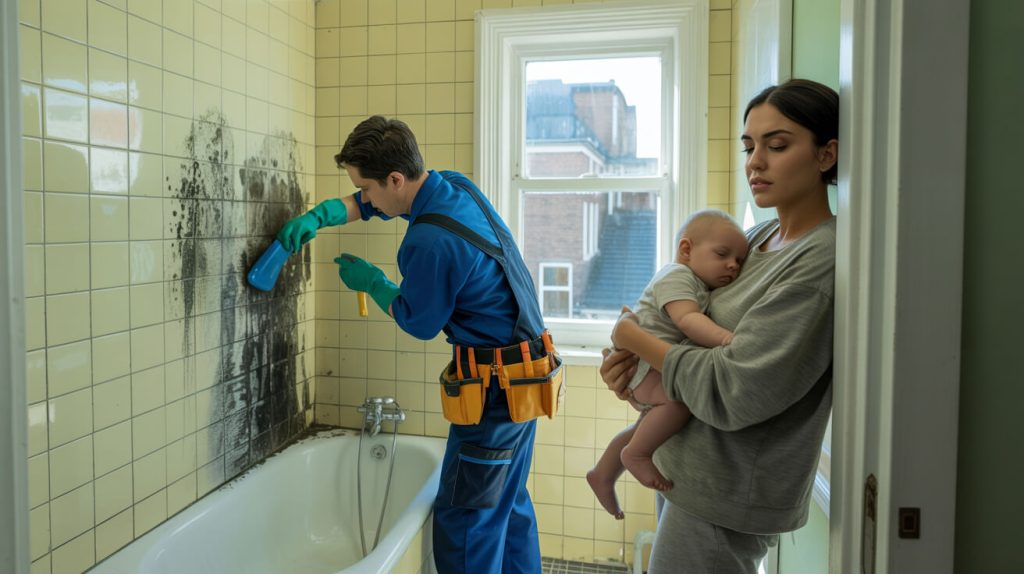
Confronting dry rot isn’t about tackling the odd rusty “mushroom” on the wall—it’s about safeguarding your investment, your reputation, and your future as a property owner, manager, or developer. A Dry Rot Fruiting Body isn’t just a cosmetic nuisance; it’s a distress signal from deep within the bones of your building. The moment you spot one, you’re not dealing with a lone invader, but a sophisticated underground network hungry for timber and ready to undermine the very structure that supports your property.
The real cost of dry rot isn’t clearing up what you see—it’s defending against what’s quietly wrecking your foundations.
Chasing the lowest quote for “mushroom removal” can feel reassuring in the moment—tick a box and move on. But this shortcut thinking ignores everything that really matters to mortgage lenders, insurers, surveyors, and future buyers: risk, documentation, and evidence. Tidy cover-ups vanish overnight under the pressure of a decent property survey or the keen eye of a mortgage valuer. The only thing worse than dry rot appearing is dry rot returning—and the second time you pay, it’s usually under duress, with inspectors, planners, or lenders breathing down your neck (en.wikipedia.org).
Let’s get one thing crystal clear: dry rot removal done right is about system-wide, root-and-branch eradication—mapped, documented, and guaranteed. Anything less is just feeding a slow-motion disaster that can capsize a sale, torpedo an insurance claim, or eat through your investment edge like fungus through joists.
What Does a Professional Dry Rot Fruiting Body Removal Service Include?
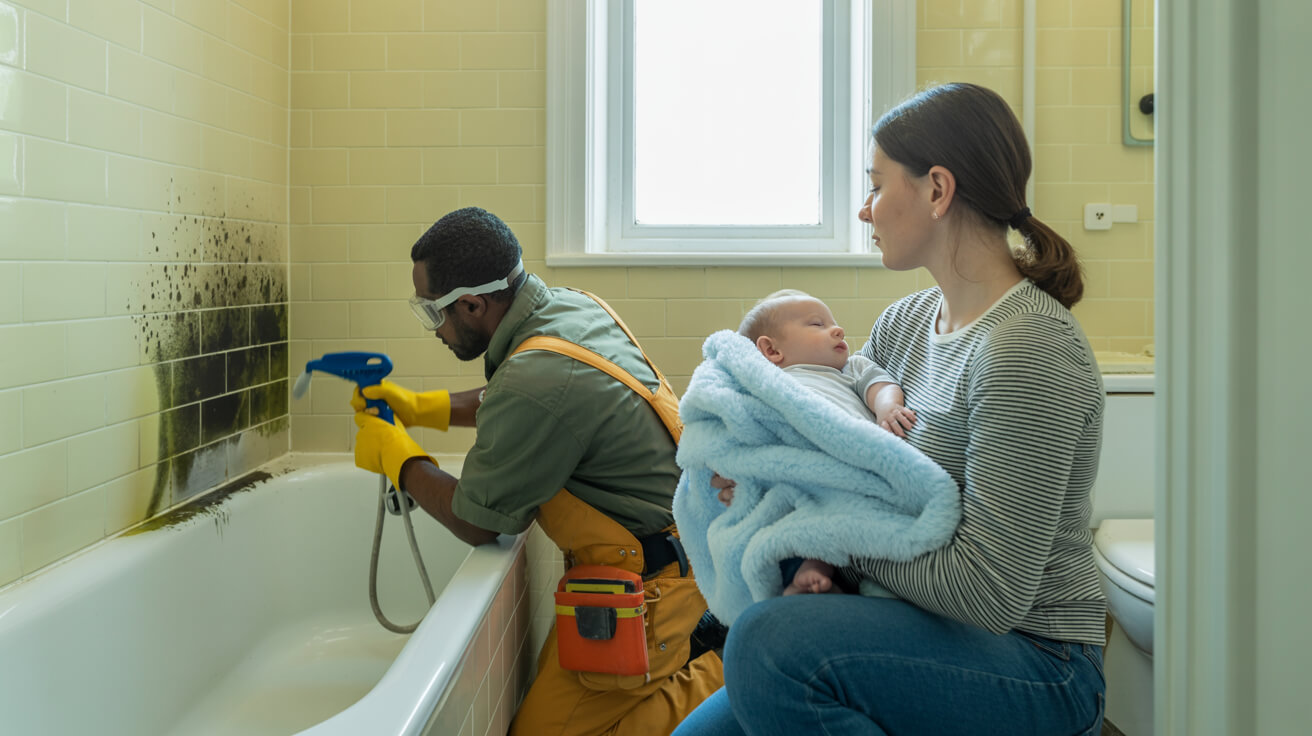
When you call for professional help, you’re not buying a bucket and brush job—you’re investing in peace of mind, reputation, legal compliance, and real property protection. Top-tier dry rot specialists don’t just “remove mushrooms.” They deploy diagnostics and technical protocols that hold up to scrutiny from every angle: surveyors, insurers, conservation officers, and lenders.
When someone quotes you to wipe it off and spray it, you’re not buying a solution—you’re paying for a lull before the next storm.
The Expert Removal Sequence
A credible service should always include:
- Comprehensive damp survey: Using moisture metres, borescopes, and thermal imaging to track rot spread well beyond visible zones. The job starts at timber but follows moisture and fungus into brick, plaster, and hidden cavities.
- Root cause investigation: Every outbreak has a source—be it failed damp-proofing, plumbing leaks, blocked airbricks, or misguided previous repairs. Genuine pros hunt down the entry point and design a system fix ([rtcgroup.co.uk](https://rtcgroup.co.uk/services/dry-rot/)).
- Eradication and containment: This means more than removing the surface fruiting body. Professional works often run up to two metres beyond obvious boundaries, stripping infected timber, treating exposed surfaces with specialist biocides, and applying protective membranes where needed.
- Structural repair and reinstatement: Swapping out compromised timber, re-plastering with breathable systems, and rebuilding to restore not just integrity, but the long-term value of the asset—especially on heritage or listed sites.
- Certification, warranty, and documentation: Post-work, you receive a handover pack: survey findings, treatment evidence, a certificate of eradication, and a transferable guarantee (10 to 20 years common in the industry).
No stage is optional if you’re seeking protection against comeback, liability, or regulatory trouble. Each piece supports the others: paperwork for the lenders, repair quality for the surveyors, and microbial extinction for your peace of mind (refreshpsc.co.uk).
What Drives the Cost of Professional Dry Rot Fruiting Body Removal?
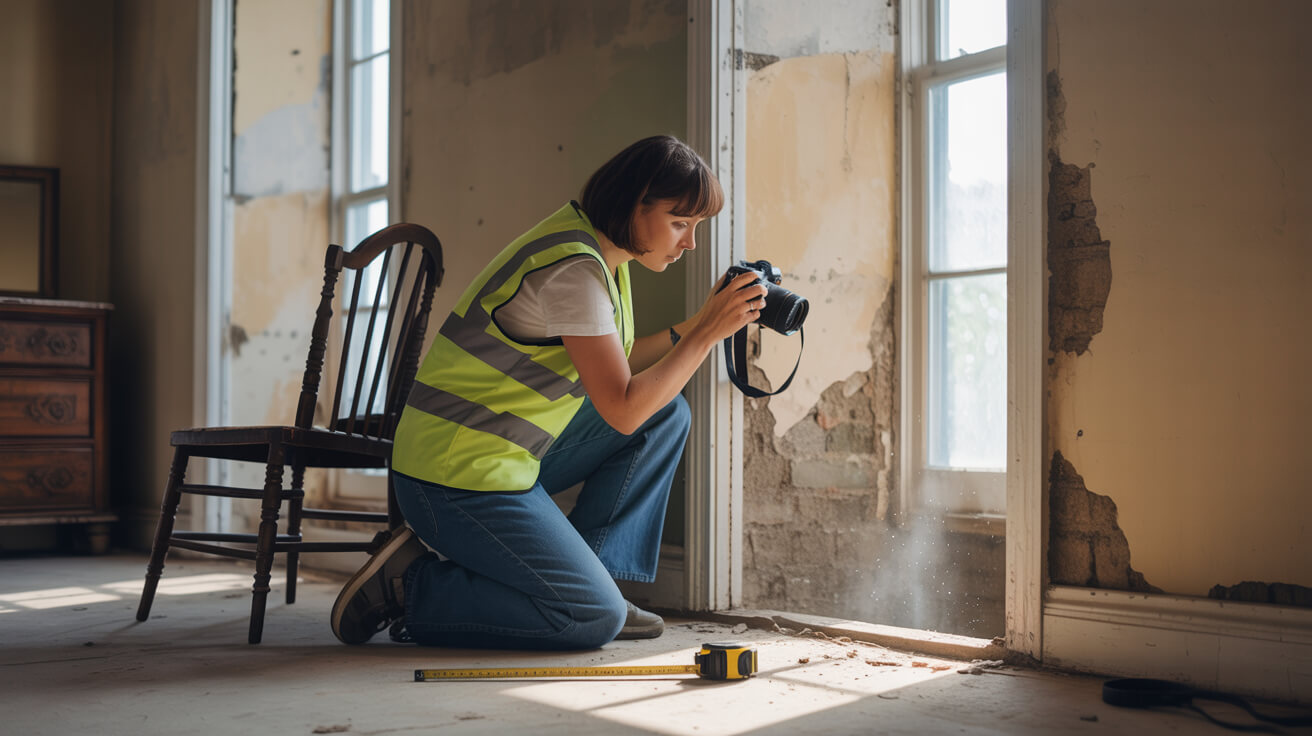
Anyone quoting a flat rate to “clear mushrooms” has missed the main point—and is putting your wallet, timeline, and sale at risk. Professional dry rot removal cost is a function of scope, complexity, and legal compliance—not just visible fungus count.
The Hidden Layers of Cost
• Extent of infestation: Eradicating a single, isolated timber is a world apart from remediating a rot network running under the floor, up walls, or across a party line. Simple jobs might sit between £500 and £1,500, but scale into complex territory—think rear wings, basements, or multi-room attacks—and you’re into the £3,000–£10,000+ range quickly (refreshpsc.co.uk).
• Building complexity: Heritage or listed properties, narrow crawlspaces, ancient brick or stone, or homes where you can’t simply rip out and replace—these add time, need for heritage-compliant materials, and potentially planning consent, increasing costs by 10%–30% or more (rtcgroup.co.uk).
• Level of reinstatement: The best contractors quote complete removal, safe disposal, full timber and plaster repair, and re-plastering in one sweep—not piecemeal patching.
• Accreditation and warranty: Only PCA- and TrustMark-accredited professionals can offer certificates and guarantees that lenders, insurers, and legal teams require. You’re not just paying for chemicals, but for legal standing at every point in your asset lifecycle.
Skimping on any of these is like swapping a leaky umbrella for a sieve: you’re not saving, you’re just setting yourself up for the next crisis.
Real-World 2024 Price Bands for Dry Rot Fruiting Body Removal (Sussex & UK)
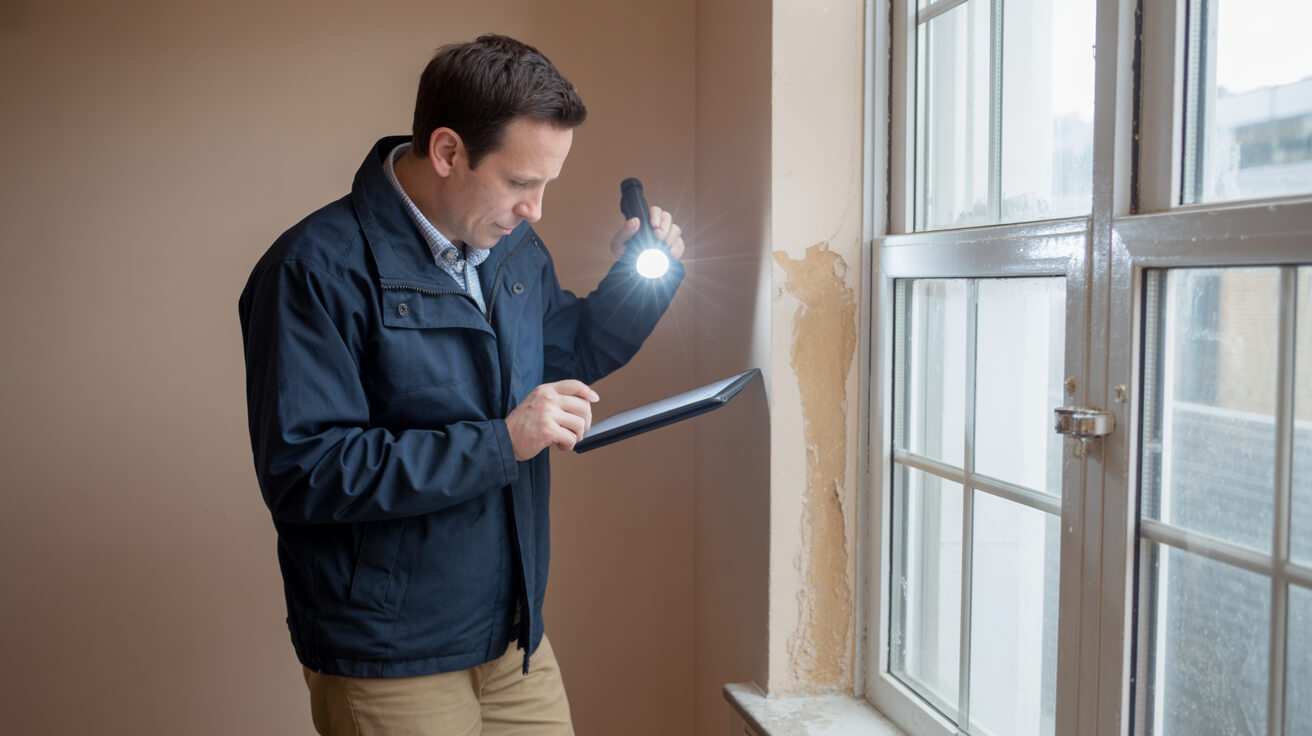
Forget the £250 “job done” stickers and quick-fix merchants. Here’s what you’ll actually pay in 2024 for a non-disastrous, signed-off, guaranteed dry rot eradication—priced locally for Sussex and benchmarked across the UK:
| Scope & Scenario | Price Range | Includes |
|---|---|---|
| Single timber / corner patch | £500–£1,500 | Survey, removal, biocide, certificate, short warranty |
| Multi-timber, moderate area | £1,500–£5,000 | Deep survey, full timber/plaster repairs, longer warranty |
| Heritage/complex/listed building | £5,000–£10,000+ | Full strip-out, specialist materials, heritage consent, monitoring |
| Conservation premium | +10–30% | Lime plaster, extra surveys, planning, report fees |
Be cautious: Any offer below the lower band is usually missing either paperwork, follow-up, or traceable eradication. “Job done” at that price rarely includes what the bank, surveyor, or next buyer will demand (storables.com).
Paying for a cheap wipe-down now guarantees a tomorrow when a mortgage underwriter or surveyor hands you a much bigger problem.
Why “Just Removal” Leaves You Open to More Cost—And How Cheap Jobs Backfire

If quick savings from “surface removal” bait you in, know this: superficial jobs convert short-term relief into long-term secrets waiting to resurface—often at the precise moment you want to move, refinance, or defend an insurance claim.
The Backfire Risks
Regrowth isn’t rare—it’s expected: Leftover mycelium and spores lurk behind skirting, in insulation, and inside brick pores. A “spray and run” repair pushes dormant fungi further into hiding, until the moisture source triggers a return—frequently nastier and more widespread.
Zero paperwork means zero protection: Lender, insurer, or future buyer asks for evidence? DIY or cheap jobs can’t supply a certificate, warranty, or signed-off treatment schedule. You could be forced into urgent, disruptive, and far pricier remedials if the next surveyor flags “active infection” (rtcgroup.co.uk).
You carry the risk: Insurance, mortgage, and legal response all gear around high-trust documentation. No certificate means you, not your insurer or buyer, take the hit—whether that’s payout refusals, value slashed at sale, or rework that costs as much as a thorough first fix.
Cutting corners with dry rot rarely saves money—it amplifies risk, sours reputations, and traps you in a cycle of patches that never give you the peace of mind you started out chasing.
Who Actually Needs Certified Fruiting Body Removal—And Why It’s Non-Negotiable

Dry rot isn’t an isolated “homeowner headache.” If you’re on the line for the safety, value, or transfer of a property, certified dry rot eradication is non-negotiable—your paperwork is as vital as your plasterwork.
Who Is Legally and Financially Affected?
- Home buyers & sellers: Nearly every lender and mortgage broker requires up-to-date fungal reports and PCA-backed paperwork before they’ll process a transaction. Skipping this choke point invites delayed completions, renegotiations, or aborted sales ([storables.com](https://storables.com/home-maintenance/how-much-does-dry-rot-repair-cost/)).
- Landlords & property managers: HHSRS standards mean landlords are legally exposed if tenants face health risk from untreated damp/rot. Documented, accredited repair is a shield against housing disrepair claims and local authority penalties.
- Letting/estate/managing agents: If you’re pointing buyers, tenants, or clients at a “paper-thin” fix, expect blowback as soon as a professional or legal team inspects.
- Developers and contractors: Site sign-off, construction insurance, and completion certificates all hinge on robust, evidence-bound eradication, tailored to building and material type ([rtcgroup.co.uk](https://rtcgroup.co.uk/services/dry-rot/)).
- Heritage trustees & council teams: For listed or historic sites, not only is compliant repair law, but the bar for documentation and materials rises sharply.
- Anyone insuring or holding risk: Insurers ruthlessly exclude rot-related claims where evidence or timelines are vague, and dispute or deny payouts for legacy fungus.
The badge of a signed, certificate-backed fix isn’t an afterthought—it’s the bridge between legal exposure and bulletproof confidence, now and when you next need to unlock value from your property.
How to Prevent Budget Surprises and “Scope Creep” When Tackling Dry Rot Fruits

Dry rot eats away at budgets even faster than it devours timber—but it only spirals when detection and planning fall short. The key to controlling costs is all about urgency, transparency, and precision.
Smart Steps to Lock Down Your Spend
- Take action at the first sign: Waiting “to see if it spreads” is the fastest way to turn a local £1,000 intervention into a whole-property crisis.
- Request a mapped, itemised survey: Insist on documentation showing the spread, root causes, and full treatment plan—with clear, jargon-free breakdowns ([refreshpsc.co.uk](https://refreshpsc.co.uk/how-much-does-dry-rot-repair-cost-in-2025/)).
- Account for the property’s context: Heritage properties, basements, and unusual materials require specialist workflow and permissions, which should appear upfront in any schedule or budget.
- Demand aftercare protocols: Serious contractors don’t disappear at completion. Annual moisture checks, warranty details, and after-treatment monitoring head off recurrence and support your investment ([storables.com](https://storables.com/home-maintenance/how-much-does-dry-rot-repair-cost/)).
Lowball quotes miss these essentials and often mask the true source of “scope creep.” Save yourself tomorrow’s shock by insisting on clarity, documentation, and phased works backed by transparent guarantees.
Sussex Damp Experts: Protecting Your Future, Not Just Managing Mushrooms
What sets Sussex Damp Experts apart isn’t just the technical firepower—it’s a relentless devotion to forensic mapping, legal-grade reporting, and ironclad warranty, no matter the property type or risk profile. Every project starts with state-of-the-art moisture and substrate diagnostics, and every handover includes step-by-step clarity, PCA-aligned treatment, and aftercare that survives the most searching survey or awkward lender (rtcgroup.co.uk).
Skipping the detailed survey to save a few quid almost always leads to paying twice—the second time, under the pressure of a mortgage flag or sale delay.
Clients aren’t left guessing or reeling from hidden jargon. Residential homeowner? Period cottage restorer? Commercial landlord or council? Sussex Damp Experts works to the letter of BS6576, PAS2035, and HHSRS—not just to eradicate today’s mushrooms, but to future-proof your asset, reputation, and record. Surveyors, agents, and insurers respect a SDE handover—because every decision is evidence-laden and regulation-tied.
Begin with a full, transparent survey. Get your site, paperwork, and post-treatment care all lined up from the outset. That’s not surface-deep peace of mind—it’s long-term, legal, and financial confidence.
Secure Your Certified Survey and Pricing Guide from Sussex Damp Experts
Your property, whatever the size, style, or history, deserves defences far stronger than cosmetic cover-ups. As a homeowner, landlord, agent, developer, or local leader managing buildings across Sussex and beyond, you need answers you can trust—and certificates you can show any regulator, buyer, lender, or tenant today or in a decade’s time.
Sussex Damp Experts delivers:
- PCA-grade diagnostics: Top-level surveys with every moisture, substrate, and airflow issue traced to source and reported in plain English.
- Clear, stepwise remediation plans: No cryptic recommendations. You’ll see the full map of works, timelines, and structural actions to restore your asset.
- Transferable guarantees: Protection not just for today, but for future sales, transfers, and insurance claims.
- Heritage and listed property fluency: Materials and workflow wired for conservation zone compliance.
- Aftercare and monitoring: Annual checks and after-treatment logs to catch new risks before they escalate.
- Transparent, documented pricing: Every quote is itemised, phase-timed, and future-proofed.
Don’t gamble on your property’s safety, value, or saleability. Get a certified survey, a mapped solution, and a guarantee that stands up to any challenge.
Reach out today—secure your damp diagnosis, legal protection, and financial future with Sussex Damp Experts, where eradication means forever, not just “until the next wet season.”
Frequently Asked Questions
What silent dangers do unverified dry rot fruiting bodies bring to mortgage and insurance outcomes?
Certified removal of a Dry Rot Fruiting Body is the keystone for seamless mortgages, insurance, and compliance—building more than physical repair, it safeguards the legal and financial machinery propelling your property’s future. When you skip accredited eradication, the visible “fix” is a mirage—surveyors and lenders probe the paper trail, not just the timber’s surface. Without PCA-standard proof or TrustMark certification, a single unchecked fungus can red-flag your paperwork, fracture a sale, spike insurance premiums, or trigger rental enforcement. Local authorities, heritage bodies, and letting agents scrutinise certification; missing just one map or warranty can prompt HHSRS notices, listed building infractions, or deal-breaking valuation downgrades.
It’s not the dry rot you can see—it’s the paper trail you can’t prove that trips your next move.
How do lenders and councils check for compliance?
- Demand mapped, signed eradication by PCA/TrustMark contractors
- Review before-after diagnostics (moisture finding, photographic record)
- Require insurance-backed warranty (often minimum 10 years)
- Cross-reference eradication to Building Regs Part C and PAS2035 (heritage/retrofitted dwellings)
- May request aftercare or maintenance protocols for ongoing compliance
Who faces risk from poor documentation?
- Home sellers and buyers—devaluations or blocked completions
- Remortgagers—lender refusal or “special terms” costs
- Landlords and agents—regulatory actions, tenant disputes, forced rework
- Heritage/commercial sites—council fines or mandatory retrofits
The fastest route to a mortgage-ready, compliance-defended property is an accredited removal with certified proof. Book an expert survey with Sussex Damp Experts to close every paperwork gap.
Which critical steps or “quote extras” do most dry rot removal jobs hide—costing you surprise cash and compliance later?
A professional dry rot removal quote is not just a total—it’s a story of diagnostics, proper spread mapping, and every legal or compliance step you’ll need along the chain. Upfront quotes from Sussex Damp Experts detail more than what gets scraped away or chemically treated; they spotlight boundaries that reach up to 2 metres beyond visible rot (for guarantee grade remediation), expert identification of hidden moisture ingress, and non-negotiable safety or consent protocols.
The sting comes when overlooked extras blindside owners: specialist joinery, heritage plastering, or consents for work on party walls or listed structures. Often, scaffolds for tight spaces, council reporting, multi-trade integration, and aftercare monitoring are only costed when the project is live—leaving you open to 15–40% price inflation versus the quote. Most omissions show up at the survey, insurance call, or tenant report.
A quote that doesn’t map, document, and specify every legal and aftercare step is a bill waiting to grow.
What should a full dry rot quote explicitly show?
| Standard Coverage | Common Add-ons That Escalate Cost | Critical Documents |
|---|---|---|
| Full diagnostic site survey | Heritage or specialist joinery | PCA/TrustMark certificate |
| 1–2m guaranteed removal zone | Plasterwork upgrade (lime/heritage) | Insurance-backed warranty |
| Accredited fungicide process | Specialist access or scaffolding | Mapped diagnostics |
| Certified waste/PPE disposal | Council, party wall consents | Staged aftercare plan |
Questions to ask before approving your quote
- Does the plan include mapped diagnostics, not just visual checks?
- Are regulatory or consent fees excluded or capped?
- What happens if more rot or joinery repair surfaces during work?
- Will your paperwork meet mortgage or insurance standards?
Get a transparent, all-in quote—requiring detailed itemisation and insurance-grade documentation—so no “extra” holds your budget hostage.
How do hidden site factors and early action change your total dry rot removal spend?
The visible fruiting bodies are only the tip—real cost explodes with every hidden cavity, historic timber, or moisture source left unchecked. Removal jobs spiral in price when rot invades subfloors, spans load-bearing beams, or reaches heritage finishes that require specialist trades and reporting. Each additional room, hollow wall void, or safety issue (PPE, difficult access, scaffolding) can multiply base rates by three or more. Councils or heritage departments add further inflation through reporting, consent, and documentation needs.
Swift action is your cost-control lever—early diagnostics and sector-grade remediation shrink risk, boundary size, and follow-on expense. Postponing work invites deeper structural compromise, compounding costs both for immediate works and eventual compliance or resale. In Sussex, firms like Sussex Damp Experts have documented cases where owners wasted £3,000–£5,000 extra by waiting a single season before acting on a spreading outbreak.
Delay has a line item you’ll never see—every week of inaction raises tomorrow’s bill.
Table: What drives up cost—and what keeps it low?
| Factor | Cost Impact | Action to Save |
|---|---|---|
| Outbreak scope/rooms | 3–4x price spike | Address at first sign |
| Timber/heritage content | Specialist premium | Choose accredited firm |
| Accessibility issues | Labour, scaffolding | Prepare access early |
| Reg/documentation needs | Reports, legal fees | Bundle with main job |
Proven cost-reduction strategies
- Insist on PCA/TrustMark eradication for full warranty and survey clearance
- Ask for all required documentation upfront—avoid mid-job retrofits
- Clear property and prep access before work begins for faster, cheaper site execution
Move now to contain budget risk—schedule that accredited inspection and bypass the “hidden cost” spiral.
What are the real certified costs and required documentation for dry rot fruiting body removal across Sussex and the UK in 2024?
Real-world costs for 2024 are mapped to infestation reach, property type, and guarantee/documentation level—not just physical removal. Sussex Damp Experts report local rates from £600 (small timber/spot removal, warranty, paperwork included) through to £10,000+ for heritage, multi-room, or documentation-heavy remediation. The pass/fail for compliance is the completeness of your paper trail: eradication certificate, mapped diagnostics, transferable warranty, and aftercare protocol ready for council, lender, or insurance challenge.
For listed or conservation properties, expect an added 15–30% surcharge for heritage-compatible materials, reporting, and specialist access. Attempting to shortcut documentation or use non-accredited trades will backfire at the next sale, claim, or letting—a fact many only learn after the cost escalates.
Table: Typical certified dry rot removal costs (Sussex and UK, 2024)
| Job Type/Scope | Price Range | Documentation/Compliance |
|---|---|---|
| Small, local spot | £600–£1,500 | PCA/TrustMark, base docs |
| Multi-room/structural fix | £1,500–£5,000 | Full survey, staged schedule |
| Heritage/listed project | £5,000–£10,000+ | Consents, staged diagnostics |
| Conservation surcharge | +15–30% | Materials/reporting premium |
Paying for proper documentation is not an ‘extra’—it’s what protects your money and reputation every time a new person inspects your asset.
Cost-control insights for 2024
- Bundle inspections and consents to reduce multi-visit fees
- Get written, upfront guarantees of all reporting/invoice needs
- There’s no saving in shortcuts—all-in, certified jobs keep future costs and property devaluations at bay
Insist on accredited, fully documented removal—Sussex Damp Experts will map, eradicate, and certify every step for insurance, lending, and sale-proof value.
Can you ever rely on DIY for dry rot removal, or is certified work non-negotiable for mortgage and sale?
DIY or “handyman” fixes for dry rot fruiting bodies vanish under scrutiny—not just from a technical angle, but from every mortgage, insurance, or compliance check. Surveyors and insurers disregard non-accredited repairs; no PCA/TrustMark certificate means zero warranty, blocked claims, and mortgage refusals. Worse, missed or incomplete removal lets beneath-surface mycelium restart the infestation, doubling repair costs and timeframes. Health and legal risks mount, as exposed spores can damage respiratory health, and landlords face regulatory or tenant action for incomplete or non-compliant works.
Trying to “save” on upfront cost is a gamble that rarely lands in profits. Every resale, refinancing, or letting loops back to proper paperwork. After the first failed survey, commissions, claims, and time all spiral.
- Any self-remediation exposes you to potential council orders or fitness challenges under HHSRS
- Tenants, buyers, and insurers cite lack of documentation to demand massive price drops or outright refusal
- Critically, DIY lacks insurance or resale transferability—a brick wall if your property ever moves hands
Book an accredited, proof-ready dry rot removal—Sussex Damp Experts guarantee every document, every time.
What proof and compliance gaps silently sabotage owners after dry rot “cures”—and how do you future-proof your investment?
Even the sharpest site repair is worthless if the compliance chain snaps right after. The gravest dry rot disaster stories stem from missing certificates, non-transferable warranties, or skipped documentation—none of which show up until a surveyor, insurer, or authority demands proof. Heritage-listed and complex properties are especially vulnerable: council fines, forced rework, and value losses start with just one omitted report or missing signature. Landlords and asset managers face tenant and council actions if paperwork falls short; home sellers watch deals unravel at the first due diligence.
The fix isn’t more repair, but seamless documentation: a registered eradication certificate, full mapped diagnostics, staged repair photos, and a 10–20 year transferable warranty (PCA/TrustMark). Ongoing aftercare tracking, especially for heritage or multi-site ownership, makes future claims, sales, or letting frictionless.
The only real guarantee is a paper trail that proves every step—from hidden rot to aftercare. Everything else expires with the next inspection.
Compliance “checklist” to secure asset value and compliance
- PCA or TrustMark removal certificate
- Mapped diagnostics/photos tied to works
- 10–20 year transferable warranty
- All regulatory (council/listed building) consents on record
- Scheduled aftercare and monitoring plan
Set an industry standard that stands up to any challenge—choose Sussex Damp Experts for proof-heavy, future-safe damp work that defends your reputation as well as your building.

