
 By
By  September 3, 2025


Why Do Deathwatch Beetle Treatment Costs in Sussex Look Like a Moving Target?
It’s a familiar echo across Sussex property circles—one owner claims they paid a grand, another swears it cost more than a family car. If you’re pegging your beetle budget to a ballpark “per room” quote, you’re about to collide with reality: there’s no average when beams, paperwork, and surveyor reports all matter as much as the chemicals.
Until you understand the anatomy of your timbers—and the legal gauntlet—’average’ is just wishful thinking.
The cost to treat deathwatch beetle in Sussex is determined by a tangle of building context, timber age, compliance hurdles, and a dose of local council paperwork. Your property’s postcode, listing status, and woodwork quirks do more than colour the price—they set the rules of the entire job.
Heritage Timber Isn’t a Commodity—It’s a Trapdoor
If your house predates the Beatles—or the Battle of Hastings—expect to pay more, and for good reason. Old oak and chestnut beams don’t just attract deathwatch beetle; they absorb moisture, hide repairs, and demand breathing-room insulation. Each hidden void becomes a challenge for safe treatment and legal compliance. Modern builds offer speedier fixes; heritage or listed buildings multiply stages, with approvals for even minor interventions.
- Heritage Properties: Every joist, skirting or truss unlocks a new set of rules. Historic lime plaster? That’s specialist restoration after treatment, not just a coat of white emulsion.
- Modern Builds: Fewer compliance headaches, better plasterboard access, and chemical options that don’t trip conservation alarms—a clear cost downshift (but still subject to survey depth and finishes).
Surveyor Depth Sets Your Baseline
Before anyone quotes you a firm number, you’ll need a diagnostic survey. Shallow surveys—tick-box “visuals” or moisture metre dabs—are a universal mortgage liability. True cost mapping starts with a full risk survey: this means drilled samples, thermal and salt tests, photographic records, and a PCA-accredited diagnosis. That’s where your price journey begins, not ends.
- Basic Report: £400–£650. Visuals only, basic tools.
- Heritage/Listed Survey: £850–£1,450. Full mapping, historic fabric adaptation, compliance-ready paperwork.
Permissions, Paperwork and Pain: Why Contractors Can’t Just “Spray and Go”
For period or listed properties, expect a permission maze: conservation officers demand method statements, sometimes multi-stage council sign-off. Fast jobs may look cheaper, but they expose you to delays—or worse, fines or sale/certification difficulties. The more council, surveyor or mortgage advisor input needed, the higher the bill—sometimes twice as much for paperwork as physical work.
The real hidden cost isn’t the beetle—it’s what’s required to legally treat, prove, and sell your home.
Transparency from your contractor, staged quoting, and a relentless eye for each compliance checkpoint will save more than any “bargain” fix.
What’s Actually Included When You Pay for Deathwatch Beetle Treatment?
Woodworm Treatment Cost Calculator
Estimated Total Cost
£700 – £1,000
Common woodworm treatment for 15 m² of softwood
| Item | Estimate |
|---|
About This Treatment
How This Compares
Get an accurate quote with a professional timber survey. We’ll identify the pest, assess the damage, and provide a fixed-price treatment plan.
Book a Timber Survey →Paying for beetle control in Sussex is not just protection from insects—it’s a full-spectrum service designed to satisfy lenders, lawyers, and heritage officers as much as do-it-once homeowners.
You’re not paying purely for a squirt of chemicals; you’re buying:
- Specialist chemical treatments: Boron/permethrin gels injected into affected timbers—not surface sprays. In heritage work, only breathable, reversible agents pass regulatory tests.
- Access and repair time: Many beams are sandwiched under floors or lounge ceilings. Gaining access, keeping historic finishes intact, refitting everything on a conservation timeline—these steps can quickly dwarf chemical costs.
- Compliant survey/diagnostics: The deeper and more PCA/BS-accredited your survey, the stronger your legal shield for future disputes—or sales.
- Aftercare and warranties: No mortgage or insurer will accept a “job done” text. Insurance-backed 10–20-year guarantees are standard for resale worth.
- Project management and documentation: No progress, no pay—detailed logs, council and lender-facing reports, and phase sign-offs are all part of the “real job.”
What you’re really buying isn’t just beetle control—it’s peace of mind for your property’s legal and financial future.
Why Surveys and Paperwork Outweigh Spray Guns Every Time

For every Sussex home where a beetle “treatment” fell flat, there’s often one root cause: a shallow, undercooked, or outdated timber survey. These cost less—but can sabotage sales, stall mortgage releases, or mask the spread of an unseen infestation.
A Surveyor’s Eye: The Compliance Price-Point
Here’s the real tradeoff:
| Survey Type | Price | Depth |
|---|---|---|
| Basic Visual/Handheld | £400–£650 | Surface scan; may miss deep-seated infestation. |
| Heritage/Listed Diagnostics | £850–£1,450 | Drilled samples, salt/thermal mapping, PCA report. |
| Add-On Diagnostics (Salt, Voids) | £100–£350 | Mortgage/lender-level risk mitigation. |
What seems a “save” at quote stage gets spent—time and again—on repeat surveys, skipped areas, or last-minute panic reporting.
- Shortcut surveys: fail compliance, forcing a second spend.
- Proper surveys: pre-empt mortgage flags, insurance exclusions, and resale stumbling blocks worth far more than their upfront cost.
You can save £300 on a shallow survey and lose £5k on your next sale—or spend the money now and unlock a smooth, risk-free transaction.
If your property is listed, the threshold for paperwork—even to lift a floorboard or drill a post—is higher, and missing a step can void the work (and your guarantee).
Why Heritage and Listed Properties in Sussex Cost (Much) More to Treat
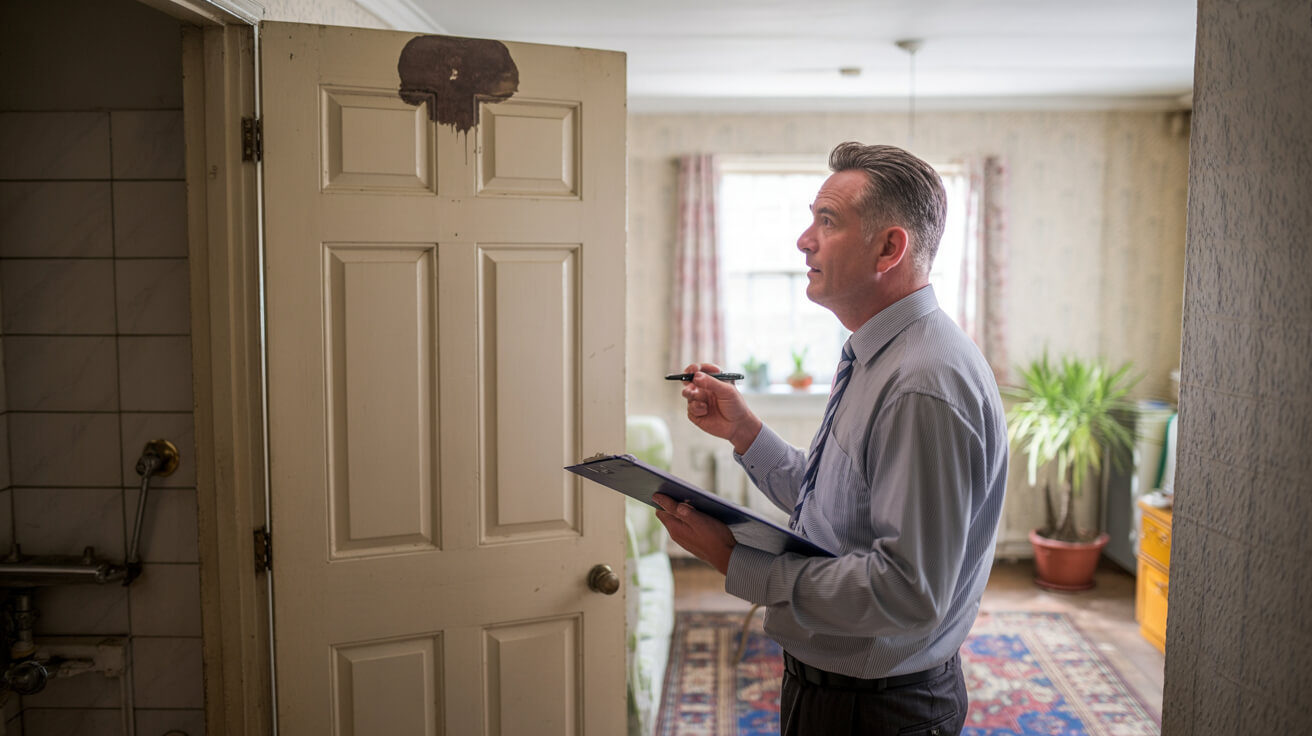
Bracing for heritage cost? That’s not “greedy mark-up”—it’s regulatory and structural complexity at every step.
- Consent and Reporting: Every timber “touch” is documented, with before and after surveys, council filings, and often on-site conservation officer inspections.
- Breathable, reversible treatments: No damp-proof paint or quick sealer will do: only specialist products fit to local conservation standards are permitted—and they cost more.
- Restorative finish: Where modern homes accept cosmetic patch repair, period properties may need lime plaster and joinery matched to the original. Labour, craft, and risk all amplify.
- Admin, delays and access: Reports and permissions double the timeline. Add to that heritage trades for restoration—where availability is always tight, and cost parallels skilled joinery rates, not general builders.
Fact: A simple “beam fix” in a listed house can fetch £3,000–£4,000. A full conservation-grade, multi-room attack—especially with rushed insurer deadlines or last-minute sales—can push numbers north of £7,000.
The True Cost Impact: From Budget Beetle Jobs to Mortgage Killers

Shortcuts kill more wealth than beetles ever did. The archive is full of Sussex owners who opted for the cheapest quote and wound up with “certificate-only” jobs: light reports, DIYers with a spray gun, or botched workmanship.
The Three Most Expensive Mistakes
- Missing, invalid, or non-compliant paperwork: Blocks mortgages, delays insurance, and causes sales to fall through at the last minute.
- Skipping root-cause moisture surveys: Leads to new infestations, rapid return of beetle damage, or discovery of untreated pockets in surveys years later.
- Hiring non-local, uninsured, or unaccredited teams: Risks voiding claims, warranties, and in listed buildings, even fines or statutory orders.
Your property is worth protecting not just with impregnation, but with compliance, insurance, and future value ready to transfer.
The easiest way to kill resale value is to hand over a box of missing paperwork instead of a certified treatment log.
Transparency and Staged Quoting: How Sussex Damp Experts Protect Your Budget

What separates a credible beetle job from budget guesswork? Staged, transparent quoting rooted in decades of Sussex property complexity, not guesswork.
- Itemised phases: From survey, diagnosis and access, to site prep, treatment, documentation, and aftercare. Each cost, timeline, and compliance step is tracked and visible.
- No all-in “magic price”: Especially in heritage work, any price that doesn’t spell out regulatory, documentation, or restoration fees should be a warning bell.
- Aftercare and fixed-fee guarantees: Full warranties and paperwork are baked in, not added at a premium after the fact.
The upshot? No hidden charges, and no risk of cost “explosions” triggered by surprise paperwork loops, discovery of previously hidden timbers, or failed compliance at the finish line.
How to Safeguard Value, Finance, and Time When Facing Deathwatch Beetle in Sussex

If you own or manage property anywhere in Sussex—especially in an area where the average home saw Queen Victoria and two world wars—the long-term winner is always methodical, phased remediation. Don’t be seduced by all-in numbers from quick-fix operators; choose process, visibility, and compliance.
Your “No Surprises” Beetle Defence Checklist
- Demand detailed, broken-down quotes with every compliance, council, and aftercare stage listed.:
- Refuse up-front “guess quotes”: Ask for staged, phase-based proposals so each stage can be assessed and approved.
- Trust only PCA/TrustMark-registered, local firms: Heritage and listed building experience isn’t negotiable.
- Get compliance, aftercare and warranty in writing: Before you sign, confirm all documentation will support mortgage/insurance with 10–20 year guarantees.
A staged, compliance-first approach is the cheapest way to guarantee long-term safety and paper trail you need for insurance, sale, or peace of mind.
Sussex Damp Experts: Your Direct Line to Heritage-Grade, Mortgage-Ready Beetle Solutions

Facing a beetle warning on your survey? Planning to sell, remortgage, or just lock in your property’s core value? One call can cut through red tape and paperwork chaos.
Sussex Damp Experts deliver:
- PCA/TrustMark-accredited surveys, diagnostics, and paperwork for sale, purchase, or remortgage
- Documented, phase-based proposals—timeline, cost, access, chemicals, site management, compliance, restoration, aftercare, and 10–20 year guarantees all in writing
- Heritage- and listed-building master craftsmen who speak council, lender, and insurer—on your behalf
Clients across Sussex, from Brighton to Lewes to Battle, trust us for clarity, regulated documentation, and repairs that survive not only the season, but the next bout of paperwork as well.
You protect your family’s wealth when you solve the hidden risks—moisture, legal, and documentation—all in one stitch.
Book your compliant, phased, and heritage-ready beetle inspection and treatment today—before the true cost multiplies on your next sale, mortgage, or claim.
Frequently Asked Questions
What makes deathwatch beetle treatment uniquely expensive for Sussex homeowners?
Deathwatch beetle control isn’t an ordinary woodworm job; your bill climbs because the beetle targets the thick, old-growth timbers in Sussex’s historic buildings—beams few contractors are equipped to diagnose or treat properly. Standard woodworm spray rarely touches the core of the issue. Instead, your survey starts with deep-dive moisture mapping and salt contamination diagnostics, using tools like borescopes to uncover hidden galleries inside oak or chestnut beams. This level of assessment is dramatically more complex than surface checks on 1970s softwood trusses.
The timbers that hold your home up are the ones beetles love best—crawlspace or attic, you can’t wish the problem away.
Heritage regulations demand not just invasive surveys, but specialist materials (think lime-based plasters, reversible gels), and they ban quick fixes that risk irreversible damage. Each inspection or intervention must generate detailed documentation for your mortgage lender, insurer, or council. In Sussex, costs multiply when your home’s listed status, council oversight, or even awkward beam access force restoration-grade treatments—where every missed detail will bite back at sale or renewal. Compared to generic woodworm jobs, you’re buying peace of mind—but only if every risk is mapped and proofed. Survey before you budget: demand a full compliance- and warranty-backed quote, not a one-line “treatment” promise.
Why do compliance and conservation demands outstrip basic pest-control costs?
- Extended survey protocols: Forensic tools, moisture/salt tests, and detailed reporting are mandatory where insurance or legal documents are required.
- Specialist access needs: Panels, floors, and ornate ceilings often hide beetle galleries—access and restoration is slow and costly.
- Regulatory strings: Anything less than a PCA/TrustMark-accredited report risks claim rejection and expensive rework.
- Aftercare obligation: Essential for lenders and buyers, and usually non-transferable from budget outfits.
- Material mandates: Conservation officers often prescribe lime-only or conservation-approved systems.
If you’re comparing quotes, check what’s left out—cheaper up front but costly long-term if council or lender flags compliance defects.
Which types of Sussex properties face the steepest beetle risks and repair invoices?
Most Sussex deathwatch beetle nightmares strike homes with heritage, complex trusswork, or conservation status. If your property is listed, timber-framed, or in a zone flagged by planners, you’re top of the risk chart. Here, every sign of beetle means a chain of regulatory and practical requirements your modern neighbours don’t face.
A council-flagged timber means you’re in a new league—surveys double, repairs slow, and materials come with their own paperwork.
Homes built before 1945, especially those with visible beams, cellars, or additions, attract far stricter scrutiny from both buyers and surveyors. Even non-listed period homes may trigger enhanced diagnostics or demand conservation-based approaches if beetle signs emerge. Commercial properties, converted barns, and multi-storey period blocks stack the costs higher: more timber, more hidden cavities, and more stakeholders lengthen each phase. By contrast, post-war brick builds with softwood joinery rarely see invasive diagnostics or multi-stage approvals, making repair faster and cheaper.
What essentials shape your property’s risk and likely cost?
- Listing or conservation status: Each phase must pass planning, often doubling admin and labour.
- Structural complexity: Boxed-in or hidden beams mean specialist survey access—raising hourly charges.
- Heritage finishes: Ornate joinery or lime-plaster walls force slow, methodical restoration.
- Multiple units/stakeholders: Managing agent or association sign-off brings extra rounds of documentation.
A specialist’s first task: match the repair method not just to the beetle, but to every compliance and conservation trigger in play.
How does warranty coverage and aftercare reshape the long-term value and insurability of your property?
Buying “just” a beetle fix risks leaving your property exposed—or unsellable—without bulletproof aftercare and a recognised warranty. In Sussex, warranty documentation isn’t marketing fluff; for lenders, insurers, and wary buyers, it’s the only credible proof that risk is contained. Sussex Damp Experts aligns warranties with PCA, TrustMark, and leading insurer expectations, ensuring a seamless handover whenever you sell or refinance.
Without a transferable warranty, that ‘fixed’ beam is a liability, not an asset—your home’s value hangs on the supporting paperwork.
Modern warranty programmes roll in scheduled humidity checks, annual inspections, and digital logs tracked against national and local lender requirements. They also provide rapid-response coverage if fresh beetle signs reappear before cover expires—critical for both peace of mind and project ROI. Aftercare isn’t a luxury: it’s what sets homes with lasting value apart in competitive sales or risk-sensitive mortgage environments. To avoid surprises, demand aftercare, monitoring, and transferable warranty detail—ask who underwrites the scheme and whether your insurer or future buyer will accept it.
What does full aftercare typically offer?
- Annual professional diagnostics and humidity logging.:
- Immediate support for recurrence or complications.:
- Buyer- and lender-ready files—supporting market value.:
- Direct transfer to new owners or tenants at sale.:
Don’t let a paper-light “guarantee” cost you thousands—insist on regional, lender-recognised aftercare and transferability.
Where do most property owners get blindsided by hidden beetle treatment extras in Sussex?
Headlines rarely match reality; Sussex beetle treatments nearly always throw up cost triggers even seasoned owners never expect. Discovery of beetle activity during renovations can mean out-of-hours callout fees. Surveyors might insist on mortar or salt sampling only halfway through the job, delaying completion and stacking expenses. Restoration needs for heritage plaster or bespoke joinery are often underestimated in quote-only jobs—real cost spikes emerge when invasive work means rebuilding period features or securing listed building permissions after the fact.
One missed clause in your quote, and you’re on the hook for emergency callouts, council fees, or finish restoration bills that outpace the core job.
Duplicate or “validation” surveys, required by insurers or buyers, routinely double diagnostic costs for landlords and vendors. Monitoring kit installation for compliance-grade warranties can carry three-figure fees outside initial quotes. If access requires removing or replacing high-finish materials, prepare for further add-ons. Avoid nasty shocks by requesting staged, itemised estimates, and by clarifying what is a “potential risk” versus a certain charge.
Common cost surges during deathwatch beetle control in Sussex
- Renovation-discovered infestations: Emergency or after-hours response premiums.
- Council or heritage officer contingencies: Non-negotiable fees, especially for listed properties.
- Restoration and redecoration: Heritage plaster, trims, or panelling replacement—costs typically omitted from initial scope.
- Surveyor or lender re-tests: Repeat fees for sequential inspections.
- Long-term monitoring devices: Mandatory for some warranty or insurer cover.
The best shield is full transparency: explicit staged quoting, strict documentation, and upfront access to projected restoration charges.
How do regulations, heritage listing, and lender safeguards dictate every step in beetle eradication?
Treating a Sussex property for deathwatch beetle means playing by the strictest book: PCA or TrustMark accreditation, council pre-approval for listed dwellings, and documentation that’s vetted by everyone from planning officers to mortgage lenders. Unlike standard pest control, each phase—diagnosis, treatment, restoration, aftercare—runs under council or heritage oversight.
A single missed inspection or non-accredited document triggers voided insurance, resale limbo, and potential fines—regulations aren’t box-ticking, they’re your only path to certainty.
Council guidance or heritage status may demand building control notices, restrict chemical use to certain products, and mandate lime-based restoration as standard. Your paperwork must cover photographic logs, moisture/salt analytics, and warranty terms detailed enough to satisfy underwriters, not just buyers. Regulatory compliance doesn’t end at sign-off: failure to follow through can force undoing the work or reversing the sale.
How do conservation and compliance steps split by property category?
| Step | Heritage/Listed | Modern Property |
|---|---|---|
| Diagnosis | Accredited, logged | Basic, less formal |
| Planning approval | Mandatory council | Not required |
| Material restriction | Lime, reversible | Standard allowed |
| Restoration demand | Skilled heritage craft | Vanilla repair |
| Documentation load | Multi-stage, lender/insurer detail | Local warranty |
| Aftercare rules | Scheduled checks | Owner discretion |
For sellers, landlords or buyers, ticking every conservation and compliance box is a non-negotiable foundation of value and peace of mind. Get advice before breaking ground.
Why do Sussex Damp Experts lead in compliance, cost certainty, and asset protection for beetle cases?
Sussex Damp Experts is engineered for high-stakes, high-detail beetle control. The team’s approach starts with a forensic survey and doesn’t end until every warranty and regulatory demand has been met—backed by PCA/TrustMark accreditations, long-term lender-aligned warranty options, and staged reporting that dismantles ambiguity. This makes properties more robust, compliant, and provably safe for buyers, surveyors, and insurers.
True expertise isn’t just about killing beetles—it’s attention to regulation, restoration, and real market value.
Clients get local firepower: heritage site experience, deep council relationships, and hands-on knowledge from hundreds of Sussex case files. The result? Transparent, staged pricing, compliance with both regional planning and national insurance angles, and a warranty structure that travels with the asset. With this blend, Sussex Damp Experts secures future sales, protects owner reputation, and insulates you from nasty surprises. For any timber at risk—or in doubt—you’re not just buying a treatment; you’re safeguarding your home’s history and market status.
Act now to preserve your property’s strength, legacy, and transferability with Sussex Damp Experts—where no structural detail or legal tangle is left unchecked.

