
 By
By  September 3, 2025


How Does Understanding Damp and Mould Remediation Costs Set You Apart in Sussex?
If you’re responsible for a property in Sussex—whether you’re a homeowner, landlord, agent, or developer—the way you handle damp and mould isn’t just about fixing a patch of black on the wall. It’s an acid test for how future-proof, market-ready, and resilient your property will (or won’t) be. You’re playing with more than repair bills—you’re juggling your reputation, legal exposure, and ability to draw a clean line between a quick sale and a property that stalls in survey limbo.
Damp ignored in January becomes tomorrow’s rejected mortgage or tenant claim.
Damp remediation cost thinking is strategic thinking. The real winners in Sussex property circles don’t just ask “How much is it to repair?” They ask, “What does this protect me from losing?” Every pound spent is a firewall against cascading survey issues, regulatory headaches, council fines, and deals that collapse on the home straight. And in Sussex—where Victorian terraces mingle with modern builds and coastal weather punishes the careless—every corner cut is a small wager against your own asset.
Three fundamental levers separate the savvy from the sorry:
- Depth of diagnosis: No real expert stops at “looks a bit mouldy.” You want site surveys that dig with moisture metres, salt analysis, substrate checks, and a forensic kind of detail—because if you miss a root cause, you’ll pay for repeat visits, failed deals, and costly surprises.
- Regulatory compliance: Sussex isn’t the Wild West. If you skip PAS 2035, TrustMark, BS 8102, or HHSRS, you’re one letter away from a compliance letter that knocks you into the “problem landlord” pile. Buyers, tenants, and councils are now trained to demand this evidence.
- Treatment integrity: It’s not about drying a wall by the weekend. The real cost, or savings, are set by whether you solve the current damp—and lock out future ones. Cheap fixers bundle “surface treat and run”; pros design for tomorrow’s sale, survey, and peace of mind.
Every month of inaction quietly eats into your asset’s resilience. That small, manageable problem can stealth-multiply into lender issues, legal notices, and a reputation that drags every future negotiation downhill. The price of putting off a fix? It compounds and comes due on someone else’s timetable—usually when you’re least ready to pay.
Why Do Hidden Moisture Issues Spiral Into Expensive Repairs (and How Can You Stop It Early)?

Most major repair bills in Sussex have a simple root: slow or soft responses to the first signs of trouble. The leaks that wait “until summer,” the “quick success” with a supermarket spray, or the hope that some damp-proof paint will keep the surveyor happy—these are the moves that fill the portfolio of failed fixes and spiralling follow-up jobs.
Here’s why the costs multiply quietly but relentlessly:
- Moisture creeps, it doesn’t declare: Deterioration works in the dark—under floors, behind wall coverings, and inside the brickwork. By the time you’re looking at crumbling plaster or mildewed skirtings, the internal structure may have taken a hit that’s ten times costlier than an early proactive fix.
- Surface-only solutions mask, not solve: Patch jobs, partial re-plaster, or generic anti-mould sprays don’t eliminate the root. You’ll end up repeating spend and inviting further decay the next damp cycle or survey season.
- Surveyors and insurers see through quick wins: The moment a pro checks your property, any lack of “evidence-based” diagnosis or missing paperwork resets the cost metre—now you’re not just paying for repairs, but full compliance, emergency call-outs, and the high price of panic fixes.
Industry studies peg the rise in cost from “delay and patch” at 30–50% more by the time true structural or health consequences emerge, especially with repeat surveyor visits or mortgage flags (homesandgardens.com 2023).
Cutting to the solution: Early, thorough professional diagnosis and remediation short-circuits the cost spiral. Insist on proper mapping, reporting, and a fix that’s designed to survive lenders, buyers, tenants, and council scrutiny.
You can’t shortcut a chemical process—delay just shifts your costs from repair to litigation.
Take proactive steps—because every shortcut you’re tempted to take will be invoiced back to you later, usually with legal interest.
What Drives the Real Price Tag for Damp and Mould Remediation in Sussex?

One property might need a £250 patch; the next, a £10,000 system. The real price drivers are layered, complex, and never as simple as online “cost per square metre” calculators suggest. Sussex properties are a patchwork of periods, substrates, and regulatory histories—each with its own risk and treatment recipe.
Six factors set the price:
- Type & source: Rising damp, penetrating water, or condensation each demands different diagnostics, materials, and labour. Hygroscopic salts? That’s a chemistry problem, not just a building one.
- Access and structure: Basement jobs, listed façades, or party walls raise costs—sometimes due to equipment (scaffold, drainage pumps) and sometimes because the law or planning office demands it.
- Material and age: Brick or lime wall, stone, cavity, or solid wall? Heritage properties can only be fixed with compliant limes, breathable plasters, or non-intrusive membranes, which hikes material and labour cost.
- Job scale: A single spot? Minimal cost. A whole wall tanking or cellar system? That’s a multiplier.
- Heritage, listed, and planning context: Got a blue plaque or are you in a conservation area? Paperwork, heritage consents, and sensitive specification change both your quote and build timeline.
- Compliance documentation: If the fix must pass a mortgage or council survey, PAS 2035, BS 6576, or TrustMark-compliance adds required diagnostics, paperwork, and sometimes whole extra specialist tasks.
The move from a minor cost to a headline-grabbing bill often comes not from the damp itself, but from regulatory or access hurdles, missed substrate incompatibility, or failing to factor in lender or planning officer demands.
A £550 repair can jump to £7,500 overnight when legal paperwork and heritage adaptation are missed, or the substrate fights back. *(Which? Home Repairs Guide)*
Ask to see a full job breakdown before you buy in to a “flat fee,” or risk inheriting hidden pitfalls that only show up when it counts.
Where Do Remediation Quotes Mask Expensive Hidden Costs (and How Do Experts Prevent Nasty Surprises)?
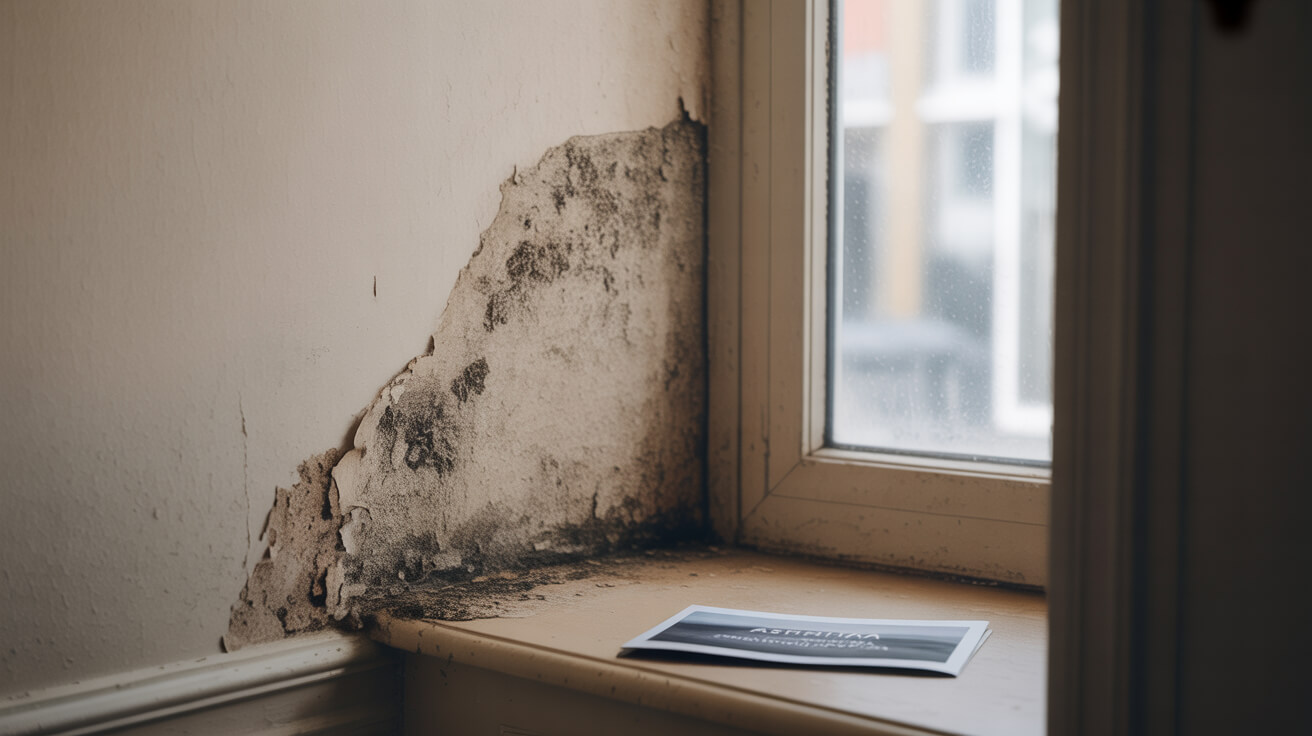
Most complaints Sussex Damp Experts inherit? “The last guy was so much cheaper.” That’s because shortcut quotes are designed to get you to sign—then slip in extras for things that were always predictable. Professionals cost these variables up front, not after the project is stripped back and the extras show up.
Key sources of surprise costs:
- Substrate failures discovered late: Only destructive tests or true forensic surveying spot the salt loads, timber rot, or hidden voids that double the spend after a job starts.
- Unscoped diagnostic complexity: Some will quote for a “free damp inspection” then bill you for tests, equipment, or detailed surveyor reports after you’re committed.
- Third-party trades hiding in the shadows: Electrical rewiring, urgent joinery, or unexpected roof repairs escalate project time and spend, often only quoted after walls are opened up.
- Paperwork, consent, and compliance: Reports, warranties, and plans required by councils, insurers, or planning offices are always billable—if skipped, you risk non-compliance fines or failed transactions.
A figure that looks manageable at first can triple by handover. The cheap call-out or spray job is seldom “full system” because no one with expertise assumes the walls behind the visible patch are perfect. Transparency, full mapping, and experience-driven scoping sharply shrink your odds of later pain.
If a damp quote fits on a napkin, expect to pay for the rest in surveyor or insurance disputes.
Here’s what a protective, expert quote includes:
- Evidence-backed diagnosis covering visible and hidden risks
- Specific list of survey/report and integration costs for related trades
- All regulatory paperwork, heritage consent, and compliance testing detailed
- Clear aftercare and future-proofing, not just a “fix and vanish” promise
If these aren’t surfaced as line items from the start, you’re not buying a solution—you’re buying a mystery box.
What Are the Typical 2024 Damp and Mould Remediation Costs in Sussex (and What Do You Really Get)?
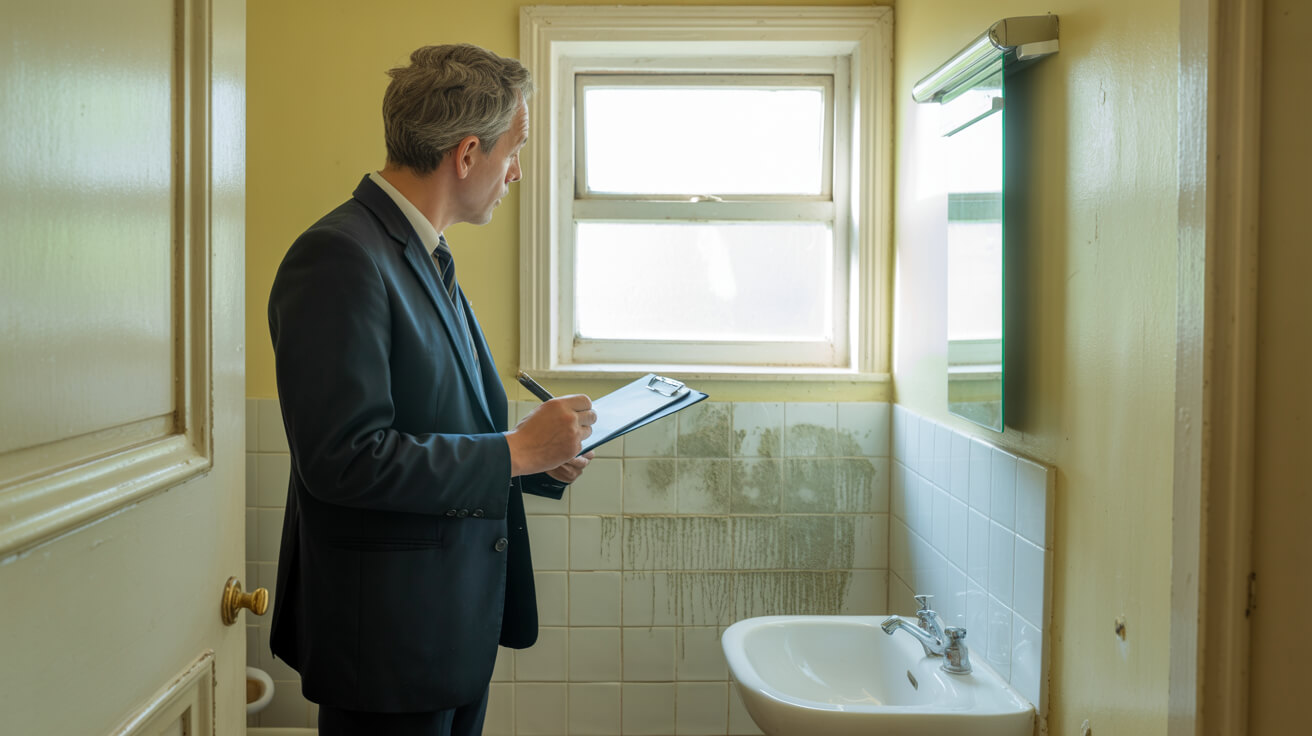
Online adverts will tempt you with “from £99,” but no responsible owner or property manager gets a compliant, future-proof damp fix for less. Sussex sits in the UK’s top risk bracket for weather-driven moisture AND compliance pressure, especially once mortgages, tenant health, or insurance come into the mix.
Standard cost ranges for 2024:
- Condensation or minor mould fix: £220–£640 if handled with proper ventilation upgrades, risk assessment, and minor replastering.
- Standard wall or DPC repair: £950–£2,600 for DPC injection, salt treatment, and surveyor-backed paperwork fit for a mortgage or letting.
- Basement/cellar or full heritage job: £2,000–£18,000+ for tanking, sump/pump drainage, lime renders, and bespoke heritage or PAS 2035-compliant installations.
Every penny buys more than just “bottle billing.” The best jobs include mapped diagnosis, material matching, full documentation for mortgage or letting, and often annual aftercare checks. See below for a comparative table:
| Problem Type | Spot Fix (£) | Full System + Docs (£) | Typical Inclusions |
|---|---|---|---|
| Condensation | £200–£650 | £1,100–£2,400+ | Vent unit, risk advice, minor plaster |
| Penetrating Damp | £370–£900 | £1,100–£2,700+ | Membrane, brick/masonry patch, flashing |
| Rising Damp | £520–£1,800 | £2,100–£5,400+ | DPC, salt removal, full re-plaster, docs |
| Basement/Cellar | £2,100+ | £4,200–£17,500+ | Tanking, sump pump, drainage, monitoring |
| Heritage/Listed | bespoke | bespoke | Lime system, consents, diagnostics |
Add £250–£600 for council, lender, or insurance reporting as needed.
Survey-ready jobs range from £400 for quick fixes to £5,000–£10,000 for complex or listed properties. *(MyBuilder.com, UK 2024 Costs)*
Anything below these bands is patchwork, not prevention.
How Do Insurance, Grants, and Legal Requirements Affect Your Damp Remediation Budget in Sussex?

A major mistake? Thinking that once a wall is dry, the job is done—when in reality the paperwork, eligibility, and ability to secure grants or insurance is what keeps most Sussex jobs afloat.
The insurance-compliance ecosystem looks like this:
- Home insurance: May pick up hidden pipe leaks or storm ingress, but will not cover neglect, rot, or DIY treatments. For claims, you need pre-and-post remediation evidence, plus paperwork from a recognised contractor.
- Council grants and loans: Up to £5,000 available to urgent health-risk households (vulnerable or low-income)—but only if you act early, document everything, and secure proper quotes before DIY work begins.
- Zero-interest repair loans: For severe compliance or legal risks—rarely for cosmetic or piecemeal approaches.
- Landlord duties and fines: HHSRS, Fitness for Habitation Act, and Environmental Protection Act mean “wait and see” can equal large penalties, forced council work, or tenant compensation—especially if documentation or certified evidence is missing.
- Heritage and listed property: More paperwork, but also potential grants if process is run to the letter—no wiggle-room for shortcuts.
Apply early—not after works begin; most grant and insurance schemes reject claims for post-hoc emergencies.
The fastest way to lose eligibility is failing to create a proper paperwork chain before the fix is done. For property managers or landlords, skipping compliance packs is almost as damaging as not fixing at all—your legal defences vanish the instant a complaint lands.
Do DIY and Budget Mould Treatments Ever Deliver Lasting Value, or Is Professional Moisture Mapping Now Essential?

DIY isn’t dead—but it’s now the most common cause of rejected sales, tenant complaints, or insurance denials that Sussex Damp Experts see. The cost and value difference between a £40 spray and a full system job isn’t just about “hours worked”—it’s about the paper chain, proof, and peace of mind.
- DIY treatments: £40–£120 for sprays, cleaning, or painting—short-term, but invisible in any compliance, sale, or insurance context. Lasts one season, creates repeat business for surveyors, and masks deeper trouble.
- Professional inspection/removal: £200–£900. Proper cleaning with documentation, targeted risk assessment, and repair—gives proof for every future deal, lender, or council check.
- Full remediation: £900+, includes diagnosis, all repairs, compliance paperwork, aftercare plan, and real market, legal, and insurance value.
Key risks of DIY:
- No evidence for future sales or letting; most deals fall at the first “please supply damp paperwork” e-mail.
- Outbreak cycles are shortened—surface treatment masks symptoms, not root, and often spreads damage deeper into insulation or timber.
- Costs mount unpredictably; untreated causes mean higher future bills for both repair and legal claims, especially in tenancies.
Painting over mould is like topdressing a leaking roof. No insurer or lender buys it—and neither will the council next time there’s a tenant complaint.
Short-term cost “savings” from DIY almost always bounce back threefold—and they’re now a top trigger for negative survey reports, failed insurance claims, and tenancies lost at tribunal.
What Are the Legal and Practical Implications of Damp for Homeowners, Landlords, and Property Professionals in Sussex?

In Sussex, responsibility for damp is not just a “best practice”—it’s a living legal requirement. If a tenant, buyer, or local authority questions your paperwork, your argument lives or dies by the evidence, not by good intentions.
- Homeowners/Buyers: Surveys now explicitly flag “untreated damp,” “evidence of attempted concealment,” or “no compliance report available”—often making your home unsellable at anything but a draconian discount.
- Landlords: Under HHSRS, Fitness for Habitation, and Housing Act requirements, professional fixes and proof are mandatory. Failure means fines, council repairs (billed straight back), and even criminal exposure for persistent neglect.
- Tenants: Are empowered to escalate complaints and demand both remedial work and evidence, with council or tribunal backup.
- Managing/letting agents: Must vet compliance evidence and guarantee specified work. Poor paperwork is a risk to agency reputation and licence status.
- Commercial/multi-unit owners: Face extra fire-safety, insurance, and health-at-work obligations. A moisture slip-up is a litigation magnet in commercial settings.
What actually protects you? The right paper, from the right pro, filed before anyone asks for it. Only PAS 2035, TrustMark, or BS 8102-level work opens insurance, litigation, or grant doors on heritage or contentious properties.
The “cheapest fix” usually disappears at the first whiff of legal pressure or buyer scrutiny. Examples fill property forums, legal pages, and insurance dispute logs from Worthing to Rye—every shortcut is documented, every missing report becomes a headache for someone else.
Why Sussex Damp Experts Sets the Compliance Standard (and Shields Your Investment From Survey to Sale)
In a region where rain, salt, and heritage buildings converge, damp isn’t just a maintenance risk—it’s an asset management puzzle, a regulatory obstacle, and a reputational filter for your property. Sussex Damp Experts don’t just “fix” damp—they future-proof your investment by building a chain of compliance, documentation, and quality that survives mortgage, council, tenant, and insurer scrutiny.
Our approach:
- Forensic, surveyor-grade inspections: Every diagnosis includes forensic mapping (moisture, salts, substrates), plain English reports, and full compatibility with mortgage, agent, or council requirements.
- Full regulatory compliance: Our paperwork is PAS 2035, BS 6576, and TrustMark ready—meaning every property repair is legal, loan, letting, and insurance proofed.
- Specialist adaptation for every context: Heritage lime for listed homes, tanking or membranes for cellars, and system integration with trades where required—so no fix is “just standard.”
- Transparent costing, zero-surprise quotes: You see diagnostic, material, paperwork, and aftercare columns before you sign.
- Warranties built for the real world: 10–20-year insurance-backed guarantees, paperwork notified to all buyers, lenders, and managers as routine.
Clients don’t have to “manage a project.” You get a master-level problem solver fluent in building, law, and compliance, who cares as much about your survey outcome as the fix itself.
Inspection, regulation, documentation—clients of Sussex Damp Experts never have to plead their case. The record is already on file.
Where others vanish after the van leaves, we hang our cap on aftercare and proof.
Secure a Survey-Ready, Lasting Damp Remediation—Contact Sussex Damp Experts
A property in Sussex with a history of “hidden” damp or patch jobs never wins in the long run. You can wait for the next sale, survey, or legal complaint to surface the truth—or you can route around it. The experts who build value, preserve compliance, and future-proof assets don’t do it alone. They partner with a firm that delivers:
- Custom, evidence-based diagnosis (for your home, building, or portfolio)
- Ironclad, compliance-ready repair paperwork designed to satisfy the toughest buyer, insurer, landlord, or council
- Systemic repairs with resalable, insurable, and regulatory strength—never cut-corner patch-ups for the next round of headaches
- Built-in aftercare, annual monitoring, and owner/tenant guidance that keeps you future ready and fine-safe
Don’t let the next visit from a lender, surveyor, tenant, or councillor trigger the cost spiral. Dodge the repeat bill, the compliance panic, and the reputation hit.
Book your survey with Sussex Damp Experts today—where every fix is future-ready and every document unlocks value, not just paperwork.
Frequently Asked Questions
How do the materials and building details of your property change the cost and approach to damp proofing in Sussex?
Material makeup and building specifics determine both the treatment complexity and the final bill for damp proofing in Sussex—far beyond the perimeter measurement or badges on a van. Your house’s age, wall construction, historic status, and even the site’s water table level are all “hidden levers” that define your true exposure and the effectiveness of solutions that can be applied.
Why does a Victorian terrace need different fixes from a 1990s cavity wall?
- Solid brick or stone walls: in Victorian and Edwardian homes soak up rising moisture distinctly compared to modern cavity wall designs, affecting the depth, pattern, and cost of any remedial Damp Proof Course (DPC).
- Substrate matters: Lime-based mortars in heritage properties demand breathable, compatible treatments—standard chemical DPCs or cement render can trap damp and cause more damage.
- Basements or converted cellars: bring hydrostatic pressure; these demand tanking systems or cavity drain membranes and must tick off BS 8102 waterproofing standards.
- Timber frames, insulation layers, or heritage finishes: complicate access and raise compliance thresholds, especially when listed-building consent is required.
The quickest way to waste money is to instal a ‘one-size-fits-all’ damp fix on a house that’s anything but standard.
What are the real cost outcomes when materials get overlooked?
Ignoring your building’s material needs often means repeat failures—peeling new plaster, hidden damp behind insulation, or “miracle” membranes that destroy old brick. Experts like Sussex Damp Experts match treatment to substrate, ensuring every penny delivers permanent value and compliance, not cyclical patch-ups.
What legal and regulatory pitfalls can catch property owners with cheap damp proofing services in Sussex?
Choosing a non-compliant or poorly documented fix can lead to an invisible legal tripwire, halting a sale, voiding insurance, or landing you in council crosshairs. Damp-related works aren’t just about stopping leaks; they’re regulated by the Housing Health and Safety Rating System (HHSRS), Building Regulations Part C and F, and—if you’re renting or selling—multiple landlord/tenant and consumer standards. Many “bargain” services skip these headaches, leaving you with the fallout.
What regulatory pressures should you worry about?
- Mortgage surveys: Flags for “potential damp” trigger compliance requests—unsanctioned works or missing DPC paperwork can block loans or delay sales.
- Tenancy law: Landlords face legal repercussions if Category 1 damp hazards are present; repairs must meet standards or risk council enforcement and fines.
- Statutory nuisance and environmental health: Failures to resolve damp or mould hazards after council notice can result in forced entry, repair charges, or prosecution.
Why is compliance paperwork from Sussex Damp Experts an asset?
Our teams build a chain of evidence—diagnostic mapping, before/after photos, workmanship guarantees, and full regulatory references—tailored to satisfy insurers, lenders, and local authorities. This eliminates surprise legal bills and speeds up property transactions.
How do monitoring and aftercare services influence the long-term value of your damp proofing investment?
The real value of a damp solution isn’t in the initial fix, but in the invisible shield of ongoing monitoring and aftercare. Without systematic checks, moisture can re-enter or migrate—turning a solved problem into a recurring drain on your funds and patience.
What aftercare steps actually preserve your property’s health?
- Moisture sensor logs and annual inspection visits: catch new patterns early, stopping small issues from becoming major repairs.
- Ventilation and drainage checks: maintain system integrity—changes in occupancy or climate can upset the balance.
- Documentation and warranties: from accredited providers serve both as legal protection for sales and as insurance claim ammunition.
Ongoing monitoring isn’t just box-ticking—it’s catching a leaky tap before the drip becomes a flood of regret.
How can a Sussex Damp Experts aftercare plan actually save you money?
Properties enrolled in post-treatment care see fewer failures and maintain higher value at sale—plus, you have written proof that all warranty and legislative duties have been met, deterring challenges from buyers or letting agents for years.
Which emerging damp proofing innovations are changing costs and standards for Sussex property owners in 2024?
Technology and environmental pressures are reshaping how damp is diagnosed and treated in Sussex. New BS/ISO standards, sensor-driven early warning systems, and eco-friendly material advances are transforming both process and price bands, closing gaps left by outdated “paint and pray” approaches.
Which breakthroughs should you expect (and demand)?
- Electro-osmotic systems: are making comebacks in larger historic buildings, delivering DPC effects without deep drilling or chemical saturation.
- Smart moisture sensors: now monitor levels post-installation, auto-logging trends and allowing proactive, rather than reactive, care.
- Breathable plasters and membranes: reduce “trapped moisture relapse,” especially critical for heritage and listed properties.
- Green chemistry damp-proofing and recycled substrate systems: are offered as eco-options for new builds and retrofits.
How do Sussex Damp Experts implement these modern solutions?
With a finger on the pulse of BS 6576, BS 8102, and PAS 2035 evolutions, our surveyors pair tech (thermal imaging, salt mapping, online monitoring logs) with material science to design future-proof systems—maximising lifespan, minimising invasive works, and often reducing ongoing costs.
What signals a surveyor, mortgage lender or insurance assessor that a property’s damp report is “fit for transaction” in Sussex—and how do you secure it?
Survey-worthy documentation is more than a tick-box inspection. It’s a forensic-grade account—diagnostics, mapped symptoms, photographic evidence, annotated treatments, and aftercare plans—all cross-matched to British Standards and building regulations. Lenders, insurers, and legal teams hunt for holes—missing compliance steps, vague warranties, or undocumented “quick fixes”—and they will block, delay, or devalue a transaction for a single compliance error.
What transforms a diagnosis into an asset?
- Mapped evidence: Moisture and salt levels linked to on-site photos, timestamped and referenced.
- Stepwise treatment records: Each intervention matched to BS/PAS requirements, with explanations made plain for legal and surveyor review.
- Guarantee specifics: Coverage length, transferability, exclusions, and compliance steps—all in your hands before a single hammer falls.
A well-documented damp report is your property’s passport through mortgage, letting, and compliance checkpoints.
Why is Sussex Damp Experts the trusted name for compliant reports?
We frame every diagnostic and repair in the language lenders, councils, and buyers understand—closing paperwork gaps before they’re even flagged, accelerating every transaction and protecting your property from compliance turbulence.
How can integrating other trade and system upgrades with damp proofing reduce whole-building risk and total outlay in Sussex?
No damp issue exists in a vacuum. Integrating your project with other building works—be it replastering, insulation, ventilation upgrades, or external landscaping—not only maximises the effectiveness of damp-proof interventions but spreads access and “fixed fee” costs across upgrades you’ll need soon anyway.
What most owners miss by treating damp in isolation?
- Missed access economies: Opening up for a DPC is the ideal time for insulation, pipe runs, or re-plastering—one period of upheaval, multiple benefits.
- Trades working in silo: Lack of synchronisation between damp proofers, plumbers, plasterers, and roofers often leads to overlapping disruption and lost warranty protections.
- Drainage, ventilation, and HVAC coupling: Getting these trades collaborating ensures that new ventilation isn’t blocking a future DPC or tanking membrane.
How does Sussex Damp Experts orchestrate trade integration?
With site management rooted in a “chains first, conflict never” model, we scope, coordinate, and validate each element—delivering you a future-proof, single-point guarantee. This doesn’t just shorten disruption; it multiplies certainty and can compress the timeline and total cost of your major property upgrades.
Seal your investment with Sussex Damp Experts—the East Sussex team that blends forensic diagnosis, compliance, and craft for homes that pass every test with confidence. Step up to a truly watertight future—start with a call today.

