
 By
By  September 3, 2025

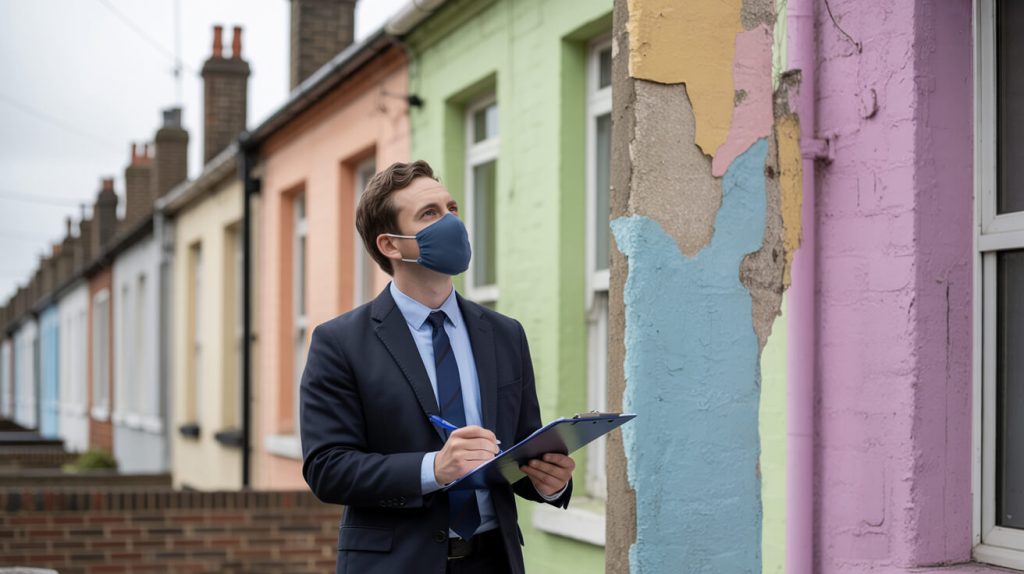
Is Bitumen Paint Waterproofing Really Saving You Money—Or Setting Up Costly Surprises?
Walk through estates in Sussex and you’ll see it: garage walls blackened by bitumen paint, outbuildings patch-glossed to keep “damp” at bay. The label sells “quick waterproofing”—but what unfolds, time and again, is an all-too-familiar script. Home buyers, landlords, property managers, and anyone with an investment on the line—especially around Basements, conversions, or other areas where proper assessment matters—discover bitumen is a surface fix with a ticking clock and silent rules no tin warns you about. Upfront cost lures, but what you actually pay leaks out in survey flags, failed insurance claims, and the kind of paperwork lenders use to stall deals or hike rates.
“Every shortcut on damp proofing gives you a patch now—and a bigger bill when the surveyor digs in.”
Look—it works on a fence. Maybe even your garden shed. But if you’re aiming for real property resilience, resale, or compliance, bitumen’s economics shift under your feet. Sussex Damp Experts have patched the aftermath many times: a DIY job is quick to roll on, but even faster to unravel under the spotlight of surveyors and officials.
A Quick Paint Isn’t a Long-Term Solution
The full price isn’t on the tin. It includes every reapplication, every call-back, and every time a legal requirement or valuation report asks for evidence—not hope. Short-term thinking? Cheap. Long-term outcome? Often painful.
“A five-minute fix on Friday turns into a six-month headache if the lender, buyer, or insurer says, ‘show me the paperwork.’”
Ready for the full calculation? Rip up the “cheap” label and look at the entire cost curve. That’s how you prevent your paint job becoming the symptom of a far costlier surprise.
How Do Lenders, Surveyors, and Insurers Really View Bitumen Paint?
Waterproofing Cost Calculator
Estimated Cost Range
—
| Item | Estimate |
|---|
System Information
How Other Systems Compare
| System | Cost / m² | Warranty | Best For |
|---|
Waterproofing is a specialist job — the right system depends on your specific conditions.
Our surveyors will assess your property and recommend the best solution.
Ever wondered what those with the power to approve your mortgage or protect your investment actually think of bitumen coatings? Ask a UK mortgage officer, surveyor, or insurance underwriter—they’ll give you the same answer: bitumen paint is a stopgap, not a shield.
Lenders, surveyors, and insurers see bitumen paint as a DIY shortcut—rarely sufficient for habitable rooms, and often the “red flag” in formal reports. When it gets noted on a survey, it’s usually as a sign of past damp (maybe even papering over active trouble), not proof that your property is protected. Upshot? You may need certified damp-proofing—at your own expense—if you want the sale, remortgage, or let to go through.
When damp proofing doesn’t meet British Standards, expect surveys, contracts, or insurance to cannonball your timeline.
What Happens If You Rely On Bitumen?
- Mortgage slowdowns: as lenders delay approval or demand remedial works.
- Insurance policies: with limited coverage, higher excesses, or outright damp exclusions.
- Rental and sales contracts: contingent on proof beyond “there’s a black paint on the wall.”
Landlords and sellers in Sussex see it all the time: one shortcut today rewrites tomorrow’s negotiations. It isn’t about saving on the tin—it’s about whether your “solution” costs you momentum and bargaining power.
What Really Drives the Cost Per Square Metre for Bitumen Paint Waterproofing?

Bitumen paint’s sticker price fools plenty. A tub is cheap on its own. Yet prepping the job properly (and making it last) is rarely so straightforward.
“Counting only tins and brushes keeps costs down—until real world prep or paperwork gets involved, then the numbers spiral.”
What’s the Actual Breakdown of Costs?
Let’s break down what you’re actually spending when DIY and when you go professional:
| Cost Factor | DIY (£/m²) | Professional (£/m²) |
|---|---|---|
| Bitumen Paint (2 coats) | 4–7 | 4–7 |
| Tools & PPE | 1–2 | Included |
| Prep & Cleaning | 1–3 | 3–6 |
| Labour | Free | 17–25 |
| Warranty/Compliance | N/A | 4–6 |
| **Total Estimate** | 6–12 | 27–38 |
Numbers only tell part of the truth. Here’s where reality adds to the tab:
- Substrate prep: Neglect, salt, or loose plaster demand more than you’d guess from the label.
- Equipment: If you lack brushes, sanders, cleaner, and PPE, expect initial outlays pushing £20–£40+ for “small” jobs.
- Labour: DIY is only “free” if you already know what you’re doing—and never have to call in the cavalry when things peel, bubble, or fail inspection.
- Aftercare: Bitumen fades and cracks. Expect reapplication every 3–5 years, less if exposed.
- Paperwork: Professional instals include compliance docs; DIY means nothing on file.
Repairing a failed waterproofing job—especially one hiding active damp—can double or triple the initial budget.
Heritage and Specialist Contexts: The “Hidden Multiplier”
Factors like listed status, old brick, or basements? Add at least 30% onto those numbers, thanks to specialist materials and tight compliance routes.
Why Does DIY Bitumen Waterproofing Often Turn Out More Expensive?

The logic is familiar: do it yourself and save. But that “savings” rarely lasts past the first sign of peeling, the reappearance of wet patches, or the moment someone requests proof for the work.
What Chimps Away at Your Budget?
- Unstable or porous surfaces: absorb more paint and fail faster—it’s not as simple as “two coats and done.”
- Fiddly areas: (pipes, junctions) leak most, demanding time and patience many DIYers underestimate.
- Recoating reality: Every freeze-thaw, UV hit, or traffic rub shortens the interval before you’re out there with another brush.
- No compliance trail: Most DIY jobs lack the documentation that surveyors, lenders, and insurance underwriters want.
- Professional rectification: When (not if) issues arise, pros are brought in to diagnose the root cause, strip failures, fix damp correctly, and provide certified documentation.
Ignore prep, ignore root cause, ignore paperwork—and the price of “cheap” bitumen waterproofing climbs.
If the goal is to keep your property, lender, and insurer happy, compliance beats a shortcut—every day of the week.
Where DIY Comes Up Short
- The work “looks” finished, but moisture inevitably threads its way back through unaddressed cracks, weaknesses, or salts.
- Houses change hands. With every sale or remortgage, the gap between DIY and system-backed installations widens—sometimes costing delays, sometimes costing thousands.
What’s the Lifespan of Bitumen Paint—and What Does It Cost to Re-do?

Reality check: bitumen paint doesn’t last as long as most owners expect, especially when it’s exposed to British weather or installed over uncertain brick or stone. In ideal conditions, maybe you’ll see 5 years. But when the wall is porous, weathered, or subject to frequent damp cycles, you’re likely facing failure—and another job—within 1–2 years.
The Hidden Tax of Repeat Jobs
- Annualised cost: Two repaints in a decade will likely outstrip a one-off, fully warrantied system—especially when factoring clean-up and missed rental/sale windows.
- Surveyor and lender demands: Paint isn’t accepted for habitable or below-ground spaces by BS6576 or BS8102. Some lenders flat-out refuse bitumen-only “proof,” demanding upgrades before funding.
- Legal and financial drag: Failure to meet compliance can scuttle sales, void insurance, or drive up premiums.
“A £600 paint job failed twice is pricier, and far more hassle, than a single £1,200 instal with certified paperwork.”
Owners who think long-term—whether holding, selling, or renting—see the equation for what it is: nothing’s as expensive as shortcuts that don’t last.
Where Does Bitumen Paint Make Sense—And Where Is It Legally Out of Bounds?

Bitumen paint does have a real place: outbuildings, non-habitable structures, sheds, or fence posts remote from surveyor scrutiny, lender oversight, or official Building Regulations. As for everything else? Know the line in the sand:
Where Bitumen Paint Won’t Pass (and Why)
- Basements and internal spaces: Both BS6576 and BS8102 say “no” to bitumen for habitable or below-ground rooms.
- Properties listed for sale, rent, or mortgage: Expect loan officers, brokers, and surveyors to require a cert-backed system.
- Legal and council interventions: Mortgage refusals, insurance non-payment, or council enforcement can all be triggered by “non-compliant” fixes.
“If your property could be sold, rented, or insured down the line, the quick fix risks snowballing into delay, denial, or double-spend.”
Bitumen’s fine when compliance isn’t. But for the main structure, living spaces, or anything flagged in official documentation? It’s neither worth the risk nor the cost.
Table: Where You Can—and Can’t—Rely on Bitumen Paint
| Setting | Survey/Legal Accepted? | Risk Profile |
|---|---|---|
| Garden Sheds/Outbuildings | Yes | Low, simple recoat |
| Habitable Basements | No | High, fails compliance |
| For Sale/Lending | No | Delays, forced upgrade |
| Heritage/Listed | No | Special system needed |
Every exception has a cost—bitumen is rarely it for key spaces.
DIY vs. Professional: Who Carries the Risk, and What Do You Actually Gain?

Love the idea of tackling damp-proofing yourself? Many do, until documents, deadlines, and due diligence get involved. The real split is not “who can apply paint”—it’s who carries the can when things don’t hold up.
Responsibility without backup turns into cost and stress. A compliant professional instal gives you both—protection and peace.
DIY Risks Stack Up
- Full liability: If the paint peels, damp returns, or compliance is challenged, it’s your issue from survey to insurance claim.
- Chasing root causes: DIY almost never locates and removes the full source—meaning your “solution” is just a mask.
- No paperwork: In mortgage or tenancy law, “proof of works” is everything.
The Pro Advantage
- Certified compliance: Reputable contractors deliver full specs, certifications, and warranties. Useful for lenders, surveyors, buyers—or any dispute.
- Protected value: A real system doesn’t just solve damp—it helps maintain or boost property price.
- Silent asset: One instal, zero stress—no callbacks, no warranty wrangles, no frantic reapplication.
A certified instal covers your paperwork, your property, and your reputation. Repaints don’t.
Budgeting Wisely: How to Avoid Hidden Waterproofing Expenses

It’s the untallied extras that drain budgets: surface cleaning, prep, repeat labour, paperwork, and the hidden costs of putting things right after a failed patch. Smart budgeting with bitumen, or any system, means building in the hidden line items.
Add These to Your Planning—Every Time
- Thorough surface inspection: Skipping this step means higher failure and more coats.
- Awkward site access: Upper stories, tight areas, or heavy contamination drive labour up.
- ‘Finishing’ works: Touch-ups, trims, and clean-up all count (especially for heritage sites).
- Documentation: Lack of a real “paper trail” risks legal or insurance issues down the road.
- Lifetime cost: Each re-coat, remedial action, or legal tussle stretches the real bill.
| Step | Why It’s Not Optional |
|---|---|
| Wall cleaning & repair | Residues and salt = early paint failure |
| Two-coat minimum | One coat rarely resists even one winter |
| Adequate curing time | Rushing shortens paint and substrate life |
| Certified paperwork | Lender or buyer peace, zero quibbles |
“Buying cheap on paint, dear on repetition—most owners pay twice.”
Budget for the project you want to finish, not repeat.
Why Sussex Damp Experts Deliver True Value—Today and Years Down the Line
Here’s how you turn waterproofing from a risk into an asset: bring in a team that sees the complete picture. Sussex Damp Experts don’t just paint, patch, or push a one-size-fits-all solution for Basements, conversions, or other vulnerable areas. We diagnose, specify, and instal with the rigour and transparency demanded by today’s lending, insurance, legal, and property standards.
“A quick patch is only as secure as the paperwork—and the proof behind it.”
Why Our Clients Sleep Easier
- Tailored diagnosis: No two walls, sites, or damp causes are alike. We match tech to property, not the other way around.
- Clear costings: No shocks or “gotchas.” Every step broken out and justified—so you choose, not guess.
- Registered compliance: Certifications, documentation, and full traceability defend you at remortgage, resale, or audit.
- Long-term support: Our work is built to last, monitored after installation, and fully insured.
You’re not buying a product—you’re securing peace of mind, property value, and legal certainty for years to come.
Protect Your Property—Contact Sussex Damp Experts Today
A coat of budget paint might mute symptoms for a season, but future-proofing a property, keeping lenders, insurers, and surveyors on your side demands more. Sussex Damp Experts put you at the centre—from survey to system design, from compliance to aftercare. We don’t gamble your value or legacy on short-term “fixes.” We deliver certainty.
Want waterproofing that defends your investment—not your last tin of paint? Call Sussex Damp Experts now for a thorough site assessment and a plan that pays off far beyond the next downpour. One decision today can save you years of cost, hassle, and second-guessing.
Frequently Asked Questions
What makes bitumen paint alluring for a quick fix—and where do Sussex properties pay the price in the long run?
Bitumen paint promises simplicity: open the tin, brush it on, worry less about that musty patch behind the bins. It’s an easy sell for non-living spaces—a garden wall, an old brick garage, maybe a boundary shed—where nobody’s asking for Section C warranties or a surveyor’s blessing. The waterproof sheen is tangible right away, and for small-scale, non-critical jobs out of mortgage or insurance crosshairs, it fends off minor damp at low cost.
The risk is when bitumen leaps from side projects into the heart of Sussex homes. Older masonry, basements, or any room subjected to planning scrutiny pay the biggest price. Bitumen’s non-breathable film can trap moisture or salts from below, leading to rapid failure if the wall can’t dry sideways. Lenders and insurers now flag visible bitumen as a warning sign, downgrading values or freezing sales the moment compliance documentation is missing. The “quick fix” can mutate into a surveyor’s red card for damp, requiring costly removal and certified rework—plus all the mess and negotiation that follows.
What gets you through one wet winter rarely holds up to paperwork, regulations, or resale ambitions. Surface gloss can shadow deeper headaches until the bill arrives.
Situations where bitumen makes sense—and where it always unravels
- Occupies a niche for outbuildings with no compliance or resale agenda
- Weakens the building case for any habitable room, listed property, basement, or structure flagged by lenders or surveyors
- Contradicts PAS 2035/BS6576 expectations for “fit and proper” waterproofing under UK mortgage and planning frameworks
Shed or shopfront, bitumen keeps things ticking. For property upgrades, inheritance, or anything you want to add to the family wealth, you’re betting the house on a short-term stopgap.
How can bitumen paint costs spiral—beyond what the DIY label reveals?
Marketing spins bitumen paint as a “cheap and cheerful” solution, but real-world costs tell a different story. Upfront, expect to pay £2.75–£3.25/m² per coat, with two to three coats as a strict minimum. Professional-grade prep—removing salt efflorescence, repairing render, priming thirsty old bricks—quickly doubles your outlay. PPE, quality brushes, and extra time for drying and masking rooms out of use rarely make it onto the label.
A less visible leak? When certification or warranty is missing, mortgage companies may order tear-out and compliance upgrades (which can top £900–£1,200 for a mid-sized room). Even with pro installation (at £27–£39/m², all-in), insurance and mortgage compliance often requires signed-off paperwork, not just a receipt.
| Step | DIY Spend | Pro Instal |
|---|---|---|
| Coats + Brushes + PPE | £12–£22 | Included |
| Surface Prep | £25–£60 | Included |
| Labour | DIY Time | £17–£25/m² |
| Compliance Docs | None | £4–£6/m² |
| Lost Use (Dry Time) | £– | £– |
| Total | £6–£11/m² | £27–£39/m² |
Missed prep or patch work can spark failures that aren’t always obvious until spring rains or formal survey, meaning costs “compound quietly along with the risk to property value.”
What hidden issues cause bitumen paint solutions to unravel on historic or complex Sussex buildings?
Sussex properties rarely play by the book. Heritage walls, lime render, basements, or mixed-era extensions all contain unpredictable moisture routes. Bitumen’s promise dies quickly on old walls containing salts or breathability quirks. Without thorough substrate checks, salt contamination can destroy adhesion from below, causing blisters or separation weeks after application.
Cut corners on wall drying, ignore salt migration, or treat the symptom (damp patch) instead of the cause, and you trigger the “paint-peel cycle”: concealment, partial fix, costly failure, expensive professional callout. Even the best DIY gloss can’t resist what’s brewing inside the wall. And when a building flips from homeowner to sale or finance, it’s the compliance paperwork, not the shiny finish, that decides its fate.
Surface fixes that work on garden walls can destroy old brickwork when the house needs to breathe and salts keep moving.
Most common bitumen paint failure triggers:
- Heritage-lime substrates where water can’t escape equals rapid paint loss
- Topcoat applied before salt removal or full wall drying; guarantees blistering
- Attempted quick fix for rising or penetrating damp—not addressing source, just trapping moisture and long-term cost under the surface
- Omission of a surveyor review in listed homes / conservation districts
What’s out of sight is never out of mind when a loan, tenant, or regulator enters the picture.
What is the realistic lifespan of bitumen coatings—and how does maintenance stack up against modern damp-proofing systems?
Bitumen coatings begin to degrade in Sussex’s weather within one to three years—sometimes faster on exposed or porous walls. Every cycle adds not just the cost of more paint but days lost to empty rooms, downtime, and, crucially, the creeping suspicion that something bigger lurks beneath. Reactive repairs—new coats every damp season or emergency fixes after another cold snap—drain value while never quite clearing future compliance risk.
Damp-proof membranes, system-based tanking, or even hybrid DPC approaches may run 2–3 times the upfront price, but they hold up for decades, not winters. Better yet, they come with warranties, documented compliance for mortgage/insurance needs, and an asset value bump, not a post-sale discount.
Short-term fixes force you to repaint history on a loop. Full-system approaches are built to outlast changing regulations and new buyers.
Maintenance comparison at a glance:
- Bitumen: Patch fix every 12–18 months, full recoats every 3–5 years
- System waterproofing: 10–30 year life expectancy, low maintenance, compliance doc included
- Cost: Bitumen’s “low” initial spend grows each year; certified approach saves time, value, and future-proofing for resale
Choosing to invest twice is riskier than getting it right once.
Why do lenders, insurers, and even tenants push back against homes damp-proofed with nothing but bitumen paint?
The surface may look dry, but the compliance trail is blank. Lenders, buyers, and insurance underwriters aren’t just tick-boxing—they’re asking for proof that a property’s protected against structural and regulatory risk. Bitumen paint offers neither tested performance under BS6576 or BS8102, nor transferable guarantees for property sales, remortgages, or landlord protection.
When a property goes to market or is flagged in a tenancy dispute, bitumen-only fixes become bargaining chips for buyers, red pen for mortgage surveyors, or outright reasons to demand pro remedial works. No warranty or survey-grade paperwork is a line in the sand for lenders and council compliance teams, especially with tighter HHSRS and PAS 2035 enforcement in Sussex.
Quick fixes vanish when local authorities, surveyors, or insurance reports ask you to prove it in writing, not just on the wall.
A Sussex Damp Experts survey lands you signed diagnostics, compliance-grade design, and recourse if a claim or sale hits a problem. It’s not surface optics—it’s asset security you can bank and insure.
Which Sussex property scenarios demand a system-based, survey-led waterproofing plan instead of surface paint?
Certain properties throw up red flags the moment bitumen is mentioned. Solid-walled Victorian terraces, listed or conservation area homes, converted basements, or any structure on the “lender flagged” list demand a tailored, survey-led approach—not just because of technical demands but the overlapping legal and value risks. Any building flagged by salts, past repairs, rising damp, or conversion for living space needs strategic integration—membrane, drainage, ventilation, and substrate mapping, all documented to British Standards.
Trial-and-error surface paint, even at pro level, courts not just structural risk but also conflicts with local heritage and planning frameworks, mortgage underwriting, and future resale. The real context is about protecting more than walls—it’s about future investment, asset value, and legal standing.
Listed bricks and lender regulations see right through a surface patch. Survey-led systems build in compliance and peace of mind.
Typical triggers for survey-led system waterproofing
- Heritage materials (lime, soft brick, mixed stone) or prior failed coatings
- Basements, conversions, or new habitable room status
- Properties flagged for finance, remortgage, or tenancy disputes
- Any building inside a conservation, listed, or high-insurance-risk zone
A bitumen patch buys weeks; a survey and system solution from Sussex Damp Experts locks in years of value, documentation, and asset security whatever the market throws at you.

