
 By
By  September 3, 2025


What Drives the True Cost of Basement Waterproofing in a Listed Building?
Basement waterproofing under listed building rules is more than just a technical challenge—it’s an intricate dance between legislation, conservation priorities, property value, and risk management. Unlike standard basements, every move here is watched, questioned, and documented by local authorities, heritage consultants, lenders, and insurers. Owners who think this is a minor upgrade are often blindsided: the cost goes far beyond materials and labour, stretching into months of permissions, compliance paperwork, and third-party expertise, all to Protect Heritage and avoid shortcuts that can unravel a sale, trigger a legal dispute, or slash property value. In Sussex, where history hangs in every stone, Sussex Damp Experts combine hands-on engineering with legal and conservation fluency to solve these problems long before they ever reach the walls.
Waterproofing a listed basement isn’t just about dryness—it’s about protecting everything you’ve invested in your building’s story, structure, and future.
Why Standard Waterproofing Quotes Don’t Survive Heritage Constraints
The journey from quotation to final cost in a listed property is rarely a straight line. While a standard Type C cavity drain membrane system might cost £80–£100 per square metre in a modern home, listed conditions push that figure up sharply through consulting, permissions, heritage-compliant craftwork, and documentation at every stage; by contrast, tanking: Non-reversible, can trap moisture and often raises greater conservation concerns. “Hidden costs” here aren’t errors; they’re instruments of compliance, there to prove that the building is respected and its future preserved.
For Owners, Agents, and Asset Managers: The Real Risks of Going It Alone
Ignoring local authority controls, heritage statutes, or lender expectations can trigger surprise costs that dwarf the works themselves:
- Enforcement costs: Forced removal of unapproved works, fines up to £32,000, or losses at sale (heritage-survey.org; *see local authority case studies 2023*)
- Legal disputes: Surveyors or buyers flagging “unauthorised works” freeze the process
- Insurance refusals: Non-compliant installations often void protection mid-policy
- Lender stalls: Missing documentation risks mortgage withdrawal, affecting chains and timelines
Without a technical partner fluent in both conservation and property law, you’re exposed at every stage.
Heritage authorities aren’t just about paperwork—they’re about guaranteeing you can actually sell, refinance, or rent your asset three, ten, or thirty years from now.
What Does Legal Compliance Actually Demand for Listed Basements?

Securing Listed Building Consent (LBC) is the single, non-negotiable gatekeeper for any internal or external Waterproofing Systems below a listed property. The law—anchored by the Planning (Listed Buildings and Conservation Areas) Act 1990—treats all works, even those out of sight, as potentially ‘material alterations’ if they affect the structure or character of the building.
The Permission Chain: Every Step Under Local Council and Heritage Scrutiny
- Preliminary Heritage Assessment: Many projects require a heritage consultant’s impact report before formal application.
- Consent Application: Submitted to the local authority, outlining exactly what work is proposed, why it’s needed, and how heritage will be preserved or enhanced.
- Stakeholder Reviews: Conservation officers, sometimes Historic England and amenity societies, assess documents, request clarifications, or demand changes—expect up to 3–6 months for approvals on complex sites.
- Pre-Works Surveys and Photography: Before a single drill bit enters old masonry, a full surveyor mapping and photographic record is often part of the official record—mandated by lenders or insurers.
Miss Any Step, and the Risks Multiply:
- Retrospective consent is rarely granted and often comes with penalty, partial loss of value, or mandatory reversal.
- Even skilled works can be ruled unlawful if the chain of consent or documentation is incomplete.
- Property managers and agents are under legal duty to verify all works before tenancy, sale, or mortgage application; oversights can invite personal liability.
How Heritage Experts, Professional Fees, and Permission Delays Inflate Baseline Costs?

When budgeting waterproofing for a listed basement, the biggest line items aren’t membranes and pumps—they’re the human chains of heritage advisors, planning officers, professional project managers, and insurer-mandated surveyors. These costs begin months before the job is even green-lit.
Snapshot of Real-World Cost Drivers (2024 data, Sussex)
| Expense | Typical Cost Range | Notes |
|---|---|---|
| Heritage consultant | £800–£2,500+ | Complex historic settings often at upper end |
| Conservation statement | £300–£900 | Required for consent; often multiple draughts |
| Local authority/planning fees | £250–£450 | Varies by council and changes annually |
| Specialist project management | £1,200–£2,800+ | Handling stakeholder comms, RFIs, and compliance milestones |
| Third-party insurer fees | £400–£1,200 | Some policies require pre- and post-works survey |
Factor in owner time lost in consultation meetings, further surveyor appointments for unforeseen discoveries, and temporary site compliance upgrades (e.g., welfare, access changes), and the real outlay can cross £8,000–£15,000 before installation works commence.
The council must see, in writing, why you chose a certain solution—and get to challenge it—before work begins. Spend on expertise now, save on lawyers and undoing later.
Which Waterproofing Systems Satisfy Conservation Officers—And Which Cause Trouble?
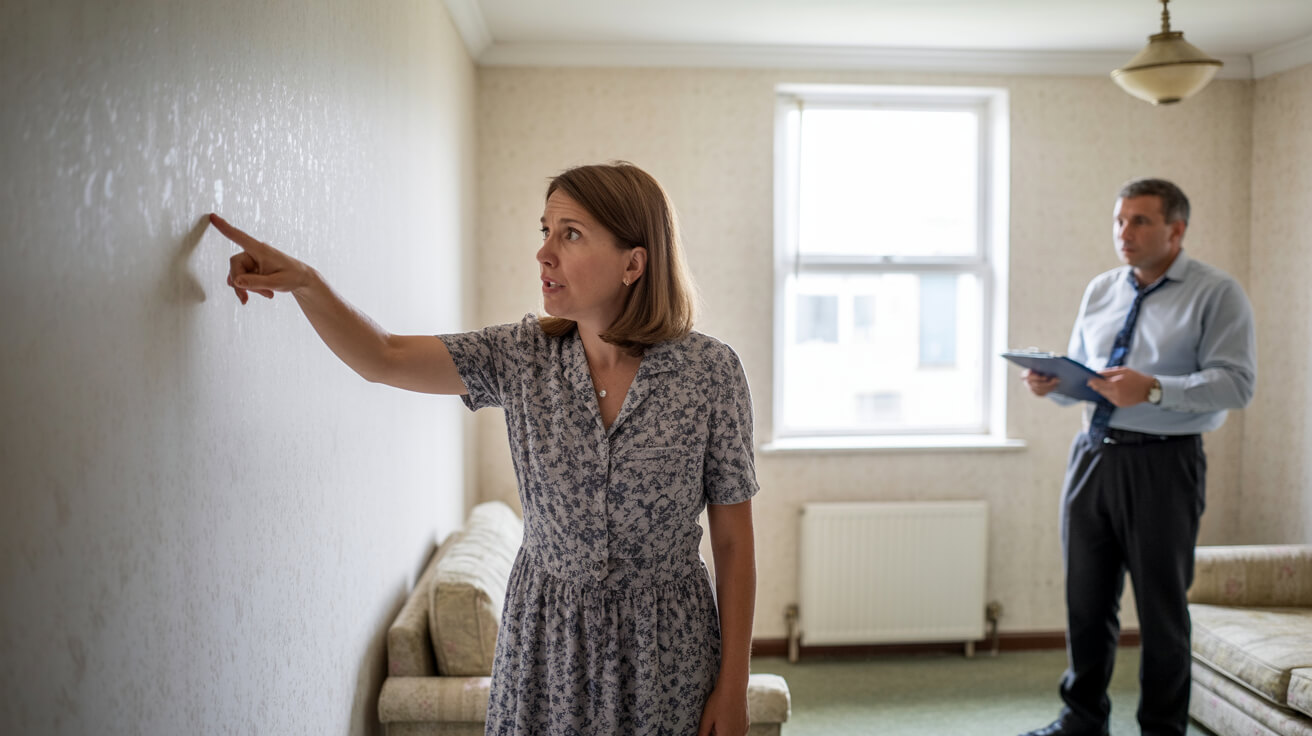
Heritage approval isn’t simply a formality; it shapes and sometimes limits the available waterproofing approaches. Conservation teams strongly favour methods that meet two tests:
- Minimal intervention: “Do no harm”—solutions that protect original masonry, avoid irreversible changes, and can (in theory) be removed or upgraded by future custodians
- Reversibility and breathability: Cavity drain membrane (CDM) systems, classified as ‘Type C’ under BS 8102, are most routinely approved—they isolate water away from building fabric, allow original features to ventilate, and leave future options open.
Commonly Approved
- Cavity Drain Membrane systems: Modern, studded plastic membranes channel water to a management system (sumps, pumps, drains). *Preferred because: reversible, low chemical impact, leaves original fabric intact*.
- Drainage enhancements: Specialist channels, French drains, or sump-based flow controls, as long as core building elements aren’t altered.
- Advanced monitoring: Environmental sensors, non-invasive data loggers for post-instal aftercare and reporting.
Frequently Rejected/Problematic
- Cementitious tanking: Non-reversible, can trap moisture in brick or stone leading to damage, and masking original features.
- Bituminous coatings & paints: Block breathability, can fail under hydrostatic pressure, and are tough to remove without damaging heritage.
- Resin and high-impact chemical DPCs: Only in rare, justified cases; require much more paperwork, third-party evidence, and sometimes lab samples.
Your Compliance Advantage
Sussex Damp Experts submit a detailed “method impact” document, often requested by conservation/planning officers, with product datasheets, build sequence, substrate risk analysis, and post-installation reversion plan. This not only speeds approval, but heads off costly debates mid-job.
The cleaner the case for why your solution *can be reversed or replaced*, the faster you’ll hear yes—from both council and your lender.
How Do Materials, Labour, and Overlooked Admin Add Up? Avoiding Budget Bombshells

The base cost to fit a BS-compliant CDM system in Sussex typically falls between £110–£130 per square metre—a 15–30% uplift over modern settings, reflecting specialist labour, drilled fixings, membrane overlap details, and documentation-intensive installation. But the sticker price is just the starter.
Below-The-Quote Costs You’ll Need to Budget For
- Heritage consultant review: £800–£2,500
- Statutory planning fees: £250–£450
- Compliance documentation packs: (after photos, survey drawings, warranty proofs): £350–£800 per intervention
- Mandatory site upgrades: (dust, noise, hygiene controls): £150–£400 per instal week if required
- Environmental and salt testing: (where original plaster or paints risk leaching): £180–£650
If you hit a permissions delay, expect holding costs to rise—missed lettings, mortgage interest, or interim property protection running £200+ per week. Skimping on these steps only invites compliance fails visible to lenders or buyers, or retroactive council penalties (with pro-rata site reopening costs).
Why Cheap Quotes Can Be the Most Expensive Mistake
Many “all-in” quotes from unspecialised firms skip heritage, documentation, or aftercare entirely—passing surprise costs (or disputes) back to you when the council demands proof post-instal. Sussex Damp Experts’ contracts are itemised, with line-item documentation for every compliance phase, so you can budget in advance and avoid late-stage resets.
It’s the emails, site visits, and council waiting rooms—not just tanking and sumps—that push heritage basement waterproofing costs over the line for unprepared owners.
Property Value, Lending, and Insurability: Why Compliance Shapes Long-Term Returns

Waterproofing done right is as much a financial risk management operation as a construction project—especially in listed and period properties. The right system, on paper, means the difference between smooth sales, insurability, and mortgage access versus endless obstacles.
The Documentation You Need to Unlock Lending and Sale
- BS 8102/6576 certification: Technical compliance for all waterproofing works
- Comprehensive LBC documents: Original authorisations, heritage impact statements, method/datasheet bundles, and photos
- Warranty/insurance certificates: 10- or 20-year warranty packs, sometimes with insurer or lender sign-off
- Aftercare records: Ongoing site moisture monitoring, surveyor periodic checks, and logbook approach to repairs
Lack any one, and a lender may decline a mortgage or the solicitor “red flags” the basement—grinding sale or re-finance to a halt. Landlords risk void periods as letting agents refuse to market on “grey” or non-certified works.
How Sussex Damp Experts Safeguard Sale Value
Our team supplies full compliance packs as standard—combining method evidence, before/after reporting, surveyor notes, and warranty chains. These become a ready-to-share asset, smoothing the path for surveyors, lenders, and even future buyers.
Property value lives and dies on paperwork as much as it does on dry floorboards. Compliance isn’t bureaucracy—it’s liquidity for your asset.
How Admin Delays and Insurance Clauses Quietly Drain Heritage Project Budgets

The hidden drip-feed that erodes listed basement budgets is rarely about unforeseen leaks or botched membranes. It’s about paperwork, permissions, and insurance clauses. The “compliance loop” often outlasts physical installation by weeks or months.
Budget-Killers You Can See Coming (If You Know Where to Look)
- LBC delay over site-specific detail: Each round of feedback from the council can stall trades, rack up project management charges, and impact tenancy/mortgage milestones.
- Premature works = Insurance gaps: Works started before formal consent leave you exposed; most policies will not cover “iunauthorised” installations, even if later approved.
- Reinspection or documentation re-issue fees: Lenders and insurers often require extra documentation as conditions change—costing £180–£400 per incidence.
- Legal, remedial, or site reopening costs: Enforcement or retrospective consent failures can mean new works, new contract chains, and weeks of lost time.
Sussex Damp Experts minimise these threats by setting phased project triggers (no new works until every document is council and lender-guaranteed) and handling all document transmission on your behalf.
It’s the slow drip of emails and council minutes, not burst pipes, that catch even careful stewards off guard.
What Does Heritage-Grade Waterproofing Aftercare and Warranty Actually Require?

Guarantees only defend your investment if they’re matched to lender, insurer, and council requirements on listed properties. Most serious mortgage providers and insurance companies in the UK now require:
- Third-party warranty: Usually 10 or 20 years, with insurance backing to match lender/insurer criteria.
- Ongoing site checks: Moisture sensors or at least biannual surveyor checks, feeding into formal logbooks.
- Photographic and reporting evidence: Before and after with dated, surveyor-verified records.
- Warranty compliance documentation: For all new owners, tenants, or when refinancing/insuring.
Failing to meet these requirements will severely limit your property’s value and in some cases leave you unable to insure, let, or even occupy the affected space.
Sussex Damp Experts’ Aftercare Advantage
We provide active site monitoring linked to warranty chains, easily exportable for your solicitor, agent, or future buyer—plus biannual or annual reviews scheduled as standard, not extra.
A watertight guarantee isn’t just ink on paper—it’s a living file, ready for any lender, buyer, or conservation officer.
How Can You Avoid Compliance Traps and Budget Surprises? Practical Playbook
Protecting a basement—and your asset—under listed constraints isn’t simply a question of picking the “right” system; it’s about owning every step and every paper, from day one.
Practical Steps to Preserve Value and Stay Out of Trouble
- Start with a “heritage-first” survey: Use PCA-accredited, heritage-literate contractors. Ask for their compliance packet—never accept a quote without this.
- Plan documentation upfront: Lay out the full chain of permissions, consents, warranty/aftercare requirements, and admin triggers.
- Lock in third-party expertise: Retain heritage consultants, legal advisors, and project managers early—delays happen when the paperwork chain lags behind site progress.
- Refuse “all-in” quotes without details on documentation or heritage method: .
- Set up aftercare from day one: Make moisture monitoring, warranty checks, and compliance reviews part of your annual calendar.
Owning a listed building is about stewardship as much as shelter. If you protect its history on paper, you protect its value in the world.
Protect Heritage, Value, and Lending Power—With Sussex Damp Experts as Your Shield
Defending your asset’s value and compliance status takes more than membranes and pumps. Sussex Damp Experts blend forensic damp diagnosis, legal and planning fluency, and hands-on heritage craft to Protect Heritage while giving every stakeholder, from the conservation officer to your surveyor or lender, confidence in your investment. If you’re ready to stop betting your future on guesswork and cut-corner contractors, book your heritage-grade waterproofing survey today. Sussex Damp Experts help safeguard the dry, protected, and fully liquid asset that every owner of a listed Sussex property deserves.
Frequently Asked Questions
What unique threats do listed and heritage basements face if waterproofing is postponed?
Delays to Waterproofing Systems in listed or heritage basements don’t just risk a few discoloured bricks—they compound a cascade of technical, legal, and financial headaches. When moisture seeps unchecked into century-old stone, lime, or timber, every passing month magnifies capillary rise, thermal bridging, and hidden substrate decay. Old joists creep closer to collapse, while salts migrate deep behind plaster and brickwork. The moment historic finishes start to “sweat” or lift, mortgage surveyors, conservation officers, and insurers will treat your property as a rising liability, not a valued asset.
How does deterioration accelerate in protected buildings?
- Timber and masonry break down invisibly: Moisture infiltrates layers you can’t see, weakening load-bearing timbers and triggering chemical reactions in stone or brick that take decades off the building’s health.
- Heritage protections heighten vulnerability: Strict guidelines prevent “quick-fix” interventions, so problems quietly deepen until they’re undeniable, increasing overall cost and disruption.
Heritage basements hide damage better than they shed water. Delayed action sets up a future you’ll wish you could undo.
Why does time multiply regulatory and sale risk?
- Compulsion risk: Local authorities can step in fast under the HHSRS or Environmental Protection Act if living conditions deteriorate, potentially overriding your timelines and tying your hands on methods.
- Sale and finance penalties: Untreated water issues scare off buyers and trip mortgage alarms; urgent remediation demands can cut your return or stall resale altogether.
Book a compliance-driven assessment as soon as early warning signs appear—stains, must, or tide marks—and stay ahead of the curve before regulatory momentum forces your hand.
How do heritage-compliant waterproofing strategies help avoid insurance and lender red flags?
A heritage-first waterproofing approach does more than tick conservation boxes—it unlocks smoother financing, valid insurance, and worry-free resale. Lenders demand traceable compliance: photographic logs, council permissions, and standards-based method statements (BS 8102:2022, PAS 2035), especially where protected fabric is involved. Insurance firms sift claims through the filter of documentation quality, searching for evidence of reversible, non-invasive works with robust aftercare and monitoring protocols.
What paperwork traps do owners often miss?
- Missing Listed Building Consent (LBC): Even well-intentioned “repairs” without LBC can nullify mortgage offers and trigger enforcement.
- Opaque works history: Lack of certified, heritage-compatible documentation stymies both refinancing and insurance claim payout, sometimes indefinitely.
- Non-standard interventions: Cement tanking and plastic DPCs often violate breathable substrate rules, sinking your eligibility for guarantees, compensation, or regulatory support.
Smooth lending and insurance are built on a compliance ‘breadcrumb trail’—the tighter the chain, the less room for nasty surprises.
How do Sussex Damp Experts remove policy and approval barriers?
Expect every intervention to come bundled with lender- and insurer-proof paperwork: photographic evidence, annotated site drawings, installer accreditation, and clean aftercare schedules. That way, value and trust remain with your property, not stuck in a government folder or an insurance loophole.
Which diagnostic tools set a higher bar for compliance and futureproofing in listed basements?
Diagnostic routines for heritage basements go well beyond a quick poke with a moisture metre. Compliance-savvy teams orchestrate a multidimensional toolkit: digital borescope probes map internal cavities, while moisture gradient sensors build before-and-after moisture maps anchored to BS and PAS reporting standards. Thermal cameras spot unexpected ingress at interface zones (wall-floor junctions, hidden chimney breasts), and salt tests reveal not just present, but legacy water movement.
What inspection steps do authorities expect in protected fabric?
- Borescopic cavity mapping: Views moisture movement and decay without invasive removal—ideal for historic “hard-to-see” voids.
- Salt/chemical assay: Identifies hygroscopic salt patterning, a sign of long-term or recurring risk, often missed in visual surveys.
- Full-site moisture mapping: Anchors every recommendation in traceable, monitorable evidence.
- Time-stamped site imaging: Digital records underpin permissions, warranties, and resolve disputes with third parties.
Every survey is an evidence engine. Without the right data, your basement’s story is whatever the council or a buyer’s agent says it is.
How does Sussex Damp Experts strengthen the compliance audit trail?
Our reports marry forensic-grade site imaging with methodical instrument logs—cross-referenced to floor plans and annotated for lender or council verification. This isn’t paperwork for its own sake; it’s the single most direct path to regulatory yeses, not frustrating standstills.
How have shifts in standards like BS 8102:2022 and PAS 2035 reset the bar for listed basement works?
National standards are no longer passive technical manuals—they’re the playbook for council consent, mortgage acceptance, and insurance claim success. BS 8102:2022 requires every design and installation to justify choice of “Type C” (cavity drain membranes) with full heritage substrate compatibility and reversibility. Simultaneously, PAS 2035 inserts a compliance loop: designer, validator, and installer must sign off together, and works are matched to project risk in both legal and asset value terms.
Why do these protocols matter for owners and buyers alike?
- BS 8102:2022 dominance: Conservation officers and surveyors will greenlight only those systems that are reversible and safeguard the “as found” condition—membrane installations rule, cement tanking is out.
- PAS 2035’s risk and documentation chain: Each intervention maps to a risk pathway, with council signoff and full traceability from design to installation.
- Local overlays: Many councils go beyond national codes, requiring upgrades to historic mortars or ventilated systems—failure here means do-overs and costly re-inspections.
Today’s proof isn’t just what you installed—it’s the chain of custody. Break it, and your entire investment is in jeopardy.
What’s Sussex Damp Experts’ approach to ever-tighter regulations?
We design each scheme with future audits in mind—completing PAS 2035 validators, logic-tied moisture control, and council-friendly photo chains from first inspection through system handover.
How do best-in-class basement works protect heritage and value while easing occupancy disruption?
Low-impact, council-friendly repairs aren’t just about “minimising disruption”—they protect resale, tenancy, and legacy. The best heritage solutions layer interventions: phased, membrane-first, surface-protecting systems adapted to the exact wall/floor mix. Works dovetail with planning and tenancy cycles, minimising noise, dust, and downtime for occupants. Smart property owners invest in continuous monitoring (moisture sensors, annual inspections), creating verified, compliance-ready datasets that speed property transactions and crush late-stage buyer nerves.
How do you structure phased works to minimise friction?
- Document everything: Capture detailed, annotated photos and even 3D scans of original features and problem areas before any works.
- Build in reversibility: Select systems certified as “undoable” by heritage officers and local authority inspectors.
- Centralise communication: Monthly progress reports for councils and tenants; a single, responsive contact for all issues.
- Prioritise aftercare: Smart moisture monitoring and annual expert reviews keep compliance and asset value humming along.
Preservation is measured not just by what you fix, but what you leave undisturbed. Your legacy is restraint plus readiness.
What makes Sussex Damp Experts’ “quiet craftsmanship” model unique?
Instead of noisy teams and big-fix fanfare, our approach is precision-tuned and compliance-mapped in stealth cycles—each move is justified, documented, and aligns with both owner goals and council/tenant needs.
Why do property owners, agents, and professionals trust Sussex Damp Experts with their heritage basement challenges?
Sussex Damp Experts bring a decades-old track record in tuning technical solutions to heritage imperatives, smoothing council consent, and future-proofing both property value and regulatory certainty. Every phase—diagnostic, planning, execution, and aftercare—is handled as if your asset were our own, because a survey is an evidence base for the right decisions from the outset. From PCA-accredited diagnosis to warranty-backed aftercare and real-time lender reporting, we orchestrate zero-guesswork, zero-drama progress for owners, buyers, estate agents, and property managers alike.
What core advantages set Sussex Damp Experts apart?
- Regulatory strength: Every scheme is pre-cleared with local heritage officers, so you don’t face late-stage refusals or remortgage quagmires.
- Precision transparency: Live, owner-accessible documentation and tracking—your property’s moisture and compliance history is never lost or hidden.
- Total support, from first sign to buyer handover: Warranties, future audits, issue triage, and value documentation ride with the building—simplifying legacy, sale, or succession.
Expert stewardship lets you trade panic for pride. Water-proofed heritage, paperwork in order, and full-circle support—your legacy, stress-free.
Elevate your heritage asset and dissolve compliance anxiety—book a council-ready consultation with Sussex Damp Experts and join the growing wave of owners who expect not just repairs, but long-term peace of mind.

