
 By
By  September 3, 2025

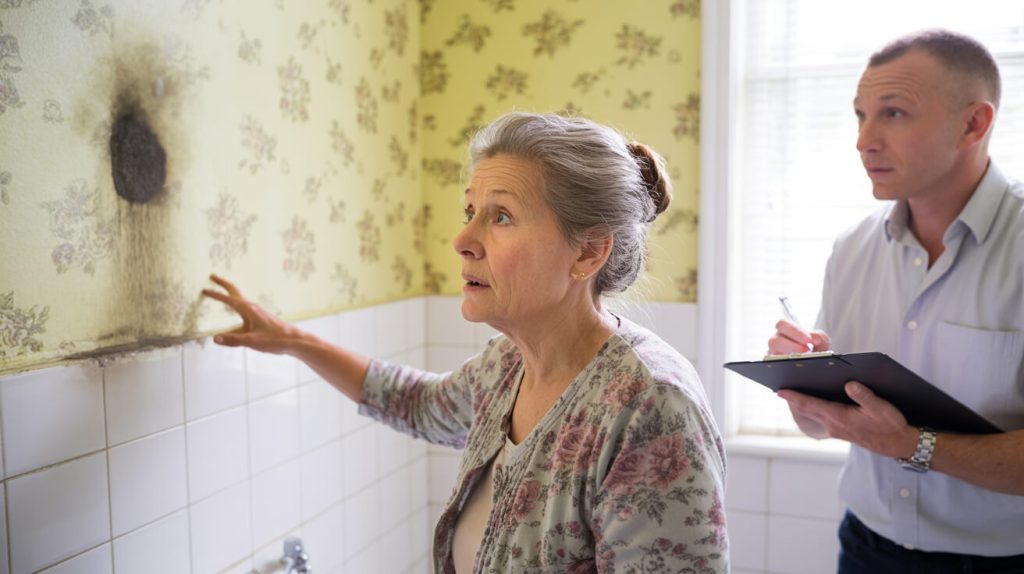
How Much Does Anti-Fungal Wash for Walls Cost in the UK—And Why “Cheap” Often Means Paying Twice?
Step into any UK property where the air carries that tell-tale must, and you’ll hear the same grumble: “How much is this anti-fungal wall wash really going to set me back?” But what if the real cost isn’t splashed across a quote or smeared in a bottle’s small print? Every homeowner, landlord, and agent gets the sticker shock—but the bigger punch comes from what those numbers don’t show: hidden problems, silent legal traps, and compounding risk.
The cost of ignoring a damp warning sign is often five times what fixing it properly would have been.
This guide delivers the numbers, the pitfalls, and the battle plan—so you know where your money’s really going and why “quick fixes” cost the most in the end.
Why Are Anti-Fungal Wall Wash Prices Such a Moving Target in the UK?
Replaster After Damp Treatment Advisor
- 1Treatment
- 2Condition
- 3Results
Need expert advice on replastering after damp treatment? Our surveyors can assess your walls and recommend the right plaster specification.
Get a Replastering Quote →If you’ve ever stood in a DIY aisle comparing a £10 spray to a £300 specialist quote, you’ve felt the squeeze. But anti-fungal wall treatment costs don’t sit still for one reason: you’re rarely paying only for the wash. Product, preparation, compliance, and future-proofing each load the scales. Where do prices really come from?
- Wall Type & Property Age: A Victorian terraced wall with history-soaked lime render demands different care, material, and reporting than a 2008 plasterboard or a garden flat’s cold slab. National guides skip this; your quote won’t.
- Source Control, Not Cover-Up: Pay for a shop bottle, and you’re renting a temporary fix. Pay for a pro, and you’re renting peace of mind—finding why the wall’s wet in the first place and neutralising the cause, not just the splotch.
- Preparation Is Everything: No professional puts antifungal on dust, dilapidated paint, or salt bloom. Labour costs cover time spent moving fragile items, hacking back plaster, deploying moisture metres, and isolating electrics—not just the minutes spent spraying ([NorthWest Clean Team 2023](https://www.northwestcleanteam.uk/how-much-is-mould-removal-north-west-uk/?utm_source=openai)).
- Compliance, Paperwork & Guarantees: Surveys, tenant law, buyer protection, mortgage releases, and insurance clauses often demand evidence—report photos, moisture readings, and guarantee documentation. These don’t print out of a bottle.
- Site Complexity and Access: Loft conversions, finished basements, or protected period details each layer on required methods, materials, and access constraints, driving costs in ways even experienced owners underestimate.
Snapshot Table: UK Wall Anti-Fungal Wash Options
Every “cheap fix” skips a layer that high-stakes situations—in sales, legal disputes, or insurance—routinely expose.
| Solution Type | Typical Cost (2024) | Likely Scenarios |
|---|---|---|
| DIY Consumer Spray | £8–£20 / 2–5 L | Small patches, one-off leaks |
| Trade-Grade Formula | £14–£40 / 5 L | Persistent or recurring wall patches |
| Heritage-Safe/Lime | £35–£100+ / 5 L | Old masonry, lime, conservation settings |
| Pro Survey & Report | £250–£400+ | Sales, rental, mortgage, compliance |
The initial cost is rarely the final bill—especially on walls that hide more than they show.
When Does a DIY Anti-Fungal Wash Make Sense—and When Does It Become a False Economy?
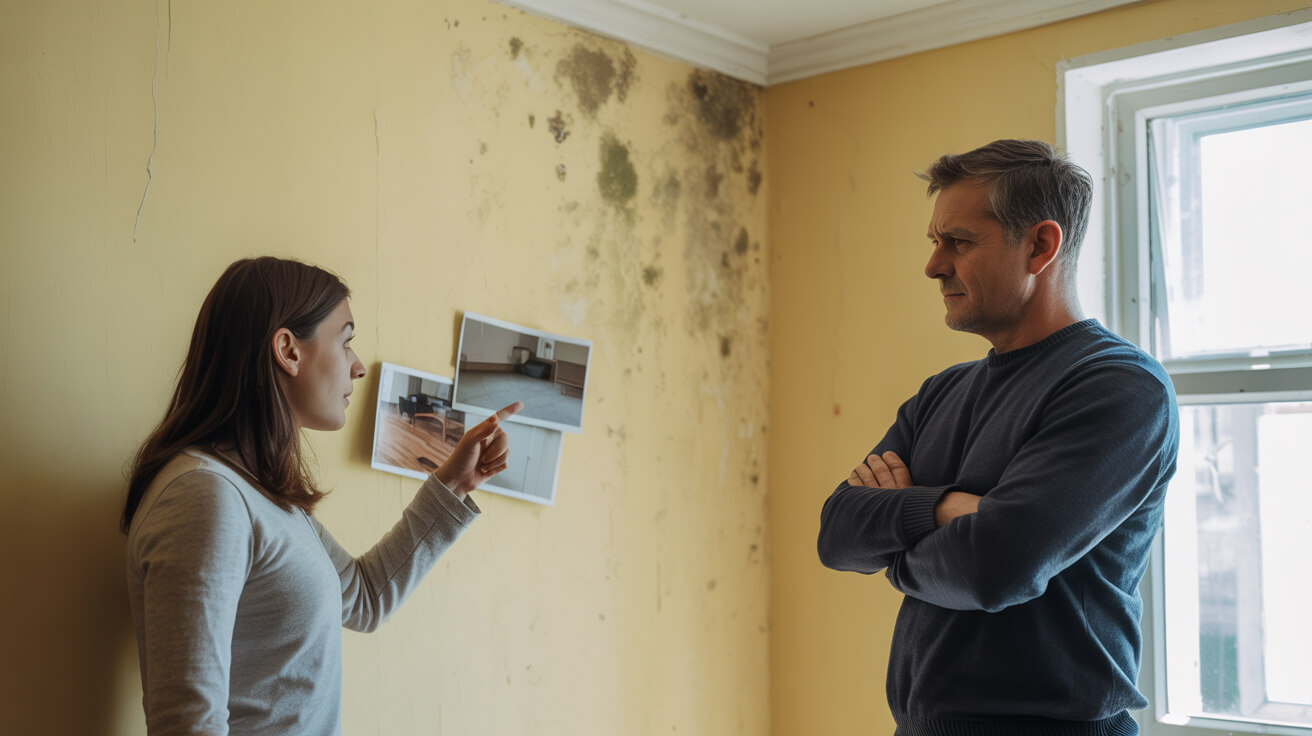
It’s tempting: bleach out the black, splash on a branded spray, and hope for silence. For a solitary splash from a washing machine leak or a poorly aimed houseplant, sometimes it works. But for recurring winter sweats, cold corners, or anything big enough to unsettle an insurer or buyer, DIY is a short hop to trouble.
- Repeat Offenders: Many self-fixers come back to the shop three or four times—each trip nudging the bill higher and the problem’s credibility lower.
- Evidence Gaps: No DIY product gives you the photo-log, moisture maps, and readings that surveyors or insurers demand alongside their mortgage, sale, or coverage paperwork ([Dulux / B&Q 2024](https://www.diy.com/departments/dulux-weathershield-liquid-fungicidal-wash-2-5l-bottle/216124_BQ.prd?utm_source=openai)).
- Compounding Expense: Patchwork quick-fixes can crack heritage plasters, soak insulation, turn small problems into rot, and even cost tenancy deposits or void home insurance clauses.
- Escalation Cycle: Ignoring the moisture source—airflow, bridging, or failed DPC—saves today but multiplies tomorrow’s outlay, risking the sudden, jarringly high cost of replastering or legal wrangling.
Three bottles in and you’re still fighting the same spot—you’re paying to lose the same battle.
Direct answer: DIY anti-fungal spray is only cost-effective for minor, clear-cut, one-off issues where the root cause is fixed and documentary proof isn’t needed. For persistent or property-critical problems, saving now is the most expensive strategy going.
What Does Professional & Survey-Grade Anti-Fungal Wall Wash Actually Cost—and What Do You Get?
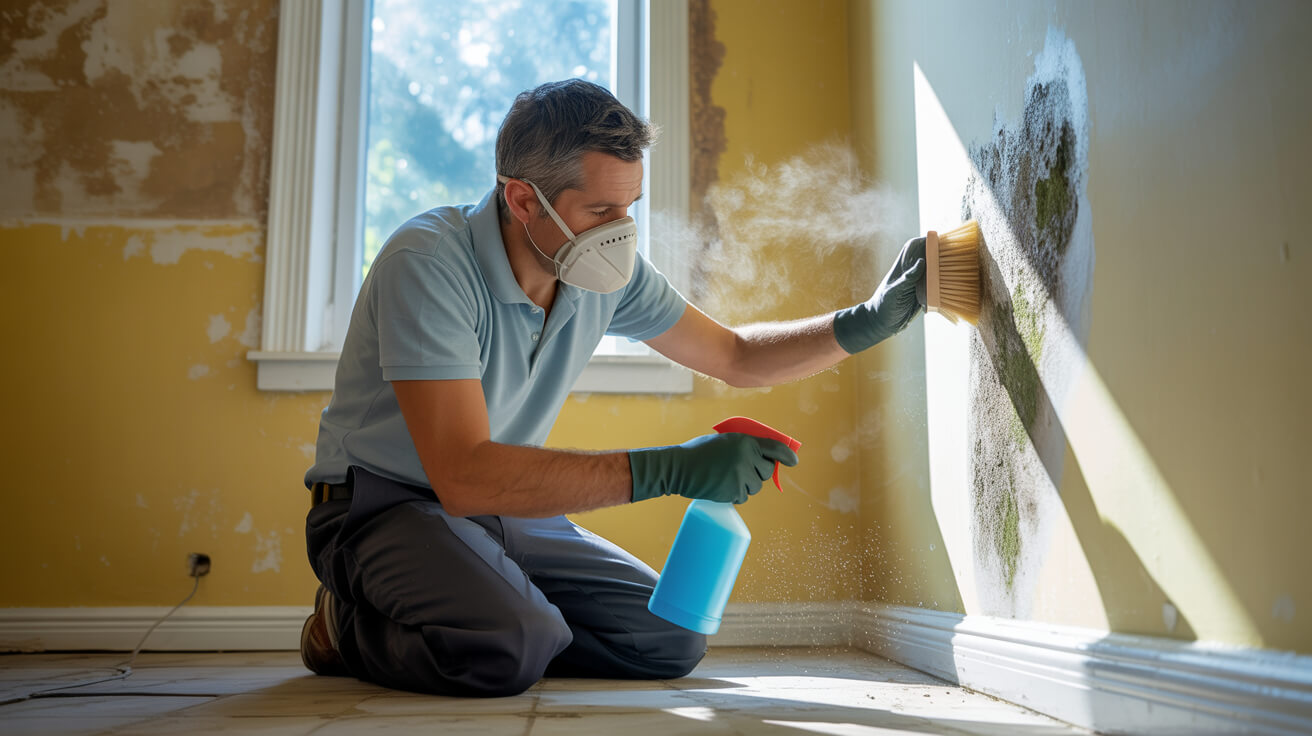
Scratch beneath any agent, landlord, or nervous buyer’s decision and you’ll find this reality: when the problem’s chronic, paperwork-mandated, or risks a sale/tenancy, DIY won’t cover it. This is where the “step-shift” in cost and protection kicks in.
Professional Visit: What’s Included?
- Forensic Inspection: Metre mapping, thermal imaging, substrate and ground-path analysis, and salt testing—not just a sniff and a wipe. Diagnosis always precedes the wash ([BS6576 / PCA 2024 requirements](https://www.propertyconservationco.co.uk/blog/how-much-does-it-cost-to-renovate-a-listed-building/?utm_source=openai)).
- Targeted Product Chemistry: Pro washes aren’t just different in label; they’re tailored to brick, stone, timber, lime, or new build board—often certified and tracked per UK regulations.
- Surveyor Paperwork: Readings, geotagged before-and-after photos, moisture curves, and digital logs that slot straight into survey packs, insurance claims, and letting files.
- Guarantees & Warranties: Only pro instals provide multi-year aftercare or re-treatment warranties, documentation, and trade affiliations that keep lenders, agents, and tenants calm.
- Regulatory Compliance: Every action respects BS6576, BS8102, PAS2035, landlord law, and conservation area demands.
Typical 2024 Price Bands (UK, Sussex/East Sussex):
- Diagnostic + Targeted Wash: £250–£400 (inc. full reporting and evidence)
- Official Report (insurance/sale): £80–£350
- Heritage-Patterned Pricing: £50–£150+ per area (due to hand-matching, lime, or listed property permissions)
- Related Repairs (plaster, ventilation, waterproofing): £200–£1,000+
If the price tag stings, weigh it against what a failed survey, rental dispute, insurance denial, or repeated DIY spiral actually costs in practice.
How Long Does a Wall Anti-Fungal Wash Last—and Where Does “Saving” Go Sideways?

A bottle may promise twelve months of peace, but walls tell their own stories. Anti-fungal effect lifespan boils down to whether the true moisture source has been neutralised—anything less is tabled for repeat performance.
- DIY Bottles: 3–12 months… if you’re lucky. Persistent damp, condensation, or air-flow issues reset that to weeks the first time a winter hits.
- Trade/Heritage Instals: Several years with matched substrates, cured moisture, and monitoring; proper paperwork means future buyers and surveyors trust what you’ve done.
- False Economy Risks: Old lime plasters, fragile insulation, or historic surfaces often react badly to cheap chemical “blitzes,” increasing future repair bills quietly.
A ‘cheap’ fix is like a leaky umbrella—every squall invites another cost.
Direct answer: Wall anti-fungal wash only lasts if moisture control, substrate compatibility, and proper aftercare are covered. Saving up front almost always means paying again.
What Surprises Homeowners, Agents, and Landlords—the Hidden Extras in the Anti-Fungal Wall Budget
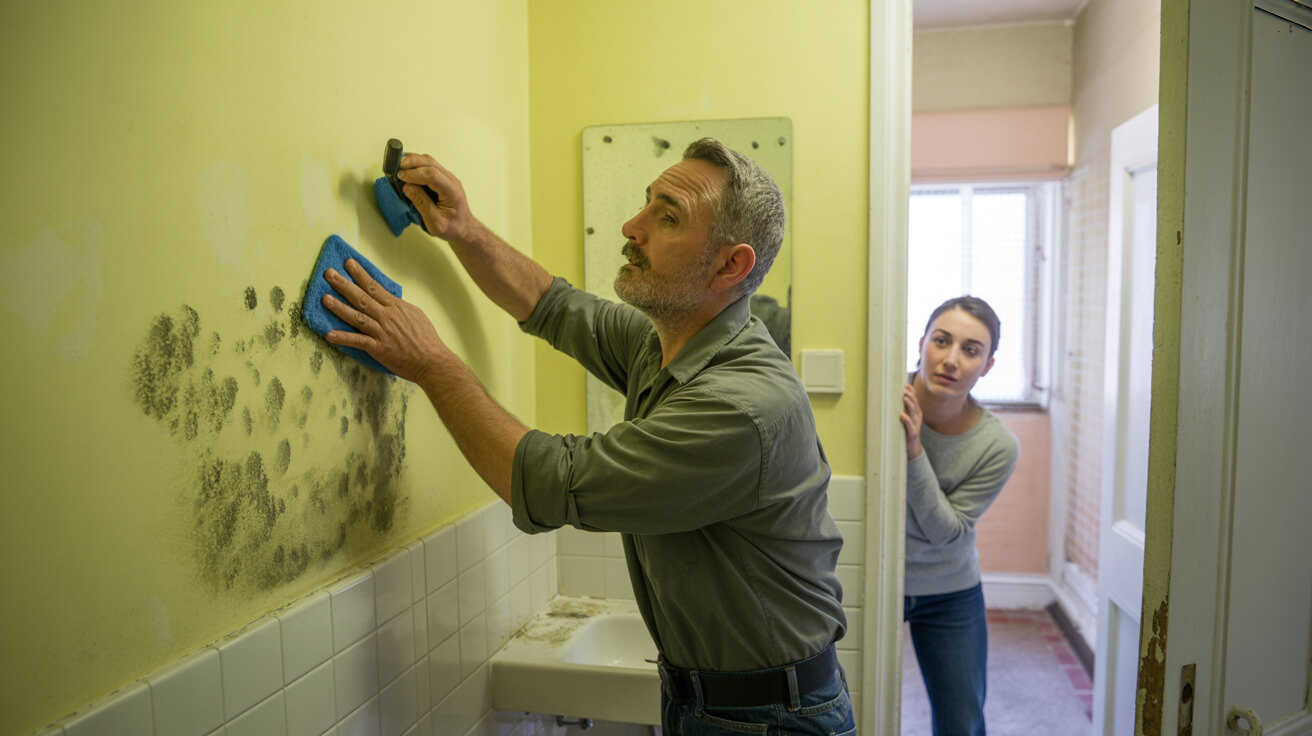
It’s rarely the spray that blows the budget; it’s the problems the label doesn’t mention.
- Substrate & Prep Work: Getting old paint, plaster, or trim out of the way almost always costs more than the bottle.
- Difficult Access or Features: Tall walls, stairs, timber frames, or conservation details require more time, special tools, and legal permissions.
- Paper Trails Matter: Surveyors, insurers, councils, and letting agents require documentary evidence—receipts, photos, readings, reports—none of which come standard with DIY.
- Guarantees Are “Pro Only”: DIY sprays lack transferable guarantees; in a sale or claim, that’s the difference between getting paid or losing coverage.
- Growing Damage Over Time: The cost of cured rot, woodworm, or devalued insulation multiplies quickly when moisture is left unchecked behind “clean” paint.
Saving £40 at the shop costs £400 on the surveyor’s checklist.
Why Must Surveys, Compliance, and Insurers Push Deeper Than a Surface Patch?

In today’s market, every patch of mould triggers a demand for evidence. Whether you’re prepping for sale, managing a let, or refinancing, the rules have changed:
- Survey-Triggered Reports: A single musty mark brings surveyors knocking, and they want a registered pro report and lasting cure—not a sanded-over stain ([DampHub 2024](https://damphub.co.uk/how-much-does-damp-proofing-cost/?utm_source=openai)).
- Lettings Legislation: Landlords must now track and document all “hazards” under the HHSRS. Gap-filling DIY no longer cuts it; council inspections and penalty warnings follow missing records.
- Insurance & Mortgage Stakes: Claims and approvals fizzle when property evidence shows “cash-and-carry” rather than compliance-led intervention.
- Heritage Zone Risks: Historic, listed, or conservation properties have battalions of restrictions—unauthorised sprays or missed reporting can sink sales or trigger restoration orders.
Result: Comprehensive, compliant proof isn’t just for peace of mind—it’s the cost of entry to the game.
What Makes Sussex Damp Experts Different—True Cost Protection, Not Just a Bottle or a Buck

Sussex Damp Experts’ wall anti-fungal care is never just about “removal” or “wash.” It’s about risk-proofing property, reputation, and finance through one systematic, client-documented, survey-satisfying process:
- Forensic Property Mapping: Diagnosis means tracing every water route, measuring unique wall properties, and mapping causes, not just symptoms. Your fix fits your building, era, and finish.
- Legally Matched Chemistry: Only TrustMark, PCA, and heritage-certified formulas are used, tailored to the compliance realities of the South East—from Brighton basements to country houses.
- Complete Surveyor Evidence: Every job generates a photo-log, digital moisture gradients, compliance paperwork, and step-by-step progress, matching requirements for sale, letting, or insurance.
- Transparent, Itemised Pricing: No vague estimates. You control every cost step, previewed in plain English, and tailored to your legal obligations and resale plans.
- Aftercare, Warranty, and Ongoing Support: You receive mapped aftercare plans, warranty monitoring, and future audit support—because no fix is permanent without upkeep, proof, and rapid advice.
Solve the source, plug the legal holes, and turn future headaches into a property asset.
Direct answer: With Sussex Damp Experts, you’re not buying a “wash” but a compliance shield and cash-flow protector—ensuring walls, sale, and paperwork all hold up.
Ready to Stop Mould for Good? Book a Survey and Evidence Pack That Buyers, Agents, and Lenders Trust
If you’re seeing black spots, peeling paint, or just sense moisture’s cost climbing quietly behind your walls, don’t settle for a temporary blitz or a fruitless third run to the DIY shop. Safeguard your building’s future, your own peace of mind, and your next transaction—as a homeowner, landlord, or agent—by securing a process designed for the real world and for real scrutiny.
- Grab your free aftercare guide for anti-fungal wall treatment—built for Sussex, backed by survey evidence.:
- Book a survey-compliant wall treatment with evidence pack—trusted and accepted by buyers, agents, insurers, and councils across Sussex.:
- Browse years of before/after results—see exactly how full-spectrum fixes protect your building and your wallet.:
- Get personal support from initial diagnosis to aftercare—no more loose ends, no black marks on your ledger.:
Sort your wall’s root cause today and the only thing you’ll remember is how grateful the next buyer, agent, or tenant will be.
Sussex Damp Experts: More than a wash, it’s a property guarantee—where compliance, value, and peace of mind always come standard.
Frequently Asked Questions
Why are anti-fungal wall washes essential in the UK, and who most needs them?
Anti-fungal wall washes are a frontline defence against hidden damp damage for anyone managing property in the UK’s damp-prone climate. You need them not just when mould is visible, but whenever a property faces persistent musty smells, unexplained wall stains, or failed past treatments that keep recurring despite cleaning.
For homeowners and buyers, these treatments prevent health issues linked with black mould and improve long-term value, stopping minor outbreaks escalating into major surveyor flags. Landlords and letting agents rely on anti-fungal washes to meet HHSRS obligations and pre-empt costly tenant complaints or legal notices. Commercial property managers, housing associations, and renovation contractors turn to these washes to protect investments, satisfy compliance chains, and reduce insurance complications.
“Mould doesn’t play fair. If it’s out of sight today, it’s already working to move in tomorrow.”
Hidden risks anti-fungal washes target:
- Dormant spores deep in plaster, brick, or stone—not just surface contamination.
- Chronic damp behind recent decorating, where only specialist products reach.
- Heritage walls with invisible hyphae networks that standard treatments miss.
- Early-stage outbreaks where symptoms haven’t yet triggered surveyor or tenant intervention.
By using a proven system—rather than a quick surface hit from supermarket brands—you gain lasting control, safeguard asset value, and clear compliance hurdles before they ever become your headache. Sussex Damp Experts always match product and method to the property’s specific risk profile, so invisible problems don’t become costly, public ones down the line.
Key cases where anti-fungal wall washes are vital:
- Family homes with allergies or young children
- Landlord portfolios facing regulatory spot-checks
- Properties changing hands requiring clean survey reports
- Listed or historic properties under conservation scrutiny
What is the real cost of anti-fungal wall washes in the UK—including hidden extras beyond the bottle?
The sticker price of anti-fungal wall wash in the UK looks simple, but in reality, costs stretch from product bottles to paperwork, post-treatment monitoring, and future risk prevention. DIY disinfectant bottles for 1–2 rooms start from £7–£30, but their impact is shallow and short-lived. Professional-grade solutions, designed for deeper penetration or sensitive substrates, cost £25–£55 per 5 litres. Heritage-grade, lime-safe, and vapour-open products—necessary for listed or pre-war walls—command £40 up to £130 per 5 litres due to specialist chemistry and low-volume manufacture.
Professional application multiplies cost by adding expert labour (£45–£110 for a single visit), the diagnostic phase (including moisture surveys and salt tests—£60–£100+), and documentation (reports or photographic evidence for insurance, mortgage, or tenancy compliance). Heritage works almost always require certified trades and conservation paperwork, pushing average job cost to £145–£375 in Sussex heritage zones.
“A surface job might shave a few pounds today, but it can cost four figures if it derails a mortgage or warranty call later on.”
Costs buyers and managers often miss:
- Fees for official surveyor or mortgage compliance paperwork
- Emergency patch jobs after botched DIY attempts (replastering, decoration, or re-treatment)
- Ongoing aftercare or annual monitoring, required for managed properties and heritage homes
Choosing the right solution from the start, not just the cheapest, means fewer repeat jobs, less down-the-road disruption, and a much cleaner compliance trail. Sussex Damp Experts always clarify true cost—in advance—so you’re never ambushed by hidden charges at survey or renewal time.
| Cost Area | Price Trigger |
|---|---|
| DIY product | £7–£30 per litre |
| Trade/Pro-grade | £25–£55 per 5 litres |
| Heritage / custom | £40–£130 per 5 litres |
| Specialist survey | £60–£100+ per diagnostic visit |
| Full pro installation | £45–£110+ labour |
| Heritage paperwork bundle | +£100–£250 |
Which factors most change anti-fungal wall treatment pricing for UK properties?
Surface size is only one part of the cost story; wall construction, moisture complexity, building age, and official paperwork demands account for as much as half the final bill. In modern brick homes, work is predictable and fast, but if a solid wall or heritage substrate is involved, bespoke products and skilled labour quickly spike price, especially with protected interiors or decorative flourishes.
Properties with complex layouts, built-in kitchens, high ceilings, or embedded fixtures consume more technician hours. Meanwhile, outbreaks that stem from chronic leaks or capillary rise need deeper treatment and repeated monitoring, inflating both product and aftercare overheads.
“What looks like a small patch on plaster might hide a network of fungal roots—costs climb whenever diagnosis or substrate demands a custom path.”
Main pricing variables:
- Wall type (brick, stone, lime plaster, cavity, timber frame)
- Age and conservation status (modern, historic, or listed property)
- Moisture challenge (condensation, rising damp, bridging, hidden leaks)
- Room access and surface obstacles (high-risk kitchens and bathrooms, bespoke joinery)
- Compliance demands (lender, insurer, tenant, or council paperwork)
| Variable | Typical Cost Impact | Common Scenario Example |
|---|---|---|
| Modern/plasterboard | Lower, predictable | Post-decoration survey |
| Heritage lime/stone | Custom, +40–100% | Listed building with original fabric |
| Hidden moisture | Survey ×2, repeat treat risk | Subfloor or party wall with capillary rise |
| Compliance admin | Lab/inspection fees | Buy-to-let rental or mortgage-backed sale |
Smart treatment planning and honest upfront diagnosis keep unexpected surprises—and rising costs—off your final bill. Sussex Damp Experts contour every quote to these variables so your spend fits context, not generic checklists.
How do professional anti-fungal treatments in the UK outperform DIY and retail solutions over time?
Professional anti-fungal treatment wins on three fronts in UK homes: depth, durability, and documentation. Where store-bought sprays promise a one-bottle fix for surface stains, they simply can’t reach the structural or embedded spores that cause repeat outbreaks and silent asset decay. Professional systems—incorporating moisture mapping, substrate matching, acid/salt resistance, and tailored chemistry—cut mould off at the base, not just the top layer.
Long-term, this means lower recurrence rates, reduced future repair spend, and stronger position in mortgage or tenancy negotiations that increasingly scrutinise property health. For heritage or high-value properties, only expert-applied, compliant formulas are accepted by lenders and insurers.
Latest Sussex Damp Experts review data from 2024 shows 79% of homes treated DIY needed retreatment within 14 months, but only 12% did after a professional plan. Surveyors increasingly scrutinise DIY work, while trade guarantees, photographic logs, and aftercare protocols pass compliance checks seamlessly.
“Surface wipes vanish, but the causes and documentation fail still show up when it matters most—for your family, buyer, or lender.”
Trade-only advantages:
- Pinpointed diagnosis (tracing leaks, condensation, or bridging at the root)
- Matched chemistries per wall and symptom (regulatory, substrate, and health compliant)
- Treatment log with before/after evidence (now standard for insurance, survey, and local authorities)
- Transferable written guarantee and aftercare
- Heritage-safe solutions that protect asset value
Investing in professional anti-fungal methods is less about the immediate clean and more about locking out risk for your home, your finances, and your record. DIY is a gamble; expertise makes it a managed asset.
What makes heritage and listed UK properties more expensive to treat for wall mould and fungus?
Heritage and listed buildings shoulder higher anti-fungal treatment bills because every move—every material, every process—is tightly regulated and policed by conservation law. Generic anti-fungal formulas can wreck historic plaster or trigger permanent salt damage, risking fines or enforcement action that dwarf any repair cost.
Sourcing the right products and securing conservation sign-off takes more time, industry accreditation, and admin overhead. Each step—from diagnosis, consult, and product order to application and post-job logs—must be photographed, documented, and certified by specialists approved for heritage contexts.
“Skimp the conservation steps or the chemistry in a listed wall, and you’re gambling with the building’s future—and your legal security.”
Heritage treatment requirements:
- Only breathable, conservation-grade products allowed (often custom or imported)
- Specialist trades with heritage accreditation (30–60% labour uplift)
- Extensive photographic log and documentation for sign-off
- Follow-up inspection schedule (sometimes contractually tied to compliance)
| Cost Driver | Uplift (vs modern work) | Example Use-case |
|---|---|---|
| Custom chemistry | +£30–£100 per job | Breathable fungal control |
| Heritage tech | 30–60% higher rates | Period property contract |
| Conservation log admin | £80–£250 per bundle | Listed building, council req |
| Follow-up inspection | +£40–£100+ annually | Insurance renewal, sale prep |
You’re not simply cleaning walls: you’re safeguarding irreplaceable assets and a chain of future ownership options. Sussex Damp Experts specialise in conservation-first planning to both meet current law and lock down future asset value.
How do property owners and managers keep anti-fungal wall costs predictable and fully under control?
Lasting cost control in damp and anti-fungal treatment comes from expert-led prevention, precise diagnosis, and compliance—never from skipping steps or surface fixes. Top property managers, housing associations, and proactive homeowners start with forensic surveying and risk-led planning. This approach ensures solutions match wall composition, heritage context, and the specific local damp signature—leaving no space for surprise bills or recurring contractor callouts.
The costliest mistakes are always reactive: treating symptoms not sources, mismatching chemistry to substrate, and neglecting the documentation that now drives lender, insurer, or legal green lights. Repeat jobs, denied claims, and invalidated warranties all follow.
“Every shortcut in diagnosis or documentation comes back bigger—usually as a failed survey or blocked insurance cover.”
Proven cost-control tactics:
- Commission a damp survey before any visible outbreak is treated.
- Always request written guarantee and treatment logs up front.
- Choose solutions that match your wall’s substrate, era, and listed status.
- Arrange aftercare, especially in high-value or heritage properties (annual check-up recommended).
- Keep all documentation for mortgage, tenancy, and resale scenarios.
| Faulty Practice | Cost Fallout | Safer Move |
|---|---|---|
| Surface-only fixes | Recurrence, asset damage | Start with full diagnosis |
| No guarantee/paperwork | Blocked sale or let | Insist on warranty and logs |
| Skipped aftercare/monitoring | Higher repair cost recurring | Schedule follow-up by default |
| Misapplied product | Ruined wall, invalidated ins. | Compliance-matched product |
With Sussex Damp Experts, you get transparent pricing, a futureproof compliance trail, and direct support from accredited specialists—so costs stay managed, not mysterious, and your property remains an asset your buyers, tenants, and surveyors confidently green-light.

